
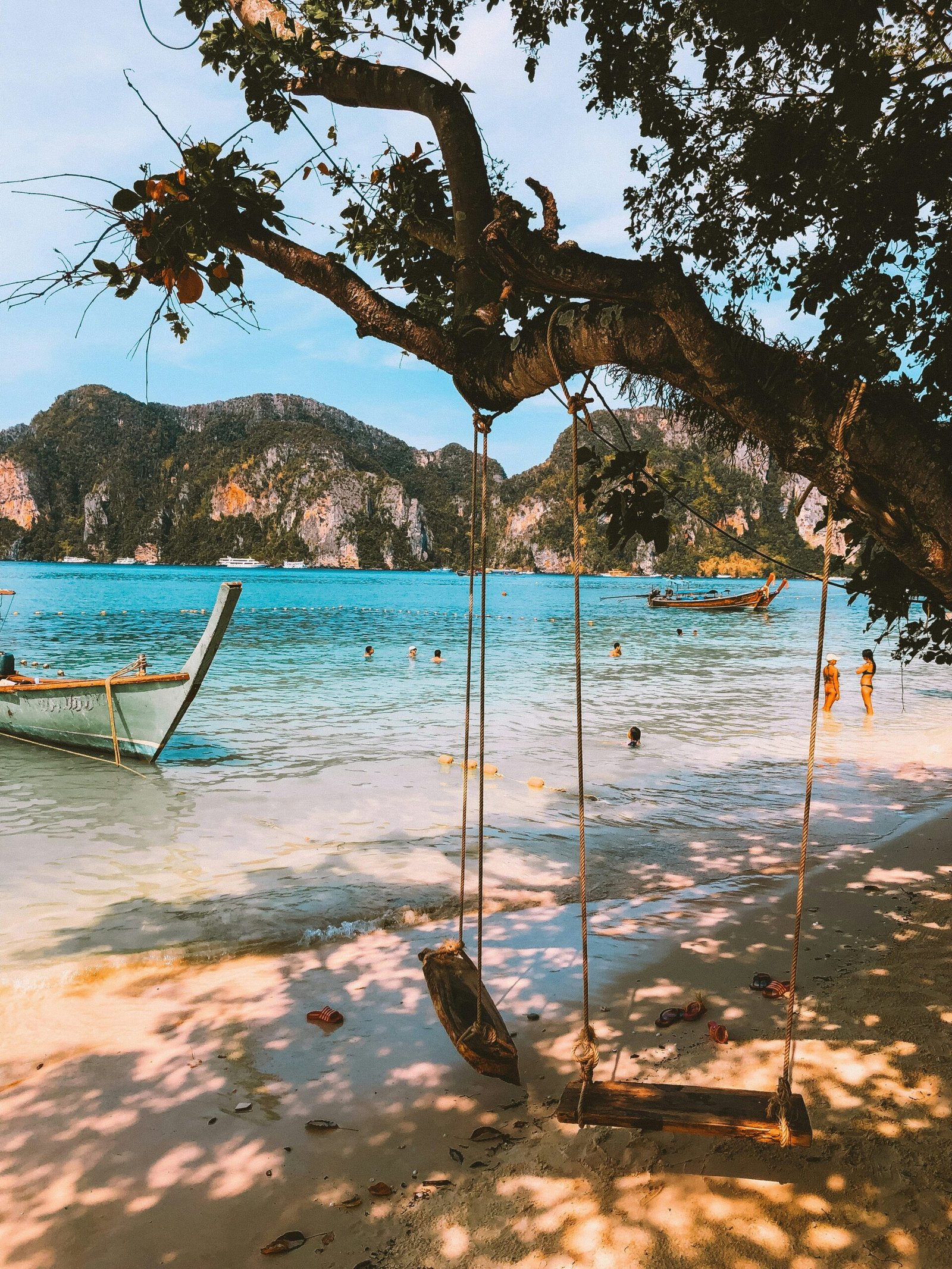
Last cool month in Chiang Mai, Valentine’s retreat culture on the islands, and the Andaman coast at peak diving season — browse the best yoga retreats in Thailand in February and find the right programme for you.


By February the dry season has been running for four months and the country has settled into it completely. The skies are clear, the air in the north is still clean before the March burning season begins, and the retreat centres that filled their January programmes are now running February with slightly more availability and more focused participant groups — the peak holiday rush of January has passed and the people who chose February did so deliberately.
Browse our full yoga retreats in Thailand guide for the complete picture of what the country offers year-round. For the global context of February retreat travel, our yoga retreats in February guide covers every destination worth considering this month.
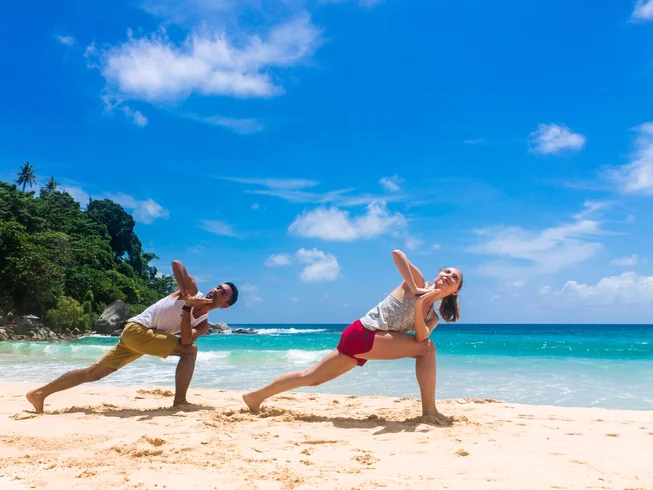
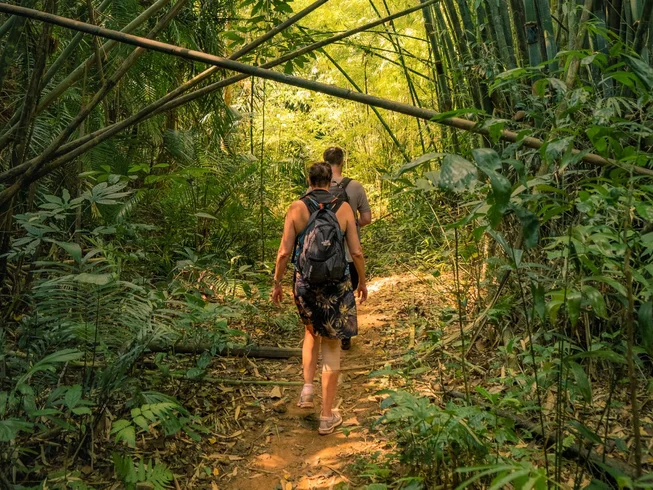
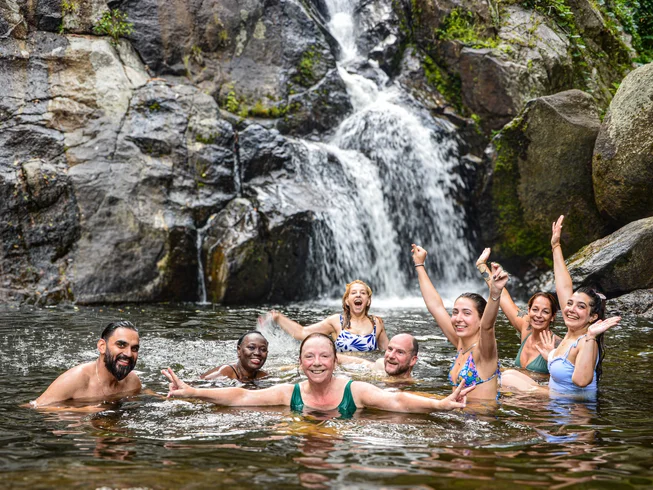
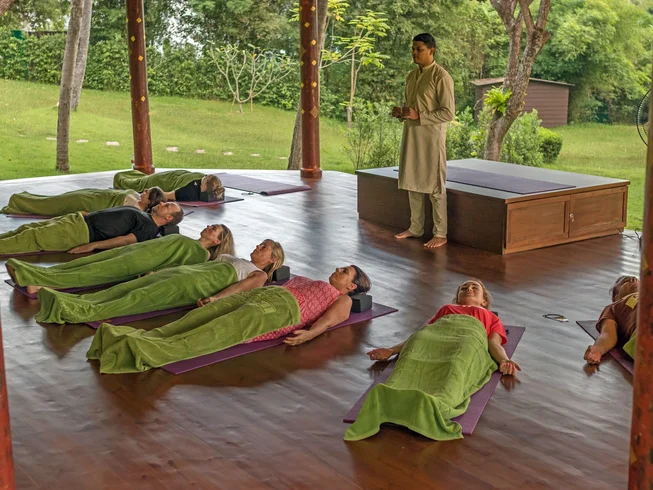
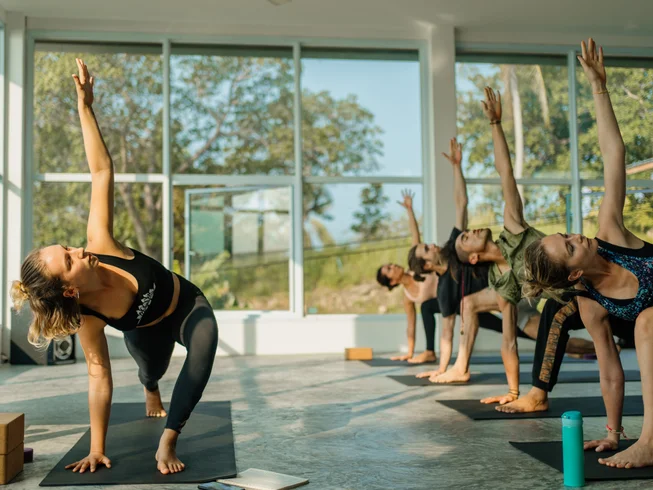
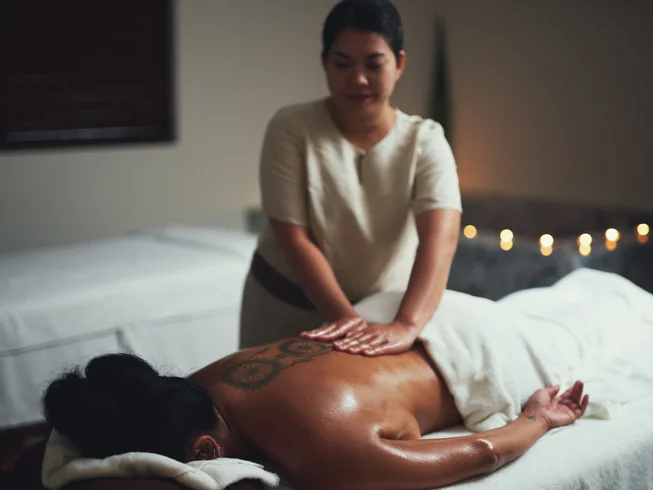
February is the last reliably cool month in northern Thailand before March brings the first heat and the burning season smoke. Chiang Mai at 16-20°C at dawn and 27-30°C at midday is still comfortable for the full outdoor programme — the sunrise practice, the temple walks, the afternoon hike to the Doi Suthep viewpoint — without the heat management that March and April require.
The vipassana retreat centres in the hills above Chiang Mai are in February running some of their most attended programmes of the year. The 10-day Goenka vipassana courses at the centres above Mae Rim and Mae Wang are booked months in advance for February — the combination of the cool season conditions and the specific energy of those who chose Thailand for this kind of retreat produces participant groups of unusual intentionality.
Pai in February has the valley mist burning off slightly faster than in January as the days warm. The small-scale retreat scene — the bamboo bungalow studios, the river-adjacent practice spaces, the farm-to-table kitchens using the valley produce — is in February at its most complete before the April heat changes the character of the town entirely.
February has a specific cultural dimension on the Gulf islands — the Valentine’s period brings couples’ retreat programmes, partner yoga workshops, and a retreat demographic that includes more pairs than the other months. For solo practitioners, this is worth knowing: the atmosphere on the Gulf islands in mid-February is noticeably more couples-oriented than January or March.
Koh Phangan in February has its full retreat infrastructure operational. The Srithanu area in the northwest — the concentration of yoga shalas, raw food restaurants, and wellness studios that has made this part of the island specifically known — is in February running its dry season programmes at full capacity. The sea at 27-28°C is comparable to January, slightly clearer in some areas as the post-monsoon sediment has fully settled.
Koh Samui in February is still at its dry season best. The Samahita Retreat on the south coast — one of the most established retreat centres in Asia, running since 2003 — is in February offering its signature programmes in the most comfortable conditions of its year. The Nathon and Lipa Noi areas on the west coast, away from the Chaweng resort strip, have the quiet February character that makes the island work as a retreat destination.
The Andaman coast in February is at the peak of its dive season — the seas calm, the visibility at its maximum (20-30 metres in the clearest spots), and the marine life at its most varied. Koh Lanta’s west coast beaches are in February producing the best snorkelling conditions of the year in the waters of the Mu Ko Lanta National Park.
Phuket’s Rawai and Nai Harn areas in the south of the island are in February still well below their summer capacity. The yoga and Ayurveda retreat centres of the Rawai area are in February running full programmes with more availability than January. The Phuket town itself — the Sino-Portuguese architecture of the old town, the weekend market, the local food culture — is in February specifically accessible from the retreat base without the summer tourist density.
Krabi and Railay in February have the limestone cliff landscape at its most visually perfect — the skies blue, the sea calm enough for the longtail boat transfer to Railay to be a pleasure. The rock climbing routes of the area, accessible through the retreat centres that combine yoga with climbing instruction, are in February at their driest and most accessible conditions.

The Chiang Mai Flower Festival takes place in the first weekend of February — the city’s parks, Nimmanhaemin Road, and the moat-side promenades filled with the flower arrangements that the cool season highland flower farms produce specifically in this month. The parade through the city centre with the decorated floats using blooms from the Chiang Mai valley’s highland growing areas, and the flower market at the Buak Hard Park, are the most visually specific events of the Chiang Mai cultural calendar. The highland flower farms of Doi Ang Khang and the Mae Sa valley produce roses, chrysanthemums, and carnations in February that the lowland heat makes impossible.
Makha Bucha — the Buddhist full moon festival that falls in February or March depending on the lunar calendar — commemorates the spontaneous gathering of 1,250 enlightened disciples to hear the Buddha teach the Ovadha Patimokkha (the foundation of the Buddhist monastic code). On Makha Bucha evening, candle-lit Wien Thian processions take place at temples across the country — monks and laypeople walking three times clockwise around the main hall holding candles, incense, and flowers. The ceremony at Wat Phra Singh and Wat Chedi Luang in Chiang Mai’s old city is the most atmospheric in the north. For retreat guests, attending the Wien Thian on Makha Bucha evening is a specifically Thai contemplative experience that the retreat context makes more absorbing than it would be as a tourist sight.
Valentine’s Day has been enthusiastically adopted by Thai commercial culture — the flower markets, the restaurants, and particularly the retreat centres of the Gulf islands producing specific couples’ programming around February 14th. For solo retreat guests, awareness of the Valentine’s dimension helps in choosing retreat centres that are not specifically oriented toward the couples’ market in mid-February.
Chinese New Year — the most important festival in the Thai-Chinese community that makes up a significant portion of the populations of Bangkok, Chiang Mai, and Phuket — falls in late January or February depending on the lunar calendar. In Phuket town and Chiang Mai’s Chinatown (the Warorot market area), the celebrations are among the most elaborate in Southeast Asia: the dragon dances, the firecracker ceremonies, the specific New Year food offerings at the clan temples. The Phuket Vegetarian Festival is a separate October event, but the Chinese New Year food culture — the specific dumplings, noodles, and sweet pastries of the Thai-Chinese tradition — appears at the Sino-Portuguese shophouse restaurants of Phuket old town in January-February specifically.
The cool season in northern Thailand produces vegetables that the southern heat cannot support. Phak kha na (Chinese kale), phak bung (morning glory), and the galangal and fresh turmeric from the highland gardens are in February at their most vibrant. The khao soi — the northern Thai curry noodle soup with egg noodles in coconut-cream broth, served with pickled mustard greens, shallots, fresh lime, and crispy noodles on top — is the quintessential Chiang Mai cool season lunch, at its best when made from the fresh highland produce that February provides.
The Chiang Mai night bazaar food courts in February are running at their cool season best — the sai ua (northern Thai pork sausage spiced with lemongrass, galangal, and kaffir lime leaves) grilled over charcoal at the stalls, the larb moo (minced pork salad with roasted rice powder, mint, and dried chilli) at the local restaurants that the retreat guests who know Chiang Mai well find in the lanes behind the tourist area.
The highland strawberry farms of Doi Ang Khang and Doi Inthanon are in February at their peak production — the small, intensely flavoured berries appearing at the Chiang Mai morning markets (Warorot, Somphet, Ton Payom) at prices that make them a daily retreat breakfast item rather than a luxury. The strawberry jam produced by the royal agricultural projects at Doi Ang Khang is a specifically February product — available at the project shops in Chiang Mai and at the farm gate for those who visit the highland area.
Pomelo from the central plains and northern river valleys is in February at its peak — the large citrus fruit eaten at the retreat breakfast table peeled and segmented, or incorporated into the yam som o salad with dried shrimp, toasted coconut, and palm sugar dressing.
The raw food and smoothie bowl culture of Koh Phangan’s Srithanu area is in February at its most creative — the January peak having established the rhythm and February sustaining it with the specific ingredients that the dry season produces. The young coconut smoothie bowls, the acai bowls with local tropical fruit, and the cold-pressed juices combining pineapple, ginger, and turmeric from the island’s own gardens are the Koh Phangan February breakfast culture at its most specific and most varied.
The Koh Phangan Saturday market at Srithanu has in February the full range of organic and locally grown produce that the island’s wellness community sources from: the fresh herbs from the garden plots behind the yoga shalas, the raw cacao products from the artisan producers, and the fermented foods (kombucha, kefir, kimchi) that the wellness food culture of the island has developed as a counterpoint to the Thai street food around it.

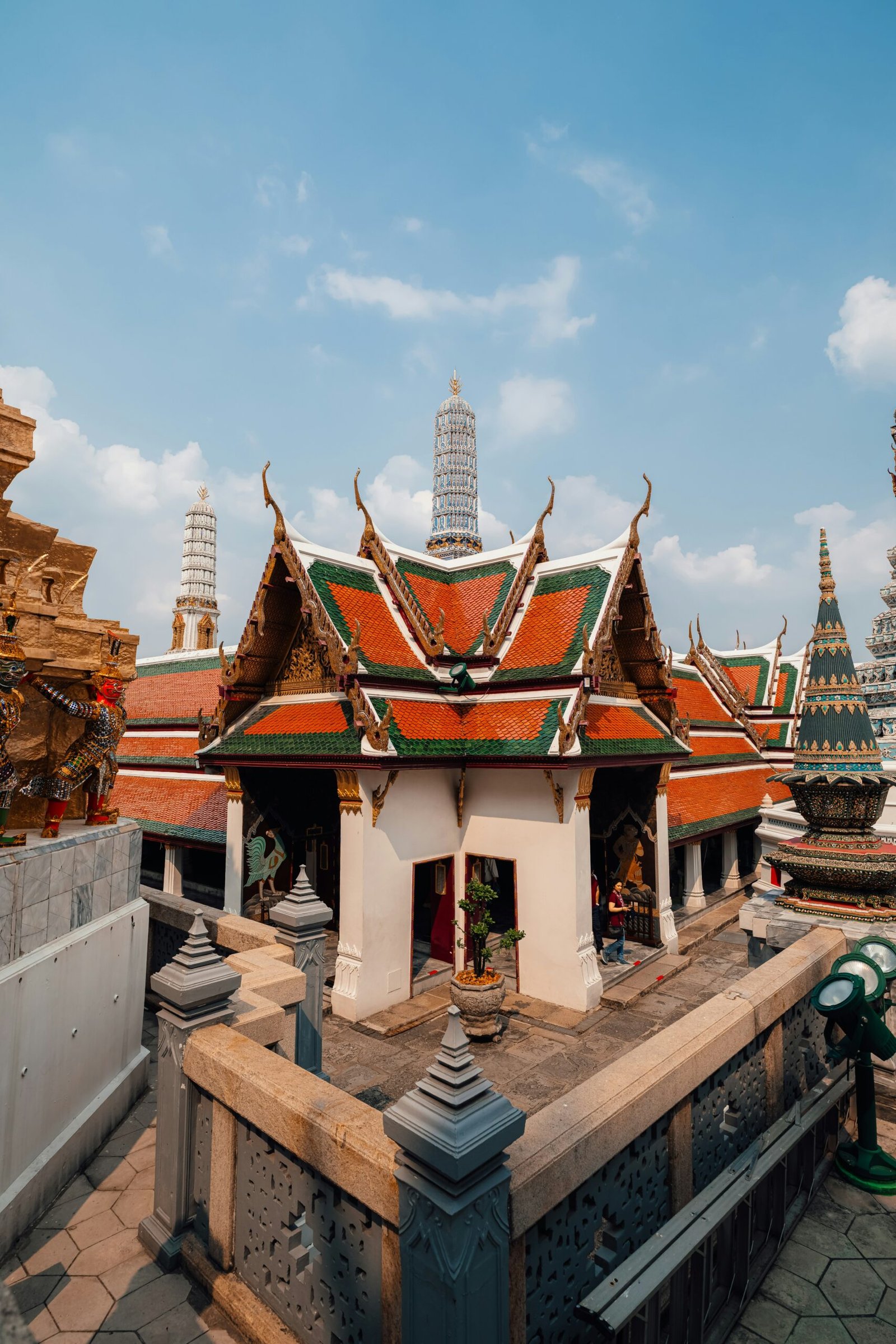
Doi Suthep — the temple on the mountain above Chiang Mai, at 1,073 metres, visible from the old city — is in February at its most atmospheric for the pre-dawn visit. The 306 steps to the temple, or the cable car, deliver you to the Phra That Doi Suthep — the golden chedi dating from the 14th century — as the first light appears over the mountains to the east. In February the air at the summit is still cool enough at dawn (12-14°C) for the climb to feel like a morning practice in itself, and the monks’ morning chanting from inside the temple is audible from the terrace as the city below begins to appear through the valley mist.
February is the peak month for Andaman diving — the visibility at its annual maximum, the seas calm, and the marine life at its most varied in the Similan and Surin Islands. The Similan Islands National Marine Park is in February at its best: the granite boulders and the coral gardens visible in water clarity that the dive community specifically comes to Thailand for in this month. The liveaboard dive trips from Khao Lak run their fullest schedules in February, and the day trips from Phuket and Krabi to the closer dive sites have the best conditions of the year.
The limestone cliffs of Railay Beach near Krabi are in February at their driest and most accessible conditions — the February lack of rain means the rock surface is at its best grip for the climbing that the Railay area is internationally known for. The beginner climbing courses run by the Railay-based guide companies are in February fully operational, and the combination of a morning yoga session at the retreat centre with an afternoon climbing session at Railay — accessible by longtail boat from Ao Nang — is specifically a February activity that the wet season renders impossible and the summer heat makes less pleasant.
Your email address will not be published. Required fields are marked *