
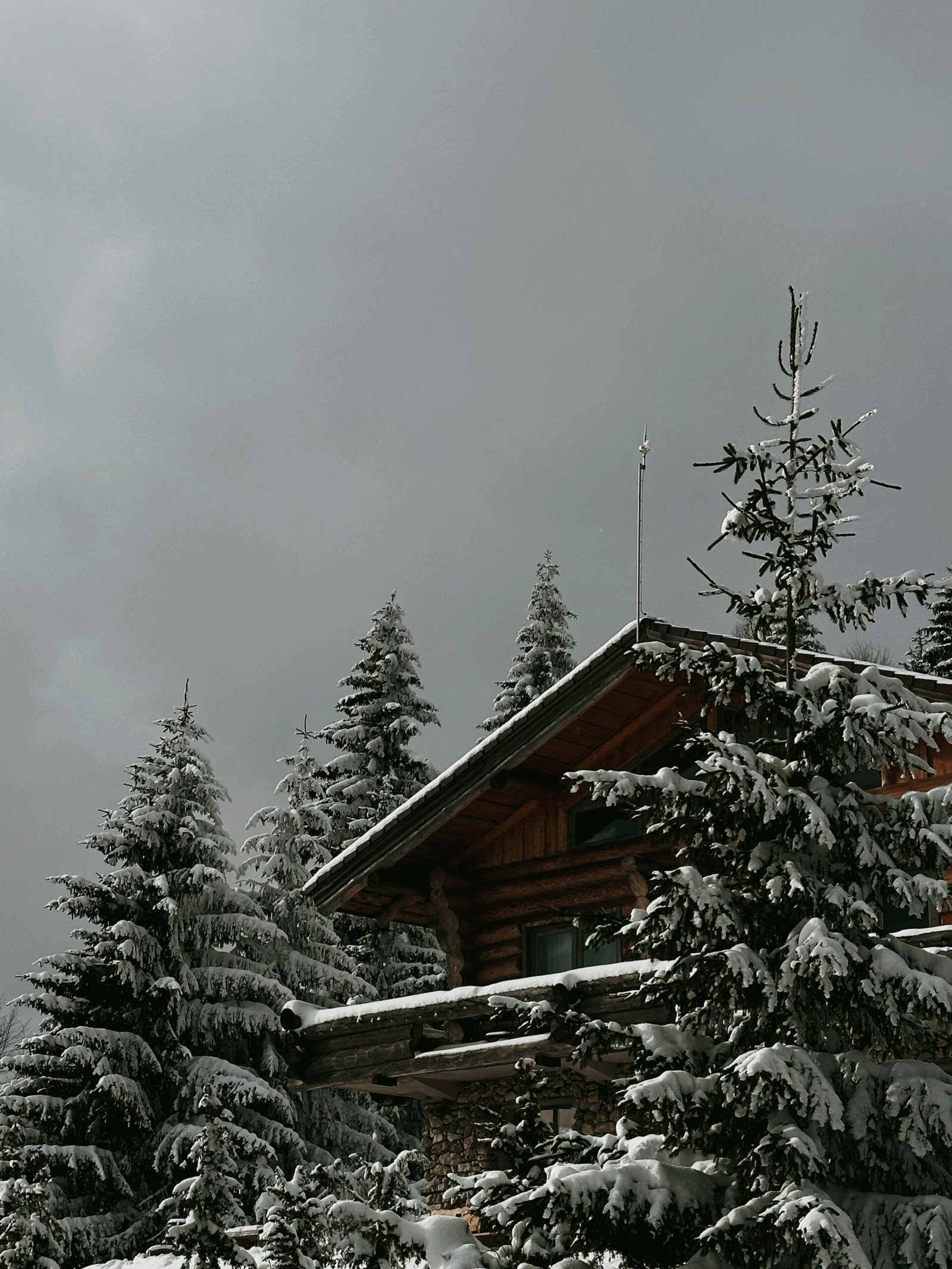
December in France is the month of the Christmas markets and the truffle at its December richness. The Alsace villages are the most celebrated Christmas market destination in Europe. Lyon has the Fête des Lumières on December 8th — the most spectacular light festival in the world. The truffle season is at its pre-January peak.
And the winter solstice on December 21st gives the retreat calendar its annual astronomical anchor. A yoga retreat in France in December is the country at its most festive and its most specifically seasonal.


December is when France organises its cultural calendar most deliberately around the winter. The Alsatian Christmas markets — the oldest in France, running from late November through December 24th — are the most culturally specific and most internationally known of the French December traditions. Lyon’s Fête des Lumières transforms the city for four nights in early December into the most extraordinary light installation environment in Europe. And the Périgord truffle reaches its December intensity — the aromas at their richest before the January peak.
Browse our full yoga retreats in France guide for the complete picture of what the country offers year-round. For the global context of December retreat travel, our yoga retreats in December guide covers every destination worth considering this month.


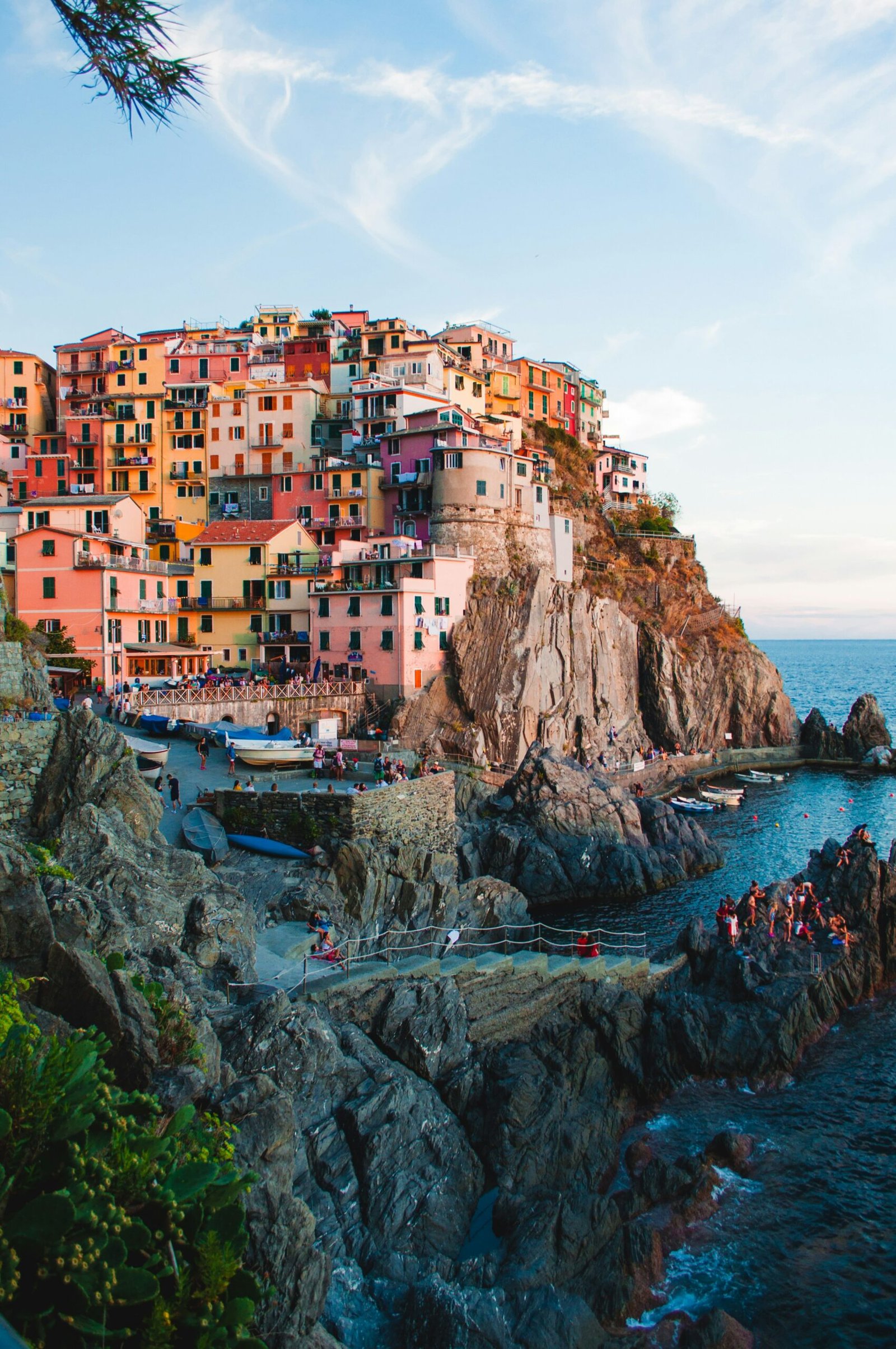

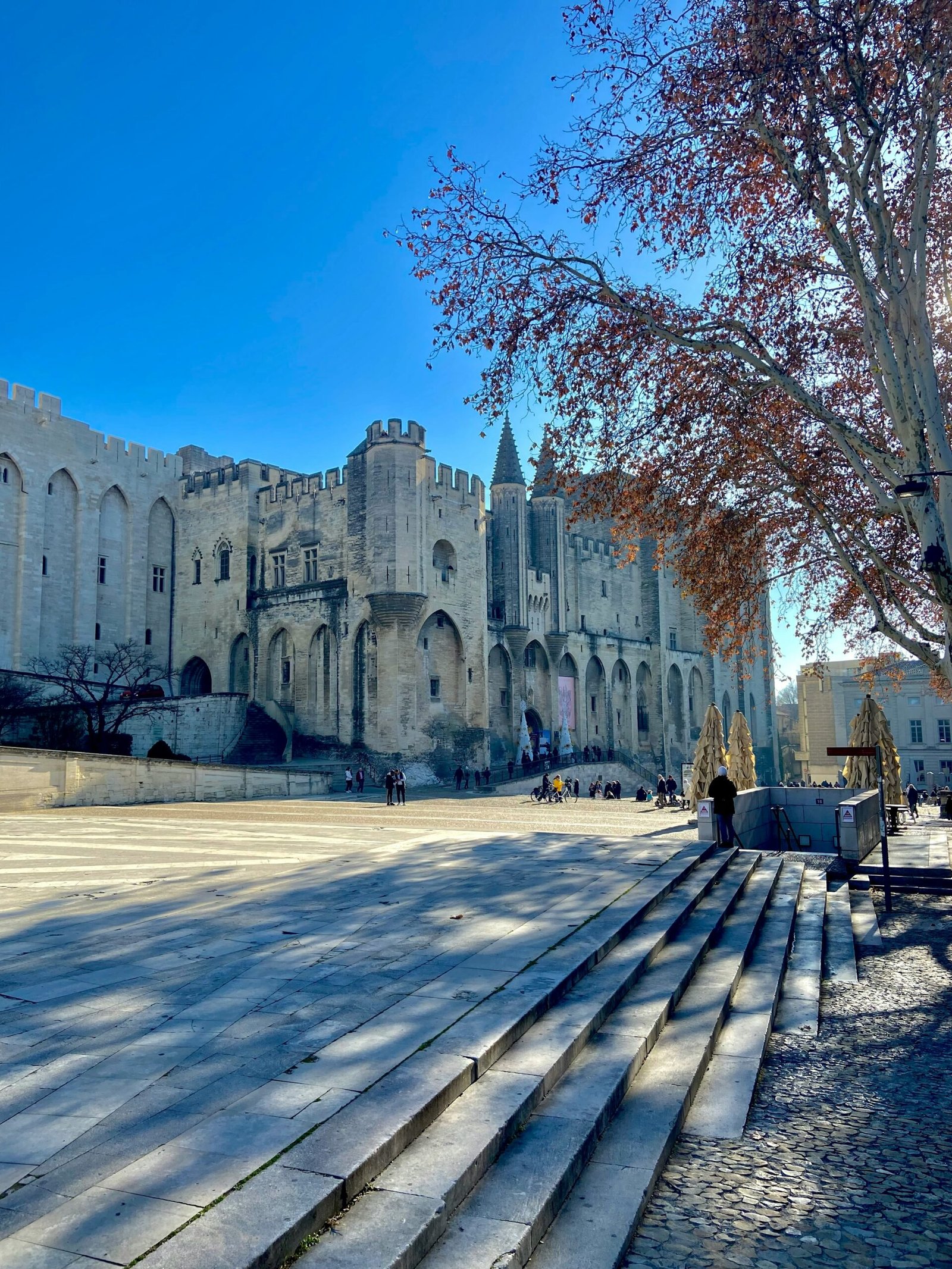
Alsace in December is the most internationally celebrated Christmas destination in France — the Christmas markets of Strasbourg (the oldest Christmas market in France, running since 1570), Colmar (the most photogenic, with the medieval timbered buildings and the market stalls in the Petite Venise quarter), Kaysersberg (the most locally rooted, the village birthplace of Albert Schweitzer at its most intimate pre-Christmas scale), and Obernai (the largest in the Bas-Rhin outside Strasbourg) collectively produce the most developed Christmas market culture in western Europe.
The Alsatian Christmas food culture — the bredele (the spiced butter cookies in the star, crescent, and fir tree shapes that every Alsatian bakery and every Alsatian family produces), the mannele (the brioche bread shaped as a man for Saint Nicholas Day on December 6th), and the vin chaud (the mulled wine with the cinnamon, the orange, and the clove) — is in December at its most specific and its most accessible at the market stalls and the winstubs of the Alsatian villages.
The retreat centres of the Alsatian wine villages — the converted winstubs and the farmhouse gîtes of the Vosges foothills — are in December running their pre-Christmas programmes with the Christmas market culture as the evening excursion from the morning yoga and meditation practice. The December Alsatian retreat has the specific quality of the most developed of the French winter cultural traditions alongside the most focused of the off-season retreat programmes.
Lyon on December 8th — the Fête des Lumières, when the city’s major buildings, bridges, and public spaces are illuminated with the most technically sophisticated light installations in the world — is the most spectacular single evening in the French cultural calendar. The tradition has its origin in the 1852 votive ceremony of the Lyon citizens placing candles in their windows to thank the Virgin Mary for the city being spared from a plague epidemic — the contemporary event now attracting four million visitors over four nights and producing installations by international artists at the Place Bellecour, the Basilique de Fourvière, the Parc de la Tête d’Or, and the Saône and Rhône riverside quays.
The retreat based in Lyon in the first week of December — morning yoga, afternoon bouchon lunch, evening Fête des Lumières installation walk — is using the most concentrated single-week cultural programme available in the French December calendar. The Fête des Lumières runs Thursday through Sunday of the first or second weekend in December (exact dates announced in October), and the retreat that centres its week around this Thursday-Sunday is producing the most specifically Lyon experience of the year.
The Périgord in December is at the truffle season’s richest period before the January formal peak. The December Tuber melanosporum — the black Périgord truffle at its pre-Christmas intensity — is at the Sarlat Saturday market in its most commercially active moment: the truffle hunters, the restaurateurs, and the private buyers negotiating the transactions that the Christmas season generates. The December truffle price per kilogram reaches its annual maximum in the weeks before Christmas, and the truffière (the truffle grove) visits at the producing farms near Sainte-Alvère, Sorges, and Lalbenque produce the most direct access to the production cycle that the January market volume obscures.
The Périgord at Christmas has the specific quality of the deep French countryside preparing its most elaborate seasonal table: the foie gras production at peak (the duck and goose liver preserved and canned at the November-December slaughter), the confit made in the same period, and the December truffe sous la cendre (the truffle baked in the embers of the wood fire, wrapped in foil with butter) at the farmhouse table producing the December Périgord dinner that requires no restaurant.
Chamonix in December is at the beginning of its winter ski season — the high-altitude ski areas (the Grands Montets at 3,295 metres, the Brévent-Flégère circuit) opening from early December, and the valley village producing the specific festive energy of a ski resort preparing for Christmas. The retreat centres that combine morning yoga with afternoon skiing are in December running their first winter programmes — the new-season energy, the first snow, and the December mountain light (lower in angle than January and producing the most dramatically lit views of the high peaks) making the December Chamonix retreat the most animated of the winter.
The Thermes de Chamonix outdoor pool in December — the 34°C thermal water against the December Alpine air of -5 to 0°C — is the winter Alps wellness experience at its most dramatic in December: the first serious cold of the winter producing the maximum steam above the pool and the Mont Blanc massif visible above in the December air.
The Fête des Lumières — described above — is December 8th and the surrounding Thursday-Sunday, with the exact dates announced each October. The four nights of the festival attract four million visitors to a city of 500,000 — the most density of any event in France — and the retreat that positions itself around the festival uses the most spectacular of the French December cultural events.
Saint Nicholas Day — December 6th — is observed specifically in Alsace and the Lorraine region with the tradition of the saint visiting the children on the evening of December 5th, leaving sweets and the mannele bread in the shoes left by the door. The Saint Nicolas parade in Strasbourg and the Alsatian village celebrations on December 6th are the most specifically Alsatian of the pre-Christmas events.
The Christmas markets of Alsace, and more broadly across France (the markets in Bordeaux, Lille, Rouen, Tours, and Paris are the most developed outside Alsace), run from late November through December 24th. Each has its specific character; the Alsatian markets are the most culturally rooted.
The winter solstice — the shortest day of the year in the northern hemisphere — is acknowledged by the French yoga and wellness community with the specific practices that the astronomical threshold enables. At the retreat centres of Alsace, Provence, and Chamonix, the December 21st dawn practice and the solstice evening reflection produce the year-end anchor that the retreat calendar closes with.
The bredele — the Alsatian Christmas cookies in their dozens of varieties (the Zimtsterne with the star shape and the cinnamon, the Schwowebredele with the anise and the almond, the Spritzbredele piped through the pastry gun) — are the most specifically Alsatian of the December seasonal foods. At the Christmas market stalls and the Alsatian bakeries in December, the bredele in their paper bags are the most direct expression of the Alsatian domestic Christmas tradition available to the retreat guest.
The foie gras — the duck or goose liver produced from the November-December Périgord gavage (force-feeding) cycle — is in December at its freshest and most available at the farm producers of the Dordogne. The mi-cuit foie gras (the semi-preserved lobe, available only for the current season rather than the canned version) at the December market is the Périgord Christmas luxury at its most specific: the liver at its December fat content, the preparation minimal (the fleur de sel and the brioche from the Sarlat bakery), and the cultural context of the seasonal tradition directly accessible.
The bûche de Noël — the French Christmas log cake, the most universally observed of the French December dessert traditions — is at the December pâtisseries across France in their most elaborate versions. The traditional bûche (the rolled sponge with the buttercream or ganache filling, decorated with the marzipan mushrooms and the chocolate bark) and the contemporary bûche glacée (the ice cream log in the frozen version that the grands pâtissiers produce with the sculptural aesthetic of contemporary pastry) are both December-specific products that the December retreat kitchen can source from the local pâtisserie for the Christmas Eve dessert.
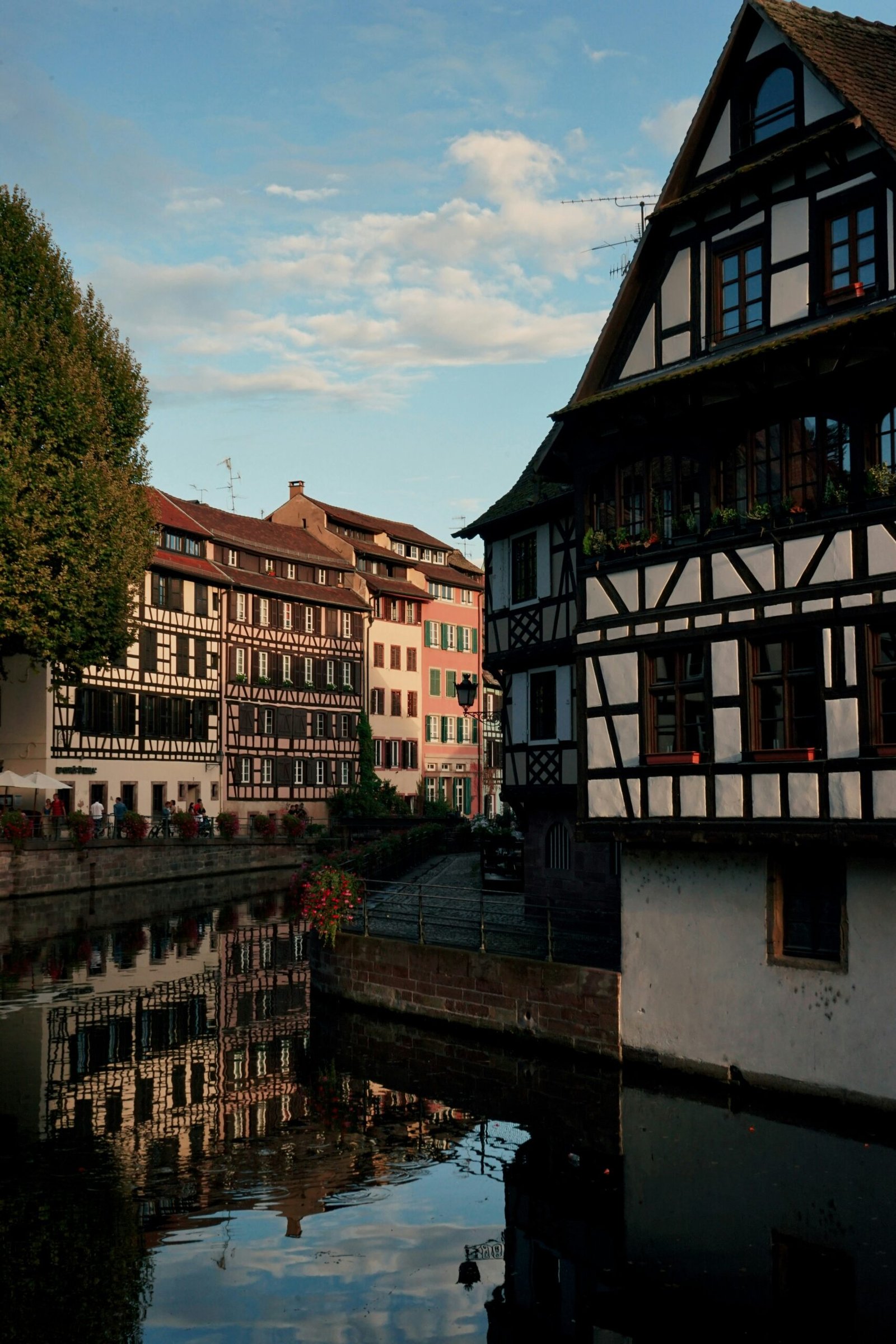
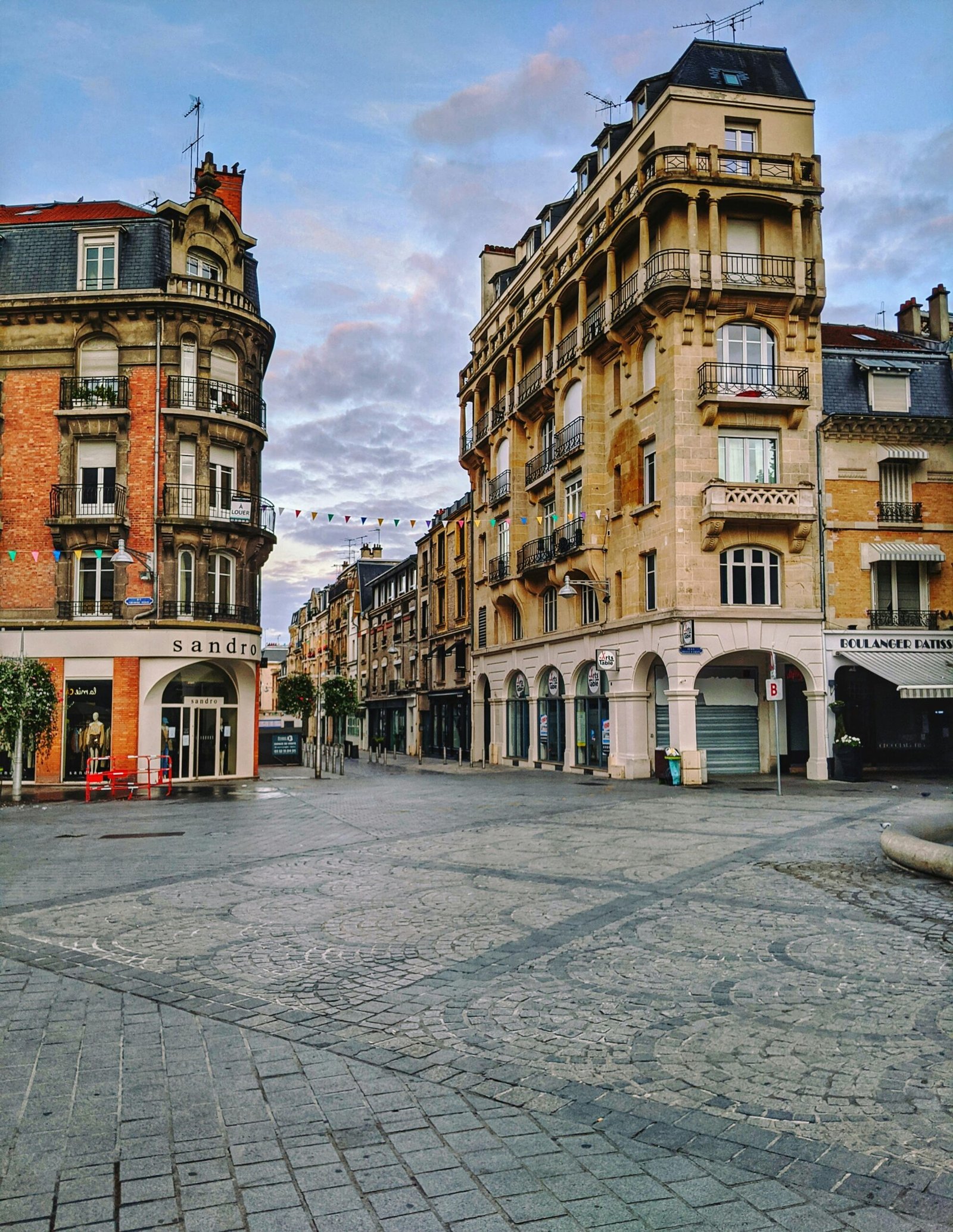
The Strasbourg Christkindelsmarik — the oldest Christmas market in France (1570), running through the old town from the Place Broglie to the Place de la Cathédrale, with the Gothic cathedral facade illuminated above the market stalls — is the December Alsace retreat evening at its most historically specific. The market’s oldest traditions — the vin chaud from the cathedral square stall, the flammekueche (the Alsatian flatbread with crème fraîche, onions, and lardons) from the winstub adjacent to the market, and the bredele from the baker who has been at the same stall for three generations — are most directly accessible in early December before the Christmas week crowds.
The Fête des Lumières installation walk in Lyon — navigating the city on foot through the Thursday-Sunday evenings, from the Place Bellecour to the Fourvière basilica, along the Saône quays to the Croix-Rousse installations, and through the Presqu’île neighbourhood — is the most visually extraordinary of any French cultural event accessible to the retreat guest. The installations are free, the city navigable on foot, and the four evenings produce a cumulative engagement with the light-as-art tradition that the single-night version cannot achieve.
The Sarlat Saturday truffle market in December — arriving before 8am when the hunters bring the morning finds, observing the transactions conducted in cash and the rapid evaluation by the professional buyers, and purchasing the smallest December specimen available for the retreat kitchen — is the December Dordogne cultural experience at its most economically specific and most directly agricultural. The truffle market in December is not a tourist attraction; it is a working market where the product of the local forest is sold at the price that the season and the quality determine.
Your email address will not be published. Required fields are marked *