
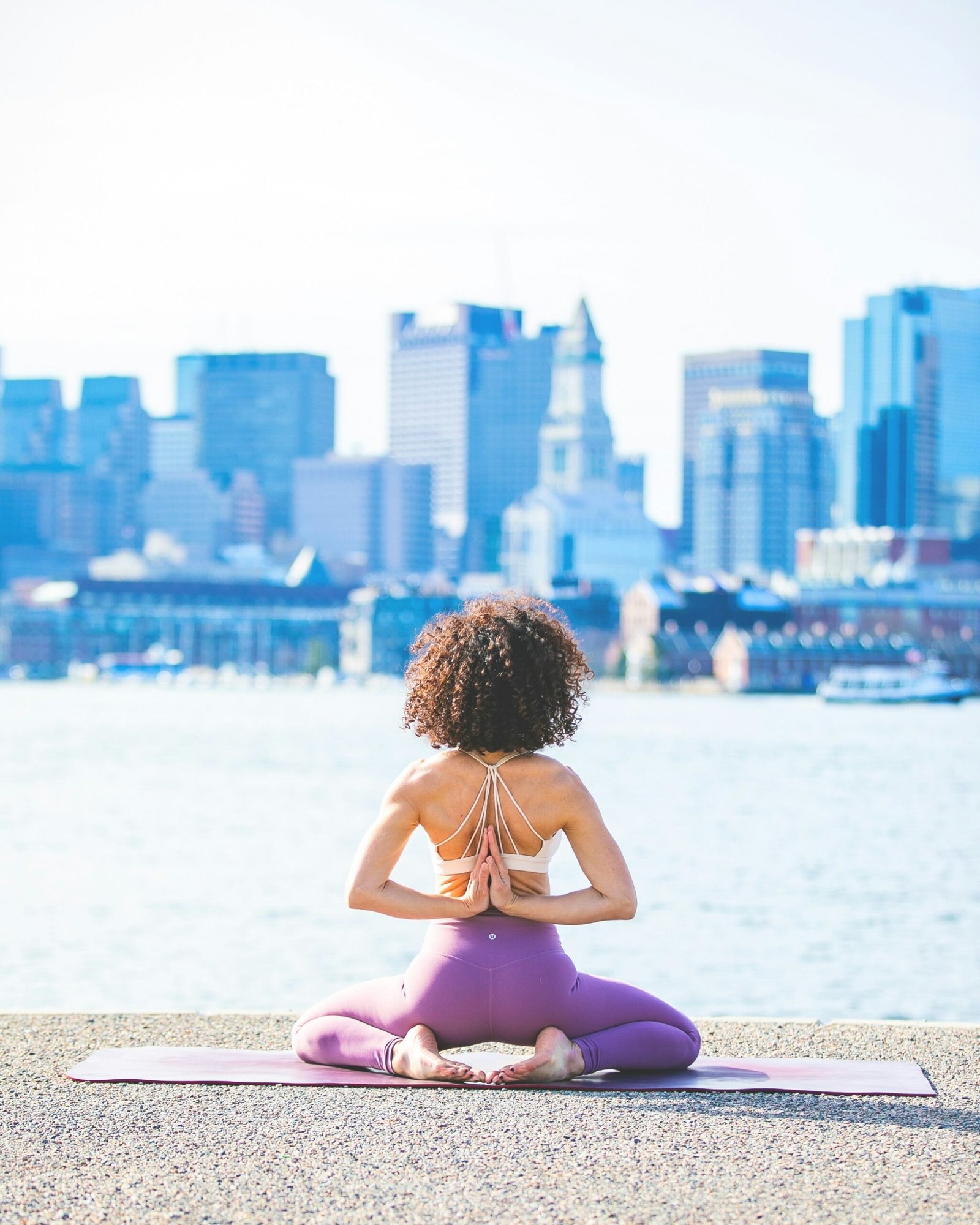
August is summer at its most unapologetic. The heat has been building for months and has nowhere left to go — it simply sits, dense and unwavering, over everything.
The days are still long but the light has begun its almost imperceptible shift, carrying the first faint suggestion that the season, however reluctant to admit it, will eventually turn. A yoga retreat in August catches you in this particular tension: the fullness of summer at its peak and the earliest, barely perceptible whisper of what comes next.
There is a ripeness to August that no other month quite replicates — not the fresh excitement of early summer, not the wistful golden quality of September, but something more saturated, more complete, and more demanding of full presence. August does not wait for you to be ready. It simply is.


The August retreat question is not whether to go — it’s where. The popular coastal resorts in Greece, Italy, and Spain are at maximum capacity and maximum price. That is not a reason to stay home; it’s a reason to look harder. The south coast of Crete reachable only by boat.
The Alentejo coast in Portugal where the Atlantic swell is at its summer peak. The Greek islands that have no airport. Costa Rica between the rain systems. The Dolomites above the Italian heat. These destinations exist and they are genuinely good in August — they just require knowing about them.
Not sure where to go? Our full yoga retreat guide covers every destination. The ones below are specifically good in August.
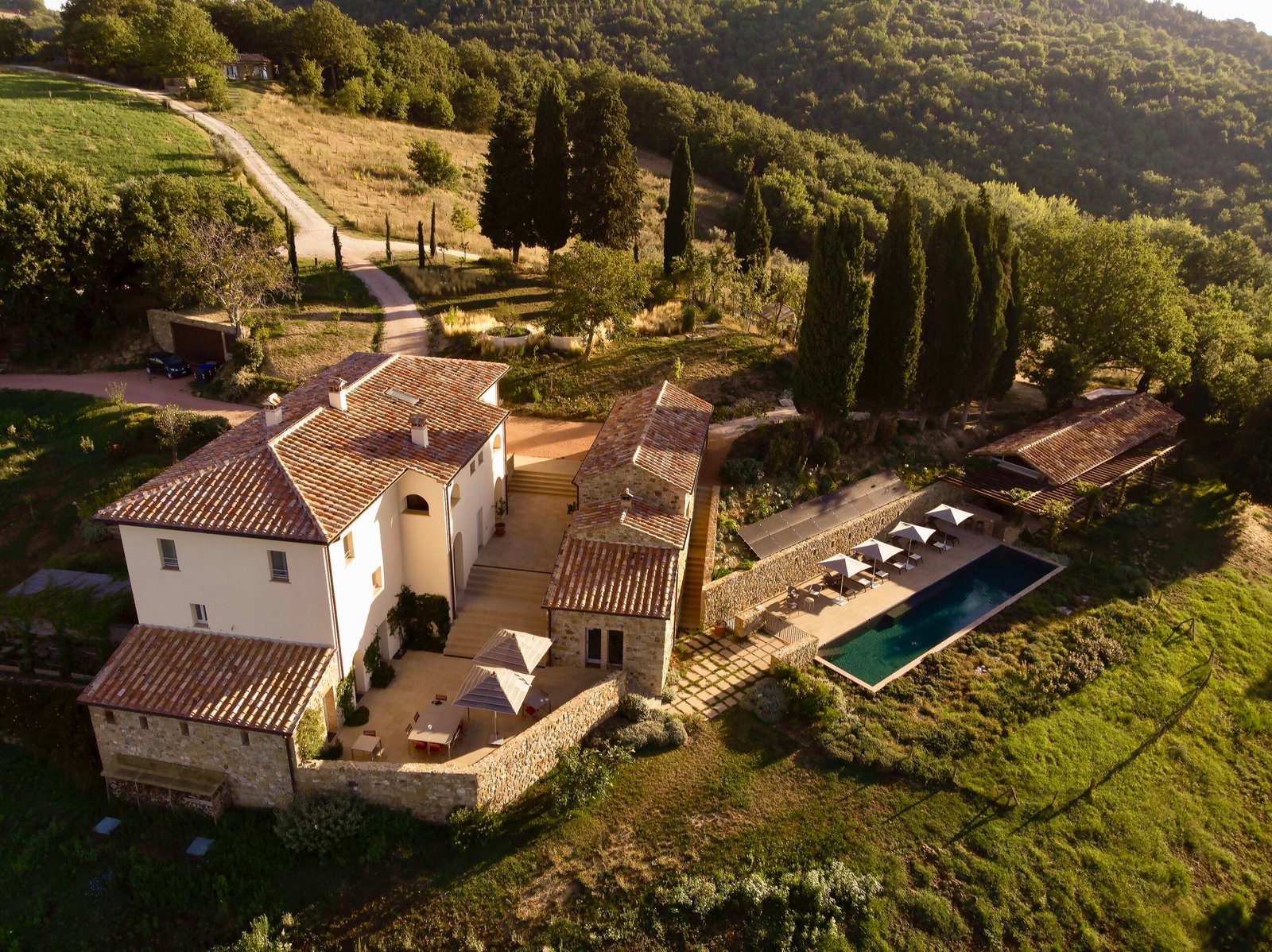
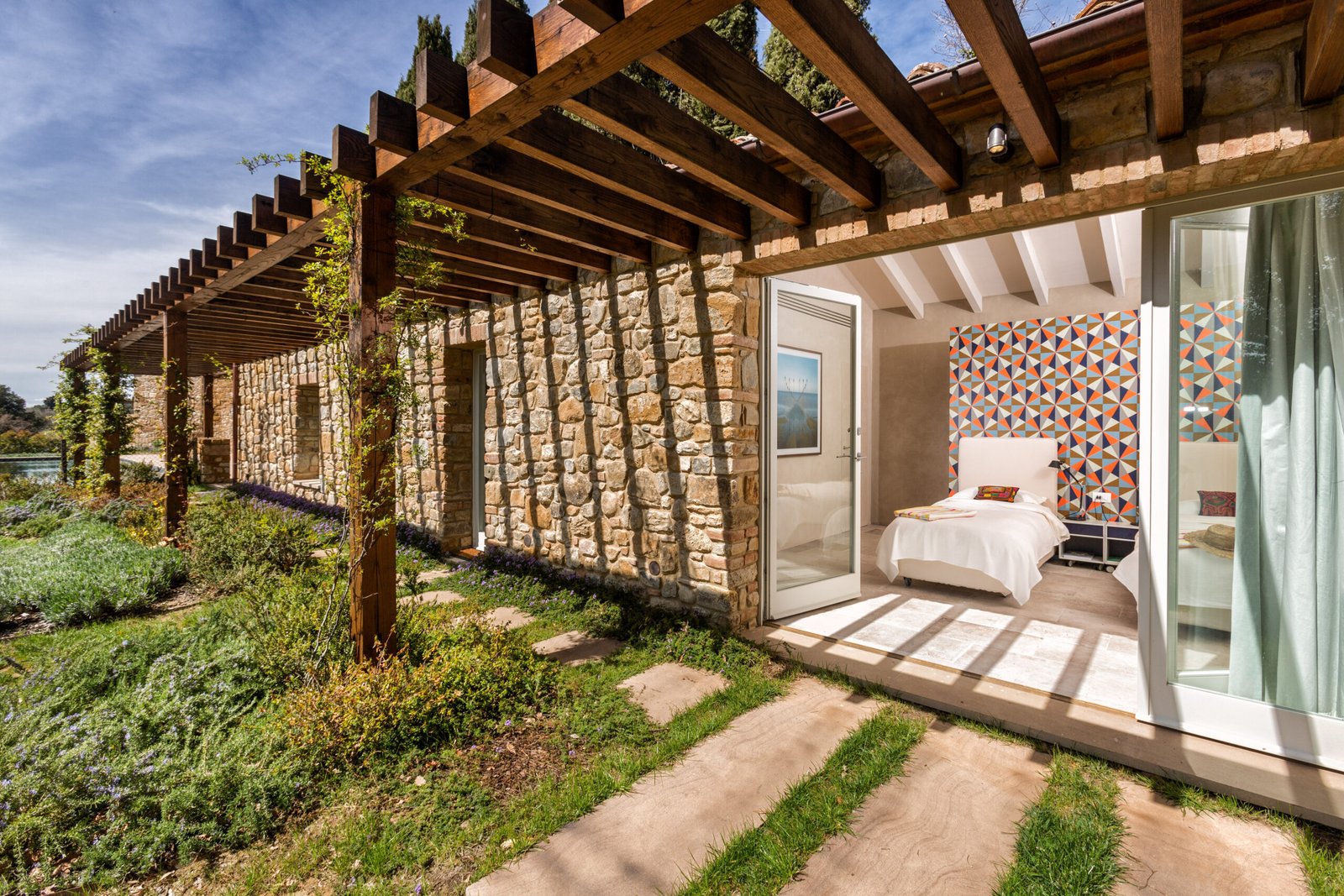
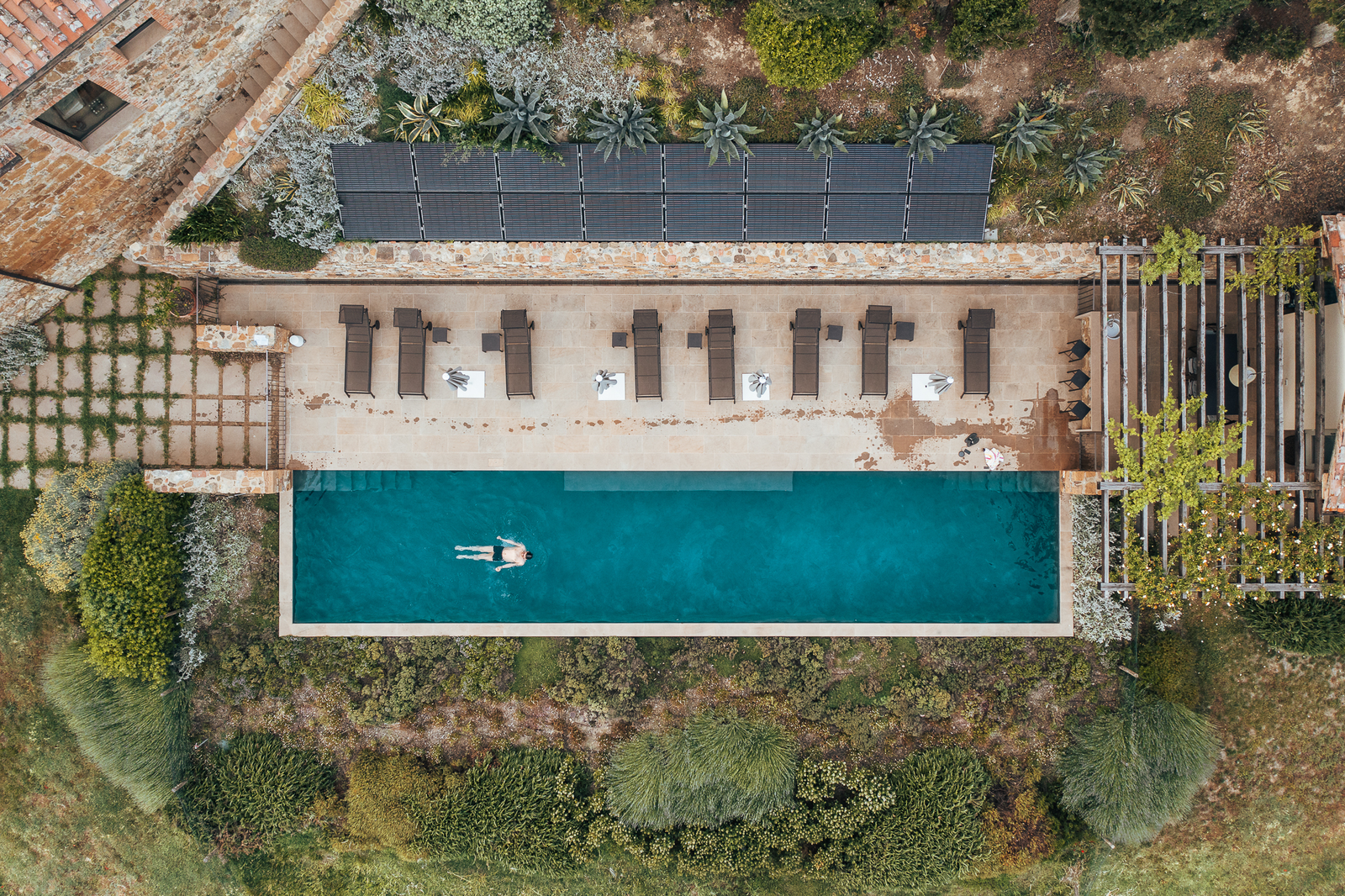
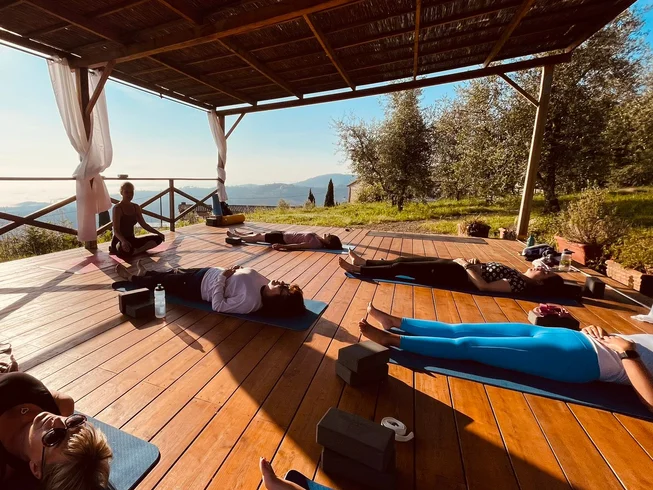
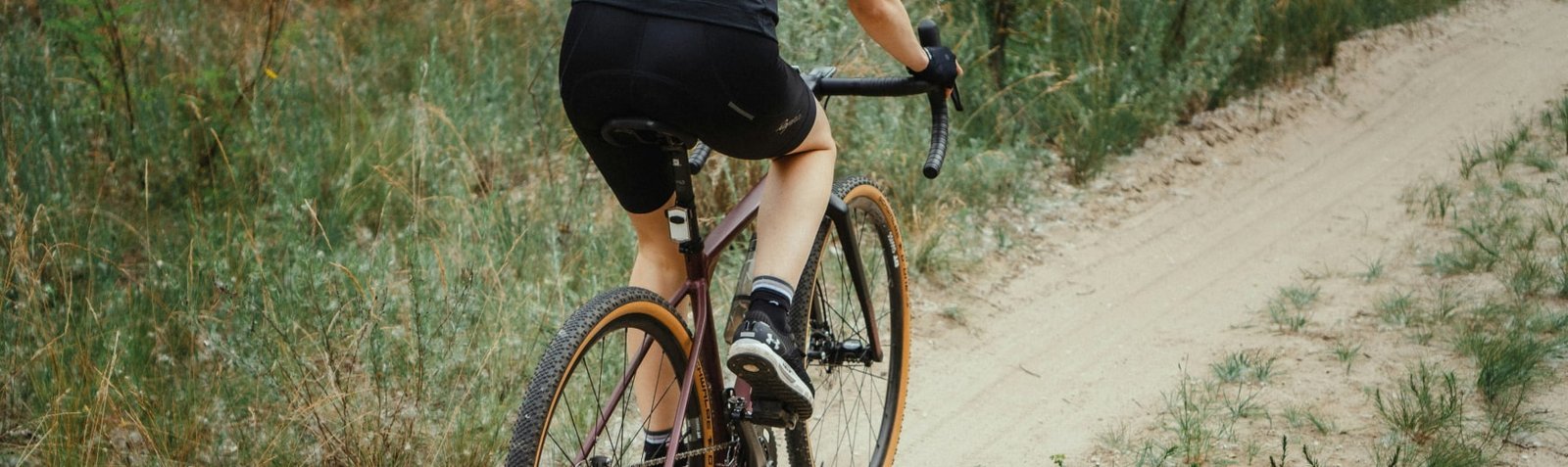
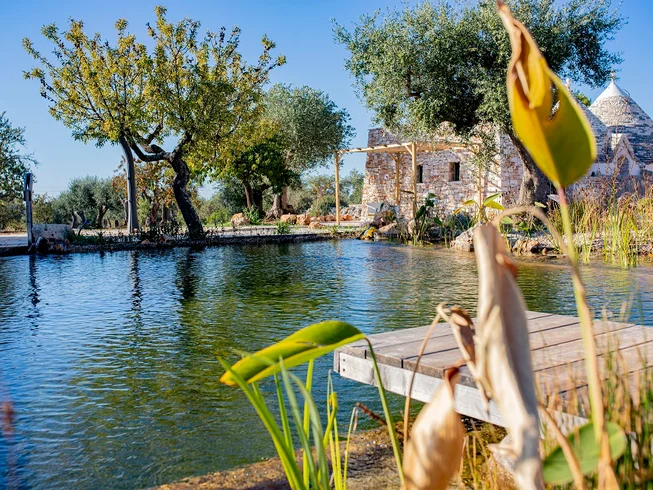
The south coast of Crete is one of the best-kept secrets in Mediterranean retreat travel, and August is when the secret most rewards those who find it. The villages of Loutro, Agia Roumeli, and Hora Sfakion on the Libyan Sea are accessible only by ferry or on foot — no road connects them to the rest of the island — and that inaccessibility functions as a natural cap on visitor numbers that the more accessible northern coast cannot enforce. Loutro, with 70 permanent residents and a single bay, is in August a place of genuine quiet while Heraklion 90 kilometres north is managing full summer tourism.
The Libyan Sea here is slightly warmer than the Aegean — 26-27°C in August — and faces south toward North Africa, which keeps the temperatures 2-3°C above the northern coast. The water clarity is exceptional because the boat traffic that disturbs the Cycladic seabed is absent. The coastal walking path from Hora Sfakion to Loutro and on to Agia Roumeli — the route that connects these car-free villages and passes through gorges and above cliffs that the road network has never reached — is in August the most physically demanding and the most specifically Cretan walk available.
The retreat centres that operate on the south coast in August are small, deliberately so, and run by people who understand exactly why they are here rather than on the north coast. Our yoga retreats in Greece in August guide covers the south coast options and the other Greek destinations for the month.
The Alentejo coast — the stretch of Atlantic between Comporta in the north and Odeceixe at the Algarve border — is the answer for anyone who wants sea, surf, and a yoga retreat in August without the Costa Brava or the Algarve’s summer density. Protected by national park status, the Costa Vicentina has no large hotel developments, no beach bars with speaker systems, and no jet ski rentals. What it has is some of the best Atlantic surf breaks in Europe — the swells that the North Atlantic systems produce arrive here with full force — and the specific quality of a landscape that has been preserved not by accident but by deliberate legal protection.
The water temperature on the Alentejo coast in August is 18-20°C — cold by Mediterranean standards, refreshing rather than warm, and specifically suited to the surf community that comes specifically for these conditions. The retreat centres in the coastal villages of Odeceixe, Zambujeira do Mar, and Vila Nova de Milfontes use the morning surf session and the evening yoga practice as a deliberately paired programme: the physical demand of the surf doing the work that vinyasa does in a studio, and the evening practice doing the recovery work that an afternoon in the Atlantic requires.
The Alentejo interior — the cork oak plains that the coastal range keeps 20 kilometres inland — is in August at the specific quality of the Portuguese summer drought: the plains golden-brown, the villages quiet in the afternoon heat, and the farmhouse retreat centres producing the kind of absolute stillness that the coast, even at its quietest, cannot provide. Our yoga retreats in Portugal in August guide covers both the coast and the interior options.
August on the Pacific coast of Costa Rica is the middle of the rainy season, and the retreat centres here have learned to use it rather than apologise for it. The rain typically follows a pattern — clear mornings, afternoon showers that arrive at around 2pm and last 2-3 hours, clear evenings. Morning practice, beach time, and outdoor activities happen before the rain; the afternoon shower provides a natural structure for indoor sessions, rest, and the contemplative practices that the green season atmosphere specifically supports.
The Nicoya Peninsula in August — Santa Teresa, Nosara, Montezuma, Mal País — has the specific quality of the destination operating for its own community rather than for peak season visitors. The prices are 30-40% below January. The teachers who live here year-round are present in a way that the high season, with its visiting instructor rotation, sometimes obscures. The sea turtle nesting at Playa Ostional near Nosara reaches its August peak — the mass arrivals of olive ridley sea turtles that occur on this beach are one of the largest sea turtle nesting events on earth, and being present for one requires being in Costa Rica in the right month.
The jungle in August is at its most alive — the waterfalls of the Montezuma area running at full volume, the howler monkeys and the scarlet macaws at their most active, and the bioluminescent plankton in the breaking waves at night. Our yoga retreats in Costa Rica in August guide covers the green season options in full.
August in Scotland is the month the Highlands are most accessible — long days, the heather in full purple bloom across the moorland, and the midges manageable with the right repellent. The retreat centres that operate in converted farmhouses, bothies, and coastal properties in the Highlands and the Hebridean islands use August specifically for a retreat format that the Mediterranean cannot offer: cold lochs for wild swimming, open moorland for walking meditation, and the specific quality of Northern European summer light that lasts until 10pm in the north.
The practice here is adaptation — moving in a landscape that is simultaneously ancient and inhospitable, where the weather changes within the hour and outdoor yoga requires clothing choices that the usual retreat aesthetic does not anticipate. This is not a complaint; it is the specific character of what Scotland offers in August. The Highland retreat centres that have developed programmes around the environment — wild swimming in the lochs after practice, guided walks on the Corbetts above the glens, evening sessions in the bothies with the moorland visible through the windows — produce retreat weeks that are specifically of this landscape and this season in a way that nothing else replicates.
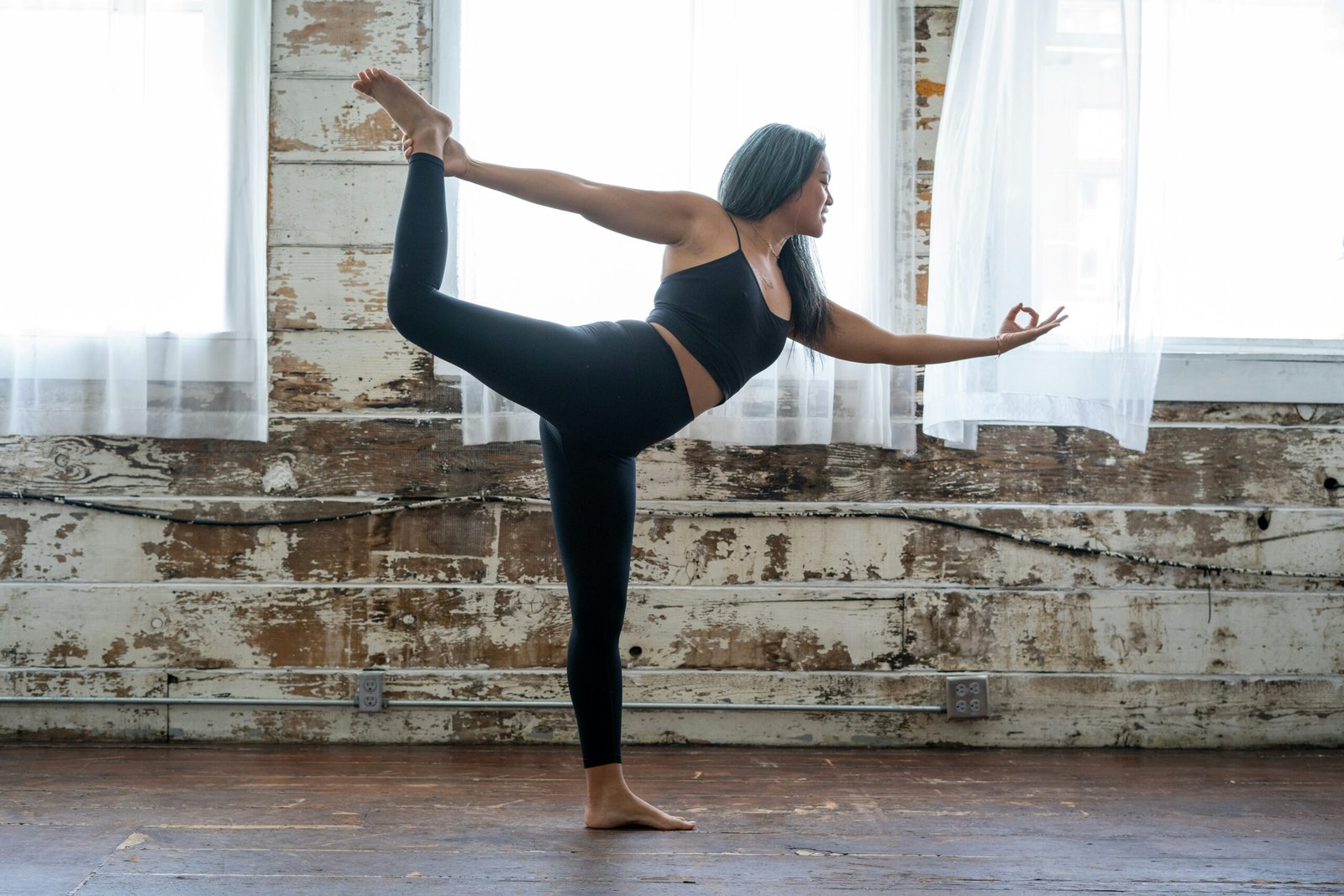
August sits at summer’s outer edge — past the solstice, past the year’s longest days, and beginning, almost invisibly, to move in a different direction. The body registers this before the mind does. Energy that felt limitless in June and July begins to carry a subtle quality of depletion, not dramatic enough to slow anyone down, but present enough to make a difference if ignored. The body has been working hard all summer — managing heat, processing high levels of activity and solar exposure, maintaining the metabolic effort of staying cool — and by August, those months of effort have accumulated into something that deserves acknowledgment. A retreat this month that recognises this reality, and builds in genuine recovery alongside active practice, works with the body’s actual state rather than the cultural assumption that summer energy is infinite.
On the mat, August practice has a quality that is both ripe and slightly overextended — like fruit at its peak, where the sweetness is maximum but the window is short. Flexibility is still at its annual high, the body still warm and open, and the practice still capable of real depth and genuine challenge. But the nervous system in August is more sensitive than in June, more reactive to excess, and quicker to signal its limits. The most intelligent August practice honours this: maintaining the summer’s hard-won openness without demanding that the body perform as if it were still mid-July. This distinction — between what the body can do and what it currently needs — is one of the subtler and more valuable things a good August retreat can teach.
August carries a particular cultural pressure that is worth naming directly. It is, in many parts of the world, the peak holiday month — the time when rest is officially sanctioned, when the pace is supposed to slow, and yet when the impulse to maximise experience, fill every day, and return from summer with something to show for it runs at its highest. A yoga retreat in August can easily fall into this trap, becoming another form of intensive consumption rather than a genuine alternative to it. The retreats that avoid this, that prioritise depth over variety and rest over activity, tend to be the ones that participants remember most clearly and benefit from most durably.
The yoga tradition has a great deal to say about the practice of deliberate non-doing — Pratyahara, the withdrawal of the senses, and the cultivation of genuine stillness as an active discipline rather than passive absence. August is the month when this teaching is most needed and most resisted, which makes it, paradoxically, the most potent time to receive it. Afternoons of genuine rest — not scrolling, not planning, not optimising, but actual horizontal stillness in the shade, with permission to do nothing — are as much a part of a well-designed August retreat as the morning asana session. The capacity to truly rest is a skill, and August, with all its pressure to perform even its leisure, is one of the most challenging and most rewarding times of year to practice it.
By August, the body’s Pitta accumulation is at its annual maximum, and the dietary consequences of ignoring this are more noticeable than at any earlier point in the season. Inflammation, digestive sensitivity, skin reactivity, disrupted sleep, and a particular quality of irritability or mental sharpness that tips into harshness are all signs that internal fire has exceeded its useful level. The response is not willpower but food — specifically, the consistent, deliberate prioritisation of cooling, hydrating, and anti-inflammatory eating that August demands more urgently than any previous month.
Watermelon, cucumber, coconut water, fresh mint, ripe pear, fennel, and sweet ripe berries are not just pleasant summer foods — they are active Pitta management. Meals should be cool or room temperature rather than hot, light rather than heavy, and timed carefully: the largest meal at midday when digestive fire is strongest, smaller and simpler meals in the morning and evening when the system is less equipped to handle the effort of heavy digestion in sustained heat.
Alcohol, caffeine, very spicy food, and fried or oily dishes all aggravate Pitta significantly and are worth setting aside entirely for the duration of a retreat — not as restriction, but as a practical experiment in what the body feels like when it is genuinely supported rather than merely fuelled. Most people are surprised by how quickly and how completely the difference registers.
1. Is August too late in summer for a yoga retreat? Not at all — it is simply a different kind of summer retreat than June or July. The body in August has a depth of warmth and openness that the earlier summer months are still building toward, and the first subtle shift toward autumn gives the experience a particular quality of richness and completeness. August retreats tend to attract people who are serious about their practice rather than simply looking for a summer holiday experience, and that self-selection often contributes to an unusually engaged and committed group dynamic.
2. How should the daily practice schedule be structured in August? Even more carefully than in July. Practice before 9am for anything dynamic, with a strong preference for sunrise sessions that make use of the coolest, most energetically alive part of the day. Midday and early afternoon should be reserved for rest, light restorative practice, or pranayama in a cool, shaded space. Late afternoon and evening, as temperatures begin to ease, offer a second window for more active movement — though the emphasis should remain on opening and releasing rather than building heat that the body is already working hard to manage.
3. Which pranayama techniques are most valuable in August? Sitali and Sitkari remain the primary cooling tools and should be practiced daily. Nadi Shodhana — alternate nostril breathing — is particularly valuable in August for its ability to balance the nervous system and reduce the Pitta-driven reactivity that peak summer can produce. Avoid Kapalabhati and Bhastrika in the hottest parts of the day — both generate significant internal heat and are better reserved for early morning when the body can use that warmth productively. Bhramari, the humming bee breath, is an underused August tool: its immediate effect on the nervous system is deeply calming and particularly useful for the sleep difficulties that August heat commonly produces.
4. How does August affect emotional wellbeing, and how can a retreat help? August has a specific emotional texture that is worth understanding. The combination of peak Pitta, accumulated heat exposure, potential end-of-summer pressure, and the first subconscious awareness of the season turning can produce a quality of restlessness, low-grade irritability, or unexpected melancholy that catches people off guard. A retreat creates the space to acknowledge and process these feelings rather than suppressing them under the cultural obligation to be enjoying summer. Practices that work directly with emotional regulation — restorative yoga, Yoga Nidra, supported breathwork, and guided meditation — are among the most valuable offerings a well-designed August retreat can include.
5. What is Yoga Nidra, and why is it particularly suited to August? Yoga Nidra — often translated as yogic sleep — is a guided practice that brings the body to the threshold between waking and sleep, producing a state of consciousness in which deep physical, mental, and emotional restoration occurs simultaneously. A single session of forty-five minutes is said to provide the equivalent rest of several hours of ordinary sleep, making it an extraordinary tool for a month when sleep quality is commonly compromised by heat and light. Practiced in the cool shade of an August afternoon, Yoga Nidra is arguably the most efficient recovery practice the month offers — and one of the most immediately accessible, requiring nothing from the practitioner except the willingness to lie still and listen.
6. How should I manage sun exposure during an August retreat? Carefully and proactively. August sun, particularly between 10am and 4pm, carries UV levels that can cause damage within minutes of unprotected exposure, and the cumulative effect of a week in direct summer sun without adequate protection is significant. SPF 50 or higher on all exposed skin, reapplied every two hours and immediately after swimming or sweating, is the baseline. A wide-brimmed hat for outdoor sessions, UV-protective clothing for extended outdoor time, and the discipline to seek shade during peak hours are not optional comfort measures — they are basic health management in August. A retreat that builds its outdoor activities into early morning and late afternoon automatically solves most of this problem before it arises.
7.7. What should I pack for an August yoga retreat?The lightest, most breathable clothing you own — linen and cotton only, no synthetics. A high-SPF sunscreen, a wide-brimmed hat, and UV-protective layers for outdoor sessions. A large reusable water bottle — 1.5 litres minimum — treated as equipment rather than an accessory. Electrolyte tablets for replenishment after practice. Eye masks and earplugs for sleep management in destinations where the August light and ambient noise make blackout conditions harder to achieve. A light scarf or wrap for the air-conditioned indoor spaces that some retreat centres use in August. Pack as little as possible — August heat makes excess luggage feel like a punishment.
Your email address will not be published. Required fields are marked *