

Die Amalfiküste zählt zu den visuell beeindruckendsten Erholungsorten Europas. Steile Kalksteinklippen fallen ins türkisfarbene Wasser ab, terrassierte Zitronenhaine schmiegen sich an steile Hänge, und die Orte Positano, Ravello und Praiano thronen scheinbar unmöglich über dem Meer. Gleichzeitig ist sie einer der teuersten und touristischsten Küstenabschnitte Italiens, was das Urlaubserlebnis auf einige Weise beeinflusst, die man vor der Buchung kennen sollte. weiter entfernte Italien-Urlaubsszene Es gibt zwar Alternativen zu niedrigeren Preisen und in ruhigeren Umgebungen, aber die Amalfiküste bietet eine ganz besondere Kombination aus Küstendrama, Outdoor-Aktivitäten mit Meerblick und mediterraner Esskultur – etwas, das anderswo schwer zu finden ist.


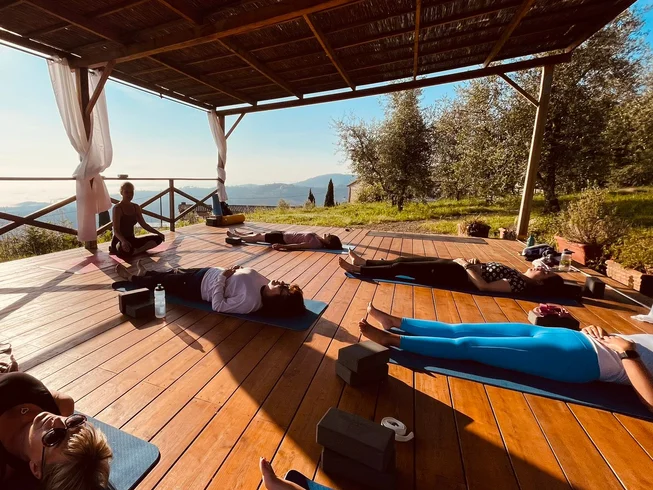
Der Hauptreiz liegt in der Möglichkeit, unter freiem Himmel zu üben. Die meisten Retreat-Orte an der Amalfiküste verfügen über Terrassen, Dachplattformen oder Klippendecks mit Blick auf das Tyrrhenische Meer. Morgendliches Yoga an diesen Orten hat eine ganz besondere Qualität – die Weite des Ausblicks, das Rauschen des Wassers, der Duft von Zitrusfrüchten von den Terrassen darüber –, die Studios oder abgelegene Orte im Landesinneren nicht bieten können. Yogastunden bei Sonnenaufgang sind üblich und das frühe Aufstehen lohnt sich wirklich.
Die Esskultur unterstreicht die Intention des Retreats auf natürliche Weise. Die Küche der Amalfiküste ist mediterran in ihrer ursprünglichsten Form: frische Meeresfrüchte, lokales Olivenöl, Büffelmozzarella, Pasta mit Amalfi-Zitronen und Gemüse von den terrassenförmig angelegten Hängen. Die auf diesen Zutaten basierenden Menüs des Retreats sind nahrhaft und wirken wie eine natürliche Erweiterung der Landschaft, nicht wie ein aufgesetztes Wellnessprogramm.
Der größte Nachteil der Küste ist die Kombination aus hohen Kosten und hohem Touristenaufkommen. Im Juli und August ist es in Positano oder Amalfi-Stadt wirklich überfüllt – enge Straßen voller Reisebusse, Restaurants an den Klippen ab Mittag brechend voll, Unterkünfte zu Höchstpreisen. Das Erholungserlebnis leidet unter diesen Bedingungen auf eine Weise, die die Fotos nicht erahnen lassen. Die Lösung liegt entweder im richtigen Zeitpunkt (Frühling und Herbst sind deutlich besser) oder in der Wahl des richtigen Ortes an der Küste (die Dörfer an den Hängen oberhalb der Hauptstraße sind in jeder Hinsicht ruhiger und kühler).
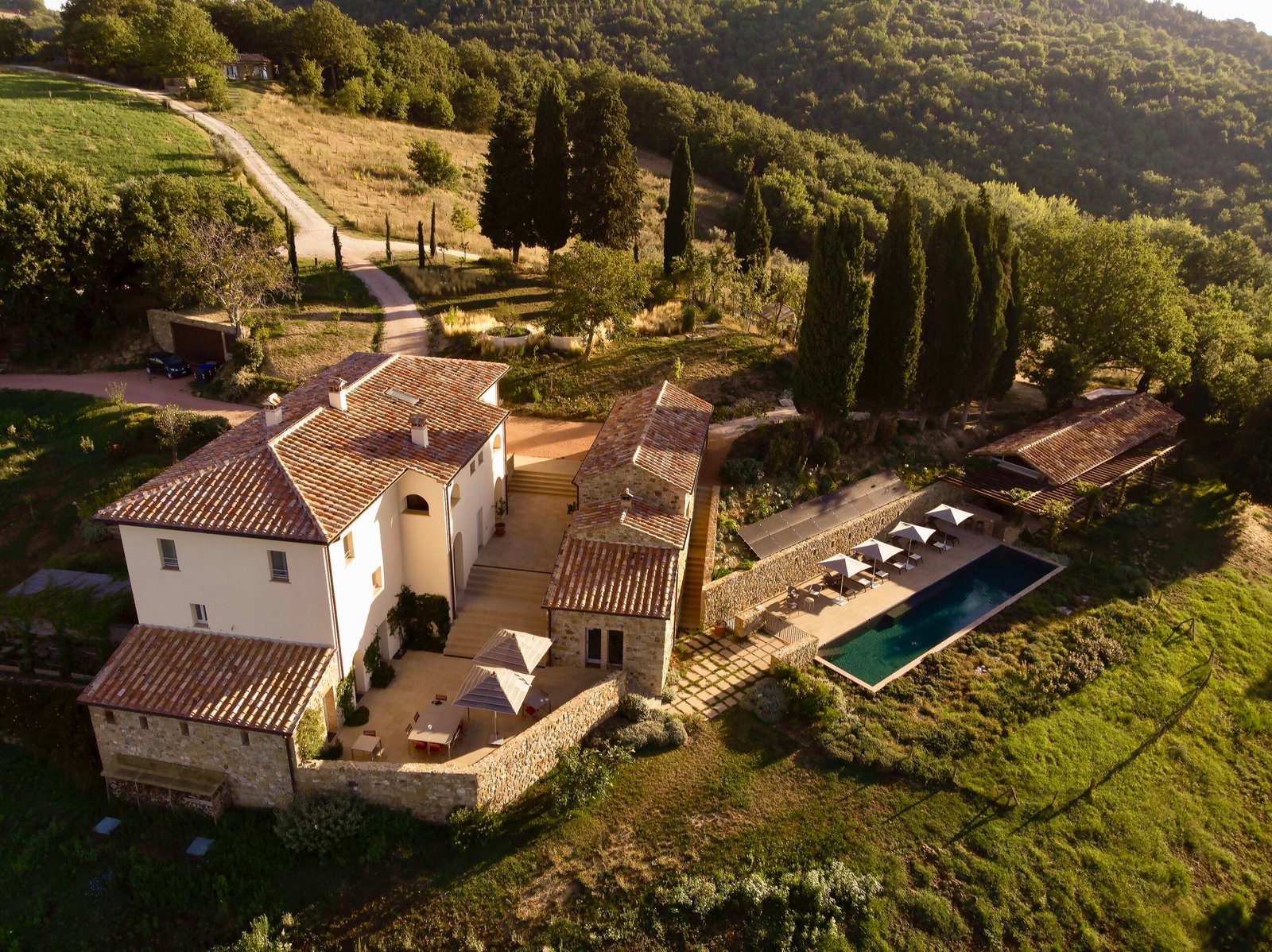
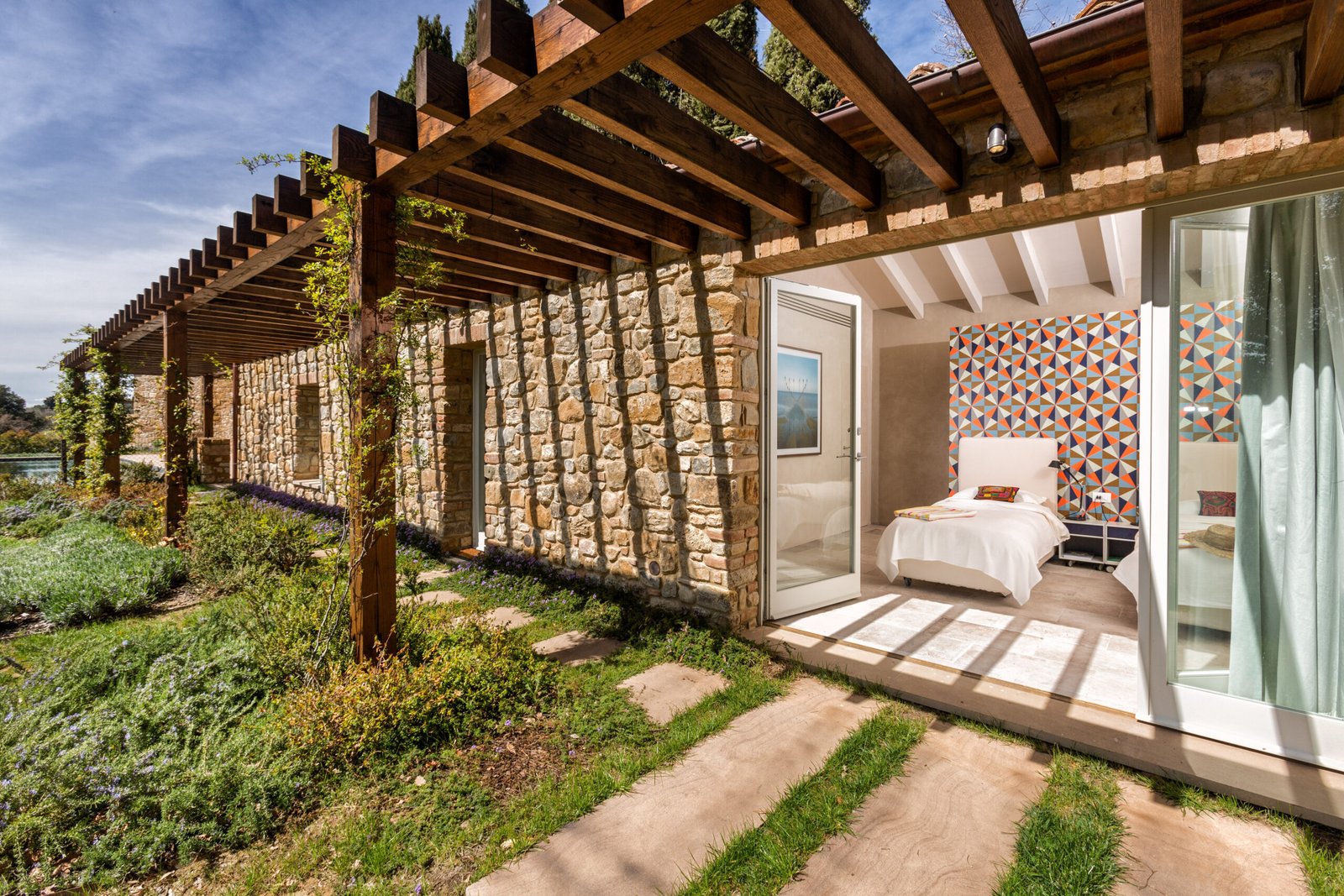
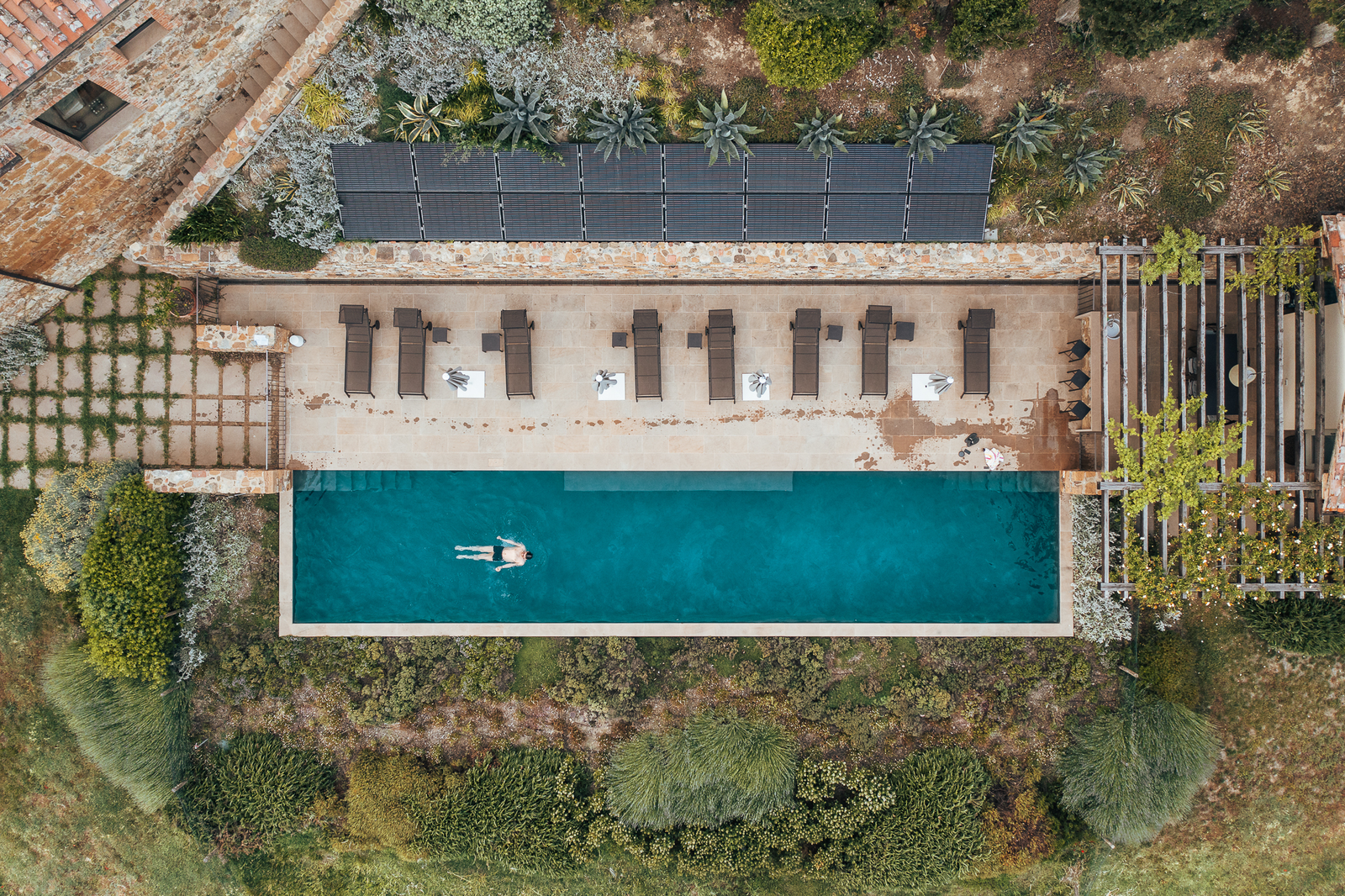
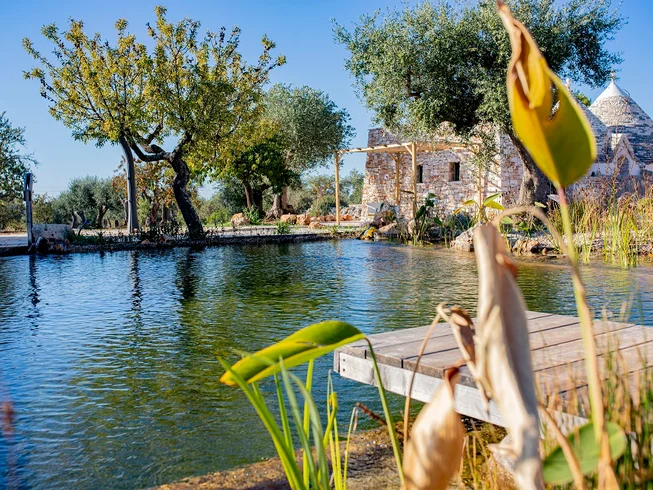
Hoch über dem Meer, 350 Meter über dem Meeresspiegel gelegen, bietet Ravello eine willkommene Auszeit vom Lärm und Verkehr der Küste. Der Ort besticht durch seine besondere Ruhe und Gelassenheit – die Villa Cimbrone und die Villa Rufolo, beide mit ihren Panoramagärten, die den Blick nach Süden entlang der Küste freigeben, zählen zu den schönsten Anwesen Italiens. Retreats in und um Ravello sind besonders bei Teilnehmern beliebt, die das Flair der Amalfiküste ohne deren Hektik suchen. Selbst im Sommer herrschen hier angenehmere Temperaturen als in den Küstenorten.
Praiano, zwischen Positano und Amalfi gelegen, ist der ruhigste der größeren Küstenorte und bietet im Verhältnis zu seiner Größe eine überdurchschnittlich hohe Dichte an Retreat-Einrichtungen. Die touristische Infrastruktur ist weniger ausgebaut als in Positano, was weniger Touristen und eine authentischere, lokale Atmosphäre bedeutet. Agerola, weiter im Landesinneren und höher gelegen, ist noch ruhiger und im Sommer deutlich kühler. Mehrere Wander- und Yoga-Programme nutzen den Ort als Ausgangspunkt, insbesondere wegen des „Pfades der Götter“, der von hier hinunter nach Positano führt.
Positano ist der meistfotografierte und meistbesuchte Ort an der Küste. Wunderschön, aber fast ganzjährig belebt und extrem teuer. Retreats in Positano zählen zu den luxuriösesten der Küste und haben dementsprechend hohe Preise. Sie eignen sich am besten für Kurzaufenthalte (3 bis 4 Nächte) oder Teilnehmer, denen das visuelle Erlebnis der Küste wichtiger ist als absolute Ruhe. Aufgrund der terrassenförmigen Topografie des Ortes ist ebene Fläche für Yoga im Freien sehr begrenzt.
Amalfi selbst ist eine geschichtsträchtige und architektonisch reiche Stadt, aber kein natürlicher Rückzugsort – sie ist ein Verkehrsknotenpunkt und beliebtes Ausflugsziel an der Küste. Die dahinterliegenden Täler (Valle delle Ferriere, Valle dei Mulini) sind deutlich ruhiger und beherbergen mehrere kleinere Retreat-Einrichtungen, die die Nähe zur Küste zum Nachmittagsbaden nutzen und gleichzeitig eine abgeschiedenere Umgebung für die spirituelle Praxis bieten.

Die Stimmung des Landes
Alles hier wirkt wie aus Kontrasten geformt:
Steile Klippen und weite, ruhige Landschaften, pulsierende Städte und stille Buchten.
Jedes Dorf hat seinen eigenen Puls:
– Positano – lebhaft, farbenfroh, voller Boutique-Charme.
– Ravello – erhaben, musikalisch, meditativ.
– Amalfi – historisches Herz mit byzantinischen Einflüssen.
– Praiano & Agerola – authentisch, ruhiger, ideal für Erholungssuchende, die echte Stille suchen.
Die Schönheit der Küste kann einen anfangs überwältigen – bis man lernt, den Blick zu verlangsamen und den Rhythmus der Wellen die eigenen Gedanken ersetzen zu lassen.
Die Amalfiküste ist die richtige Wahl, wenn Ihnen Meerblick, Küstennähe und mediterranes Flair bei Ihrem Retreat besonders wichtig sind und Sie bereit sind, etwas mehr auszugeben. Für Stille, tiefe Kontemplation oder budgetbewusstes Reisen ist sie hingegen nicht geeignet.
Für ein vergleichbares Küstenerlebnis zu deutlich geringeren Kosten, Rückzugsorte in Sizilien bieten eine vergleichbare mediterrane Esskultur und direkten Zugang zum Meer ohne die Infrastrukturaufschläge der Amalfiküste. Für die gegenteilige Qualität – maximale Ruhe, keine Küste, niedrigere Preise – Toskana oder Umbrien Diesem Zweck besser dienen. Ferienorte am Gardasee bieten einen Mittelweg: Süßwasser statt Meerwasser, ein kühleres nördliches Klima und deutlich günstigere Preise als an der Amalfiküste bei vergleichbarer Qualität der Veranstaltungsorte.

1. Gehen Sie den Weg der Götter (Sentiero degli Dei)
Eine der atemberaubendsten Wanderungen Italiens, die Agerola mit Positano entlang hoch über dem Meer gelegener Klippen verbindet.
Frühmorgendliches Yoga, gefolgt von diesem Spaziergang, ist ein Höhepunkt des Retreats – jeder Schritt wird vom Himmel und Zitronenbäumen umrahmt.
2. Besuchen Sie Amalfi und Ravello
Die Mosaiken der Kathedrale von Amalfi glänzen im byzantinischen Gold, Ravello — hoch oben in 350 m Höhe — bietet Panoramablick auf die Gärten Villa Cimbrone und Villa Rufolo, Beide veranstalten im Sommer Musikkonzerte.
3. Entdecken Sie versteckte Dörfer
Kleinere Städte wie Praiano, Cetara und Minori Man fühlt sich hier noch wie zu Hause. Freuen Sie sich auf Fischer, die ihre Netze flicken, familiäre Trattorien und einsame Kieselstrände, die sich perfekt für meditative Spaziergänge eignen.
4. Bootsfahrt entlang der Küste
Das Mieten eines kleinen Bootes oder die Teilnahme an einer Fährfahrt eröffnet ganz neue Perspektiven. Wassermeditationen bei Sonnenaufgang – angeboten von einigen Yoga-Retreats an der Amalfiküste — sind unvergesslich.
5. Tagesausflüge
Pompeji und der Vesuv für die Geschichte.
Insel Capri für Meereshöhlen und ein schickes Ambiente.
Sorrento für Märkte und einfache Zugverbindungen.
Warum es für Yoga und Wellness funktioniert
– Natürlicher Rhythmus: Der Wechsel von Meeresbrise, Sonnenlicht und terrassenförmiger Landschaft fördert tiefes Durchatmen und Entspannung.
– Außenbereiche: Viele Retreats bieten Yoga-Terrassen unter freiem Himmel mit Blick auf den Horizont; die Abendsitzungen enden oft mit orange-rosa Sonnenuntergängen, die die Stille mühelos erscheinen lassen.
– Ganzheitlicher Lebensstil: Die Einheimischen leben von saisonalem Essen, gehen zu Fuß als alltägliches Fortbewegungsmittel und echter Gastfreundschaft – genau das, was Wellnesssuchende suchen.
– Kulturelle Inspiration: Musikfestivals, handgefertigte Keramik und altehrwürdige Kirchen erinnern die Besucher daran, dass Kreativität ein Teil der Gesundheit ist.
Diese Mischung aus Schönheit, Bewegung und Ruhe macht die Amalfiküste zu einer der erholsamsten Regionen Italiens.
Wann mit anderen Regionen kombinieren?
Wenn Sie noch Zeit haben, kombinieren Sie den Küstenbesuch mit Folgendem:
– Neapel für Esskultur und Museen.
– Nationalpark Cilento (Süden) für ruhigere Strände und Waldwanderungen.
– Rom (2 Stunden mit dem Zug) um die Energie des Meeres mit Geschichte und Kunst in Einklang zu bringen.
Der internationale Flughafen Neapel (NAP) ist das wichtigste Tor zur Region und je nach Verkehrslage in 60 bis 90 Minuten von den meisten Küstenorten aus zu erreichen. Hochgeschwindigkeitszüge verbinden Rom in zwei Stunden mit Salerno und Neapel in etwa der gleichen Zeit. Von Salerno aus erreichen Sie die wichtigsten Orte der Amalfiküste mit Fähren und Bussen. Die Fähren zwischen Sorrent, Positano, Amalfi und Salerno verkehren von April bis Oktober und sind oft schneller und angenehmer als die Küstenstraße.
Das Fahren auf der Küstenstraße SS163 erfordert Geduld. Sie ist schmal, im Sommer häufig verstopft und bietet in den größeren Orten nur sehr wenige Parkmöglichkeiten. Die meisten Retreat-Einrichtungen organisieren entweder Transfers oder stellen detaillierte Wegbeschreibungen für die Anreise mit der Fähre und anschließend mit öffentlichen Verkehrsmitteln bereit. Ein Mietwagen ist für die Dörfer im Landesinneren (Ravello, Agerola) praktischer als für die Küstenstädte.
Ihre E-Mail-Adresse wird nicht veröffentlicht. Erforderliche Felder sind mit * markiert