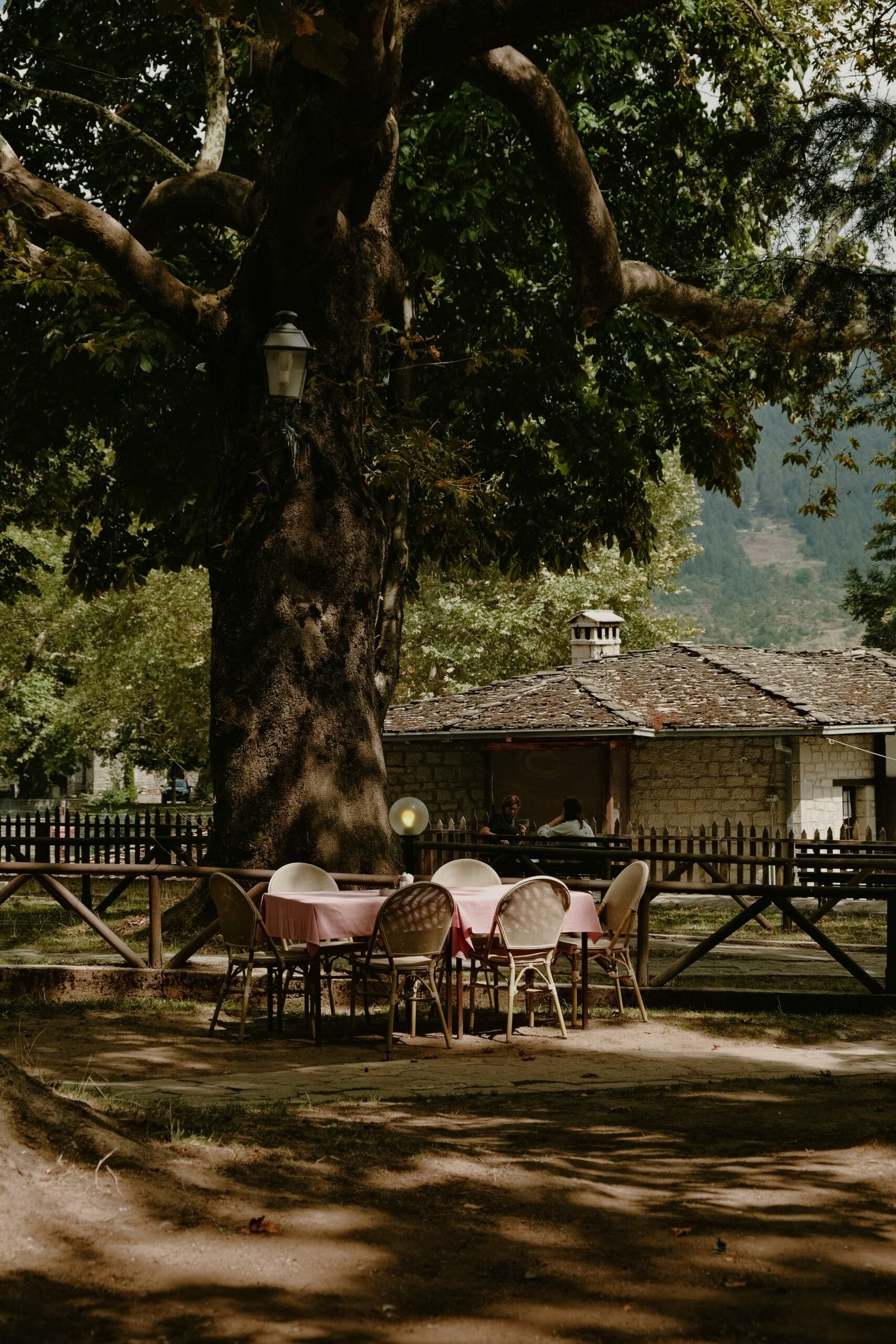
eco-yoga retreats in greece

Eco Yoga Retreats in Greece

Greece and ecological consciousness have a relationship that is older than the word ecology itself. The ancient Greeks understood the natural world not as a resource to be managed but as a living system to be respected, an understanding embedded in their mythology, their agriculture, and their architecture in ways that the landscape still reflects if you know how to look. An eco yoga retreat in Greece draws on this inheritance while addressing a contemporary reality: that the country’s extraordinary natural environments, its endemic wildflowers, its marine ecosystems, its ancient olive groves, its rare bird populations, are under pressures that make the choice of how and where to travel a genuinely consequential one.

An eco retreat here is not a marketing category. It is a specific commitment to practising in Greece in a way that leaves the landscape as intact and as alive as it was before you arrived, and ideally, through the retreat’s direct support of local ecosystems and communities, marginally more so. The practice of yoga and the practice of ecological responsibility share a foundational premise: that how you move through the world matters, and that attention, care, and non-harm are not aspirational values but daily disciplines. An eco retreat in Greece is simply the decision to apply that premise to the experience of being there.

AUTHOR

Om Away

DATE PUBLISHED

January 17, 2026

CATEGORY

Share This Article

Between Olive Trees and Blue Horizons

There’s an inherent alignment between yoga philosophy and ecological consciousness—both invite us to recognize our interconnection with all life, to consume mindfully, to tread lightly, and to honor the earth that sustains us. Greece, with its ancient olive groves, crystalline seas threatened by pollution, and landscapes shaped by thousands of years of human habitation, provides powerful ground for exploring this relationship. Eco yoga retreats here aren’t just about reducing environmental impact; they’re about recovering an older understanding of how humans can live in reciprocity with land and sea rather than simply extracting from them.

Eco yoga retreats in Greece range from off-grid properties powered entirely by sun and wind to more conventional centers that incorporate sustainable practices within contemporary comfort frameworks. What they share is intention—a commitment to demonstrating that wellness tourism doesn’t have to degrade the environments that make it possible, and a recognition that our personal healing and the health of the ecosystems we inhabit are inseparable.

Our yoga retreats in Greece guide covers the full range of Greek retreat options for those comparing formats.

6 Day Sailing Yoga & SUP Holiday With Hotel Accommodation in the Saronic Islands, Greece

8 Day Sky Pilates & Yoga Holiday in Santorini, Greece

5 Day Yoga and Slow Living Retreat on an Island: Evia, Greece

4 Day Living in Love Private Wellness Retreat for Women in Mazunte, Mexico

8 Day Coastal Bliss Yoga and SUP Holiday with Walking, Hiking, Swimming, Kayaking in Corfu, Greece

4 Day Intensive Self-Healing Workshop and Yoga Holiday in Athens Seaside, Greece

Types of Eco Retreats in Greece: From Rustic to Refined

Off-Grid Pioneers: At one end are properties completely disconnected from public utilities—no grid electricity, no municipal water, no connection to sewage systems. These retreats, often in remote locations on islands or mainland mountains, operate entirely on renewable energy (solar panels, sometimes small wind turbines), capture all water from rain and springs, and manage waste through composting and careful recycling. Accommodations might include yurts, simple cabins, or renovated stone buildings with minimal electricity. Lighting comes from candles and solar lamps, refrigeration is limited, and you might shower with sun-heated water in outdoor facilities.

Organic and Local-Focused: Some retreats emphasize sustainability primarily through food sourcing and land stewardship rather than energy independence. These might be working farms that produce much of what they serve, properties with extensive permaculture gardens, or centers that partner closely with local organic producers. Energy might come partially from the grid, accommodations might be conventional, but the food system demonstrates regenerative agriculture and local economic relationships.

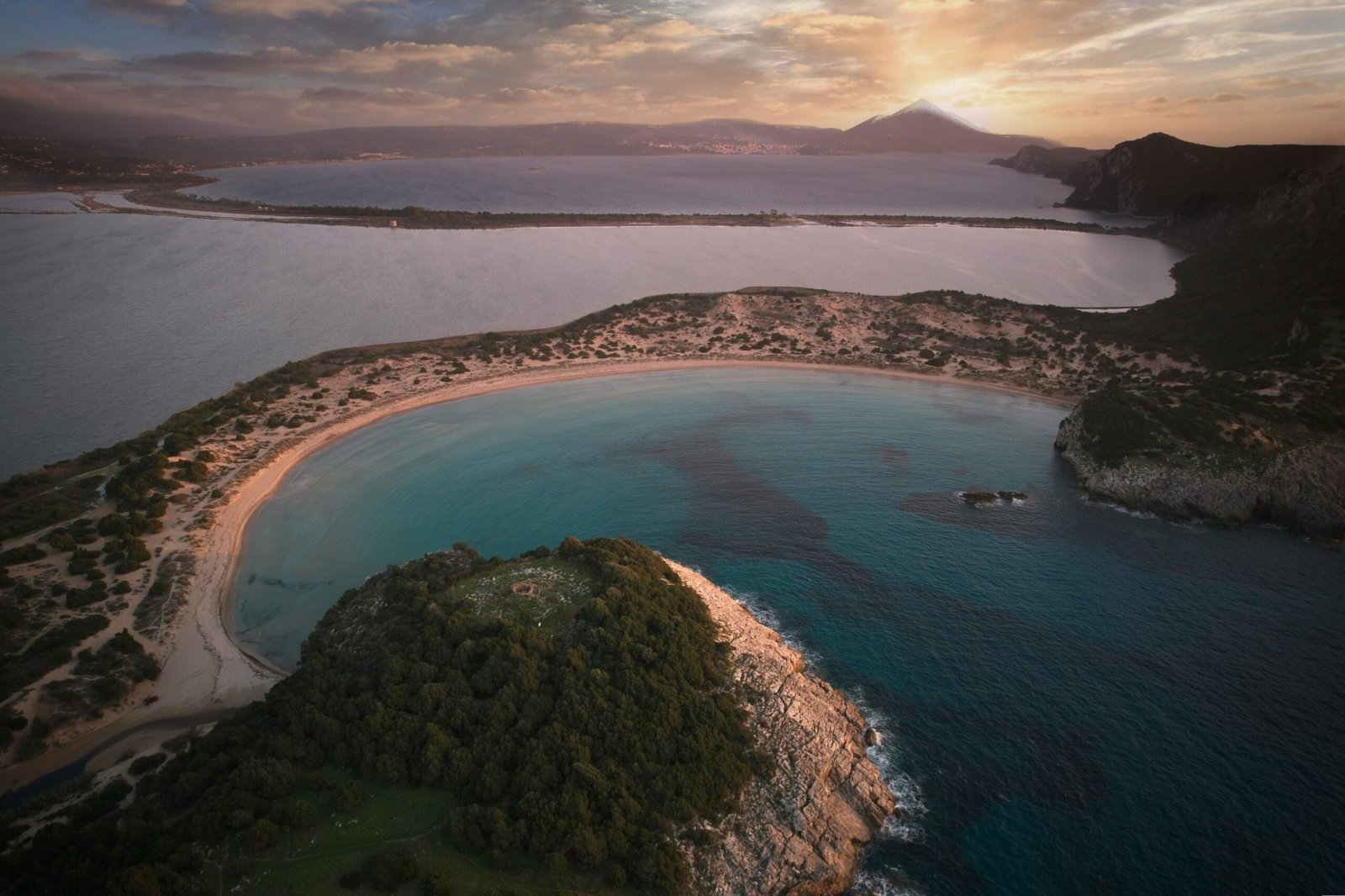
views over a peninsula on the peloponnese

Regional Differences: Where to Find Eco Retreats in Greece

Crete is Greece’s eco-retreat centre. The island’s size, agricultural traditions, and relative water abundance make it specifically well-suited to farm-based retreat formats. Many properties here have operated sustainably for years, often run by families who have farmed the land for generations and incorporated yoga and wellness into existing agricultural operations. Crete’s long growing season, fertile valleys, and strong local food culture create ideal conditions. The mountainous interior offers remote locations perfect for off-grid properties, while the north coast provides easier access for guests preferring convenience. Our yoga retreats in Crete guide covers the island’s retreat landscape in full.

Peloponnese offers similar agricultural richness to Crete with easier access — no ferries required. Eco retreats here often occupy renovated stone houses in mountain villages, emphasising integration with local communities and traditional practices. The Peloponnese’s olive oil production, honey, mountain herbs, and vegetable growing create strong foundations for food-focused sustainability. Our yoga retreats in the Peloponnese guide covers this mainland option in detail.

Cycladic Islands — Naxos, Paros, and lesser-known destinations — face specific challenges: water scarcity, limited agricultural land, waste management difficulties. Eco retreats on these islands often emphasise water conservation, solar energy, and partnerships with the few local organic producers. The aesthetic tends toward simple elegance, with whitewashed buildings, natural materials, and design that works with rather than against the harsh island environment.

Ionian Islands offer different conditions — more freshwater availability, lusher vegetation, and slightly easier sustainable agriculture. Eco retreats here might incorporate forest bathing and mountain hiking alongside beach activities, draw on Italian influences in architecture and food given the Ionian’s historical Venetian rule, and emphasise biodiversity conservation in landscapes that support more varied ecosystems than drier Aegean islands.

Daily Life at Eco Retreats

Life at ecological yoga retreats in Greece often feels simultaneously simpler and more attentive than conventional retreats. Without the constant background hum of air conditioning, refrigeration, and electronics, you notice sounds—wind, birds, goat bells, the rhythm of someone chopping vegetables. Without unlimited hot water, showers become briefer and more mindful. Without extensive artificial lighting, your rhythm aligns more closely with daylight, waking with sun and winding down when darkness falls.

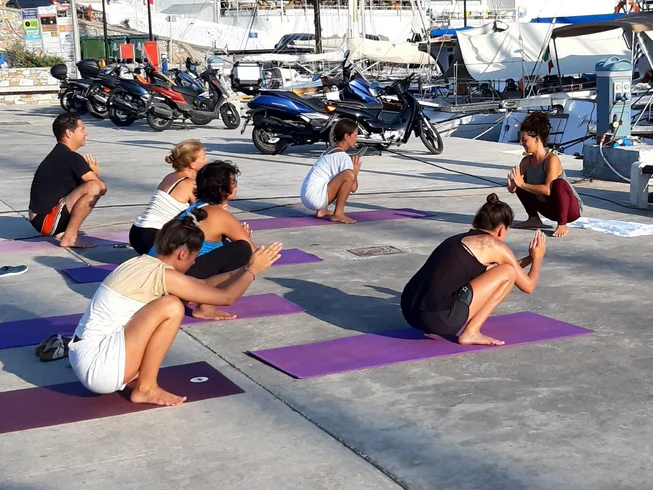
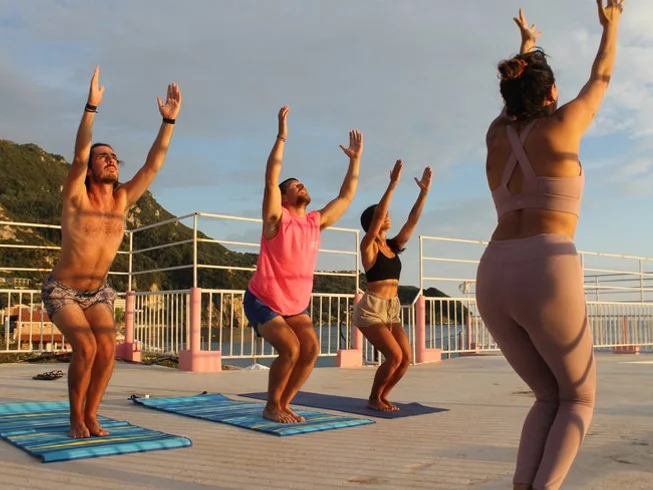
Morning practice might happen outdoors—on a terrace overlooking olive groves, in a garden surrounded by herbs, on a beach with sunrise light gilding the waves. The lack of artificial climate control means you’re more aware of temperature, more responsive to heat and cool, more likely to modify practice based on actual weather rather than controlled studio conditions. This variability itself becomes teaching—about adaptation, acceptance, working skillfully with circumstances rather than trying to control them.

Environmental Education and Activism

Many eco retreats in Greece incorporate explicit environmental education, recognizing that transformation requires understanding as much as experience. This might include workshops on Mediterranean ecology, presentations on specific threats facing Greek environments (overfishing, plastic pollution, climate change impacts on olive cultivation, water scarcity), and discussions of how yoga philosophy informs ecological ethics.

Some retreats partner with conservation organizations, incorporating beach clean-ups, reforestation projects, or citizen science initiatives into their programming. You might spend a morning removing plastic from a remote beach, afternoon analyzing what you found to understand pollution sources, and evening in meditation on your relationship to consumption and waste. This combination of action, education, and contemplation creates lasting impact beyond feel-good momentary engagement.

Challenges and Honest Limitations

It’s important to acknowledge that truly sustainable tourism in Greece faces significant challenges. The vast majority of international visitors arrive by plane—inherently high-carbon transportation that no amount of on-site solar panels can offset. Water scarcity on many islands means any tourism increases pressure on limited resources, even with aggressive conservation. Waste management infrastructure remains inadequate across much of Greece, meaning recycling and composting require retreat centers to create parallel systems without public support.

Economic pressures create tensions between sustainability and viability—solar systems and water recycling infrastructure require significant upfront investment that small retreat operators may struggle to afford. Local organic food costs more than industrial imports, creating pressure to compromise on sourcing. And Greece’s economic challenges mean environmental regulations are often minimally enforced, with limited incentive for businesses to exceed minimum requirements.

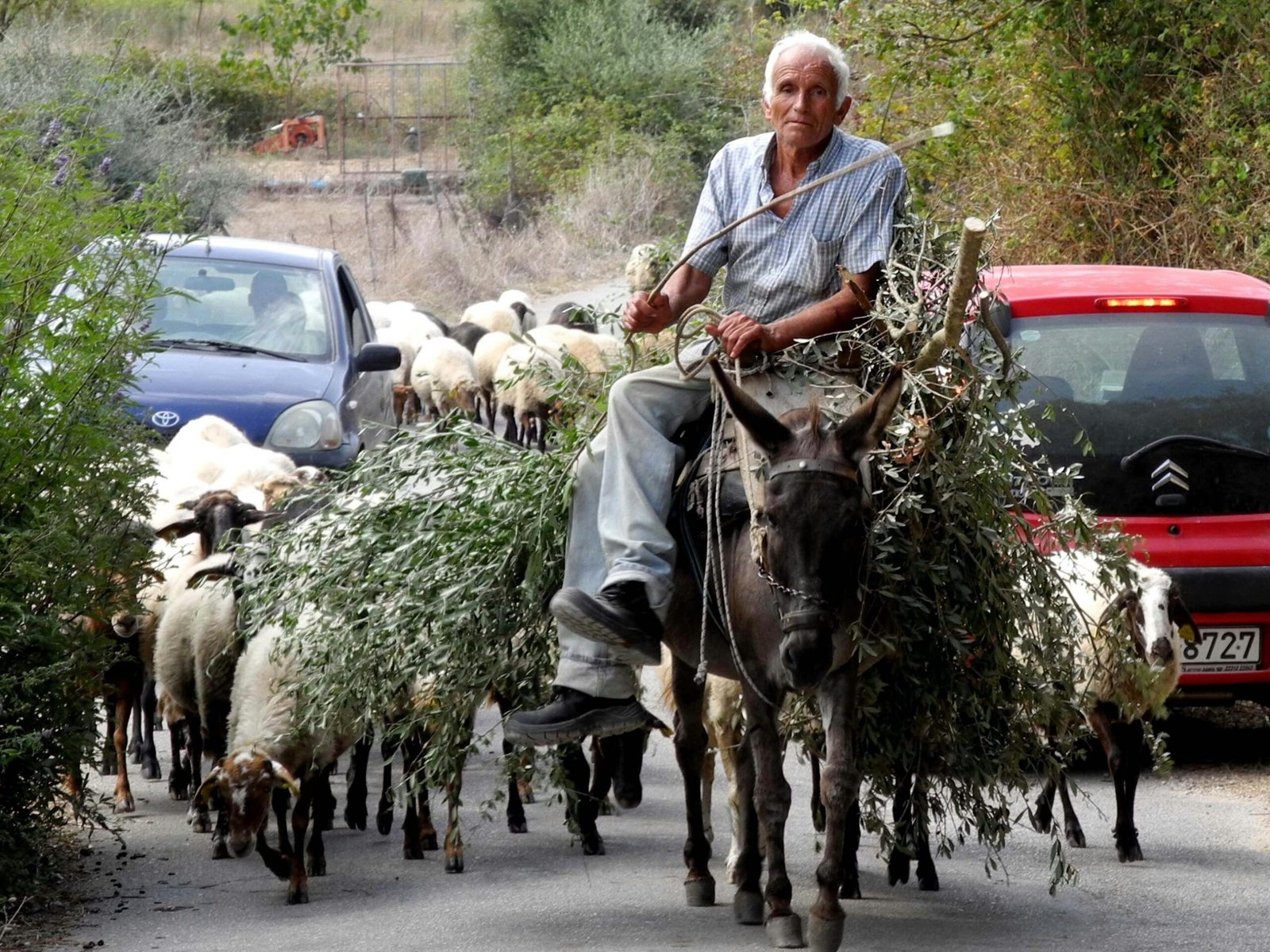
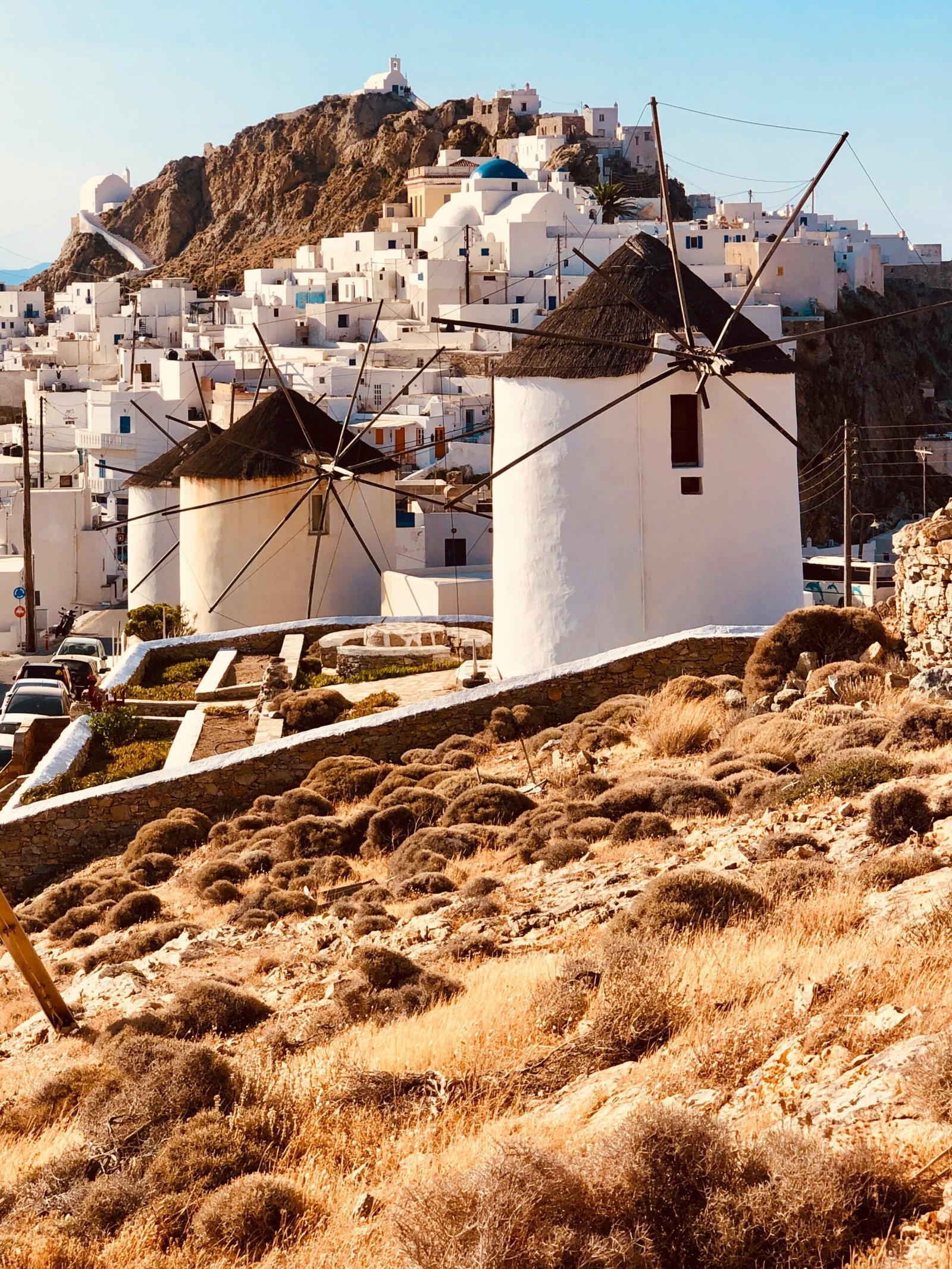
windmills in the countryside, greece
countryside in greece

Choosing an Eco Retreat

Not all retreats claiming “eco” credentials actually embody significant sustainability. When evaluating options, look for specifics. How is energy generated? What percentage comes from renewables? How is water sourced and conserved? What happens to waste? Where does food come from—generic claims about “local” or “organic” versus specific relationships with named producers?

Consider what level of rusticity you can embrace. Are you comfortable with composting toilets, outdoor showers, candlelight, limited electricity, and variable water pressure? Or do you need reliable comfort and convenience, which means choosing properties with more infrastructure even if environmental impact is slightly higher? There’s no moral superiority in suffering—choosing accommodations that meet your actual needs ensures you can focus on practice rather than discomfort.

Think about what aspects of sustainability matter most to you. Is it renewable energy? Organic food? Water conservation? Supporting local economies? Waste reduction? No retreat excels at everything, so prioritizing your values helps identify the best match. Someone passionate about regenerative agriculture might choose a food-focused farm retreat; someone concerned about plastic pollution might prioritize properties with comprehensive waste systems.

The Deeper Practice

Ultimately, eco yoga retreats in Greece offer opportunity for practicing a fundamental yogic principle—ahimsa, non-harming. This extends beyond the yoga mat into every choice—what we consume, how we use resources, how our presence affects the places and communities we visit. The retreat becomes laboratory for experimenting with living more lightly, testing what we actually need versus what we’re habituated to wanting.

You might discover that you sleep better without air conditioning, that meals taste better when you know their source, that days feel fuller when aligned with natural light rather than artificial illumination, that community forms more easily when you’re working together in gardens or kitchens rather than being served. These aren’t deprivations but revelations—recovering pleasures and connections that industrial life has severed.

The lessons learned on retreat—mindful consumption, appreciation for simple abundance, recognition of our dependence on healthy ecosystems—ideally translate into changed behaviors back home. Not perfectly, not without lapses and compromises, but with increased awareness and intention. That’s the real promise of eco yoga retreats in Greece: not temporary escape into an environmentally pure bubble, but embodied learning that shifts how you inhabit your regular life.

Greece’s landscapes—olive groves thousands of years old, seas that sustained civilizations, mountains where gods were imagined to dwell—remind us that we’re temporary visitors in systems vastly older and more enduring than ourselves. Eco retreats invite us to remember our place in these larger systems, to practice the humility and care that wisdom traditions have always taught, and to recognize that our wellness and the wellbeing of the earth aren’t separate concerns but dimensions of the same fundamental relationship.

faqs: eco-yoga retreats in greece

  1. What makes a Greek yoga retreat genuinely eco-friendly rather than simply eco-branded? The distinction is real and worth investigating before booking. Genuine ecological commitment shows up in specifics rather than aesthetics: solar or renewable energy powering the retreat facility, water conservation systems appropriate to Greece’s increasingly acute water scarcity challenges, food sourced demonstrably from local producers rather than centralised supply chains, waste management that goes beyond recycling gestures toward genuine reduction, and a relationship with the surrounding natural environment that includes active stewardship rather than simply appreciation. The language a retreat uses to describe its ecological commitments tells you a great deal — vague references to being “close to nature” or “in harmony with the environment” are aesthetic positioning; concrete descriptions of energy systems, food sourcing policies, and community relationships are evidence of genuine practice. Ask specific questions before booking, and treat vague answers as informative responses.
  2. What makes a Greek yoga retreat genuinely eco-friendly rather than simply eco-branded? The distinction is real and worth investigating before booking. Genuine ecological commitment shows up in specifics rather than aesthetics: solar or renewable energy powering the retreat facility, water conservation systems appropriate to Greece’s increasingly acute water scarcity challenges, food sourced demonstrably from local producers rather than centralised supply chains, waste management that goes beyond recycling gestures toward genuine reduction, and a relationship with the surrounding natural environment that includes active stewardship rather than simply appreciation. The language a retreat uses to describe its ecological commitments tells you a great deal — vague references to being close to nature are aesthetic positioning; concrete descriptions of energy systems, food sourcing policies, and community relationships are evidence of genuine practice. Ask specific questions before booking, and treat vague answers as informative responses.
  3. Which regions of Greece are best suited to eco retreat practice? The areas where genuine ecological integrity has been best preserved tend to be those that mass tourism has not fully reached. Crete’s agricultural interior, the Peloponnese’s mountain villages, Naxos and the less-visited Cycladic islands, and the Ionian island interiors all host retreat operations with genuine ecological commitments. The famous destinations — Santorini, Mykonos — are less suited to eco retreat formats because their tourism infrastructure is oriented toward luxury rather than sustainability, and the water and waste pressures at these densely visited destinations make genuine low-impact operation more difficult.
  4. Is flying to Greece compatible with choosing an eco retreat? This is the honest tension at the centre of sustainable travel, and eco retreat operators who address it directly are more credible than those who avoid it. Flying to Greece is high-carbon regardless of how sustainably you behave once there. The more defensible position is to treat this as a genuine trade-off — the experience, cultural exchange, and support of local ecological tourism economies have value — rather than pretending that on-site solar panels offset the flight. Staying longer, choosing overland travel where practical (train from northern Europe to the Greek ferries is possible), and carbon offsetting through verified schemes all reduce but do not eliminate the impact.
  5. What yoga styles are common at eco retreats in Greece? The combination of natural environment and ecological philosophy tends to attract teachers whose practice is grounded rather than performance-oriented. Hatha, Yin, restorative, and meditation-integrated programmes are most common. Many eco retreat teachers incorporate practices from traditions that emphasise the human relationship with the natural world — forest bathing, outdoor meditation, movement practices that use the landscape rather than a studio floor. High-intensity athletic yoga formats are less common here than at luxury island retreats.

Share Your Thoughts

Your email address will not be published. Required fields are marked *

Leave a Reply

Your email address will not be published. Required fields are marked *