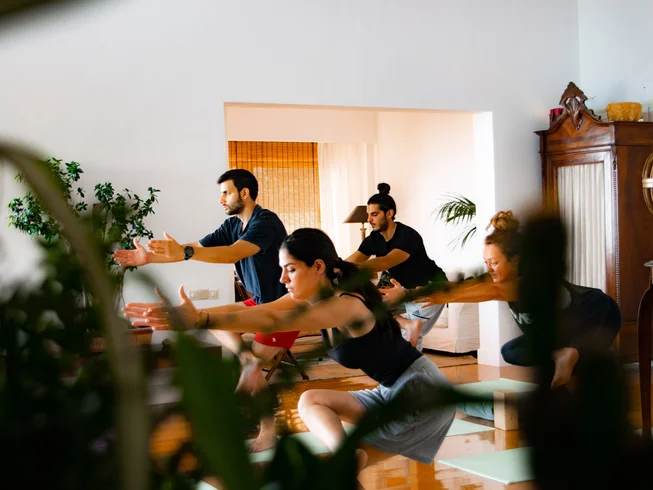
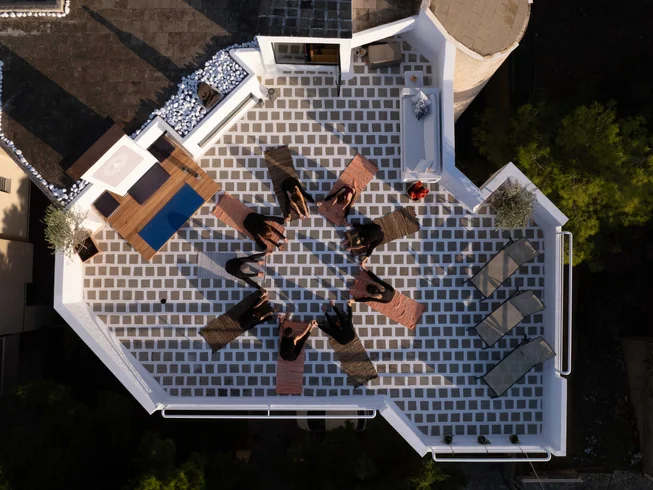
Life at ecological yoga retreats in Greece often feels simultaneously simpler and more attentive than conventional retreats. Without the constant background hum of air conditioning, refrigeration, and electronics, you notice sounds—wind, birds, goat bells, the rhythm of someone chopping vegetables. Without unlimited hot water, showers become briefer and more mindful. Without extensive artificial lighting, your rhythm aligns more closely with daylight, waking with sun and winding down when darkness falls.
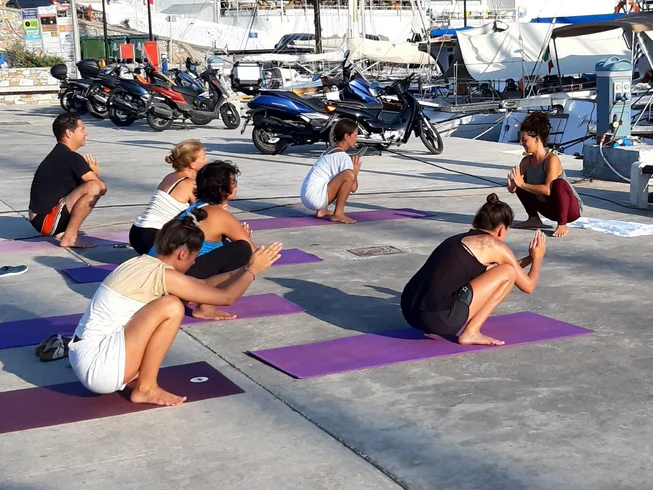
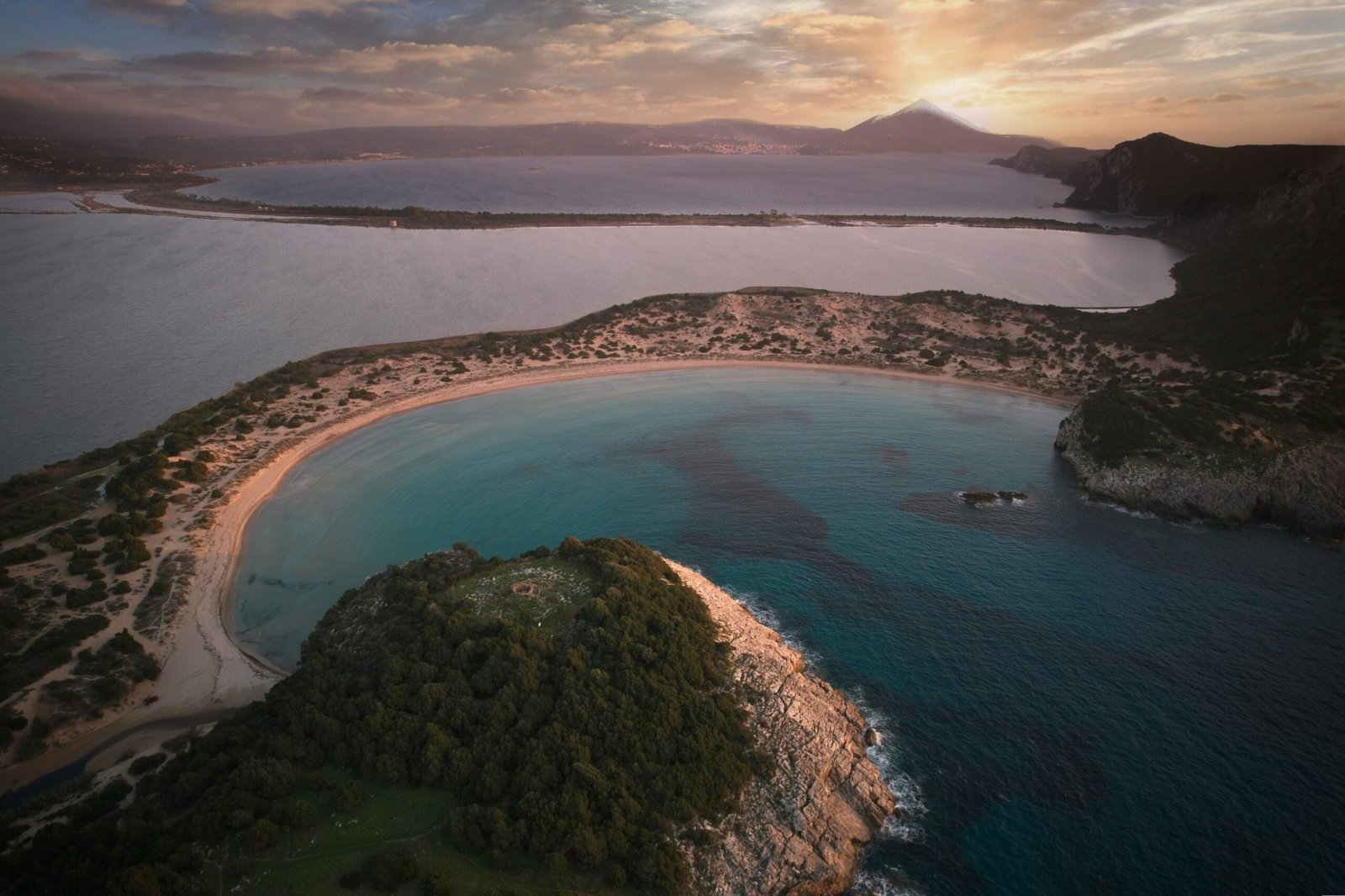
Morning practice might happen outdoors—on a terrace overlooking olive groves, in a garden surrounded by herbs, on a beach with sunrise light gilding the waves. The lack of artificial climate control means you’re more aware of temperature, more responsive to heat and cool, more likely to modify practice based on actual weather rather than controlled studio conditions. This variability itself becomes teaching—about adaptation, acceptance, working skillfully with circumstances rather than trying to control them.
Environmental Education and Activism
Many eco retreats in Greece incorporate explicit environmental education, recognizing that transformation requires understanding as much as experience. This might include workshops on Mediterranean ecology, presentations on specific threats facing Greek environments (overfishing, plastic pollution, climate change impacts on olive cultivation, water scarcity), and discussions of how yoga philosophy informs ecological ethics.
Some retreats partner with conservation organizations, incorporating beach clean-ups, reforestation projects, or citizen science initiatives into their programming. You might spend a morning removing plastic from a remote beach, afternoon analyzing what you found to understand pollution sources, and evening in meditation on your relationship to consumption and waste. This combination of action, education, and contemplation creates lasting impact beyond feel-good momentary engagement.
Challenges and Honest Limitations
It’s important to acknowledge that truly sustainable tourism in Greece faces significant challenges. The vast majority of international visitors arrive by plane—inherently high-carbon transportation that no amount of on-site solar panels can offset. Water scarcity on many islands means any tourism increases pressure on limited resources, even with aggressive conservation. Waste management infrastructure remains inadequate across much of Greece, meaning recycling and composting require retreat centers to create parallel systems without public support.
Economic pressures create tensions between sustainability and viability—solar systems and water recycling infrastructure require significant upfront investment that small retreat operators may struggle to afford. Local organic food costs more than industrial imports, creating pressure to compromise on sourcing. And Greece’s economic challenges mean environmental regulations are often minimally enforced, with limited incentive for businesses to exceed minimum requirements.