
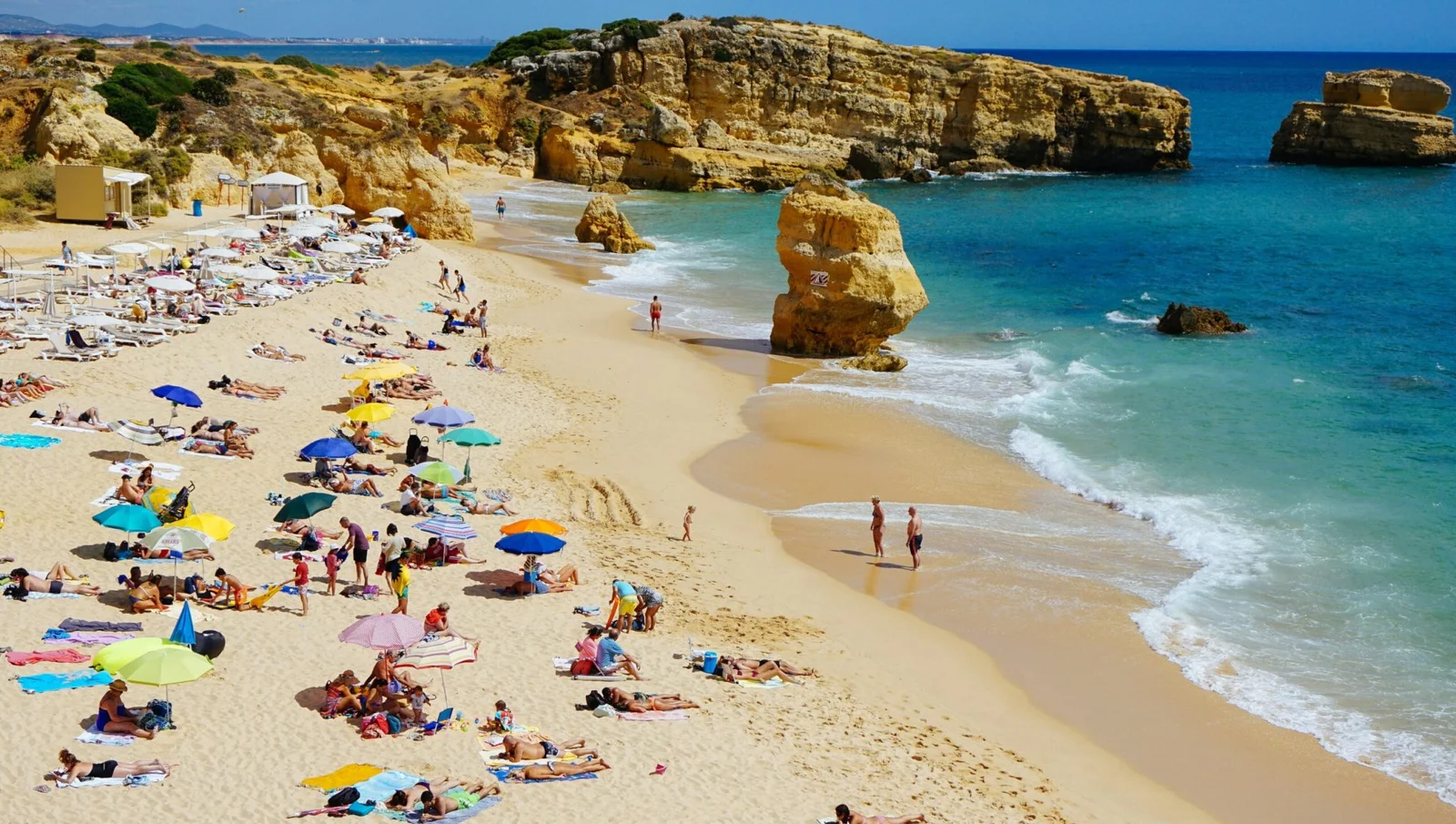
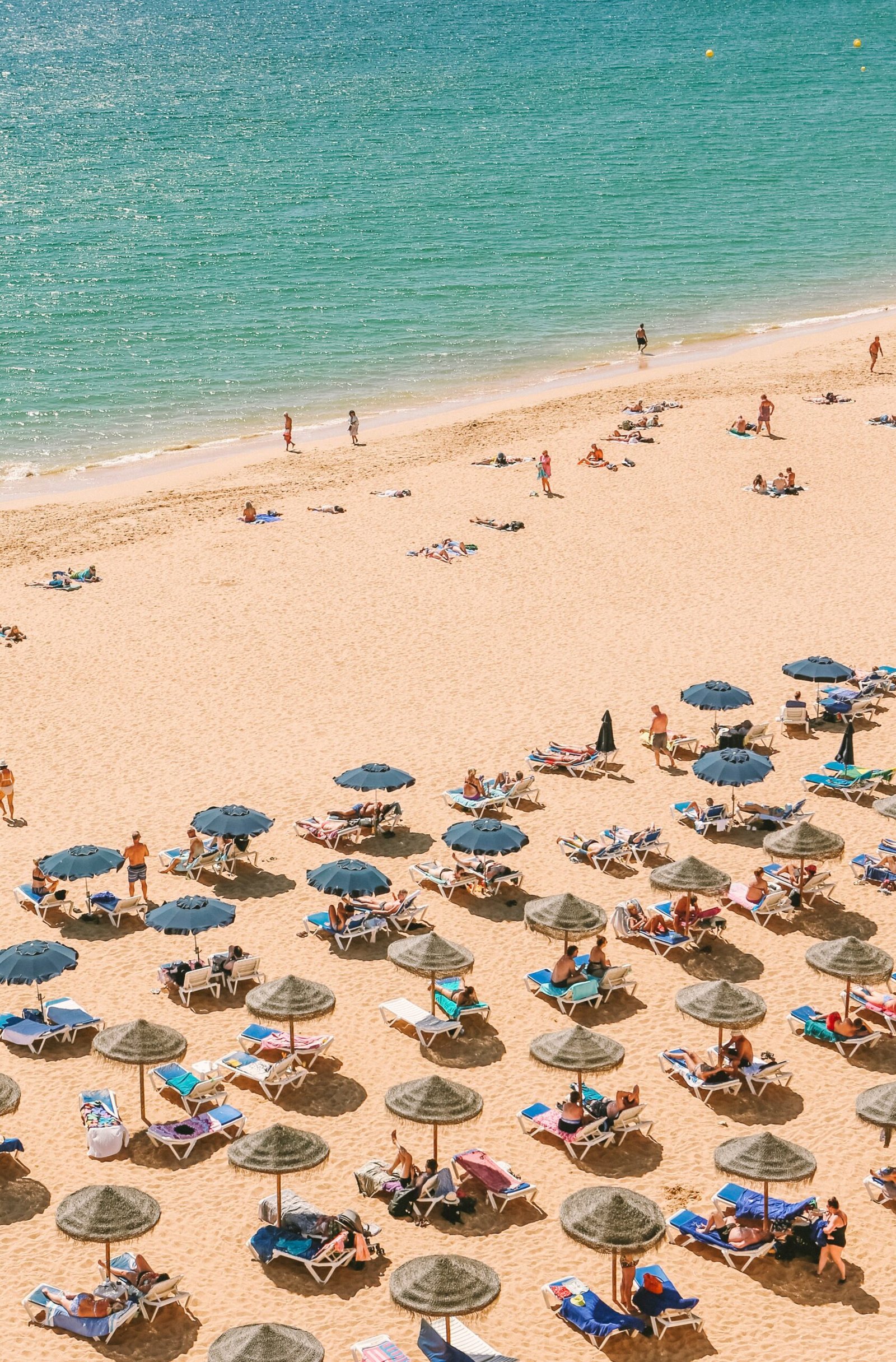
August is Portugal’s busiest month and its hottest. The Algarve is at maximum capacity, Lisbon is full, and the interior bakes. But the Atlantic coast north of Lisbon stays manageable, the Azores are having their best weather of the year, and the sea everywhere reaches its annual warmest.
August rewards planning. Go to the wrong place and you will spend the week managing crowds and heat. Go to the right one and you will wonder why everyone says August is difficult.


August is the month that requires the most deliberate destination choice of the year. Temperatures in the Alentejo and the Tagus valley regularly exceed 40°C. Lisbon is full of visitors. The popular Algarve resorts are at capacity.
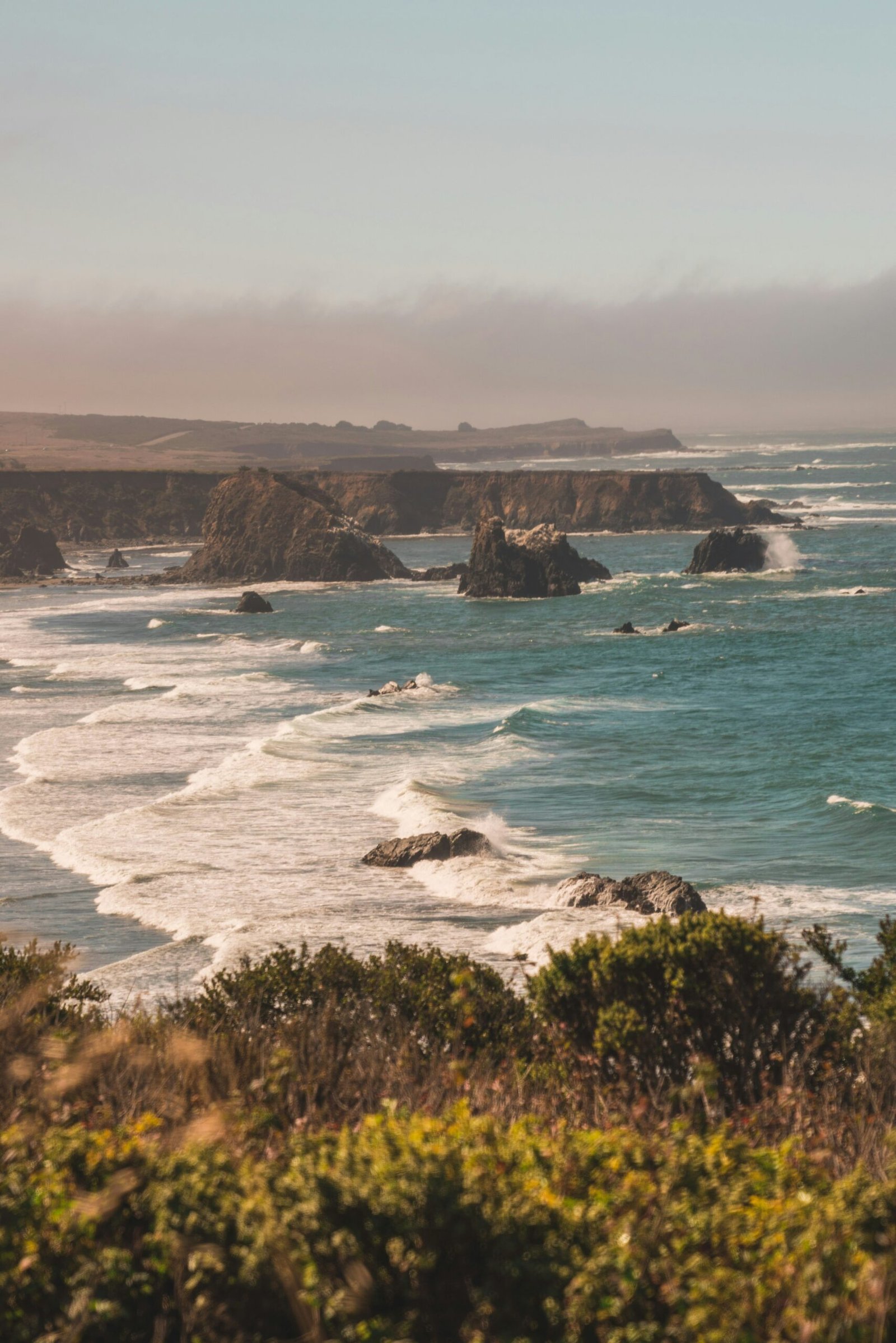
But the Atlantic north of Lisbon, the Azores, and the western coastline from Peniche to Viana do Castelo all offer a summer that is warm, manageable, and genuinely enjoyable. Our full Portugal yoga retreats guide covers every region to help you make the right call.
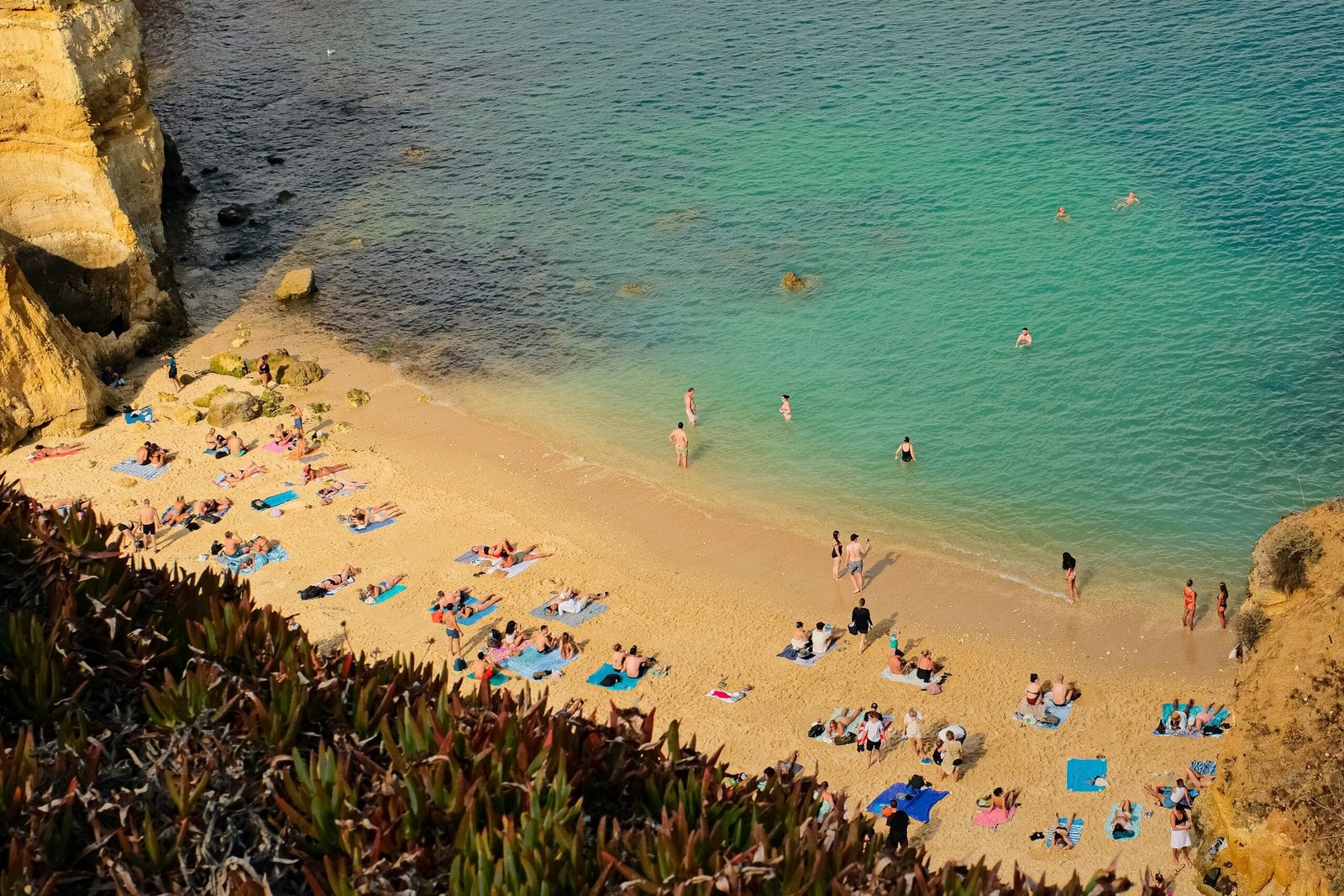
August is when Portugal’s infrastructure strains under visitor numbers. Popular beaches are packed by 10 AM. Good restaurants require reservations days ahead. Coastal towns feel genuinely crowded. Even quiet rural areas see increased traffic.
Prices hit annual peaks—often 40-50% higher than shoulder season. Retreat centers in Portugal charge maximum rates and still fill completely. Book 4-6 months ahead if you have specific requirements.
Why Visit August Despite Challenges
Weather Certainty
August offers zero weather uncertainty. It will be hot and sunny. Plan outdoor activities with complete confidence. No backup plans needed. This reliability has value for people with limited vacation time.
Warmest Ocean
If swimming is your priority, August delivers the most comfortable ocean temperatures. Extended swims, ocean meditation, water-based yoga—all become genuinely pleasant rather than refreshing-but-cold.
Vibrant Energy
August Portugal is alive with festival atmosphere. Beach clubs operate at full capacity. Restaurants buzz with energy. Social scene is maximum. For people who like vibrant atmospheres, August delivers.
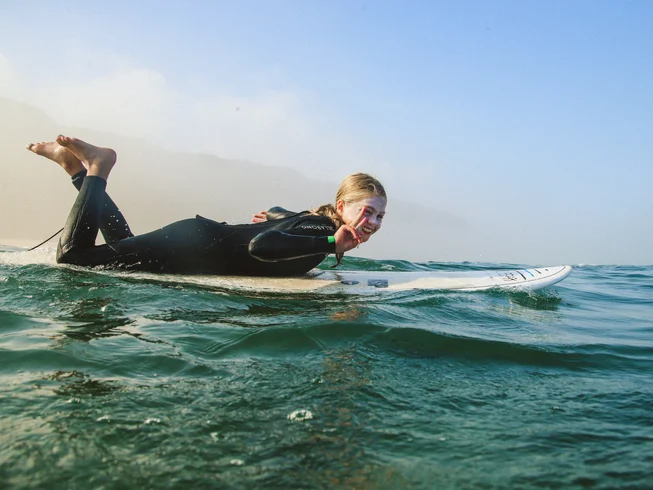
Peniche in August is the surf town at its summer best for beginners. The powerful winter swells that make Supertubos one of Europe’s most serious waves in December and January have moderated completely by August — what remains are clean, consistent beach breaks at 1-2 metres, ideal for first-timers learning to read waves and developing their pop-up. The surf schools running on the beaches around Peniche in August are fully operational with qualified instructors and well-maintained equipment.
The Silver Coast (Costa de Prata) stretching north and south of Peniche — through Nazaré, São Martinho do Porto, and Figueira da Foz — is August beach Portugal at its most domestic and most honest. These are the resorts where Portuguese families from Coimbra and the Lisbon suburbs spend their summer weeks, not international tourist destinations. The restaurants serve grilled fish at reasonable prices, the beaches are long and backed by dunes rather than concrete, and the social atmosphere is specifically Portuguese in August in a way that the Algarve, full of German and British and Dutch visitors, is not.
Nazaré in August is a fascinating cultural document: the former fishing village that became famous for its giant winter waves (Rodrigo Koxa surfed a 30-metre wave here in 2018, the largest ever recorded) is in August a traditional resort town with beach umbrellas, grilled sardines, and the distinctive black-clad widows of the fishing community who still walk the cliffs in the traditional mourning dress. The contrast between the extreme surf spectacle of winter and the domestic Portuguese summer scene of August is one of those specifically Portuguese contradictions worth witnessing.
The Azores in August are having their best weather of the year — and this is genuinely underused as a yoga retreat destination. The nine volcanic islands in the middle of the Atlantic sit in a weather window in July and August that produces warm temperatures (24-27°C), lower rainfall than the spring months, and a landscape that is unlike anything in continental Portugal: volcanic calderas, hot springs, black sand beaches, and a green so intense it registers as almost artificial.
São Miguel, the largest island, has the most developed retreat infrastructure: hot spring pools at Furnas (thermal waters at 40°C, outdoor, in a park of hydrangeas and tropical trees), whale watching (the Azores are one of the world’s great whale watching locations year-round but August is the most accessible month), the caldera lake of Sete Cidades, and coastal yoga spaces that face open Atlantic in multiple directions simultaneously.
Retreat programmes in the Azores in August combine yoga with the volcanic landscape in ways that are genuinely specific to this place: sunrise practice above the Sete Cidades caldera, afternoon at the Furnas hot springs, evening Yin in a garden of blue hydrangeas. It is a retreat environment with no mainland equivalent.
Óbidos in August is the Portuguese interior in its summer cultural mode. The medieval walled town — entirely whitewashed, intact, with a castle at the top and a cobblestone main street lined with bougainvillea — hosts the International Chocolate Festival in August (yes, really, and it is serious) and the Óbidos Vila Natal medieval festival that runs through summer. The town sits on a lagoon between the castle and the coast, and the combination of historic architecture, August events, and a coastal lagoon 10 minutes away makes it a surprisingly complete retreat base.
Retreat programmes based in the Óbidos area — in the quinta properties in the hills surrounding the town rather than in the town itself — use the medieval townscape for evening cultural excursions and the lagoon for paddleboarding and kayaking. The ginja de Óbidos — the sour cherry liqueur served in tiny chocolate cups at the town’s bars — is one of those regional products that is genuinely of this place and worth tasting on an evening excursion from a retreat week.
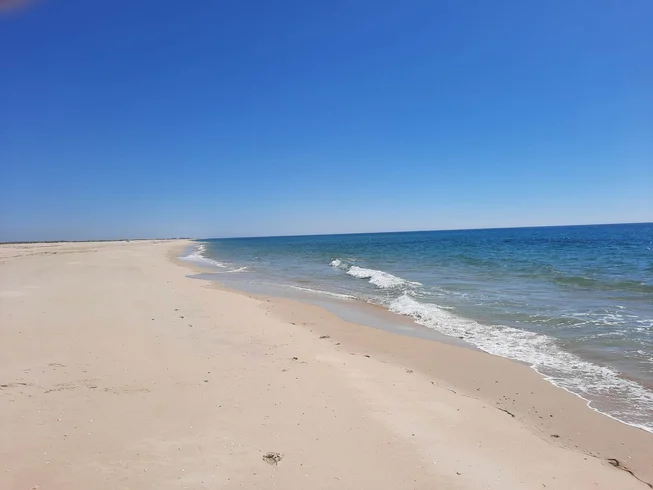
The eastern Algarve around Tavira and the Ria Formosa lagoon system is August’s best-kept secret in the south. While the central Algarve resorts around Albufeira and Portimão are at maximum tourist density, the eastern Algarve maintains a different character: the Ria Formosa is a protected nature reserve of salt marshes, barrier islands, and tidal channels that functions as a genuine ecosystem rather than a beach resort. The barrier island beaches — accessed by ferry from Tavira, Cabanas, and Faro — are among the finest in Portugal and in August have a fraction of the crowds of the central coast.
Tavira itself is one of the most architecturally intact towns in Portugal — Roman bridge, Moorish street layout, baroque churches, and a covered market that supplies the town’s excellent restaurants with the fresh fish and shellfish of the Ria Formosa. Retreat programmes here in August combine early morning practice with afternoon boat trips to the barrier island beaches and evening meals of cataplana made with the lagoon’s clams and shellfish.
August figs from the Algarve and Alentejo orchards are at peak ripeness. The black fig (figo preto) reaches its maximum sweetness in the August heat, split open and eaten fresh, or dried and pressed into the traditional fig and almond loaves (morgado de figo) that are the Algarve’s most characteristic confection. Fresh figs with cured presunto (Portuguese cured ham), a drizzle of honey, and a handful of almonds is the August lunch that requires no cooking and no concept — just ingredients at the right moment.
Meloa (the small, sweet honeydew-type melon grown in the Alentejo and Ribatejo) is at its August peak. Cut cold and eaten in large wedges, it is the correct response to an afternoon at 38°C. Melancia (watermelon) continues from July, the flesh darker and sweeter as the season deepens. The combination of cold melon, shade, and a hammock is the Alentejo’s answer to the question of what to do between the morning and evening yoga sessions in August.
Caldeirada is Portugal’s fish stew — multiple varieties of fish slow-cooked together with potatoes, tomatoes, peppers, and onions in olive oil and white wine, each layer of fish placed on the previous without stirring. It is a dish that requires fresh fish at the peak of summer variety, which August provides: sea bass, monkfish, grouper, and whatever was landed that morning. The best caldeirada is made by restaurants that source from the same port their village has always fished from, which in August on the Silver Coast and the eastern Algarve means the ingredients are exactly right.
Queijo de Azeitão — the small, creamy sheep’s milk cheese from the Setúbal peninsula — reaches a particular summer ripeness in August. Wrapped in cloth, slightly runny at room temperature, with a flavour that is simultaneously pungent and delicate, it is eaten by cutting off the top rind and scooping with bread. Found at Setúbal markets and good Lisbon cheese shops, it is one of those regional products that does not travel well and is specifically better eaten near where it is made.
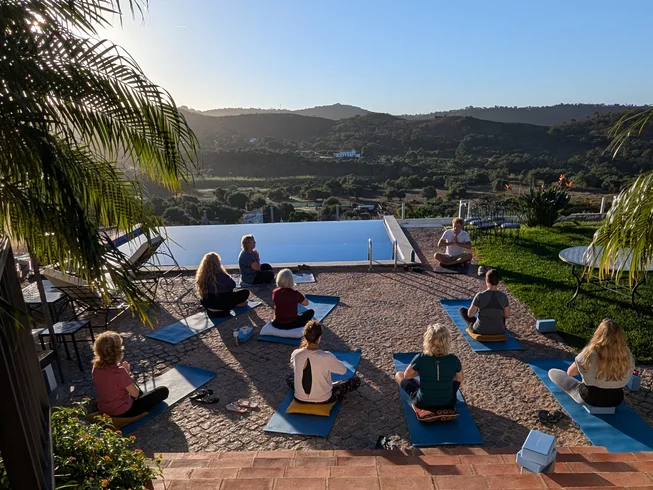
August retreat programming is honest about the heat or it is not good programming. The centres that acknowledge the season rather than fighting it build the better weeks. Practice at 6:30 or 7am before the sun gains height. A substantial breakfast. The hottest hours — roughly noon to 5pm — dedicated to the pool, the sea, hammam, or rest in the shade. Late afternoon Yin or restorative from 5:30pm as the temperature begins to drop. Evening sessions extending to 7:30 or 8pm because the light and warmth make this the best time of the day.
In the Azores, this heat management is unnecessary — the volcanic island climate keeps temperatures in a range where outdoor practice at any hour is possible. August Azores retreat programming runs its full outdoor schedule without modification: caldera rim walks, open-water swimming, hot spring sessions, and morning practice on clifftop terraces with the Atlantic visible in every direction. It is a month that the Azores handle better than any other Portuguese destination.
The August retreat group dynamic is the most socially diverse of the year. School holiday schedules bring participants who would otherwise come in September or October. The group is larger, more varied in intention, and more social in its evening energy. For solo retreat travellers who specifically want connection and community, August produces more of it than any other month. For those wanting the most intentional and quiet group experience, September is the better choice.
Your email address will not be published. Required fields are marked *