
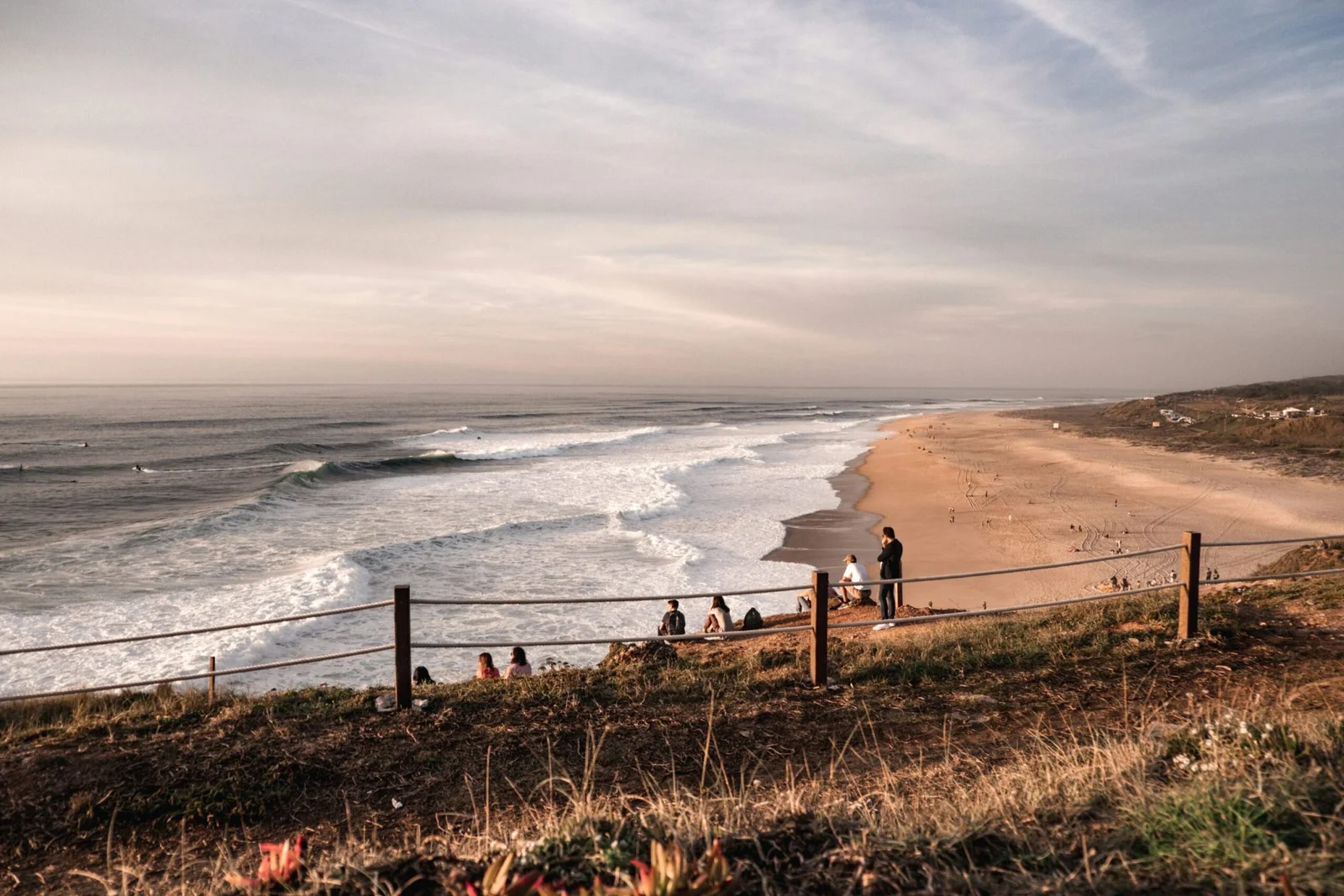
November is for those who know. The October visitors have gone home, the Christmas crowd has not yet arrived, and Portugal returns to its own rhythm entirely. Prices are at their autumn low.
Retreat groups are the smallest of the year. And the country in November — the Algarve still mild at 18-20°C, the surf on the Atlantic at full winter power, the interior quiet and honest — has a quality of authenticity that peak season never offers.


November is quieter than any month except February and shares February’s advantages: low prices, genuine retreat availability, and a Portugal that is not performing for visitors.
The weather varies more than in September or October — rain is possible in the north and the interior — but the Algarve remains reliably mild, the surf coast is at its most powerful, and the retreat centres that operate through November do so specifically because the format works in winter. Our full Portugal yoga retreats guide covers every region for those deciding.
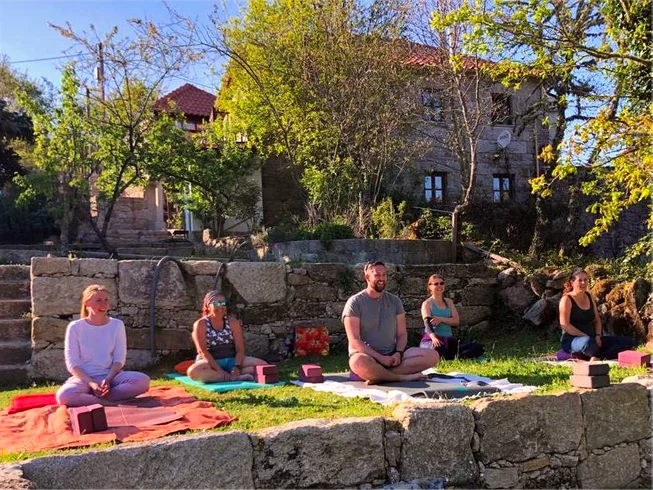
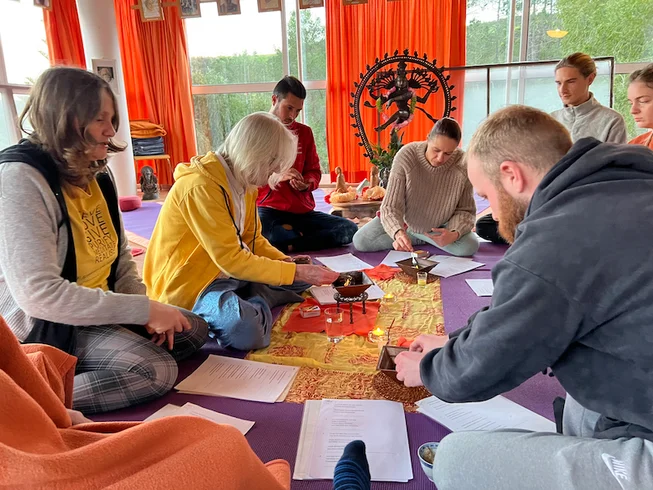
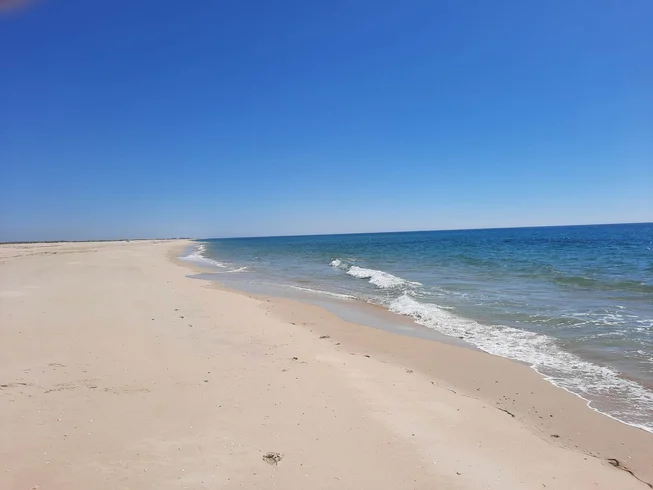
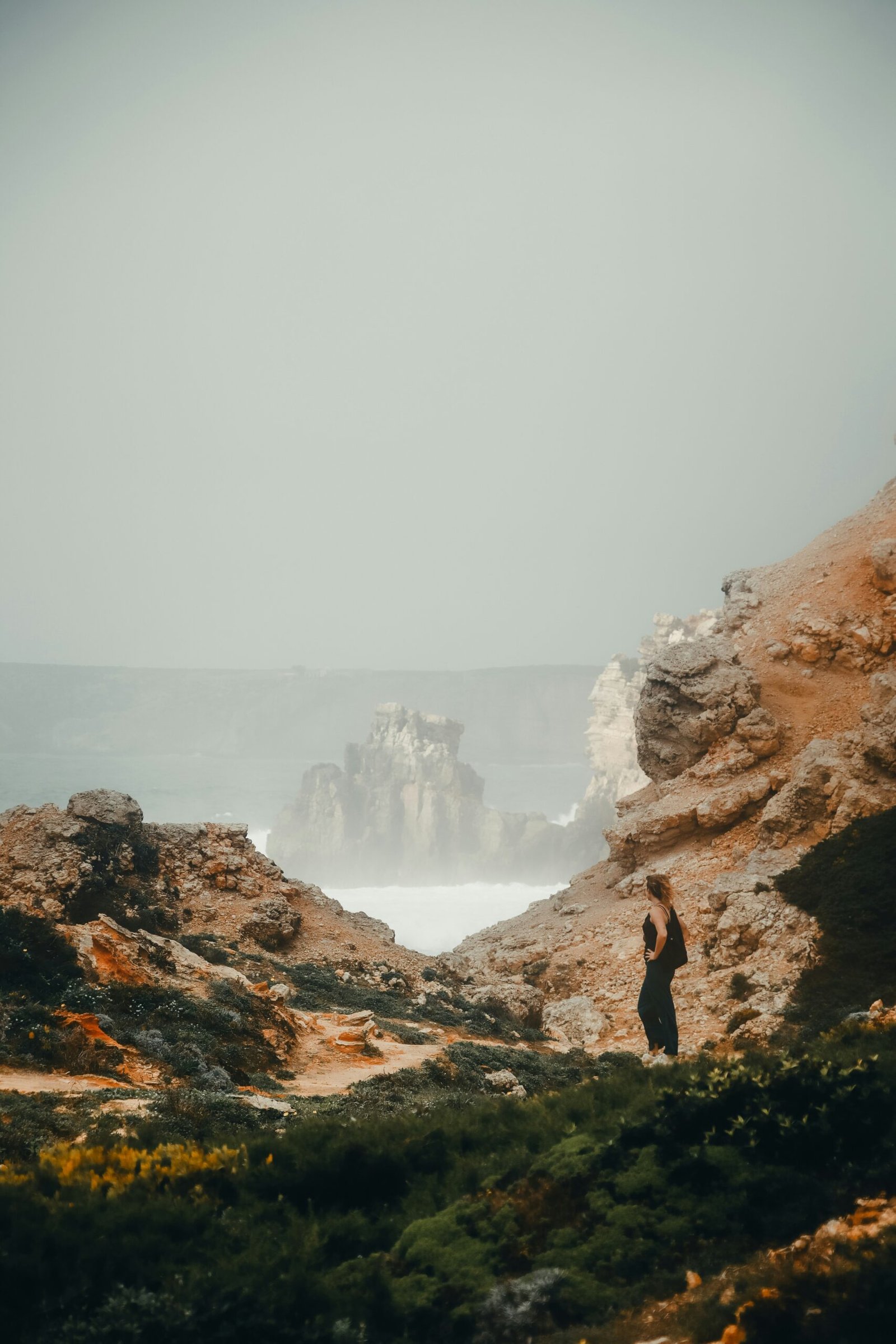
Sagres in November is the end of the world in the best sense. The town sits at the southwestern tip of Europe — the last headland before the Atlantic opens into nothing — and in November the full force of the North Atlantic storm systems that power the winter surf season is arriving at the cliffs. The wind, the spray, the waves breaking against the fortress walls, and the particular quality of a place that is genuinely exposed to the ocean rather than merely adjacent to it make Sagres in November one of the more elemental retreat environments in Portugal.
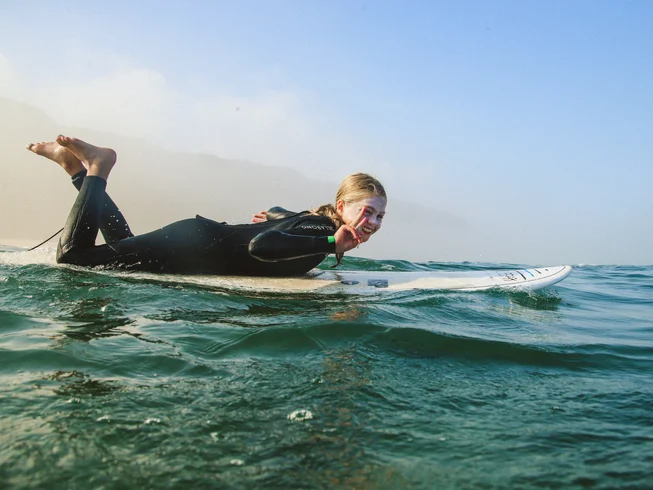
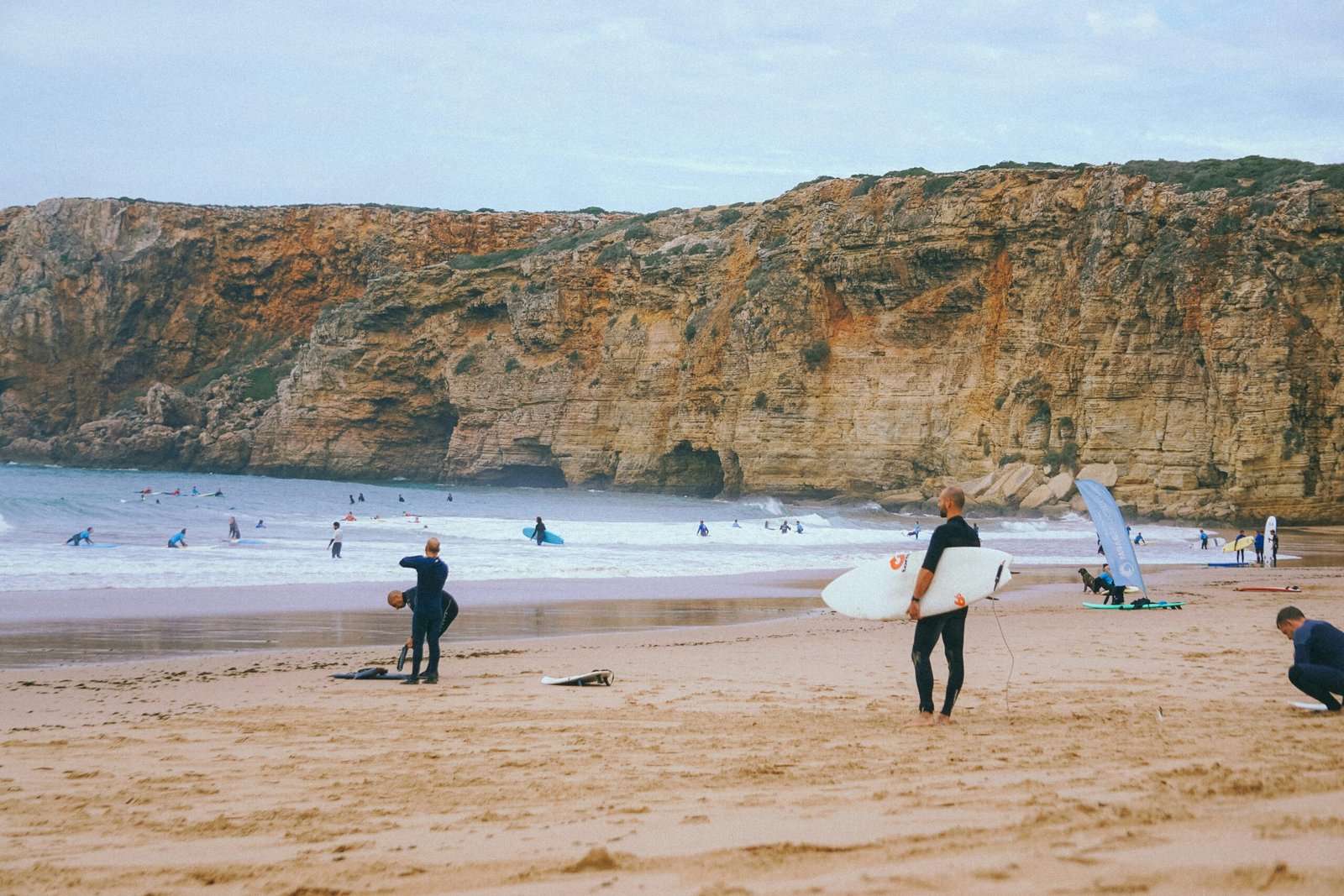
The surf at Tonel and Beliche — the two main breaks within walking distance of Sagres — is building toward its winter peak in November. Intermediate and advanced surfers who come to Portugal specifically for the surf come in November through February for these conditions. Beginners are better served on the sheltered beaches of the central Algarve at this time of year.
The Costa Vicentina stretching north from Sagres through Aljezur is in November at its most empty and most wild. The protected natural park landscape — clifftop walking trails, Atlantic views, no development — produces the most complete sense of coastal solitude available in Portugal at any time of year. Retreat programmes based here in November are for those who specifically want the wild Atlantic, not the resort version. Our yoga retreats in the Algarve guide covers the western coast in the context of the full region.
Évora in November is the medieval city at its most itself. The Roman temple, the Gothic cathedral, the bone chapel of the Igreja de São Francisco, and the whitewashed lanes of the old city — all of which require navigating tourist groups from April through October — are in November simply a city going about its business. The university students are in lectures, the local market is serving the surrounding villages rather than visitors, and the restaurants on the Praça do Giraldo are full of Alentejanos rather than Dutch campervans.
The olive harvest that began in October is at full production in November. The communal presses in the villages surrounding Évora — Reguengos, Redondo, Borba — run continuously, the smell of fresh oil filling the evening air, and the new-season oil arriving at market stalls and restaurant tables. A retreat based in the Évora area in November with a morning at an olive press, watching the harvest process and tasting oil pressed within 24 hours of the olive being picked, is one of those experiences that requires November specifically.
The Alentejo hunting season is in full operation in November, which adds a specific rural energy to the countryside — the sound of dogs and distant shots on weekend mornings, the restaurants serving partridge and hare on their daily menus, and the particular social life of Portuguese rural communities built around the autumn hunting calendar.
Óbidos in November has shed its August medieval market energy and returned to a small walled town with a good pastry shop and an extraordinary position on a ridge above the surrounding farmland. The Christmas lights are not yet up. The tourists are almost entirely absent. The ginja in chocolate cups at the bar inside the medieval gate costs the same as it does in August and tastes better because there is nobody else waiting.
The Silver Coast in November is the stretch of Atlantic between Peniche and Nazaré doing its winter work. Nazaré in November occasionally produces the enormous waves — 20 metres and above — that have made it internationally famous. The tow-in surfing sessions at Praia do Norte in November, when the big-wave surfers arrive from across the world to challenge the canyon swell, are a free spectacle of an extraordinary kind. A retreat based in the Óbidos area or near Peniche with a day trip to Nazaré during a November swell event is one of those specific combinations worth building a retreat week around.
The Minho in November is the greenest it will be all year. The autumn rains that have been arriving since October have saturated the landscape, the vinho verde vineyards are bare after the harvest but the hills behind them are intensely verdant, and the Lima Valley between Ponte de Lima and Arcos de Valdevez has the particular lush quality of a northern Atlantic landscape in full autumn rain.
Ponte de Lima — the oldest town in Portugal, with a Roman bridge, a riverside Saturday market, and a scale of human activity that makes it feel more like a large village — is at its most authentic in November. The market draws farmers from the surrounding parishes selling their November produce: presunto (the cured ham of the Minho), queijo amarelo (the yellow cheese of the region), dried beans, chestnuts, and the bottles of vinho verde from the previous harvest.
Retreat programmes in the Minho in November are rare but rewarding — the infrastructure is limited compared to the Algarve, but the landscape, the food, and the cultural specificity of the north in its wet autumn mode produce something genuinely different from the south. For those who find the Algarve too polished and want a Portugal that does not accommodate visitors easily, the Minho in November is the destination.
November Supports Deep Interior Work
November’s external conditions—grey skies, regular rain, short days, minimal stimulation—naturally support intensive inner practice. The weather that drives away casual visitors becomes an asset for serious meditation work, silent retreats, or profound transformation practices. There’s nothing to miss outside, so you can fully commit to the interior journey.
Magusto is the Portuguese festival of Saint Martin (November 11th), celebrated across the country with roasted chestnuts and the first tasting of the new wine — água-pé or jeropiga, the partially fermented grape juice that is available only at this specific moment between harvest and full fermentation. The combination of hot chestnuts in paper cones and a glass of the cloudy new wine, eaten and drunk outdoors in the November chill, is one of those Portuguese seasonal traditions that is genuinely ancient and genuinely pleasurable.
Retreat centres that mark Magusto — and the good ones in wine-producing regions do — create one of those retreat moments that participants remember as the most specifically Portuguese experience of the week.
Caldo verde in November is the soup at its most necessary. The couve galega (Galician kale) used specifically for caldo verde reaches its best quality after the first autumn frosts, which in Portugal means November in the north and December in the south. A bowl of properly made caldo verde — the kale sliced paper-thin, the potato purée thick, the chouriço a single slice per bowl, the olive oil a generous finish — on a cold November evening is one of the great simple eating experiences that Portuguese cuisine produces without effort.
Roasted chestnuts from street vendors appear in Lisbon and Porto from mid-October and are at full season in November. The chestnuts from the Trás-os-Montes — specifically from the area around Vinhais, which produces the highest quality in Portugal — are the ones worth seeking out at specialty food shops and market stalls. Eaten hot from the paper cone, they are one of those foods that requires cold air and a specific season to taste correct.
Sopa de pedra — stone soup, the Ribatejo dish whose origin story involves a wandering friar tricking a village into making soup by putting a stone in a pot — is a November dish made with dried beans, various cuts of pork, chouriço, blood sausage, and whatever vegetables the garden is producing. Rich, heavily spiced, and specifically warming, it appears on the menus of traditional restaurants in the Ribatejo and the Alentejo throughout November and is the correct choice on a cold day at the end of a long coastal walk.
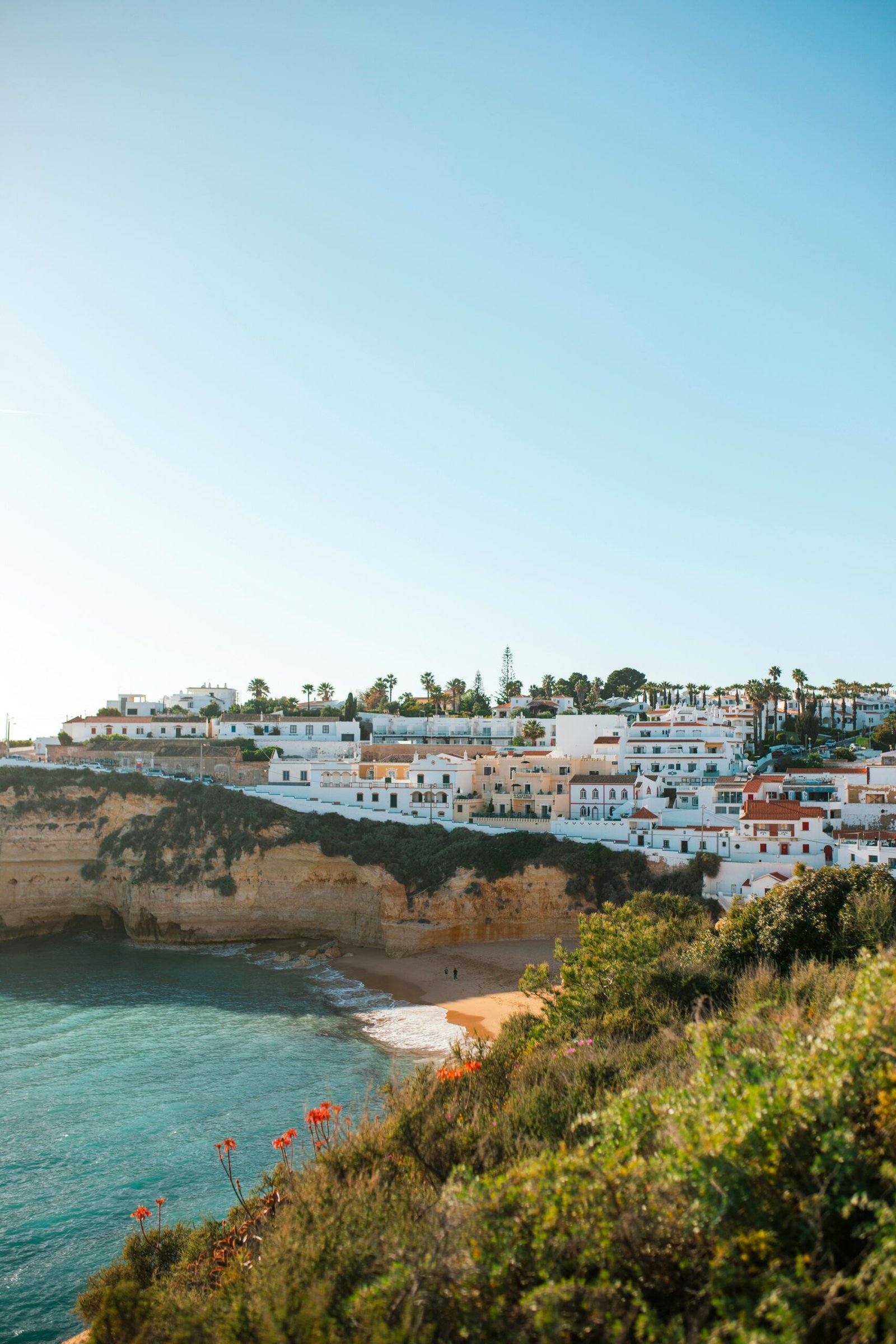
Saint Martin’s Day is celebrated across Portugal with chestnuts and new wine. In wine-producing villages throughout the Douro, Minho, and Alentejo, the local cooperative or quinta opens its cellar for the first tasting of the year’s harvest. These events are not tourist attractions — they are community occasions that retreat guests based in the area can attend with appropriate introduction from their hosts.
November through February is big wave season at Praia do Norte in Nazaré. The underwater canyon that amplifies Atlantic swells to extraordinary heights produces waves of 20-30 metres when the conditions align — usually two or three times per month during the winter season. The surfing sessions are announced on short notice when the swell arrives and are free to watch from the clifftop at Praia do Norte. Checking the surf forecast for Nazaré during a November retreat week and making the drive (90 minutes from Lisbon, 30 minutes from Óbidos) when the conditions appear is one of those specific experiences worth planning a retreat week around.
Around November 11th, villages throughout Portugal hold their local Magusto celebrations — often combined with a local fair, a wine tasting, or a chestnut market. These events are entirely local in character and require knowing where to go. Ask your retreat host what is happening in the area during your November week.
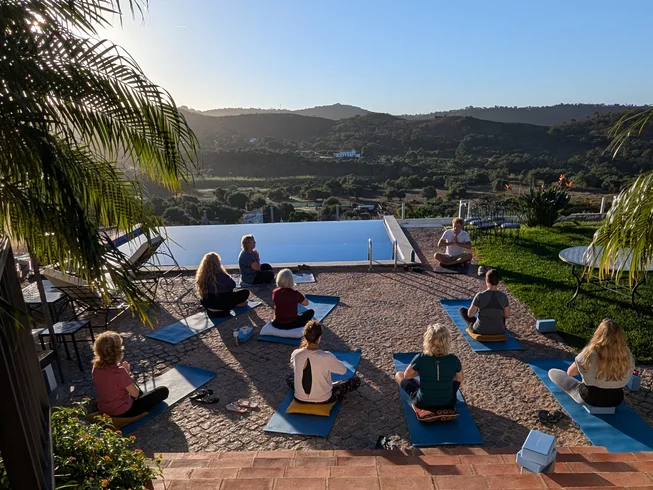
November programming is the most inward-facing of the autumn. The outdoor practice that September and October offered continues where the weather allows — the western Algarve and the Costa Vicentina are mild enough for outdoor morning practice all month — but the shorter days, the possibility of rain, and the general autumn mood naturally support the contemplative formats that winter specialises in.
The hammam becomes central in November in a way it is not in September. The transition from a cold outdoor walk or a wild coastal session to a properly heated steam room is one of those physical contrasts that makes the hammam feel genuinely necessary rather than optional. Retreat centres in the western Algarve and the Alentejo that have hammam facilities use them more heavily in November than in any month since February.
The Magusto evening — if your retreat week overlaps with November 11th in a wine-producing area — is the November programming event with no equivalent in any other month. Chestnuts, new wine, a fire if the venue has one, and the specific collective pleasure of a seasonal tradition shared with a small group: it is the kind of retreat moment that the yoga schedule cannot produce and the season delivers without effort.
Your email address will not be published. Required fields are marked *