
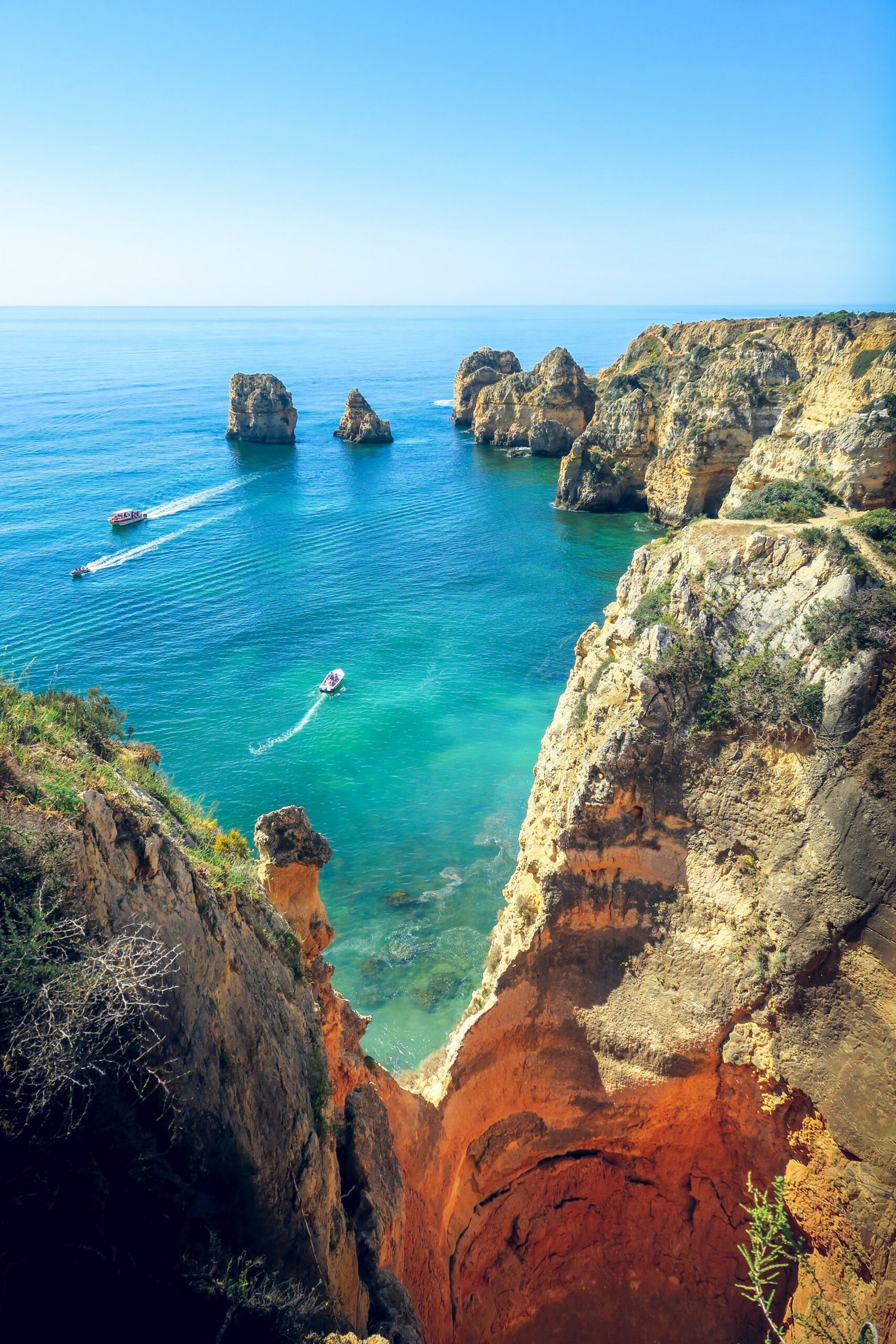
February in Portugal has one thing no other month can offer: almond blossom. The orchards of the Algarve and the Alentejo turn white and pink for three weeks in February, and the landscape does something specific that no other season replicates.
Combined with low prices, powerful surf, and the quietest retreat groups of the year, it makes a compelling case.


The almond blossom peaks between roughly February 5 and 20 — a narrow window worth planning around if you can. The rest of February shares January’s advantages: low prices, genuine availability, and a Portugal that functions at its own pace rather than for visitors.
Our full Portugal yoga retreats guide covers the full range of options across the country.
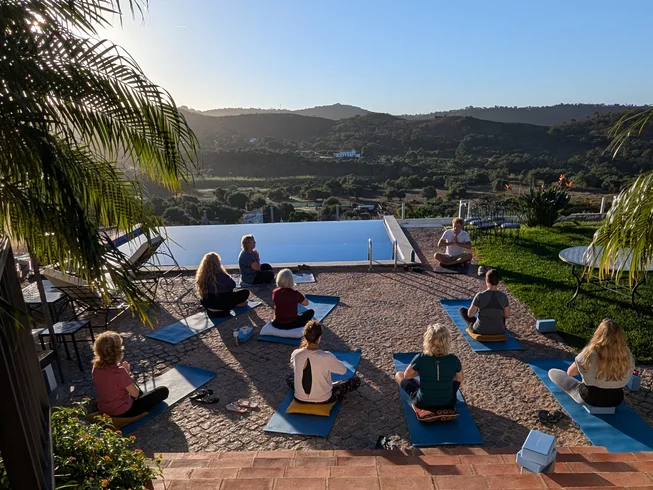
The Algarve in February has a specific event that no other region can offer: the almond blossom. The orchards of the Serra de Monchique and the inland valleys between Silves and Loulé produce white and pink blossom on bare branches against red earth and blue sky — one of those seasonal spectacles that exists for three weeks and then is gone.
The timing matters. The lower altitude orchards blossom first, usually in the first week of February. Higher and more inland orchards follow a week or two later. A retreat based in the central Algarve with a half-day excursion to the blossom orchards during peak week is the combination that works best logistically.
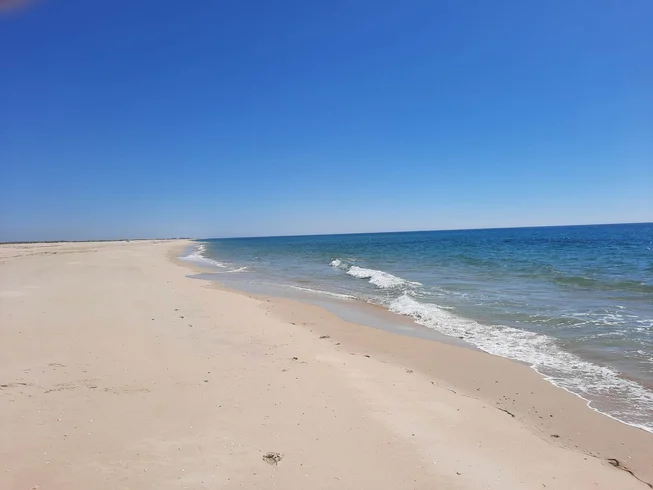
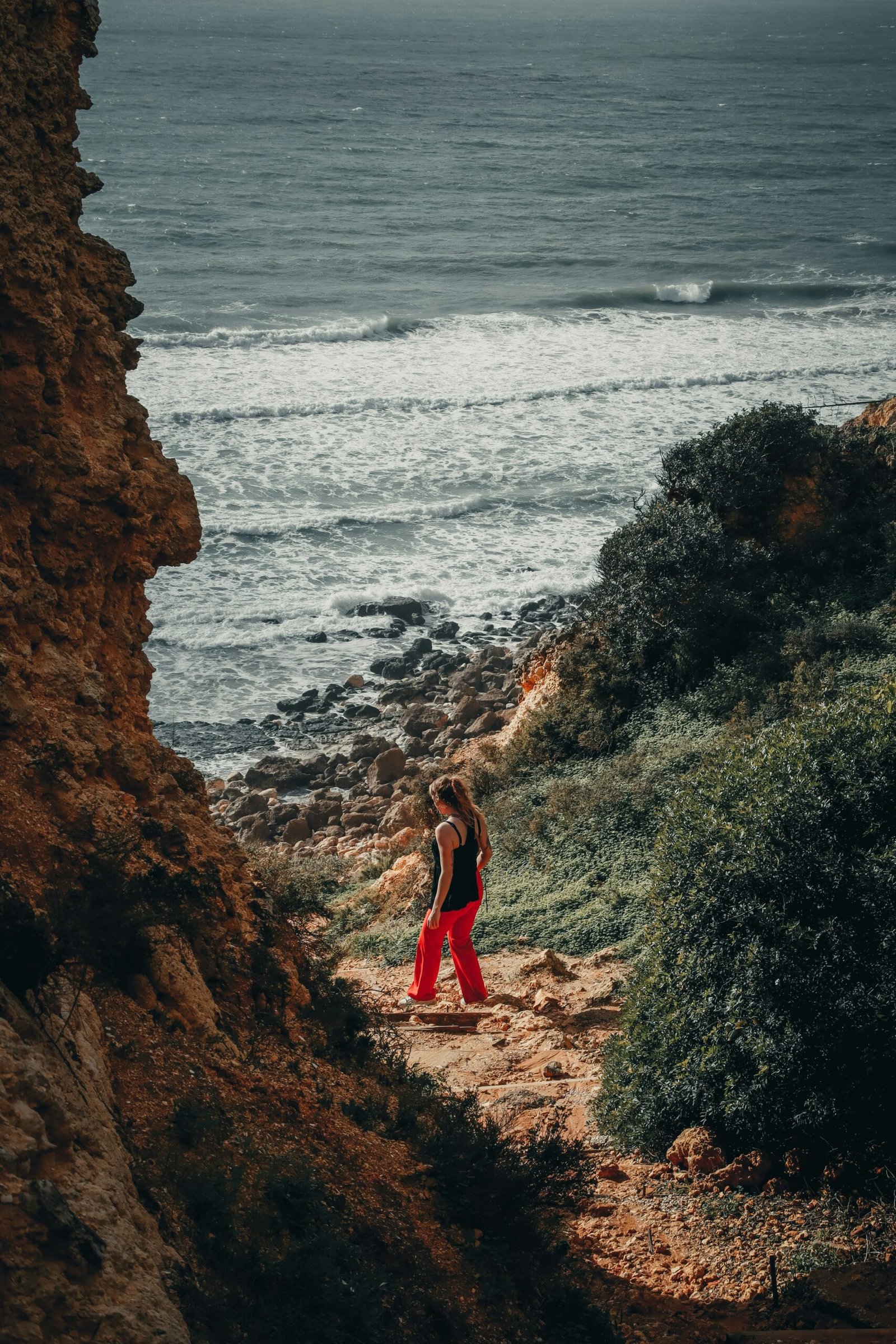
Beyond the blossom, the Algarve in February is doing what it does in January: mild temperatures (14-18°C), winter sunshine, powerful surf on the west coast, and retreat centres running small, intimate groups at the lowest prices of the year. The sea is cold — around 15-16°C — but the beaches are empty and the light on the limestone cliffs in February is specific and beautiful.
For a full picture of what yoga retreats in the Algarve offer across seasons, our dedicated guide covers the three areas of the region in detail.
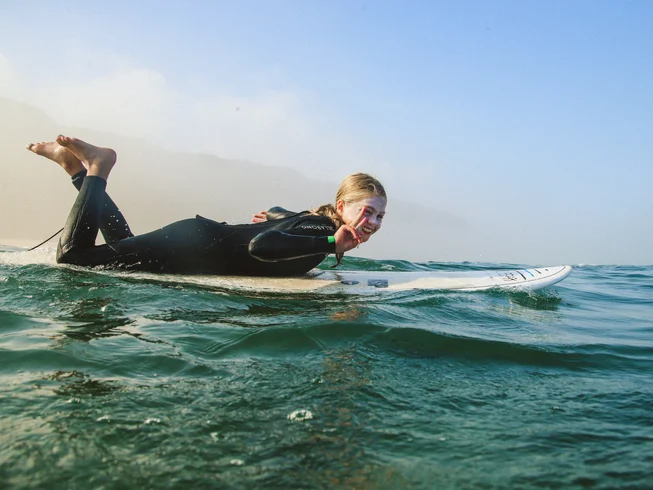
February is peak surf month in Ericeira. The North Atlantic storm systems that generate the most powerful swells are at their February intensity, and the breaks within Europe’s only World Surfing Reserve — Ribeira d’Ilhas, Coxos, Pedra Branca — are producing conditions that serious surfers plan their calendar around.
For yoga retreat guests who surf at an intermediate or advanced level, February Ericeira is the best window of the year: the most powerful waves, the smallest crowds on the water, and retreat programmes calibrated specifically for those who want to make serious progress. For beginners, February requires more careful spot selection — the beach breaks are manageable but the reef breaks demand experience.
The yoga community in Ericeira in February is at its most concentrated and most intentional. Teachers who base themselves here year-round are running their winter programmes, often with more experimental or depth-focused content than the broader summer offering. The social atmosphere is quieter than summer but more genuine — the people present in February chose it specifically.
Sintra in February has the mist and the forest silence that define its winter character, with one addition: the first signs of spring growth beginning to push through in the Serra’s more sheltered corners. The Moorish ruins above the town, the forested paths between the palaces, and the cliff walks toward Cabo da Roca are all at their most atmospheric in February’s cool and often misty conditions.
Retreat programmes here in February are meditation-heavy and restorative. The setting actively discourages anything faster-paced. A week in Sintra in February with morning Yin practice in a heated studio, afternoon forest walks in the mist, and evening yoga nidra sessions is the inward-facing retreat format at its most coherent.
The Alentejo in February is just beginning to stir after winter. The cork oak forest is still bare but the first wildflowers are appearing in sheltered spots — wild narcissus in the valley bottoms, early rosemary coming into flower on the sunny hillsides. The rolling plains between Évora and Beja have the particular winter light of an agricultural landscape waiting for spring.
Retreat centres in the Alentejo in February run their smallest groups of the year and their most contemplative programmes. The combination of landscape, silence, and seasonal food makes this one of the more complete inward-facing retreat experiences available in Portugal at any time of year.
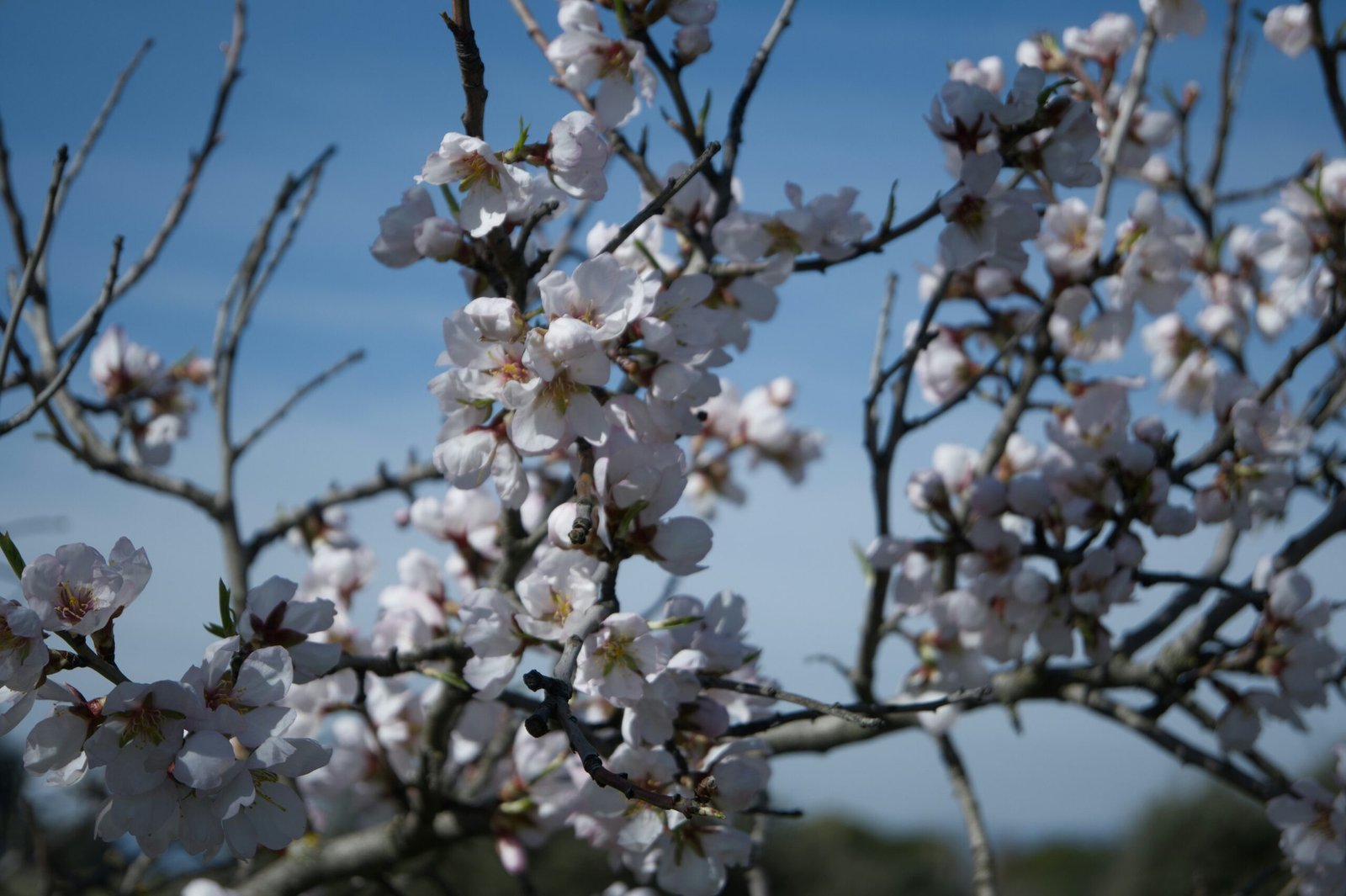
Almond Blossoms
Late February brings the first almond blossoms in the Algarve, especially interior regions. These bloom before leaves appear, creating stunning white and pink displays across hillsides. Photographers and nature lovers specifically time visits to catch this brief spectacular show.
Fresh almonds appear at Algarve market stalls in February — still soft and milky inside, with a sweetness that roasted almonds cannot replicate. Eaten out of hand with a pinch of salt, they taste specifically of this season and this region. Almond cake (tarte de amêndoa) is the Algarve’s most characteristic dessert and is at its best made with February’s fresh harvest.
Medronho — the firewater distilled from the fruit of the arbutus tree — is a February drink in the Alentejo and the Algarve hills. Made by small producers from fermented arbutus berries, it is strong (often 40-50% alcohol), aromatic, and deeply local. Most retreats encounter it once, usually offered by a neighbouring farmer who makes his own. It is drunk in small quantities and with respect.
The Atlantic winter seafood is at its best in February. Conquilhas (small clams) from the Algarve coast are at peak season — steamed with garlic, coriander, and white wine in the traditional preparation that is one of the simplest and most satisfying things Portuguese cooking produces. Robalo (sea bass) grilled whole over charcoal with olive oil and lemon is a February restaurant staple along the coast.
Caldo verde continues through February — the national kale and potato soup that is Portugal’s most democratic dish, eaten everywhere from village cafés to Lisbon restaurants. Migas alentejanas — fried bread crumbs with pork fat and garlic, served alongside grilled meat — is a specifically Alentejo winter dish that retreat kitchens in the region serve in February because it is exactly what cold evenings call for.
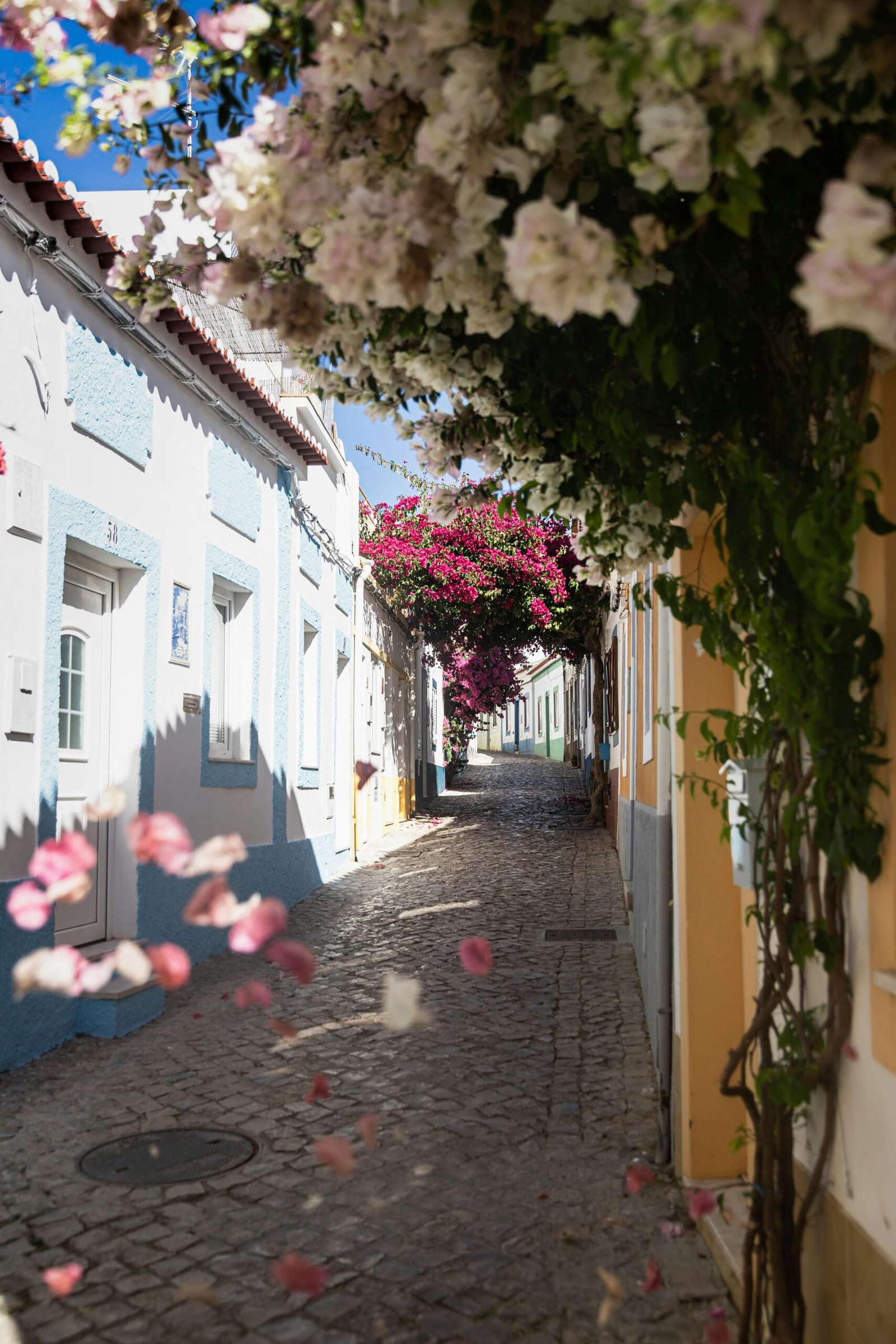
The defining February event, and worth planning around if your schedule allows. The peak window is roughly February 5-20, varying by location and altitude. The areas around Silves, Alte, and the Serra de Monchique in the central and western Algarve produce the most concentrated blossom. Retreat centres in the region typically incorporate an excursion to the orchards during peak week.
Carnaval falls in February most years (the exact date depends on Easter, which shifts annually). Torres Vedras, north of Lisbon, holds what is widely considered Portugal’s most elaborate Carnaval — political satire, elaborate floats, and a tradition of irreverence that goes back decades. Ovar in the north runs a more traditional version. Loule in the Algarve holds the largest Carnaval celebration in the south.
Even if your retreat does not coincide with Carnaval weekend directly, the preparations and atmosphere in the weeks before add a specific festive energy to towns that are otherwise quiet in February.
The World Surf League and national surf competitions sometimes use the February Atlantic swell window for events at Portuguese breaks. Peniche (Supertubos) and Ericeira (Ribeira d’Ilhas) are the most common venues. Check current-year schedules if you want to combine a retreat with watching competitive surf.
February programming sits between January’s deep winter mode and the more outdoor-oriented spring approach that arrives with March. The first half of February is essentially January continued: hammam-centred, indoor practice prioritised, the kind of afternoon that involves a warm room and a book rather than a coastal walk.
The second half shifts noticeably. The almond blossom changes the landscape and the mood simultaneously. Retreat centres that incorporate an orchard excursion mid-week — a half-day drive through the blossom valleys with a picnic lunch and a walk through the orchards — report that it is consistently the most memorable session of the week for participants, which says something about what seasonal specificity does for a retreat experience.
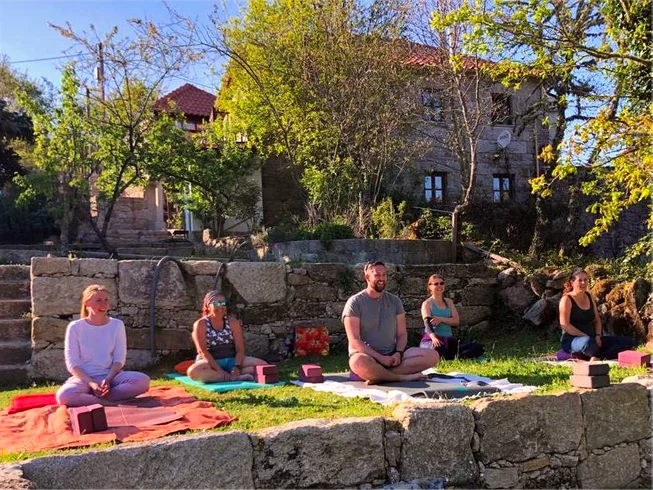
The retreat programming day in February Algarve: morning Hatha or slow Vinyasa at 8am in a heated studio, breakfast at 9am, a mid-morning walk or beach session in the warmest part of the day, the almond blossom excursion replacing one afternoon session during peak week, Yin or restorative yoga at 5pm, communal dinner at 7:30pm. The rhythm is slower than summer and more varied than January — a genuinely good week for practice.
Your email address will not be published. Required fields are marked *