
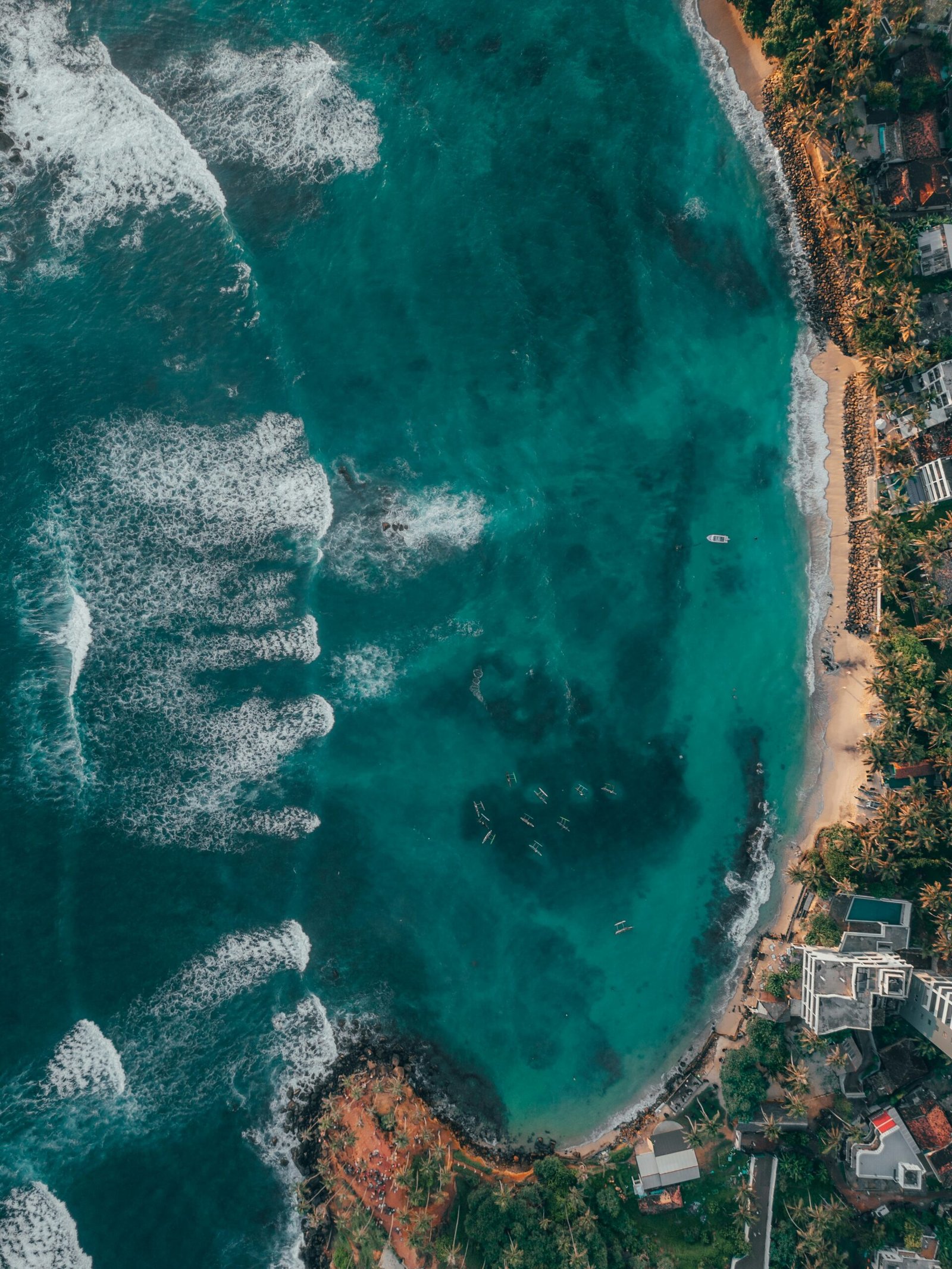
January is the peak month for a yoga retreat in Sri Lanka. The southwest coast — from Galle to Mirissa to Unawatuna — is in its dry season prime, the Indian Ocean calm and clear and the retreat infrastructure at full capacity. The whale watching season off Mirissa is at its January peak. The ancient cities of the Cultural Triangle are at their most accessible. And the island as a whole, compact enough to cross in four hours by road, is in January the most varied and the most climatically rewarding of any month in the calendar.


January sits at the absolute centre of the Sri Lanka retreat season. The northeast monsoon that delivers rain to the north and east through November and December has eased, the southwest coast is fully dry, and the island is receiving its peak international visitor numbers — with the retreat infrastructure in Galle, Mirissa, Tangalle, and the Ella highlands at full programme capacity. The January retreat in Sri Lanka combines the most comfortable conditions with the most culturally rich of the annual calendar.
Browse our full yoga retreats in Sri Lanka guide for the complete picture of what the island offers year-round. For the global context of January retreat travel, our yoga retreats in January guide covers every destination worth considering this month.
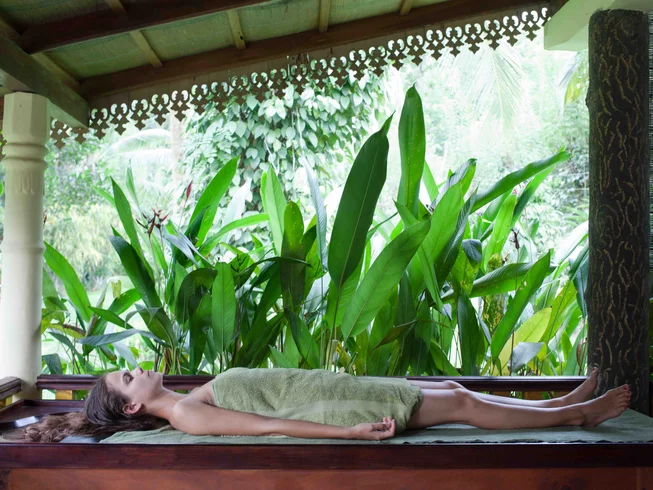
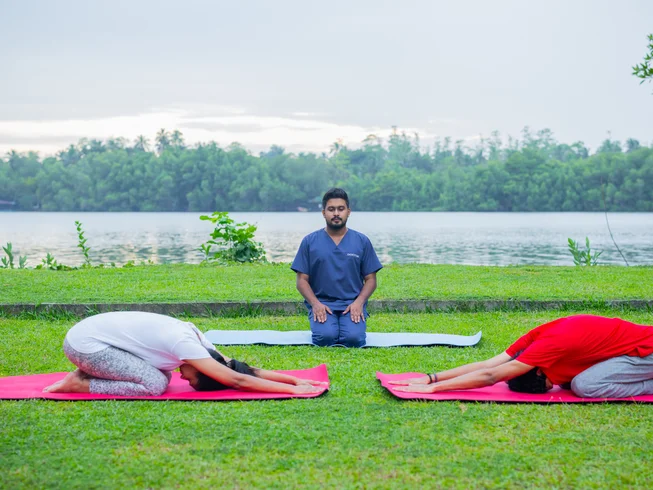
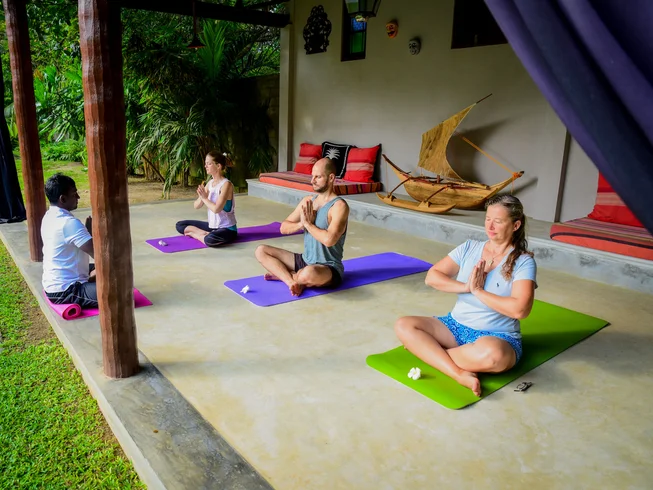
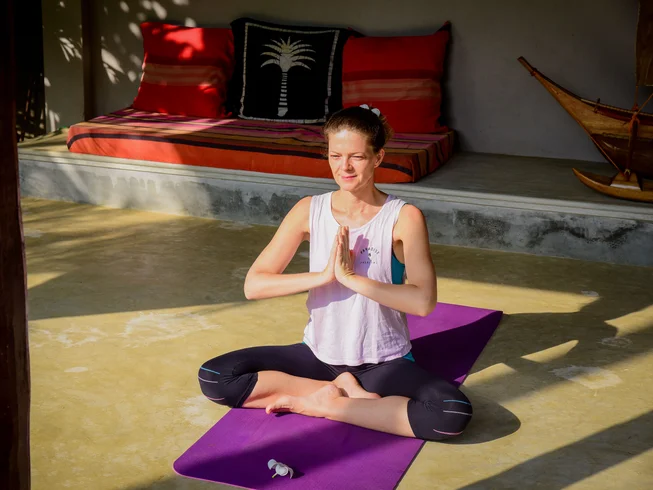
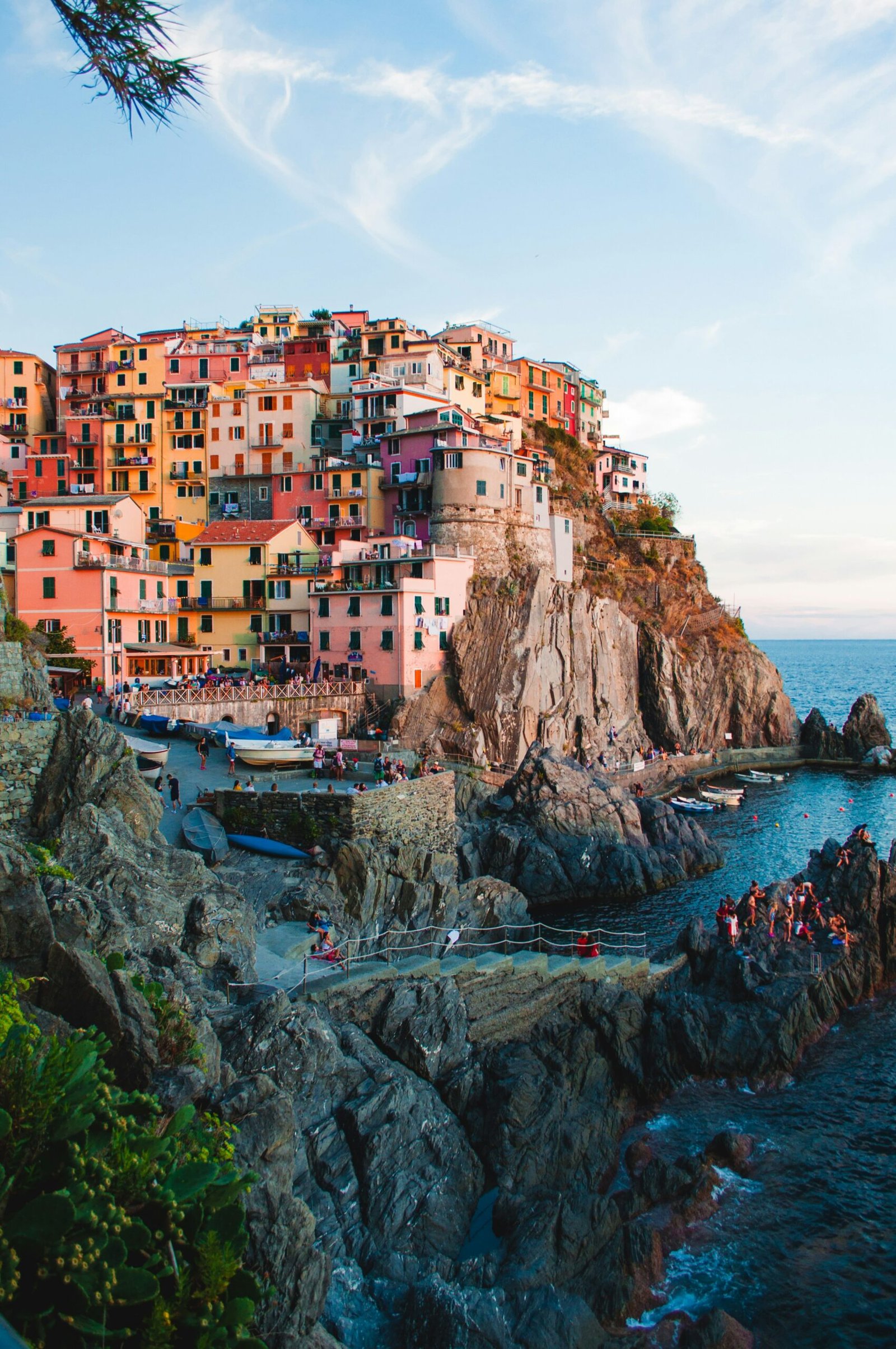

Galle — the UNESCO World Heritage Dutch colonial fort city on the southwestern tip of Sri Lanka, with the ramparts overlooking the Indian Ocean and the colonial-era streets of the fort interior — is in January at the peak of its dry season character. The fort, built by the Dutch in the 17th century and expanded through the 18th, has the most specifically European-tropical of any Sri Lankan architectural context — the Dutch churches, the colonial warehouses, and the galle lighthouse all within the six-hectare walled city that the contemporary boutique hotel and retreat culture has colonised without destroying the fabric.
The yoga and wellness culture of Galle has grown significantly — the retreat centres in the fort’s interior and the boutique properties along the rampart road combine the colonial architecture with the contemporary wellness programme in the most specifically Galle of formats. The January morning practice on the fort ramparts, with the Indian Ocean below the wall and the old city visible from the elevated walkway, is the Sri Lanka retreat experience that no hillside or beach destination replicates in architectural character.
Mirissa — the small beach town on the southern coast, 30 kilometres east of Galle — is in January at the peak of its blue whale watching season. The blue whale (Balaenoptera musculus — the largest animal on earth, reaching 30 metres length and 200 tonnes) feeds in the deep water off the southern Sri Lanka coast from November through April, with January and February the most reliable months for sightings. The whale watching boats from the Mirissa harbour depart at 6:30am and the encounters — the blue whale surfacing at the boat’s side, the tail fluke visible as the animal dives — are the most specifically extraordinary of any Sri Lanka January wildlife activity.
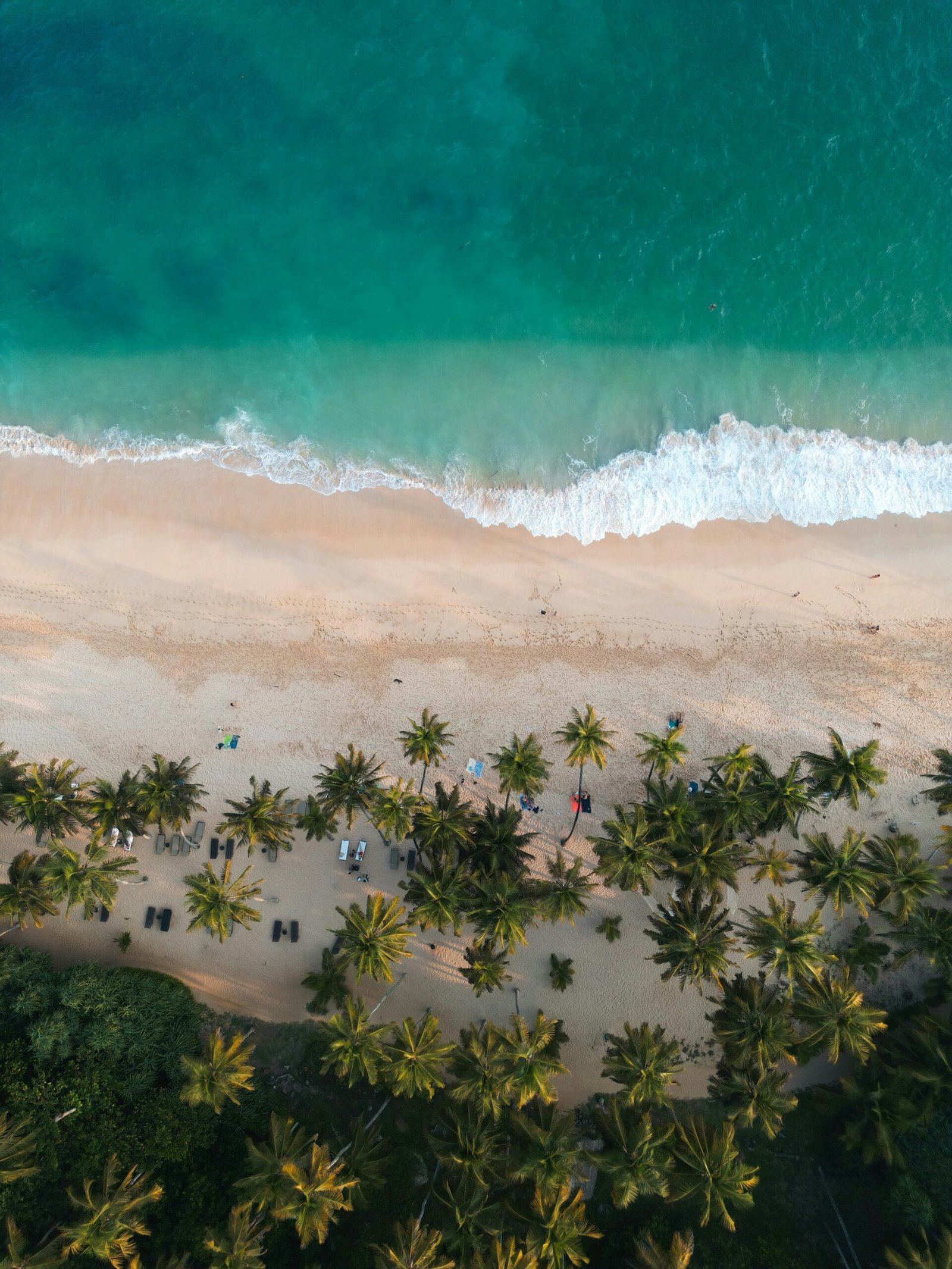
Mirissa beach itself — the crescent bay with the coconut palms above the sand and the surf break on the reef at the eastern headland — is in January at the dry season conditions that make it the most consistently used beach on the southern coast. The retreat centres above the beach and the yoga shalas in the village lanes are in January at their full capacity.
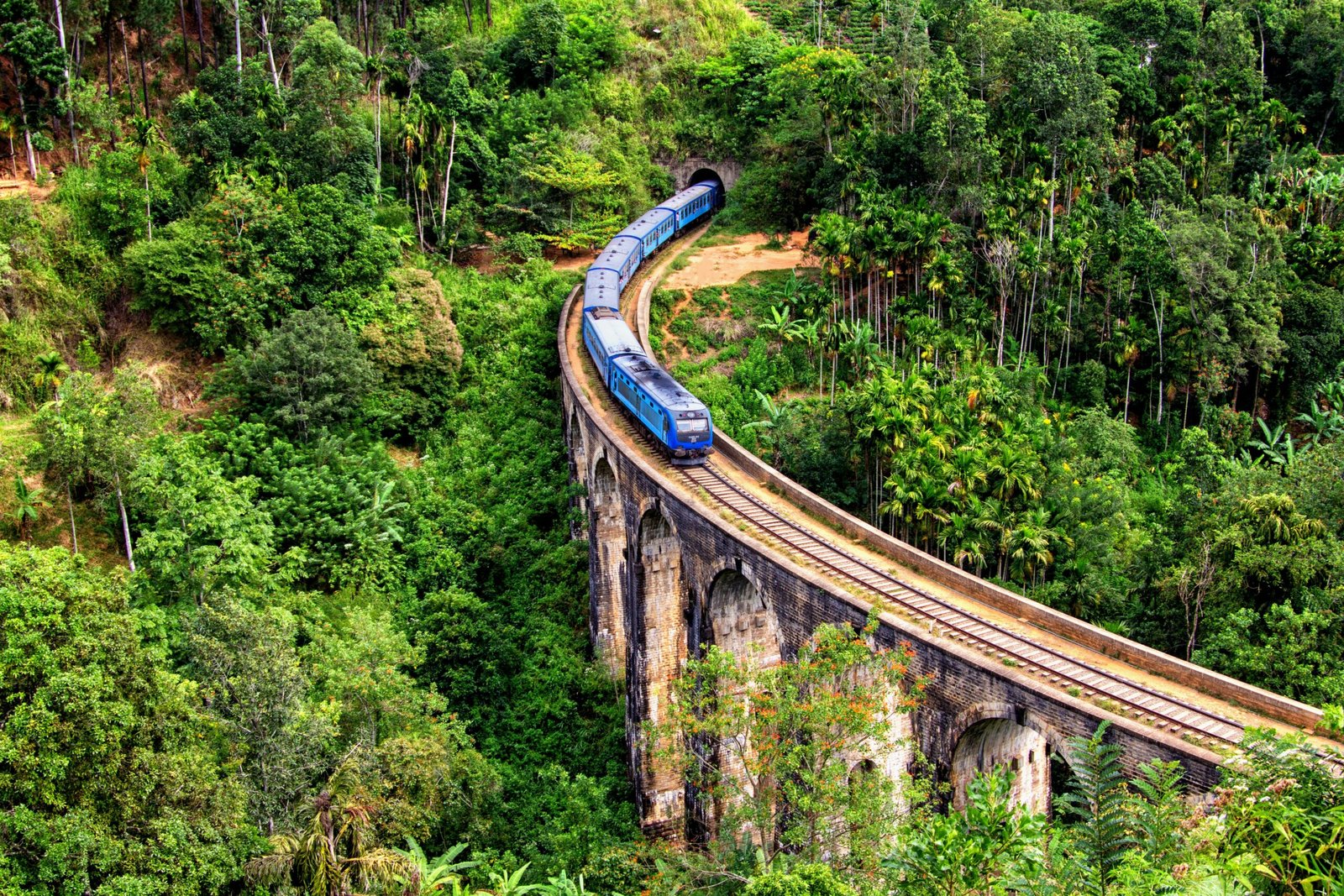
Ella — the highland village at 1,000 metres in the Badulla district, with the Ella Gap view through the valley to the south coast visible on clear mornings, the tea estates of the Uva Province on the surrounding hillsides, and the Nine Arches Bridge (the most photographed colonial railway viaduct in Sri Lanka) visible from the hiking path through the tea bushes — is in January in the cool highland dry season. The temperatures at 16-24°C make the Ella yoga practice the most comfortable of the island’s retreat bases — cool enough for the outdoor morning session without the coastal humidity, and warm enough for the afternoon tea estate walk without a warm layer.
The train journey from Kandy to Ella — the 5-hour route through the central highlands on the most scenic railway line in Asia — is in January the most accessible version of what is internationally considered one of the world’s great train journeys. The blue train through the tea estates, the misty highland valleys, and the colonial-era stations of the Uva Province produces the most specifically Sri Lankan of the retreat arrival experiences.
Tangalle — the quieter beach district on the southern coast, east of Mirissa, with the most remote and least developed of the southern Sri Lanka beaches (Rekawa, Tangalle Bay, and the Hummanaya blowhole coast) — is in January at its dry season best. The Rekawa beach is one of the five primary sea turtle nesting beaches in Sri Lanka — the green, hawksbill, leatherback, loggerhead, and Olive ridley turtles all nesting on the Rekawa sand, with the nesting tours managed by the community conservation programme that has replaced the historical egg harvesting tradition. The January night turtle nesting tour at Rekawa — the community guide leading the small group along the dark beach to the nesting turtle — is the January Tangalle wildlife activity with no coastal equivalent.
Thai Pongal — the Tamil harvest festival celebrated by the Sri Lankan Tamil community, identical in calendar and ritual to the South Indian Pongal — is on January 14th-17th across the Tamil-majority north and east of the island and in the Tamil communities of Colombo and the hill country. The pongal dish prepared at every Tamil household, the kolam (rice flour patterns) at every doorstep, and the Jallikattu tradition in the northern villages produce the most specifically Tamil Sri Lankan of the January cultural events.
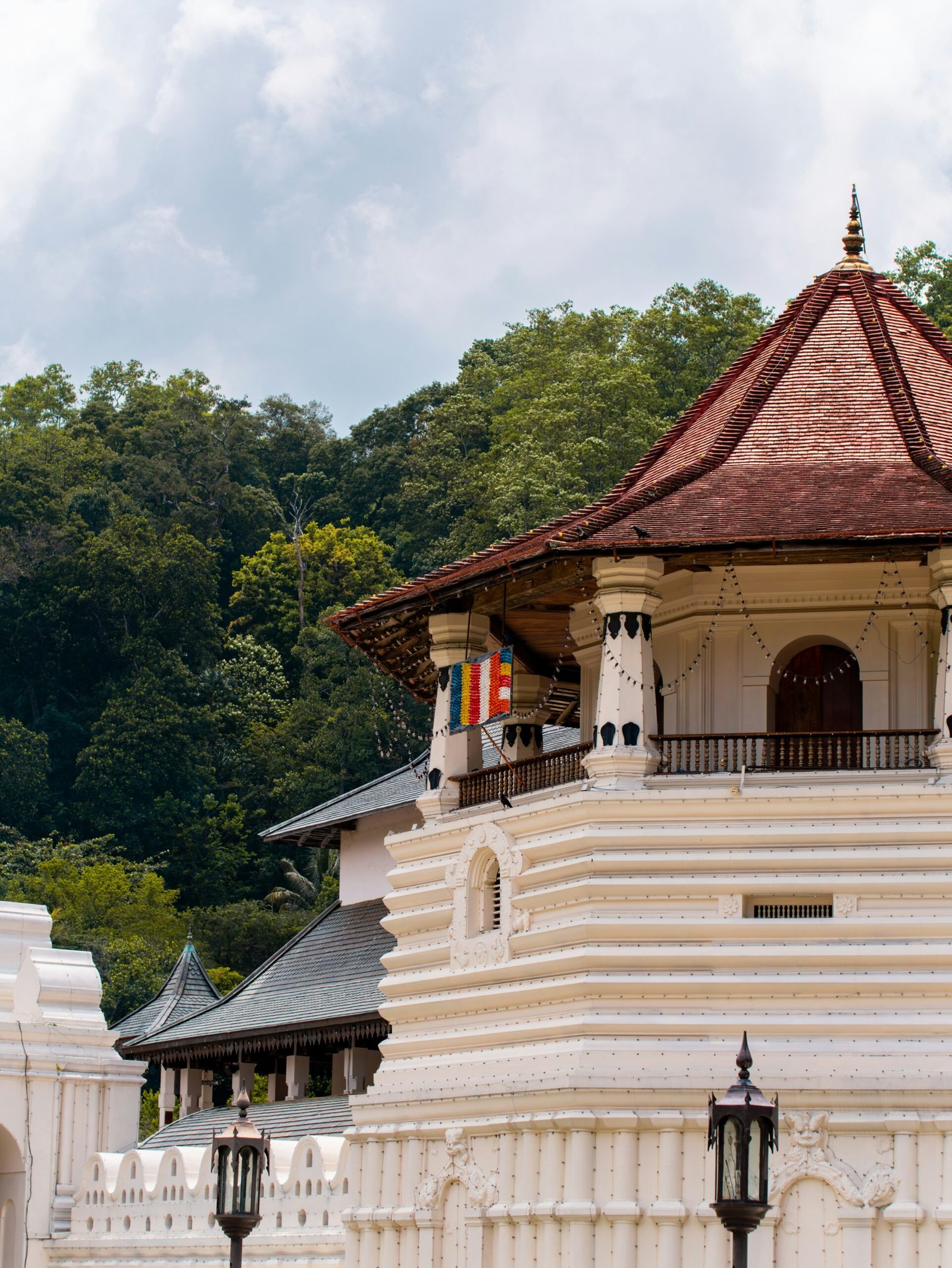
The Duruthu Perahera at the Kelaniya Raja Maha Vihara in Colombo — the full moon festival commemorating the Buddha’s first visit to Sri Lanka, traditionally believed to have occurred in the Duruthu month (January) — is the most important Buddhist perahera (procession) of the January calendar. The elephants in ceremonial dress, the Kandyan dancers, the flag bearers, and the drummers of the perahera procession at the Kelaniya temple are the January version of the Kandy Esala Perahera that draws the largest international attention in August.
Sri Lankan rice and curry — the daily meal of the island, composed of the central mound of rice surrounded by the curries (the dhal, the coconut sambal, the malluma (the shredded green leaf with the coconut and lime), the polos (young jackfruit curry), and the papadam) — is in January at its most complete form at the local rice and curry restaurants (the Sri Lankan equivalent of the Indian thali) in Galle, Mirissa, and the southern coast villages. The January fresh produce from the Ella highland farms — the beet, carrot, leeks, and potato of the highland market gardens — supplements the coastal curry culture with the most specifically Sri Lankan of the vegetable combinations.
Kottu roti — the Sri Lankan street food of the roti (the flat bread) chopped with the dhal, egg, onion, and green chilli on the iron griddle, the characteristic rhythmic chopping sound of the kottu the most specifically audible of any Sri Lankan food preparation — is in January at the Galle fort street food stalls and the Mirissa beach-road restaurants its most available and most local form. The kottu at the Sri Lankan family restaurant in January, with the sound of the steel blades on the iron griddle audible from the street, is the most directly street-food Sri Lankan of the January food experiences.
The woodapple (Limonia acidissima) — the hard-shelled fruit of the Sri Lankan coastal lowlands, with the brown fibrous interior scooped out and mixed with treacle (kithul palm treacle) and coconut milk to make the most specifically Sri Lankan of the fruit desserts — is in January at its post-monsoon season availability. The king coconut (the bright orange Sri Lankan coconut, smaller than the commercial green coconut and with a sweeter, more mineral-rich water) from the January roadside vendor is the most universally Sri Lankan of the January daily drinks.
The Mirissa whale watching at dawn — the 6:30am departure from the Mirissa harbour, the 1-2 hour boat journey to the deep water off the 200-metre drop-off where the blue whales feed, and the encounter with the world’s largest animal at surfacing distance — is the January Sri Lanka wildlife activity with no island equivalent. The January blue whale sightings off Mirissa are among the most reliable in the world — the Sri Lanka southern coast is one of only three locations globally where the blue whale is reliably encountered on a day-boat basis.
Sigiriya — the 5th-century rock fortress of King Kashyapa, rising 200 metres above the central plain on a vertical granite monolith, with the frescoes of the heavenly maidens on the mirror wall and the lion paws at the entrance to the summit palace — is in January at the dry season accessibility that makes the 1,200-step ascent most comfortable in the early morning cool. The Sigiriya at 7am — climbing the iron stairways in the dawn light, the central plain visible below from the halfway point, and the Kashyapa palace ruins at the summit with the 360-degree panorama across the Sigiriya forest — is the January Sri Lanka historical activity at its most specifically extraordinary.
The Galle Fort rampart walk at sunset — the 2-kilometre perimeter of the Dutch colonial walls, walking from the Flag Rock lighthouse at the fort’s southern tip northward along the ocean-facing rampart as the Indian Ocean sunset develops — is the January Galle cultural evening at its most atmospheric. The sunset from the fort ramparts in January, with the dry season sky producing the most dramatic colours of the year, is the most photographed moment in Sri Lanka travel and worth experiencing from within the retreat programme’s evening schedule.
The southwest coast — Galle, Mirissa, Unawatuna, Tangalle — is in its dry season prime in January. Temperatures sit at 27-31°C, the Indian Ocean is calm with excellent snorkelling and diving visibility, and rain is rare. This is the peak retreat season for the southern coast.
Ella and the central highlands run at 16-24°C — cool mornings ideal for practice, warm afternoons for the estate walks. The highland dry season is established and the views from the Ella Gap are at their clearest.
Kandy and the central lowlands are at 22-28°C — comfortable and dry. The Cultural Triangle sites (Sigiriya, Dambulla, Polonnaruwa) are at their most accessible in the dry heat.
The north and east coast — Trincomalee, Arugam Bay — are still in the tail end of the northeast monsoon in January, with some rain possible. The east coast retreats are better timed from May onward.
Your email address will not be published. Required fields are marked *