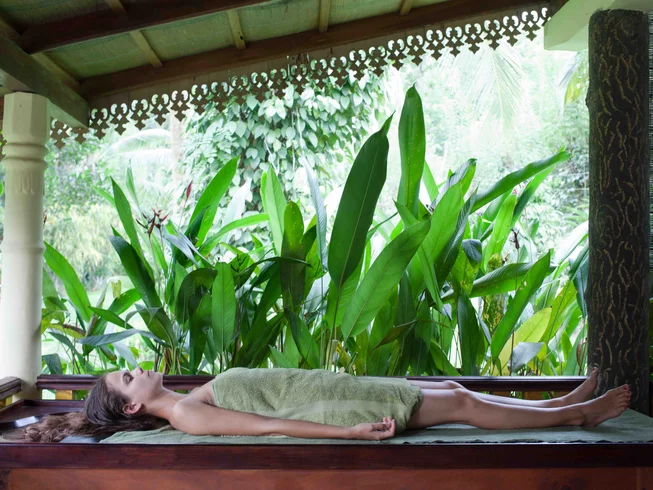
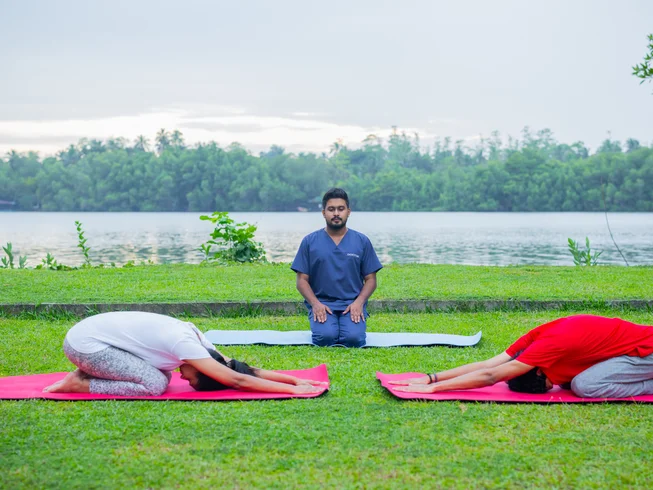
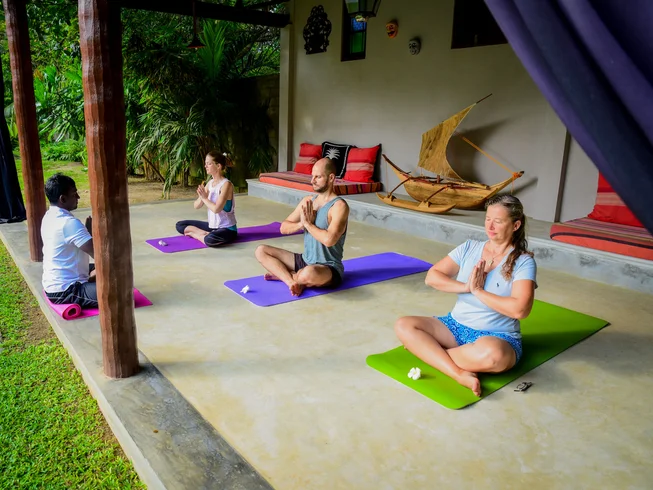
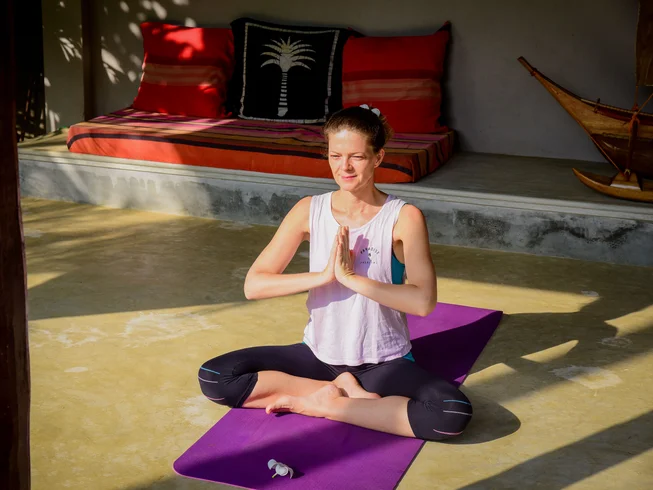
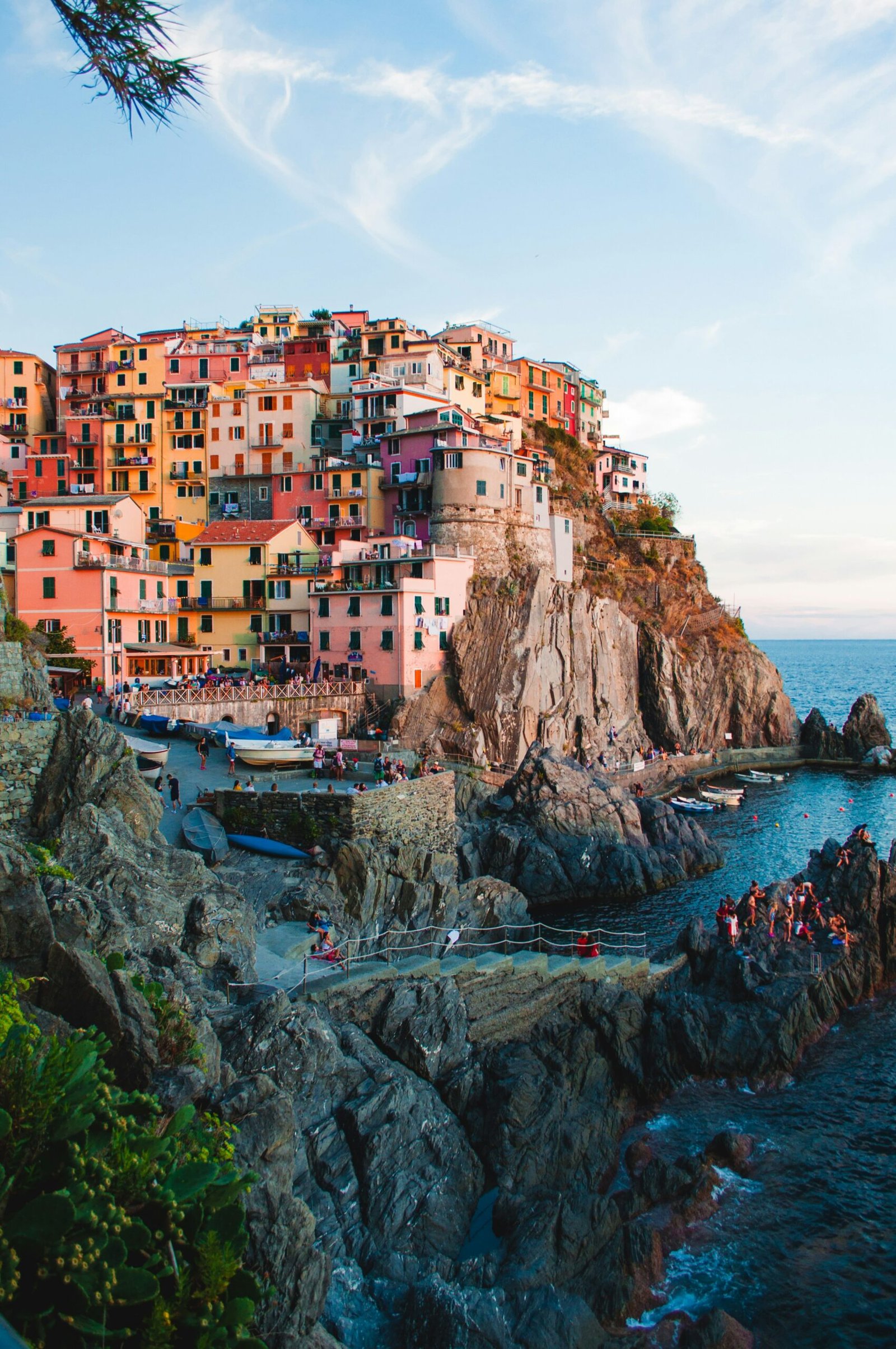
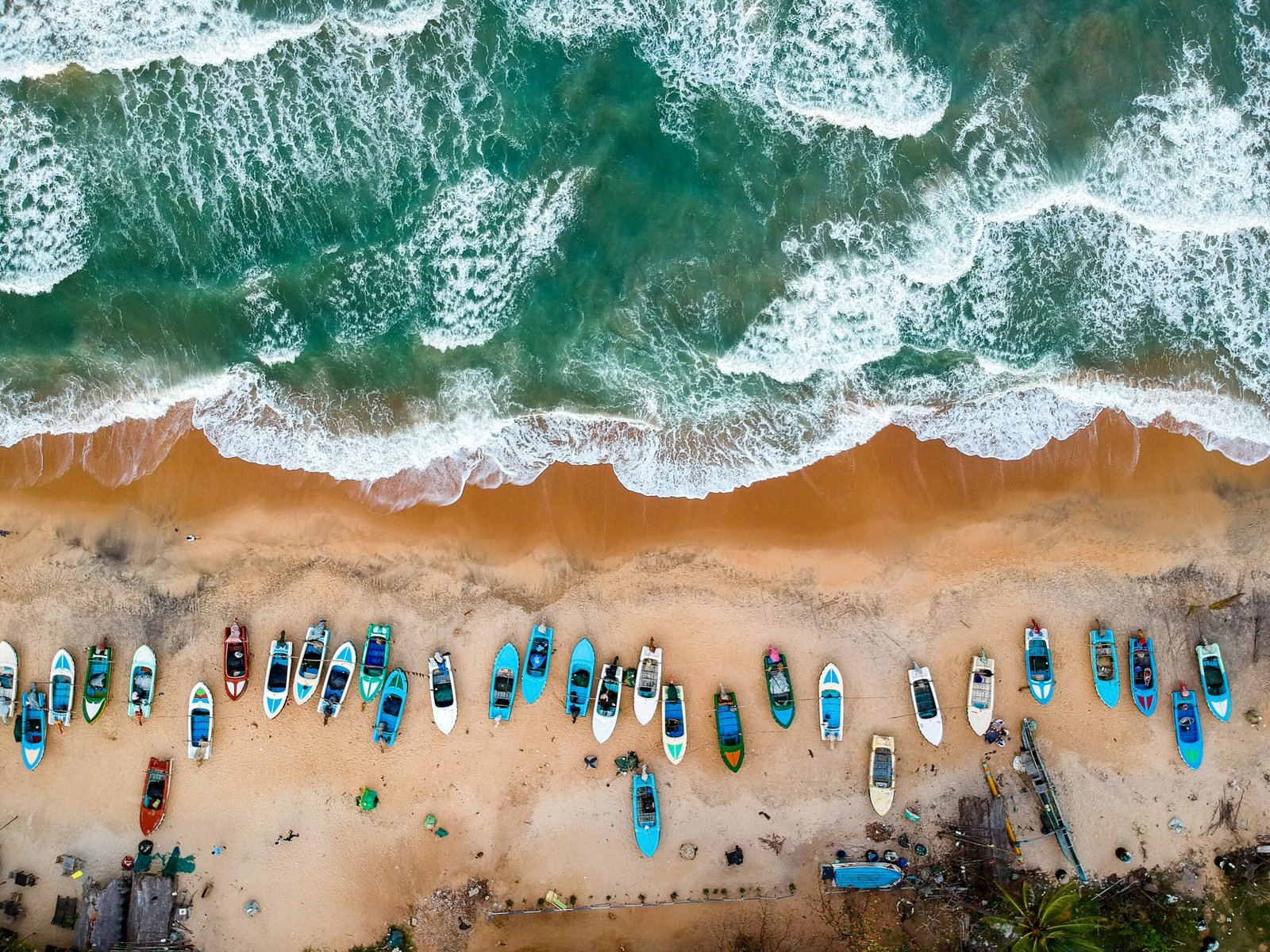
Yoga Retreats in Sri Lanka in February. Boats along the coast in Arugam Bay, Sri Lanka, capturing the relaxed coastal energy of a yoga retreat near the sea.

Yoga Retreats in Sri Lanka | February 2027

February in Sri Lanka is the peak dry season continuing — the southwest coast at its clearest, the blue whale season still at maximum reliability, and the highland retreats at their most comfortable before the April pre-monsoon transition. The Valentine’s period brings the couples’ retreat culture to the Galle and Mirissa boutique hotels, and the Nuwara Eliya tea country in February is at its most specifically cool and most specifically beautiful of the year.

AUTHOR

Om Away

DATE PUBLISHED

January 19, 2026

CATEGORY

Share This Article

Sri Lanka in February: Dry Season Continues

February maintains the January peak season conditions with slightly warmer temperatures and the same dry southwest coast that makes the island’s retreat market what it is. The cultural calendar produces the Navam Perahera in Colombo, the Maha Shivaratri at the Hindu temples, and the specific February energy of the peak season at its midpoint — the retreat centres at full programme capacity, the whale watching at its most reliable, and the island operating at its most internationally oriented.

Browse our full yoga retreats in Sri Lanka guide for the complete picture of what the island offers year-round. For the global context of February retreat travel, our yoga retreats in February guide covers every destination worth considering this month.

22 Day Panchakarma Ayurveda Retreat with Meditation and Yoga in Kalutara, Sri Lanka

8 Day Pure Ayurveda Retreat with Yoga and Meditation in Bentota, Sri Lanka

22 Day Wellness, Rejuvenation Ayurveda, and Yoga Retreat in Balapitiya, Sri Lanka

7 Day Wellness, Rejuvenation Ayurveda and Yoga Retreat in Balapitiya, Sri Lanka

mindfulness nature

6 Day Cultural Nature and Active Yoga Retreat in Kandy, Sri Lanka

9-day-relaxing-yoga-holiday-near-the-beaches-and-rainforests-in-ahangama-sri-lanka

Where to Go for a Yoga Retreat in Sri Lanka in February

Nuwara Eliya: Tea Capital of Sri Lanka

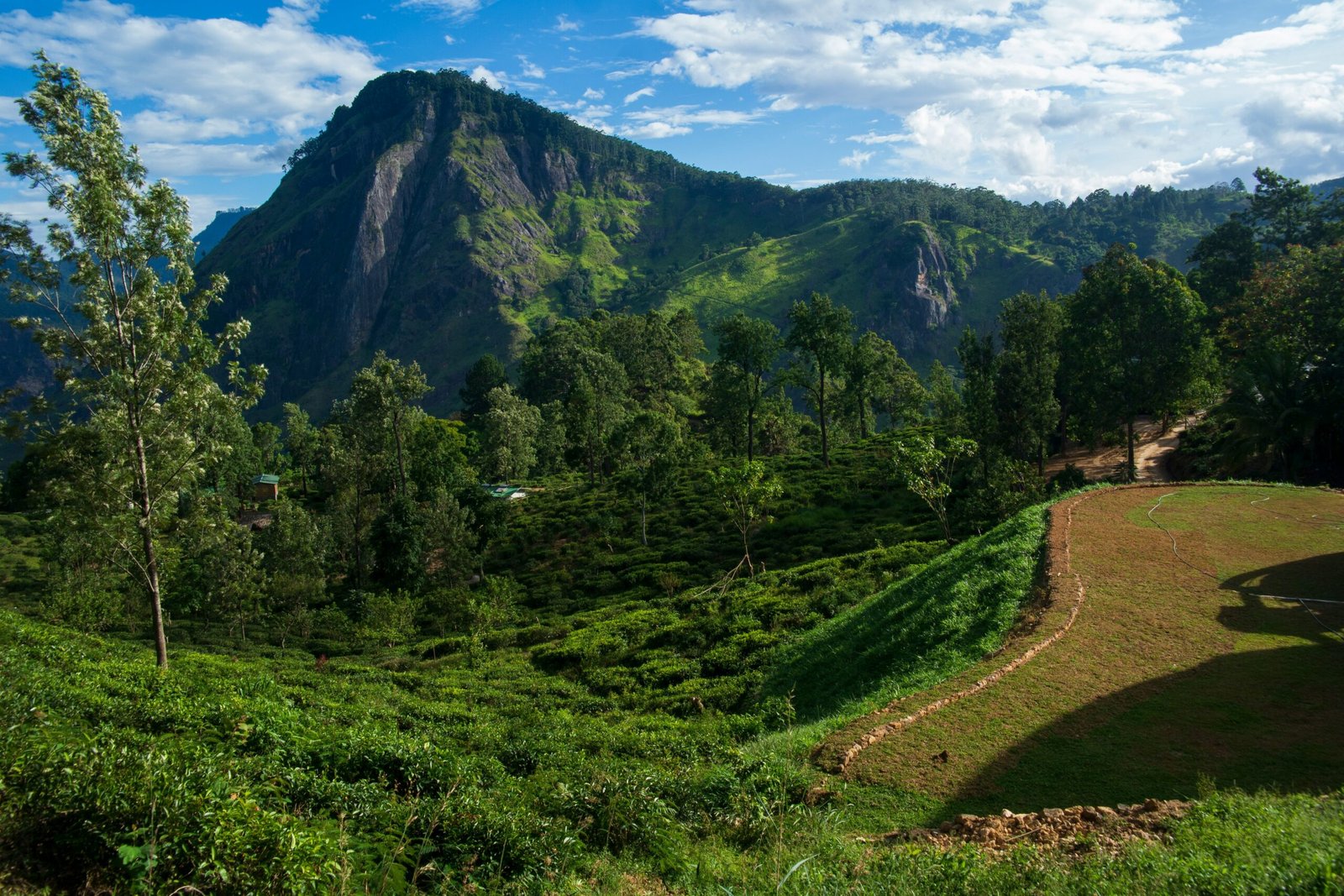
Nuwara Eliya — the highland city at 1,868 metres in the Central Province, the highest town in Sri Lanka and the centre of the Ceylon tea industry — is in February at its most specifically cool and most characteristically highland: temperatures at 14-22°C, the air at the altitude freshness that the coastal lowlands never produce, and the tea estates of the Pedro, Mackwoods, and Bluefield gardens surrounding the colonial hill station architecture that the British planters built in the 19th century with the specific intention of replicating an English country town in the tropics.

The tea factory visits in February — the Pedro Estate factory above the town (the most accessible of the working Ceylon tea factories, with the guided tour through the withering, rolling, oxidation, and firing stages) — are in February at the pre-first-flush stage: the tea plants pruned after the January harvest and the February growth producing the first new season shoots. The Gregory Lake at the centre of Nuwara Eliya, the colonial-era racecourse above the lake, and the Victoria Park botanical garden at the town centre are in February at the cool highland February that the domestic Sri Lankan holiday market specifically comes for.


Unawatuna: Reef Diving and Bay Culture

Unawatuna — the horseshoe bay east of Galle, with the most sheltered swimming beach on the southern coast and the coral reef accessible by snorkelling from the beach — is in February at the dry season Indian Ocean clarity that makes the reef most vivid. The Unawatuna reef — visible from the surface in the shallow water of the bay — is in February at the maximum clarity of the year: the visibility 15-20 metres on good days, the parrotfish, grouper, and sea turtles that feed on the reef most accessible to the snorkeller without a boat.

The yoga retreat culture of Unawatuna is smaller than Galle but more specifically beach-centred — the retreat centres in the lanes above the bay using the beach access as the morning programme complement to the shala practice. The February Unawatuna retreat has the specific quality of the peak season bay at its most used and most accessible.


Yala National Park: Leopard Safari

Yala National Park — the most visited national park in Sri Lanka, in the southeastern dry zone, with the highest leopard density of any protected area in the world (approximately one leopard per square kilometre in the Block 1 area) — is in February at the dry season concentration that makes the wildlife viewing most reliable. The Yala leopard in February is at the most visible of the year — the dried-up water holes concentrating the animals at the remaining water sources and the leafless dry zone forest reducing the cover.

The park in February also has the elephant herds at the seasonally reliable water points, the sloth bear at the berry-producing trees, and the mugger crocodile at the park’s coastal lagoons. The Yala safari jeep in February at the 5:30am entry — the dawn drive through the Block 1 habitat, the guides’ radio network coordinating leopard sightings across the patrol area — is the most practically accessible of the Sri Lankan wildlife experiences from a southern coast retreat base (Yala is 3 hours east of Mirissa).


Kandy: Temple of the Tooth and Highland Culture

Kandy — the last royal capital of Sri Lanka, at 465 metres in the central highlands, with the Temple of the Sacred Tooth Relic (the most sacred Buddhist site in Sri Lanka, housing the relic believed to be the Buddha’s tooth) and the Kandy Lake at the city centre — is in February at the dry season that makes the highland city most accessible. The Dalada Maligawa (Temple of the Tooth) in February has the daily puja ceremonies (Thevava) at 5:30am, 9:30am, and 6:30pm when the inner sanctum is opened and the drumming and incense fill the temple complex — the most directly accessible Buddhist ceremonial experience in Sri Lanka.

The Kandy market in February — the fruit and vegetable market in the old bus stand area, with the highland produce (the passion fruit, avocado, and leeks of the Kandy highlands) alongside the lowland tropical fruits arriving from the coast — is the most varied of any Sri Lankan market at any time of year.

Festivals and Events in Sri Lanka in February

Navam Perahera, Colombo (February Full Moon)

The Navam Perahera at the Gangaramaya Temple in Colombo — the February full moon Buddhist procession, with the 50+ elephants in ceremonial dress, the Kandyan dancers, the acrobats, and the drummers processing through the Colombo streets — is the most elaborately produced of the Colombo annual festivals and the largest Buddhist procession in the capital. The February full moon evening at the Gangaramaya Temple is the most specifically Buddhist of the Colombo February cultural events.

Maha Shivaratri (February-March)

Maha Shivaratri — the great night of Shiva, observed by the Tamil Hindu community of Sri Lanka — is at the Koneswaram Temple in Trincomalee (the most important Shaivite temple in Sri Lanka, on the clifftop at the eastern harbour entrance) and at the Kataragama complex (the multi-faith pilgrimage site in the southeast) with the most significant of the Sri Lankan Hindu observances. For retreat guests interested in the Shaivite dimension, the February Maha Shivaratri at Kataragama — the all-night vigil at the complex’s Murukan and Shiva shrines — is the most directly devotional of the February Sri Lankan events.

Valentine’s Day and the Boutique Hotel Culture

The Valentine’s Day period in Galle and Mirissa produces the couples’ yoga workshop and partner massage formats at the boutique retreat hotels and the smaller retreat centres. For solo practitioners, the second and third weeks of February avoid this by booking at retreat centres with their standard programme.

What to Eat on a Yoga Retreat in Sri Lanka in February

String Hoppers and Coconut Milk

String hoppers (indi appam) — the steamed nest of rice flour noodles pressed through the string hopper mould, served with the coconut milk curry, the dhal, and the pol sambol (the coconut sambol with red onion, dried Maldive fish, and lime) — is the most specifically Sri Lankan of the breakfast traditions and the one that most directly distinguishes the island’s food culture from the Indian mainland across the Palk Strait. The string hopper at the local kade (the small Sri Lankan restaurant) in February morning, with the coconut milk poured over the noodle nest and the sambol on the side, is the most directly Sri Lankan of the February retreat breakfast experiences.

Nuwara Eliya Avocado

The avocado of the Nuwara Eliya and Kandy highland farms — the Sri Lankan avocado (locally called butter fruit, grown since the colonial period in the cool highland gardens) — is in February at the highland dry season harvest stage, the most abundant and most affordable of any month. The Sri Lankan avocado is typically the Fuerte variety, larger and more watery than the Hass variety that the international market standardises on, and at the Nuwara Eliya market in February available in bulk at the agricultural cooperative stalls for a fraction of the Colombo supermarket price.

Woodapple and Kithul Treacle

The kithul treacle — the palm treacle produced from the sap of the kithul palm (Caryota urens), tapped and reduced to the dark, intensely flavoured syrup that is the most specifically Sri Lankan of all sweeteners — is at the southern coast and the highland markets in February available in the clay pots that the traditional production uses. The woodapple cream (the woodapple flesh blended with the kithul treacle and the coconut milk) is in February the most specifically Sri Lankan of the retreat kitchen dessert preparations.


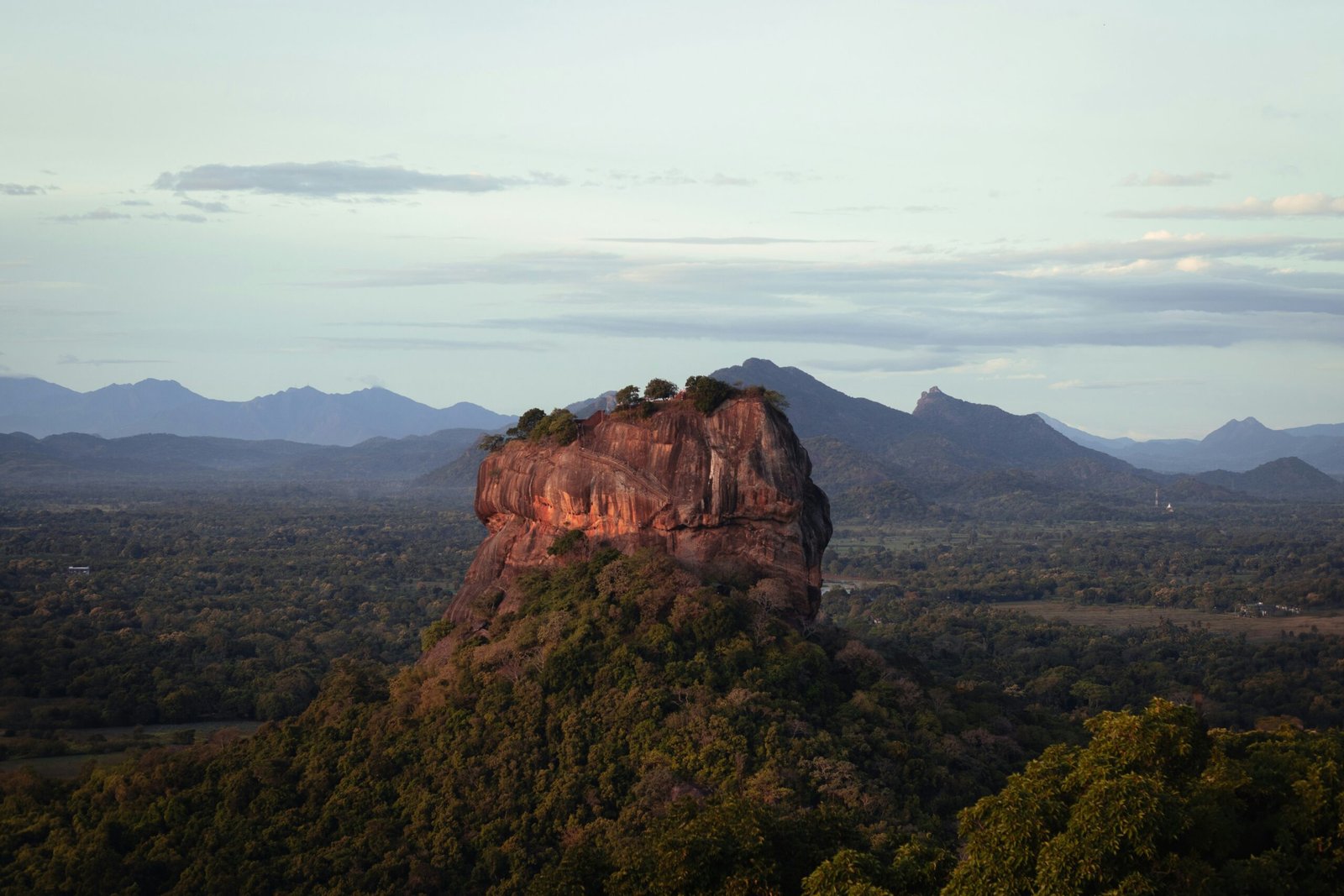
Sunrise view of Sigiriya Rock in Sri Lanka, adding a sense of perspective and transformation to a yoga retreat itinerary.
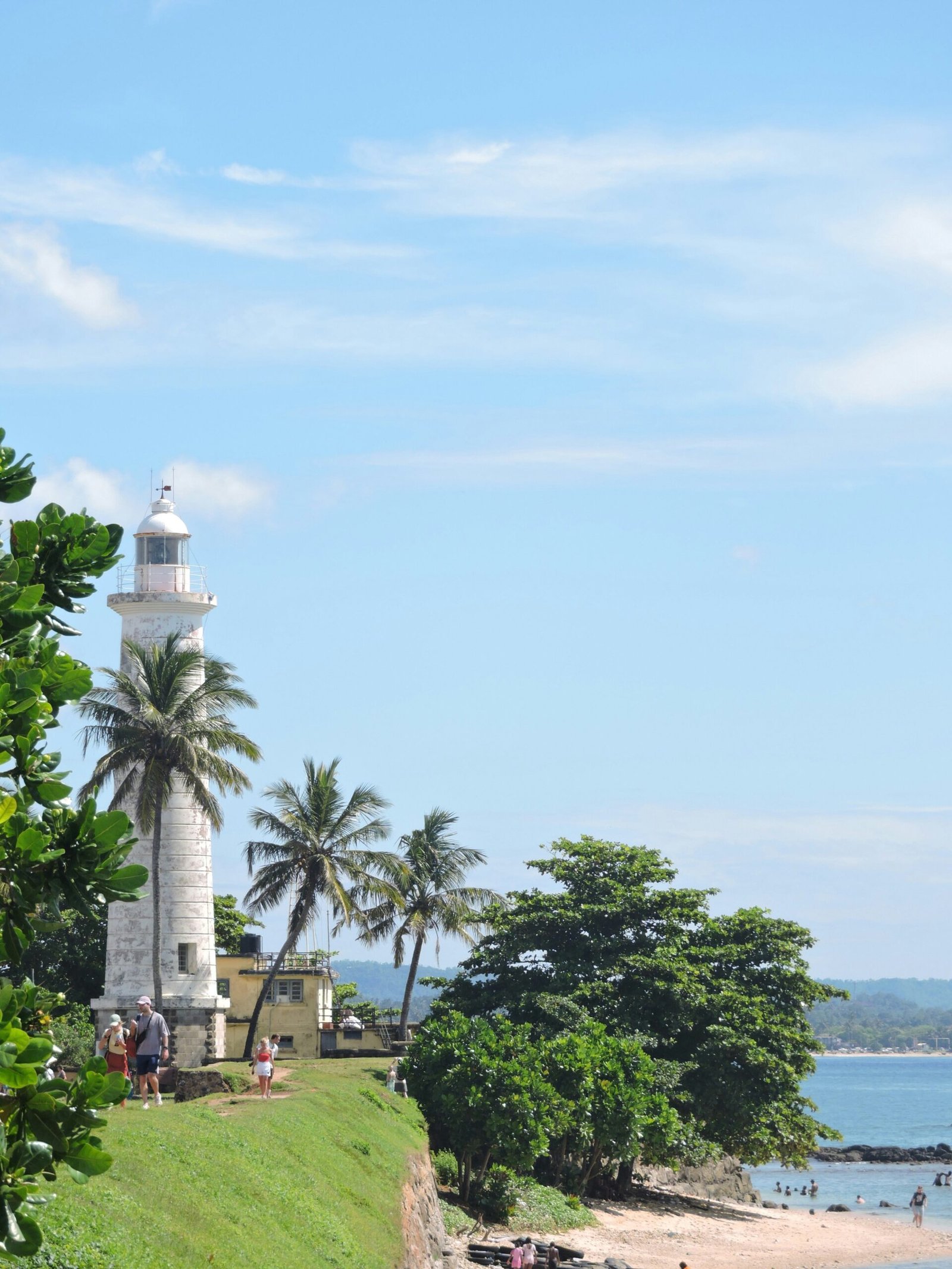
Lighthouse and ocean view in Galle, Sri Lanka, matching the bright and open atmosphere of a yoga retreat in February.

What to Do Alongside a Yoga Retreat in Sri Lanka in February

Yala Dawn Safari

The Yala dawn safari — departing the Tissamaharama or Kataragama park entrance at 5:30am, the first light entering the dry zone forest as the jeep moves through Block 1, and the guide’s radio network coordinating the first leopard sightings of the day — is the February Sri Lanka wildlife activity at its most reliable. The February dry season has reduced the water sources to the predictable points where the leopards, elephants, and water birds congregate most consistently, and the 5:30am park opening produces the encounter quality that the midday safari cannot replicate.

Train from Kandy to Ella

The Kandy to Ella train — the 5-hour journey through the central highlands on the Badulla line, the blue train rounding the mountain curves through the tea estates, the colonial-era stations visible from the open window, and the Demodara loop (the engineering marvel where the train completes a full 360-degree circle inside a mountain) producing the most dramatic of the railway moments — is in February at the dry season visibility that makes the highland views most clear. The February morning train from Kandy (departing approximately 8:30am) arriving in Ella by 1:30pm is the most specifically scenic of the February Sri Lanka daytime activities.

Polonnaruwa Archaeological Circuit

Polonnaruwa — the medieval capital of Sri Lanka from the 11th through the 13th centuries, with the Gal Vihara (the four monumental Buddha figures carved into the granite face of a single boulder, the finest example of ancient Sri Lankan Buddhist sculpture) and the Parakrama Samudra (the largest irrigation reservoir in ancient Sri Lanka, still in use today) — is in February accessible in the early morning cool before the central plain heat builds. The February Polonnaruwa dawn — the ancient city in the morning mist above the reservoir, the Gal Vihara visible at the far end of the circuit — is the Cultural Triangle archaeological experience at its most contemplative.

February Climate in Sri Lanka

The southwest coastGalle, Unawatuna, Mirissa, Tangalle — continues the January dry season in February with temperatures of 27-32°C. The Indian Ocean is calm, the snorkelling and diving visibility excellent, and the blue whale season at its February peak reliability.

Nuwara Eliya and the central highlands are at 14-22°C — the coolest and most specifically highland of the February conditions. The tea estates are at the pre-first-flush stage and the highland dry season makes walking most comfortable.

Kandy is at 22-28°C — comfortable for the temple visits and the city market. The cultural programme (Dalada Maligawa puja, Navam Perahera) is at its February intensity.

Yala and the southeast dry zone are at 28-34°C — warm and dry, the wildlife concentrated at the seasonal water sources.

FAQs: Yoga Retreats in Sri Lanka | February

  1. Is February better or worse than January for a Sri Lanka retreat? Comparable conditions with slightly warmer temperatures. February has the Navam Perahera in Colombo and the Valentine’s period, which produces couples’ programming at some centres. The whale watching is equally reliable. For those without a preference, either month is excellent.
  2. Is Nuwara Eliya genuinely cold enough to require warm clothing? Yes — at 1,868 metres, the February mornings in Nuwara Eliya can reach 10-12°C and the evenings are cool at 14-16°C. A warm layer and a light fleece are genuine requirements, not tourist advice. The midday temperatures are comfortable at 20-22°C.
  3. Is Yala too crowded in February? Block 1 of Yala is the most visited wildlife area in Sri Lanka and the February peak season does bring significant safari jeep traffic — particularly at leopard sightings, where multiple jeeps can congregate. The 5:30am park opening produces the fewest jeeps and the best encounter quality. The less visited Block 5 (accessible from the Kumana entrance) has comparable leopard density with significantly fewer safari vehicles.
  4. See our yoga retreats in Sri Lanka in March for the full picture of the following month.

Share Your Thoughts

Your email address will not be published. Required fields are marked *

Leave a Reply

Your email address will not be published. Required fields are marked *