

October in India is the post-monsoon awakening — the rains departing across the country, the temperatures returning to comfort, and the cultural calendar producing the most festival-dense period of the Hindu year. Navratri (nine nights of the goddess), Dussehra (the victory of Rama over Ravana), and the approaching Diwali create the October festive energy that transforms every Indian city and village simultaneously.
The retreat season is reopening across the country, and October has the specific quality of a destination returning to its best form after the monsoon.


October is the month the Indian retreat calendar accelerates from the monsoon’s contemplative depth toward the peak season’s social energy. The post-monsoon landscape — the rice paddy at the October harvest in the northern states, the forests at maximum green before the dry season begins to reduce them, and the rivers at their October receding-flood volume — is at the most specifically vivid of the year. And the festival calendar — Navratri, Dussehra, Karva Chauth, and Diwali on the horizon — produces the cultural richness that makes October one of the most specifically Indian of the retreat months.
Browse our full yoga retreats in India guide for the complete picture of what the country offers year-round. For the global context of October retreat travel, our yoga retreats in October guide covers every destination worth considering this month.
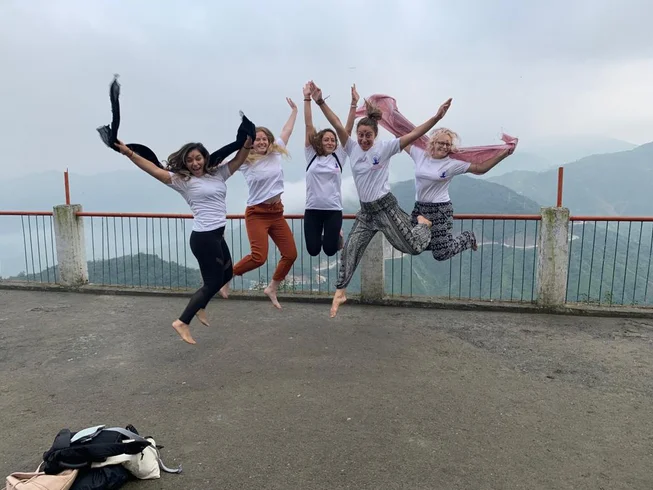
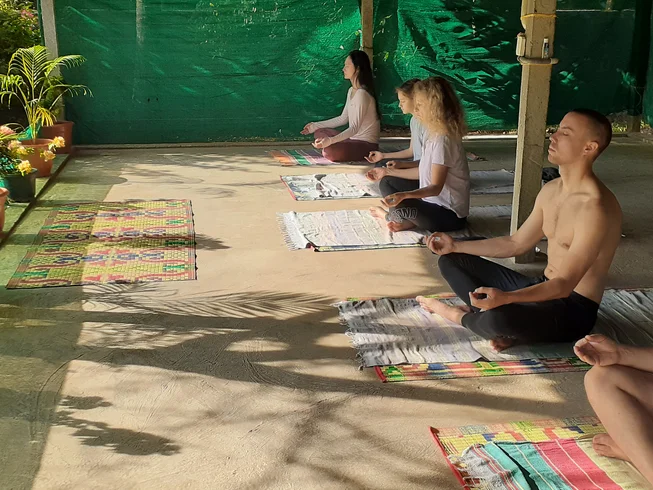
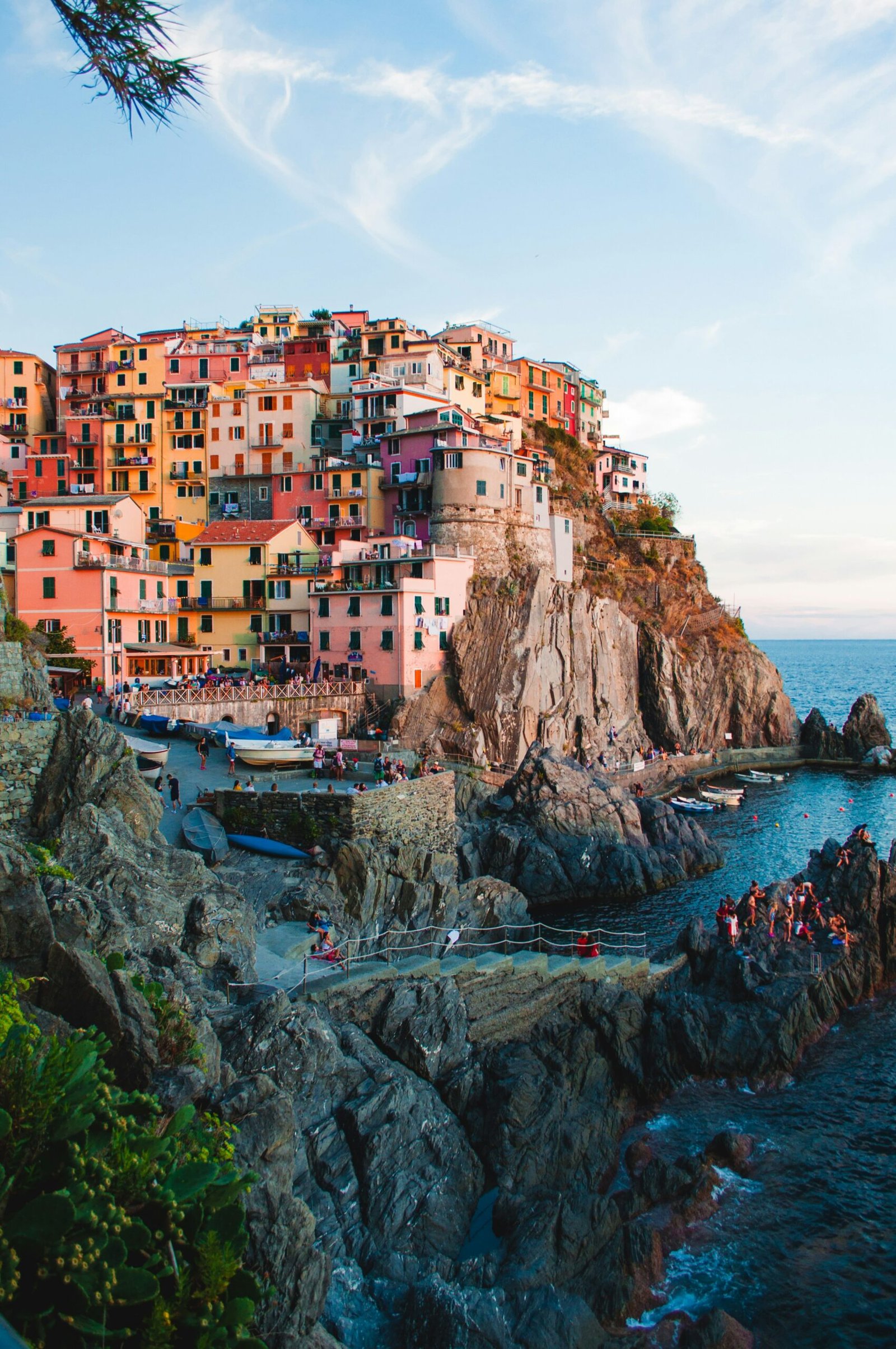

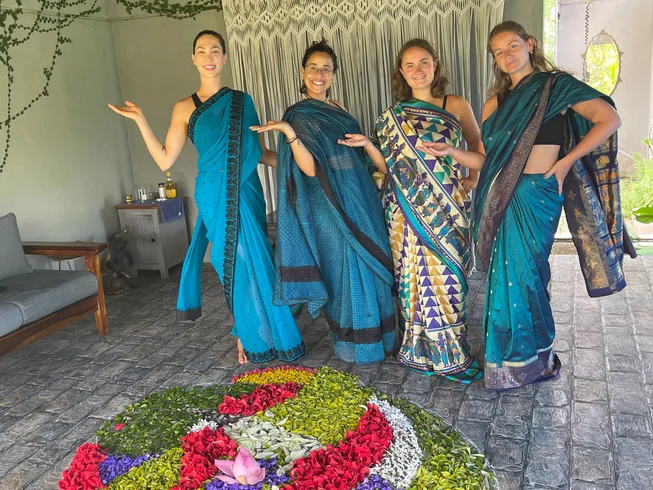
Goa in October is at the specific moment of reopening — the international retreat community returning, the beach shacks reassembling their bamboo and palm-leaf structures on the beaches after the monsoon, and the specific energy of a season beginning. The north Goa retreat community — the yoga teachers who spent the monsoon either in Goa itself or in other countries — is in October returning to the studios of Arambol, Mandrem, and Assagao with the fresh energy of the new season. The October Goa is the retreat destination at the most culturally alive transitional moment of its annual cycle.
The Arabian Sea in October is calming from the monsoon swell — the first swimmable weeks of the season are in October, the water at 28-29°C and the visibility improving daily from the monsoon turbulence. The north Goa beaches in October morning — the beach shacks beginning their season operations, the sand cleared of the monsoon debris, and the retreat community reassembling at the yoga shalas above the beach — is the most specifically optimistic of the Goa annual moments.
Mysore in October is at the most dramatically festive version of any Indian city at any time of year — the Dasara (Dussehra) festival at the Mysore Palace is the most elaborate state-level Dasara celebration in India, with the royal procession from the palace to the Bannimantap grounds on Vijayadashami (the tenth day of Navratri) carrying the goddess Chamundeshwari in the golden howdah on the royal elephant as the centrepiece. The Mysore Palace in October is illuminated with 100,000 light bulbs from Navratri through Vijayadashami — the most dramatically lit building in India at any time of year.
The Ashtanga yoga community in Mysore is in October returning to the KPJAYI after the July-August season — the October cohort of the Mysore-style programme is the first of the new season and has the energy of the practitioners who have been waiting for the KPJAYI season to reopen.
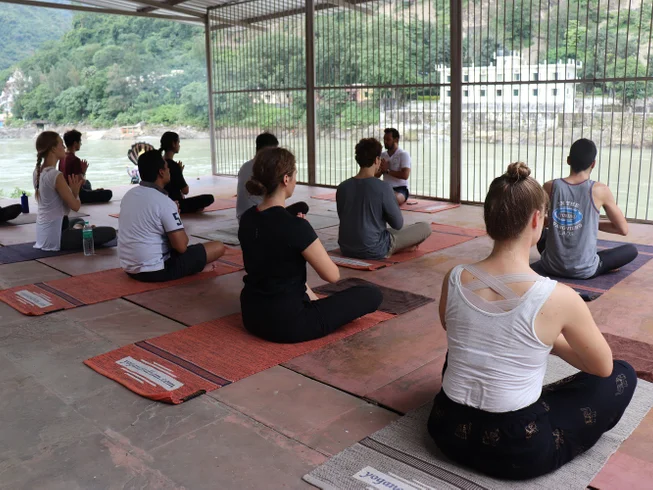
Rishikesh in October is at the post-monsoon condition that makes it the most comfortable of the year: the temperatures at 18-26°C, the Himalayan views at their crystal post-monsoon clarity, the Ganges receding to the clear blue-green of the winter flow, and the ashram community in its full autumn programme. The October Rishikesh has the specific quality of a spiritual community returning to its most focused season after the monsoon’s introspective period.
The Navratri celebrations at the Rishikesh temples and ashrams — nine days of the goddess, with the Durga Saptashati recitation at dawn and dusk, the specific goddess energy of the Himalayan tradition — are in October the most specifically yogic dimension of the festival calendar. The Durga and Saraswati worship of Navratri aligns more directly with the yoga practitioner’s internal practice than the more exuberantly public Holi or Diwali.
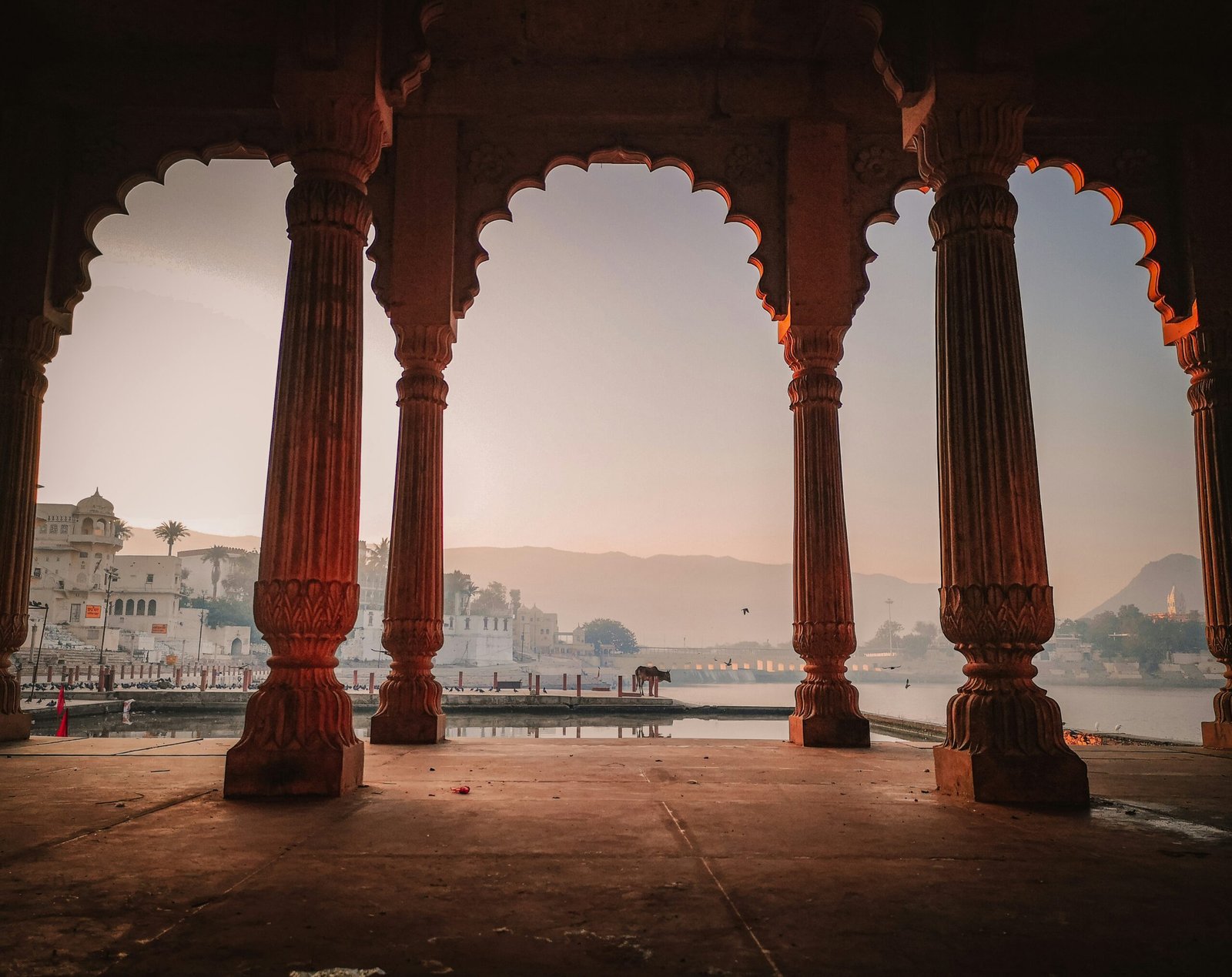
Hampi — the Vijayanagara ruins in Karnataka — is in October at the post-monsoon condition that makes it the most accessible month outside of January-March: the heat reduced from the pre-monsoon maximum, the monsoon green still present on the boulder landscape, and the Tungabhadra river at its October receding-flood volume. The Virupaksha Temple ghat in October, with the river at a higher level than the January dry season and the temple reflection in the water visible from the stone steps below the bazaar street, is the most specifically atmospheric of the Hampi October conditions.
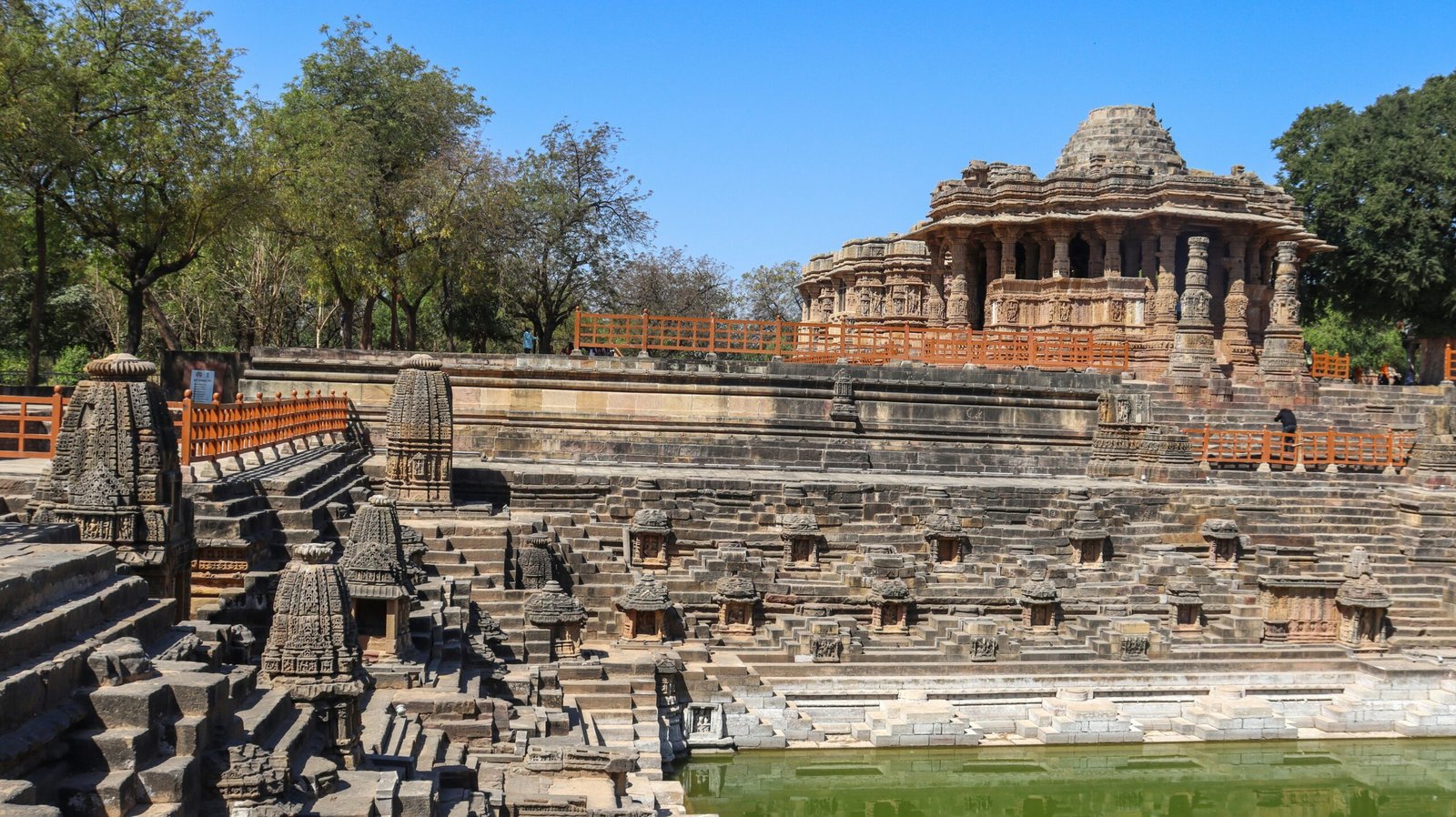
Navratri — the nine nights dedicated to the nine forms of the goddess Durga (Shailputri, Brahmacharini, Chandraghanta, Kushmanda, Skandamata, Katyayani, Kalaratri, Mahagauri, Siddhidatri) — is the most widely observed of the autumn festivals and the one most directly relevant to the yoga practitioner’s understanding of the Shakti (divine feminine energy) tradition. The garba and dandiya dances of the Gujarat tradition — the circular community dance performed on the Navratri evenings — are in Ahmedabad, Surat, Baroda, and across the Gujarat diaspora the most elaborate and the most specifically joyful of the Indian dance traditions accessible to the non-practitioner visitor.
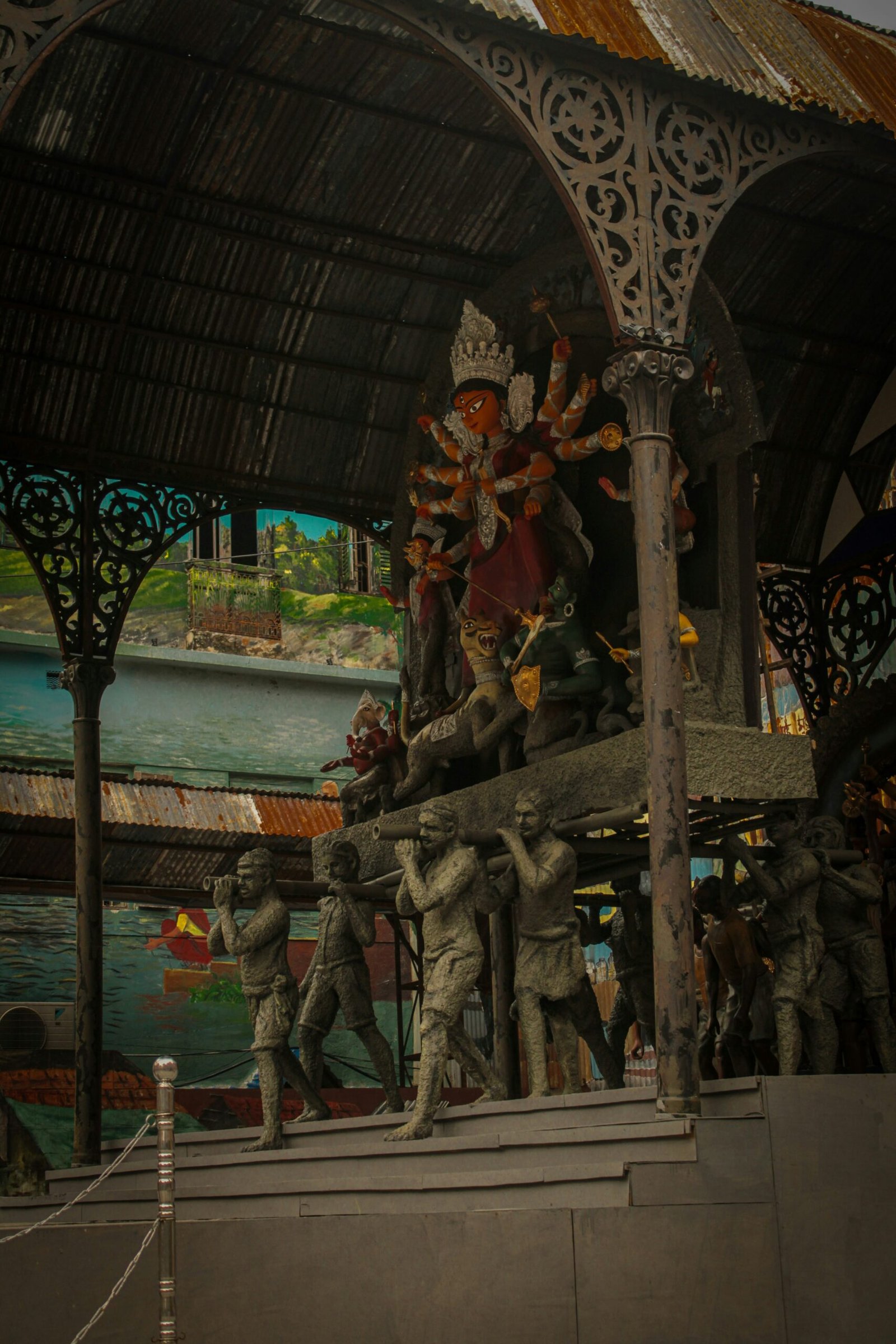
The Durga Puja of Bengal — the most important festival of the Bengali cultural calendar, with the elaborate clay Durga images in the pandals of Kolkata and the immersion on Vijayadashami — is the October cultural event most comparable in communal intensity to the Mumbai Ganesh Chaturthi.
Dussehra — the victory of Lord Rama over the demon king Ravana, celebrated on the tenth day of Navratri — is observed with the Ravana effigies burned at the public grounds across north India (the Delhi Ramlila Maidan effigy burning is the largest) and with the royal procession at Mysore. The symbolic meaning — the victory of dharma over adharma, the same principle as Galungan in Bali — gives the festival its specific resonance for the yoga retreat community.
Karva Chauth — the north Indian married woman’s fast and moon-sighting ceremony, in which the wife fasts from dawn until moonrise for the well-being of her husband — is the most specifically domestic of the north Indian October cultural practices and the one that produces the most public expression of the marital bond. The moon-sighting ceremony on Karva Chauth evening, visible from any north Indian rooftop, is the October tradition most intimate to the Indian household.
The Navratri fasting food of north India — the specific set of ingredients permissible during the nine-day fast (grains are prohibited; the permitted starches are kuttu (buckwheat flour), sabudana (tapioca pearls), singhara (water chestnut flour), and samak (barnyard millet)) — is in October at the specialised October market availability. The kuttu ki roti (buckwheat flatbread fried in ghee), the sabudana khichdi (the tapioca pearl pilaf with the cumin, peanuts, and green chilli), and the aloo ki sabzi (the simple potato curry made with the rock salt and the sendha namak permitted during the fast) are the most specifically Navratri kitchen preparations and the ones most available at the north Indian restaurants and sweet shops during the festival period.
Mysore pak — the Karnataka sweet of ghee, gram flour, and sugar, with the crumbly, melt-in-the-mouth texture produced by the specific proportion of ghee (sometimes equal to the flour weight) and the temperature management of the cooking — is in October at the Mysore Dasara season its most elaborate production. The sweet is named for Mysore and was created by the palace kitchen for the Wadiyar maharaja — the KR Circle sweet shops of Mysore in October produce the most authentic version available anywhere.
The Kashmir walnut harvest — the Kashmiri walnut (Juglans regia, with the thin shell and the high fat content that distinguishes it from the commercial California walnut) — is in October at its fresh harvest availability at the October market stalls. The October Kashmiri walnut from the Sopore and Wular lake valley orchards arrives at the Delhi, Mumbai, and Bangalore markets in the first weeks of October, and the freshly harvested walnut has the specific flavour intensity that the stored nut progressively loses. The October dry fruit stall — the walnut, the Kashmiri almond (with the green hull still visible on the fresh harvest), and the Kashmiri saffron from the Pampore saffron fields (at their October harvest, the most specifically Indian of the spice seasons) — is the most seasonal of the Indian speciality food experiences.
The Mysore Palace illumination on the ten Navratri evenings — arriving at the palace grounds before sunset, watching the 100,000 light bulbs illuminate the palace facade at dusk, and viewing the Dasara procession on Vijayadashami evening — is the most dramatically lit of any Indian October cultural experience. The procession on the final evening — the golden howdah on the royal elephant, the state mounted cavalry, and the tableau floats of the Mysore Dasara — is accessible from the public viewing areas along the procession route. The palace illumination continues until 10:30pm on the Navratri evenings.
The garba and dandiya dance of Navratri evenings — the circular community dance performed by hundreds of participants simultaneously at the municipal grounds, the temple courtyards, and the private pandals — is open to visitors who are willing to participate rather than observe. The October garba in Ahmedabad or Baroda (the most elaborate Gujarat versions) or in the Rajasthani towns produces the most joyful of the Indian festival evening activities and the one most directly accessible to the non-Indian visitor who arrives in the appropriate attire (traditional dress is expected and specifically appreciated).
The Pampore saffron harvest — the Crocus sativus (the saffron crocus) fields of the Pampore and Srinagar basin in Jammu and Kashmir flowering in October, the purple flowers harvested at dawn (the stigmas deteriorate within hours of flowering) and the three red stigmas hand-picked from each flower — is the most specifically sensory of any October India agricultural experience. The Pampore field in October dawn, with the purple flowers covering the flat Kashmir plateau and the harvest teams moving through the rows, is the most specifically beautiful of any Indian agricultural landscape. Kashmir in October is at its post-Amarnath Yatra season accessibility — the pilgrimage season over, the autumn conditions settled, and the saffron harvest producing the most unique of the Indian seasonal events.
Goa is in its post-monsoon transition — 28-32°C, the monsoon withdrawing through the month, the sea calming progressively. By late October, the conditions are approaching the November-January peak season comfort.
Mysore and Karnataka are at 22-30°C — the post-monsoon conditions ideal for outdoor activity. The Dasara festival brings the October October climate into the most comfortable of the Deccan year.
Rishikesh and the Uttarakhand foothills are at 18-26°C — the post-monsoon clarity producing the clearest Himalayan views of the year. The nights are cooling toward 10-12°C.
Kashmir (Srinagar, Pampore) is at 10-22°C — the October saffron harvest period, the first autumn colour in the Chinar (oriental plane) trees of the Mughal gardens visible from mid-October. The first high-altitude snowfall may occur in October.
Your email address will not be published. Required fields are marked *