Curious about silent retreats but not sure what actually happens inside one? Discover the science behind silence, what a typical retreat looks like, and how to know if it’s right for you.
A silent yoga retreat is a structured period of withdrawal from ordinary speech and external stimulation, usually held in a natural setting and supported by practices like meditation, yoga, breathwork, and mindful movement.
The silence isn’t punitive or ascetic. It’s functional. Ordinary conversation occupies a surprising amount of cognitive bandwidth — the self-presentation, the social navigation, the constant narration of experience we produce without noticing. Removing it creates space for something beneath it to surface.
Most silent retreats aren’t completely wordless. Participants receive instruction, can ask questions of facilitators, and engage in guided practice. What falls away is the habitual layer. And what remains, once it does, tends to surprise people.
The physiological case for silence is more robust than most people expect.
A 2013 study published in Brain Structure and Function found that two hours of silence per day prompted the development of new cells in the hippocampus, the brain region associated with memory, learning, and emotional regulation. This was an unexpected finding. The researchers had originally used silence as a control condition. It turned out to be the most significant variable in the study.
Research on noise pollution tells a related story. Chronic exposure to ambient sound, even at levels we’ve learned to tune out, keeps the nervous system in a state of low-grade vigilance. The body treats background noise as information that might require a response. Silence signals the opposite. The parasympathetic nervous system activates, cortisol drops, and breathing slows without any conscious effort.
For people who spend their days in open-plan offices, on calls, or managing constant digital input, genuine silence can feel almost loud at first. That reaction says something about how rarely it’s encountered.
Silence also enhances awareness.
When external input drops, your senses sharpen. Food tastes richer, colors seem deeper, and you can finally hear your own intuition again.
If you are ready to try a silent retreat, yoga retreats in the Peloponnese and eco yoga retreats in Greece both offer retreat formats specifically suited to contemplative and silent practice.
The structure varies, but most silent retreats follow a similar arc.
The first day is typically the hardest. Without conversation to fill the gaps, people become acutely aware of the restlessness they’ve been outrunning. The urge to check a phone, to narrate an experience to someone nearby, to fill quiet with sound — these impulses surface quickly, and they reveal something honest about the baseline state of an overconnected nervous system.
By the second or third day, something shifts. The restlessness begins to settle. Sensory perception sharpens. Food tastes more distinct. The quality of light becomes noticeable. The gap between thoughts widens, and time moves differently.
What people report most consistently by the end isn’t a dramatic transformation. It’s something quieter and more durable: a return to themselves. A sense of knowing, again, what they actually think and feel and want, beneath the noise of everything else.
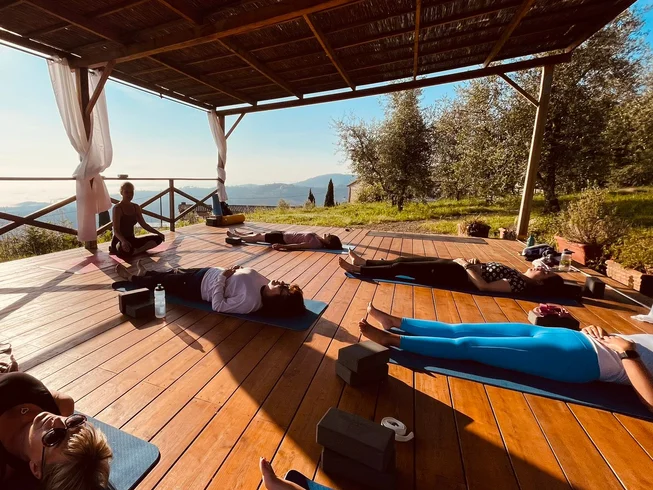
The practices woven through the retreat, morning yoga, guided meditation, breathwork, slow walks, give the body something to attend to while the mind unwinds. They accelerate the shift that silence alone begins.
The assumption that silent retreats are for experienced meditators is wrong. In practice, the people who benefit most are often those with the least experience — people who have never sat in silence for more than a few minutes and discover, when given the right conditions, that they are capable of considerably more.
That said, it’s worth approaching with honesty about where you are. People actively processing trauma or in acute crisis may find an unstructured inner landscape difficult without appropriate therapeutic support. If that resonates, it’s worth seeking a retreat with a clinical component, or speaking to a professional first.
For the much larger group — people who are functional but depleted, high-performing but disconnected, busy but vaguely hollow — a silent retreat tends to be exactly the right intervention. Not because it solves anything, but because it creates conditions for clarity that ordinary life consistently prevents.
Three to five days is a sensible starting point. Long enough for the nervous system to genuinely shift, short enough that the commitment feels manageable.
Shorter experiences, a silent morning or a day retreat, have value but rarely reach the depth that comes with sustained immersion. The most significant shifts reported by participants typically occur after the first 48 hours, once the initial restlessness has moved through.
Longer retreats of seven days or more go deeper, but carry a higher demand for readiness. Most experienced practitioners recommend building up gradually rather than beginning with a ten-day intensive.
The most common concern after a silent retreat is losing what you found.
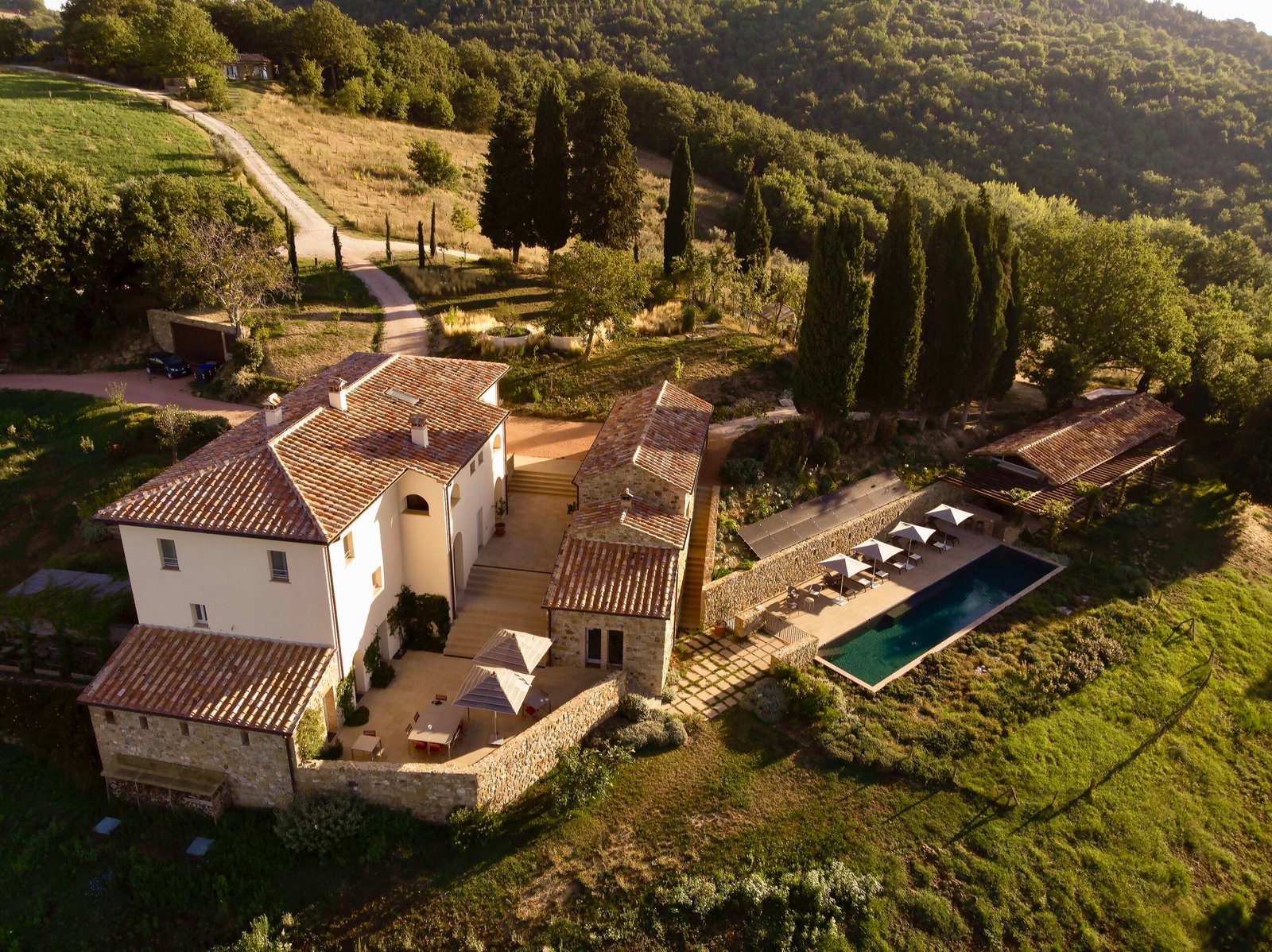
It’s a legitimate one. Re-entry into ordinary life, with its noise, its demands, its relentless social surface, can feel abrupt. The clarity that was so available on a quiet hillside in Tuscany can feel unreachable a week later in an open-plan office.
The practices that help most are small and undramatic. A morning before the phone comes on. A meal eaten without a screen. A walk taken without destination or podcast. Not silence in the absolute sense, but pockets of quiet that the nervous system learns to recognise as safe and restorative.
The retreat doesn’t give you something you then have to maintain. It reminds you of a capacity you already have, and shows you, concretely, that it’s accessible. That knowledge tends to stay.
Your email address will not be published. Required fields are marked *