
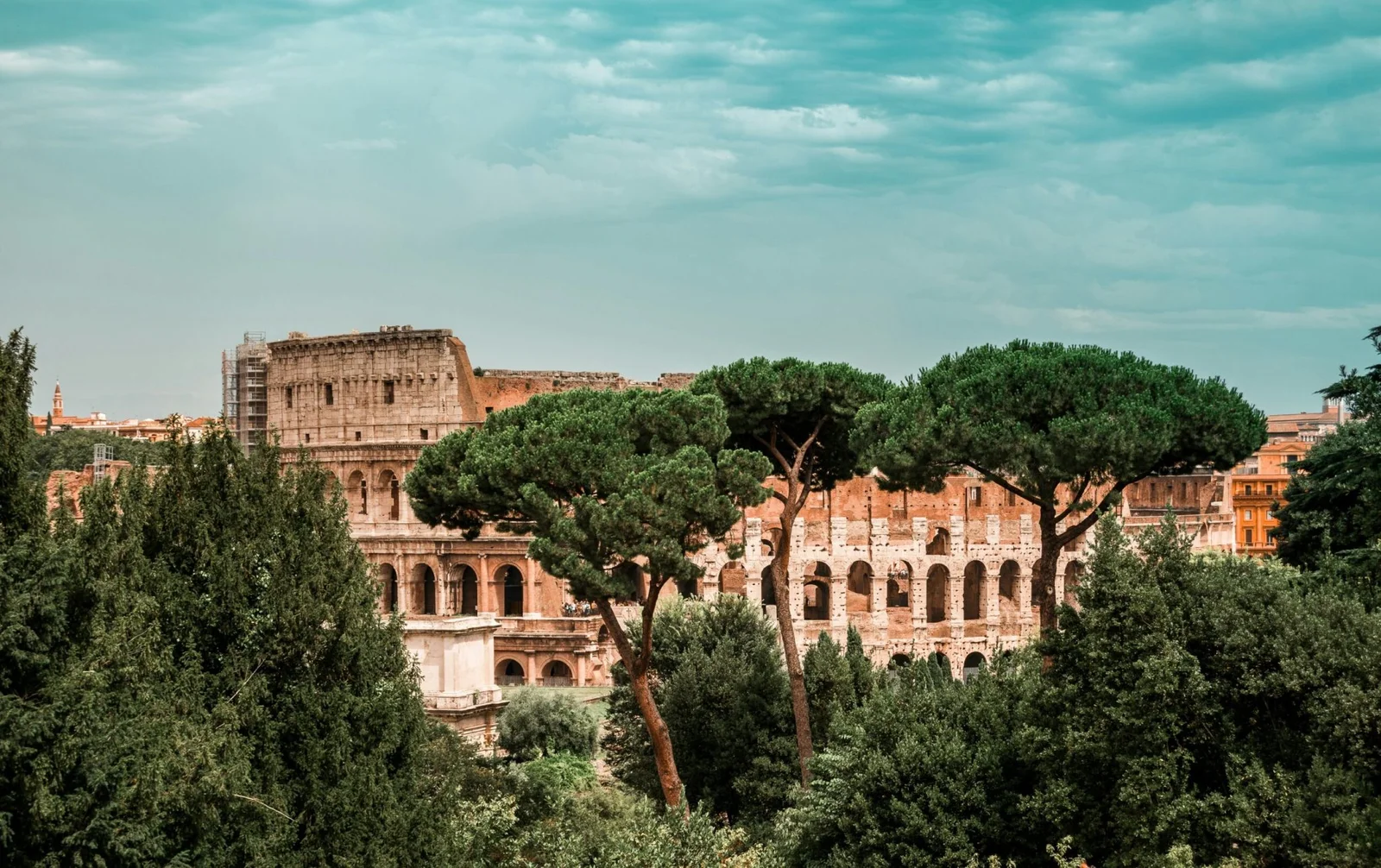
January in Italy is quiet. The crowds are gone, the holiday glitter has settled, and what remains is stillness: mist over Tuscan hills, snow in the Dolomites, woodsmoke in Umbrian villages. It is the month when Italy exhales — and when a wellness retreat feels less like an escape and more like a homecoming.
Whether you are drawn to the Alps for snow and sauna rituals, Tuscany for thermal baths and farmhouse cooking, or Sicily for winter sun and Mediterranean stillness, the options are more varied and more specific than the generic wellness marketing suggests. Below is what January in Italy actually offers, region by region.


The Dolomites in January are the most complete alpine wellness environment in Europe. The UNESCO World Heritage peaks — the rose-coloured dolomitic rock turning pink and gold at sunrise above the snow — create a setting that the wellness industry has been trying to approximate in spa interiors for decades. The real version, available from the valleys of South Tyrol and the Trentino, requires simply being there: the cold air, the snow underfoot, the silence of a winter mountain morning before the ski lifts start.
South Tyrol’s wellness culture is specifically developed in a way that distinguishes it from other Alpine regions. The area’s German-Austrian heritage has produced a tradition of spa architecture — the indoor-outdoor thermal pools, the hay baths, the sauna rituals using locally harvested alpine herbs — that is more sophisticated and more specifically rooted in the landscape than the generic luxury spa model. January is the month when this culture is at its most concentrated: the ski tourists are present but the wellness guests have the spa facilities at their most accessible, and the combination of outdoor cold and indoor heat produces the physical contrast that cold-climate wellness traditions have always understood as therapeutic.
Practical note: January in the Dolomites is cold — valley temperatures of -5 to 5°C, mountain areas colder. Pack accordingly. The wellness centres are heated and the outdoor pools are warm, but transfers between buildings require proper winter clothing.
Tuscany in January has something that no other Italian region offers in winter: geothermal water. The thermal springs of the Maremma and the Val d’Orcia — Saturnia, Bagno Vignoni, Petriolo, San Casciano dei Bagni — produce sulphurous water at 37-40°C that flows year-round regardless of air temperature. In January, when the air is 8-12°C and the surrounding fields are winter-bare, soaking in the outdoor thermal pools of Saturnia while the steam rises around you is one of those specifically Italian wellness experiences that no indoor spa can replicate.
Saturnia is the most famous — the free natural cascades of the Cascate del Mulino flowing at 37°C into limestone pools above the valley — and in January it is accessible without the summer crowds that make the experience genuinely difficult to enjoy. Arriving at Saturnia at dawn in January, with frost on the grass above the warm water and the valley in winter mist below, is the kind of wellness moment that requires being in the right place at the right season to find.
Bagno Vignoni in the Val d’Orcia is the more architecturally extraordinary of the Tuscan thermal towns: the medieval village built around a central piazza that is, uniquely, a pool of thermal water rather than a square. The piazza-pool has been there since the Roman period and the village around it has barely changed since the Renaissance. Wellness retreats based in the Val d’Orcia in January use the Bagno Vignoni thermal baths and the Pienza, Montepulciano, and Montalcino wine towns as the cultural and gastronomic complement to the spa programming.
Sicily in January is the Italian wellness destination that most people have not considered and that rewards those who find it. Temperatures of 14-17°C on the southern and western coasts — warmer than Rome in January — combined with the specific Sicilian food culture (the cannoli, the arancini, the street food of Palermo’s markets), the Greek temples of Agrigento visible above the almond blossom that begins in January, and the thermal waters of the Terme di Sciacca on the southern coast produce a January wellness experience that is completely unlike the Dolomiti snow culture or the Tuscan thermal tradition.
The almond blossom in the area around Agrigento and the Caltabellotta hills begins in the last week of January in warm years — white blossom on bare branches above the Greek temples of the Valley of the Temples, a combination so specifically Sicilian and so specifically of this month that retreat programmes in the area build excursions around it.
The Terme di Sciacca — the thermal spa town on the southwestern coast, less internationally known than Tuscany’s thermal destinations but with waters of equally high quality — produces a January wellness experience with the added dimension of the North African light that Sicily’s southern position provides even in winter.
Umbria in January is the green heart of Italy at its most contemplative. The medieval hilltop towns — Assisi, Spello, Bevagna, Montefalco — are in January operating entirely for their own residents, the truffle season at its winter peak, and the olive oil from October’s harvest fresh and available at the farms and the weekly markets.
Wellness retreats in Umbria in January tend toward the holistic and food-focused: cooking workshops using the winter truffle and the Umbrian legume tradition, thermal baths at the Terme di Fontecchio or the more developed Terme di Terme (near Spoleto), and the specifically contemplative quality of a landscape that Saint Francis of Assisi chose specifically because it produces a quality of silence that the more dramatically beautiful Italian landscapes sometimes sacrifice for spectacle.
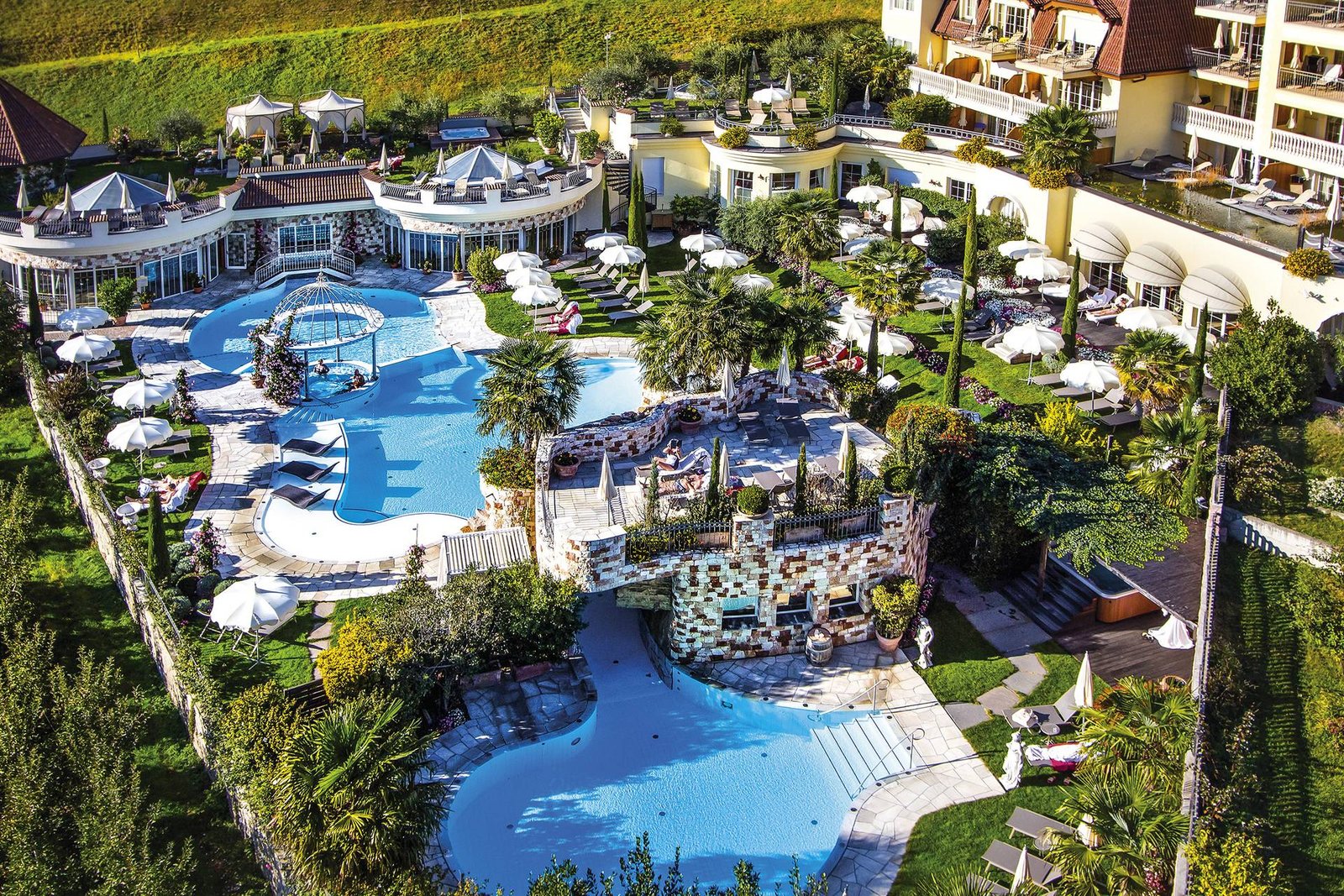
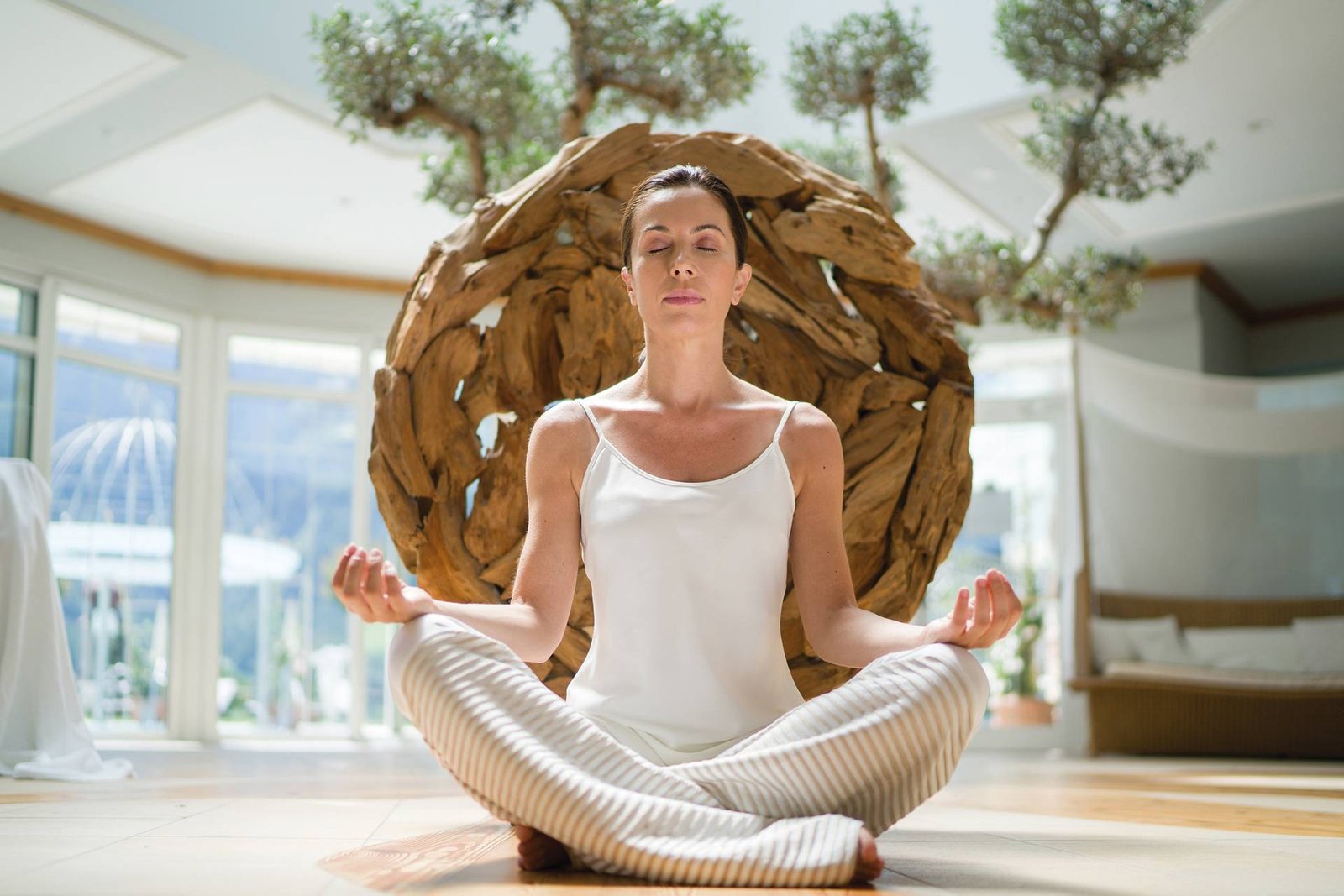
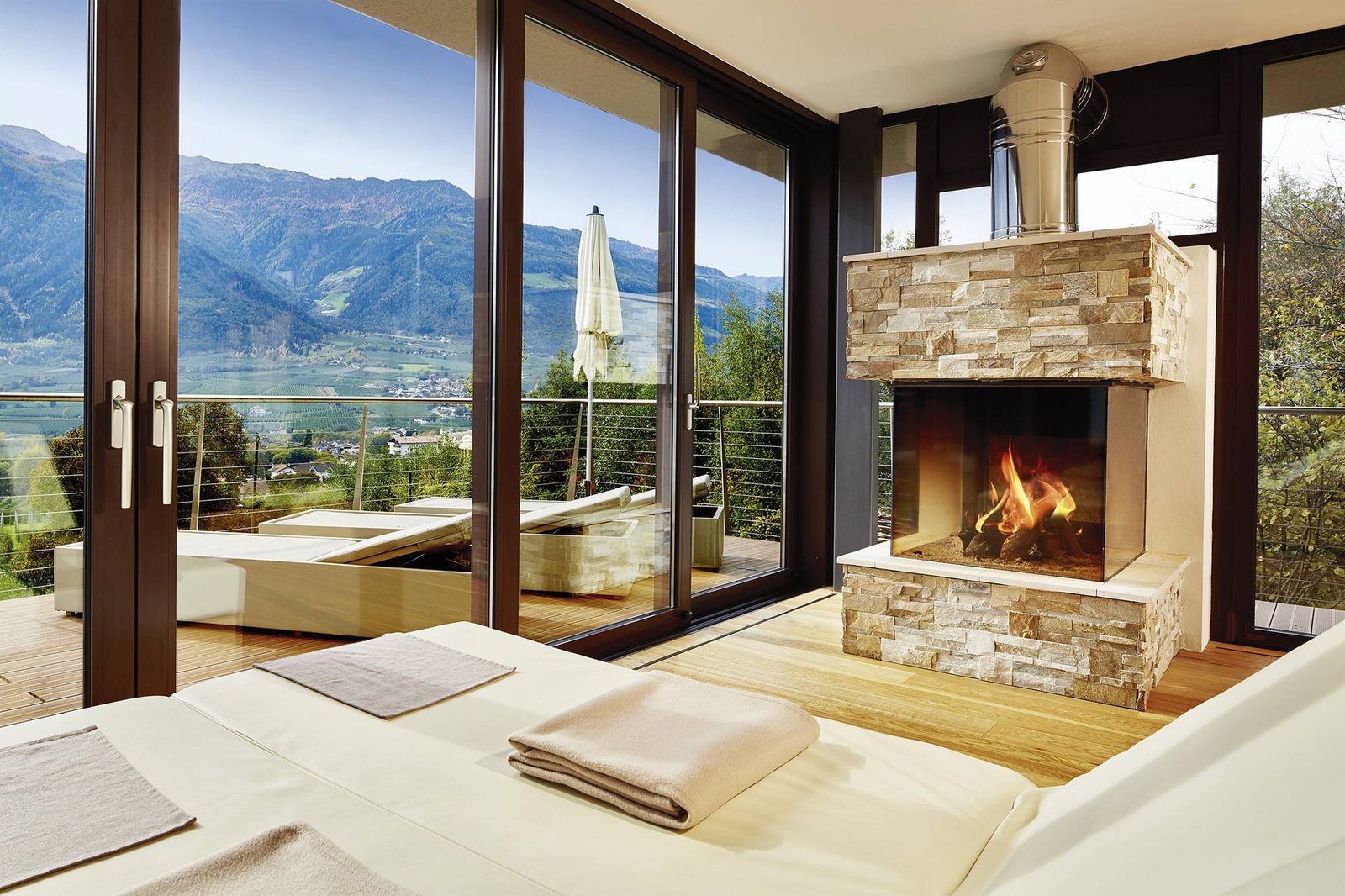
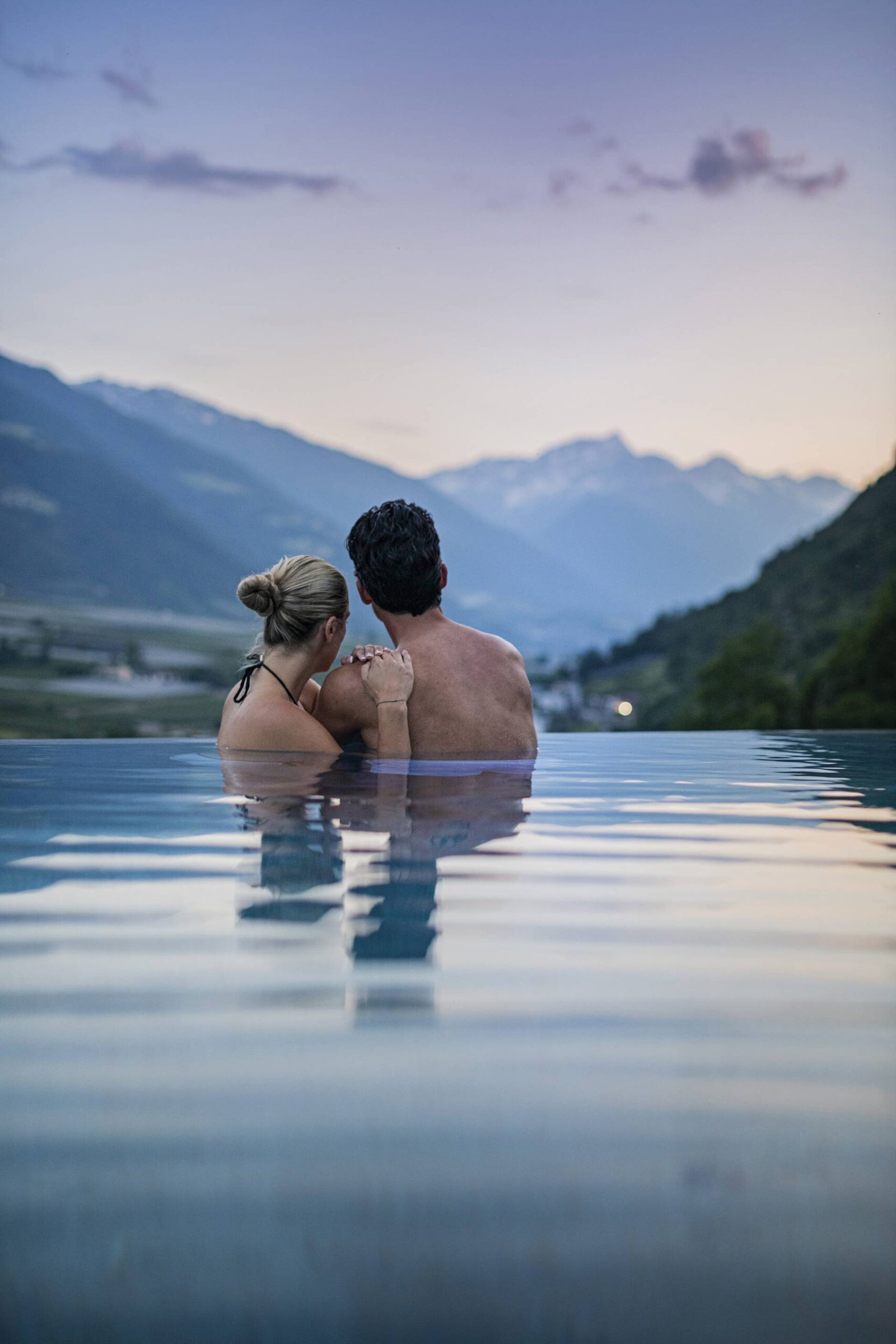
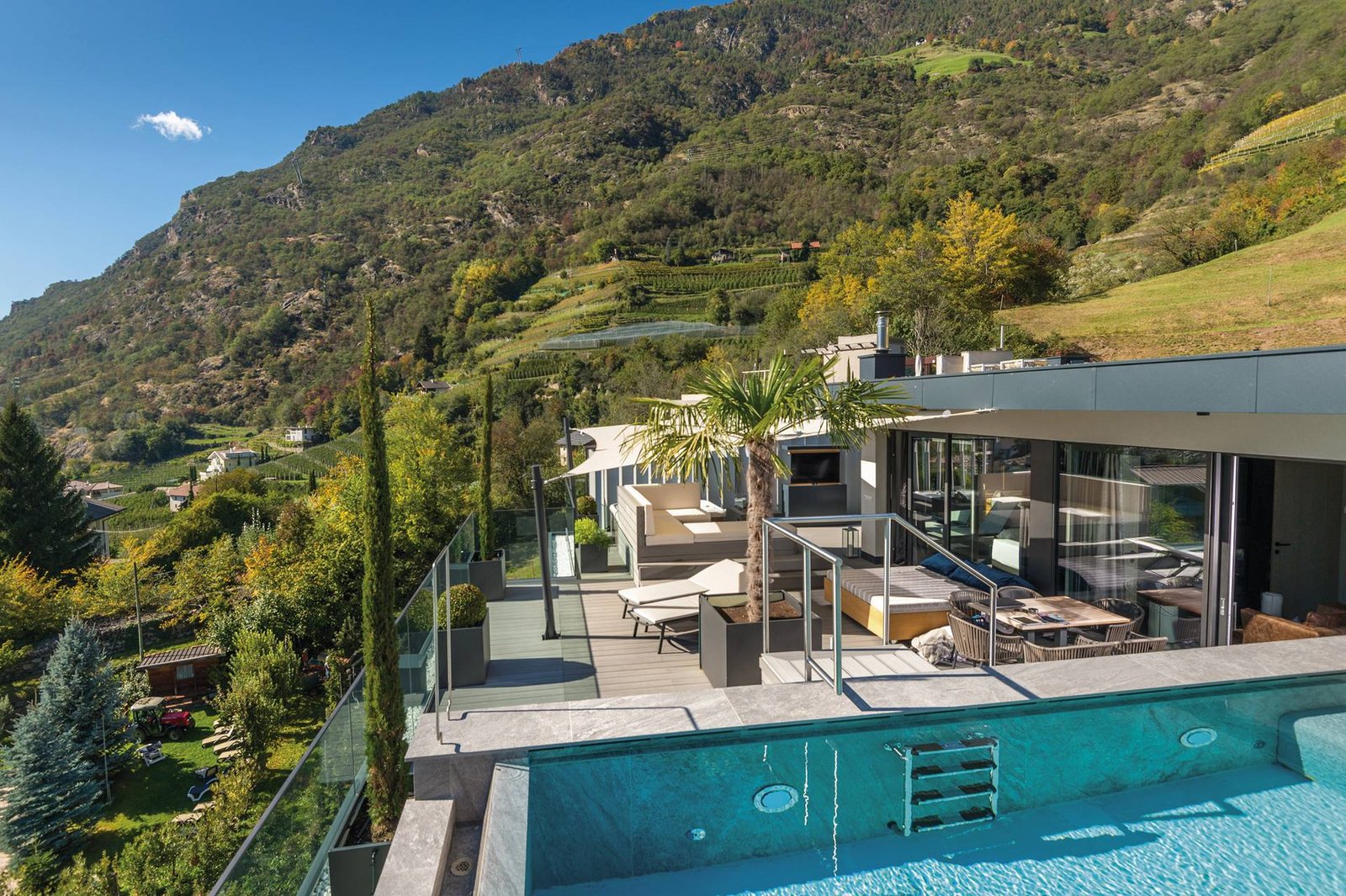
The wellness programmes running in Italy in January reflect the season rather than fighting it. The Dolomiti centres offer their most complete thermal and sauna circuits of the year — the outdoor pools at full capacity, the hay bath treatments using the dried alpine herbs of the previous summer, and the contrast bathing sequences (hot pool, cold plunge, sauna, rest) that research on thermotherapy has associated with improved cardiovascular function and reduced inflammatory markers.
In Tuscany, the thermal spring visits anchor a daily rhythm that is unhurried by design: the morning thermal soak, a late breakfast, an afternoon excursion to a wine estate or a hilltop town, and an evening treatment at the retreat’s own spa. The pace of January in Tuscany is specifically suited to this — no queues, no competing activities, no sense of missing something by staying in.
In Sicily, the programming uses the outdoor quality of the January climate: morning walks through the almond orchards, afternoon coastal excursions to the temples, and the Sicilian food culture as an active element of the wellness experience rather than a guilty pleasure alongside it.

Restorative Movement Practices
– Gentle Yoga for Winter – Slower-paced yoga sequences that generate internal heat while maintaining joint mobility during sedentary winter months
– Qi Gong in Nature – Practice this ancient moving meditation in Italy’s stunning winter landscapes to cultivate vital energy and mental clarity
– Winter Walking Meditation – Guided mindful walking through snow-dusted Italian forests and countryside to connect with nature’s quiet wisdom
The black truffle (tartufo nero) from the Umbrian hills around Norcia and Spoleto is at its January peak — the winter truffle season runs from December through March, and January produces the most intensely flavoured specimens of the year. At a farm-based wellness retreat in Umbria in January, truffle shaved over fresh pasta or eggs at lunch is not a luxury add-on but the ingredient the season and the landscape provide automatically.
Ribollita — the Tuscan bread and vegetable soup, made with cavolo nero (black kale), cannellini beans, carrots, and day-old bread — is the January wellness food of Tuscany. Simple, deeply nourishing, and specifically of the season and the region. The version served at farm-based retreat kitchens in Tuscany in January, made from the kale grown in the kitchen garden and the beans from the autumn harvest, has a flavour and a nutrition density that the restaurant version approximates.
Sicilian blood oranges (arancia rossa di Sicilia) are at their January peak — the Moro, Tarocco, and Sanguinello varieties from the Etna foothills producing fruit with a deep red interior and a sweet-tart flavour that is the most specific citrus experience Italy offers. The PDO designation protects the authenticity of the Sicilian blood orange, and the fresh juice pressed at a January retreat kitchen in Sicily is genuinely different from anything available in northern Europe in any month.
Your email address will not be published. Required fields are marked *