
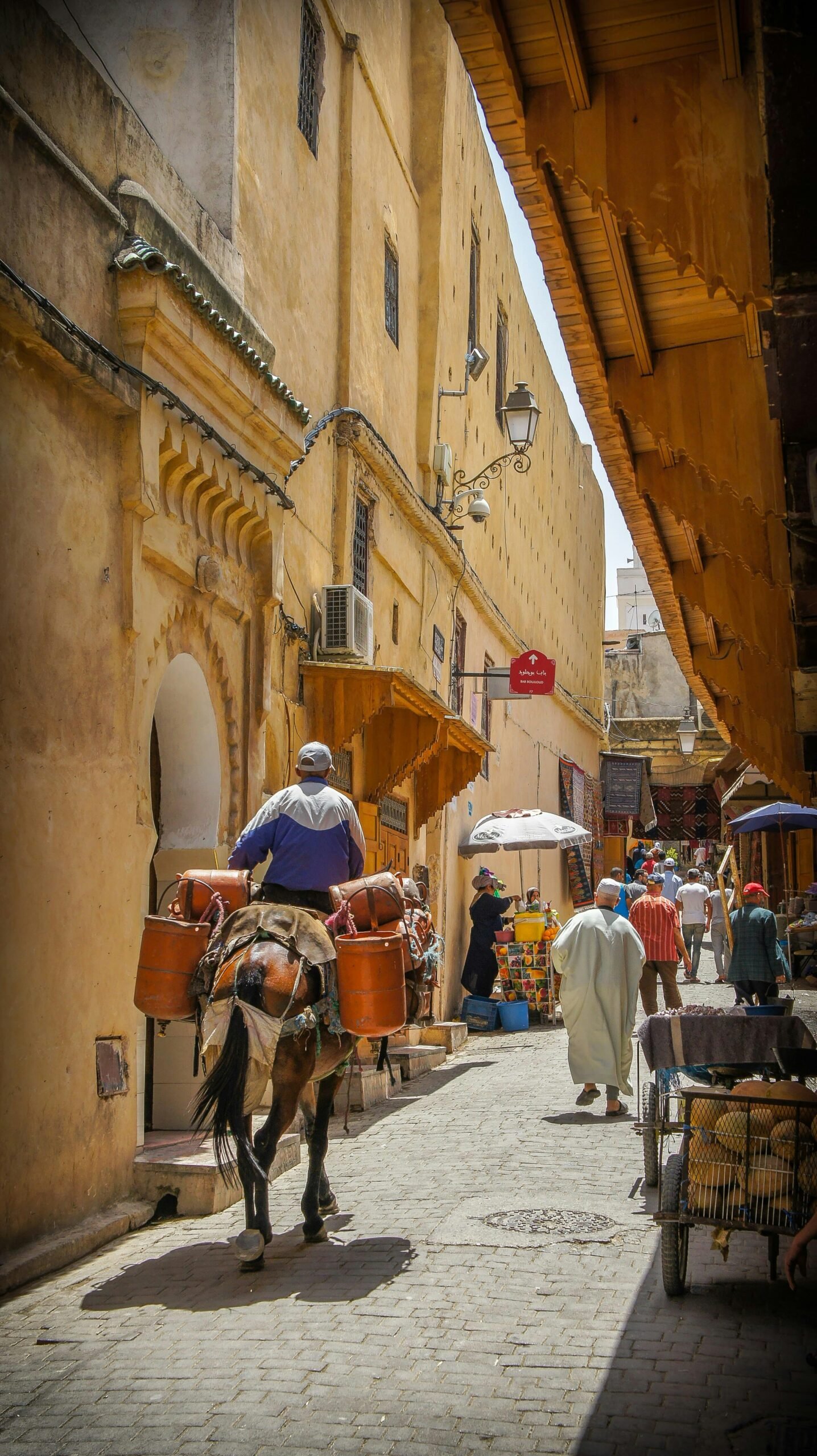
In July 1969, Jimi Hendrix flew from Paris to Casablanca. He had just released Electric Ladyland — arguably the most ambitious psychedelic rock album ever made — and in six weeks he would play Woodstock, the performance that would define an era. Between these two events, he hired a limousine at the airport and asked the driver to take him to Essaouira, a coastal town on the Atlantic that almost nobody outside Morocco had heard of. He stayed eleven days.
What he was looking for is not entirely clear, even fifty years later. What he found is more interesting.


To understand why Essaouira mattered to Hendrix, you have to understand where he was coming from. In the summer of 1969, Jimi Hendrix was the most celebrated rock musician alive and one of the most exhausted. The previous two years had produced Are You Experienced, Axis: Bold as Love, and Electric Ladyland in rapid succession — three albums that had permanently altered what the electric guitar could do. The touring schedule that accompanied them was relentless. The business around him was increasingly chaotic.
He was also, in ways that American popular culture of the late 1960s was not always equipped to discuss openly, a Black American artist navigating a country in the middle of a civil rights crisis. He had grown up in Seattle, played the chitlin’ circuit before fame, absorbed the Delta blues tradition that formed the foundation of everything he built on top of it. The music he made was American to its core — but the America he lived in was not simple.
Like so many artists in the free-love era, Hendrix travelled to both find himself and absorb other cultures. His home country suppressed Black expression at a time when civil rights were still hard to come by, and in Morocco he would find echoes of traditional blues in the music of Gnawa musicians — descendants of Sub-Saharan African slaves — who pluck the strings of their camel-skinned guembris while keeping rhythm on krakebs, the hand-held cymbals unique to the country.
Morocco, in other words, was not an escape from his musical identity. It was, in some ways, a return to one of its deepest roots.

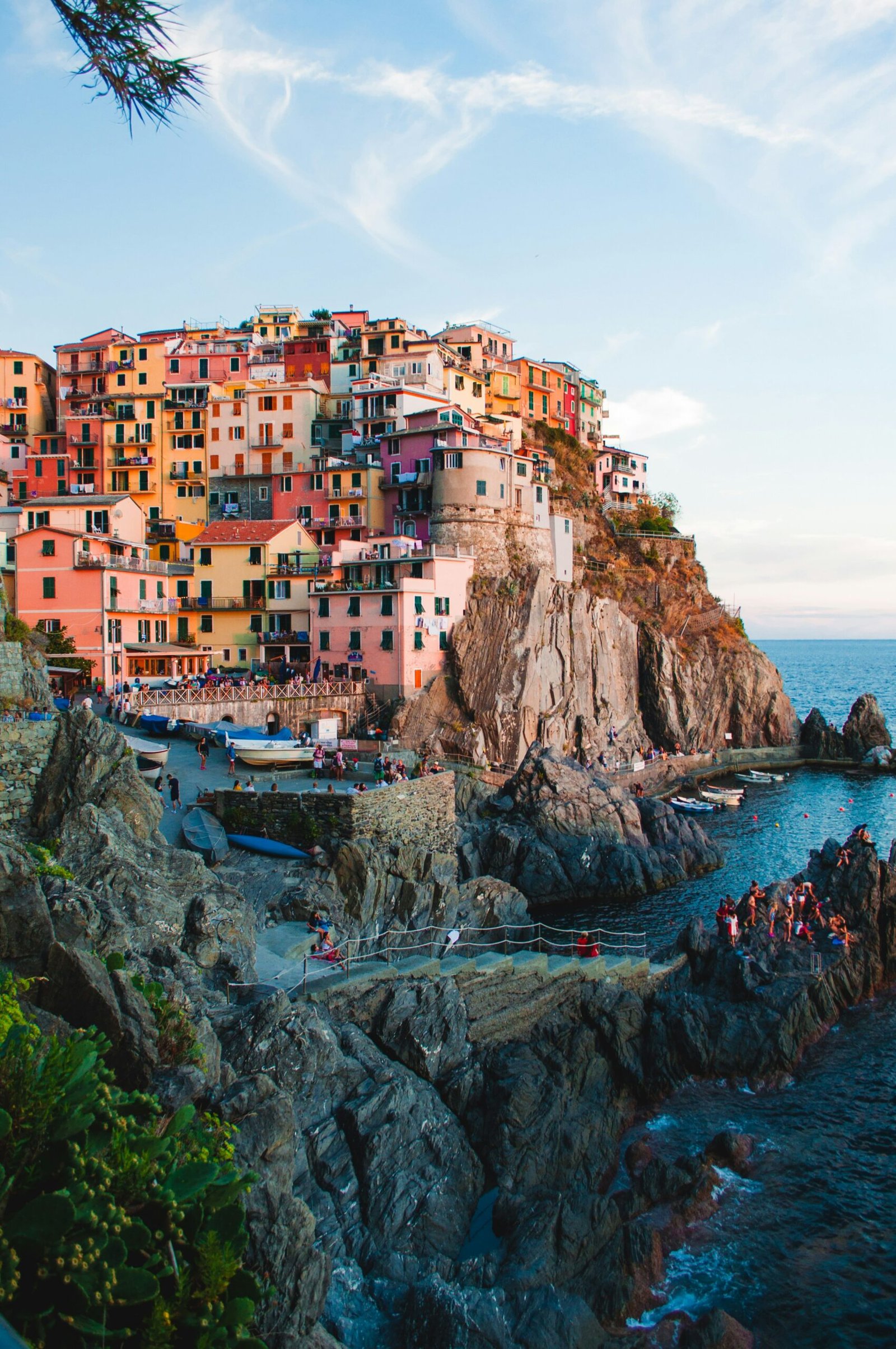


Essaouira is not Marrakech. It does not have the Jemaa el-Fna, the souk energy, the carpet sellers, the theatrical chaos of Morocco’s most touristed city. It is smaller, quieter, and genuinely wind-battered — the alizé trade winds blow almost constantly from the Atlantic, keeping the temperature manageable even in July and producing a quality of light and air that is specific to this stretch of coast.
The story goes that on arrival, Hendrix, accompanied by two friends, hired a limousine and asked the driver to take him to Essaouira, where he stayed in Hotel des Iles, a modest spot just yards from the city’s old town. If the alleged dates are correct — and everything is uncertain when it comes to Hendrix’s time in Morocco — he arrived shortly after the release of Electric Ladyland and shortly before his era-defining performance at Woodstock.
The town he arrived in was, by 1969, already developing a reputation among the European counterculture that would accelerate significantly after his visit. Cat Stevens came here. Frank Zappa too. They were beguiled by the town’s homegrown music, Gnawa — hypnotic, trance-like melodies and call-and-response vocals originally performed by enslaved West Africans as a means of reflective catharsis.
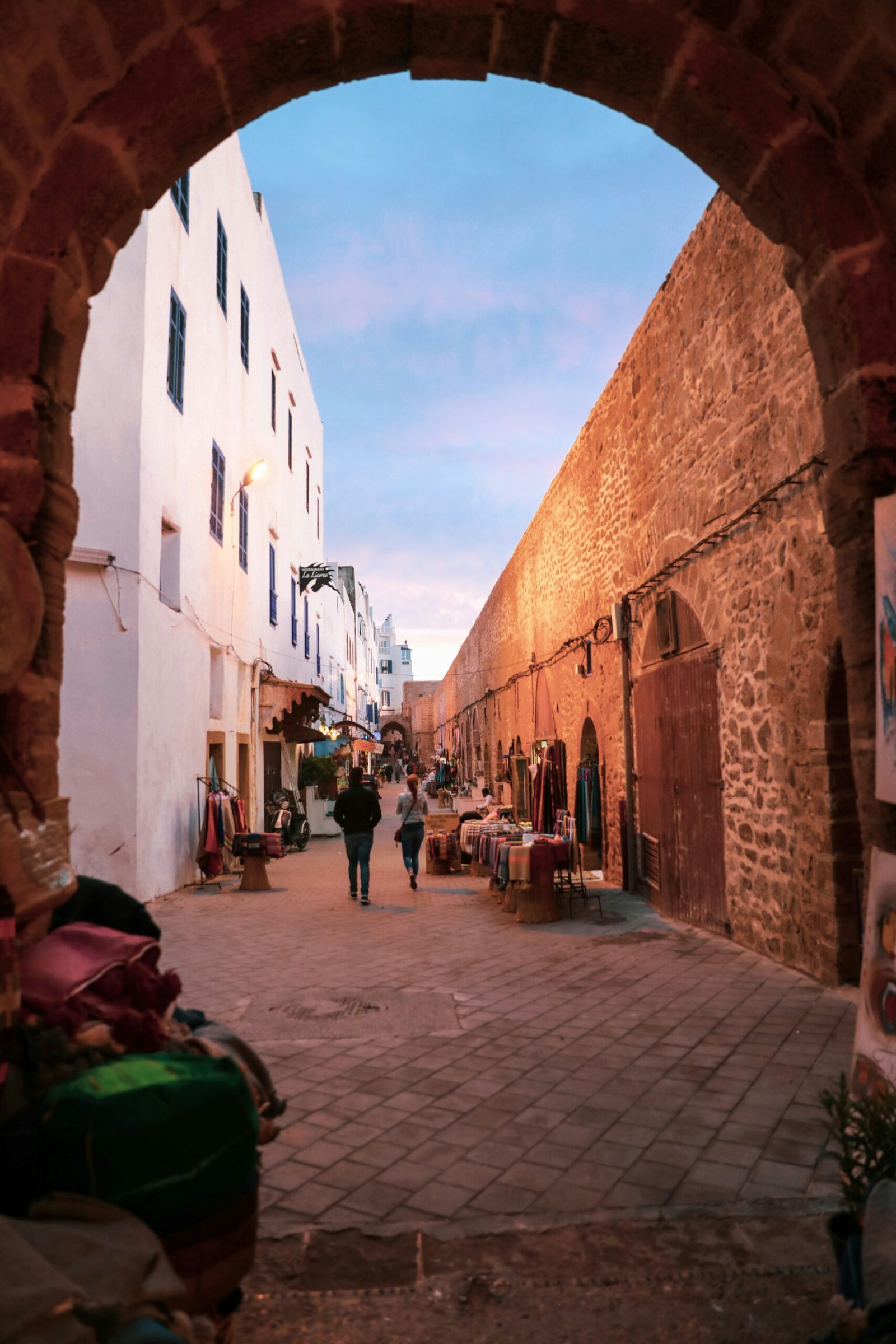
The medina of Essaouira is unusually navigable for a Moroccan old city — the grid layout designed by French architect Théodore Cornut in 1765 means the streets make sense in a way that Fez or the Marrakech medina do not. The whitewashed walls and the blue paint of the window frames and doors, the smell of the Atlantic salt mixed with the spice markets, and the sound of the Gnawa musicians playing in the squares: this is what Hendrix walked into in July 1969.
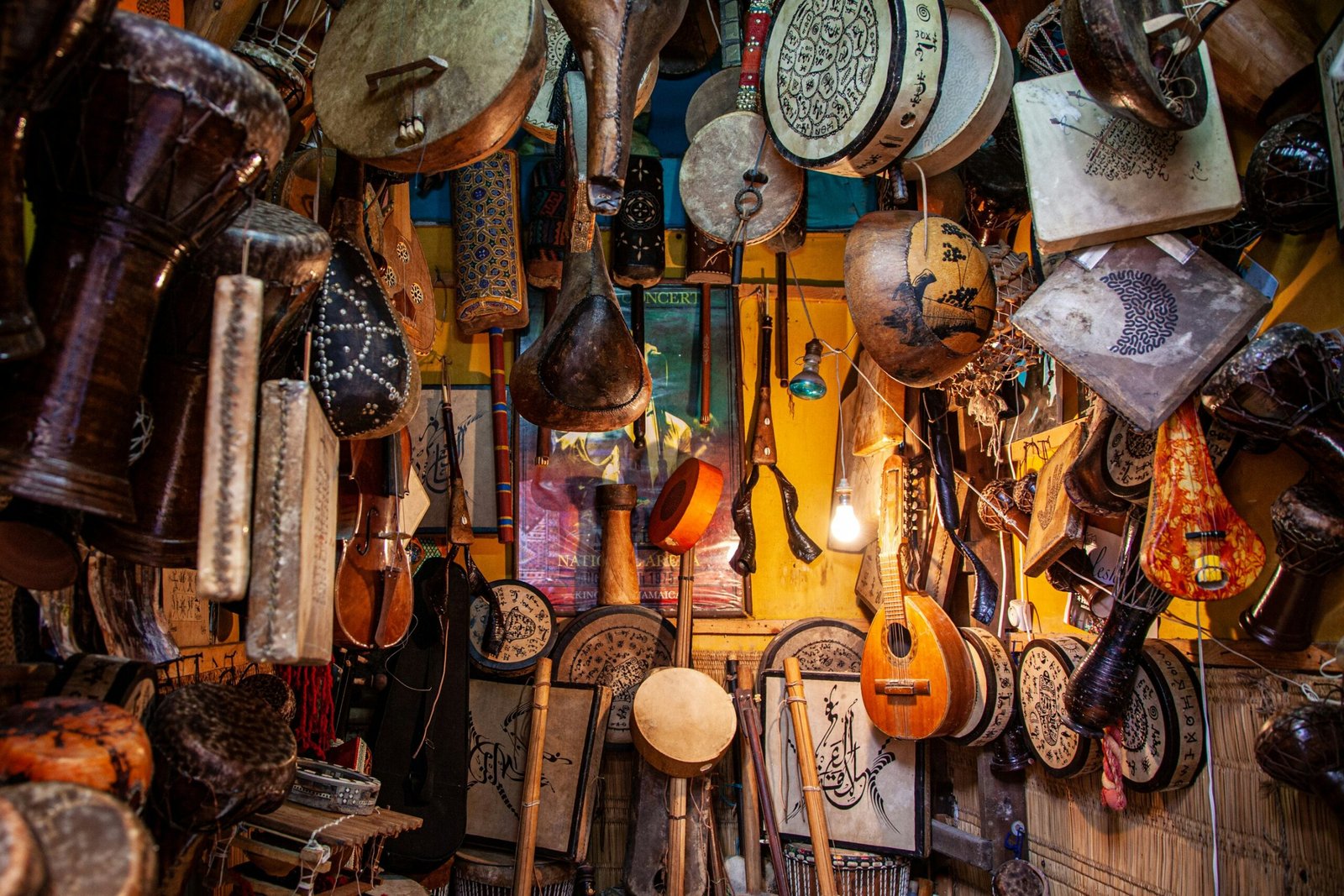
The most significant thing that happened to Hendrix in Essaouira was the music. Or rather, the recognition.
Wandering down lanes laden with the scent of aniseed and cardamom, he would likely have heard the music of Gnawa musicians — armed with their three-string gimbris — drifting between the pale houses, ghostly in their complexity. He may even have paused to ponder how, despite having everything taken from them, enslaved people shipped from sub-Saharan Africa had managed to carry their heritage with them in the weightlessness of song.
This is not a small thing. The Gnawa tradition is one of the most extraordinary examples of cultural survival in the world — a musical and spiritual practice carried across the Sahara by enslaved people from sub-Saharan Africa, maintained through centuries of displacement, and preserved in a form that remains recognisably connected to its origins. The music is trance-inducing by design: the repetitive rhythm of the guembri bass, the metallic percussion of the krakebs, the call-and-response of the chanting are all oriented toward a specific altered state of consciousness used in the Gnawa healing ceremonies (lila).
Gnawa masters like Mahmoud Guinia, known as “The King,” taught Hendrix in Essaouira. The connection between the Gnawa tradition and the blues that Hendrix had grown up with is not metaphorical. Both traditions descend from the same West African musical cultures, carried in different directions by the slave trade — one north across the Sahara to Morocco, one west across the Atlantic to the Americas. Hearing the Gnawa in Essaouira, Hendrix was hearing a cousin of the music he had always played, one that had taken a completely different path to a recognisably related destination.
The problem with Hendrix in Morocco is that the facts are thin and the legends are thick. The town of Essaouira has an obvious interest in maintaining the connection, and the stories that circulate there have been embellished considerably over the decades. It is worth being honest about what is verifiable and what is not.
What is verifiable: Hendrix visited Essaouira in July 1969. He stayed approximately eleven days. He stayed at Hotel des Iles. He was accompanied by friends, not travelling alone. The Gnawa musicians of Essaouira were active in the medina during his visit and he would have encountered their music.
What is legend: The claim that “Castles Made of Sand” was written in or about Essaouira is almost certainly false. Hendrix didn’t even have a guitar when he showed up. And “Castles Made of Sand” was recorded two years earlier. The song predates the Morocco visit by two years. The ruins at Diabat, the village south of Essaouira where locals claim the song was inspired, are a specific and evocative landscape — but the timeline does not support the origin story.
He may have tried to purchase an island off the coast. Locals claim the famous ruins inspired his song Castles Made of Sand. Reports indicate he slept less than three hours each night and never left his hotel — this last claim contradicts almost everything else reported about his time there, and should be treated accordingly.
The honest version: Hendrix came to Essaouira looking for something — rest, distance, inspiration, or simply a place that was not New York or London or the Woodstock stage. He found the Gnawa music, which resonated with something fundamental in his musical identity. He stayed eleven days. There are no photographs. He spoke about Morocco in interviews afterward with genuine warmth. He died fourteen months later.
The impact of Hendrix’s visit on Essaouira has been, paradoxically, larger than the visit itself. The eleven days he spent there have turned into a mythology that has shaped the town’s identity for half a century.
His legend made Essaouira a must-visit detour on the hippie trail in the early 1970s — a place for artsy vagabonds and tie-dye troubadours to absorb exotic culture and avoid the prevailing conservatism of the post-war West. The town that Hendrix found essentially undiscovered became, through the amplification of his brief visit, one of the destinations that defined the counterculture travel circuit of the early 1970s.
More than fifty years since his passing, Jimi Hendrix has found an unusually prominent place in the mythology of this Moroccan seaside city. His image is everywhere and his music is unavoidable. The Café Hendrix near the medina plays his music on loop. The murals in the streets of the old town include his image alongside the Gnawa musicians and the blue-painted doors. His name appears on the tourist maps as a landmark.
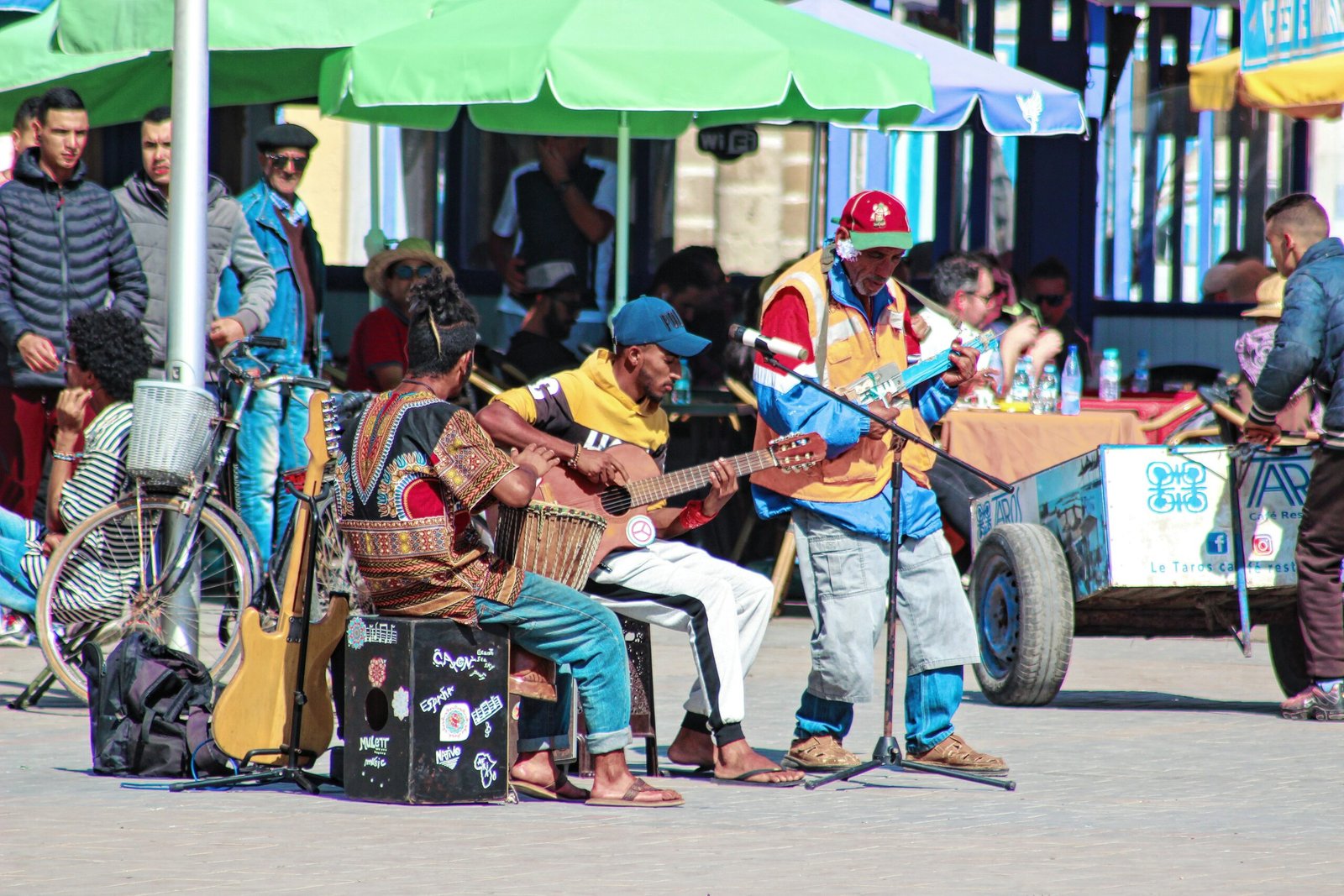
The more significant legacy, though, is what happened to the Gnawa music itself. Hundreds of thousands of music fans visit Morocco each year for the Gnawa and World Music Festival. The Gnaoua World Music Festival in Essaouira — held annually in June — is one of the largest music festivals in Africa, drawing performers from across the world and specifically framed around the connection between Gnawa and the global blues and jazz traditions that share its African roots. Hendrix did not create this connection, but the story of his visit gave it an internationally legible narrative.
The deeper question is not whether Hendrix was changed by Morocco but whether Morocco changes the people who come to it with genuine attention. The evidence suggests it does, and has been doing so for a long time.
The specific quality of Essaouira — the wind, the light, the music, the particular combination of African, Berber, Arab, and Portuguese architectural and cultural influences in a single small Atlantic town — produces something in the people who spend time there that is difficult to describe but easy to recognise. It slows the mental frequency down. It introduces a quality of sensory information — the sound of the guembri through a medina wall, the smell of the argan oil workshops, the feel of the wind off the Atlantic — that has no equivalent in European or American cities.
For a musician at the level of intensity that Hendrix was operating at in 1969, a place that was genuinely foreign, genuinely quiet by his standards, and genuinely connected to the African musical roots of everything he played was not just a holiday. It was a recalibration. Whether or not it produced any specific songs or identifiable musical ideas, it was eleven days in which the noise of his career was replaced by something older and more elemental.
He never came back. He died in London in September 1970, fourteen months after his Essaouira visit. The town he left behind has been telling his story ever since — with embellishments, yes, but also with something genuine at the centre of it.
The music that Hendrix heard in Essaouira in 1969 is still there. The Gnawa tradition, recognised by UNESCO as part of the Intangible Cultural Heritage of Humanity in 2019, continues in Essaouira with the annual festival and in the daily life of the medina. The musicians who play in the squares and the restaurants are part of a tradition that predates Hendrix by centuries and will continue long after the mythology of his visit has faded.
The Gnaoua World Music Festival in June brings that tradition into dialogue with musicians from around the world — jazz, blues, electronic, and everything between — in the specific Essaouira spirit of creative encounter that Hendrix experienced in a smaller and more private form in 1969.
For those who come to Essaouira now specifically because of Hendrix, the most honest advice is to spend less time looking for his ghost and more time listening to the Gnawa. The music is the point. It always was. For those who want to experience this culture more deeply through a structured retreat, our yoga retreats in Essaouira guide covers the programmes that use the town’s specific atmosphere as part of their practice environment.
Your email address will not be published. Required fields are marked *