
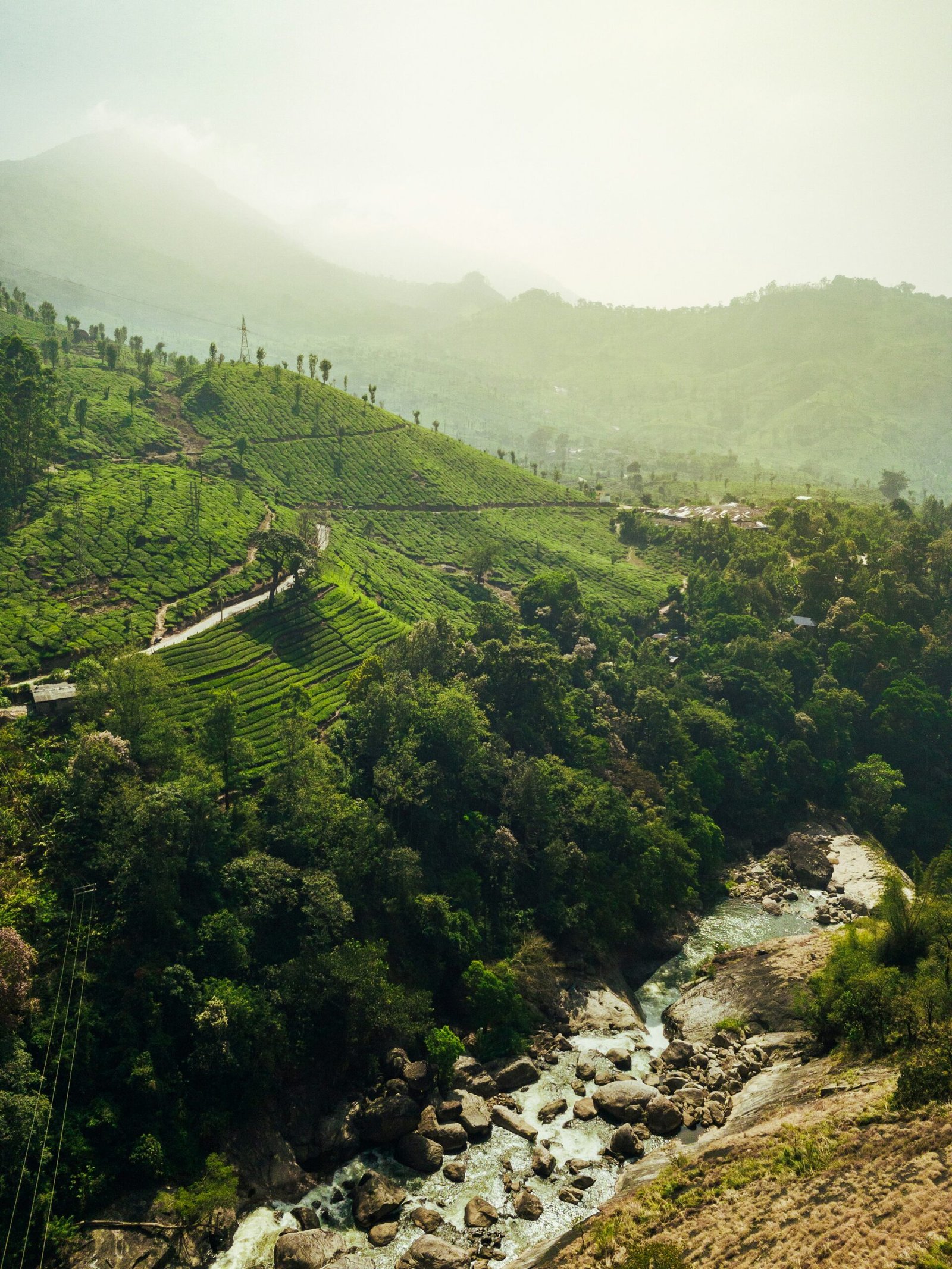
August in India has the monsoon at full depth and three of the most culturally rich festivals of the Indian calendar — Independence Day on August 15th, Janmashtami (the birthday of Lord Krishna), and the Onam preparations in Kerala building toward the harvest festival. The Himalayan retreats are in August at their summer peak. The monsoon India — Kerala, Goa, the Western Ghats — is in August at its most dramatically green. And the cultural calendar produces the most specifically Indian of the August retreat experiences.


August in India is dense with cultural events — the Independence Day civic celebration, the Janmashtami devotional intensity at Mathura and Vrindavan, the Onam preparations in Kerala, the Ganesh Chaturthi approach in Maharashtra, and the Raksha Bandhan domestic festival all occurring within the same monsoon month. The retreat that incorporates one of these events as its cultural anchor produces the most specifically Indian of any August retreat format. And the monsoon landscape in August — the Western Ghats at maximum green, the Ganges at flood, and the rice paddy at the transplanting stage — is India at its most biologically vivid.
Browse our full yoga retreats in India guide for the complete picture of what the country offers year-round. For the global context of August retreat travel, our yoga retreats in August guide covers every destination worth considering this month.
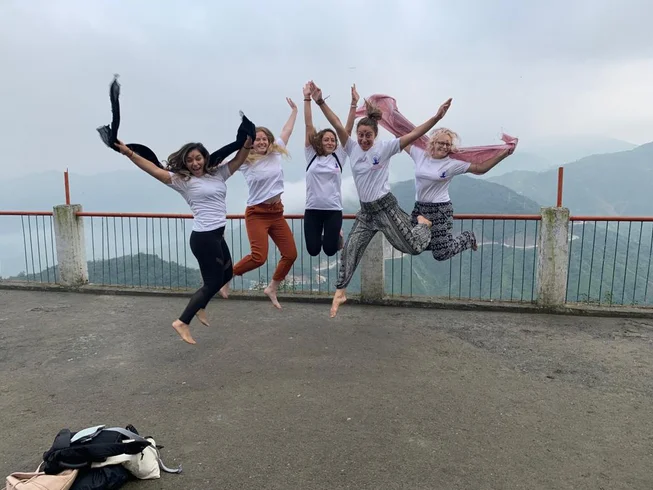
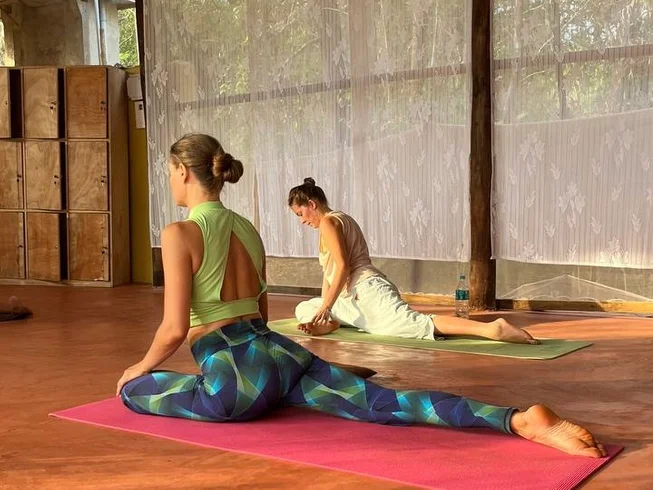
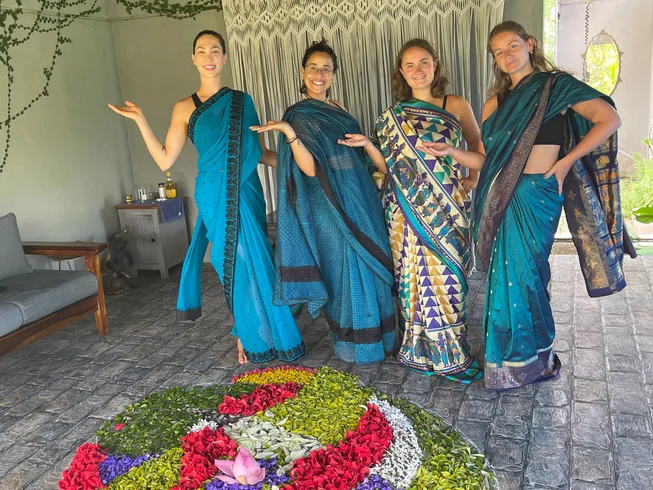
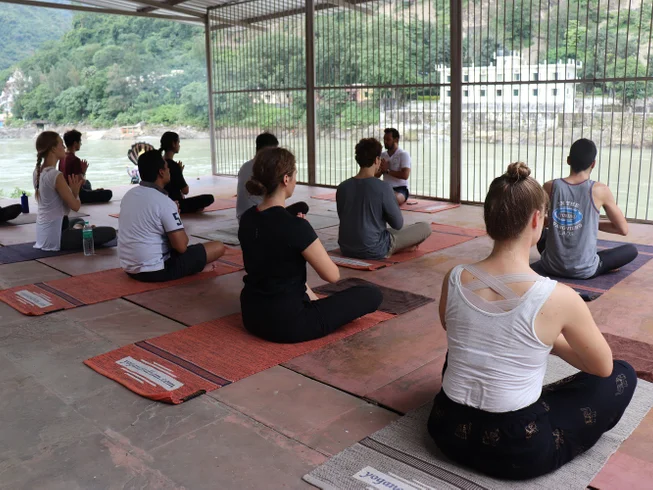
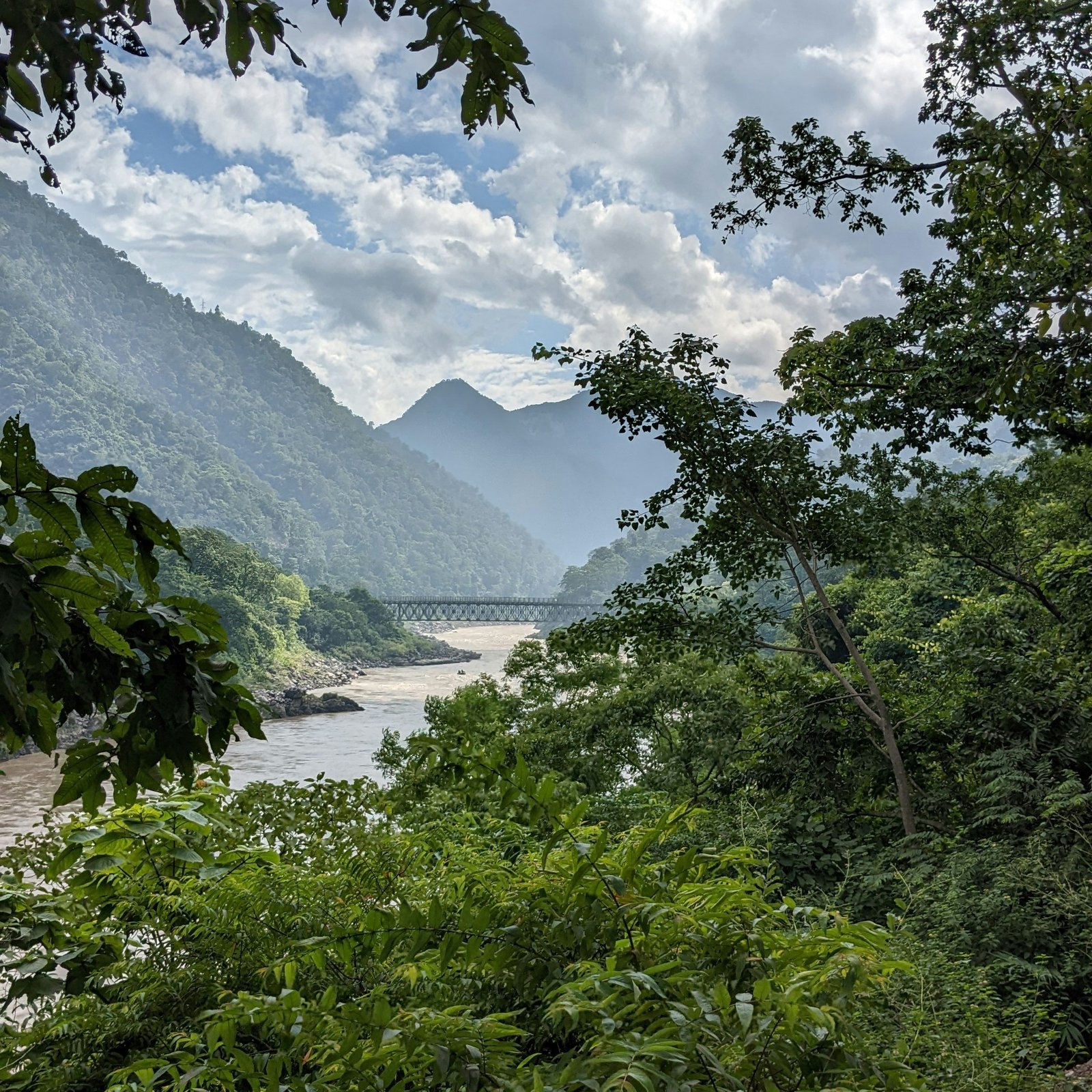
Rishikesh in August is the Ganges at its monsoon flood — the river running fast and powerful, the colour changed from the winter blue-green to the monsoon brown-green of the silt load, and the ghats managing the devotional activity at the river’s edge with the specific awareness of the current. The Janmashtami celebrations at the ISKCON Rishikesh and the Bharat Mata Mandir temples — the midnight birthday celebration of Lord Krishna with the abhishekam at midnight, the bhajans through the night, and the dawn prasad distribution — are in August at the river town’s most devotional.
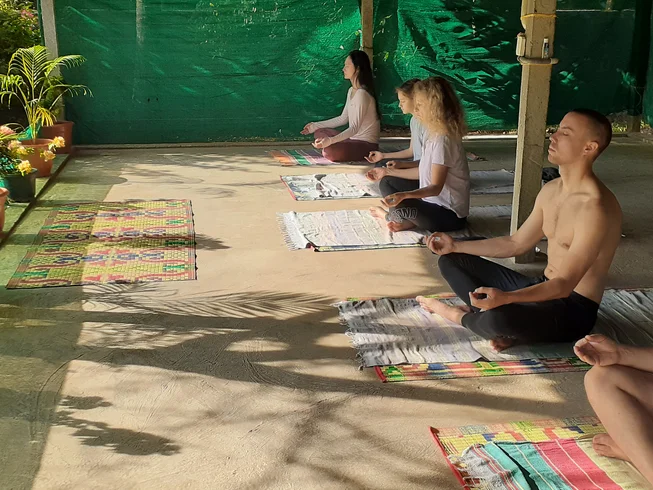
The yoga retreat in Rishikesh in August has the monsoon character that the January version does not — the Himalayan rain on the ashram roof, the Ganges audible at the higher water level from the practice space, and the specific quality of the Uttarakhand monsoon forest (the sal, ashok, and rohini trees in full monsoon leaf) surrounding the ashram compounds. The August practice in the unheated ashram shala, with the rain outside and the pranayama in the humid air, is a specifically different physical practice from the January version.
Vrindavan and Mathura in August are the most specifically intense of any of the Janmashtami destinations — the birthplace of Lord Krishna and the landscape of his childhood at the festival celebrating his birth. The Banke Bihari Temple in Vrindavan on Janmashtami night — the midnight abhishekam of the idol, the temple overflowing with the Braj devotees, and the specific Vaishnava devotional intensity of the Braj community’s relationship with their deity — is the most concentrated single expression of bhakti (devotional) yoga available in India.
The Janmashtami at the Krishna Janmabhoomi in Mathura — the temple complex built at the site of Lord Krishna’s birth — is simultaneously more accessible and more managed than the Vrindavan temple experience. The two are complementary: Mathura for the scale and the civic dimension, Vrindavan for the intimate devotional depth.
Assam — the northeastern Indian state with the Brahmaputra River, the Kaziranga National Park (the most important habitat of the one-horned rhinoceros, with a UNESCO World Heritage designation), and the Kamakhya Temple (the most important Shakti Pitha in India) — is in August in the monsoon, but the specific character of the Assam monsoon landscape — the Brahmaputra at its flood-plain expansion, the tea gardens of the Brahmaputra valley at their most vivid August green, and the rhino in the Kaziranga grasslands visible from the elephant safari — is specifically available only in the August rain season.
The Kamakhya Temple above Guwahati — the tantric Shakti Pitha where the goddess Sati’s womb is believed to have fallen, the most important Shakti temple in the subcontinent — is in August during the Ambubachi Mela (if it falls in June-July) post-festival period, the temple at its regular Tantric ceremonial programme. The Kamakhya tradition is specifically Tantric and specifically northeast Indian — the goddess here is worshipped in her most primal form and the temple’s ritual programme reflects the oldest layer of the Indian goddess tradition.
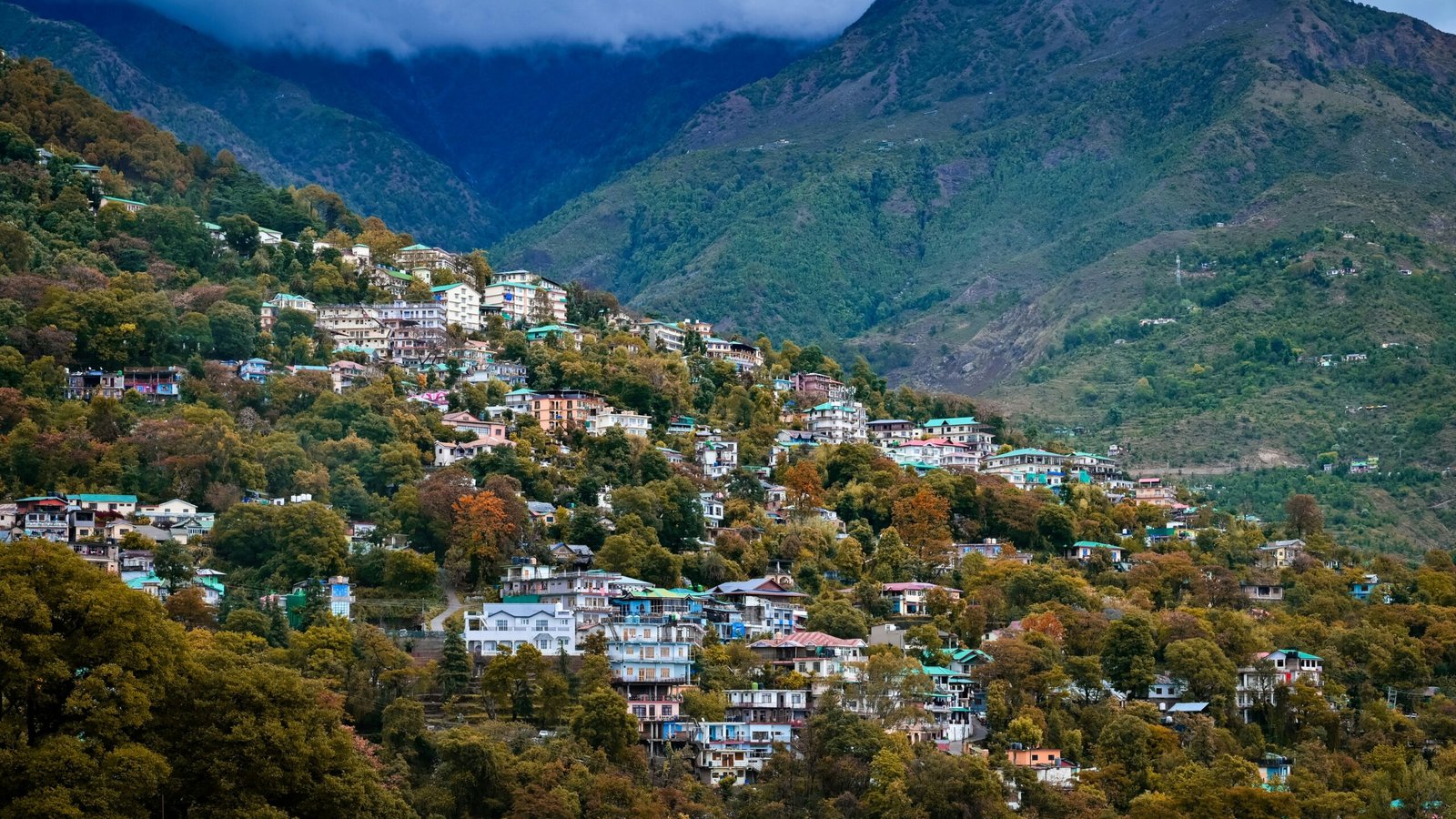
The Kullu-Manali valley — the broad Beas River valley in Himachal Pradesh, with Manali at the valley head and the Rohtang Pass above (open June-October) — is in August in the summer holiday season peak, but the Kullu valley below Manali has the monsoon green of the Himalayan subtropical belt at its most vivid. The Old Manali village (separate from the modern Manali tourist strip, up the Manalsu stream and accessible by a 20-minute walk) has the Hadimba Temple (the 16th-century pagoda temple of the Goddess Hadimba in the cedar forest) and the orchard culture of the Kullu apple farms at the August pre-harvest stage.
The retreat centres in the Old Manali and the Naggar Castle area above the Kullu valley use the cedar forest and the terraced apple orchard landscape alongside the yoga programme — the morning practice in the cedar forest clearing, the afternoon walk through the apple orchards, and the evening in the stone-and-wood Himachali architecture of the guesthouse.
Indian Independence Day — August 15th, commemorating the 1947 independence from British rule — is the most nationally observed civic holiday, with the Prime Minister’s flag-raising at the Red Fort in Delhi (broadcast nationally), the state capital flag-raising ceremonies, and the school and neighbourhood celebrations across the country. In Rishikesh and Haridwar, the Independence Day flag ceremony at the ashrams and the evening aarti with the national songs produce the most specifically spiritual of the civic observances.
Janmashtami — the midnight birthday celebration of Lord Krishna on the eighth day of the dark fortnight of the Bhadrapada month — is in August the most broadly observed of the Vaishnavite festivals. The specific date varies by 1-3 days between the Smarta and the Vaishnava traditions, producing two consecutive celebration days in many areas. The Dahi Handi (the clay pot of curd broken by the human pyramid on the morning after Janmashtami) is the most dramatic public event of the festival and is observed most elaborately in Mumbai and Pune.
Onam — the most important festival of Kerala, celebrating the mythological return of the benevolent King Mahabali — falls in the Malayalam month of Chingam (August-September). The ten-day festival includes the Vallam Kali (snake boat races) on the Pampa river at Alappuzha (Alleppey), the pookkalam flower carpet competition, and the Onam sadya (the most elaborate of the Kerala feast traditions). The Vallam Kali on the Pampa — the 100-oarsman snake boats racing through the backwater channel with the Kerala community assembled on the banks — is the most specifically spectacular of the Kerala cultural events.
Raksha Bandhan — the festival of the sacred thread (rakhi) tied by the sister on the wrist of the brother, with the brother’s pledge of protection in return — is observed across north India in the Shravan full moon. The ritual has the most intimate of the Indian festival dimensions — specifically domestic and family-centred rather than public — and produces the specific warmth of the north Indian August street culture.
The Onam sadya — the traditional Kerala feast served on the banana leaf with the minimum 26 and maximum 64 dishes prescribed by the tradition — is in August (if Onam falls in August rather than September) the most elaborate single meal event in the Indian food calendar. The dishes include the parippu (moong daal with coconut oil and coconut), the sambar (the Kerala version with the Toor daal and the small drumstick), the avial (the mixed vegetable coconut curry), the olan (the white gourd and coconut milk stew), the thoran (the stir-fried vegetable with coconut), the kichadi (the yogurt cucumber relish), the inji puli (the tamarind ginger condiment), and the payasam (with a minimum of three payasam varieties including the ada pradhaman of the rice flakes in coconut milk and jaggery). The sadya is eaten with the right hand from the banana leaf.
The Himalayan trout (the brown trout introduced to the Kullu valley streams in the colonial period and now a specific Himachal Pradesh food culture) — grilled over the wood fire at the riverside restaurants of Naggar and the Solang Nallah valley — is the August Manali food at its most specific. The trout from the Beas and the Kullu valley tributaries in August is at the summer population peak, and the simple preparation (the mountain herb stuffing, the butter basting, the wood fire) at the Himachali dhaba is the most directly seasonal of the hill station food experiences.
The Nehru Trophy Boat Race at Alappuzha (Alleppey) — the most famous of the Onam snake boat races, held on the second Saturday of August on the Punnamada Lake — is the most spectacular single sporting and cultural event in Kerala. The 100-oarsman snake boats (the chundan vallom, reaching 40 metres in length) racing in the backwater channel, with the Kerala crowd assembled on the banks and on viewing boats, produce the most concentrated expression of the Kerala community spirit available in any annual event. The Nehru Trophy requires tickets (purchased months in advance for the main viewing stands); the public riverside viewing is free.
The Banke Bihari Temple on Janmashtami midnight — the temple overflowing with the Braj Vaishnava devotees, the midnight abhishekam at 12am, and the specific bhakti (devotional love) intensity of the community that has worshipped at this temple for centuries — is the most directly intense of all the Janmashtami experiences and the one that the organised tour cannot approach. The Vrindavan temple on Janmashtami night is accessed by the willingness to be in the crowd, to move at the crowd’s pace, and to be present in the devotional context without the observer’s distance.
The Kaziranga elephant safari — the dawn mahout-guided elephant ride through the tall elephant grass of the Central Range of the Kaziranga National Park, specifically to approach the one-horned rhinoceros at grazing distance — is available only in the limited monsoon window when the vehicle jeep safaris are restricted but the elephant safaris continue. The August dawn elephant ride in Kaziranga, with the rhino at 5-10 metres in the tall grass and the Brahmaputra flood plain visible through the grass, is the most specifically extraordinary of the northeast India wildlife experiences.
Rishikesh and the Uttarakhand foothills are in the full monsoon — 24-30°C, heavy afternoon rain, and the Ganges at flood volume. The morning practice before the rain arrives is fully viable.
Vrindavan and Mathura (Uttar Pradesh) are at 28-36°C with heavy monsoon humidity and intermittent rain. The Janmashtami period brings the crowds that make the outdoor temperature feel more intense than the thermometer suggests.
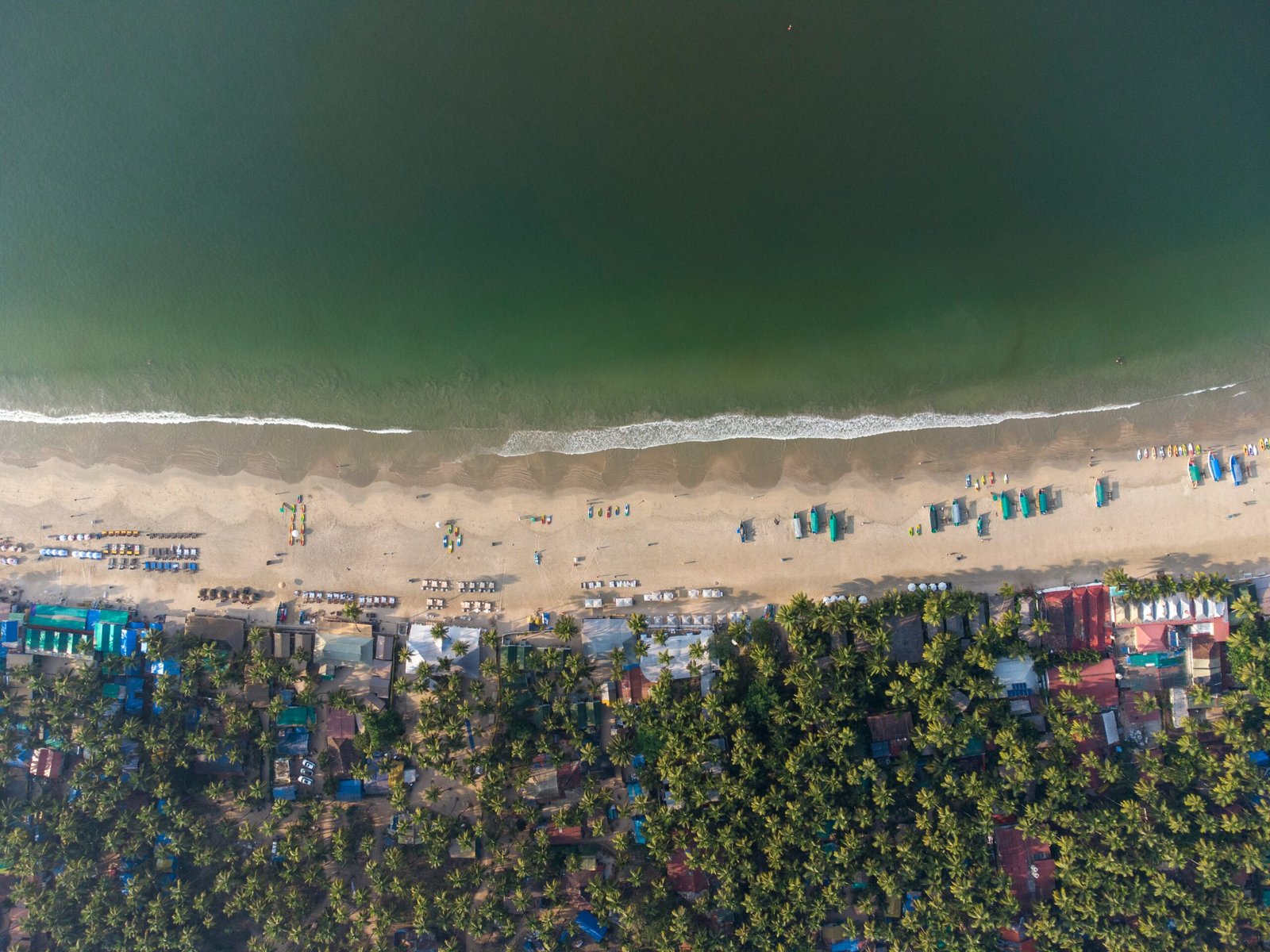
Kerala (backwaters, Varkala, Kovalam) is at 25-29°C with the southwest monsoon at full strength — heavy rain, 85-90% humidity, and the landscape at its most vivid. The Onam preparations visible in the villages.
Manali and Kullu valley are at 15-25°C — the monsoon rain in the valley, the higher passes occasionally closed by the heavy rain. The Old Manali and the apple orchard areas are accessible between rain periods.
Your email address will not be published. Required fields are marked *