

Mumbai: Ganesh Chaturthi Capital
Mumbai in September is at the most communally animated of any city in India during the Ganesh Chaturthi festival — the 10-day celebration that transforms the entire city. The neighbourhood Ganesh pandals (the temporary mandaps housing the Ganesh idol) at every street corner of Mumbai, from the massive public installations of Lalbaug and Girgaum to the intimate neighbourhood idols of the residential streets, produce the most collectively animated of any Indian urban festival experience. The visarjan (the immersion of the Ganesh idol in the sea) on the final day — the processions moving from every neighbourhood toward the Chowpatty Beach and the Juhu Beach simultaneously, the crowd density at the immersion points reaching tens of thousands per beach — is the most dramatic single day of the Mumbai festival calendar.
The yoga retreat in Mumbai in September uses the Ganesh Chaturthi as the cultural evening programme — the neighbourhood pandal visits in the evenings alongside the morning and afternoon practice schedule. The Bandra, Andheri, and Versova studio communities in Mumbai are in September returning to their full programme after the monsoon retreat season.
Kerala: Onam Season
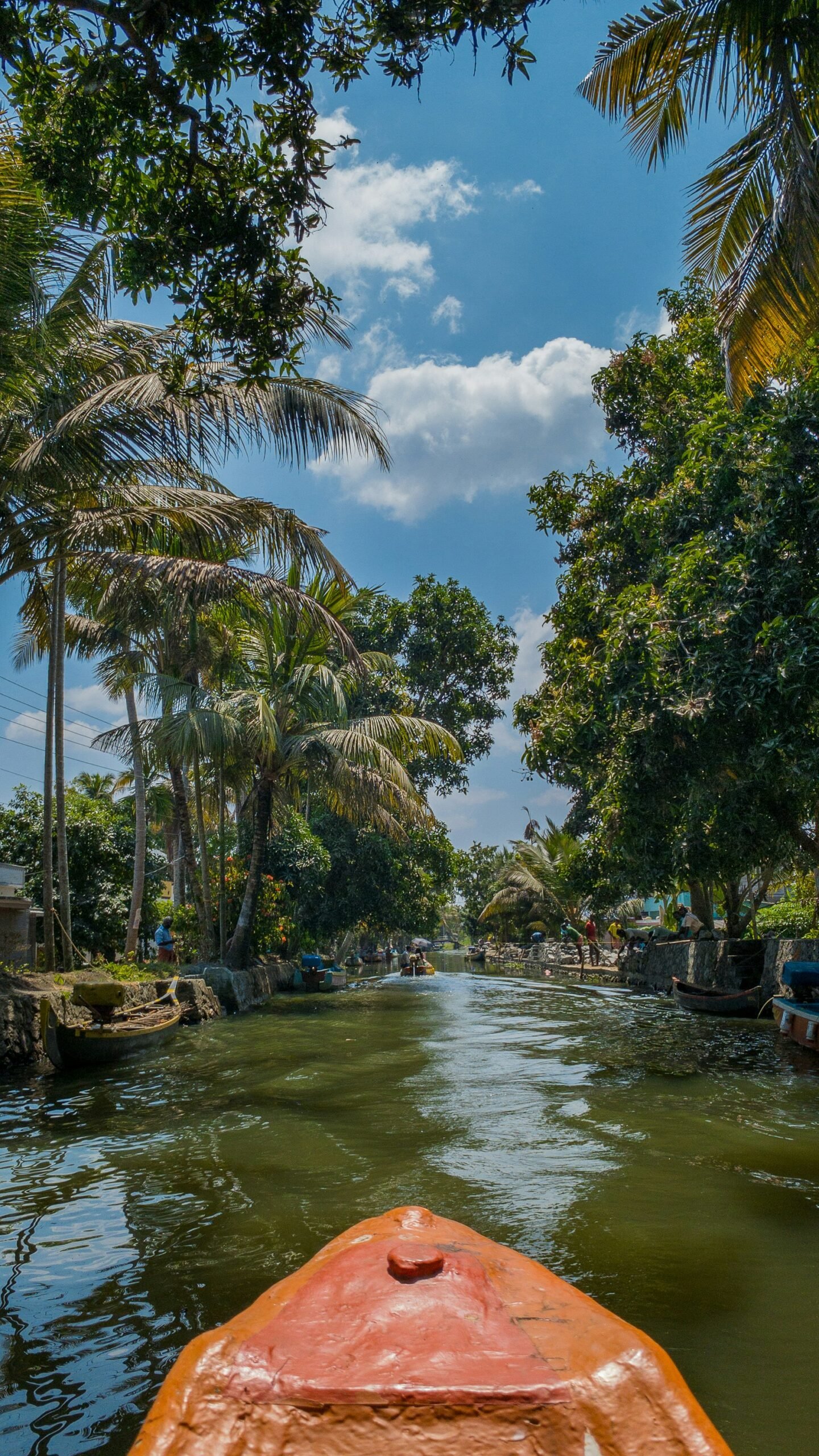
Kerala in September is at the Onam season — the harvest festival (see August guide for the full Onam description if it falls in August) most commonly falls in the last week of August or the first week of September depending on the current year. The Vallam Kali (snake boat races) at Alappuzha and the pookkalam flower carpet competitions in the villages are the most specifically September of the Kerala cultural events when Onam falls in the first September week.
The post-monsoon September Kerala — from approximately September 15th onward — has the specific quality of the landscape at its maximum green while the rains are easing. The Ayurveda treatment season continues through September, the therapeutic conditions still optimal in the post-monsoon humidity. The sea is beginning to calm toward the October pre-dry-season conditions.
Rajasthan: The First Comfortable Month
Rajasthan in September is at the turning point — the monsoon withdrawal from the northwest beginning in the second half of the month, and the temperatures dropping from the brutal pre-monsoon maximum toward the October-November ideal. Jaipur in September is at 28-34°C — still warm but the worst of the summer heat behind, and the September green of the Aravallis from the monsoon rain producing the most unexpected of the Rajasthani landscape variations. The desert in September, after the brief monsoon, has a green carpet that January visitors never see.
The Pushkar lake in September is at its monsoon-replenished maximum level — the ghats descending to the full lake, the pilgrimage activity returning after the monsoon reduction, and the September afternoon light on the white temple facades above the blue lake producing the most specifically photographic of the Pushkar seasonal conditions.
Rishikesh: Post-Monsoon Retreat
Rishikesh in September is at the post-monsoon transition — the Ganges at its September high from the accumulated monsoon and snowmelt, the surrounding forest at maximum green, and the ashram community returning to its full programme as the rains ease. The September Rishikesh retreat has the most specifically atmospheric of any month — the river at high water, the sal forest above the town at its most vivid, and the evening aarti with the September light on the Ganges producing the most dramatically lit of the annual aarti season.