
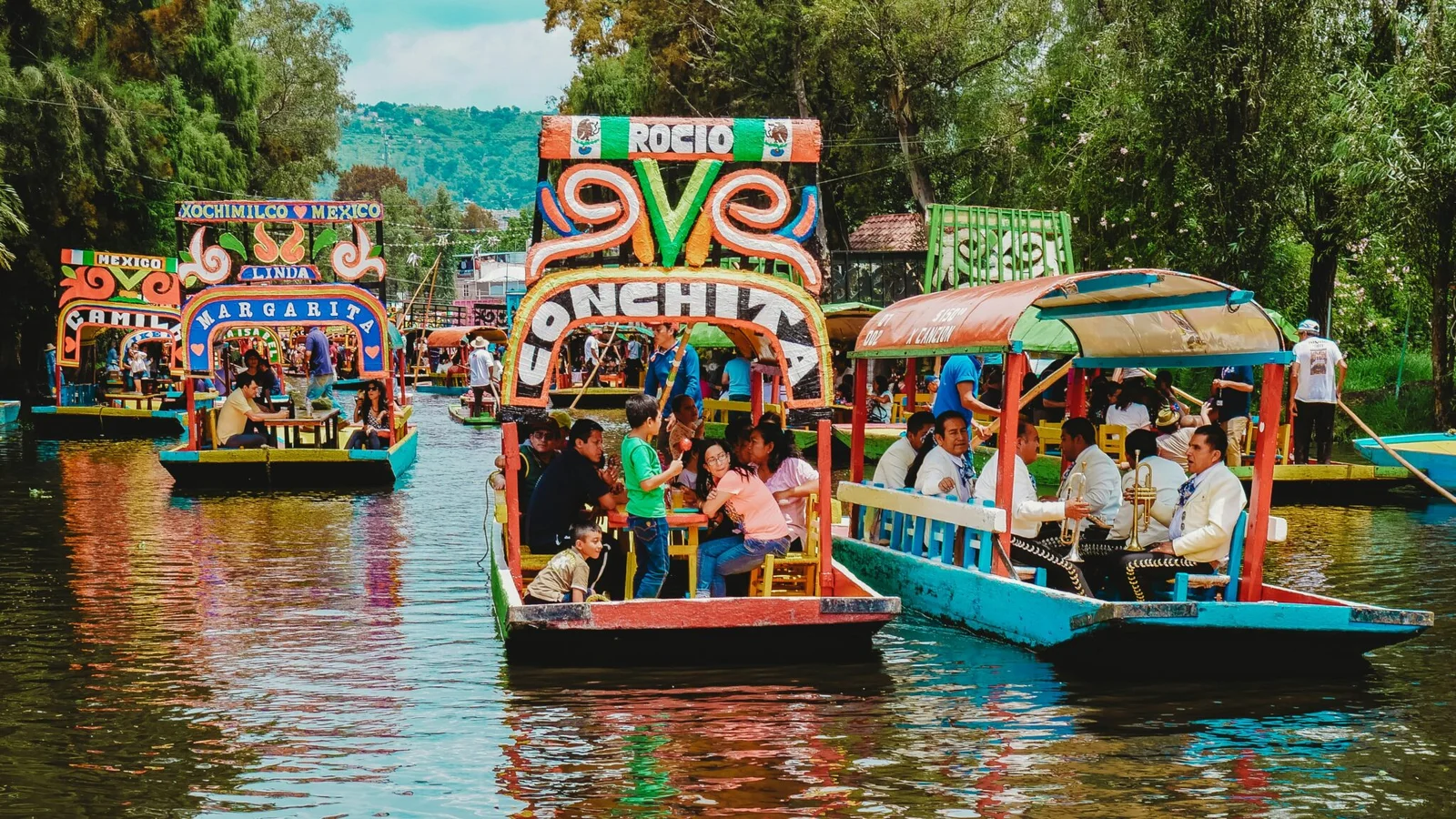
November 1-2nd is the Día de Muertos — the most internationally recognised Mexican cultural tradition, when the cemeteries fill with candlelight and marigolds and the families spend the night with their dead. A yoga retreat in Mexico in November either centres on this event or deliberately works around it.
The monarch butterfly colonies in Michoacán are at their maximum density. The Pacific coast and the Yucatán are opening their dry seasons. November is one of the most culturally specific months in the Mexican calendar.


November 1-2nd in Mexico is not a performance for tourists — it is a living cultural tradition in which the families of every Mexican community prepare the ofrenda altar, cook the food the deceased enjoyed in life, and spend the night of November 1st in the cemetery with the belief that the dead return annually for this specific window. The marigold path from the door to the altar guides the spirits home; the copal incense purifies the path; the candles light the way. The retreat that engages with this tradition honestly — rather than as spectacle — is in November providing access to the most distinctive of Mexican cultural practices.
Browse our full yoga retreats in Mexico guide for the complete picture of what the country offers year-round. For the global context of November retreat travel, our yoga retreats in November guide covers every destination worth considering this month.

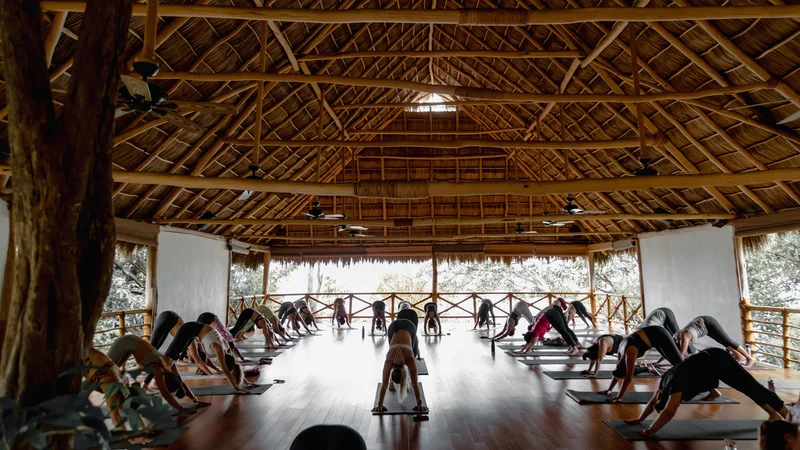
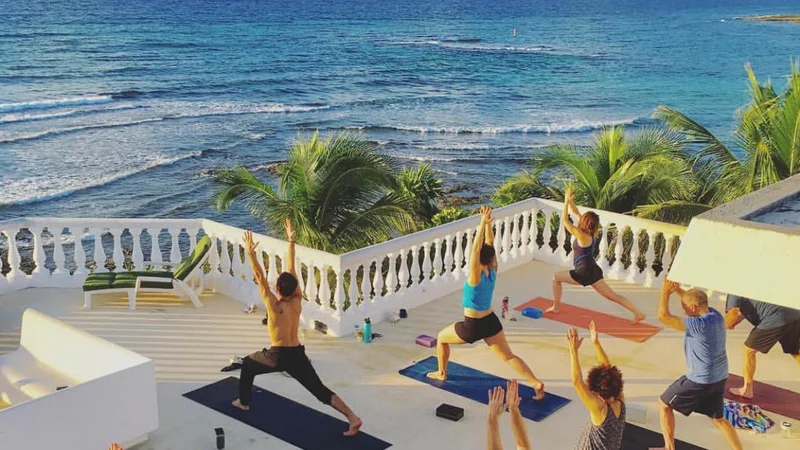
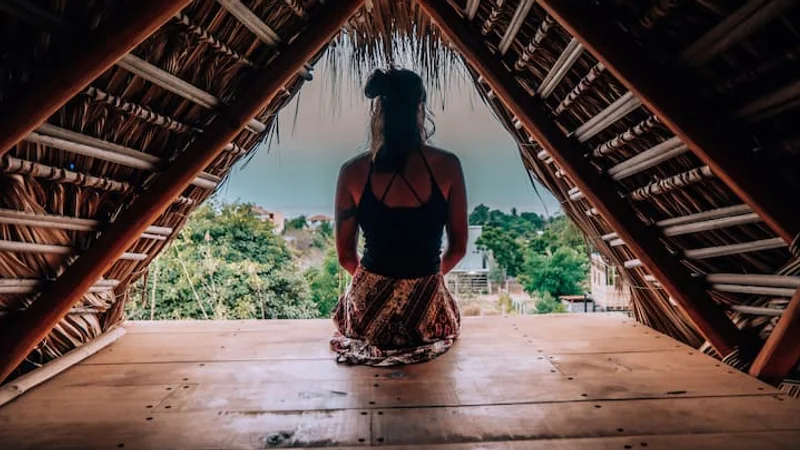
Janitzio — the island in the centre of Lake Pátzcuaro in Michoacán, accessible by boat from the Pátzcuaro pier — is on the night of November 1st the most visually extraordinary cemetery in Mexico: the Purépecha families arriving by boat through the darkness, the grave markers illuminated by hundreds of candles, the marigold decorations covering every surface, and the families maintaining the all-night vigil in silence alongside the graves of their relatives. The Purépecha Night of the Dead is the most pre-Columbian of the Mexican Day of the Dead traditions — the Catholic feast of All Souls Day providing the formal calendar date for a practice that predates Christianity in this community by centuries.
For retreat guests, the Janitzio night requires the boat from the Pátzcuaro pier (the last public boats depart around 9pm, private boats available throughout the night), the respectful awareness that this is a family observance rather than a public event (cameras discouraged, silence expected), and the physical preparation for a night outdoors in the November highland air at 12-15°C. The retreat centre that prepares its participants for the cultural and physical context of the Janitzio night — and that provides the warm layers, the torches, and the early morning return boat — is offering the most specifically Mexican retreat experience available in any month.
Oaxaca on November 1-2nd has a different character from the Purépecha tradition — more festive, more public, and more explicitly celebratory than the solemn Janitzio vigil. The calenda processions (the Oaxacan street celebrations with the giant papier-mâché figures, the brass bands, and the mezcal) move through the city on the evenings of October 31st and November 1st. The Pantheon General and the cemetery of Xoxocotlán outside the city are on November 1-2nd transformed by the ofrenda construction — the grave markers covered in cempasúchil, the families present with food and mezcal, and the atmosphere combining grief, celebration, and the specific Oaxacan festive intensity that the calenda tradition produces.
The ofrenda competitions in the Oaxacan neighbourhoods — the elaborate community altars judged for their creativity and their faithfulness to the tradition — are in the last days of October and the first days of November at their most accessible. For retreat guests, the neighbourhood ofrenda visits (the street-level altars visible from the public footpath) are more intimate and more genuine than the organised cemetery tours that the November tourist infrastructure provides.
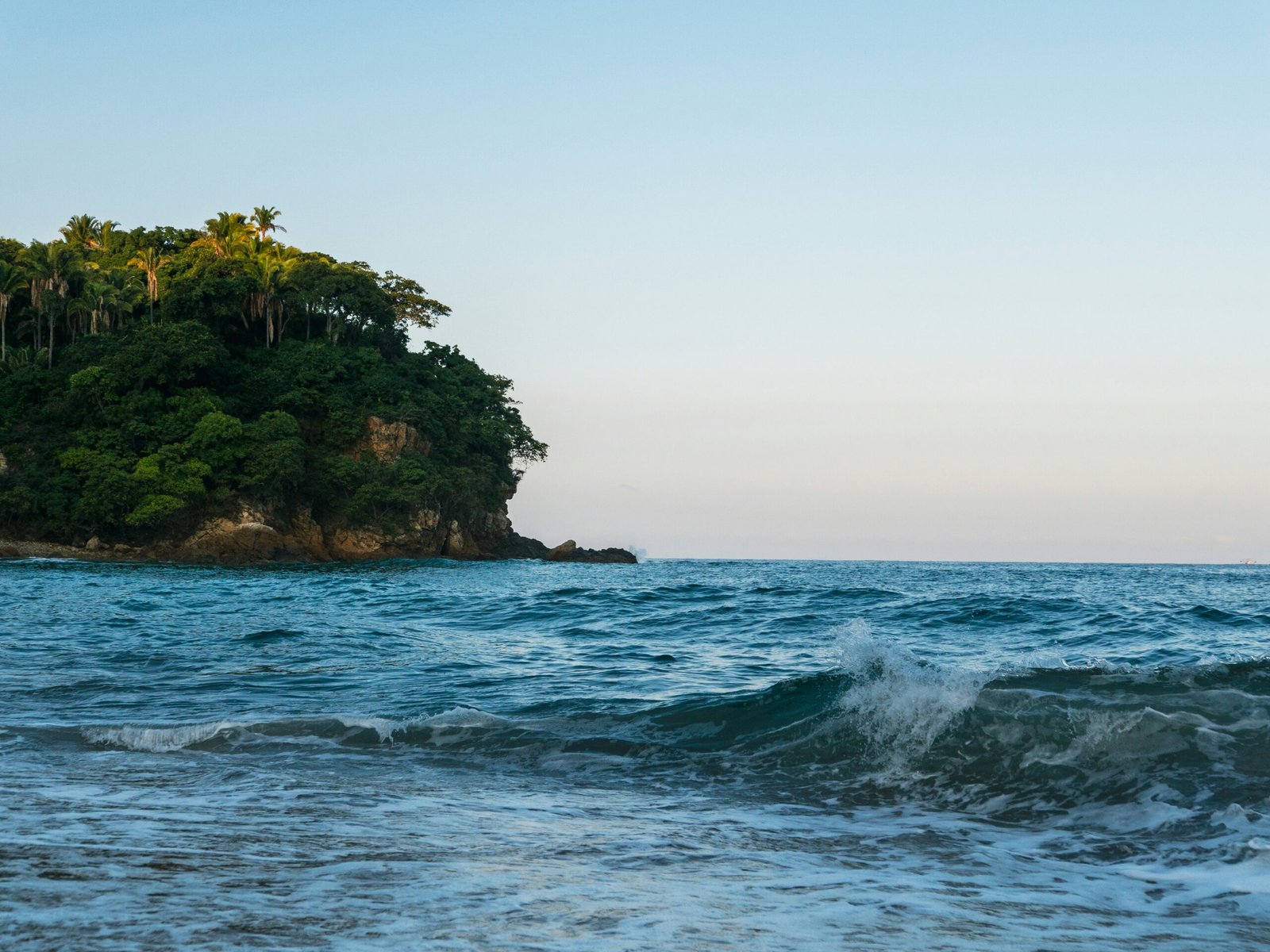
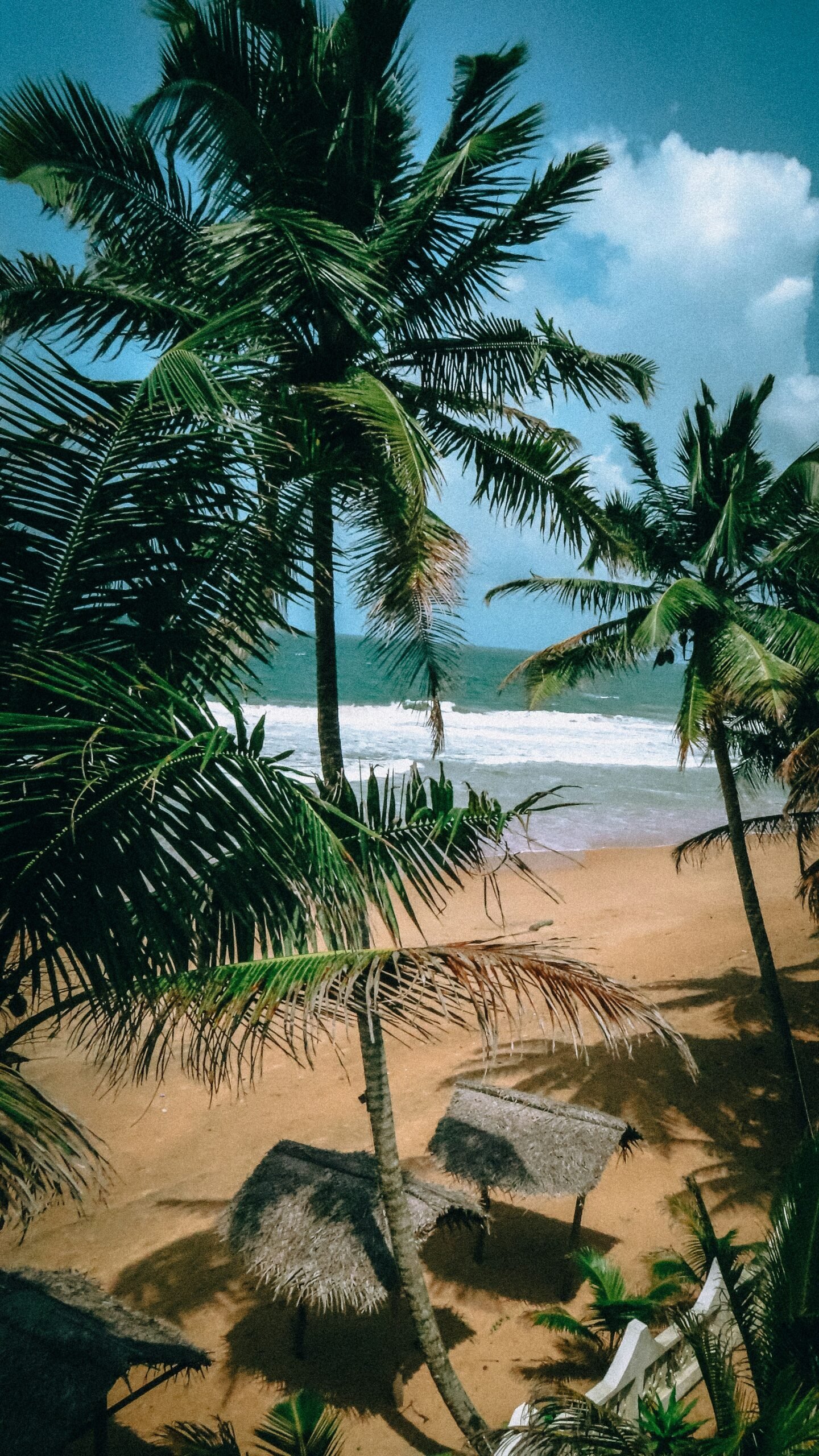
Puerto Vallarta in November is seeing the dry season return — the daily afternoon rains that have structured the resort’s schedule since June ending in late October or early November, the sea clearing to its dry season visibility, and the humpback whales arriving in Banderas Bay for their November through March winter residency. The whale watching season from Puerto Vallarta opens in November — the humpback whale arrival from their North Pacific summer feeding grounds producing the first sightings of the season from the bay.
The Sayulita and San Pancho communities north of Puerto Vallarta in Nayarit are in November transitioning from the green season surf culture to the dry season retreat culture — the prices adjusting upward from the summer lows, the retreat infrastructure coming back to its dry season full operation, and the surf breaks of the Nayarit coast producing the northwest swell that the winter Pacific generates rather than the south swell of summer. The November Sayulita has the specific quality of a community at the turn of its season: the summer teachers and surfers still present, the dry season visitors beginning to arrive, and the village at its most socially animated before the full tourist density of January.
The monarch butterfly colonies in the Sierra Chincua and El Rosario sanctuaries of Michoacán are in November at their maximum density — the full overwintering population having arrived from Canada and the northern US, the oyamel fir trees covered in the orange-and-black clusters of millions of butterflies in the most extraordinary natural aggregation available in Mexico at any time of year. The El Rosario sanctuary is the most visited and the most accessible — the path through the forest to the colony site is a 2-kilometre walk at 3,000 metres altitude, and the colony is visible from the observation area as an orange canopy above the fir trees, the sound of the butterfly wings audible as a collective rustling.
The Sierra Chincua sanctuary is less visited and requires a longer walk or horseback ride from the entrance — the colony here is smaller than El Rosario but the encounter is more intimate, the tourist management less regulated, and the specific quality of the high-altitude oyamel forest more visible without the El Rosario crowd.
November 1st (All Saints’ Day, Día de Todos Santos, when the spirits of children return) and November 2nd (All Souls’ Day, Día de Muertos, when the spirits of adults return) are the two days of the Mexican Día de Muertos — the specific dates determined by the Catholic calendar, the observances rooted in pre-Columbian practice. The two days have different characters in different Mexican communities: in Oaxaca, the calenda and the cemetery visits emphasise the celebratory dimension; in Pátzcuaro and Janitzio, the silent night vigil emphasises the contemplative dimension; in Mexico City, the public altars and the Avenida Reforma parade (a recent addition, inspired partly by the James Bond film Spectre) emphasise the civic dimension.
For retreat guests, the choice of community matters more than the choice of activity — the Día de Muertos experienced in a small Mexican town where the families know each other and the tradition is maintained for its own sake is categorically different from the same dates in a tourist destination where the tradition is performed for observers.
The Morelia International Film Festival — one of the most important Latin American film festivals, focused on Mexican and Spanish-language cinema — takes place in Morelia in the first two weeks of November. The festival uses the colonial city’s theatres and the open-air screenings at the aqueduct and the plaza as venues, and the November Morelia atmosphere of a city hosting an international cultural event alongside the Day of the Dead preparations produces a specifically November Michoacán quality.
Pan de muerto continues through November — the bakeries producing it through November 2nd before retiring it for the year. The November pan de muerto has the specific character of the end of the season: the bakers at their most practiced, the anise and orange blossom flavouring at full integration, and the bread available at every market and corner bakery simultaneously. At a Oaxacan bakery in the first days of November, the pan de yema (with the egg yolk crumb) alongside the standard pan de muerto is the most specifically Oaxacan version of the tradition.
The ponche navideño — the hot fruit punch of the Mexican Christmas season, simmered from tejocotes, guavas, prunes, tamarind, sugar cane, and cinnamon — begins appearing at the hot drinks stalls from November in some parts of Mexico, particularly in the central highland states. The ponche is the transitional drink between the Day of the Dead season and the Christmas season — the tejocote fruit that appears in October for the ofrendas reappearing in November in the ponche pot. At a retreat kitchen in November Oaxaca or Puebla that makes fresh ponche from the market tejocotes, the drink is the most specifically seasonal warm beverage of the month.
The mole amarillo — the most versatile of the seven Oaxacan moles, made from the chile amarillo (the fresh yellow-green chile that is specific to Oaxaca), the tomato, and the chepiche herb — is in November at its most available at the Oaxacan market comedores. The mole amarillo season follows the chepiche availability — the herb at its November freshness producing the specific herbaceous note that distinguishes the amarillo from the other six moles. At a Oaxacan market comedor in November, the caldillo de amarillo (the soup version of the mole with the masa dumplings) is the most specifically November Oaxacan dish.
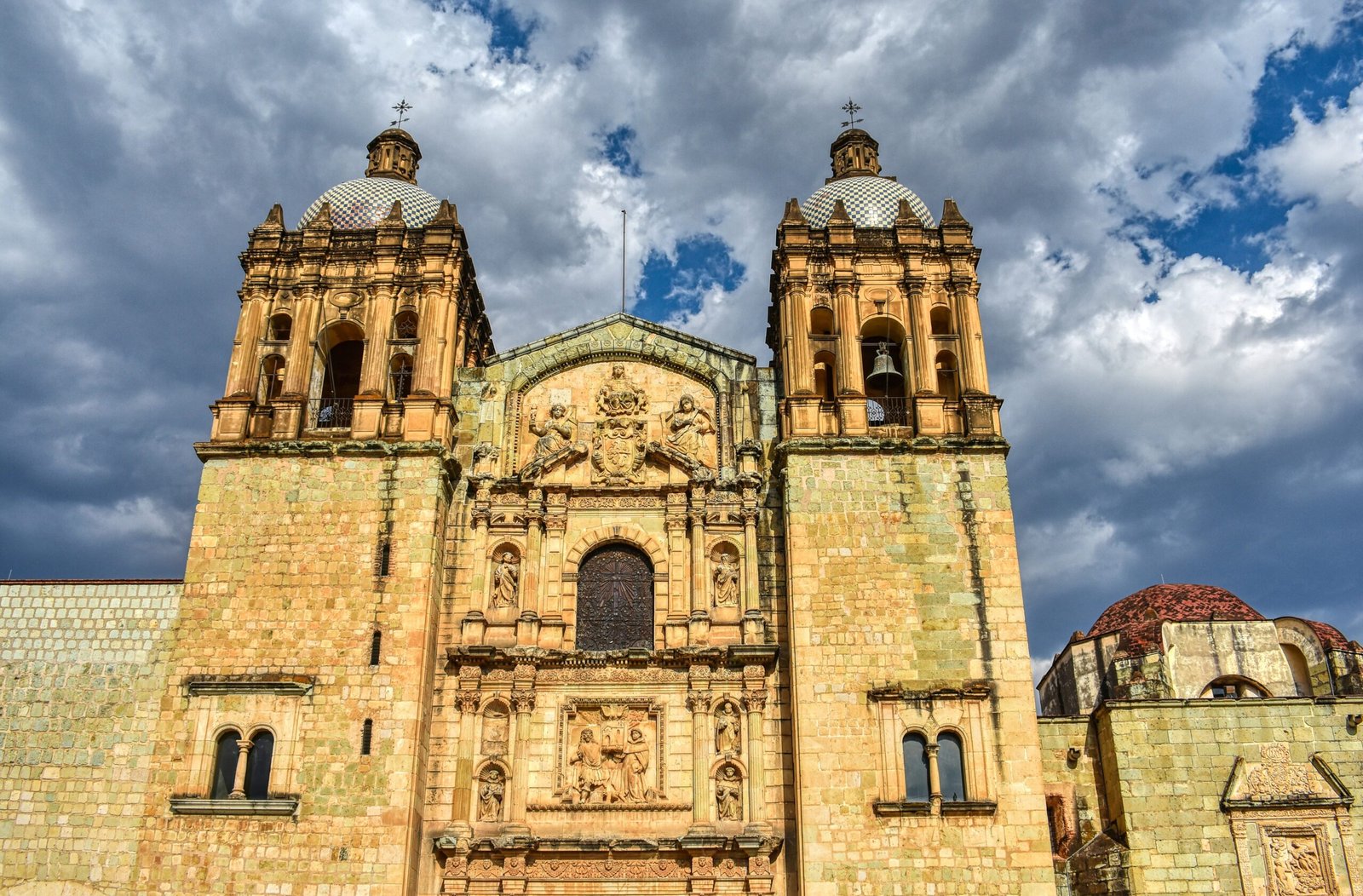
The November 1-2 cemetery visit in whatever Mexican community the retreat is based — from the Janitzio night vigil to the Oaxacan Xoxocotlán family cemetery to the neighbourhood pantheon of a small Mexican highland town — is the November retreat activity that requires the most cultural preparation and produces the most culturally specific experience. The retreat that briefs participants on the tradition’s meaning before the visit, accompanies them with a local guide who can navigate the cultural protocols, and provides the time afterward to process the experience is using the Día de Muertos in the way the tradition rewards.
The El Rosario monarch butterfly colony visit in November — the peak density, the orange canopy above the oyamel firs, the collective wing sound audible from the observation path — is the November Michoacán experience with no equivalent in any other country or any other month. The visit requires the early morning departure from the base (the butterflies are most active in the warming morning sun, the flight most dramatic from 10am to noon), the 2-kilometre walk at 3,000 metres, and the awareness that the colony is in a constant state of movement — the butterflies landing and flying in the hundreds of thousands simultaneously.
The humpback whale watching from Banderas Bay opens in November — the first sightings of the season as the whales arrive from their North Pacific summer feeding grounds. The November sightings are the first encounters of the season: fewer whales than January and February, but the specific quality of first-of-season encounters that the December through March peak cannot replicate. The Puerto Vallarta whale watching boats run their November tours from the Marina Vallarta pier, the bay large enough (42 kilometres across) that the whale encounters occur at a respectful distance from the town.
Your email address will not be published. Required fields are marked *