
December in Mexico is the posadas — nine nights of candlelit processions and the breaking of the piñata that run from December 16th through Christmas Eve, re-enacting the journey of Mary and Joseph seeking shelter in Bethlehem. The Pacific coast and the Yucatán are in full dry season. Oaxaca has the Noche de Rábanos on December 23rd — the most specifically Oaxacan event of the year.
And the New Year retreat culture on the Riviera Maya and the Pacific coast brings the international wellness community to Mexico for the year’s turning. A yoga retreat in Mexico in December has the most festive calendar of the year alongside the best weather of the country.


December is when Mexico is simultaneously at its most festive and its most climatically accessible. The Pacific coast, the Yucatán, and the highland cities are all in the dry season — the rains that have structured the landscape since June are gone, the temperatures ideal, and the cultural calendar producing the most specifically Mexican Christmas traditions in the world. The posadas, the Noche de Rábanos, the Christmas markets of the highland colonial cities, and the New Year celebrations on the coasts give December a cultural richness that rewards those who engage with it rather than simply using Mexico as a warm-weather backdrop.
Browse our full yoga retreats in Mexico guide for the complete picture of what the country offers year-round. For the global context of December retreat travel, our yoga retreats in December guide covers every destination worth considering this month.

San Miguel de Allende in December is the most elaborately festive of the Mexican colonial cities — the Las Posadas processions filling the cobblestone streets from December 16th through Christmas Eve, the Parroquia illuminated against the December night sky, and the Christmas market at the Jardín Principal producing the most photogenic version of the Mexican holiday culture. The posada tradition — the nine nights of candlelit procession in which the participants re-enact Mary and Joseph’s search for shelter, the procession moving from house to house until the final door opens and the celebration begins — is in San Miguel observed with an intensity that the international expatriate community (the largest in Mexico) and the Mexican Catholic tradition combine to produce.
The San Miguel de Allende artisan market in December has the most elaborate pre-Christmas production of the year — the Otomí textile artists of the surrounding communities, the tin work specialists of the Colonias, and the talavera and majolica ceramicists producing their December best alongside the seasonal confectionery and the posada-specific decorations. The piñata — the star-shaped papier-mâché figure filled with small fruits and candy, broken by the blindfolded participant at the climax of each posada — is in December available at every market stall in its traditional seven-point form and in the increasingly elaborate custom shapes that the December artisan market produces.
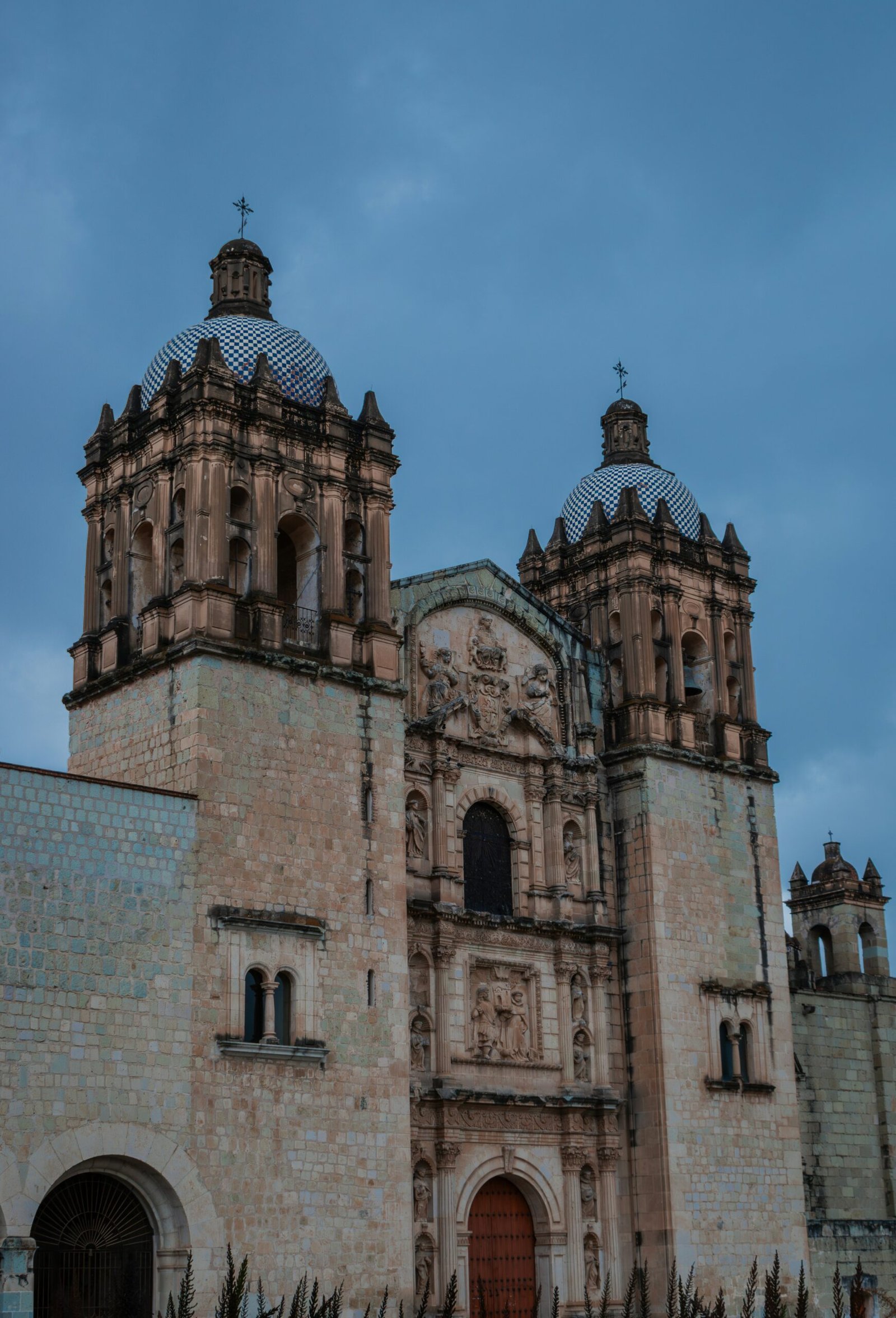
Oaxaca city on December 23rd has the Noche de Rábanos (Night of the Radishes) — the most specifically Oaxacan event in the calendar, in which the artisans carve elaborate scenes from giant radishes and display them in competition at the Zócalo. The tradition began in the colonial period when vendors used the large Oaxacan radishes to attract buyers to their Christmas market stalls; the carvings have evolved over centuries into elaborate diorama scenes from Mexican history, the Nativity, and the Oaxacan cultural traditions, with the largest specimens reaching 50 centimetres in length.
The Noche de Rábanos is specifically December 23rd — the display runs from late afternoon through the evening, with the judging occurring in the early evening and the public viewing from the afternoon through midnight. The crowds at the Zócalo on December 23rd are the largest of the Oaxacan year, but the spectacle of hundreds of radish sculptures arranged around the Zócalo perimeter in the December evening is the most uniquely Oaxacan visual experience available in any month.
The Oaxacan December market is the most abundant of the year — the buñuelos (the thin crispy fried dough discs dusted with sugar that the Oaxacan Christmas tradition requires, traditionally eaten from earthenware bowls that are smashed afterward for good luck), the tejate at the market stalls, and the mezcal distilleries in Matatlán and Miahuatlán releasing their Christmas production create a specifically December Oaxacan food culture.
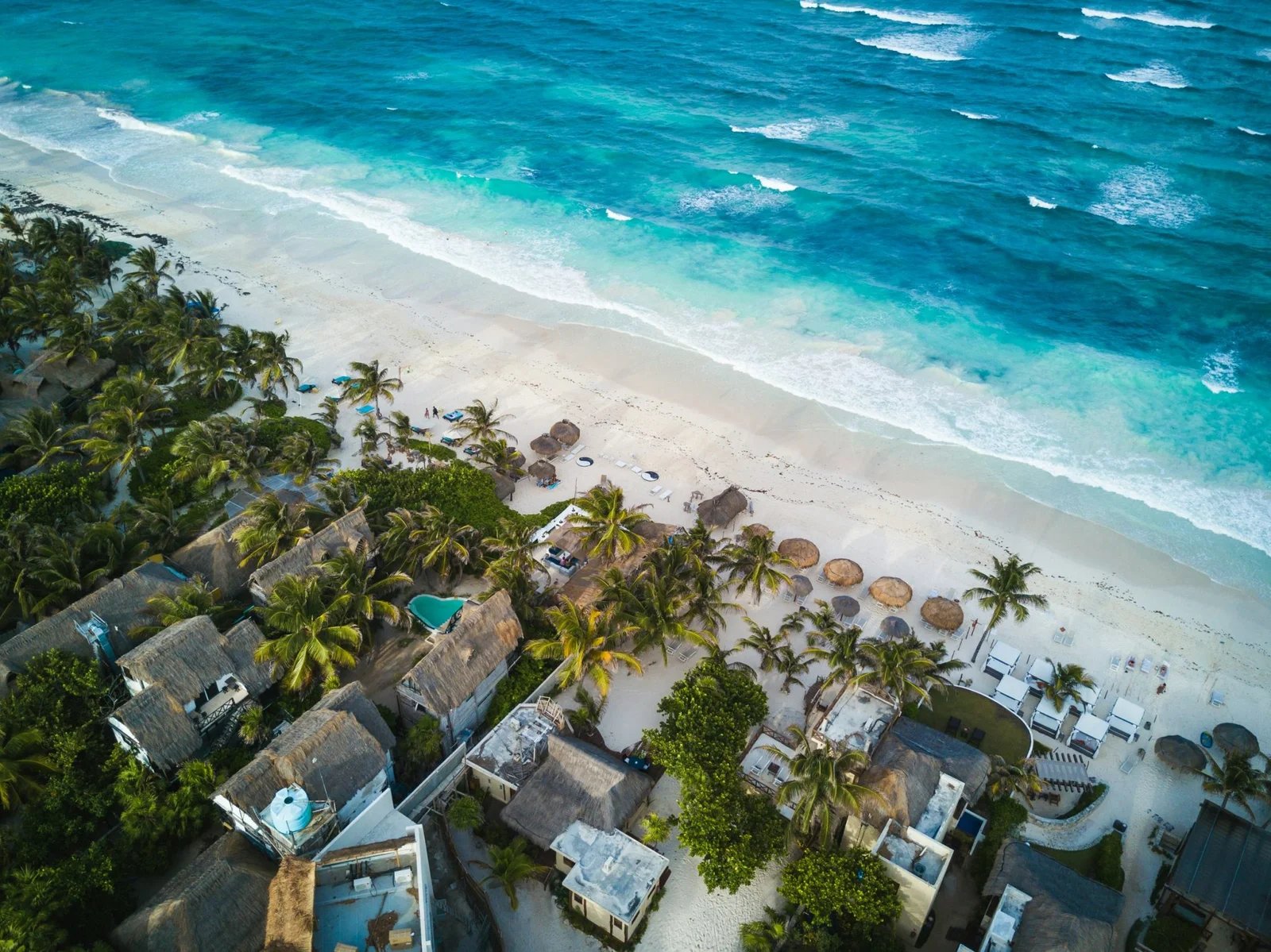
Tulum in the last week of December and the first days of January is the most internationally concentrated yoga and wellness community available in Mexico at the year’s turning. The retreat centres, the yoga shalas, and the wellness hotels of the Tulum hotel zone and the beach road are in the December 26-January 2 window running their most ambitious end-of-year programmes: the solstice practice on December 21st, the year-end reflection retreats, and the New Year sunrise meditation on January 1st drawing the international wellness community to the Caribbean coast.
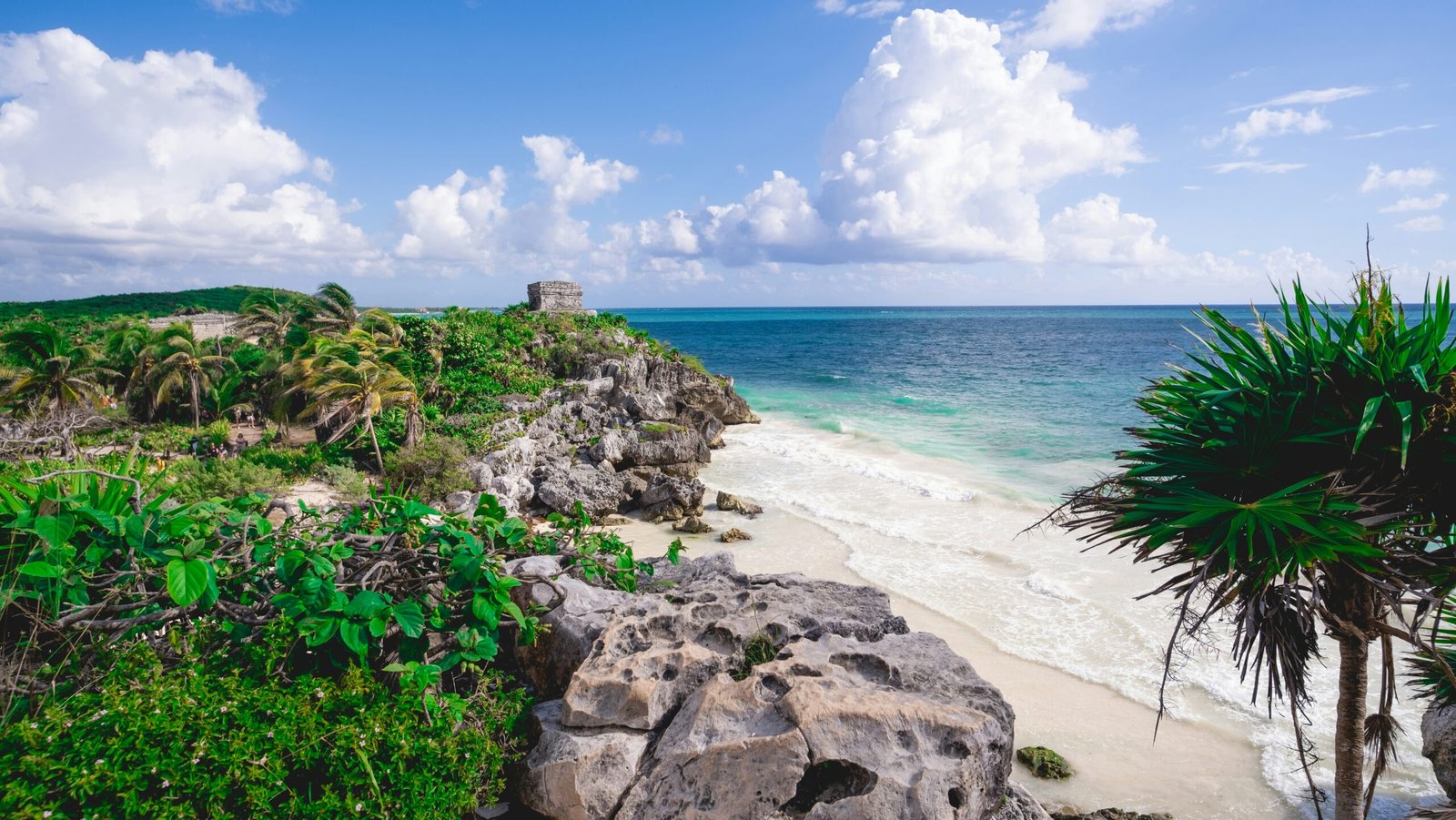
The cenotes near Tulum in December are at their clearest water of the year — the visibility in Gran Cenote, Dos Ojos, and the Sac Actun system at the dry season maximum, the algae growth that the summer rains accelerate absent in the December clear water. The Tulum archaeological zone in December — the only major Maya site above the Caribbean — is in the December early morning (opening at 8am) accessible without the summer tourist density. The Caribbean sea at 25-26°C is warm without being the humid July heat — the December December Tulum morning practice on the beach before the cenote swim and the afternoon in the archaeological zone is the December Tulum retreat day in its most complete form.
The Copper Canyon in December is at its winter character — the Sierra Tarahumara at its coolest and clearest, the canyon rim at 1,500-2,000 metres at 15-20°C in the day and cold at night, and the Rarámuri communities in the canyon below at their winter agricultural rhythm. The El Chepe railway runs its December schedule through the canyon system, and the December visit catches the canyon in the dry season clarity that the summer rains obscure: the canyon walls visible to their full depth, the Urique canyon (the deepest canyon in Mexico at 1,879 metres) visible from the Divisadero rim viewpoint in the December air.
The Rarámuri Christmas tradition — the December festivals in the canyon communities combining the Catholic Christmas with the pre-Columbian ceremonial calendar — is in December visible at the village level for visitors who arrive with a community contact or a local guide. The matachines dance (the Rarámuri dance tradition performed at Christmas in the canyon communities) is the most specifically accessible of the Rarámuri ceremonial traditions for respectful visitors in December.
Las Posadas — the nine nights of candlelit procession and celebration from December 16th through Christmas Eve — are the most widely observed of the Mexican Christmas traditions, practiced in every community across the country. The procession begins outside a designated house, the participants divided into two groups: the peregrinos (the pilgrims, representing Mary and Joseph seeking shelter) and the posaderos (the innkeepers who refuse entry before the final house opens to celebration). The call-and-response singing between the two groups, conducted with candles and the posada lanterns, is followed by the piñata breaking, the ponche navideño, and the buñuelos.
In San Miguel de Allende and Oaxaca, the posadas are street-level community events accessible to all participants. In smaller Mexican towns, the posadas are family-and-neighbourhood events that the retreat guest can participate in by accepting the invitation — the most direct access to Mexican domestic culture available in December.
The Noche de Rábanos — described in the Oaxaca section above — is December 23rd at the Zócalo.
The winter solstice at Palenque in Chiapas produces a specific astronomical alignment — the sun at solar noon shining directly through the corbelled roof-comb of the Temple of the Inscriptions, illuminating the interior chamber in a way that the Maya builders specifically engineered. The December 21st visit to Palenque at noon, with the specific awareness of what the building’s orientation was designed to accomplish, is the December Palenque experience that the guidebook rarely describes. The Palenque site in December is at the dry season clarity — the jungle mist on the temple platforms in the December morning and the site accessible without the summer heat.
December 31st in Mexico produces the most regionally diverse New Year celebrations in Latin America — the fireworks and street parties of the Pacific coast resorts, the New Year sunrise meditation on the Tulum beach, and the neighbourhood family celebrations of the highland cities all occurring simultaneously in a country where New Year is observed as both a public festival and a domestic ritual. The retreat centre that programmes the New Year midnight moment deliberately — the practice session that begins at 11:30pm, the shared intention at midnight, the dawn practice on January 1st — is using December in Mexico at its most intentional.
Buñuelos — the thin, crispy fried dough discs dusted with cinnamon sugar that are specifically the Oaxacan and Poblano Christmas street food — appear at the market stalls and the street carts of the Oaxacan Zócalo and the Puebla zócalo from early December through January 6th. The traditional Oaxacan buñuelo is eaten from an earthenware bowl (the cajete) that is smashed afterward for good luck — a tradition that makes the Oaxacan zócalo floor during the December festival weeks the most specifically festive of any Mexican public space.
Ponche navideño — the hot fruit punch simmered from tejocotes, guavas, prunes, tamarindo, sugar cane sticks, and cinnamon — is the December hot drink of Mexico, appearing at the posada celebrations and the Christmas market stalls from December 16th. The ponche at a Mexican posada, served from a large clay pot over a wood fire in the December night air, is the most specifically seasonal warm drink in the Mexican calendar.
Bacalao a la Vizcaína — the salt cod in the Basque-origin tomato, olive, and pepper sauce that is the traditional Mexican Christmas Eve dinner — is in December the most calendrically specific dish of the month. The noche buena (Christmas Eve) table in Mexican Catholic tradition follows the European pattern of the fish meal before midnight Mass, and the bacalao preparation — the salt cod desalted for 24 hours before being combined with the tomato-olive sauce — is the December dish that the central highland markets prepare most visibly: the salt cod stalls at the Mexico City Mercado de Medellín and the Mercado Jamaica selling the pre-soaked cod from December 20th onward.
The December tamale culture — the Christmas tamales that Mexican families prepare in collective cooking sessions called tamaladas — is the most socially embedded of the December food traditions. The tamalada (assembling a hundred or more tamales in a family or community group, the masa spreading, filling placement, and corn husk wrapping distributed among the participants) is the December domestic ritual that the retreat can incorporate as a cooking workshop: the most communal and most specifically Mexican of any cooking activity available in December.
The posada participation — joining the candlelit procession on any of the nine nights from December 16th through Christmas Eve — is the December Mexico activity that most directly places the retreat guest within the living Mexican Christmas tradition. The posada is not a tourist event — it is a neighbourhood or family celebration that participants join by acceptance rather than by ticket. The retreat centre in San Miguel de Allende, Oaxaca, or any Mexican highland city that organises a posada for its December guests — inviting the local community, providing the candles, the piñata, and the ponche — is producing the most specifically December Mexican retreat evening available.
The December 23rd Noche de Rábanos at the Oaxacan Zócalo — arriving by 4pm to secure a viewing position along the perimeter, watching the judging in the early evening, and spending the night at the buñuelo stalls and the mezcal bars of the surrounding streets — is the most specifically Oaxacan event of the year and the December retreat activity that has no equivalent in any other country or any other month.
The December 21st winter solstice at Palenque — arriving at the site by 11am, positioning at the Temple of the Inscriptions by noon, and observing the specific illumination that the corbelled roof-comb alignment produces — is the December astronomical event that the spring equinox at Chichén Itzá has as its autumn and winter counterpart. The December solstice at Palenque is significantly less crowded than the Chichén Itzá equinox and the astronomical alignment is as specifically Maya in its intention.
Your email address will not be published. Required fields are marked *