yoga retreats in thailand in march

yoga retreats in thailand - march 2027

March splits Thailand in two. The north — Chiang Mai, Pai, the highland retreat centres — is entering the burning season, with agricultural smoke from the fields reducing air quality significantly by mid-month.

The south — the Gulf islands and the Andaman coast — remains excellent: warm, clear, and in the last weeks of the dry season before the monsoon changes everything from May onward. A yoga retreat in Thailand in March works best if you know which half of the country you are choosing.

AUTHOR

Om Away

DATE PUBLISHED

January 18, 2026

CATEGORY

Share This Article

Thailand in March: South Good, North Complicated

March is the month when the general advice about Thailand — go in the cool dry season — starts to require nuance. The Gulf coast and the Andaman coast are still in their dry season at their most animated, with the retreat infrastructure running full programmes and the sea warm and calm. The north, which was the standout destination in January and February, is in March managing the burning season that the agricultural cycle produces every year without exception.

Browse our full yoga retreats in Thailand guide for the complete picture of what the country offers year-round. For the global context of March retreat travel, our yoga retreats in March guide covers every destination worth considering this month.

14 Day Wellness, Adventures, and Yoga Holiday in Phuket, Thailand

8 Day Soulful Thailand Retreat: Yoga, Wellness & Cultural Connection in Phuket, Thailand

7 Days Holistic Wellness and Yoga Holiday in Phuket, Thailand

15 Day AyurYoga Shodhana Ayurveda Retreat in Rawai, Phuket, Thailand

8 Day Yoga Sadhana Retreat in a Peaceful Private Beachfront Resort in Koh Phangan, Thailand

5 Day Anahata Rejuvenation, Luxury Spa Detox, and Yoga Retreat in Phuket, Thailand

Where to Go for a Yoga Retreat in Thailand in March

Northern Thailand: Burning Season Begins

March in northern Thailand is the beginning of the burning season — the annual agricultural fires that clear the fields and hillsides after the harvest, producing a haze of smoke that settles in the mountain valleys and can persist for weeks. By mid-March, Chiang Mai’s air quality index regularly exceeds 150 AQI (unhealthy range) on the worst days, and the mountain views that defined the January experience are obscured by the smoke haze. Outdoor morning practice — the signature activity of the northern retreat in January and February — is genuinely inadvisable on the worst days.

This does not make March northern Thailand impossible for a retreat, but it changes what the retreat can offer. The indoor meditation and yoga programmes of the Chiang Mai vipassana centres and the studio-based retreat facilities are not affected by the outdoor air quality. The underground meditation caves of the Chiang Mai area — the cave temple of Wat Umong, where the forest monastery tradition of the Thai forest monks has its most accessible northern expression — are in March a retreat within a retreat: the cool dark interior and the path through the tunnels providing a contemplative environment that the smoke outside makes more rather than less appealing.

The retreat guest who specifically wants Chiang Mai in March should choose a programme that is primarily indoor — the meditation centre with its own grounds, the yoga school with a serious studio programme, the spa retreat that uses its enclosed facilities. The March north is for the serious practitioner who knows what they are coming for, not for the visitor who wants the general Chiang Mai experience.

The highlands above 1,500 metres — Doi Ang Khang, Doi Inthanon, Mae Hong Son — are in March sometimes clearer than the valley floor, as the thermal inversion that traps the smoke in the valleys does not always extend to the highest elevations. Checking the current AQI at altitude versus the Chiang Mai valley before booking a highland retreat in March is worth doing.


The Gulf Islands: Transition to Warmer Season

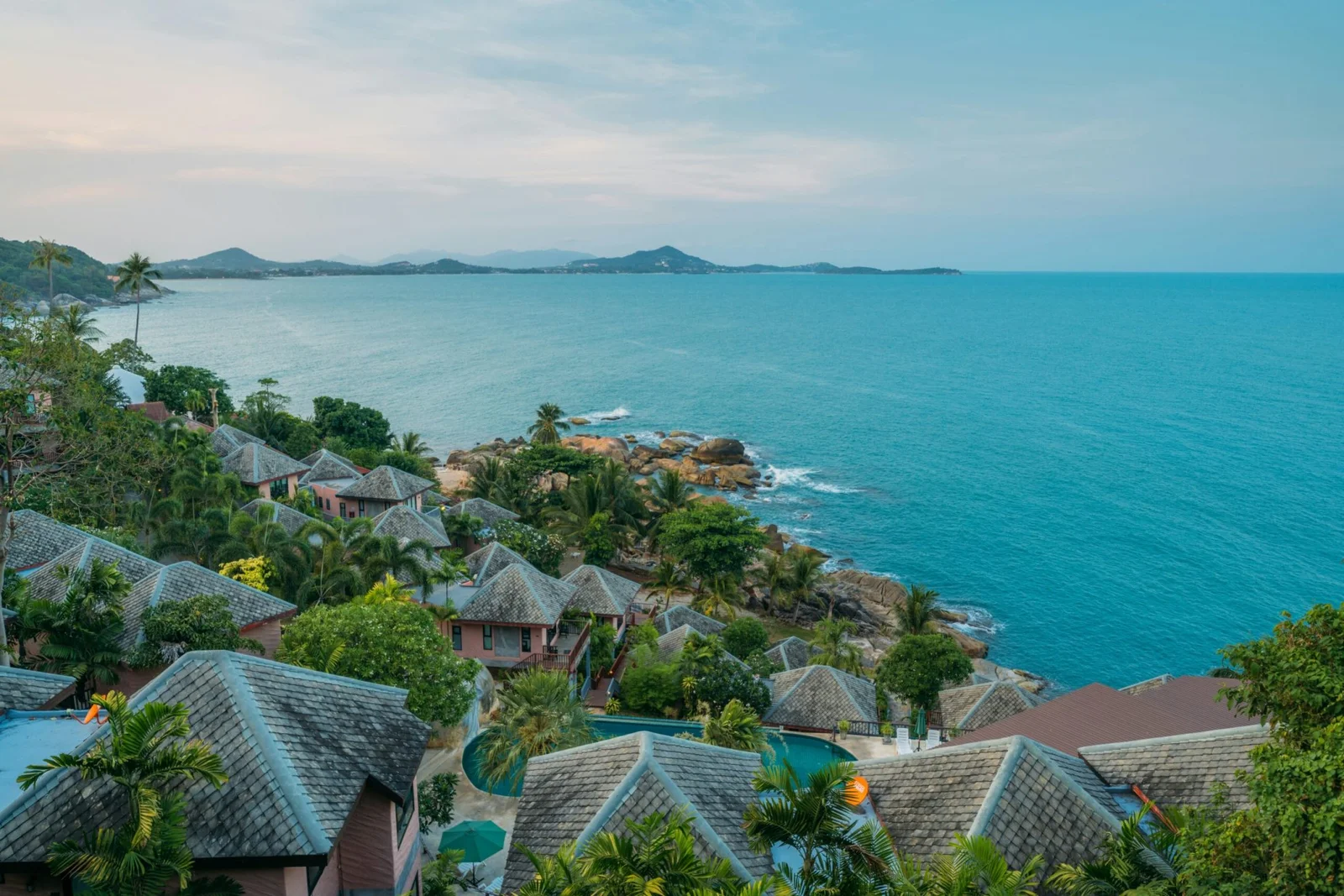
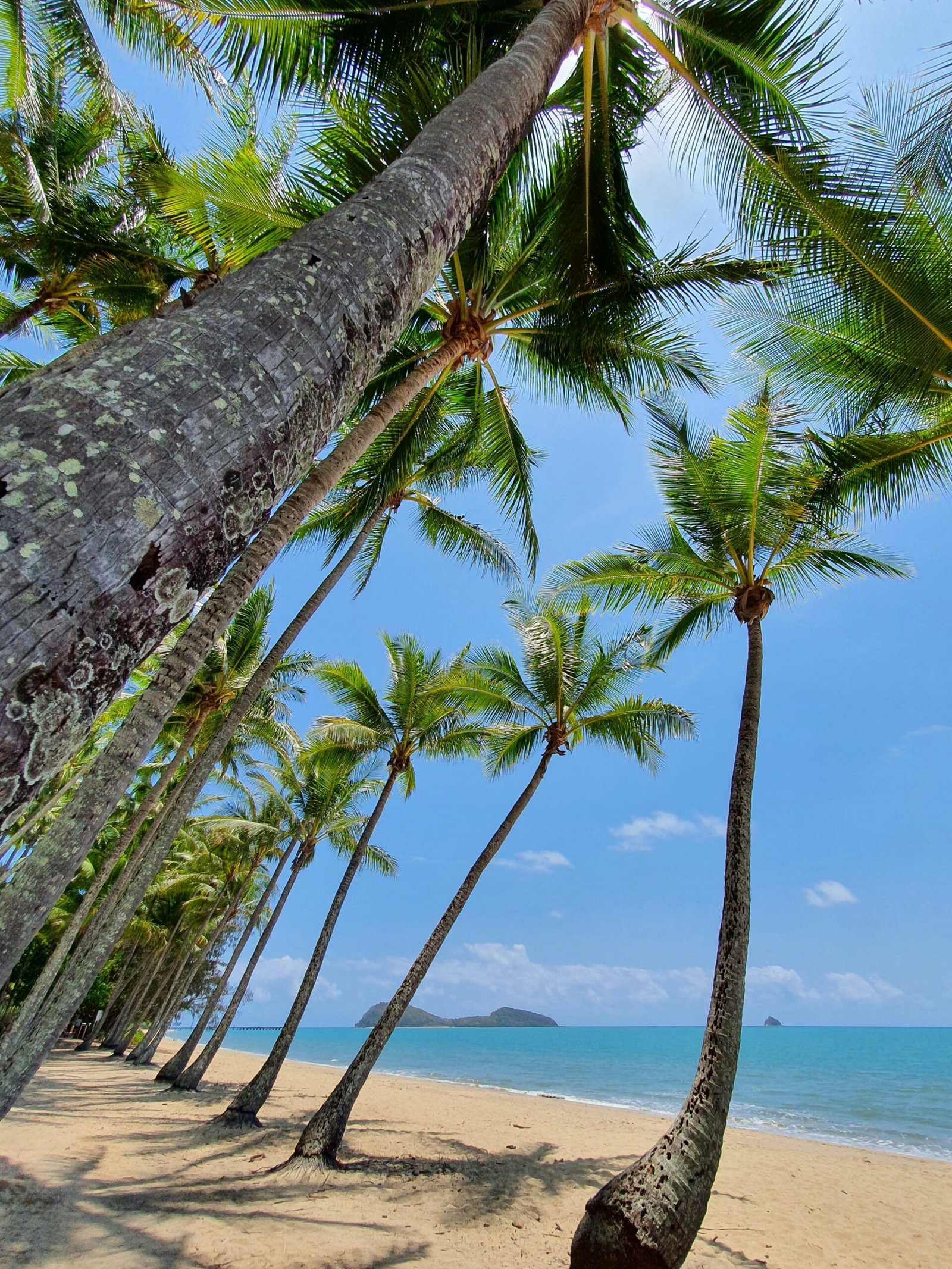
The Gulf coast in March is still firmly in its good season — Koh Phangan, Koh Samui, and the Samui Archipelago at 29-31°C with the sea at 28-29°C. The retreat infrastructure is running at full capacity. The difference from January is the temperature — noticeably warmer in March, requiring the scheduling adjustment that the serious retreat programmes have already built in: morning practice before 9am, rest during the midday heat, afternoon and evening sessions.

Koh Phangan’s Songkran preparation is visible in March — the Thai New Year water festival falls in April, and the island in March is in the last weeks of the dry season energy before the April celebrations change the atmosphere. The Srithanu yoga community is in March at its most active international mix: the January and February visitors who stayed on, the teachers running their spring training courses, and the first of the post-European-winter arrivals.

Koh Tao in March has the dive season still excellent — visibility remains good (15-25 metres), the sea temperatures at 28-29°C — but the island is noticeably warming and the afternoon heat is more present than in January. The underwater topography of the southwest pinnacle and the Sail Rock dive site between Koh Tao and Koh Phangan are in March still producing the whale shark sightings that the Gulf’s migratory calendar makes possible from February through April.


The Andaman Coast: Last Dry Season Month

The Andaman coast in March is in the last weeks of its dry season before the southwest monsoon arrives in May. This creates a specific urgency that the January visit does not have — the retreat experience in March Phuket, Krabi, and Koh Lanta is animated by the knowledge that the conditions are ending rather than continuing indefinitely.

Phuket in March is warmer than January (30-33°C) and requires the morning scheduling that the retreat programmes here have built in as standard. The Patong and Kata beach areas are warming toward the pre-monsoon peak, but the Rawai and Nai Harn retreat centres in the south of the island are buffered by the headland geography and the slightly cooler sea breeze of the southern tip. The Phromthep Cape sunset — the southernmost point of Phuket, with the view across the Andaman toward the Similan Islands — is in March at the specific March sunset angle that the January winter sun position changes significantly.

Koh Lanta in March is the last good month before the monsoon closes the island from May through October. The retreat centres that have been running since November are in March completing their dry season programmes — some of the most established yoga and wellness operations on the island run their annual teacher training programmes in March specifically, using the last reliable dry season month for the intensive format that the monsoon months cannot support.

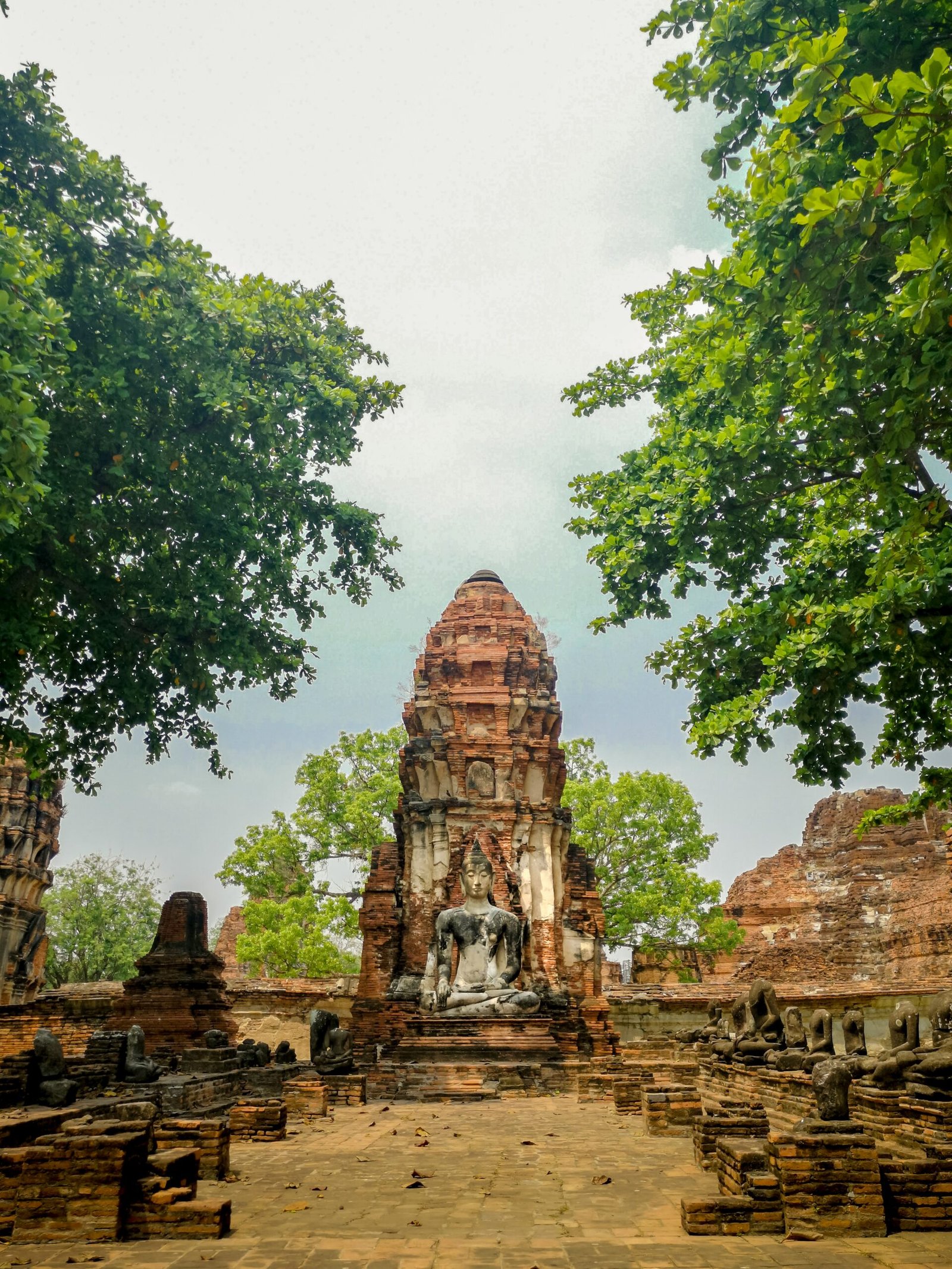
Alt tag: ancient ayutthaya temple ruins surrounded by trees and warm dry season light

Events in Thailand in March

Holi-inspired Colour Festivals

March in Thailand has seen the growth of colour festival events — the Indian Holi tradition adopted and adapted at tourist destinations. The colour festivals at Koh Phangan and Phuket in March are not the same as the traditional Indian Holi (which falls on the full moon of the Hindu month Phalguna, usually February-March) but are specific events organised by the island’s entertainment infrastructure. For retreat guests, awareness of these events is useful: the powder and water of the colour festival appears in the surrounding streets and requires more intentional navigation on the day.

International Women’s Day (March 8th)

International Women’s Day on March 8th is acknowledged at the yoga and wellness retreat centres of Koh Phangan and Chiang Mai with specific programming — the women-only workshops, the guest teacher days, and the evening circle gatherings that the feminist-inflected wellness culture of the Thai retreat scene produces around this date. Not every retreat centre acknowledges it, but the ones that do produce specifically March programming that other months do not have.

Magha Puja (if not in February)

If Makha Bucha (discussed in February) falls in March rather than February due to the lunar calendar, the candle procession at Thai temples moves accordingly. Check the current year lunar calendar — in some years March has this event, in others it falls in February.

Pre-Songkran Energy

The Thai New Year festival of Songkran — the water throwing festival that marks the traditional Thai New Year — falls on April 13-15th, but the preparation energy is visible in March: the markets stocking the water guns, the traditional Thai communities beginning their house-cleaning and merit-making activities, and the general atmosphere of a country approaching its most important annual celebration. For retreat guests in March, this pre-Songkran energy is visible in the street culture without the chaos of the event itself.

What to Eat on a Yoga Retreat in Thailand in March

Som Tam and the Heat Season Kitchen

March marks the transition to what the Thai kitchen responds to as the hot season — the som tam (papaya salad) culture that is year-round but takes on specific significance when the temperatures rise. The green papaya used in som tam is in March available in its specific March form — the unripe fruit from the central plains harvested at the ideal stage for the julienned raw preparation that the mortar-and-pestle pounding produces. The Isan version (som tam Isan, with fermented fish sauce and crabs) and the Thai version (som tam Thai, with dried shrimp and peanuts) are both at their March best in the street food culture of the Gulf coast towns.

Mango Season Approaching

Mango season in Thailand begins in the south in March — the first Nam Dok Mai mangoes appearing at the Koh Samui and Phuket markets in their ripe yellow form, intensely fragrant and specifically different from the green unripe stage that January used. The khao niao mamuang (mango with sticky rice and coconut cream) that is the most internationally known Thai dessert is in March beginning its seasonal appearance at the market stalls and the retreat kitchens that source locally. Early March mango is still the beginning of the season rather than the peak — the best mangoes come in April and May — but the first ripe specimens of March have a specific freshness that the later peak season volume partially obscures.

Seafood on the Andaman Coast

The Andaman coast in March is in its last excellent seafood month before the monsoon. The fresh prawns, crab, and fish from the Krabi and Phuket fishing boats are in March at their dry season best — the sea calm enough for the small-boat fishing that the storm season prevents, and the market supply at its most varied. The Phuket morning seafood market at Rawai beach pier is in March operating at full capacity: the fishing boats returning at dawn, the catch laid out on the pier, and the surrounding restaurants sourcing the morning’s supply directly.

Northern Herbal Teas and Smoke Season Responses

The burning season in northern Thailand produces a specific herbal response in the local wellness culture — the butterfly pea flower tea (nam dok anchan), the lemongrass and ginger infusions, and the honey and lime drinks that the Chiang Mai cafés and retreat kitchens serve as natural responses to the smoke-irritated respiratory system. The butterfly pea flower tea, which produces a striking blue colour that turns purple with the addition of citrus, is at its most culturally specific in March when the burning season creates the demand for soothing herbal drinks.
 
 
do you remember what the instruction in this chat?
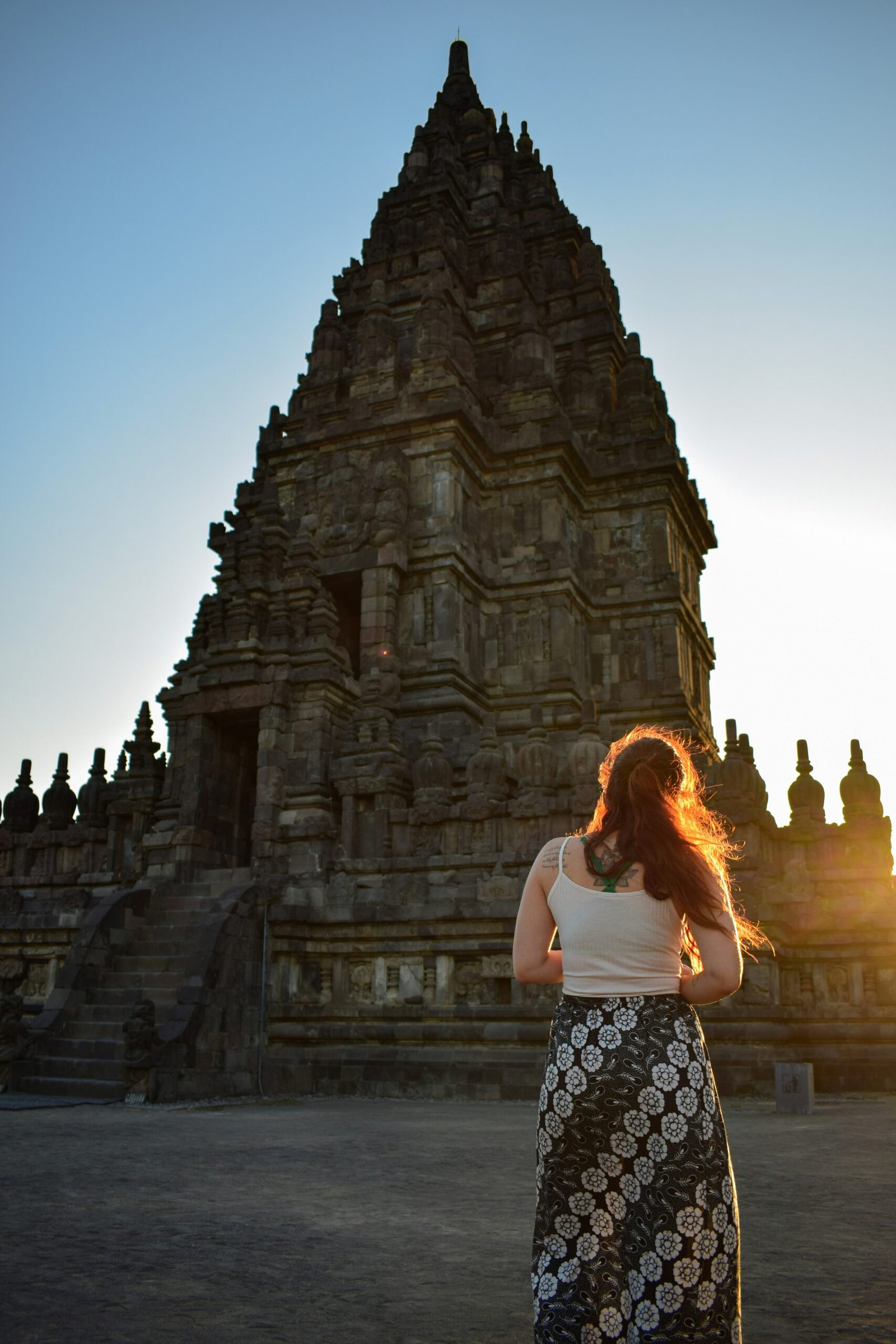
woman holding a yoga pose beside historic temple ruins in thailand

What to Do Alongside a Yoga Retreat in Thailand in March

Whale Shark Season in the Gulf

Whale sharks (the world’s largest fish, harmless filter feeders reaching 12 metres) visit the Gulf of Thailand in the February through April window, with March being one of the most reliable months for sightings around Sail Rock between Koh Tao and Koh Phangan. The retreat centres on Koh Tao that incorporate a dive excursion to Sail Rock in March are offering the possibility of an encounter that requires both the location and the season — the whale shark’s migratory pattern brings it to the Gulf specifically in these months.

Cooking Classes with Mango Season Produce

The cooking schools of Koh Samui and Phuket in March are incorporating the first mango season produce into their market tour and cooking class format. Learning to make khao niao mamuang (mango sticky rice) with the first ripe mangoes of the season — selecting the right stage of ripeness at the market, preparing the coconut cream sauce, and cooking the sticky rice in the traditional bamboo steamer — is a specifically March activity that January’s green mango season cannot provide.

Elephant Sanctuary in the North — Check AQI First

The ethical elephant sanctuaries of the Chiang Mai area are in March still operating, but the burning season air quality requires checking the AQI before committing to a full day outdoors. On good air quality days (AQI below 100), a sanctuary visit in March is viable — the temperatures are warmer than January but the activity level is manageable. On high-smoke days (AQI above 150), postpone or substitute with an indoor activity. Most sanctuary operators check the conditions daily and will advise.

March Climate by Region

  • Chiang Mai and the North: 20-25°C at dawn, 30-35°C midday. Burning season underway from mid-month. AQI variable — check daily. Outdoor practice inadvisable on high smoke days.
  • Gulf Coast (Koh Phangan, Koh Samui, Koh Tao): 29-31°C. Sea at 28-29°C. Still dry season. Warmer than January — schedule outdoor practice before 9am.
  • Andaman Coast (Phuket, Krabi, Koh Lanta): 30-33°C. Sea at 28-30°C. Last dry season month. Book Koh Lanta retreats now — island closes from May.

FAQs: Yoga Retreats in Thailand in March

  1. Should I avoid northern Thailand in March because of the burning season? It depends on your sensitivity and your retreat format. If you have respiratory sensitivities or want outdoor morning practice as a core part of your week, avoid the Chiang Mai valley in March — the smoke is a genuine and unpredictable factor. If your retreat is primarily indoor — meditation, studio yoga, spa — the burning season affects the view and the outdoor excursions but not the practice itself. Check the current year AQI forecasts before booking.
  2. Is the Andaman coast better in March or April? March. April brings the pre-monsoon heat and the beginning of rough seas on the Andaman coast in some years. March has the dry season conditions still fully in place and the temperatures not yet at their April peak. For Koh Lanta specifically, March is the last genuinely good month before the May monsoon closes the island.
  3. Are whale sharks reliably seen in March in Thailand? Not reliably — wildlife sightings are never guaranteed. But the Sail Rock area between Koh Tao and Koh Phangan sees whale shark encounters consistently from February through April, with March being historically one of the better months. The dive operators running the Sail Rock trips in March will advise on current sightings.
  4. Is mango sticky rice actually available in March? The first ripe mangoes appear at the markets in the south (Koh Samui, Phuket) in March. The peak season is April-May. March mango sticky rice is available and good — not yet at the season peak but specifically worth eating as the first of the year rather than waiting for the peak.
  5. What comes after March for yoga retreats in Thailand? April brings Songkran — the Thai New Year water festival — which transforms the country for three days in mid-April and makes travel and retreat booking around April 13-15th specifically complicated. The Gulf coast is still good, the north is at peak burning season. Our yoga retreats in Thailand in April guide covers what the following month offers.

Share Your Thoughts

Your email address will not be published. Required fields are marked *

Leave a Reply

Your email address will not be published. Required fields are marked *