yoga retreats in thailand in april 2027

No month in Thailand asks more from retreat travelers than April: it is the hottest point of the year, shaped by intense heat, high humidity, major low-season savings, and the energy of Songkran. That makes it a surprisingly strong option for people who care more about empty beaches, affordable luxury, coastal escapes, and quieter retreat settings than about comfort or all-day outdoor activity.

AUTHOR

Om Away

DATE PUBLISHED

January 18, 2026

CATEGORY

Share This Article

Yoga Retreats in Thailand in April 2027

April 2026 represents Thailand’s hottest month—the peak of hot season before monsoon rains arrive. For those considering yoga and wellness retreats in Thailand in April 2026, you’re facing Thailand’s most challenging weather conditions where temperatures regularly exceed 35°C and humidity reaches oppressive levels, yet this intense heat brings rock-bottom prices and near-empty beaches as tourism plummets.

What veteran Thailand travelers understand: April separates true heat enthusiasts from everyone else. This is when luxury retreats become genuinely affordable, when you have beaches entirely to yourself, when authentic Thailand shines through because tourism essentially pauses. The trade-off is extreme heat—not just hot, but genuinely scorching—plus the Songkran festival creates unique opportunities and challenges.

14 Day Wellness, Adventures, and Yoga Holiday in Phuket, Thailand

8 Day Soulful Thailand Retreat: Yoga, Wellness & Cultural Connection in Phuket, Thailand

7 Days Holistic Wellness and Yoga Holiday in Phuket, Thailand

15 Day AyurYoga Shodhana Ayurveda Retreat in Rawai, Phuket, Thailand

8 Day Yoga Sadhana Retreat in a Peaceful Private Beachfront Resort in Koh Phangan, Thailand

5 Day Anahata Rejuvenation, Luxury Spa Detox, and Yoga Retreat in Phuket, Thailand

Where April Actually Works

Islands Remain Viable
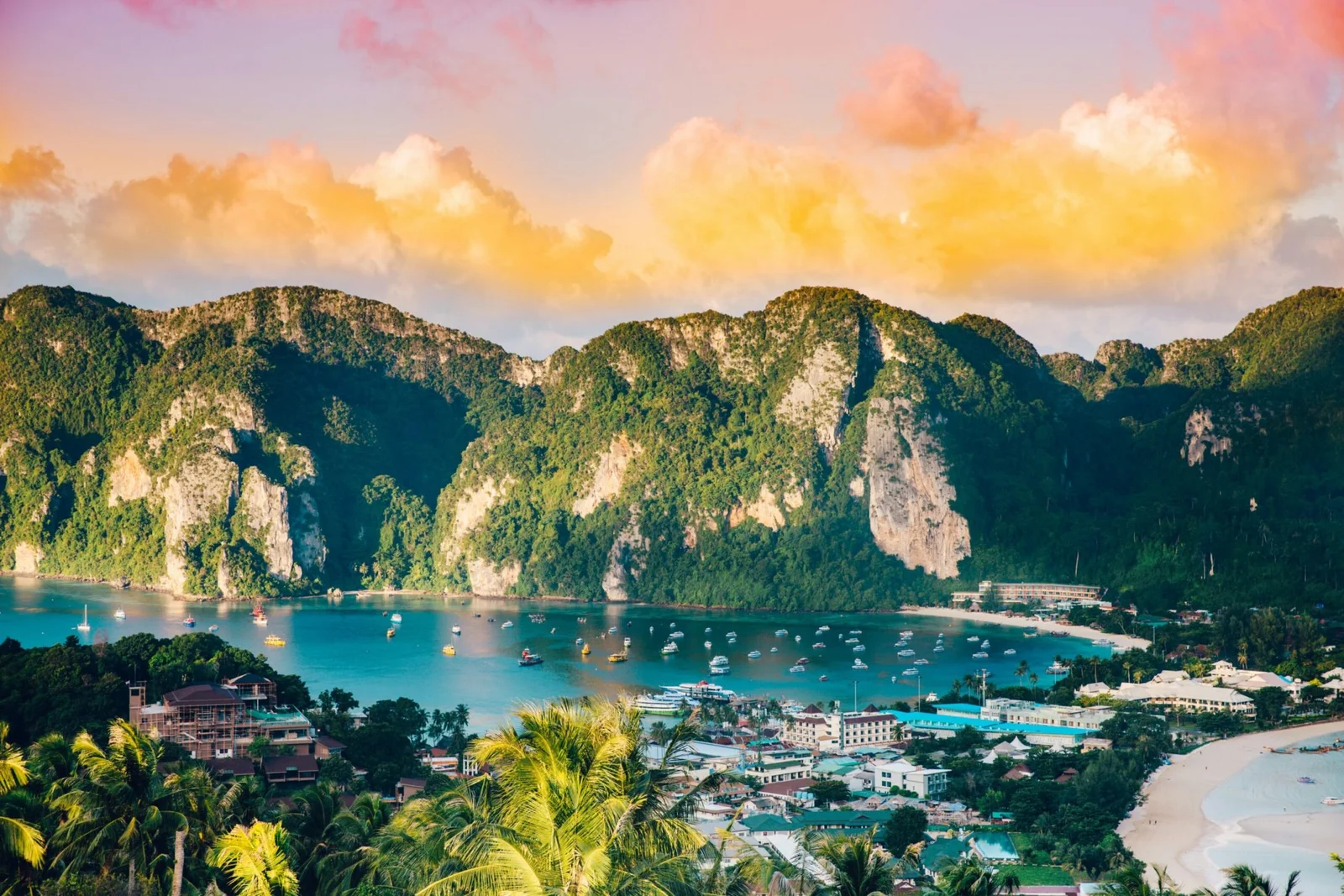
Koh Samui, Koh Phangan, Phuket, and Krabi maintain functionality through April despite heat. Ocean access stops being recreational luxury and becomes survival necessity. You’ll be in the water multiple times daily not for fun (though it is fun) but because you need to cool your core temperature regularly. Beach retreats work when they design programming around this reality—early morning practice, midday ocean time, evening gentle sessions.
Tourist numbers drop dramatically, creating that rare thing: empty Thai beaches. You’ll have spaces to yourself that host hundreds during winter months.
Northern Thailand Becomes Problematic
Chiang Mai faces a double challenge in April: extreme heat without ocean relief combined with lingering effects of burning season that peaks March-April. Air quality remains poor from agricultural burning, heat makes outdoor movement genuinely unpleasant, and the combination creates conditions that even devoted mountain-retreat lovers should avoid. The region’s beauty and cultural richness remain, certainly, but April specifically makes accessing them unnecessarily difficult.
Come back November through February when northern Thailand showcases why people love it.

Rocky Phuket shoreline with bright morning light and a calm retreat atmosphere

Bangkok—Transit Only
The capital becomes genuinely difficult in April. Urban heat island effect makes concrete and buildings radiate stored heat even after sun sets. Pollution worsens in high temperatures. Songkran transforms the city into water-fight chaos for a week. If your flight routes through Bangkok, fine—spend the night, rest, continue onward. Don’t plan extended stays unless Songkran participation is specifically your goal.

Songkran—The Festival That Defines April

April 13th-15th marks Songkran, the Thai New Year celebration that transforms the entire country into a giant water festival. This isn’t tourist entertainment—it’s Thailand’s most significant cultural event. Streets become water battle zones. Strangers drench strangers with buckets, water guns, hoses. The tradition stems from Buddhist purification rituals but has evolved into exuberant, joyful chaos.
The festival officially runs three days but many areas extend celebrations for a full week. Chiang Mai hosts particularly intense celebrations. Bangkok’s streets become nearly impassable with water fights. Islands participate enthusiastically though perhaps slightly less intensely than major cities.
How Songkran Affects Wellness Travel
Some retreats pause programming entirely during Songkran week—staff participate in celebrations, guests join local festivities, formal yoga schedules temporarily suspend. Other retreats, particularly beach properties, continue operating normally while acknowledging the festival happening around them. Transportation becomes chaotic as roads fill with celebrants. Buses run late, taxis get soaked, moving between locations requires patience and waterproofing.
You need to know your retreat’s Songkran policy before booking. Will they remain open? Modify programming? Close entirely? What do they recommend for guests who want to participate versus those seeking quiet?
The Strategic Choice
Wellness travelers face a genuine decision about Songkran. Embrace it fully—stay in Chiang Mai or Bangkok, join the water fights, experience Thailand’s most joyful celebration, accept that wellness programming takes backseat to cultural immersion. Retreat from it—book secluded beach or island properties operating through the festival, enjoy empty facilities while others celebrate, maintain your practice rhythm. Avoid it entirely—schedule arrival before April 10th or after April 20th, missing the festival but also missing the chaos.
None of these approaches is wrong. They simply reflect different priorities. The mistake is not deciding at all and arriving unprepared for whichever reality you encounter.

Hot stone massage setup for a cooling indoor wellness break during an April retreat
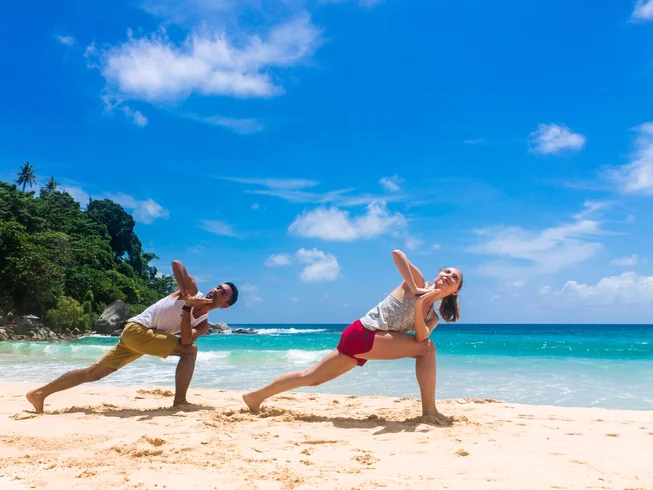
Woman practicing sunrise yoga on a beach during a hot-season Thailand retreat

Who April Actually Suits

Budget-conscious travelers for whom dramatic savings justify discomfort find April compelling. Heat enthusiasts who genuinely thrive in tropical intensity rather than merely tolerating it discover April manageable. Songkran participants timing travel specifically around the festival access Thailand’s most meaningful celebration. Solitude seekers wanting beaches entirely to themselves get exactly that. Detox practitioners benefit from heat’s enhancement of cleansing processes.

First-time visitors should choose different months—November through February offer much easier introduction. Heat-sensitive travelers or those with health conditions affected by extreme temperatures should absolutely skip April. Active explorers wanting to hike, climb, and adventure will find April’s heat severely limiting.

What to Pack Strategically

Pack the absolute minimum of the lightest possible clothing. Multiple swimsuits since you’ll rotate through wet ones constantly. Serious sun protection—SPF 50+ sport formula that won’t sweat off immediately. Cooling towel providing instant relief when heat feels overwhelming. Large water bottle, 1.5 liters minimum, staying with you always. Electrolyte supplements for mineral replacement.

If participating in Songkran, waterproof bags become essential. Light long sleeves offer sun protection despite seeming counterintuitive in heat—sunburned skin feels worse than covered skin. Skip makeup, chocolate, heat-sensitive electronics, anything that will melt, separate, or malfunction in 35°C+ temperatures.

Making April Bearable

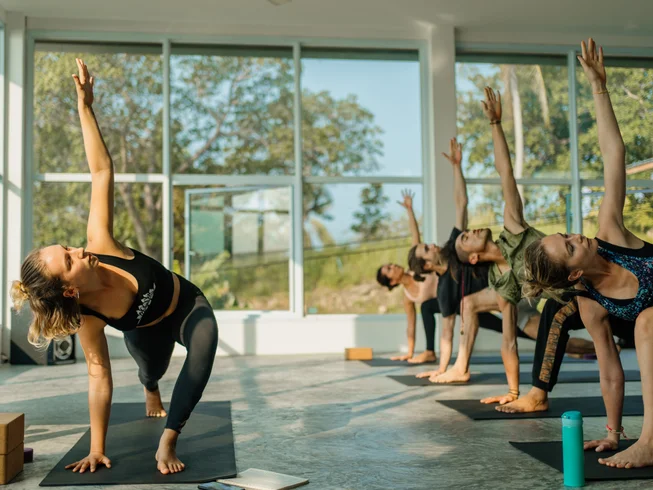
Choose accommodations and retreats based on cooling infrastructure—excellent air conditioning, multiple pools, ocean access, shaded outdoor spaces. These features shift from amenities to essentials. Schedule intensive practice exclusively for 5:30-6:30am before heat builds. By 9am, vigorous yoga becomes genuinely unsafe. Midday from 10am-5pm stays indoors, period. Gentle evening practice works for yin, restorative, or meditation but not power flows.

Hydration becomes your primary activity—4+ liters daily supplemented with electrolytes to replace minerals lost through constant sweating. Multiple cool showers throughout the day regulate body temperature. Accept that April heat imposes real, non-negotiable limitations on what you can safely do.

If participating in Songkran, waterproof everything—phones in dry bags, important documents sealed, clothes you don’t mind getting soaked. Embrace getting drenched repeatedly because resistance is futile and makes the experience miserable rather than joyful.

FAQs: Yoga Retreats in Thailand in April 2027

1. Is April a good month for a yoga retreat in Thailand?

  • It can be, but mainly for heat-tolerant travelers who want lower prices, fewer tourists, and a more off-season retreat experience.

2. Is April too hot for most travelers in Thailand?

  • Often yes. April is described as Thailand’s hottest month, with temperatures regularly above 35°C and conditions that can make midday outdoor activity difficult.

3. Should I plan my retreat around Songkran in April?

  • Yes. Songkran, Thailand’s New Year festival, usually falls on April 13 to 15 and can affect transport, daily schedules, and retreat programming, so it is best to plan deliberately rather than arrive unprepared.

4. Which parts of Thailand work best for retreats in April?

  • Coastal and island destinations like Koh Samui, Koh Phangan, Phuket, and Krabi are usually the best fit because ocean access and sea breezes make the heat more manageable.

5. Is April cheaper than peak season for yoga retreats in Thailand?

  • Yes. April pricing is often much lower than December and January, with the article noting savings around 40 to 60 percent below peak-season rates.

6. What type of retreat is best in Thailand during April?

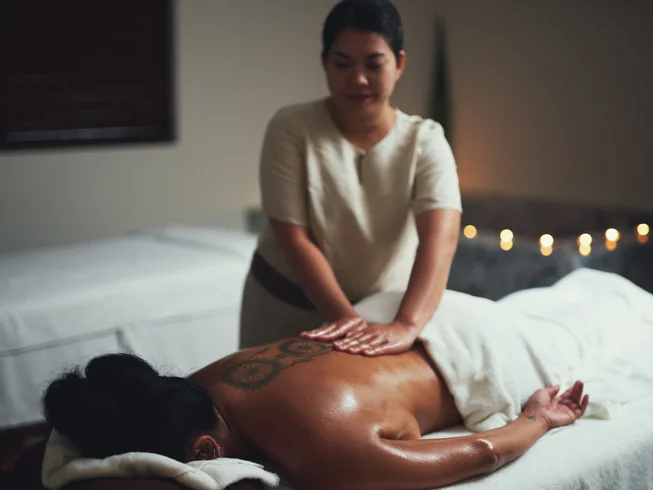
  • Programs that combine early-morning yoga, restorative classes, strong air conditioning, spa treatments, pools, and easy beach access tend to work best in April.

Share Your Thoughts

Your email address will not be published. Required fields are marked *

Leave a Reply

Your email address will not be published. Required fields are marked *

Leave a Reply

Your email address will not be published. Required fields are marked *