
February in Bali is the wet season’s final full month — the rains still daily but the landscape at its most intensely green before the March-April transition begins. The Ogoh-Ogoh demon figures for the Nyepi parade are under construction in the village banjars.
The north coast dolphin watching is at its February peak. And the retreat infrastructure is at its lowest prices of the year while running fully operational programmes. A yoga retreat in Bali in February is for those who want the island at its most living and least performative.


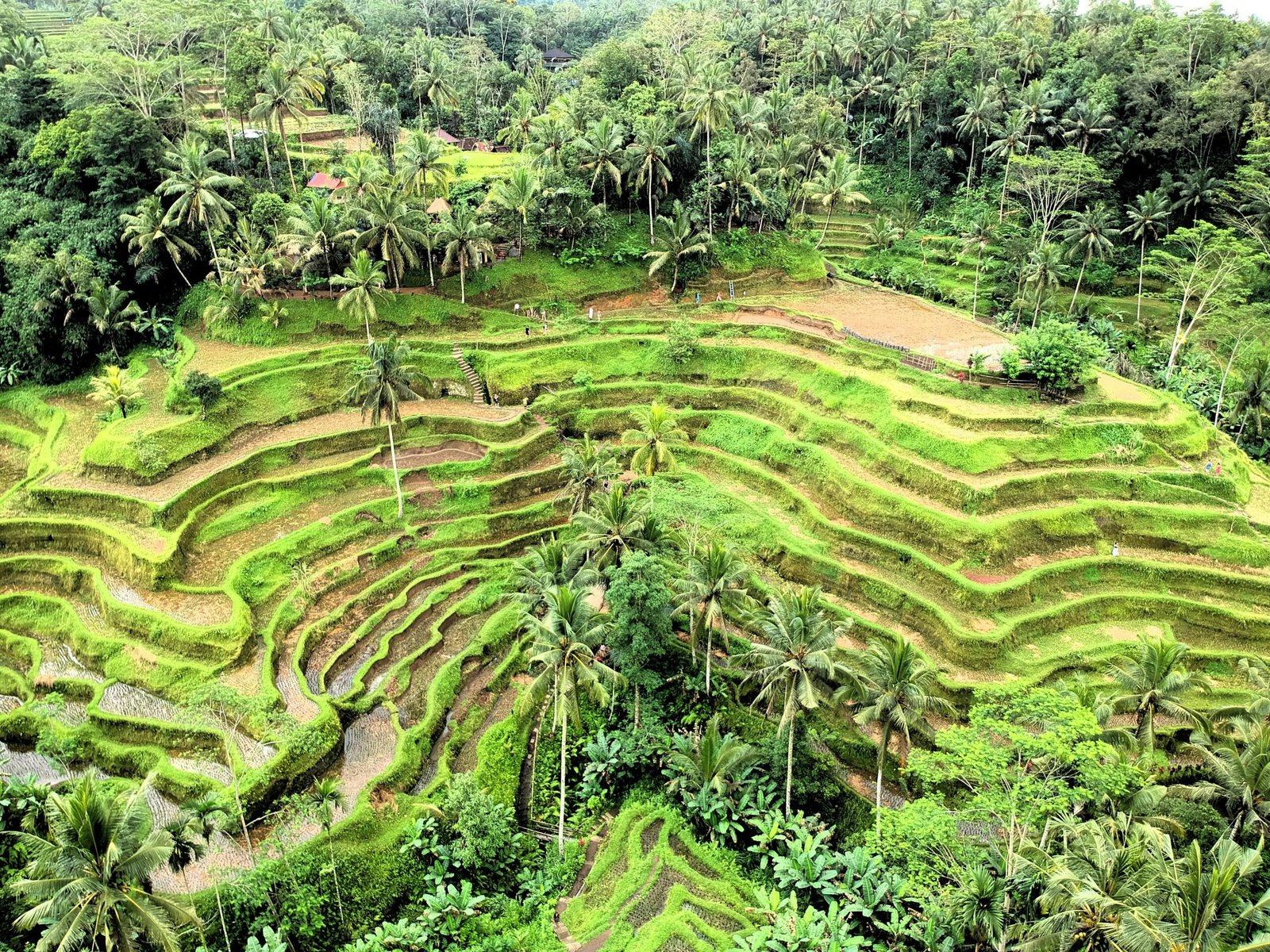
February is the month the wet season shows its most committed face and simultaneously produces the conditions that practitioners who specifically seek the rain find most rewarding. The Canggu surf is at its February swell consistency. The rice terraces are in full growth. And the Nyepi preparations — the months-long construction of the Ogoh-Ogoh figures in the village banjars — are in February visible at their most dramatic stage as the March Nyepi date approaches.
Browse our full yoga retreats in Bali guide for the complete picture of what the island offers year-round. For the global context of February retreat travel, our yoga retreats in February guide covers every destination worth considering this month.
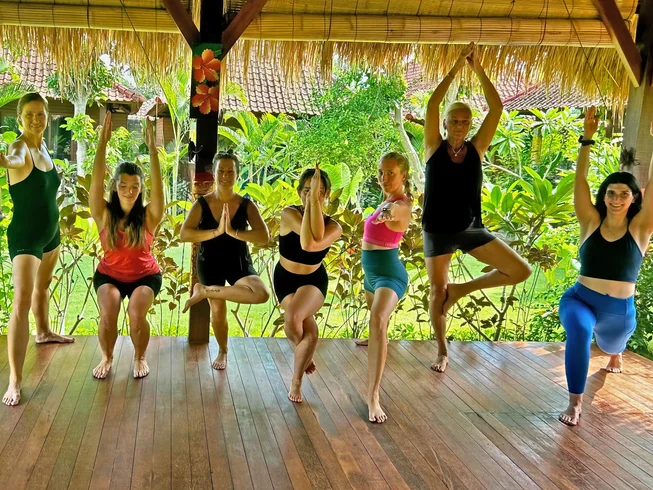
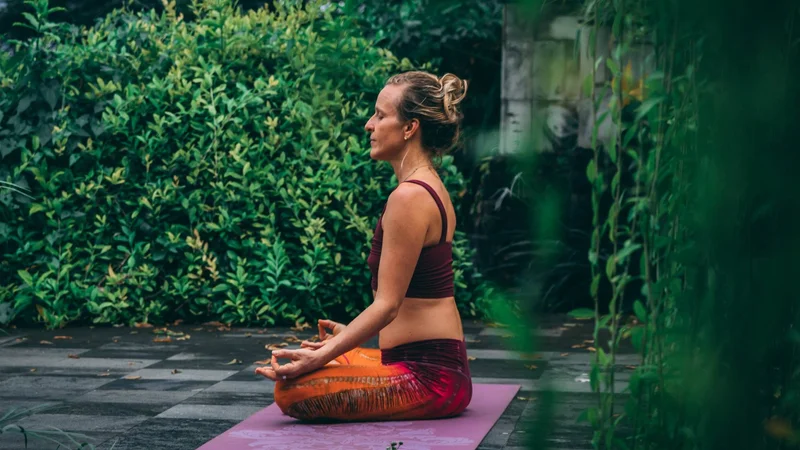
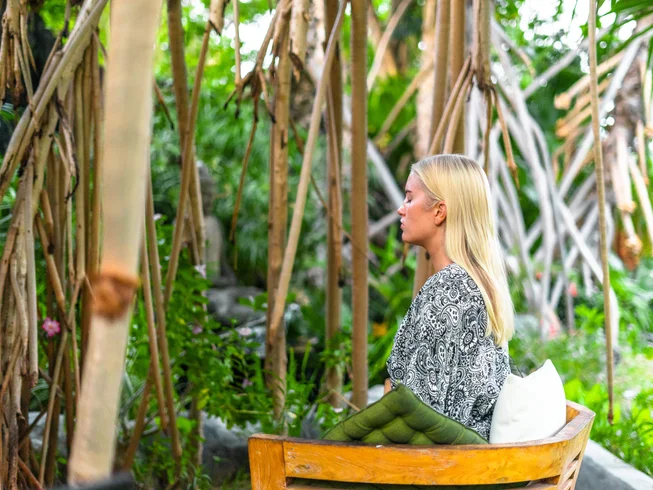
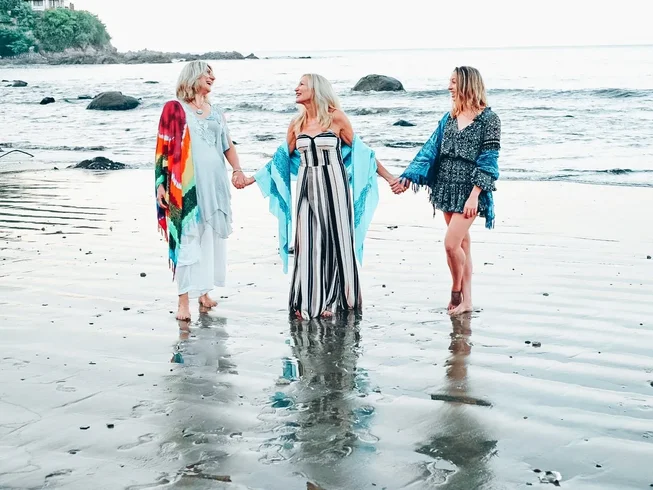
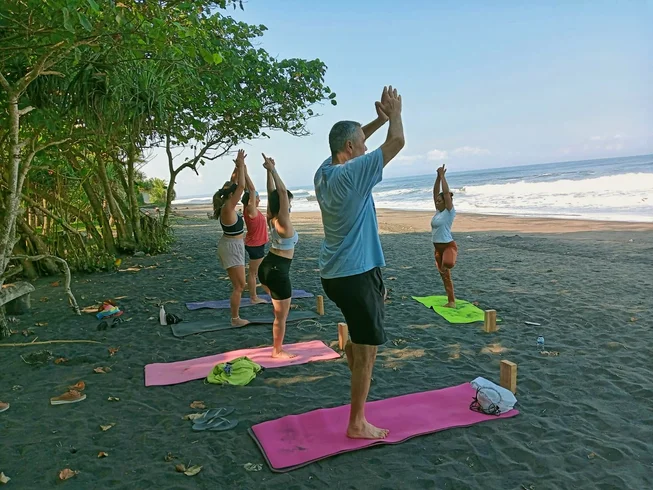
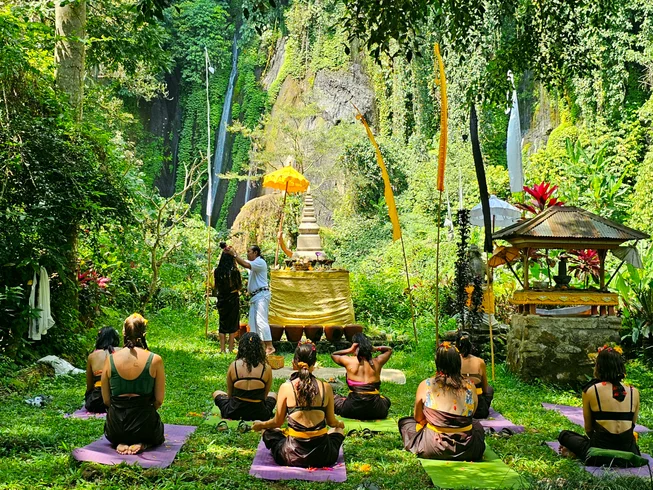
Canggu — the coastal village north of Seminyak that has become the most internationally concentrated surf-and-digital-nomad community in Southeast Asia — is in February at its wet season character: the Echo Beach and Batu Bolong breaks receiving the Indian Ocean swell, the rice paddy lanes between the villas and the coffee shops still intact before the next development phase, and the yoga and wellness community that has layered itself over the surf culture operating in its February form.
The February surf at Canggu is specifically good for the intermediate surfer — the southwest swell producing the beach break conditions at Batu Bolong that the dry season’s more variable swell pattern doesn’t consistently deliver. The surf schools operating from the Batu Bolong and Echo Beach access points are in February at their lowest pricing and highest instructor-to-student ratio of the year.
The yoga studio culture of Canggu — the Samadi, the Serenity, and the smaller independent studios of the Berawa and Pererenan lanes — is in February running its community classes alongside the retreat programmes, the long-stay digital nomad and practitioner community providing the consistent daily attendance that sustains the studio culture between the July and August peak. The Canggu retreat in February has the specific quality of a programme embedded in a living community rather than extracted from it for tourist consumption.
Lovina — the black sand beach resort area on the north coast of Bali, 90 minutes from Ubud through the mountains — is in February in the heart of its dolphin watching season. The spinner and bottlenose dolphin pods that feed in the Bali Sea north of Lovina are most active from November through March, and the February pre-dawn boat tour — the small jukung outrigger boats heading out from the Lovina beach at 5:30am, the dolphins visible in the morning light as they surface around the boat — is the most specific February north coast wildlife experience.
Lovina in February is specifically different from the south Bali retreat experience: quieter, less internationally oriented, and with the local Balinese fishing culture more visible from the beach and the market. The Brahma Arama Vihara Buddhist monastery above the town — the largest Buddhist monastery in Bali, with the golden Buddha figures and the monastery gardens overlooking the Bali Sea — is in February accessible without the weekend tour groups that the dry season produces.
Munduk — the highland village at 1,000 metres altitude in the Buleleng regency, surrounded by clove and coffee plantations and the lake district of Danau Tamblingan and Danau Buyan — is in February at its highland wet season, the mist rolling through the plantations in the morning and the temperature at a cool 18-22°C that makes the afternoon rainfall feel less oppressive than it does at sea level. The Munduk waterfall system — the Red Coral waterfall, the Golden Valley waterfall, and the Melanting waterfall accessible by the jungle trek from the village — are in February at their most powerful, the highland rainfall producing the cascade volume that the dry season significantly reduces.
The retreat centres of Munduk use the highland microclimate specifically — the morning yoga in the open-sided shala with the cloud forest visible on the ridge above, the afternoon coffee plantation walk through the clove trees, and the evening temperature cool enough for a warm layer. The clove harvest may fall in February depending on the year’s cycle, and the specific scent of the clove being processed in the village — sun-dried on the road surfaces and the family courtyard floors — is one of the most specifically Balinese agricultural sensory experiences available.
Seminyak — the upscale beach resort area north of Kuta, with the most developed luxury villa and spa infrastructure on the island — is in February at its wet season pricing, the five-star villa retreats and the beachside spa complexes available at 25-35% below their July and August rates. For retreat guests who specifically want the luxury wellness format — the villa pool, the daily in-villa treatment, the high-end Balinese spa ritual — February Seminyak provides the most accessible price point for this format.
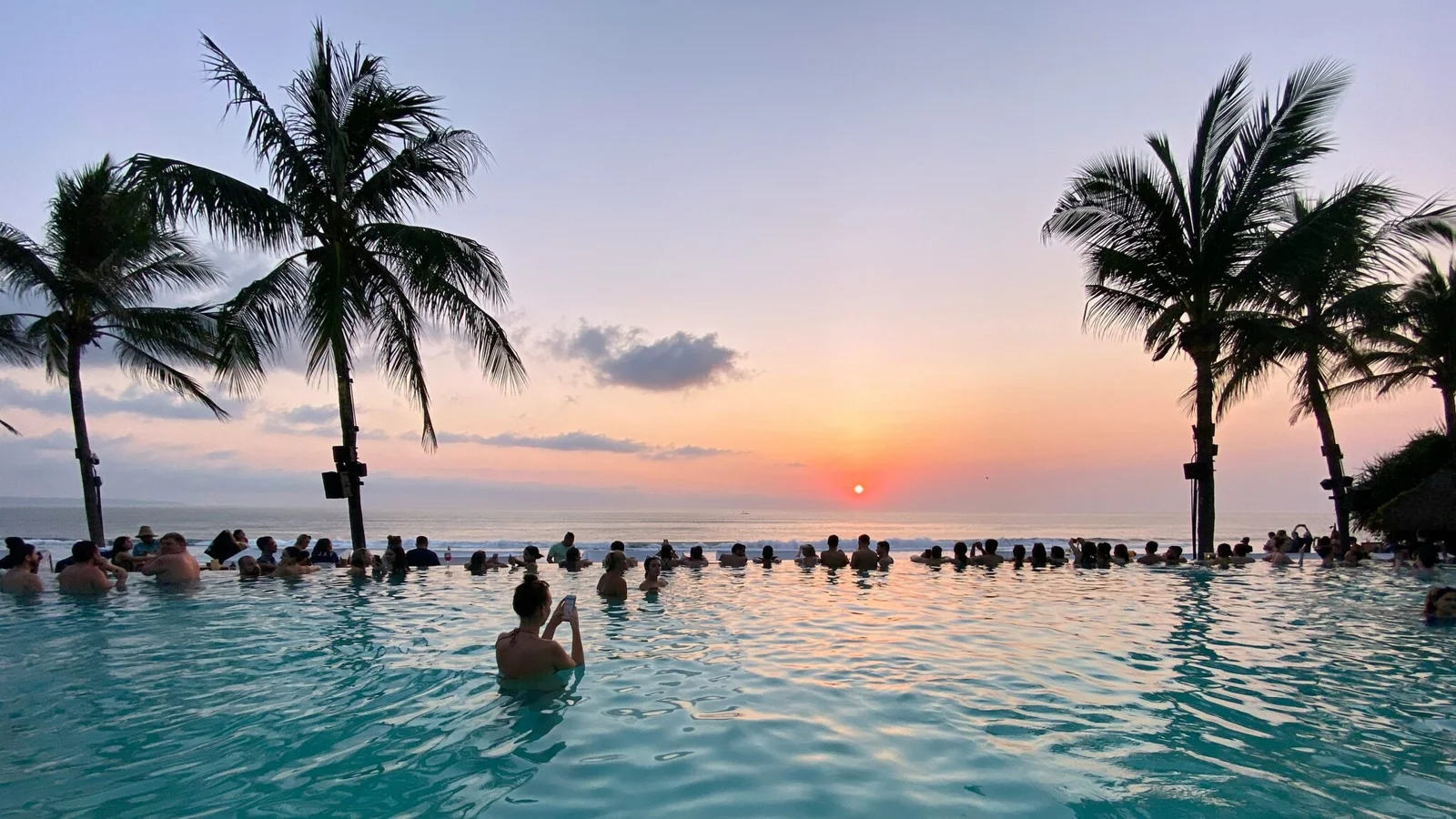
The sunset strip of Seminyak in February has the wet season cloud formations that the dry season’s clear sky cannot produce: the cumulonimbus building over the Indian Ocean in the late afternoon, the sunset through the cloud producing the most dramatic sky of the Bali year. The Potato Head Beach Club and the Ku De Ta sunset ceremony are in February accessible without the August shoulder-to-shoulder crowd.
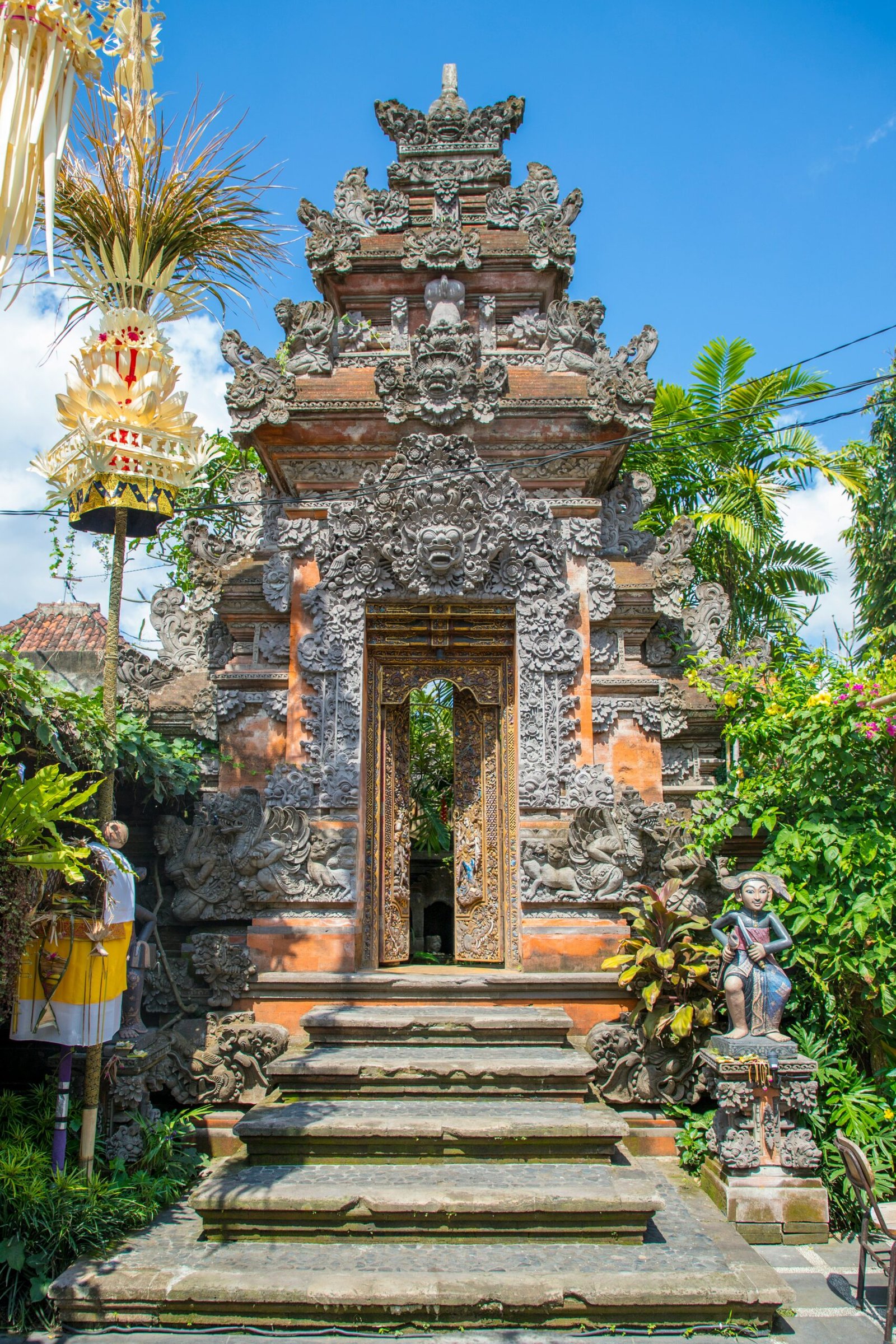
The Ogoh-Ogoh — the enormous papier-mâché and bamboo demon figures that each village banjar (community organisation) constructs for the night parade before Nyepi — are in February at their most dramatic construction stage. The figures, which can reach 5-6 metres in height and represent the Bhuta Kala (demonic spirits that must be ceremonially expelled before the Saka New Year), are built in the banjar meeting halls and under the community pavilions over 2-3 months before the Nyepi parade. Walking through the Ubud and Denpasar neighbourhoods in February and seeing the Ogoh-Ogoh at various stages of construction — the bamboo framework, the papier-mâché application, the painting — is the most direct visibility into the community effort that the Balinese ceremony tradition requires. The Nyepi parade itself typically falls in March; the February construction is the preparation at its most accessible and most communal.
February 14th in the Bali international retreat community produces the couples’ yoga workshops, partner massage sessions, and cacao ceremony evenings that the wellness culture associates with the date. The Canggu and Seminyak retreat centres are most specifically oriented toward this programming in the Valentine’s period. Solo practitioners should book at retreat centres that run their standard non-couples programme through February.
Multiple temple Odalan celebrations continue through February across the island — see January guide for the full Pawukon calendar explanation. The February Odalan at the major Ubud temples (the Pura Gunung Lebah at the Campuhan river confluence, the Pura Taman Saraswati adjacent to the Ubud Palace) are worth attending if they fall during the retreat week.
Bebek betutu — the slow-cooked duck wrapped in banana leaf with the complete base genep spice paste (galangal, turmeric, ginger, candlenut, chilli, shallot, and the full aromatic set), traditionally cooked for 8-12 hours in the rice husk embers — is the most elaborate of the Balinese ceremonial dishes and the one that requires advance ordering (minimum one day) at the traditional restaurants and warung that prepare it correctly. The betutu in February at a Ubud traditional restaurant that makes it fresh is the Balinese food experience that no hotel restaurant approximates — the duck at the specific tenderness that the long cooking produces, the spice paste penetrating to the bone.
Nangka (jackfruit) is in February at its wet season growth stage on the Bali trees — the large fruit visible on the trunk and the lower branches of the jackfruit trees that line the Ubud lanes. The young green jackfruit used in the young jackfruit curry (nangka muda in santan, cooked with the coconut milk and the Balinese spice paste) and the ripe golden jackfruit eaten fresh are both February Bali produce at their seasonal availability. The ripe jackfruit at the Ubud market in February — cut open to reveal the yellow pods, the specific sweet-floral aroma filling the market section — is the most immediately identifiable of the wet season tropical fruits.
The kopi bali (Balinese coffee) — specifically the kopi tubruk tradition of the Balinese highlands, where the ground coffee is placed directly in the glass and the hot water poured over, leaving the grounds to settle before drinking — is in February at its most appropriate in the Munduk and Kintamani highland cafes. The coffee from the Kintamani arabica growing area at 1,500 metres altitude is in February at the post-harvest processing stage, and the highland coffee shops that use the local beans produce a cup specifically different from the international-market coffee that the Canggu café scene serves.
The pre-dawn dolphin watching from Lovina — the jukung outrigger boats departing the beach at 5:30am when the spinner dolphins are most active, the February morning light on the Bali Sea as the first dolphins surface alongside the boat — is the February north Bali wildlife experience at its most reliable. The dolphin pods in February are at their largest of the season, feeding in the rich waters north of the island. The trip back to the Lovina beach as the sun rises over the Buleleng mountains is the February north coast morning at its most specifically beautiful.
The banjar Ogoh-Ogoh workshop visit in Ubud or Denpasar — walking through the neighbourhood to the banjar meeting hall where the community is working on their February construction, watching the bamboo framework being assembled and the papier-mâché applied — is the February Bali cultural experience that requires no ticket and no planning, only the willingness to walk into the neighbourhood. The banjar communities are generally welcoming to respectful visitors observing the construction, and the February stage of the work is the most visually dynamic — the figures beginning to take their demonic forms.
The Munduk plantation walk — the 3-4 kilometre trail through the clove plantations above the village, past the coffee farms of the highland cooperative, and through the cinnamon groves that the Munduk microclimate supports — is in February at its most fragrant: the clove at its February aromatic stage, the coffee plants in leaf, and the trail wet from the highland rains with the specific scent of damp tropical soil and aromatics that the dry season plateau entirely suppresses. The walk from the village to the Munduk waterfall and back through the plantation is the February Munduk half-day that uses the highland landscape correctly.
Your email address will not be published. Required fields are marked *