
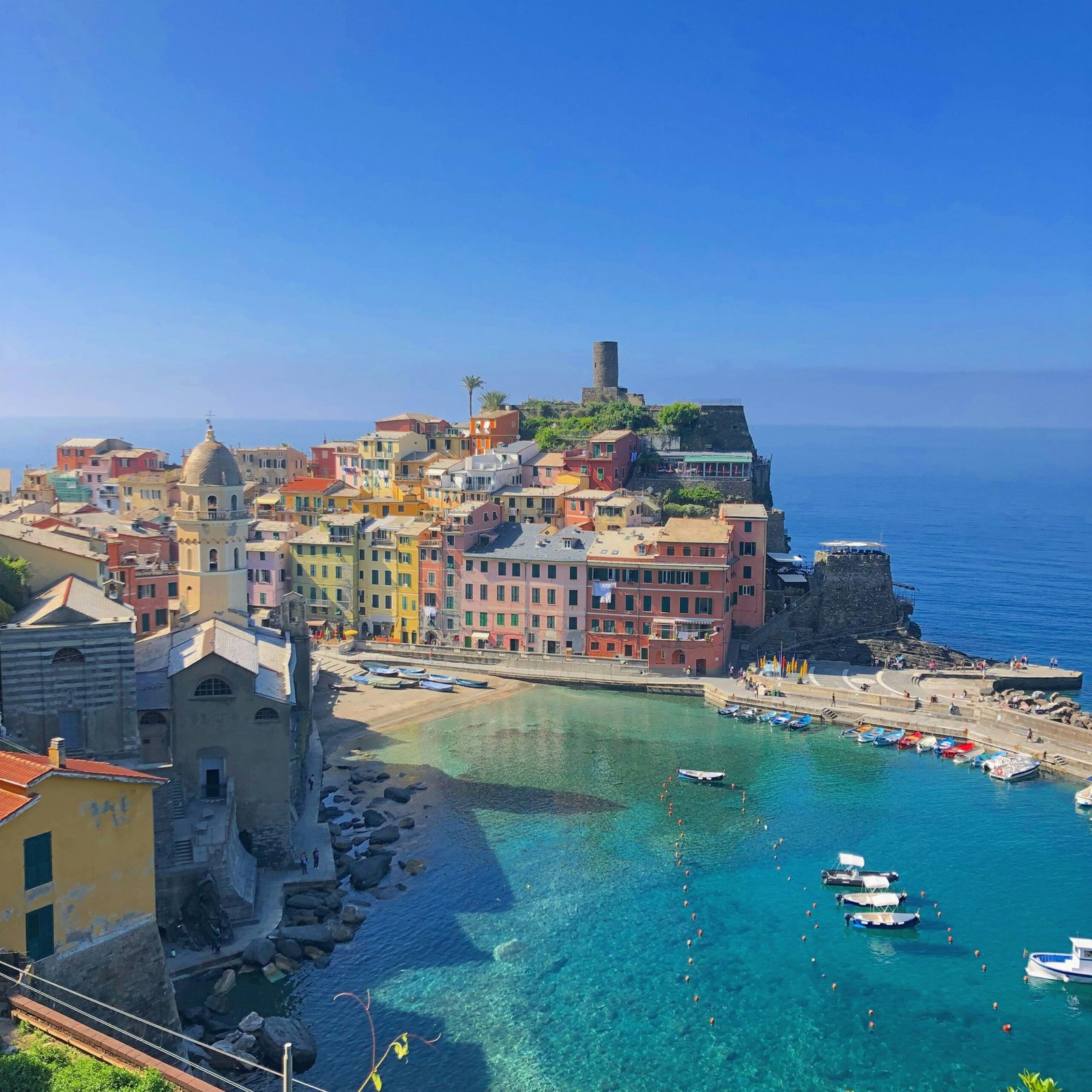
November arrives in Italy without negotiation. The olive harvest is finishing, the last of the autumn visitors have gone, and the country settles into a register that it maintains until the Christmas markets open in early December — serious, self-contained, entirely its own. The fog that rolls across the Pianura Padana from Milan to the Adriatic, that fills the Arno valley below Florence in the early morning, that sits in the lagoon around Venice and turns the water and sky into a single grey surface, is not a failure of weather but a condition particular to this month and this geography. Yoga retreats in Italy in November operate inside this particular atmosphere, and the practitioners who find it most useful are those who understand that stillness is not the absence of experience but its own form of it.


November is not a month that sells itself. The days are short — sunrise in central Italy in early November falls around six-fifty and reaches sunset before five by mid-month, which gives the day a compressed quality that requires adjustment. The weather is variable in a way that August’s heat and March’s transitional showers are not: November rain in Italy is the real thing, lasting sometimes for days, arriving with a seriousness that the brief spring and summer showers do not have. And the tourist infrastructure that makes the country convenient from March through October has largely retracted — some rural properties close, ferry services to smaller islands reduce, the rental car inventories thin out.
The practitioners who choose November anyway do so because of what the month provides rather than despite what it withholds. The prices are at their annual floor — retreat rates are typically 40 to 50 percent below the June and July peak, and the best Tuscan and Umbrian properties have places available with two to three weeks’ notice rather than six months’. The group sizes that result are the smallest of the year, often four to eight participants in settings designed for twenty, and the quality of individual attention — from teachers, from kitchen staff, from the property itself — shifts accordingly. The retreat becomes genuinely intimate in November, not as a marketing description but as a practical fact.
The silence is real too. The Italian countryside in November has a quality of auditory stillness that the warmer months, with their insects and birds and tourist activity, systematically prevent. A morning walk in the Umbrian hills in November — the ground soft from recent rain, the oaks bare, the mist in the valley below — produces an encounter with the landscape that is qualitatively different from the same walk in July, and not lesser for being colder. The retreat tradition that November in Italy supports is the one closest to the original meaning of the word: a withdrawal from the ordinary world into something quieter and more concentrated.
Venice in November is one of the most specific and least replicable travel experiences in Italy, and for retreat participants willing to base themselves in the city or within reach of it, the month provides access to a Venice that summer tourism has made nearly inaccessible. The acqua alta — the high water that periodically floods the lower parts of the city — peaks statistically in October and November, and while it requires rubber boots and a tolerance for wet pavements, it also produces a version of the city that has a visual quality unlike anything its summer self offers: the piazza under water reflecting the basilica, the narrow calli empty and glassy, the vaporetti running through fog so thick that the next stop is invisible until you are almost upon it. A retreat based in the Euganean Hills or the Treviso Marca with a day in Venice during the high water is encountering a place that exists only in this season and only in this condition.
The Euganean Hills themselves, rising from the Veneto plain south of Padua, are in November surrounded by the fog that the plain generates and that the hills sit above. Several retreat centres in the spa towns of Abano Terme and Montegrotto Terme — which have been operating thermal facilities since the Roman period, when the legions took the waters here — run November programs built around the thermal culture that the cooler months make most apposite. The dark, mineral-rich water of the Euganean springs, at 87 degrees when it rises from the ground and cooled to therapeutic temperature in the pools, has been documented since antiquity for its effects on musculoskeletal conditions; in November, with the fog visible through the pool windows and the surrounding hills muffled and close, soaking in this water after a morning practice session produces a quality of physical release that the summer months — when the same springs feel merely pleasant — cannot match.
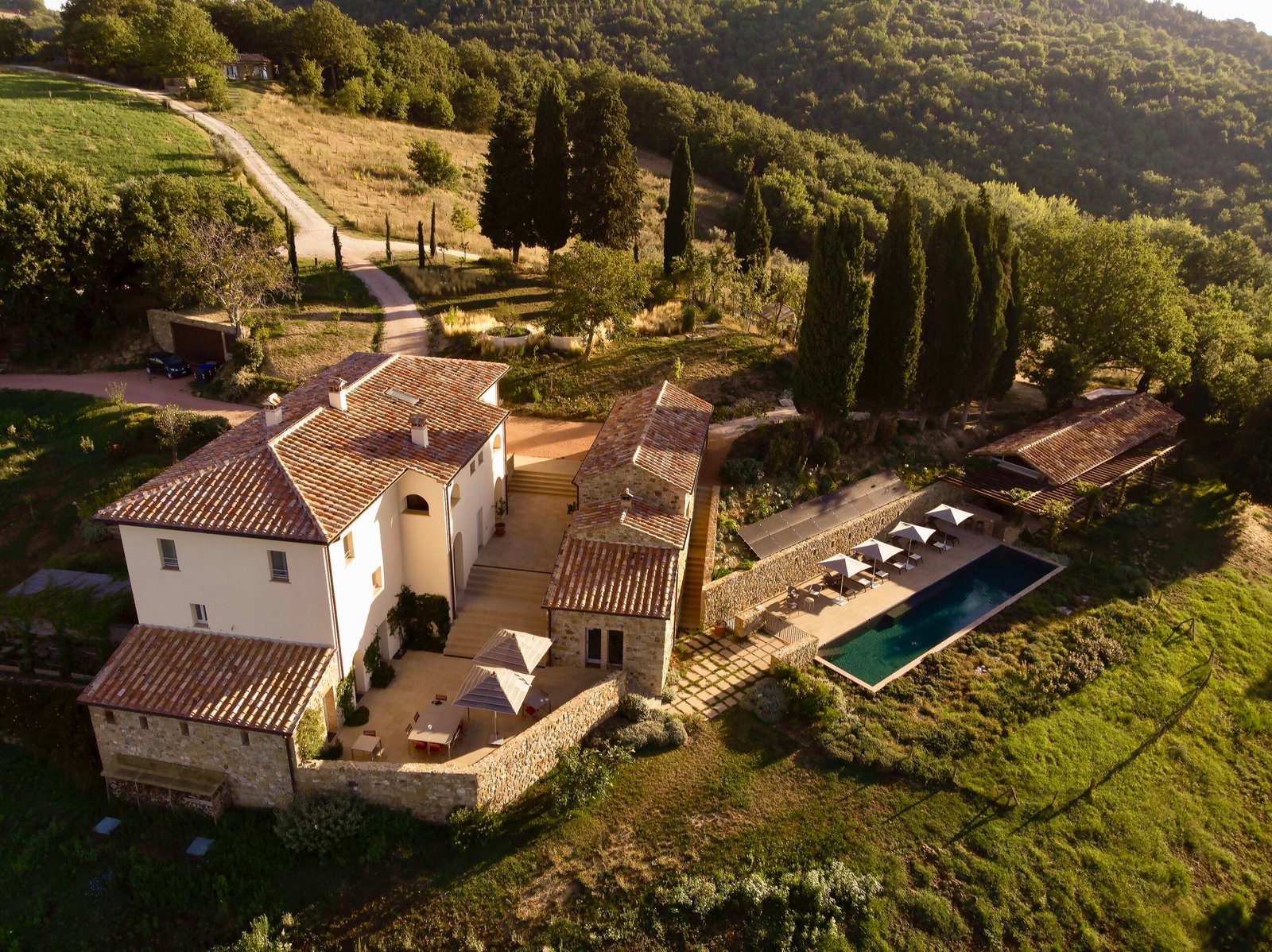
Tuscany in November has completed its harvest and returned to the long inward pause that characterises it from now until March. The landscape, stripped of the summer’s green and the harvest’s gold, shows the underlying structure of the hills more clearly than at any other time — the geometry of the terraces, the grid of the bare vines, the dark lines of the cypress stands against a sky that alternates between pale grey and a clear cold blue after rain. Retreat centres in the Crete Senesi and the Val d’Orcia run their quietest and most considered programs in November, drawing participants who specifically want the month’s particular quality: the long evenings by the fire, the kitchen producing the deeply satisfying food of the season, the practice room warm and candlelit against the short afternoon. The Norcia area in the Umbrian Apennines is also approaching the beginning of its black truffle season — Tuber melanosporum, distinct from the white truffle of Alba, with a more earthy and less volatile flavour — which runs from late November through February and gives the local cuisine a specific richness that no other season provides.
Sicily in November makes a different case from any other Italian destination in the month. The island’s southern coast — around Agrigento, Sciacca, and the Belice valley — registers daytime temperatures of 16 to 18 degrees on the clear days that November delivers between its rain systems, and on those days the light, low and direct, illuminates the Greek temples and the Baroque hill towns with a precision that summer’s overhead glare prevents. The island’s food tradition in November draws on stored and preserved ingredients — the salted capers of Pantelleria, the sundried tomatoes, the various preparations of the new olive oil that the November harvest has produced — alongside the autumn vegetables and the freshwater fish of the interior rivers. Several retreat operators in the Agrigento province and in the Iblean mountains of the southeast run November programs at their lowest prices of the year, and the combination of dramatically reduced visitor numbers, exceptional archaeological access, and a warm-ish climate relative to the rest of Italy makes November one of the stronger months for a Sicilian retreat. The options available on the island through the winter season are at yoga retreats in Sicily.
The Amalfi Coast in November is a revelation for those who have only seen it in summer. The tourist infrastructure — the ferry queues, the road traffic, the beach clubs — has entirely closed, and what remains is the coast itself: the cliffs, the terraced lemon groves, the village of Ravello above the sea, the light on the water in the afternoon when a gap appears in the cloud cover and the sun hits the Mediterranean at an angle that summer never achieves. Several retreat centres in the hills above the coast and in the quieter villages east of Amalfi town operate year-round or close only in December and January, and November at these properties offers a quality of solitude and landscape access that June cannot provide at any price. The specific operations along this stretch of coastline are listed at yoga retreats on the Amalfi Coast.
Indoor Focus
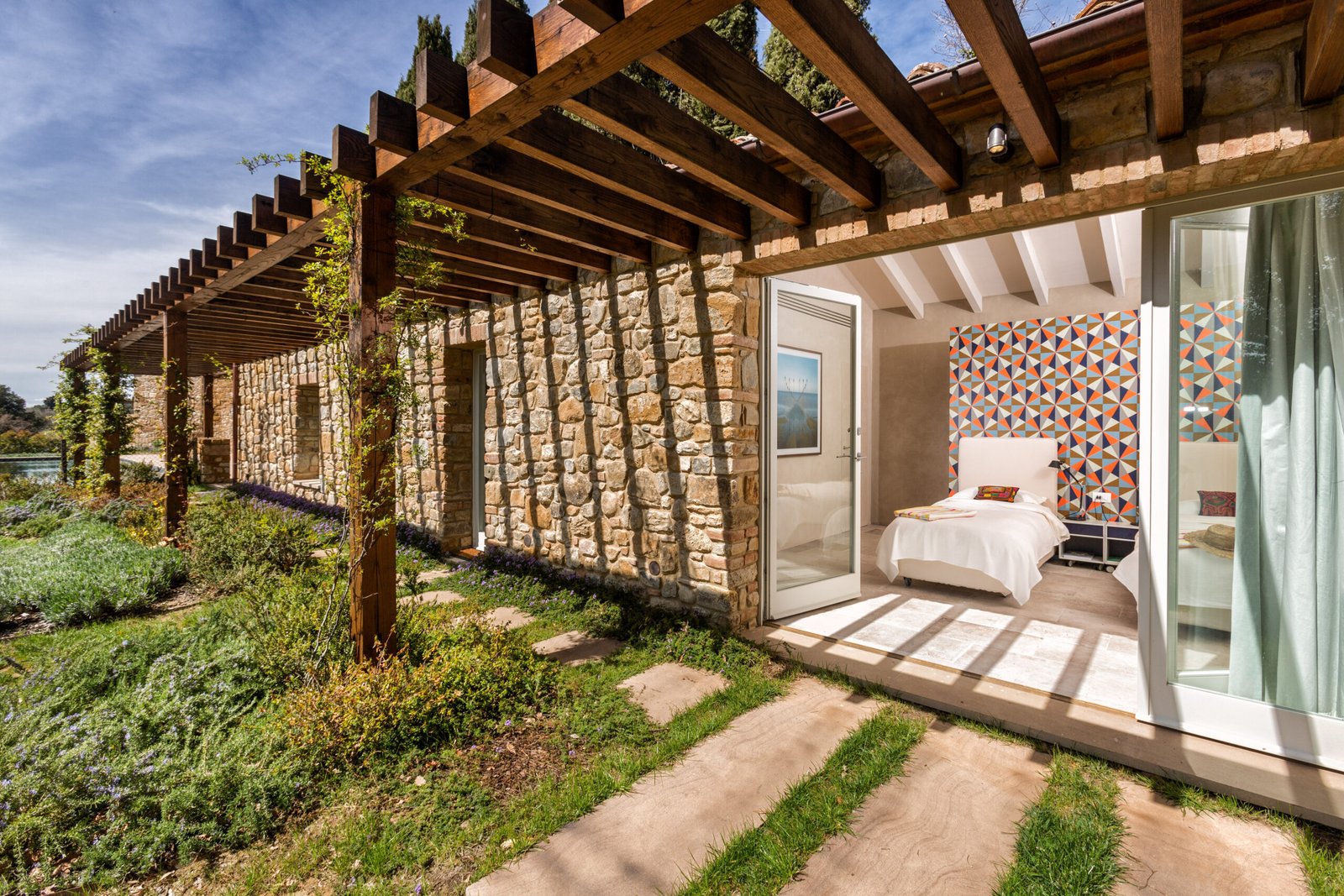
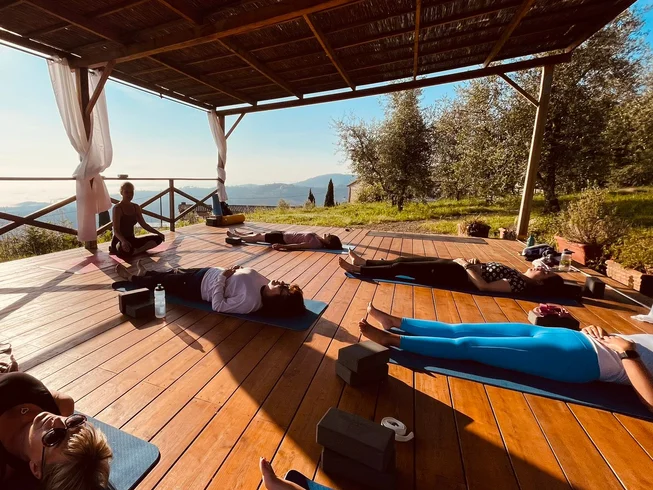
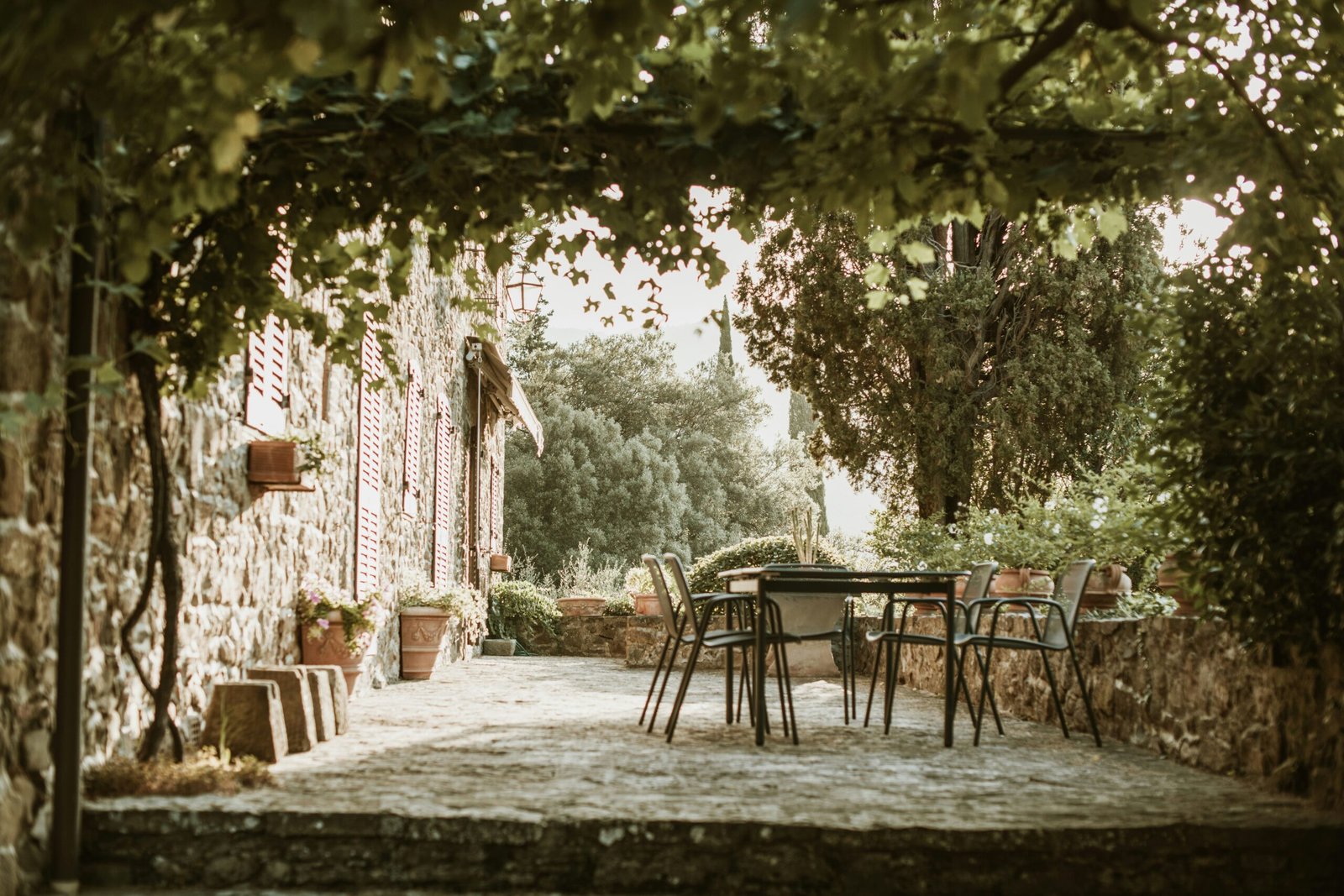
November retreats necessarily emphasize indoor practice spaces. Weather doesn’t cooperate with extended outdoor sessions. The cold and wet mean you need excellent indoor facilities—properly heated yoga studios, comfortable common areas, spaces that feel welcoming despite limited daylight.
This indoor focus works beautifully for certain practices. Meditation retreats, silent retreats, restorative yoga, therapeutic bodywork, creative programs with writing or art—these don’t require outdoor spaces and actually benefit from November’s inward-turning energy.
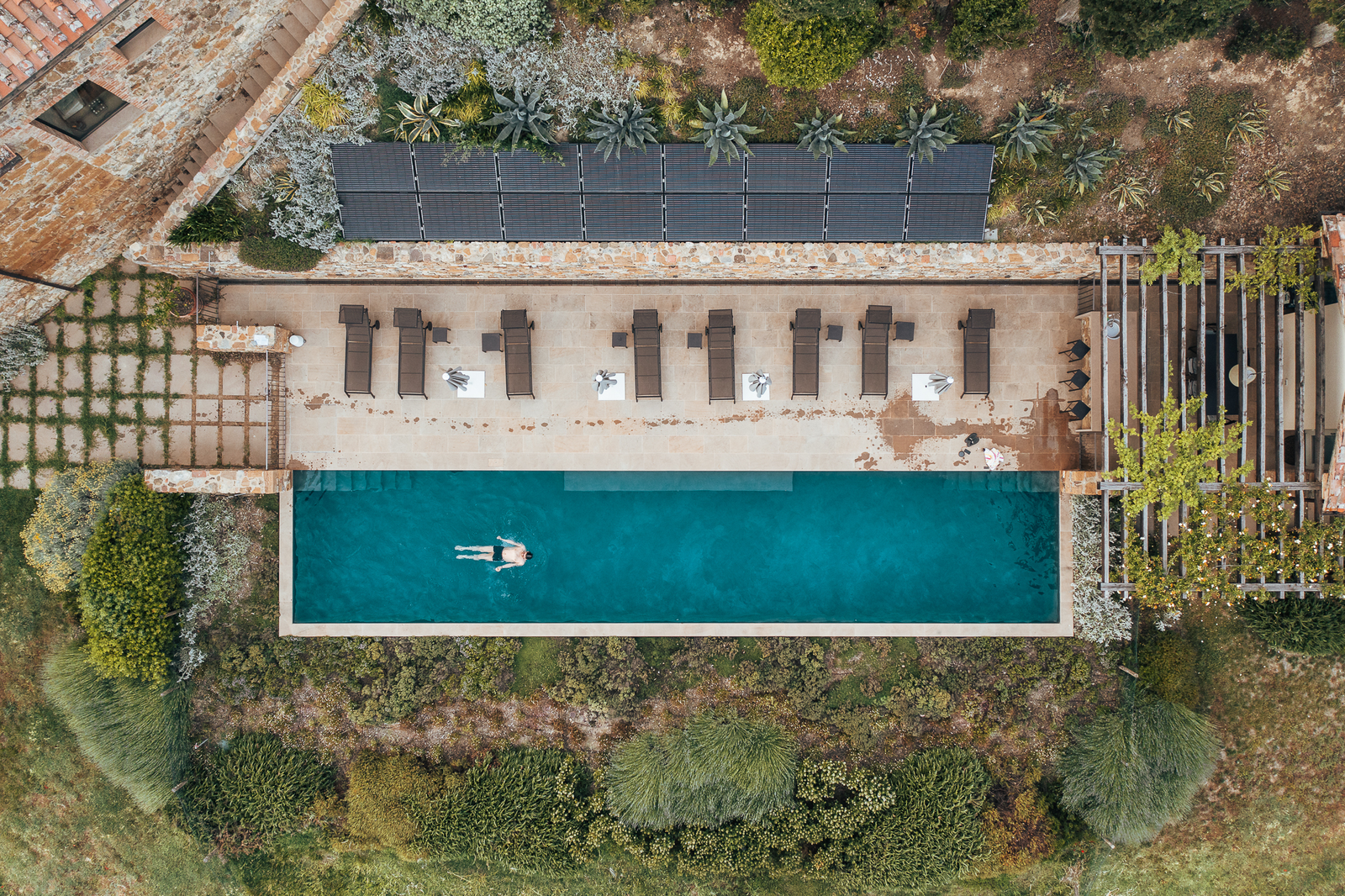
Thermal spa retreats are perfect for November. Hot springs, saunas, steam rooms, thermal pools—these become incredibly appealing when it’s cold and rainy outside. Italy’s thermal resort towns (Saturnia, Montecatini, Abano) make complete sense in November.
Properties with fireplaces, cozy common areas, good lighting, and substantial heating become essential. A retreat that’s magical in summer might be merely adequate in November without these elements.
The nebbia of the Po Valley is one of Italy’s most distinctive meteorological phenomena and one of its least celebrated. From late October through February, the vast flat plain between the Alps and the Apennines — which contains Milan, Turin, Bologna, Parma, and a hundred smaller cities — fills with ground fog that can persist for days, reducing visibility to a few metres and producing a quality of visual enclosure that changes how the landscape, the architecture, and the daily life within them feel. In the fog, the scale of everything contracts: the street outside becomes the knowable world, the building across it an apparition, the sound of footsteps on wet paving the only evidence of movement.
This is not, as it might sound, a reason to avoid the Po Valley in November. Several retreat centres in the Emilian and Lombard countryside — around Parma, Piacenza, and the Mantovano — have developed programs that explicitly use the fog as a context for practice: the enforced interiority of a landscape that withholds its horizons, the particular quality of attention that reduced visibility demands, the way that sound and smell become more present when sight is limited. A morning walk in the Parma countryside in November fog, with the smell of the cured meats curing in the cascina nearby and the shape of a farmhouse emerging from the white at thirty metres, is an experience that has no summer equivalent and that several retreat operators in this part of Italy have recognised as a teaching in its own right.
The cities of art — Florence, Rome, Naples, Palermo — are in November the most accessible they are all year. The Uffizi in Florence at ten on a November Tuesday morning has perhaps thirty visitors; the same gallery in July at the same hour has three hundred. The Sistine Chapel, which in August requires timed entry booked months in advance and still involves navigating a crowd, is in November entered with a few minutes’ wait and lingered in without the press of bodies that summer makes inescapable. Naples in November — the Museo Archeologico Nazionale, the underground city, the street food of Spaccanapoli consumed without the competition for space that the tourist season creates — is one of the most satisfying urban experiences in southern Europe, and the city’s particular intensity of life, which summer dilutes with visitors, is in November concentrated and entirely directed at whoever is there to receive it.
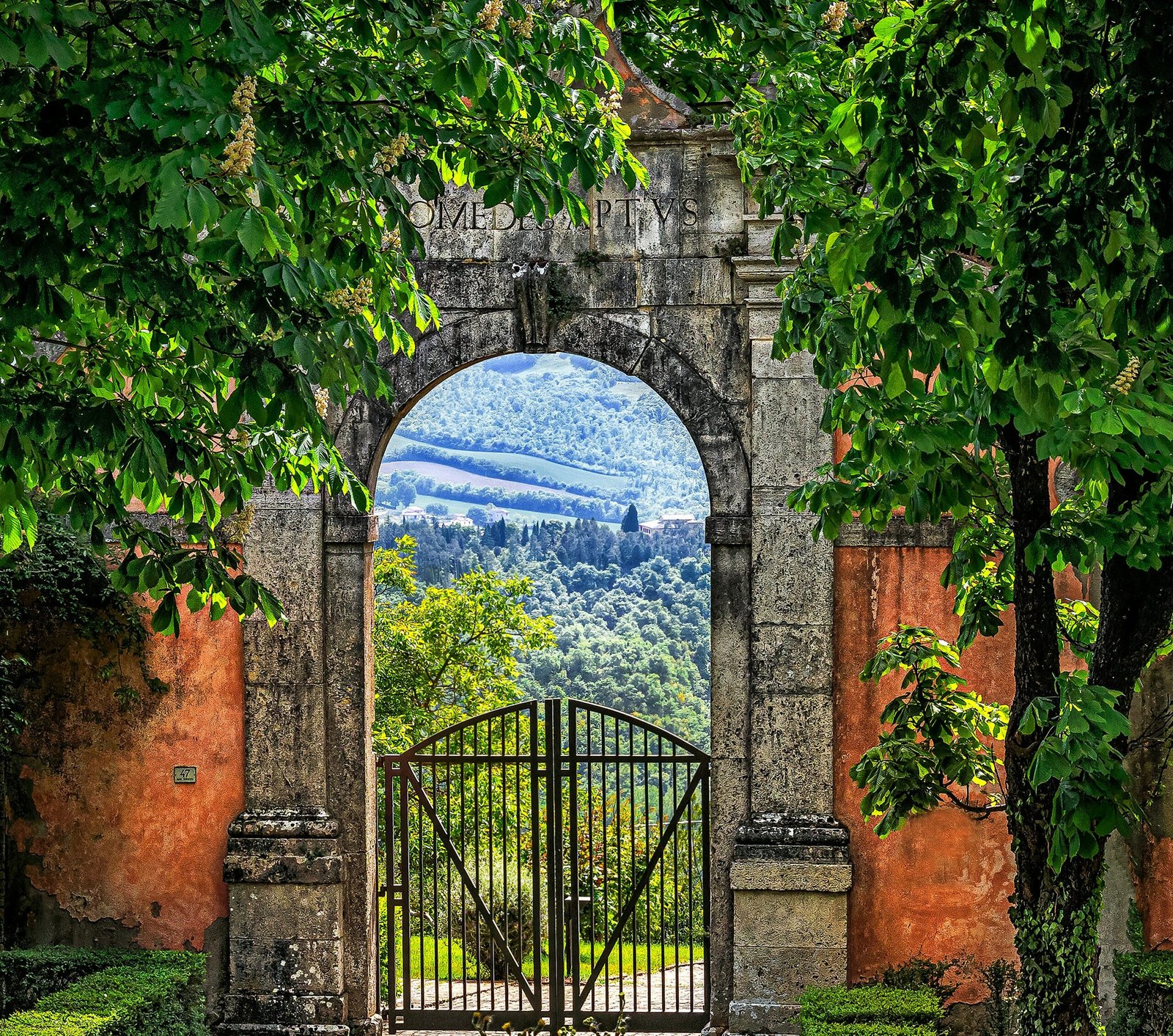

November begins with the Festa di Ognissanti on the 1st and the Giorno dei Morti on the 2nd — All Saints’ and All Souls’ Day — and the relationship between these dates and the month’s overall character is not coincidental. The Italian tradition of commemorating the dead in early November, of visiting cemeteries with flowers and candles, of making the foods and sweets associated with the departed, connects the month’s secular quietude to a longer cultural rhythm of reckoning with mortality and change that the yoga tradition approaches from its own direction. In Sicily, the Festa dei Morti has a particular elaborateness: children receive gifts supposedly left by the deceased ancestors, and the pastry shops produce the pupi di zucchero — marzipan figures in the shape of knights, queens, and animals — that are specific to these days and to no others in the year.
Retreat programmes that begin in the first week of November sometimes engage with this calendar deliberately, building practices around the themes of remembrance and release that Ognissanti and the Giorno dei Morti articulate in the Italian cultural tradition. Others simply note the dates and allow participants to encounter them in the towns and villages near the retreat centre, where the cemetery rituals and the local market’s seasonal sweets provide a cultural context that is neither manufactured nor intrusive.
November practice has a quality that the yoga tradition describes as turning inward — not as a metaphor but as a physical description. The shorter days mean that both the morning and evening sessions occur in darkness or near-darkness, and the candlelit or softly lit practice room that results creates conditions for internal attention that the outdoor summer sessions, however beautiful, cannot produce. When the visual field contracts to the immediate space of the mat and the dim warm room beyond it, the practitioner’s attention has fewer places to go and goes instead into the body — into breath, sensation, the minute shifts of balance and weight that are present in every practice but more easily noticed when there is nothing outside the room competing for awareness.
The body in November has been carrying the accumulated work of the year. If the practitioner has been consistent through the spring and summer, November is when that consistency has its most visible results: the flexibility that April’s warming opened and June’s heat deepened has become embodied rather than dependent on conditions, and the strength that the more dynamic summer practices built is present as a baseline rather than an achievement. November is accordingly an excellent month for consolidation and refinement — for the technical work that the more expansive months crowd out, for the practices that require stillness rather than movement, for the kind of teaching that is only possible when both teacher and student have the time and the interior quiet that the month provides.
Pranayama in November takes on the particular character of the season: the breath becomes more visible — literally, in the cold morning air — and the physical sensation of breathing, which the body in summer processes automatically and without friction, requires a more deliberate engagement when the air is cold. This friction is useful. The practices of breath retention and extension that the Hatha Yoga Pradipika recommends for the cooler months — the warming breaths of surya bhedana and bhastrika, the warming quality of kapalabhati — become not only philosophically appropriate but physically sensible in November, and retreat programs designed around pranayama intensives use the month’s conditions as a supporting argument for their content rather than a logistical obstacle to overcome.
The food in November is the most fortifying of the year. The black truffle of Norcia and the Marche begins its proper season from late November, appearing in the local markets and on the menus of the trattorias that serve the communities around Spoleto and Norcia with the matter-of-fact regularity of a local ingredient rather than the ceremony of a luxury import. Lentils from Castelluccio in Umbria, small and nutty, cooked with pancetta and the last of the autumn herbs, are at their finest in November. The fresh pasta of Emilia-Romagna — tortellini in broth, tagliatelle with ragù Bolognese, the handmade formats that the region’s culinary tradition has been refining for centuries — is the correct food for short dark days and long evenings by the fire. Polenta, made slowly from stone-ground corn with butter and local cheese, appears on retreat tables in the northern regions and in the Alpine foothills. And the new wine — the Vino Novello that Italian cantinas release in the weeks after October 30th, light and slightly effervescent, drunk young and with simple food — arrives as November’s most specific and least serious pleasure, a counterpoint to the month’s otherwise serious character.
October, which precedes November, is the last month in which the Italian retreat calendar still belongs to autumn’s generous middle phase — the harvest, the colours, the days long enough for outdoor afternoon activities, the climate mild enough to sit outside in the evening. Those drawn to that quality will find the full picture at October yoga retreats in Italy. November is what comes after that abundance has been gathered: the storehouse full, the landscape bare, the invitation to rest before the year turns.
December, which follows, shares November’s essential character but with the addition of the Christmas preparations that animate Italian towns and cities from the first week of the month. December yoga retreats in Italy carry the festive energy of the season into the retreat experience — markets, lights, the particular warmth of a culture that takes Christmas seriously — which November does not yet have. Whether that festivity enriches or distracts from retreat life depends entirely on the practitioner; November offers the same winter quiet without it. For the full calendar picture and how November sits within the Italian retreat year, the overview at yoga retreats in Italy puts it in context.
November is the most logistically straightforward month to book an Italian retreat. Availability is excellent at virtually all established centres, flights are at their annual minimum prices, trains are uncrowded, and the advance planning required is two to four weeks rather than months. The main practical considerations are property-specific: confirm that the retreat centre is operating in November rather than closed for the winter, that the heating system is adequate for the season, and that the nearest town has the services you need on a daily basis — some rural properties in November find themselves in areas where restaurants have closed and transport has reduced. A quick direct conversation with the centre is more reliable than assuming from a summer visit that November conditions are similar.
The Festa di Ognissanti on November 1st and the Giorno dei Morti on the 2nd are public holidays; some businesses close on the 1st, and transport on the 1st runs on a holiday schedule. Any retreat beginning in the first days of November should account for this in arrival planning. The end of daylight saving time in late October means that by November darkness falls before five throughout Italy; retreat programmes that plan evening walks or outdoor activities need to factor in the early dark explicitly.
Packing for November means packing for proper autumn weather that may turn genuinely cold, particularly in the north and at altitude. A merino base layer for morning practice, a mid-weight fleece or wool sweater for daytime, and a proper winter coat for evenings and outdoor movement cover the range in central and northern Italy. Waterproof boots or shoes with grip are more important than any other single item of footwear — November paths, garden terraces, and village streets are consistently wet, and a week in wet shoes significantly diminishes the quality of any retreat experience. For the south and Sicily, the outer layer can be lighter, but the waterproof element remains important; November rain in Palermo arrives with the same seriousness as in Florence. A swimsuit for thermal baths, where the November cold makes the hot spring water feel most essential, rounds out the list.
1. What is the weather genuinely like in Italy in November — is it as bad as it sounds?
It depends heavily on the region. The north — the Po Valley, the lakes, the Veneto — is the most challenging: fog, rain, and temperatures between 5 and 12 degrees are the norm. Central Italy, Tuscany and Umbria, is cool and wet but with regular clear days of extraordinary quality — pale sky, clean air, and the sharp definition of a landscape stripped of summer haze. The south and Sicily are genuinely mild: Palermo averages 17 degrees in November, Lecce 15, with plenty of dry days interrupted by short rainy spells. For most retreat purposes, the weather is not an obstacle but a condition to be worked with rather than around, and the properties that run year-round have designed their spaces accordingly.
2. What is the acqua alta in Venice, and is it a problem for a retreat visit?
Acqua alta is the tidal flooding that periodically inundates the lowest parts of Venice — primarily Piazza San Marco and the surrounding streets — when sirocco winds push Adriatic water into the lagoon. It peaks statistically in October and November. The city provides raised walkways (passerelle) during high-water events, and rubber boots are sold at every pharmacy and newsagent for a few euros. Most of the city remains dry during all but the highest events, and the visual experience of Venice under a thin layer of water reflecting its own architecture is one of the most distinctive things the city offers. For a retreat visit, it is worth bringing waterproof footwear and treating any acqua alta as a feature rather than an inconvenience.
3. What style of yoga practice suits November conditions best?
The cooler mornings and shorter days of November are most compatible with practices that build internal heat deliberately — kapalabhati and surya bhedana pranayama before asana, dynamic vinyasa in the morning session, Ashtanga for those with an established practice who want to use the cooler conditions for sustained physical work. In the evenings, yin and restorative practices are particularly effective: the body retains enough warmth from the day to allow deep holds without discomfort, and the early darkness creates a natural containment that makes the inward focus of restorative practice more immediately accessible. Meditation intensives and silent retreat formats are consistently the most popular November offerings at Italian centres, drawing participants who specifically want the month’s particular quality of quietude for serious sitting practice.
4. Are the major Italian cities worth visiting in November, or are the museums and sites closed?
The major museums and archaeological sites operate on normal schedules through November and are at their least crowded. The Uffizi in Florence, the Vatican Museums in Rome, the Museo Archeologico in Naples, and the Gallerie dell’Accademia in Venice all require either no advance booking or minimal lead time in November, which summer makes entirely impossible. Some smaller churches and sites in rural areas operate on reduced hours or by appointment in November, but the major cultural institutions are fully operational. The experience of moving through these spaces at a November pace — with time to sit in front of individual works, to read the context panels, to move backward and forward through a collection without the crowd’s momentum carrying you forward — is qualitatively different from any summer visit, and for many practitioners represents the most significant argument for choosing November.
5. What is the Vino Novello, and when does it appear?
Vino Novello is Italy’s answer to Beaujolais Nouveau — a young red wine made by carbonic maceration and released legally from October 30th each year. Unlike the French version, which has become a marketing event, the Italian Novello is genuinely drunk in the weeks after its release by the communities that produce it, accompanying the autumn harvest foods and the first cold evenings of the season. It is light, slightly effervescent, often with notes of red fruit and fresh bread, and it is drunk young because it is not designed for ageing. In November, the trattorias and cantinas of wine-producing regions — the Veneto, Piedmont, Tuscany, Emilia — serve it by the carafe alongside the chestnuts, the lentil soups, and the cured meats of the season. It is one of November’s most specific and most unpretentious pleasures.
6. How far in advance do I need to book a November retreat in Italy?
Two to four weeks is genuinely sufficient for most established centres in November. The exception is thermal spa properties in the Euganean Hills and Tuscany’s thermal towns, which attract a domestic Italian clientele seeking post-summer recuperation and fill slightly faster than rural retreat centres. Specific programs with very small capacity — silent retreats for six to eight participants, one-to-one intensive programs — can fill with four to six weeks’ notice as they attract repeat participants who plan ahead. For everything else, November’s low-season availability means that the spontaneous retreat decision, which the rest of the year punishes with limited options and high prices, is genuinely possible and often rewarded with excellent terms.
Your email address will not be published. Required fields are marked *