
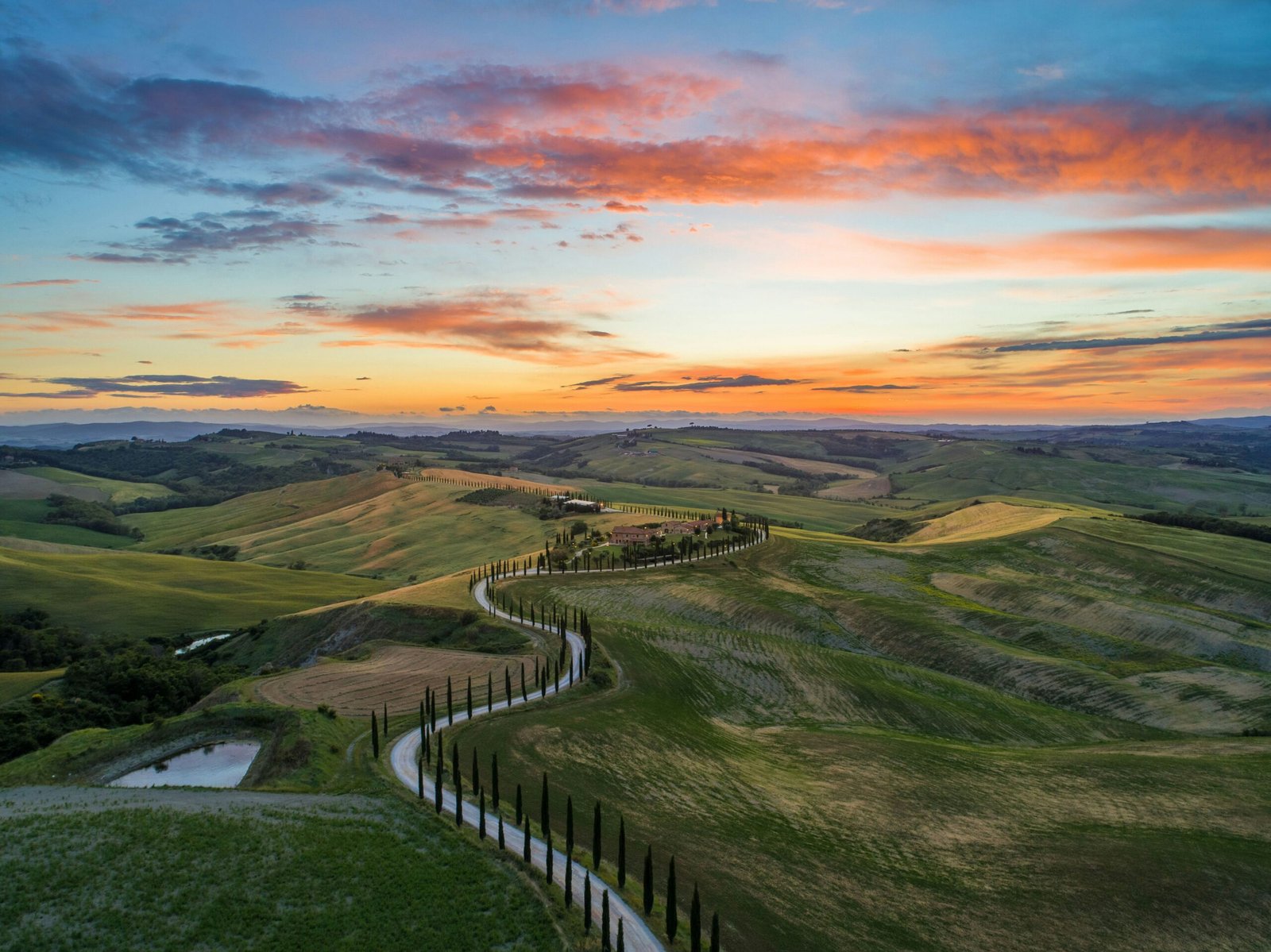
Tuscany is the most established yoga retreat region in Italy — which means both that the options are genuinely good and that the range of quality is wide. The combination of landscape (rolling hills, cypress avenues, vineyards, medieval hill towns), accommodation character (agriturismi and restored farmhouses that have been doing hospitality for centuries), and food culture (locally sourced, seasonal, prepared with the kind of care that comes from proximity to the ingredients) creates conditions that work particularly well for retreat travel. The full Italy retreat listing covers options beyond Tuscany too — but for a first retreat in Italy, this is where most people start, and usually for good reason.


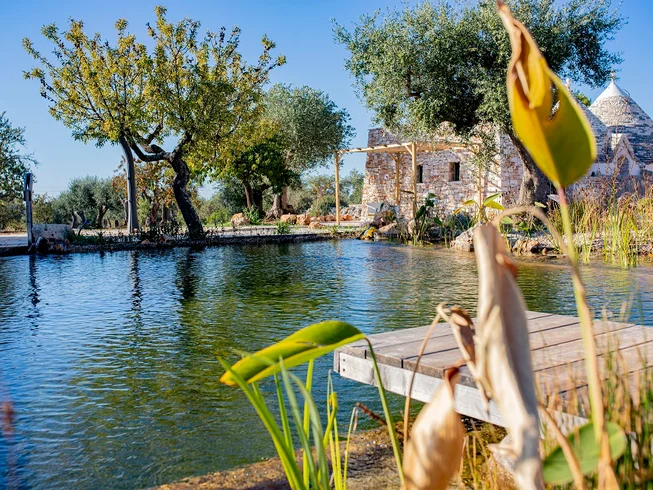
The agriturismo format is central to what makes Tuscany retreats distinctive. These are working or former working farms — producing olive oil, wine, vegetables, or grain — that have converted part of their operations to hospitality. The buildings are typically stone, centuries old, with thick walls that keep rooms cool in summer and warm in winter. The surrounding land is the retreat’s natural extension: terraces for outdoor practice, orchards for afternoon walks, vegetable gardens that supply the kitchen.
This agricultural rootedness affects the retreat experience in ways that purpose-built wellness venues don’t replicate. The food is genuinely local — not because it’s been imported from a local supplier, but because it grew in the fields visible from the yoga terrace. The olive oil pressed on the property and used at every meal is the same oil you smell during outdoor morning sessions. That coherence between environment, food, and practice is harder to engineer than it sounds, and Tuscany has it almost by default.
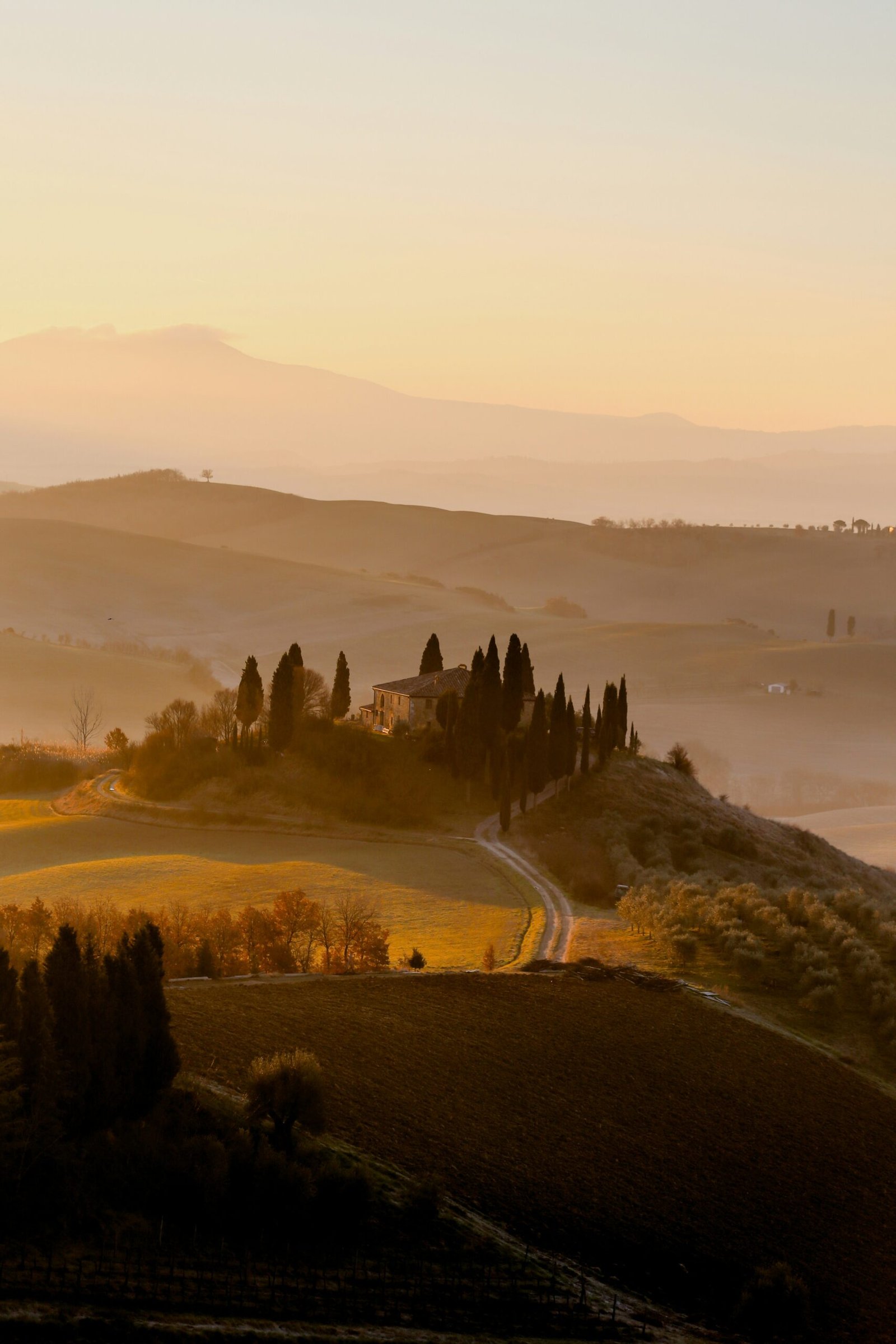
The landscape itself does consistent work. The quality of light in Tuscany — warm without glare, long in the afternoon, soft at the edges — is genuinely exceptional and not entirely explicable. It affects how outdoor sessions feel. The wide horizon of the Val d’Orcia or the Crete Senesi creates a sense of spaciousness that enclosed or forested retreat environments don’t provide. Early morning practice in these settings, before the day heats up and before any noise has arrived, tends to be among the more memorable sessions participants describe.
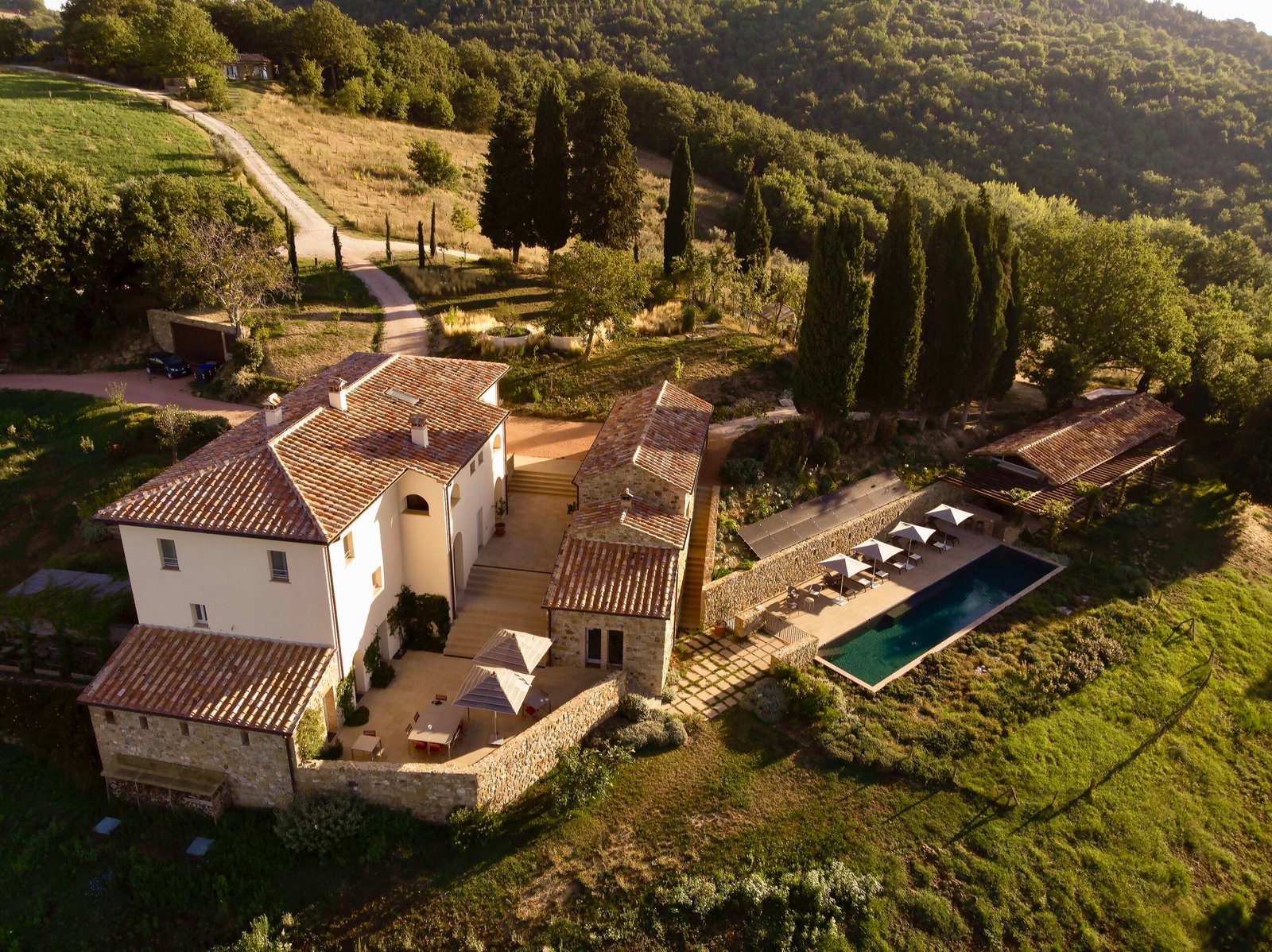
The Chianti Classico zone — the corridor of hills between Florence and Siena — is the most densely populated retreat area in Tuscany. The landscape here is the one most people picture: vine-covered slopes, medieval villages like Greve in Chianti and Gaiole, stone castles converted into wine estates. The proximity to Florence (30–60 minutes) makes it logistically easy to combine a retreat week with a day or two in the city before or after.
Retreat venues range from small family-run agriturismi with 6–10 guests to larger country hotels with established wellness facilities. Wine is part of the cultural environment here — some programmes incorporate estate tastings directly, others leave it available in the background without making it a feature. Best for: first-time Italy retreat travellers, programmes that combine yoga with wine culture, and anyone who wants city proximity without city noise.
South of Siena, the landscape opens dramatically. The Val d’Orcia — a UNESCO World Heritage landscape — is defined by wide plains, isolated cypress trees, and the kind of uninterrupted views that make it structurally difficult to feel rushed. Pienza, Montalcino, and Montepulciano are the main towns, each with a distinct food and wine identity.
Retreats in this area tend to be more remote and more immersive than in the Chianti. The distance from Florence (90 minutes to two hours) means participants have specifically chosen the depth of the countryside rather than city convenience. This self-selection produces more focused groups and more substantive programmes. Best for: people who want to fully disconnect, longer immersive formats, and harvest-integrated October retreats.
Cortona, perched above the Valdichiana plain near the Umbrian border, sits at the edge of Tuscany geographically and culturally. Retreat venues in this area often draw on both Tuscan and Umbrian traditions — the landscape and food culture blend seamlessly. Retreats in Umbria further east share a very similar character: quieter, greener, and slightly less visited than the Chianti heartland. For participants arriving from Rome, this part of Tuscany is significantly more accessible — about two hours by train to Cortona.
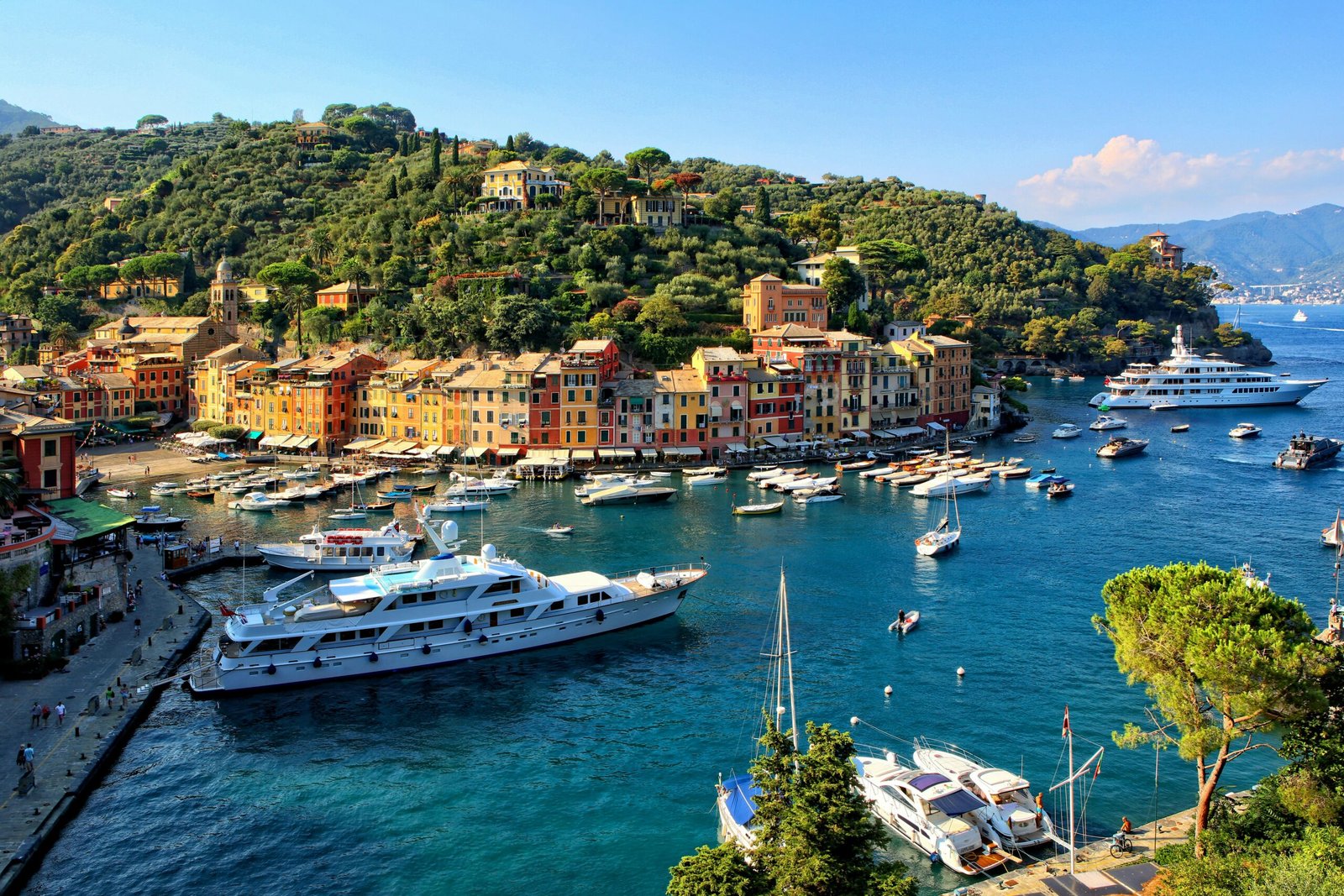
The northern Tuscan coast — Forte dei Marmi, Pietrasanta, Viareggio — is a different character entirely from the inland. Marble mountains drop to a pine-backed shoreline, with the Apuan Alps visible behind the beach. A small number of retreat programmes operate here, typically combining yoga with sea swimming and the cultural depth of Pietrasanta’s marble-working and contemporary art scene. Best for: participants who want Tuscany’s cultural texture with sea access, and those who prefer coastal to countryside settings.
What You’ll Find Beyond the Mat
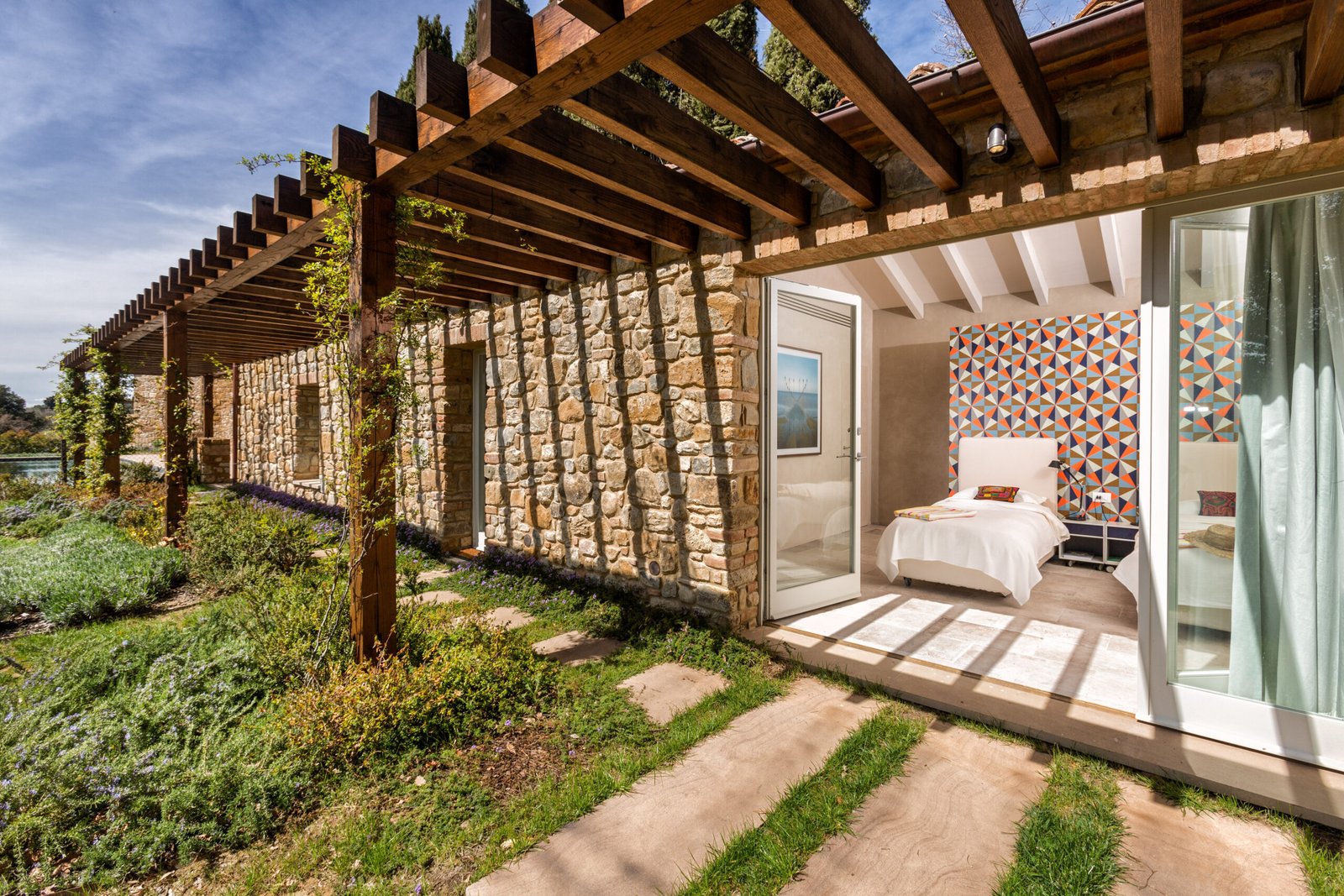
Yoga retreats in Tuscany often take place in old agriturismi — restored farmhouses where time has been repurposed into peace.
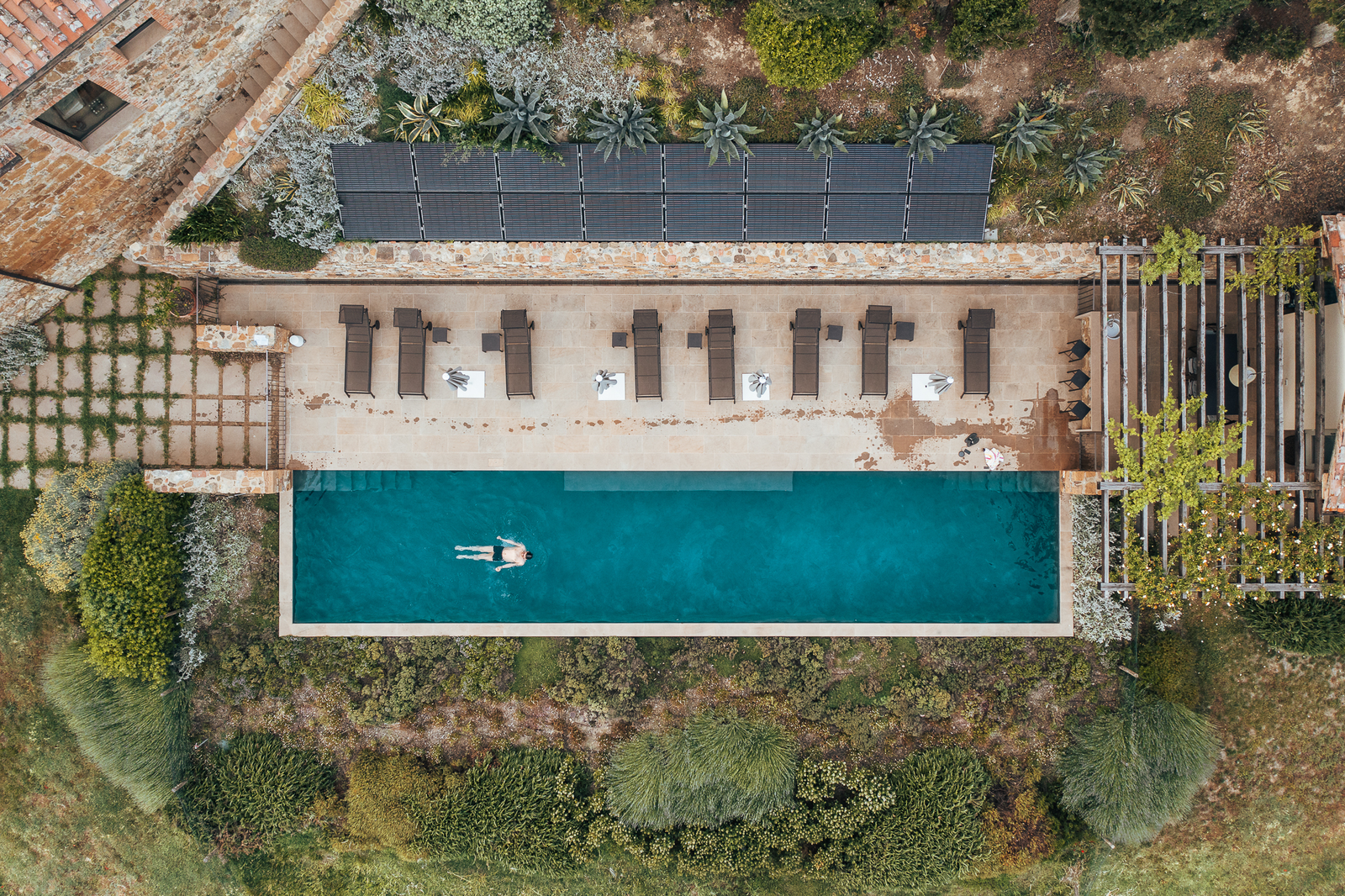
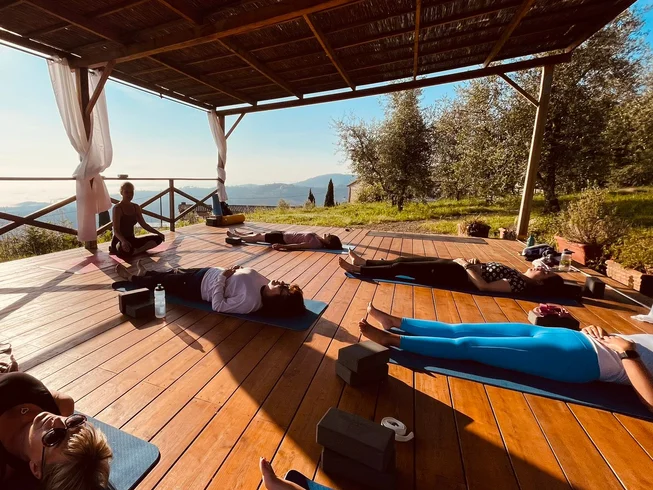
Classes happen under pergolas, inside barns turned sanctuaries, or beside pools that overlook infinity fields.
But the real practice unfolds between sessions:
walks through vineyards where grapes hang heavy with late sun,
meditative pauses in medieval villages like Pienza or Montefioralle,
an afternoon nap after a long communal lunch that ends, predictably, with laughter.
Even errands here feel contemplative. Buying bread can become a form of prayer.
Tuscany is the right choice if the agriturismo format — stone farmhouse, working land, local food cycle — is what you’re drawn to, and if the landscape of rolling hills and medieval towns suits what you need from the environment. It’s not the only excellent option in Italy, and knowing when another region fits better is worth understanding before you book.
Umbria is quieter and less visited, with a similar rural character but fewer tourists and slightly lower prices. A good alternative if Tuscany feels too well-trodden. The Amalfi Coast offers a completely different environment — dramatic vertical coastline, sea access, and a Mediterranean intensity that Tuscany’s gentle hills don’t have. Better for summer, for people who want the ocean central to their week, and for shorter formats. Lake Garda suits those who want northern Italy’s more temperate climate, water access without the coast’s tourist pressure, and proximity to Milan or Verona.

The daily rhythm at most Tuscan retreat venues is shaped by the agricultural culture and the landscape. Morning practice starts early — 7 to 7:30am — on a terrace, in a converted barn, or in an open-sided shala facing the surrounding hills. The style varies by teacher and programme, but tends toward the grounding rather than the intensely athletic: Hatha, slow Vinyasa, or mixed formats that reflect the unhurried character of the setting.
Breakfast is a genuine social event — unhurried, communal, built around local produce. Tuscan breakfast culture leans toward bread, local honey, fruit from the garden, and the estate’s own olive oil. The mid-morning might include a workshop, a cooking demonstration, or a guided walk through the surrounding land.
Afternoons are typically unstructured: time at the pool, a drive to a nearby hill town, a visit to a producer for a wine or olive oil tasting. This is where the slow-living quality of a Tuscan retreat week is most felt — not in the yoga sessions themselves, but in the long afternoons that don’t require you to be anywhere specific.
A second, gentler session in the late afternoon closes the practice day. Evening meals are communal and long — multiple courses of local food, eaten at a shared table as the landscape darkens and the lights of the nearest hill town appear on the horizon.
The most common mistake is booking based on photographs of the landscape without verifying the programme substance. Tuscany’s visual appeal is high enough that mediocre retreats can look compelling in a gallery. The usual checks apply: read the teacher’s credentials, look for specific reviews rather than star ratings, confirm the daily schedule, and send a message before paying a deposit. The retreat that fits you in this region exists — there are enough good options that there’s no reason to compromise on any of those dimensions.
The Tuscany-specific summary:
Spring (April–May)
Tuscany’s cuisine is the most directly integrated with its retreat culture of any Italian region. The slow food tradition — seasonal ingredients, minimal processing, strong sense of local identity — aligns naturally with retreat eating.
Ribollita (a bread-and-vegetable soup that improves over several days), panzanella (bread and tomato salad in summer), handmade pasta with wild boar or hare, and the first pressing of olive oil poured onto grilled bread in October are the kind of food that communicates a relationship with the land rather than a menu decision.
Beyond food, the activities that complement a Tuscany retreat week are genuinely good: hikes through the Crete Senesi or the Val d’Orcia; visits to the thermal baths at Bagno Vignoni or Saturnia (natural hot springs that have been in use since Roman times); wine tastings at small producers in the Chianti or around Montalcino; and the hill towns themselves — Pienza, San Gimignano, Volterra, Cortona — each with its own character and each within a short drive of most retreat venues.
Your email address will not be published. Required fields are marked *