
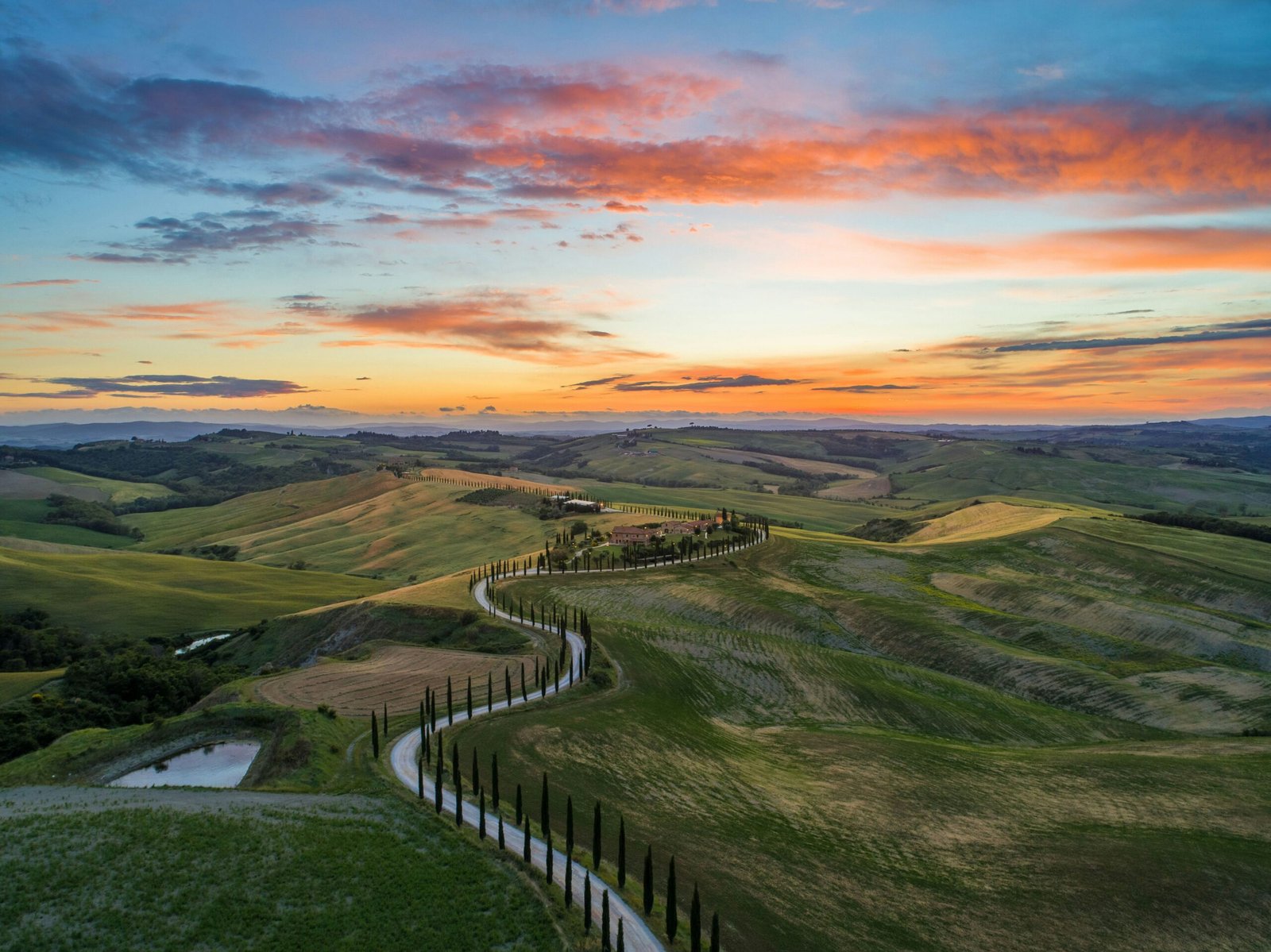
Die Toskana ist die etablierteste Yoga-Retreat-Region Italiens – was bedeutet, dass die Auswahl wirklich gut ist und die Qualitätsspanne groß. Die Kombination aus Landschaft (sanfte Hügel, Zypressenalleen, Weinberge, mittelalterliche Bergdörfer), dem Charakter der Unterkünfte (Agriturismo und restaurierte Bauernhäuser mit jahrhundertealter Gastfreundschaft) und der Esskultur (regional, saisonal und mit Sorgfalt zubereitet, die aus der Nähe zu den Zutaten resultiert) schafft besonders gute Bedingungen für Retreat-Reisen. vollständige Liste der Italien-Reiseziele Beinhaltet auch Optionen jenseits der Toskana – aber für einen ersten Urlaub in Italien beginnen die meisten Menschen hier, und das in der Regel aus gutem Grund.


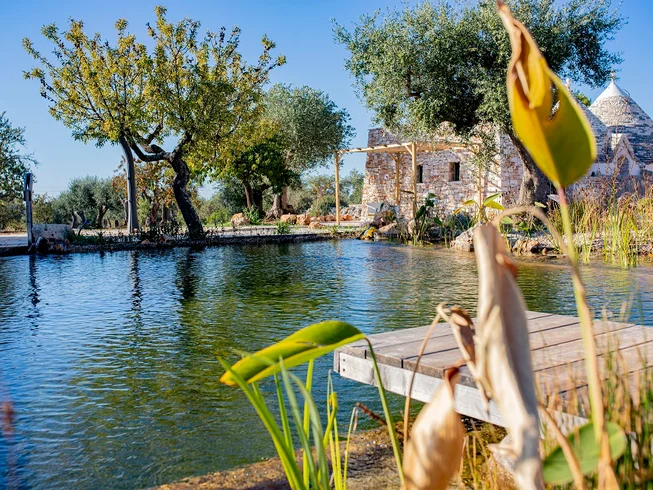
Das Agriturismo-Konzept ist zentral für das, was die toskanischen Refugien so besonders macht. Es handelt sich dabei um bewirtschaftete oder ehemals bewirtschaftete Bauernhöfe – die Olivenöl, Wein, Gemüse oder Getreide produzieren –, die einen Teil ihrer Produktion auf Gastfreundschaft umgestellt haben. Die Gebäude sind typischerweise aus Stein, jahrhundertealt, mit dicken Mauern, die die Räume im Sommer kühl und im Winter warm halten. Das umliegende Land bildet die natürliche Erweiterung des Refugiums: Terrassen für Aktivitäten im Freien, Obstgärten für Nachmittagsspaziergänge und Gemüsegärten, die die Küche mit frischem Gemüse versorgen.
Diese tiefe Verbundenheit mit der Landwirtschaft prägt das Retreat-Erlebnis auf eine Weise, die speziell für Wellness konzipierte Einrichtungen nicht bieten können. Die Speisen sind wirklich regional – nicht etwa, weil sie von einem lokalen Lieferanten importiert wurden, sondern weil sie auf den Feldern wuchsen, die man von der Yoga-Terrasse aus sehen kann. Das Olivenöl, das auf dem Gelände gepresst und zu jeder Mahlzeit verwendet wird, ist dasselbe, dessen Duft man während der morgendlichen Yoga-Einheiten im Freien wahrnimmt. Diese Harmonie zwischen Umgebung, Essen und Praxis ist schwieriger zu erreichen, als es klingt, und die Toskana besitzt sie beinahe von Natur aus.
Die Landschaft selbst leistet einen wichtigen Beitrag. Das Licht in der Toskana – warm, aber nicht blendend, lang am Nachmittag, weich an den Rändern – ist wahrhaft außergewöhnlich und nicht vollständig erklärbar. Es beeinflusst das Gefühl der Meditationen im Freien. Der weite Horizont des Val d'Orcia oder der Crete Senesi vermittelt ein Gefühl von Weite, das geschlossene oder bewaldete Rückzugsorte nicht bieten können. Die frühmorgendliche Praxis in dieser Umgebung, bevor die Hitze des Tages einsetzt und jeglicher Lärm einsetzt, gehört zu den einprägsamsten Erlebnissen, die die Teilnehmer beschreiben.
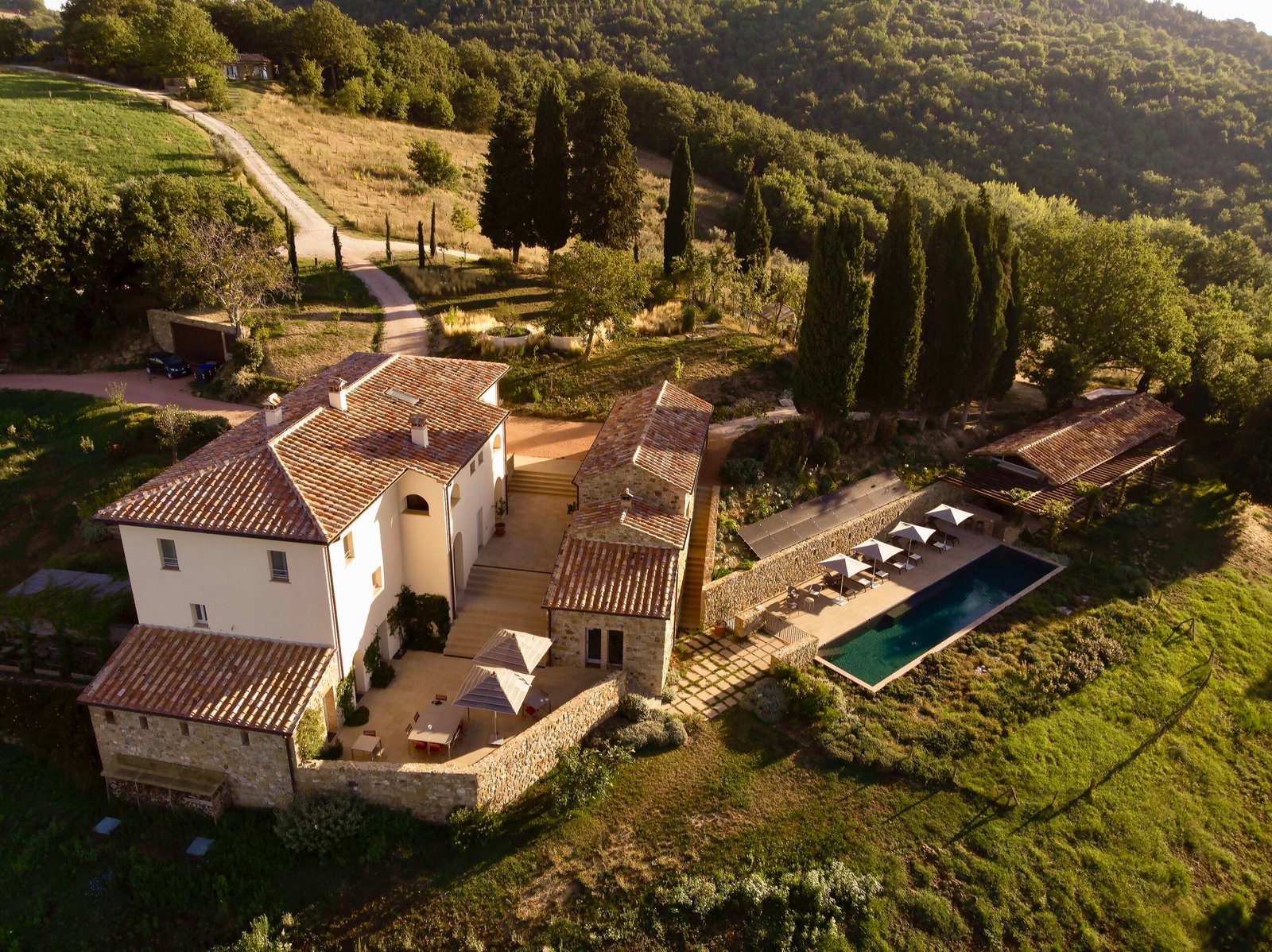
Die Chianti Classico-Region – der Hügelkorridor zwischen Florenz und Siena – ist das am dichtesten besiedelte Erholungsgebiet der Toskana. Die Landschaft entspricht dem gängigen Bild: Weinberge, mittelalterliche Dörfer wie Greve in Chianti und Gaiole sowie zu Weingütern umgebaute Burgen. Dank der Nähe zu Florenz (30–60 Minuten) lässt sich eine Erholungswoche problemlos mit einem oder zwei Tagen in der Stadt davor oder danach verbinden.
Die Retreat-Unterkünfte reichen von kleinen, familiengeführten Agriturismi mit 6–10 Gästen bis hin zu größeren Landhotels mit etablierten Wellness-Einrichtungen. Wein ist hier fester Bestandteil der Kultur – manche Programme beinhalten Weinproben direkt auf dem Weingut, andere bieten ihn eher dezent an. Ideal für: Italien-Neulinge, die ein Retreat planen, Programme, die Yoga mit Weinkultur verbinden, und alle, die die Nähe zur Stadt suchen, aber deren Lärm meiden möchten.
Südlich von Siena öffnet sich die Landschaft dramatisch. Das Val d’Orcia – ein UNESCO-Welterbe – ist geprägt von weiten Ebenen, einzelnen Zypressen und ungestörten Ausblicken, die jegliches Gefühl von Hektik eliminieren. Pienza, Montalcino und Montepulciano sind die wichtigsten Städte, jede mit ihrer ganz eigenen kulinarischen und weinerlichen Identität.
Retreats in dieser Gegend sind tendenziell abgeschiedener und intensiver als im Chianti. Die Entfernung von Florenz (90 Minuten bis zwei Stunden) bedeutet, dass die Teilnehmer bewusst die Ruhe und Abgeschiedenheit der Natur dem Komfort der Stadt vorziehen. Diese bewusste Auswahl führt zu fokussierteren Gruppen und gehaltvolleren Programmen. Ideal für: Menschen, die komplett abschalten möchten, längere, intensive Programme bevorzugen und Retreats im Oktober inmitten der Erntezeit erleben wollen.
Cortona, hoch über der Valdichiana-Ebene nahe der umbrischen Grenze gelegen, befindet sich sowohl geografisch als auch kulturell am Rande der Toskana. Retreat-Orte in dieser Gegend vereinen oft toskanische und umbrische Traditionen – Landschaft und Esskultur verschmelzen harmonisch. Erholungsorte in Umbrien Weiter östlich herrscht ein sehr ähnlicher Charakter: ruhiger, grüner und etwas weniger besucht als das Herzstück des Chianti-Gebiets. Für Teilnehmer, die aus Rom anreisen, ist dieser Teil der Toskana deutlich besser erreichbar – die Zugfahrt nach Cortona dauert etwa zwei Stunden.
Die nordtoskanische Küste – Forte dei Marmi, Pietrasanta, Viareggio – präsentiert sich völlig anders als das Landesinnere. Marmorberge fallen steil zu einer von Pinien gesäumten Küste ab, hinter der sich die Apuanischen Alpen erheben. Hier werden einige wenige Retreat-Programme angeboten, die typischerweise Yoga mit Schwimmen im Meer und der kulturellen Vielfalt Pietrasantas – geprägt von Marmorverarbeitung und zeitgenössischer Kunst – verbinden. Ideal für: Teilnehmer, die die toskanische Kultur mit Meerblick erleben möchten, und alle, die die Küste dem Landleben vorziehen.
Was Sie jenseits der Matte erwartet
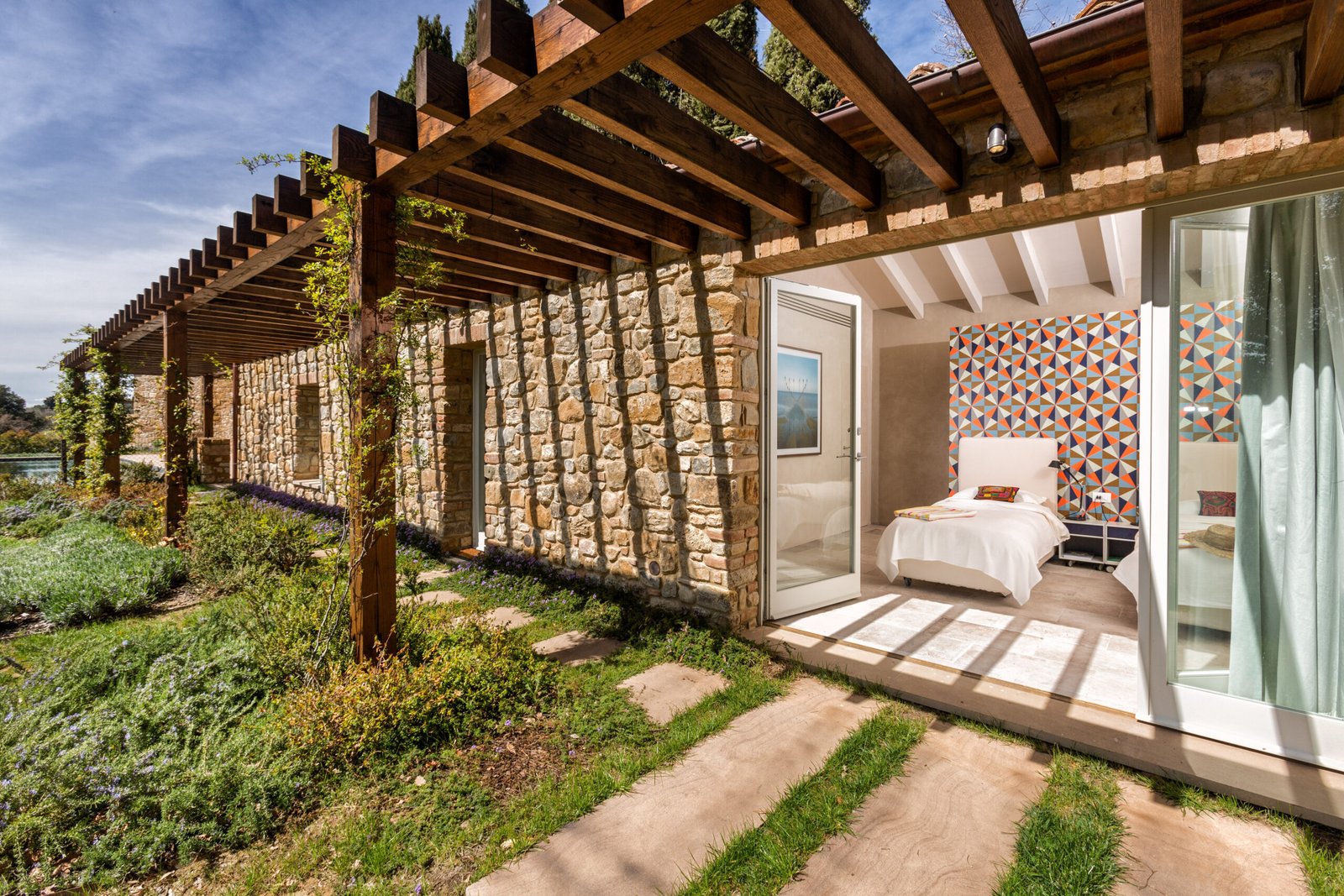
Yoga-Retreats in der Toskana finden oft in alten Agriturismi — restaurierte Bauernhäuser, in denen die Zeit in Frieden verwandelt wurde.
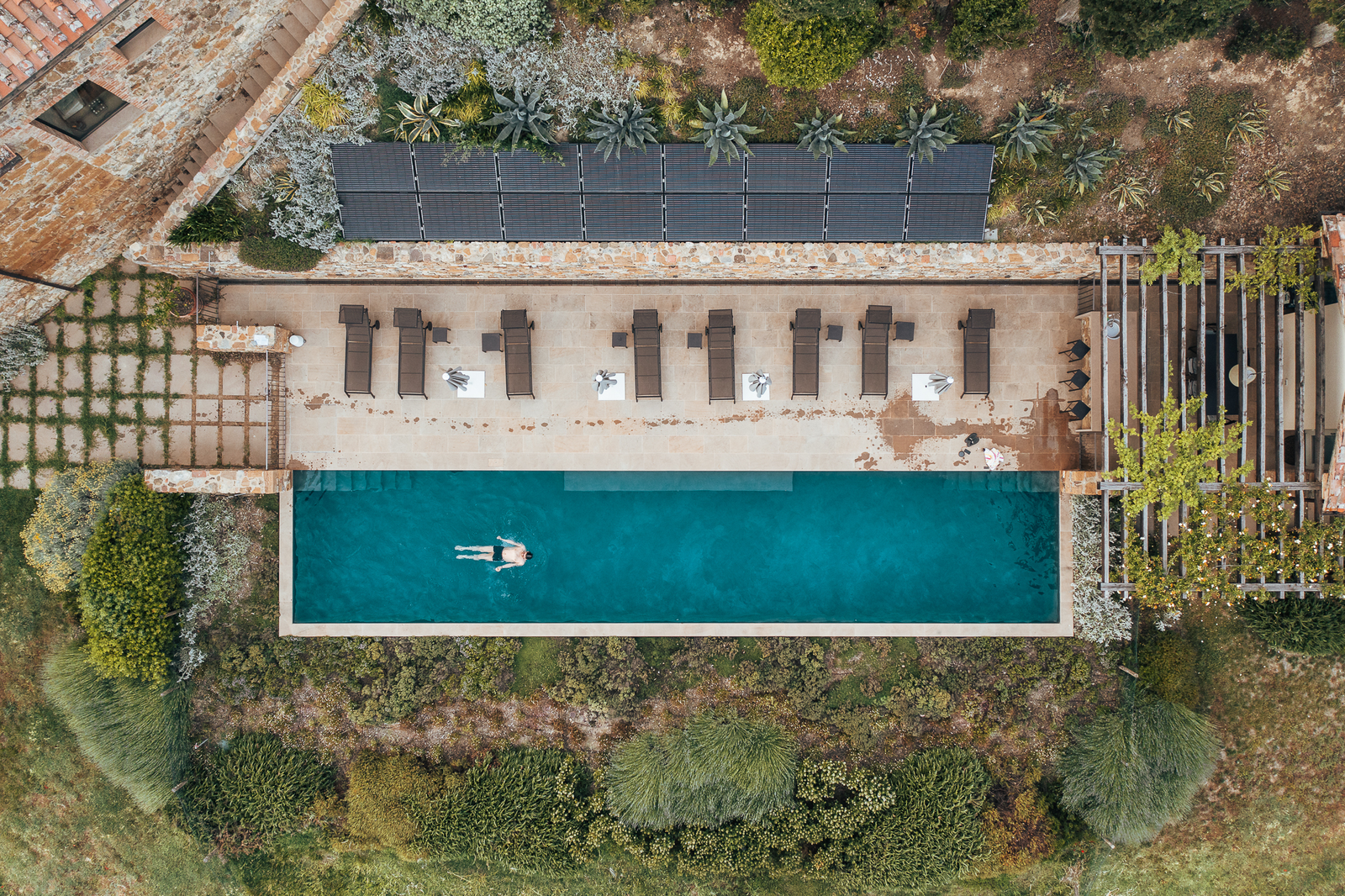
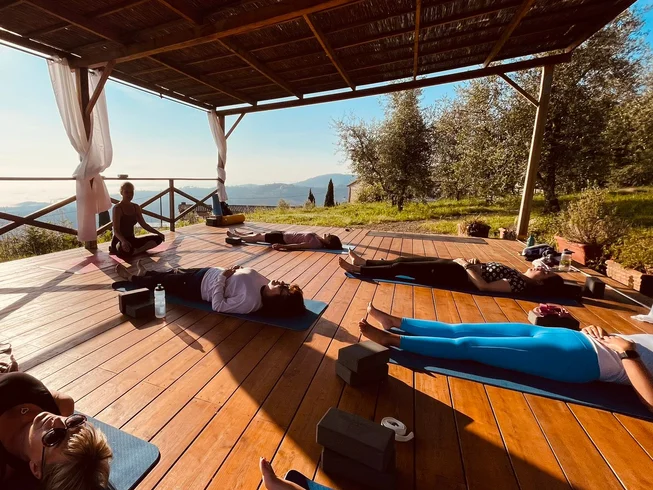
Der Unterricht findet unter Pergolen, in zu Heiligtümern umgebauten Scheunen oder neben Pools mit Blick auf unendliche Felder statt.
Die eigentliche Praxis findet jedoch zwischen den Trainingseinheiten statt:
Spaziergänge durch Weinberge, wo die Trauben schwer von der späten Sonne hängen.,
Meditative Pausen in mittelalterlichen Dörfern wie Pienza oder Montefioralle,
Ein Mittagsschlaf nach einem ausgedehnten gemeinsamen Mittagessen, das, wie zu erwarten, mit Gelächter endet.
Selbst Besorgungen fühlen sich hier besinnlich an. Brotkauf kann zu einer Form des Gebets werden.
Die Toskana ist die richtige Wahl, wenn Sie sich für das Agriturismo-Konzept – also ein Steinbauernhaus, bewirtschaftetes Land und regionale Lebensmittel – begeistern und die sanfte Hügellandschaft mit ihren mittelalterlichen Städten Ihren Ansprüchen an die Umgebung entspricht. Sie ist jedoch nicht die einzige hervorragende Option in Italien, und es lohnt sich, vor der Buchung zu prüfen, ob eine andere Region besser geeignet ist.
Umbrien Es ist ruhiger und weniger besucht, mit einem ähnlichen ländlichen Charakter, aber weniger Touristen und etwas niedrigeren Preisen. Eine gute Alternative, falls die Toskana zu überlaufen ist. Die Amalfiküste bietet ein völlig anderes Ambiente – eine dramatische, steil aufragende Küstenlinie, direkten Zugang zum Meer und eine mediterrane Intensität, die den sanften Hügeln der Toskana fehlt. Ideal für den Sommer, für alle, die das Meer im Mittelpunkt ihrer Woche wünschen, und für kürzere Aufenthalte. Gardasee Geeignet für alle, die das gemäßigtere Klima Norditaliens, Zugang zum Wasser ohne den touristischen Druck der Küste und die Nähe zu Mailand oder Verona schätzen.
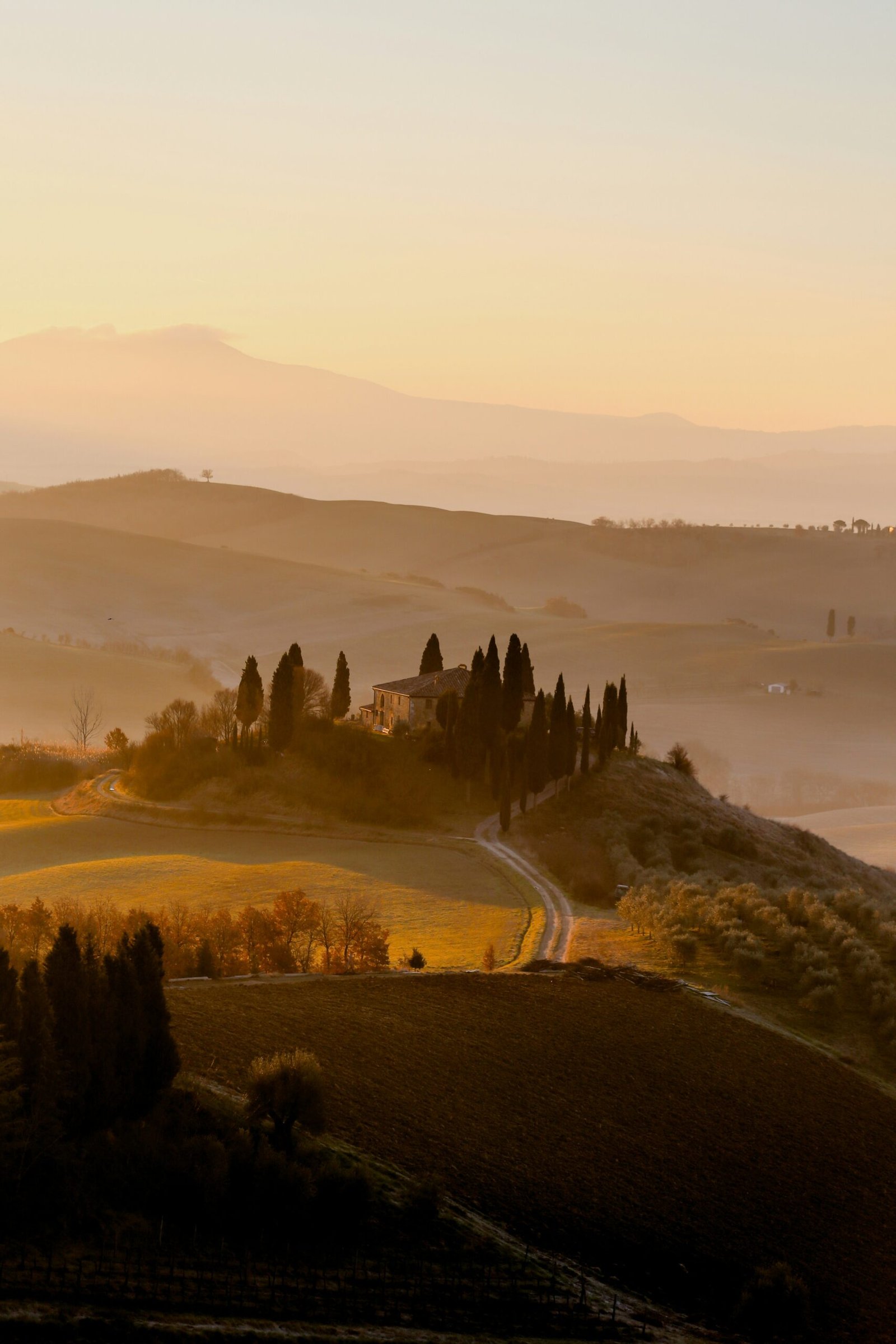

Der Tagesablauf in den meisten toskanischen Retreat-Einrichtungen ist von der Landwirtschaft und der Landschaft geprägt. Die Morgenpraxis beginnt früh – zwischen 7 und 7:30 Uhr – auf einer Terrasse, in einer umgebauten Scheune oder in einer offenen Shala mit Blick auf die umliegenden Hügel. Der Stil variiert je nach Lehrer und Programm, tendiert aber eher zu Erdung als zu intensivem Athletiktraining: Hatha, langsames Vinyasa oder Mischformen, die den gemächlichen Charakter der Umgebung widerspiegeln.
Das Frühstück ist ein echtes geselliges Ereignis – entspannt, in der Gemeinschaft und mit regionalen Produkten. Die toskanische Frühstückskultur zeichnet sich durch Brot, Honig aus der Region, Obst aus dem Garten und das hauseigene Olivenöl aus. Am späten Vormittag können Workshops, Kochvorführungen oder geführte Wanderungen durch die Umgebung stattfinden.
Die Nachmittage sind meist unstrukturiert: Zeit am Pool, eine Fahrt in ein nahegelegenes Bergdorf, ein Besuch beim Erzeuger zur Wein- oder Olivenölverkostung. Hier spürt man die Entschleunigung einer Woche in der Toskana am deutlichsten – nicht in den Yogastunden selbst, sondern in den langen Nachmittagen, an denen man nirgendwohin muss.
Eine zweite, ruhigere Trainingseinheit am späten Nachmittag beschließt den Übungstag. Die Abendessen werden gemeinsam und ausgiebig eingenommen – mehrere Gänge regionaler Spezialitäten werden an einem gemeinsamen Tisch genossen, während die Landschaft sich verdunkelt und die Lichter der nächsten Bergstadt am Horizont erscheinen.
Der häufigste Fehler ist, anhand von Landschaftsfotos zu buchen, ohne sich über das Programm zu informieren. Die Toskana ist so reizvoll, dass selbst mittelmäßige Retreats in einer Galerie attraktiv wirken können. Daher gelten die üblichen Kriterien: Überprüfen Sie die Qualifikationen der Kursleiter, suchen Sie nach konkreten Bewertungen statt nach Sternebewertungen, bestätigen Sie den Tagesablauf und kontaktieren Sie die Anbieter, bevor Sie eine Anzahlung leisten. Das passende Retreat in dieser Region gibt es – die Auswahl ist so groß, dass Sie keine Kompromisse eingehen müssen.
Die toskanische Zusammenfassung:
Frühling (April–Mai)
Die Küche der Toskana ist von allen italienischen Regionen am engsten mit der dortigen Erholungskultur verbunden. Die Slow-Food-Tradition – saisonale Zutaten, schonende Verarbeitung, starkes regionales Bewusstsein – passt perfekt zum Essverhalten in der Ruhe und Abgeschiedenheit.
Ribollita (eine Brot-Gemüse-Suppe, die über mehrere Tage immer besser wird), Panzanella (Brot-Tomaten-Salat im Sommer), handgemachte Pasta mit Wildschwein oder Hase und das erste gepresste Olivenöl, das im Oktober auf gegrilltes Brot gegossen wird, sind die Art von Speisen, die eher eine Beziehung zum Land als eine Menüentscheidung vermitteln.
Neben dem Essen sind die Aktivitäten, die eine Woche in der Toskana bereichern, wirklich erstklassig: Wanderungen durch die Crete Senesi oder das Val d'Orcia; Besuche der Thermalbäder von Bagno Vignoni oder Saturnia (natürliche heiße Quellen, die seit der Römerzeit genutzt werden); Weinproben bei kleinen Erzeugern im Chianti oder rund um Montalcino; und die Hügelstädte selbst – Pienza, San Gimignano, Volterra, Cortona – jede mit ihrem eigenen Charakter und jede nur eine kurze Autofahrt von den meisten Retreat-Orten entfernt.
Ihre E-Mail-Adresse wird nicht veröffentlicht. Erforderliche Felder sind mit * markiert