

April in Sri Lanka is the island’s own New Year — the Sinhala and Tamil New Year on April 13th-14th is the most widely observed of the Sri Lankan national celebrations, when the entire country pauses for the traditional rituals, games, and family gatherings. The southwest coast is transitioning toward the pre-monsoon season. The east coast is opening its dry season window. And the Vesak festival is approaching in May with its preparation visible in April. A yoga retreat in Sri Lanka in April navigates the New Year holiday gracefully and uses the transitional season correctly.


April is the most specifically Sri Lankan of the calendar months — the entire island observing the Sinhala and Tamil New Year with the traditions that have no Indian mainland equivalent in their precise form. The southwest coast is in its pre-monsoon transition (heat building, first cloud building, the whale season ending), and the east coast is in its April opening — the Arugam Bay surf season beginning, the Trincomalee beaches returning to their dry season calm, and the east coast retreat infrastructure reopening after the northeast monsoon.
Browse our full yoga retreats in Sri Lanka guide for the complete picture of what the country offers year-round. For the global context of April retreat travel, our yoga retreats in April guide covers every destination worth considering this month.
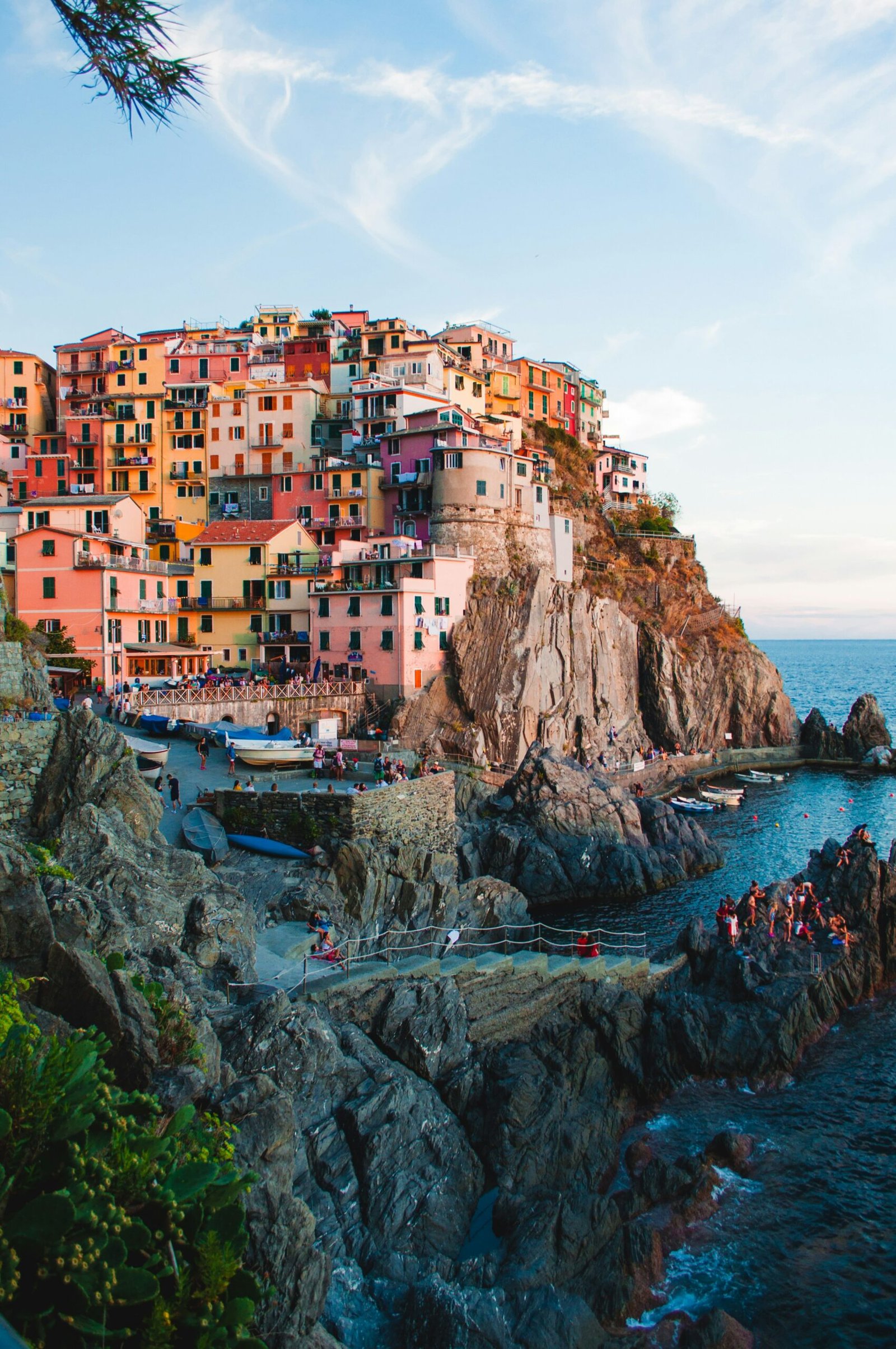

Trincomalee — the deep natural harbour city on the northeast coast of Sri Lanka, with the Koneswaram Temple on the Swami Rock clifftop, the Marble Beach and the Nilaveli Beach north of the harbour, and the most dramatically clear water on the island from April through September — is in April in its opening dry season window. The Trincomalee coast follows the opposite weather pattern from the southwest — dry from April through September when Galle and Mirissa are in the southwest monsoon — and is in April at the transition from the northeast monsoon to the dry season.
The coral reef diving at Pigeon Island National Park (the only hard coral reef national park in Sri Lanka, accessible by boat from Nilaveli Beach) is in April at the beginning of its season — the blacktip reef sharks and the hawksbill turtles at the Pigeon Island reef visible in the April clarity that builds through May and June to its peak.
Arugam Bay — the surf town on the southeastern coast, the most internationally famous of the Sri Lankan surf destinations and one of the top ten surf spots in the world for the longboard and the log-riding tradition — is in April in the opening of its surf season. The Arugam Bay point break — the right-hand point break at the southern end of the bay, producing the 300-metre rides in the peak season conditions — begins in April and runs through October. The April swell is smaller than the June-August peak but the crowds are correspondingly smaller, and the early season intimacy of the Arugam Bay community (the small town operating for its own surf-and-yoga long-stay community before the peak season influx) is the April east coast retreat quality.
The yoga and wellness culture of Arugam Bay is smaller than the southwest coast’s infrastructure but specifically oriented toward the long-stay surf community — the retreat centres combining the morning practice with the afternoon surf session in the point break conditions.
Ella in April is in the pre-monsoon transition — still comfortable at 16-24°C, the views from the Ella Gap occasionally obscured by the building cloud but the tea estate walks still clear and the Nine Arches Bridge still photogenic in the April light. The Ella retreat in April has the benefit of the pre-peak pricing (the July-August domestic tourism hasn’t arrived) and the post-peak international community (the January-February international retreat guests have gone).
The World’s End viewpoint in the Horton Plains National Park — the 270-metre sheer cliff edge at 2,100 metres, with the view dropping to the southern lowlands on clear mornings — is in April accessible before the May monsoon cloud closes the view. The Horton Plains in the pre-dawn April — arriving at the park entrance at 6am before the cloud builds from approximately 9am — produces the clear World’s End view that the May-September morning cloud suppresses.
Bentota — the beach resort on the west coast between Galle and Colombo, with the Bentota River inland waterway and the water sports culture of the lagoon — is in April in the last weeks of the southwest coast dry season before the May monsoon. The Bentota River safari — the boat tour through the mangrove-fringed river channels, with the monitor lizard, kingfisher, and the water monitor visible from the flat-bottomed boat — is in April at the dry season water clarity that makes the river most accessible. The Lunuganga garden of Geoffrey Bawa (the most important of the Sri Lankan architect’s personal landscape projects, at Dedduwa Lake adjacent to Bentota) is in April accessible for the guided tour.

Aluth Avurudda (Sinhala) and Puthandu (Tamil) — the Sri Lankan New Year, marking the sun’s transition from Pisces to Aries on the solar calendar — is the most important of the Sri Lankan national celebrations. The New Year traditions are precisely timed by the astrologer’s nakath (auspicious times): the specific time to stop all work (the old year’s end), the time for the ritual bath with the herbal leaves (the new year’s cleansing), the time to light the hearth and cook the first meal (always the milk rice, kiribath), and the time to leave the house for the family visits. The New Year games — the greasy pole climbing, the pillow fight on the beam above the pond, and the tug-of-war — are the afternoon activities of the New Year village celebrations.
For retreat guests in Sri Lanka on April 13th-14th, the New Year is observed simultaneously at the family compound, the temple, and the village green — the most domestic and the most intimate of the Sri Lankan annual celebrations, accessible through the retreat centre’s local connections.
The avurudu games (the traditional New Year sports) — observed in every Sri Lankan village on the afternoon of April 13th — include the kotta pora (pillow fight on the horizontal pole above the water), the ankeliya (the traditional tug-of-war of the Sinhala village tradition, using the interlocked horns of two teams), and the climbing the greasy pole competitions that the village common area hosts. The retreat in a rural Sri Lankan village setting on April 13th encounters these as community events rather than staged performances.
Kiribath (milk rice) — the ceremonial rice cooked in coconut milk until thick, pressed into the square tray and cut into diamond or square pieces, served with the lunu miris (the onion and chilli sambol) on savoury occasions and with the jaggery on sweet occasions — is the most specifically Sri Lankan of the auspicious foods and the one that the New Year tradition requires at the first meal of the new year. The kiribath at the retreat kitchen on April 14th morning, cooked at the nakath-specified time and shared among the retreat community, is the most directly participatory of the April Sri Lankan food traditions.
Kavum (the oil cake of the Sri Lankan New Year tradition — the rice flour and treacle deep-fried cake in the specific kavum shape produced by the pouring technique) and kokis (the crispy lacy fried rice flour and coconut milk cookie) are the two most specifically Sri Lankan New Year sweets, prepared in every household in the days before April 13th and available at the April market stalls in their season-specific abundance.
The Jaffna red onion — the small, intensely flavoured red onion of the northern Sri Lankan agricultural tradition, grown in the sandy soils of the Jaffna Peninsula and considered the most flavourful of the Sri Lankan onion varieties — is in April available at the east coast markets after the northeast monsoon harvest. The Jaffna red onion at the Trincomalee market in April, smaller and more pungent than the commercial red onion, is the most specifically northern Sri Lankan of the April produce arrivals.

The Sinhala New Year village participation — joining the retreat centre’s local community at the April 13th afternoon games, the New Year eve bon fires, and the April 14th family visit circuit — is the most specifically Sri Lankan of the April retreat activities and the one that requires the retreat centre’s local connection to access in its genuine form. The retreat that facilitates the village New Year participation for interested guests is using the April calendar correctly.
The World’s End pre-dawn visit at the Horton Plains National Park — the 6am park entry, the 9-kilometre circuit through the Horton Plains montane grassland to the World’s End cliff edge, arriving before 9am when the cloud typically builds — is in April in its last accessible window before the May-August monsoon makes the clear morning view increasingly unreliable. The April World’s End visit, with the 270-metre drop to the southern lowlands visible in the pre-cloud clarity, is the most dramatic of the Sri Lankan highland experiences.
The Pigeon Island coral reef snorkelling — the 10-minute boat from the Nilaveli Beach to the Pigeon Island reef, the mask and snorkel in the water above the hard coral garden with the blacktip reef sharks and the hawksbill turtles visible — is in April at the beginning of its season, the April sea clarity building toward the May-June peak. The April Pigeon Island dive has the early-season intimacy — fewer boats, smaller groups — that the peak summer months replace with the full east coast tourist season.
The southwest coast — Galle, Hikkaduwa, Mirissa — is warming toward the pre-monsoon transition. Temperatures reach 29-34°C and the afternoon cloud is building. The mornings are still dry but the peak season comfort is ending.
The east coast — Trincomalee, Arugam Bay — is opening its dry season in April. Temperatures at 28-32°C and the Indian Ocean on the eastern side calming from the northeast monsoon. The surf at Arugam Bay beginning.
Ella and the Horton Plains are at 16-24°C — still comfortable, the World’s End view accessible in the pre-cloud April mornings.
Colombo and the western lowlands are at 28-34°C — the New Year holiday closing the city for April 13th-14th.
Your email address will not be published. Required fields are marked *