
September in Mexico is Independence Month — the Grito de Independencia on the night of September 15th transforms every municipal plaza in the country simultaneously, and the patriotic energy of the month gives the retreat calendar a specifically Mexican dimension. The green season continues across the highlands and the Pacific coast. The whale shark aggregation is ending at Isla Mujeres. And the chiles en nogada season — the most specifically Mexican dish, available only in August and September — is in its final weeks. A yoga retreat in Mexico in September catches the country at its most patriotically itself.


September is the month Mexico belongs to itself most completely. The international tourist volume is at its annual low — the summer vacation period has ended in the US and Europe, the spring break crowds are months away, and the country in September is operating for its own population in a way that the peak months do not produce. The Independence celebrations on September 15-16th are the most specifically Mexican cultural event of the year — more deeply rooted than Semana Santa, more universally observed than the Day of the Dead, and specifically worth experiencing from within rather than as a visitor.
Browse our full yoga retreats in Mexico guide for the complete picture of what the country offers year-round. For the global context of September retreat travel, our yoga retreats in September guide covers every destination worth considering this month.

Mexico City on the night of September 15th is the epicentre of the Mexican Independence celebration — the Zócalo (the largest public square in Latin America, surrounded by the National Palace, the Metropolitan Cathedral, and the ancient Templo Mayor) filled with hundreds of thousands of people waiting for the President to appear on the National Palace balcony at 11pm and deliver the Grito de Independencia (the re-enactment of Miguel Hidalgo’s 1810 independence cry) to the crowd below, the church bells ringing simultaneously across the country at the moment of the cry.
For retreat guests in Mexico City on September 15th, the Zócalo event is the most specifically Mexican collective experience available in any month. The weeks before the 15th in the capital are the most patriotically decorated of the year — the green-white-red bunting on every building, the patriotic confectionery at every market stall, and the Fiestas Patrias energy in every neighbourhood producing the specific quality of a country celebrating its own existence. The Palacio de Bellas Artes in the historic centre, the Bosque de Chapultepec with the Castillo de Chapultepec (the hilltop castle where the military cadets died defending against the US invasion in 1847 — the Niños Héroes whose names every Mexican schoolchild knows), and the Museo Nacional de Antropología are all in September at their least crowded and their most specifically accessible.
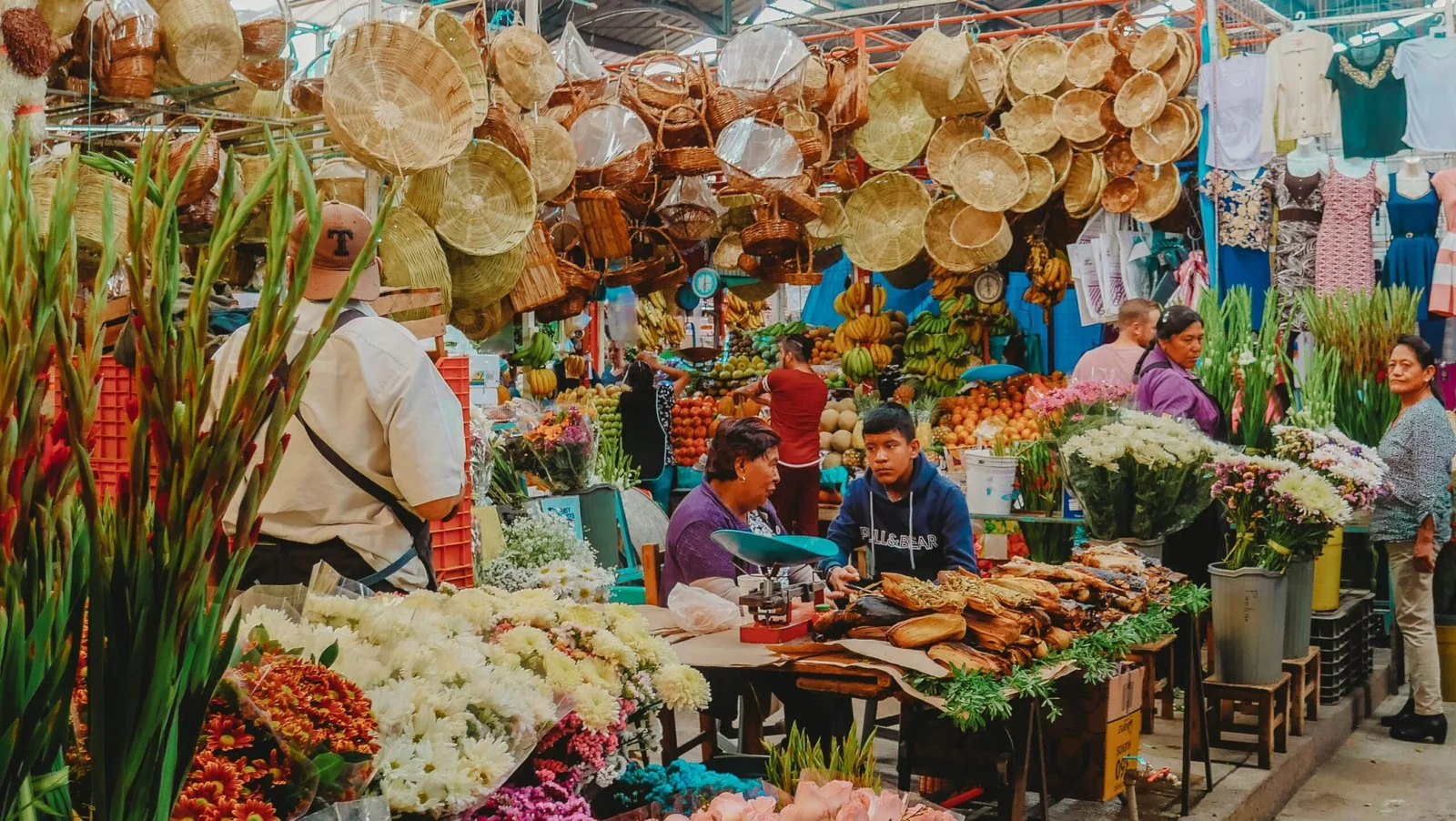
Oaxaca in September is managing the final weeks of the chile en nogada season alongside the first preparations for the Día de Muertos that will define October and November. The fresh walnuts that the nogada requires are in September in their last weeks before the shell hardens and the dish’s most specific ingredient disappears until next August. The Oaxacan Mercado Benito Juárez in September has the nogada walnuts in their paper bags alongside the first marigold (cempasúchil) seedlings that the Day of the Dead altar tradition requires from late October — two seasonal traditions coexisting in the same market week.
The Oaxacan Valley circuit in September — Monte Albán, Mitla, Yagul, El Tule — is at its green season richness: the archaeological sites surrounded by the green of the rainy season, the road between them passing through the agave fields that are at their full green season production. The zapotec weaving villages of Teotitlán del Valle and Santo Tomás Jalieza are in September at their September market days — the weavers producing the tapetes (the hand-woven wool rugs using natural dyes from the cochineal insects on the prickly pear cactus, from indigo, and from the local minerals) that the September tourists, fewer in number than July, encounter with more individual attention from the weavers.
Puebla — the state that invented chiles en nogada and where the dish is most specifically prepared — is in September in the final and most concentrated weeks of its signature season. The Restaurante Fonda de Santa Clara and the Mesón Sacristía in the Puebla centro histórico, alongside the family-run comedores in the surrounding villages, are in September serving the dish at its seasonal climax: the fresh walnuts still available, the pomegranates at their September peak, and the picadillo filling using the last of the September peaches and pears.
The Puebla centro histórico — the most extensively tiled colonial city in Mexico, with the Cathedral, the Capilla del Rosario (considered the finest example of Mexican Baroque interior in the country), and the Barrio del Artista — is in September accessible without the spring break and summer holiday crowds. The Talavera pottery workshops of the San Pablo del Monte area produce the most specifically Poblano of Mexican ceramics — the blue-and-white tin-glazed earthenware that has been made in Puebla since the 16th century using techniques brought from Talavera de la Reina in Spain and adapted with indigenous pigments and forms.
The Yucatán in September is in the final weeks of its wet season — the rains still present but beginning to ease as the October dry season approaches. The Ruta Puuc archaeological circuit south of Mérida is in September at the last green weeks of the season before the dry season returns the limestone hills to their characteristic grey-brown. The Uxmal, Kabah, Sayil, and Labná sites are in September surrounded by the tropical dry forest at its fullest green — the zapote, guaya, and chico zapote trees in full leaf, the jungle paths between the unrestored structures visible in their rainy season density.
Mérida in September has the Independence celebrations with the specific Yucatecan character — the Trova Yucateca music (the romantic guitar and vocal tradition of the Yucatán, distinct from the mariachi of central Mexico) at the Parque Santa Lucía on the Sunday evenings, the Barrio de Santiago with the family celebrations around the neighbourhood church, and the specific September quality of a colonial city returning from its summer to its own cultural rhythm as the international tourism low season makes the streets its own again.
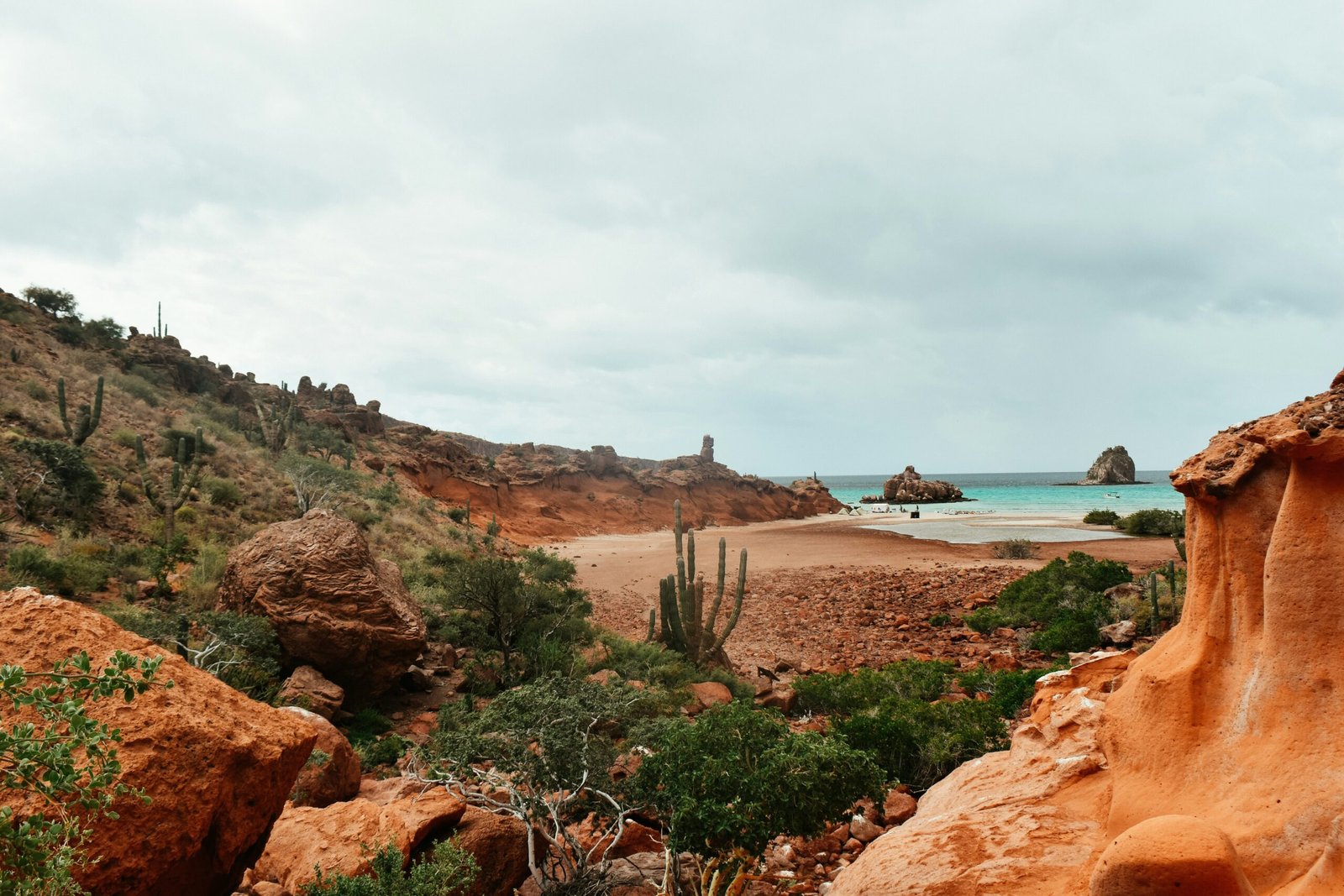
The Grito de Independencia — the midnight independence cry that re-enacts the moment on September 15-16, 1810 when the priest Miguel Hidalgo rang the bell of the Dolores church and called the population to revolt against Spanish rule — is observed simultaneously at every municipal palace in Mexico at 11pm on September 15th. The ritual is identical across the country: the governor or mayor appears on the balcony, delivers the cry naming the heroes of independence, and the crowd responds with the ¡Viva México! three times. The fireworks that follow the cry are visible from every neighbourhood in every Mexican city simultaneously.
The Mexico City Zócalo event is the largest — the President of the Republic delivering the national Grito from the National Palace balcony. The Guanajuato event in the city’s dramatic gorge setting and the San Miguel de Allende and Dolores Hidalgo events (in the town where the original cry occurred) are the most historically resonant. For retreat guests, the September 15th evening is the one night of the retreat week that is scheduled around the public square rather than the retreat centre.
September 16th — the actual date of the original Grito in 1810 — is the national Independence Day holiday, marked by military parades, civic ceremonies, and the specifically Mexican public holiday culture of family gatherings and patriotic food. The chiles en nogada as the Independence Day dish (the flag colours in the filling) reaches its symbolic peak on September 16th, and the Puebla and Mexico City restaurants that have been serving the dish since August are in their final September 16th service before the fresh walnut season ends.
The autumn equinox at Chichén Itzá produces the shadow serpent on the El Castillo pyramid again — the same alignment that the spring equinox produces in March, now descending in the opposite direction. The September equinox crowd at Chichén Itzá is smaller than the March version (the spring equinox is more culturally resonant in the Maya calendrical tradition) but the phenomenon is identical: the shadow of the serpent descending the northwest staircase in the afternoon light on September 22nd or 23rd. For retreat guests on the Yucatán in September, the autumn equinox visit is the September equivalent of the March event — and considerably less crowded.
The chiles en nogada season ends in late September as the fresh walnut shells harden and the pomegranate supply shifts to the late-season fruit. The September chile en nogada, made from the Puebla black walnut (Juglans rupestris var. major) in the final weeks of its green stage, has the specific richness of the late-season ingredient at its fullest development — slightly more intense in flavour than the August walnut, the cream a shade deeper in colour. For retreat guests in Puebla or Mexico City in the first three weeks of September, the chile en nogada is the dish to eat specifically rather than as an afterthought.
Pomegranates (granadas) from the Puebla and Hidalgo orchards are in September at their peak — the seeds at their deepest red, the juice at its most concentrated, and the arils most firm and most flavourful. The September pomegranate as a standalone fruit, beyond its role as the chile en nogada decoration, is the specific September fruit of the Mexican highland markets: eaten as seeds separated by hand, juiced for the aguas frescas, and used in the agua de granada that the September market stalls serve cold alongside the agua de jamaica (hibiscus) and the agua de tamarindo.
Mole de caderas — the most specifically seasonal mole in the Mexican calendar, prepared only in late September and October from the goat meat (specifically the hip bones, caderas) and the dried chiles of the Tehuacán-Cuicatlán Valley of Puebla state — appears at the traditional restaurants of Tehuacán from late September. The mole uses the dried chile mirasol, the chile ancho, and the specific highland herbs of the Tehuacán valley in a broth-based preparation that is more soup than sauce, served with handmade tortillas and the wild quelites that the September market produces. The Tehuacán mole de caderas season has its own annual festival and is the most specifically dated of any Mexican regional dish.
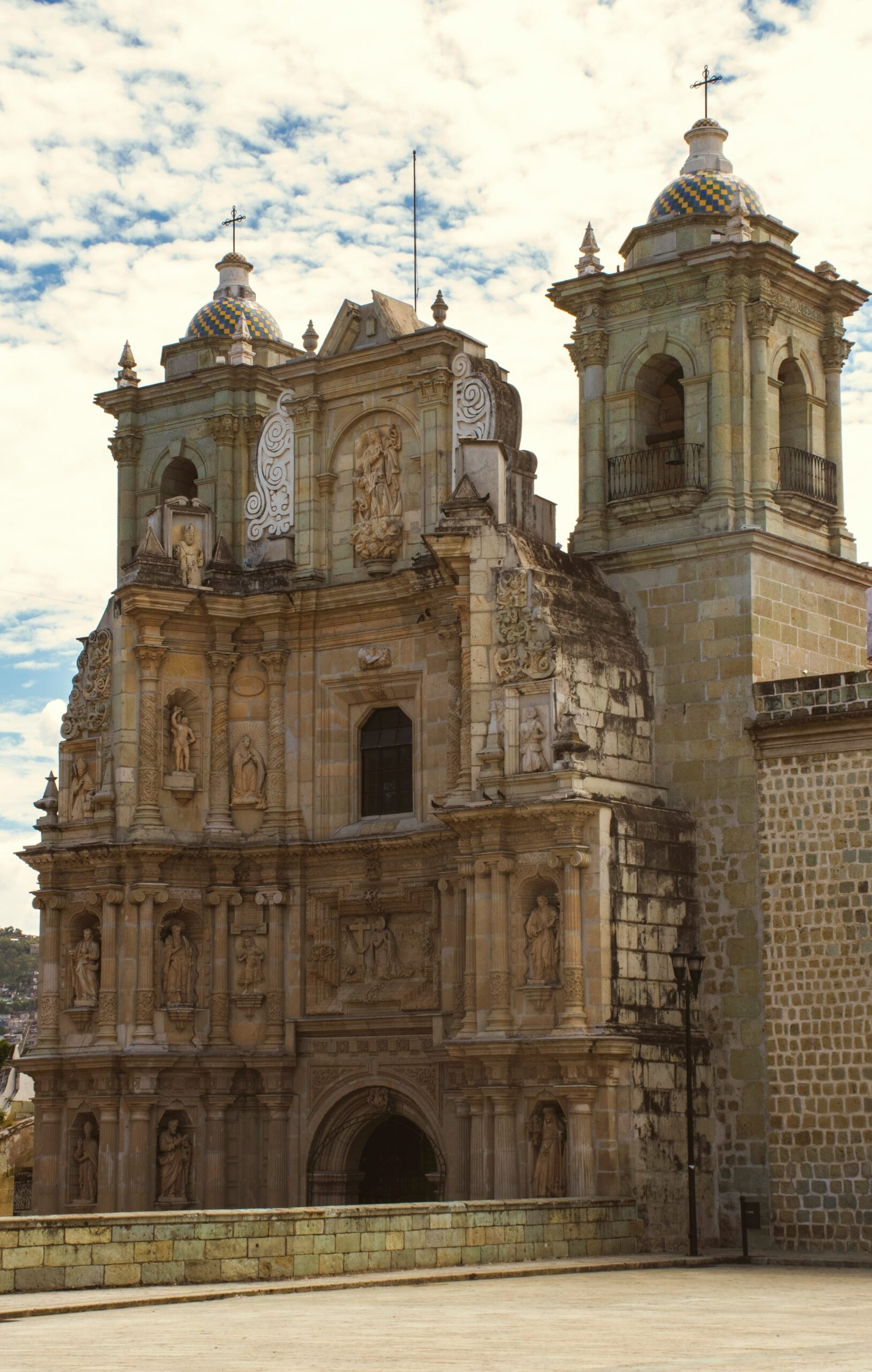

The September 15th Grito at whatever public square the retreat is near — whether the Mexico City Zócalo, the Oaxacan Zócalo, or the neighbourhood church plaza of the smaller town — is the September retreat activity that requires no planning beyond being present. The event happens at 11pm on the 15th, the entire country participates simultaneously, and the retreat that gives its participants the evening off to join the local celebration is acknowledging the most deeply rooted event in the Mexican civic calendar.
The cochineal dyeing workshop in the Zapotec weaving village of Teotitlán del Valle east of Oaxaca — learning to extract the deep crimson dye from the dried cochineal insects that live on the nopal cactus, to mordant the wool with the alum and lime treatments that fix the dye, and to weave a small section of the tapete — is the September Oaxaca retreat activity that uses the weaving tradition at its most educational. The cochineal (Dactylopius coccus) produces the most intense natural red dye available anywhere in the world — the dye that was more valuable than gold per weight in the 16th century and that the Spanish kept secret from the rest of Europe for two centuries.
The autumn equinox shadow serpent at Chichén Itzá on September 22-23 — with the smaller September crowd compared to the March spring equinox — is the most accessible version of this astronomical event. The September afternoon timing (the phenomenon occurs in the afternoon rather than morning) allows a morning departure from the Yucatán retreat base, arrival at the site by noon, and the observation of the shadow descending the northwest staircase in the 3-5pm window before the sun sets. The September crowd is manageable without the dawn queuing that the March equinox requires.
Your email address will not be published. Required fields are marked *