

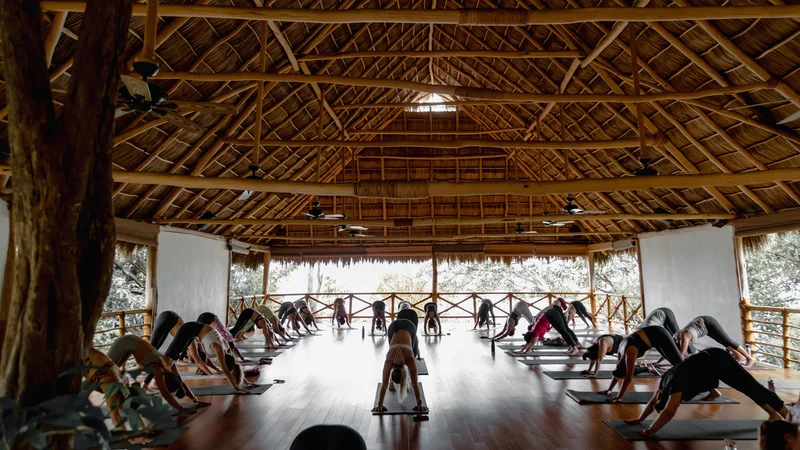
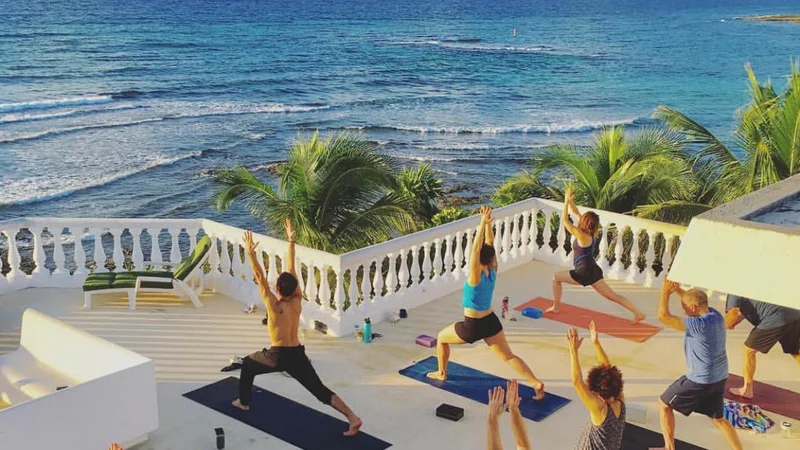
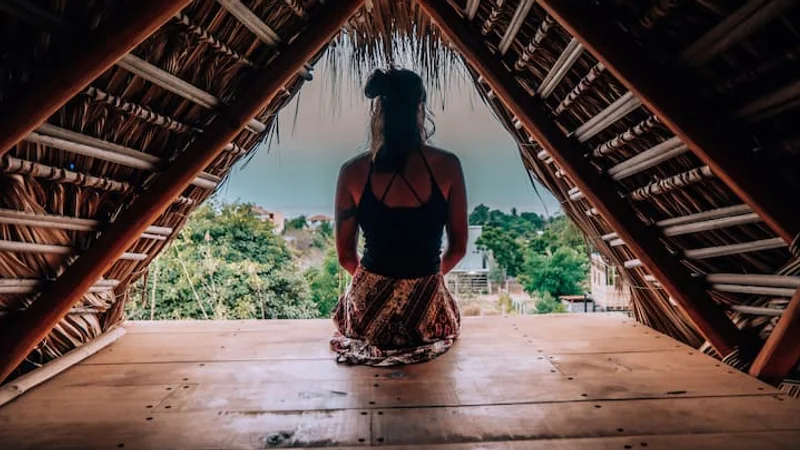
October in Mexico is the month the marigolds arrive. The cempasúchil — the orange-yellow marigold that the Day of the Dead altar tradition requires — fills the markets from mid-October as the country prepares for the November 1-2nd celebrations. The monarch butterflies are returning to the Michoacán forests. The Yucatán is opening its dry season. And the green season that has defined the highland landscape since June is beginning its transition to the dry. A yoga retreat in Mexico in October catches the country preparing for its most internationally known cultural moment.


October is the preparation month for the Día de Muertos — and the preparation is as culturally specific and as worth experiencing as the festival itself. The ofrenda altar construction that every Mexican family undertakes in the last week of October, the cempasúchil market that transforms the flower stalls from mid-month, and the specific food preparations of the season (the pan de muerto, the sugar skull candy, the mole negro for the altar) are all October phenomena that the retreat context makes genuinely accessible rather than tourist-performance.
Browse our full yoga retreats in Mexico guide for the complete picture of what the country offers year-round. For the global context of October retreat travel, our yoga retreats in October guide covers every destination worth considering this month.

Pátzcuaro — the colonial lakeside town in Michoacán, on the shores of Lake Pátzcuaro with the Purépecha island community of Janitzio visible from the waterfront — is in October at the beginning of its most culturally specific month. The Purépecha Day of the Dead tradition on Janitzio island — where the families spend the night of November 1st in the cemetery, lighting candles on the graves, bringing food offerings, and maintaining the all-night vigil that the pre-Columbian tradition preserved within the Catholic feast — is the most internationally known of the Mexican Day of the Dead celebrations and the one that most directly maintains its pre-Columbian character.
The October preparation in Pátzcuaro is the most accessible version of this tradition. The cempasúchil market at the central Plaza Vasco de Quiroga begins in the second week of October — the marigold vendors arriving from the highland flower farms with the fresh-cut flowers that the altar tradition requires. The sugar skull workshops at the artisan cooperative markets, the pan de muerto baking demonstrations at the local bakeries, and the ofrenda construction materials (the paper picado, the copal incense, the candles, the photographs) appearing at every market stall from mid-October create the specific October Pátzcuaro atmosphere.
The monarch butterfly colonies are returning to the Sierra Chincua and El Rosario sanctuaries in the Michoacán highlands in October — the first butterflies arriving from their summer northern range in the first weeks of October, the colonies building through the month toward the November density that makes the El Rosario visit most dramatic. The October visit catches the first arrivals — fewer butterflies than November but the specific quality of a colony forming, the butterflies clustering in the oyamel firs in increasingly dense formations as the month progresses.
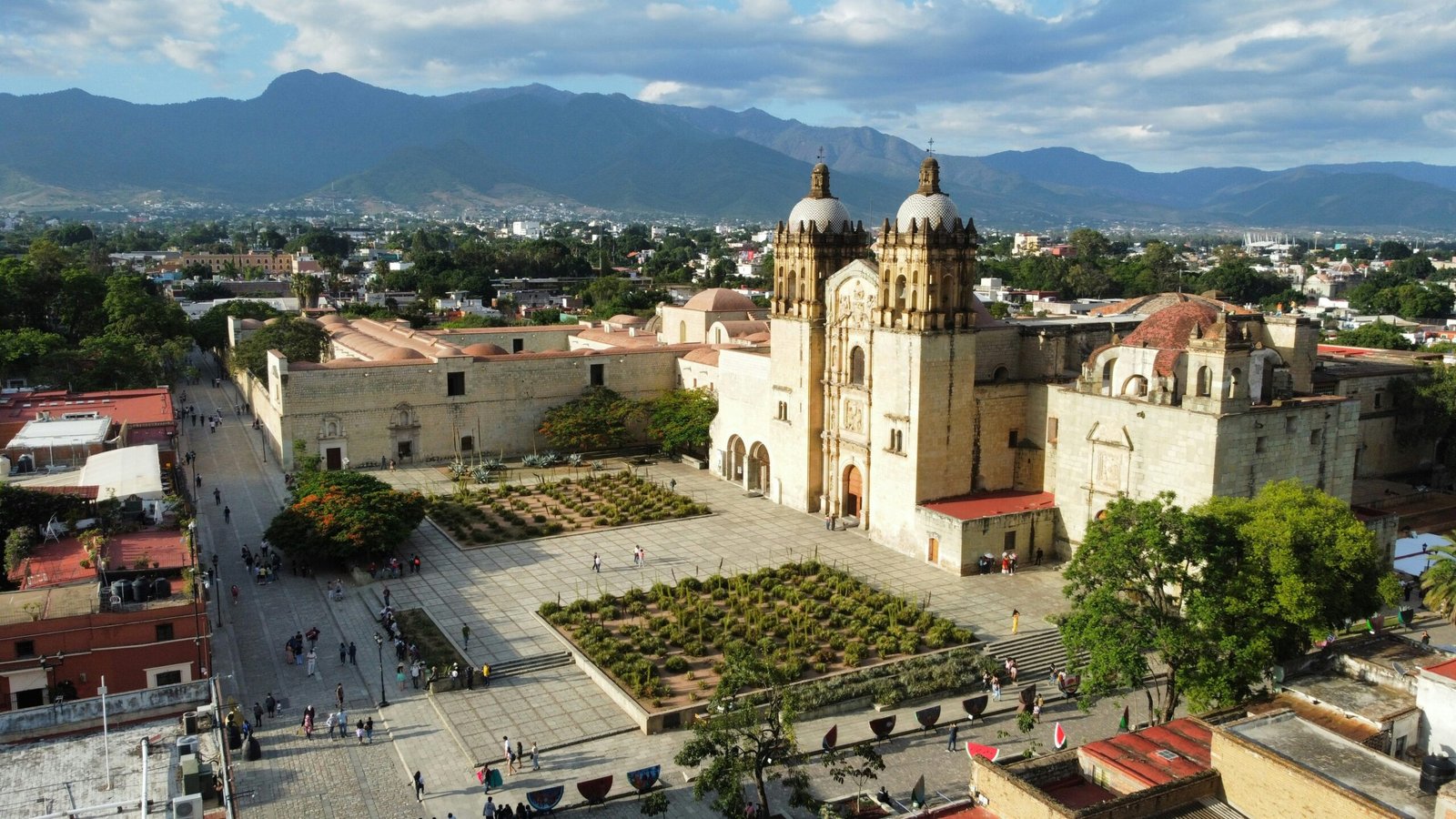
Oaxaca in October has the most elaborate Day of the Dead preparation culture of any Mexican city — the Mercado Benito Juárez and the Mercado Merced transforming progressively through the month as the cempasúchil, the mole negro ingredients, the chocolate for the atole, and the specifically Oaxacan pan de yema (the egg yolk bread of the Oaxacan Day of the Dead tradition) appear in the market stalls. The Oaxacan black clay (barro negro) skull and skeleton figures produced by the artisans of San Bartolo Coyotepec are in October available at the village market at their freshest and most varied — the October stock representing the year’s production before the November tourist season depletes it.
The Day of the Dead in Oaxaca is observed differently from the Purépecha tradition — the Zapotec communities of the central valleys maintain their own specific observances, the calenda (the processional celebration with the giant papier-mâché figures called monos de calenda) moving through the neighbourhood streets, and the seven Oaxacan moles appearing on the ofrendas alongside the mezcal and the pan de yema. The retreat that incorporates an ofrenda construction workshop in October Oaxaca — learning which specific elements the tradition requires, understanding why each is present, and building one for the retreat space — is engaging with the Día de Muertos at its most educational and most respectful.
The Yucatán in October is seeing the dry season begin — the rains that have been arriving daily since May easing through October, the cenotes clearing as the algae growth slows, and the Ruta Puuc archaeological circuit returning to its dry season accessibility. The Mérida cultural calendar in October has the Festival Internacional de Cultura Mérida — the October arts and culture programme that the city has been developing as its post-Carnival cultural anchor — with theatre, music, and visual arts events at the Gran Teatro Peón Contreras and the city’s historic courtyards.
The Celestún biosphere reserve on the Gulf coast west of Mérida — the flamingo colony that is the Yucatán’s most accessed wildlife site — is in October at the transition between the rainy and dry seasons, the flamingo population at its October size as the birds begin their seasonal concentration at the most productive feeding areas of the lagoon. The boat tour from the Celestún dock through the mangrove channels to the flamingo feeding area is in October producing encounters with flocks of Caribbean flamingos (the most vibrantly pink of the flamingo species) at the flamingo colony’s October pre-winter concentration.
San Luis Potosí — the state in the Sierra Madre Oriental, known internationally primarily for the Real de Catorce ghost town and the peyote pilgrimage route of the Wixáritari — has in October the Huasteca Potosina region in the east of the state at its green season finale, the waterfalls and the turquoise rivers at their last full rainy season volume before the dry season reduces them.
The Cascada de Tamul — the widest waterfall in Mexico, where the Río Gallinas drops 105 metres into the Río Santa María canyon — is in October at near-full rainy season volume, accessible by canoe from the Santa María river mouth where the paddle tour begins. The Las Pozas de Edward James in Xilitla — the surrealist garden created by the British eccentric poet Edward James in the Huastec jungle, with its concrete towers, impossible staircases, and organic architectural forms growing out of the cloud forest — is in October surrounded by the green season jungle at its most vivid, the waterfall that runs through the garden site at full volume.
The preparation for November 1-2nd begins visibly in October — the cempasúchil arriving at the markets from mid-month, the pan de muerto appearing at the bakeries from October 18th onward in most of the country, and the altar construction materials filling the market stalls. For retreat guests, the October preparation is in some ways more accessible and more educational than the November celebration itself — the conversations with the market vendors about why each element is present, the cooking class focused on the mole negro and the pan de muerto, and the ofrenda workshop at the retreat centre are all October activities.
The Festival Internacional Cervantino — the most important arts festival in Latin America, held annually in Guanajuato in October since 1972 — transforms the colonial mining city with theatre, dance, music, and visual arts events from international companies and Mexican regional groups. The festival uses the city’s extraordinary architectural spaces — the Teatro Juárez, the Jardín de la Unión, the Callejón del Beso alley — as performance venues, and the October Guanajuato atmosphere of an arts festival in a UNESCO World Heritage colonial city is specifically different from any other Mexican October event.
The Festival de Muertos in Pátzcuaro begins in the last week of October — the cultural programme leading up to the November 1-2 Purépecha cemetery night. The October events include the altar exhibitions (the competitive ofrendas constructed by local families and artisan groups), the traditional dance performances of the Purépecha communities, and the craft market at the Plaza Vasco de Quiroga with the barro negro, the copper work of Santa Clara del Cobre, and the lacquerware of Uruapan at their October October availability.
Pan de muerto — the round, slightly anise-flavoured sweet bread decorated with bone-shaped dough elements on the top — appears at Mexican bakeries from October 18th onward, the tradition varying by region in its specific form and flavour. The Oaxacan pan de yema (made with egg yolks, giving the crumb a deep yellow colour and a richer flavour than the central Mexican version) and the Mexico City pan de muerto (with the sugar and sesame seed coating) are the most distinct regional versions. At a retreat kitchen in October Mexico sourcing the pan de muerto from the local bakery — particularly a small Oaxacan or Michoacán bakery that bakes it fresh daily from mid-October — the breakfast bread is the most calendar-specific food of the month.
The mole negro of Oaxaca — the darkest and most complex of the seven moles, using the charred chile chilhuacle negro and the dried mulato chile alongside the chocolate, the charred tortilla, the tomato, and the spice combination that takes days to prepare — is in October being made specifically for the ofrenda altars that will be assembled in the last days of October. The market in Oaxaca in October sells the pre-made mole negro paste from the cooperatives alongside the fresh ingredients for those who make it from scratch, and the mole negro at a traditional Oaxacan comedor in October has the specific quality of a preparation being made at its annual moment of greatest cultural significance.
Tejocotes (Crataegus mexicana, the Mexican hawthorn) — the small yellow-orange fruit that appears at Mexican markets exclusively in October and November for the Day of the Dead altar tradition and the Christmas ponche (hot fruit punch) — are in October at their first October availability. Eaten raw they are tart and astringent; cooked in syrup they become the specific orange-coloured soft fruit of the ponche. The tejocote is one of those exclusively seasonal Mexican fruits that the supermarket fresh fruit section never carries and that the October and November market stall produces in the only form in which it exists: fresh from the highland orchards of Puebla, Estado de Mexico, and Michoacán.
The ofrenda (Day of the Dead altar) construction workshop at a retreat centre or artisan cooperative in Oaxaca or Pátzcuaro in October — learning the specific elements that tradition requires (the photograph of the deceased, the cempasúchil path leading from the door to the altar, the copal incense, the food and drink the deceased enjoyed in life, the water for the journey, the candles), understanding why each is present, and constructing a retreat-space ofrenda — is the October Mexico retreat activity that most directly engages with the cultural tradition.
The monarch butterfly colony first arrivals at the El Rosario sanctuary in Michoacán in October — the butterflies arriving from their summer northern range in the first weeks of the month, the colony forming in the oyamel firs — is the October Michoacán wildlife encounter that the November peak makes most crowded and least accessible. The October visit has fewer butterflies but a specifically different quality: watching the colony form rather than witnessing the fully established density, the butterflies arriving in increasing numbers as the month progresses.
The Edward James surrealist garden at Xilitla in the Huastec Potosina — the concrete towers and organic architectural forms in the cloud forest, built by the British eccentric between 1962 and 1984 — is in October at its green season finale, the waterfall at full volume and the cloud forest at its most dramatic. The site is one of those specifically Mexican oddities — the collision of a British Surrealist sensibility with the Huastec jungle — that the retreat context, with its accumulated capacity for the unexpected, makes most fully available.
Your email address will not be published. Required fields are marked *