
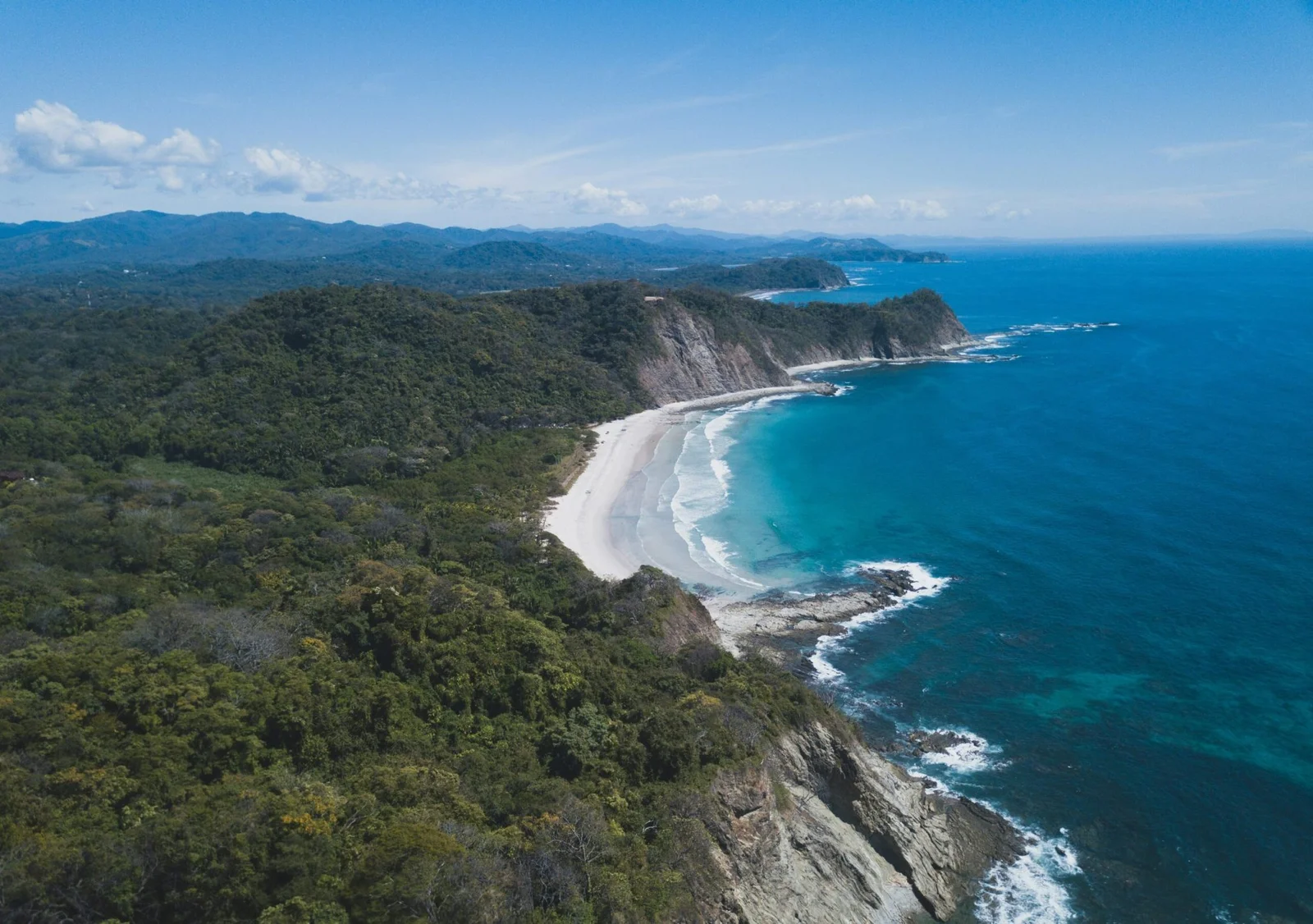
March in Costa Rica is the last full month of the Pacific dry season before the April rains begin. The surf is consistent, the wildlife calendar is producing the quetzal breeding display and the first jaguar activity at Corcovado, and the cultural calendar has Semana Santa in the final weeks of March or the first of April.
A yoga retreat in Costa Rica in March requires knowing about Holy Week before booking — the domestic tourism that the school holidays produce transforms the coastal towns.


March is the most complex month in the Costa Rican retreat calendar. The conditions are excellent — the Pacific dry season at its most mature, the wildlife visible, and the retreat infrastructure at full capacity. But the Semana Santa school holidays (Holy Week, falling in March or April depending on the year) fill every coastal accommodation in the country with domestic tourism and transform the usually tranquil Nicoya Peninsula beaches into packed holiday grounds. The retreat that books a specific programme container for the Holy Week period navigates this correctly; the retreat that arrives without reservations in the middle of Semana Santa does not.
Browse our full yoga retreats in Costa Rica guide for the complete picture of what the country offers year-round. For the global context of March retreat travel, our yoga retreats in March guide covers every destination worth considering this month.



San Gerardo de Dota — the highland valley in the Cerros de la Muerte mountain range, at 2,200 metres above sea level on the Interamerican Highway between San José and San Isidro — is in March at the absolute peak of the resplendent quetzal breeding season. The male quetzals are in March displaying their full breeding plumage — the iridescent green and red body and the metre-long tail feathers that make the resplendent quetzal the most spectacular bird in the Americas — at the fruiting wild avocado trees (Ocotea spp.) that the species depends on for both food and nesting sites.
The Savegre Hotel and Reserve in San Gerardo de Dota — the most established birding destination in Costa Rica, where the quetzal sightings are most reliably produced by the resident naturalist guides who know the individual birds and their territories — is in March running its peak-season birding programme. The early morning guided walk to the quetzal territories, arriving at the fruiting avocado trees before 6am, is the March San Gerardo experience that produces the encounters — a quetzal male at 3 metres distance in the fruiting tree, the tail feathers visible in their full metre length — that the photographs in the field guides only approximate.
The highland valley at 2,200 metres is in March at 12-18°C — cold enough for a warm layer at dawn and cool enough to make the morning hike genuinely brisk rather than tropical. The retreat that combines the San Gerardo quetzal programme with a lower-altitude yoga base on the Nicoya or the Dominical coast uses the altitude differential deliberately: the highland birding excursion as the cultural and natural programme, the coastal practice as the daily anchor.
Corcovado National Park on the Osa Peninsula — the remote protected area that National Geographic has called the most biologically intense place on the planet, with 13 ecosystems, 500 tree species, 400 bird species, and all four species of Costa Rican sea turtle — is in March at the late dry season that makes the park trails most accessible. The La Leona, Los Patos, and San Pedrillo ranger stations that provide access to the interior of the park are connected by trails that the dry season makes navigable — the river crossings at their lowest, the trail mud at its driest, and the wildlife encounters most concentrated around the diminishing water sources.
The jaguar — the apex predator of the Corcovado ecosystem, present in the park at the highest density on the Pacific coast of Central America — is in March at its late dry season activity: the wildlife concentrated at the remaining water sources and the open beach areas that the park’s coastal trails traverse. Jaguar sightings in Corcovado are rare and unpredictable regardless of month, but the local guides who have worked the park for years have the knowledge of the territories and the routes that make a March guided expedition the best statistical opportunity available in Costa Rica.
The base for Corcovado is typically Drake Bay on the northern Osa coast — accessible by small plane from San José or by boat from Sierpe — with the small lodge and retreat operations that have developed around the park access. The retreat that uses a Drake Bay base with daily guided park expeditions is one of the most physically demanding and most specifically extraordinary available in Central America.
Guanacaste — the northwestern province, the driest region of Costa Rica, with the Palo Verde National Park wetland and the Santa Rosa National Park dry tropical forest — is in March at the end of its driest period of the year, the dry deciduous forest at its most visually specific: the trees leafless in the dry heat, the landscape open enough for wildlife viewing that the wet season’s dense foliage prevents, and the Palo Verde wetland at its lowest water level — concentrating the bird diversity of the Tempisque river basin into the remaining water bodies.
The Palo Verde National Park birding in March — the resident naturalist boat tours on the Tempisque river at the park boundary, with the Jabiru stork (the largest flying bird in the Americas), the wood stork, and the mass concentrations of neotropical cormorants and anhingas at the wetland edges — is the most productive waterbird viewing in Central America in this season. The dry season concentration of birds at the Palo Verde lagoons produces the kind of density-of-sightings that birders come from around the world specifically for.
Playa Hermosa in Guanacaste (not to be confused with the Playa Hermosa near Jacó on the central Pacific) — the beach in the Gulf of Papagayo north of Liberia — is in March in its dry season peak with the most developed resort and retreat infrastructure of the northern Nicoya. The InterContinental and Andaz resorts and the smaller boutique retreat operations of the Papagayo Peninsula are in March at full capacity, using the March dry season to run their most ambitious wellness programmes before the rainy season reduces their outdoor schedule.
The Gulf of Papagayo calm water in March — protected from the Pacific swell by the headland geography — makes it the most accessible of the Nicoya coast areas for the water sports that the retreat programme incorporates alongside yoga: the stand-up paddleboarding, the snorkelling at the rocky points of the Papagayo Peninsula, and the boat trips to the Isla Pedregal seabird colonies visible from the hotel beach.
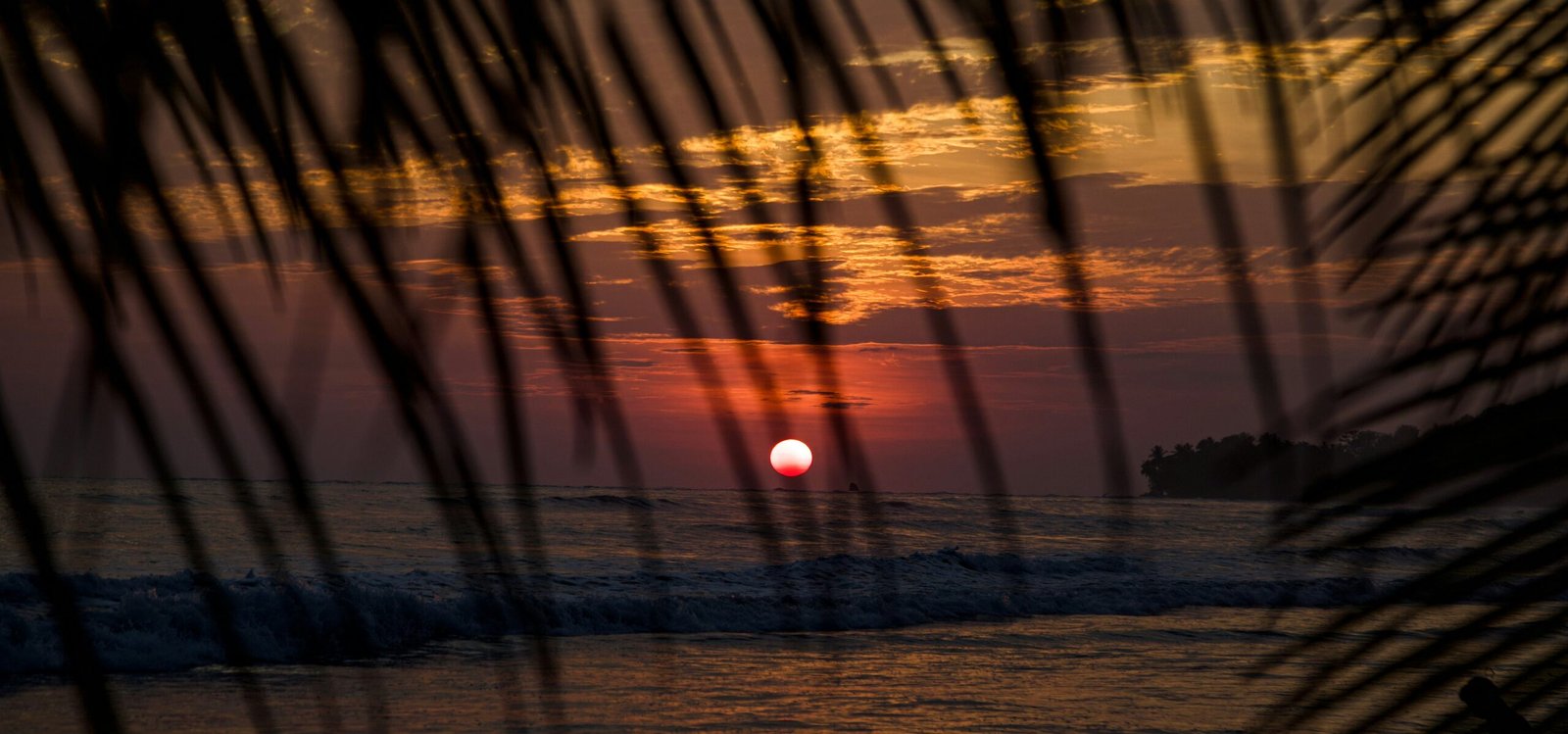
Semana Santa — the Costa Rican Holy Week — is the most disruptive event of the Costa Rican travel calendar for retreat planning. The school holiday that runs from Holy Thursday through Easter Sunday fills every coastal accommodation from the San José families who have been planning their annual beach trip since January. The Nicoya Peninsula towns — Nosara, Santa Teresa, Tamarindo, Montezuma — increase in visitor density by factors of 3-5 during the Semana Santa week.
For retreat guests, the options are: book a specific retreat programme that creates its own container within the Semana Santa period (the better retreat centres accommodate this), or schedule the retreat for the weeks before or after the Holy Week dates. The specific Semana Santa dates vary annually — check the current year dates before booking March travel.
The Exposición Nacional de Orquídeas in San José — the annual orchid exhibition organised by the Asociación Costarricense de Orquideología — typically falls in March and is the largest orchid exhibition in Central America. Costa Rica has over 1,500 native orchid species, and the March exhibition at the CENAC cultural centre in San José presents the most comprehensive display of the national orchid diversity available in any single venue. For retreat guests with a botanical interest, the exhibition is a specifically March San José cultural event.
The Semana Santa food tradition in Costa Rica follows the Catholic abstinence from meat through Holy Week — the local sodas and the beach restaurants producing their most elaborate fish and seafood menus of the year. The ceviche de camarón (shrimp ceviche), the arroz con camarones (rice with shrimp in the Guanacaste tradition), and the fish soup (sopa de pescado) with the Pacific catch are the Holy Week dishes at the coastal restaurants. The chicharrón (the fried pork rind) — technically a meat product — has a specific Holy Week exception in the Costa Rican tradition that the theological purists debate but the market stalls resolve by selling at full capacity.
Maracuyá (passion fruit) is in March at its dry season availability on the Pacific lowlands — the small, wrinkled, intensely fragrant fruit used in the refresco natural de maracuyá (the passion fruit water) that is the most refreshing of the Costa Rican fruit drinks in the March heat. The agua de pipa (young coconut water from the roadside vendors) and the nance (the small yellow fruit of the Byrsonima crassifolia tree, with its specific fermented-butter flavour that the Costa Rican kitchen uses in the chicha de nance fermented drink and the dulce de nance preserve) are the March fruit calendar at the Nicoya roadside stalls.
The pre-dawn guided walk to the quetzal territories in San Gerardo de Dota — departing the Savegre Hotel at 5am, arriving at the fruiting avocado trees as the first light appears, and waiting in the forest quiet as the male quetzals begin their early morning activity — is the March Costa Rica wildlife experience that requires the specific breeding season timing that January and December cannot provide. The tail feathers of the breeding male quetzal are visible at dawn as the bird moves through the avocado tree canopy — a metre of iridescent green above the crimson body in the grey morning light.
The Corcovado expedition from Drake Bay — the guided multi-day or day-hike into the park interior, with the naturalist guide who knows the jaguar territories, the tapir wallowing spots, and the scarlet macaw nesting trees — is the March Costa Rica retreat activity that has no equivalent in terms of biological density. The park in March, with the dry season trails accessible and the wildlife concentrated at the water sources, produces the encounters with the Baird’s tapir, the white-lipped peccaries, and the anteater at the ant mounds that the rainy season’s cover reduces.
The Palo Verde wetland boat tour on the Tempisque river in March — the dry season concentrating the birds at the remaining water bodies to the point where a single two-hour morning boat tour produces more waterbird species than most birdwatching destinations offer in a full day — is the March Guanacaste retreat activity for those who want the natural world at its most concentrated and most accessible.
Your email address will not be published. Required fields are marked *