
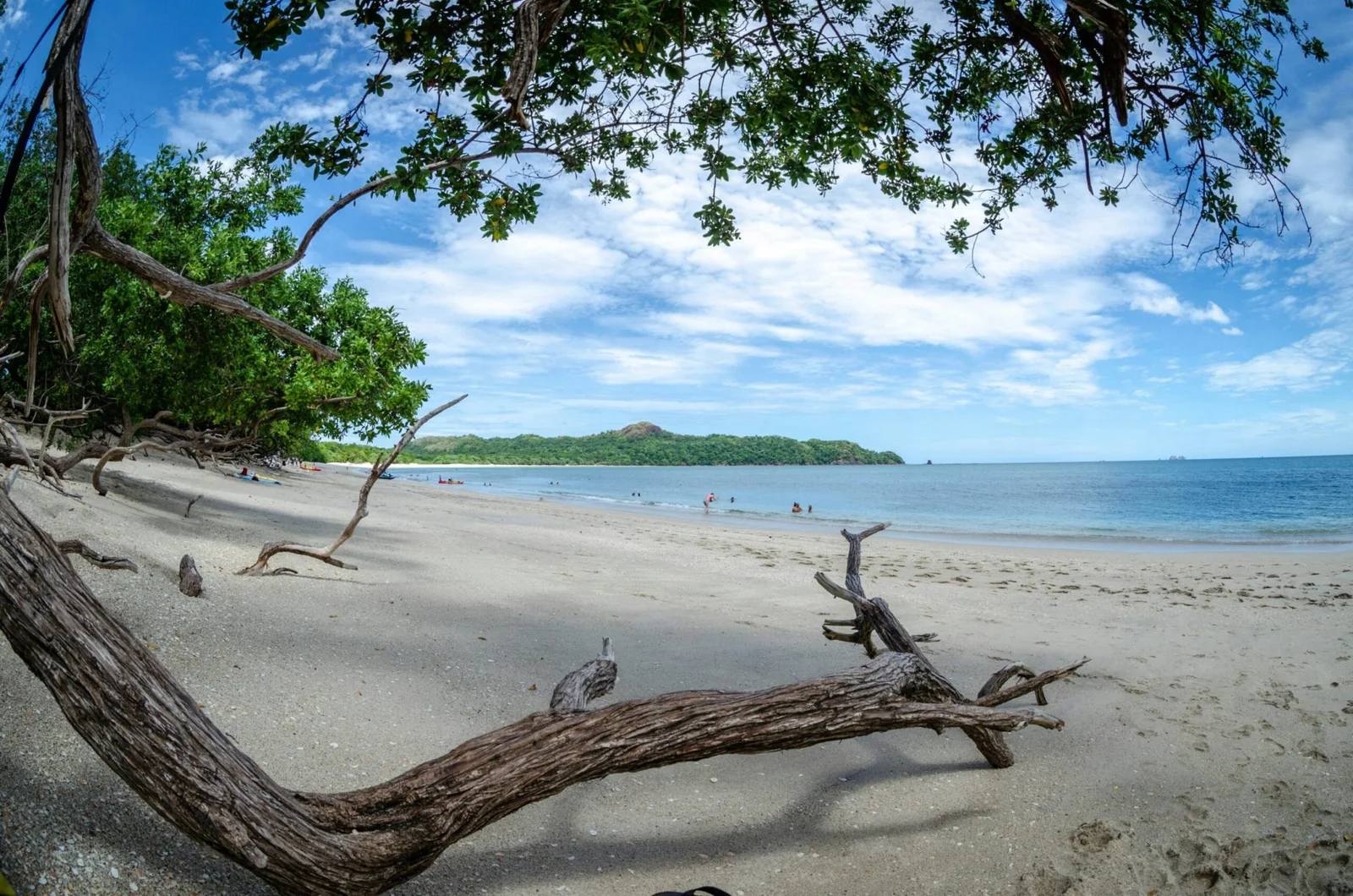
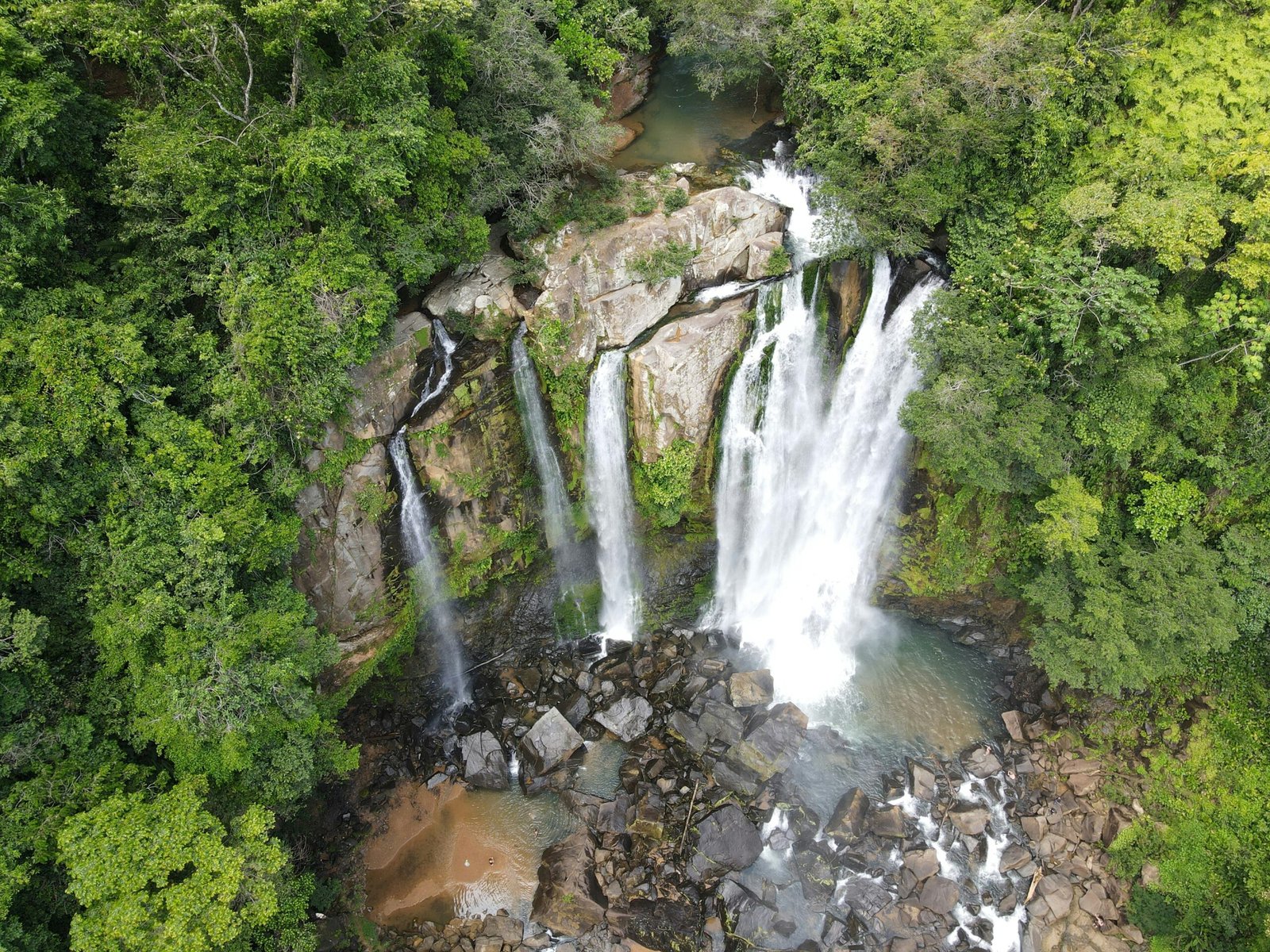
June in Costa Rica is the green season at full depth — the waterfalls powerful, the forests at their deepest colour, and the wildlife calendar producing the southern humpback whale arrival at the Osa Peninsula and the first green sea turtles at Tortuguero. The prices are at their June low. The retreat infrastructure is operating for the committed rather than the casual. A yoga retreat in Costa Rica in June is for those who specifically want the country in its rainy season character.


June is the month the green season is most fully itself — the rains consistent and patterned, the landscape at its most vivid, and the wildlife cycles that the dry season suppressed now in full operation. The Tortuguero green turtle season is opening. The southern humpback whales are arriving at the Marino Ballena and the Osa Peninsula. The poison dart frogs are at peak breeding activity in every lowland forest. And the prices across the country are at their June annual low — the same programmes at the most affordable point of the year.
Browse our full yoga retreats in Costa Rica guide for the complete picture of what the country offers year-round. For the global context of June retreat travel, our yoga retreats in June guide covers every destination worth considering this month.



Tortuguero National Park on the Caribbean coast is in June receiving the first green sea turtles of the nesting season — the advance females arriving from their feeding grounds in the Gulf of Mexico and the Florida coast to nest on the same beach where they were born decades earlier. The main season runs from July through October, but June has the first arrivals and the pre-peak intimacy: the park operating at below-main-season capacity, the turtle encounters managed with the conservation protocols but at smaller group sizes than the July peak produces.
The Tortuguero village — the community on the narrow land strip between the Atlantic Ocean and the canal system, accessible only by boat or small plane — is in June at the transition between the inter-season quiet and the turtle season activity. The local guides who run the canal tours and the turtle nesting walks are in June at their most available and most communicative — the season beginning, the community energised by the first turtle arrivals, and the lodge and guesthouse infrastructure transitioning from the low season to the turtle season rhythm.
Drake Bay on the Osa Peninsula is in June receiving the first southern hemisphere humpback whales of their Costa Rican season. The southern population (Megaptera novaeangliae from Antarctic waters) arrives from July through October, but the June advance sightings are increasing as the warming Pacific extends the whales’ range. The whale watching tours from the Drake Bay dock — the small pangas operating in the open Pacific off the Osa coast — are in June beginning their southern hemisphere season with the first sightings.
The Corcovado National Park in June is in its wet season operation — the trails accessible in the mornings before the afternoon rains make the river crossings uncertain, and the wildlife at the wet season activity level. The baird’s tapir (the largest mammal in Central America) is in June at its most visible at the beach sections of the coastal trail, where the animals come to the sand at dawn to lick the mineral deposits. The Sirena ranger station in the interior of the park is the base for the multi-day Corcovado expeditions — the overnight stay inside the park that the day-trip format cannot replicate — and June, with its below-peak tourist pressure, produces the most intimate version of this experience.
Caño Negro Wildlife Refuge — the wetland and lake system in the northern lowlands near the Nicaraguan border — is in June at the beginning of its wet season flooding, the Río Frío rising and the Lago Caño Negro expanding as the June rains accumulate. The freshwater wildlife of Caño Negro — the jabiru stork pairs nesting on the lake islands, the anhinga colonies drying their wings on the dead trees above the water, the spectacled caiman basking on the shoreline, and the bull shark presence in the lower river (the only freshwater shark population in Central America, using the river system as a nursery) — is in June at the wet season concentration that makes the Caño Negro boat tour specifically productive.
The boat tour on the Río Frío from the Los Chiles embarkation point covers the river system where the wildlife density in the wet season is the highest per linear kilometre of any waterway in Costa Rica. The boat tour in the early morning — the jabiru at the nest site visible from 50 metres, the caiman at full length on the bank in the June warmth — is the June northern lowlands wildlife experience that the retreat calendar rarely acknowledges.
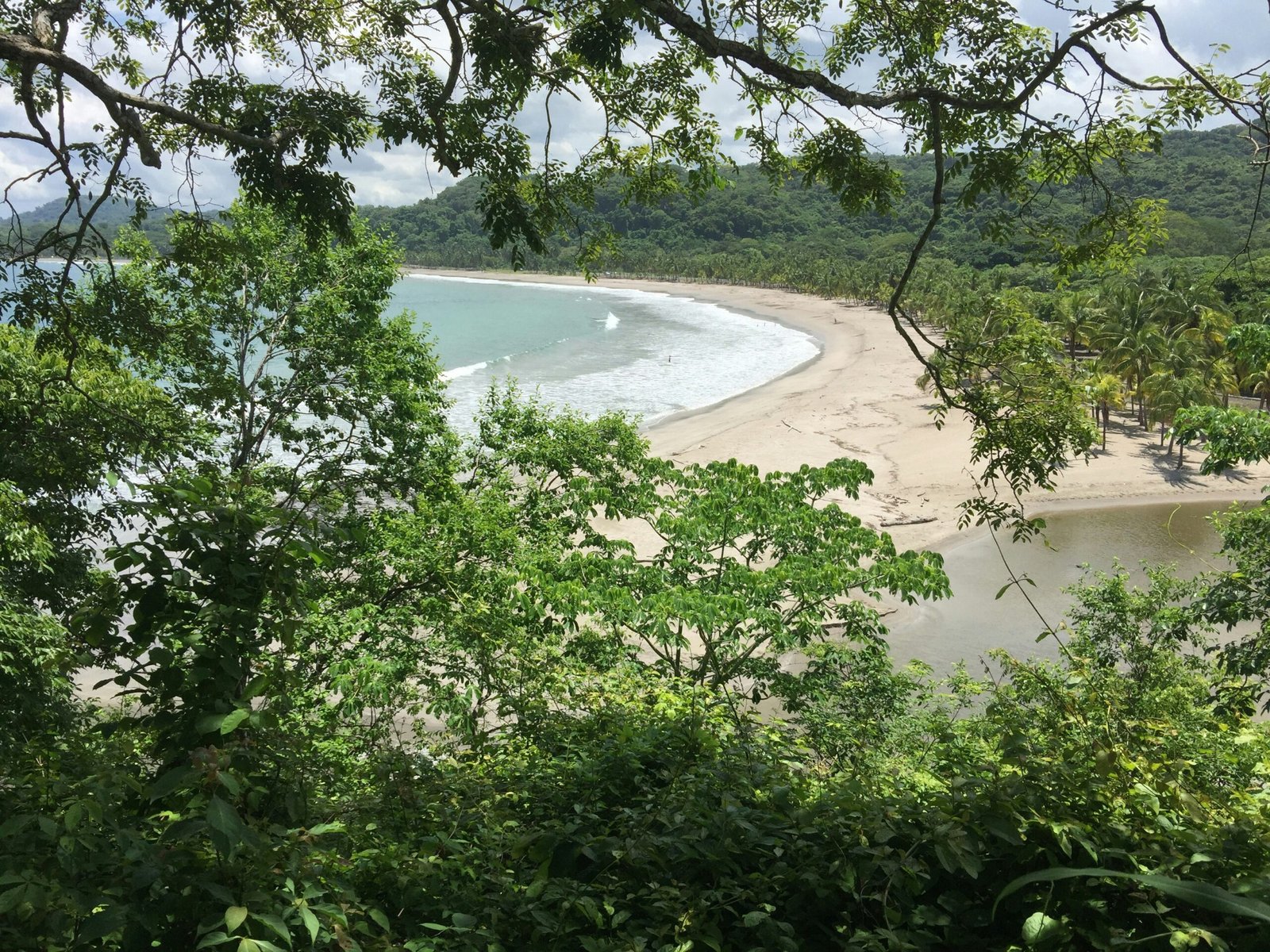
The Pacific coast surf breaks in June are at the beginning of the south swell season — the groundswells generated in the Southern Ocean that travel north along the Pacific coast and produce the most powerful waves of the year at the exposed breaks. Playa Hermosa (near Jacó), Boca Barranca (the longest left-hand wave in Latin America, near Puntarenas), and the Malpaís and Playa Carmen breaks at the southern Nicoya are in June beginning to receive the June south swell that the December-March northwest swells do not produce.
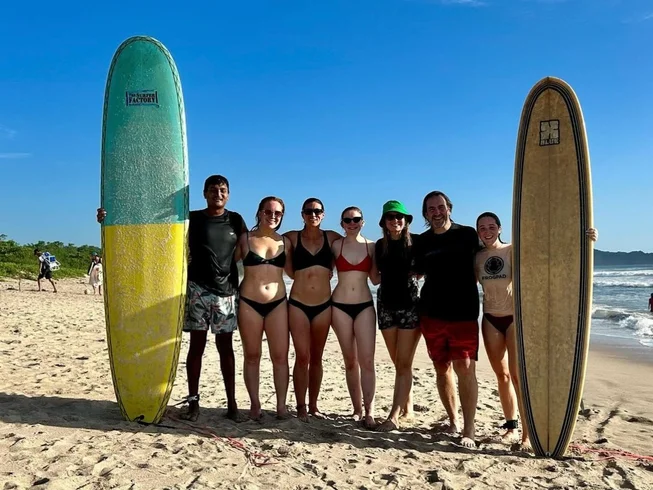
For surf-and-yoga retreat guests, June on the Pacific coast has the most powerful surf of the year at the better breaks. The intermediate to advanced surfers who specifically choose the green season for the swell quality find June’s conditions the most rewarding: the waves larger and more powerful than the dry season, the lineups less crowded than January, and the water temperature at 27-28°C making extended sessions genuinely comfortable.
The civic holiday season that April 11th begins extends its patriotic energy into the school year that follows, and June in Costa Rica has the end-of-school-year preparations visible at the public schools — the actos cívicos (the school civic ceremonies) and the festival escolar (the school arts festival) producing the most locally-rooted community events of the month.
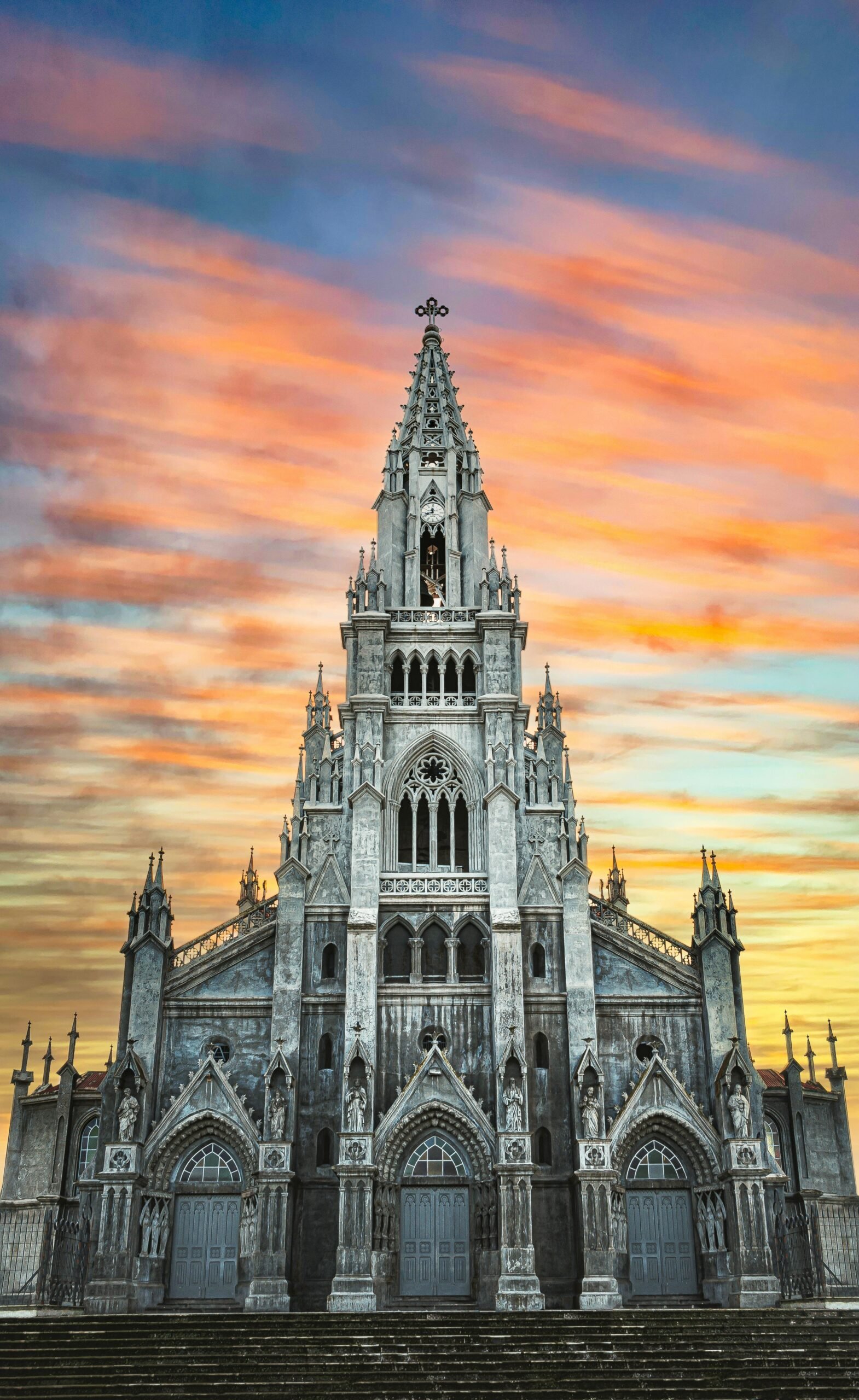
Corpus Christi flower carpets in Cartago — see May guide. If the feast falls in June rather than May (depending on the Easter calculation), the Cartago flower carpet tradition is at its most elaborate version of the year.
The first green turtle arrivals at Tortuguero in June are not formally an event but are treated as such by the conservation staff and the Tortuguero community — the first nesting female of the season receiving the specific attention of the research team and the lodge naturalists who have been waiting since October. The Caribbean Conservation Corporation (now the Sea Turtle Conservancy) has been tracking individual turtles at Tortuguero since 1955 — the longest continuous sea turtle research programme in the world — and the June arrivals are the beginning of the data collection that 70 years of research has been building.
Patacones — the twice-fried green plantain discs that are the most ubiquitous snack of the Costa Rican table — are in June at the peak of their green season abundance as the platano macho plantain harvest responds to the wet season. The patacón preparation (slice the green plantain, fry until golden, smash flat, fry again until crispy) is the same year-round, but the June plantain from the wet season harvest has a starchier, more flavourful character than the dry season fruit. At the sodas of Jacó and the Nicoya coast in June, the patacones con frijoles negros (with black bean purée, guacamole, and natilla) are the green season snack at its most specifically satisfying.
Agua de sapo (toad water — the name from the dark colour) — the traditional Caribbean Costa Rican drink made from tapa de dulce (raw cane sugar), lime juice, and fresh ginger — is the June Caribbean coast drink at its most refreshing. The combination of the raw sugar’s complex sweetness, the lime’s acidity, and the ginger’s heat produces the specific balance that the June humidity makes most immediately appealing. At the Limon market stalls and the Puerto Viejo juice bars, the agua de sapo in June is the drink that defines the Caribbean Costa Rican summer.
The pineapple (piña) from the Atlantic lowland plantations — Costa Rica is the world’s largest pineapple exporter, and the internal market gets the fresh fruit that the export standards do not reach — is in June at the first wet season harvest from the Upala and Los Chiles regions. The June fresh pineapple at the Costa Rican market stalls, eaten in chunks from the cut fruit at the roadside vendor, is the most specifically seasonal expression of a product that international markets know only in its standardised export form.
The green turtle nesting night tour at Tortuguero in June — with the first season arrivals and the small group sizes of the pre-peak season — is the most intimate version of the Tortuguero turtle experience available in the season. The green sea turtle (Chelonia mydas) at Tortuguero is the Atlantic population that nests here in the highest density of any beach in the Western hemisphere. The June tour encounters the first females of the season: the nesting behaviour, the egg laying, and the return to the sea in the early morning hours, witnessed in the company of the conservation researchers who have been tracking the individual turtles for decades.
The Caño Negro dawn boat tour on the Río Frío — departing Los Chiles at 6am in the flat-bottomed river boat with the local guide — is the June northern lowlands wildlife activity that the dry season’s lower water levels make less accessible. The June river at rising wet season level produces the jabiru stork at the nest, the bull shark in the lower channel, and the caiman density at the bankside in the early morning warmth. The 3-hour tour covers the river section from Los Chiles to the Lago Caño Negro edge and back, the guide identifying species and individual animals with the familiarity of someone who runs this tour daily.
The Boca Barranca wave near Puntarenas — the longest left-hand point break in Latin America, where the Tárcoles River mouth creates the sand bottom that the south swell produces a wave of extraordinary length — is in June beginning its best conditions of the year. The June south swell produces the 400-metre rides on the Boca Barranca point that the surf community specifically comes to Costa Rica for. For retreat guests who surf at an intermediate to advanced level, the June Boca Barranca session — 45 minutes from San José by the Pan-American Highway — is the Pacific coast surf experience at its most specifically Costa Rican.
Your email address will not be published. Required fields are marked *