
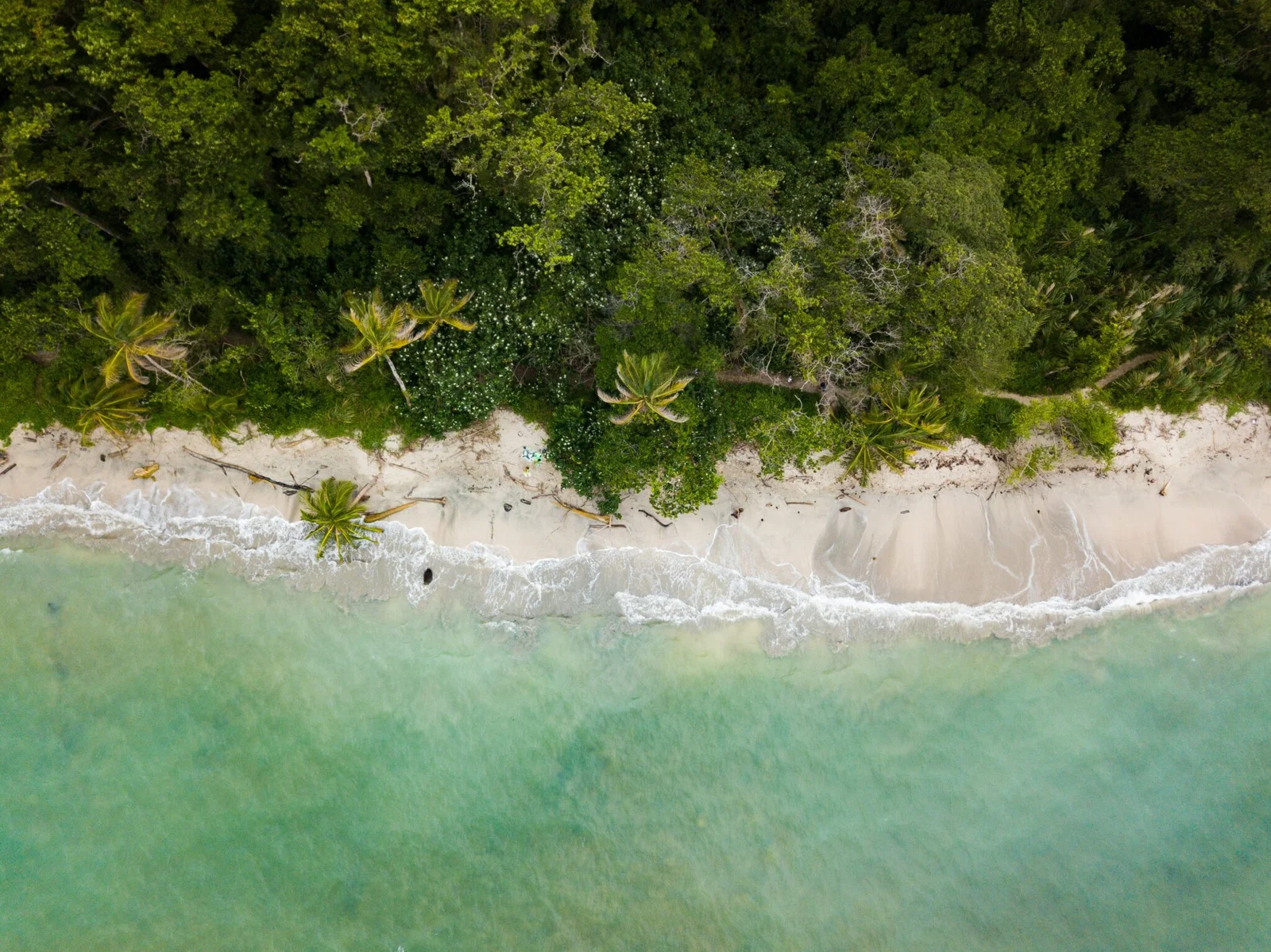
July in Costa Rica has a secret — the veranillo de San Juan (little summer of Saint John), a two-week period of dry conditions that typically arrives around July 24-25th and extends into early August. The Pacific coast gets a break from the rains, the conditions become temporarily more similar to the dry season, and the retreat calendar gets a mid-rainy-season window that the months before and after do not provide. Combined with the peak of the Tortuguero green turtle season and the southern humpback whales at Marino Ballena, July is the most wildlife-rich month of the Costa Rican year.


July is the most biologically active month in Costa Rica. The Tortuguero green turtle nesting is at its maximum intensity. The southern humpback whale population is at full Costa Rican residency. The bioluminescent plankton in the Pacific bays is at its peak. And the veranillo — the two-week dry spell that the Caribbean trade winds produce in late July — gives the retreat calendar a window of dry season conditions in the middle of the wettest month of the year. The July retreat in Costa Rica is the most wildlife-rich, most biologically specific, and most unpredictably rewarding of any month on the calendar.
Browse our full yoga retreats in Costa Rica guide for the complete picture of what the country offers year-round. For the global context of July retreat travel, our yoga retreats in July guide covers every destination worth considering this month.

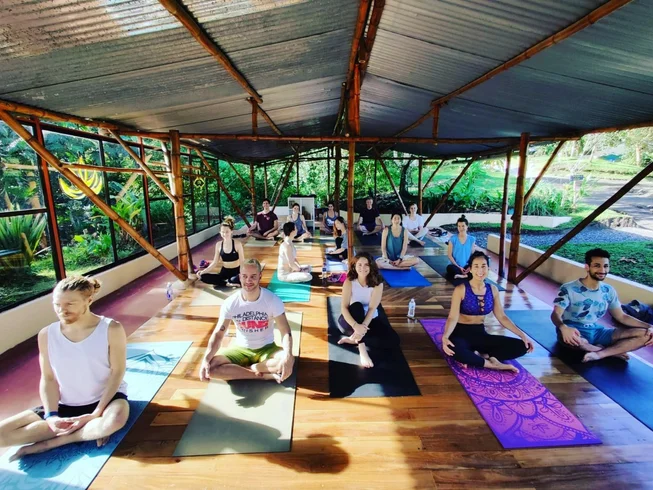
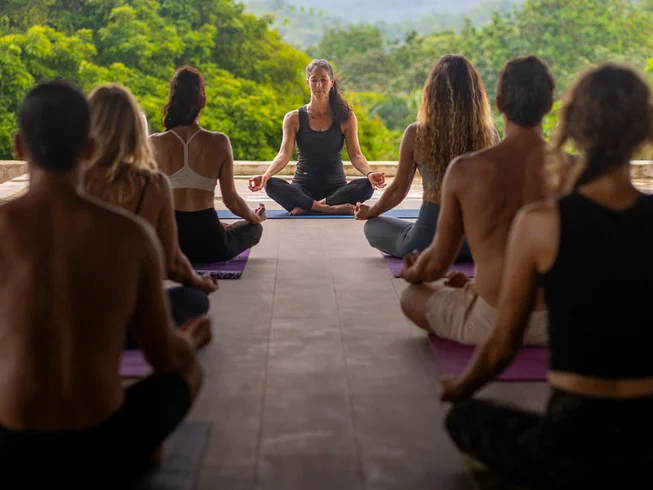
Tortuguero National Park in July is at the peak of the green sea turtle nesting season — the largest number of individual turtles nesting simultaneously on the beach, the research teams at maximum activity, and the lodge and guesthouse infrastructure operating at full turtle-season capacity. The guided night tours are conducted in groups of maximum 10 participants with the certified guide, the red light headlamps, and the protocols that the Sea Turtle Conservancy has refined over 70 years of research at this beach.
The green turtle at Tortuguero in July is the Atlantic population (Chelonia mydas) in its most concentrated nesting expression — the females arriving every two weeks throughout the season to lay successive clutches, the beach surface sometimes showing the tracks of dozens of individual turtles from a single night. The July full moon nights produce the highest nesting activity — the highest tide period when the turtles can nest highest on the beach — and the July full moon Tortuguero tour is the most sought-after night of the season.
The Tortuguero village in July is at its most animated — the research teams, the conservation volunteers, the eco-lodge guests, and the local community all operating in the turtle season rhythm. The canal boat tour at dawn (the green sea turtles do not use the canals, but the canal wildlife is year-round) produces the most concentrated caiman, river otter, and waterbird encounters of the season.
Marino Ballena National Park — the marine park at the whale-tail shaped peninsula of Uvita on the southern Pacific coast — is in July at the peak of the southern hemisphere humpback whale season. The southern population arrives from Antarctic waters and spends July through October in the warm Costa Rican Pacific — the calves born in the warm water, the competitive male groups, and the adult females with their calves producing the most active whale behaviour of the season.
The whale watching tours from Uvita are in July at their most productive — the experienced captains who know the whale territories and the individual animals returning to the same Costa Rican waters each year. The July humpback encounters include: the surface active behaviour (breaching, tail slapping, pec fin slapping) that the competing males produce; the mother-calf pair resting at the surface; and the singing males whose vocalisations are audible through the boat hull and produced in the Costa Rican waters at depths accessible to the snorkelling participants on the quieter days.
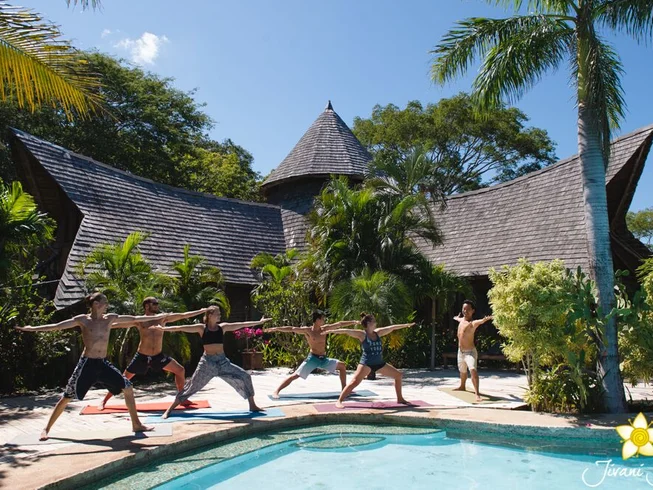
The veranillo de San Juan — typically arriving around July 24-25th and lasting 10-14 days — transforms the Nicoya Peninsula temporarily back to something approaching dry season conditions. The afternoon rains stop or reduce dramatically, the sky clears, and the Pacific coast has the conditions that the January-April dry season produces. The retreat centres of Nosara and Santa Teresa use the veranillo window deliberately — scheduling their most outdoor-focused activities, the beach yoga, and the surf sessions for the veranillo days and the indoor programme for the rain-heavy days before and after.
The bioluminescent plankton in the Pacific bays and the coastal coves of the Nicoya Peninsula is in July at its peak — the warm wet-season water temperature producing the phytoplankton (specifically Noctiluca scintillans and dinoflagellate species) in the concentrations that the night swim produces the most dramatic bioluminescence. The night swim in bioluminescent water — available from the private beach access points of the Nosara and Santa Teresa retreat centres on clear nights from June through October — is the July Pacific coast activity that no dry season month provides.
La Amistad International Park — the UNESCO World Heritage biosphere reserve shared between Costa Rica and Panama, the largest protected area in Central America at 400,000 hectares — is in July accessible by the highland entrances near San Vito de Coto Brus in the southern highlands. La Amistad is the most remote and least visited of the major Costa Rican protected areas — the park infrastructure is minimal, the trails require experienced guides, and the wildlife encounters with the harpy eagle, the Baird’s tapir, and the jaguar in the highland forest have the quality of genuinely unmanaged nature that the more accessible parks cannot produce.
The July entry to La Amistad from the San Vito side produces the most specific of Costa Rican highland forest experiences: the cloud forest at 2,000-3,000 metres, the Talamancan oak forest that exists nowhere else in Central America, and the Ngöbe-Buglé indigenous communities whose territories overlap with the park boundaries providing the most direct access to the pre-Columbian highland culture of the Talamanca range.
Mountain Regions: Cool Comfort
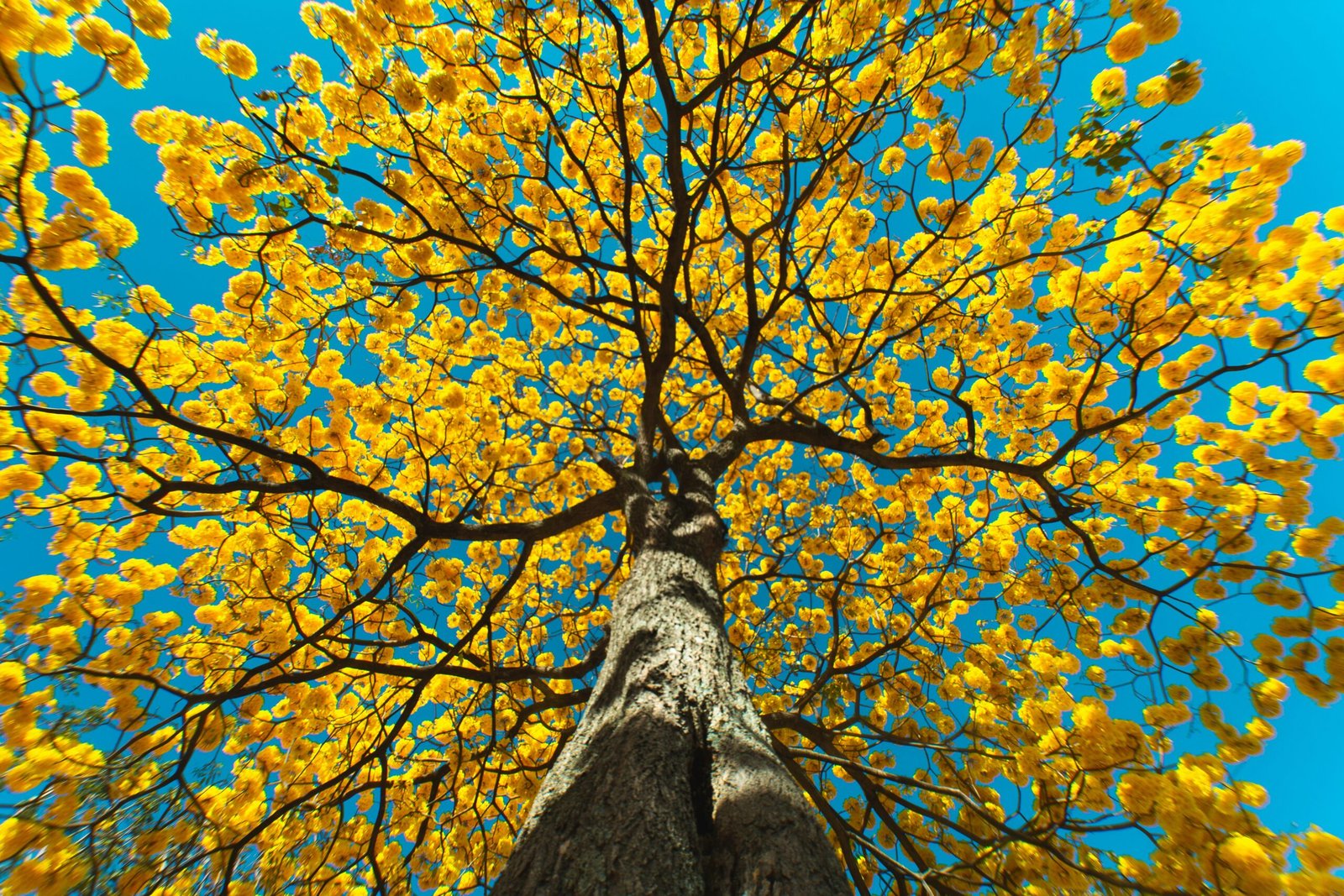
Arenal and Monteverde embrace July’s moisture while offering cooler temperatures that make extended outdoor time comfortable. The cloud forests maintain ethereal misty quality enhanced by veranillo’s moderate rain patterns—enough moisture to keep everything dripping and alive but not the constant deluge of September-October. Waterfall hikes offer spectacular rewards with strong flows, hanging bridges provide dramatic perspectives over lush canopy, and hot springs around Arenal feel especially appealing after cool mountain yoga sessions.
Mountain wellness in July suits those who prefer cooler temps (typically 10-15 degrees below coast), find mist meditative rather than gloomy, and prioritize nature immersion over beach lounging. The wildlife viewing becomes exceptional as cloud forest residents move actively through vegetation, birds nest visibly, and the overall biodiversity reveals itself to patient observers. This is contemplative Costa Rica rather than party-beach Costa Rica.
Osa Peninsula: Prime Wilderness
July maintains the Osa Peninsula’s position as ultimate wildlife destination while veranillo makes trails marginally more manageable than peak rain months. Corcovado National Park delivers some of planet’s most concentrated biodiversity—scarlet macaws flying overhead, troops of all four monkey species moving through canopy, tapirs crossing trails, and the constant sense that something extraordinary might appear any moment. The mud remains serious consideration, but July’s relative drying makes hiking more feasible than wetter months while maintaining lush conditions that bring out wildlife.
The veranillo — the two-week dry period that traditionally begins around the feast of Saint John (though the timing varies by year) — is treated as a semi-official seasonal event by the Costa Rican coastal communities, the tourist operators adjusting their schedules to maximise outdoor activities during the window. The veranillo is not guaranteed every year and the timing is approximate, but it occurs reliably enough that July retreat programmes in the Nicoya Peninsula factor it into their scheduling.
July 25th — the anniversary of the 1824 annexation of Guanacaste province from the Central American Federation (which Guanacaste was previously part of as a province of Nicaragua) to Costa Rica — is a regional holiday in Guanacaste and a national civic holiday. The Guanacaste celebrations in Liberia (the capital of the province) and the smaller Guanacaste towns include the tope (horse parade), the boyeo (the traditional oxcart procession), and the marimba music that is specific to the Guanacaste musical tradition.
Vigorón — the traditional Guanacaste and northern Costa Rica dish of yuca (cassava), chicharrón (fried pork rind), and curtido (the vinegar-pickled cabbage slaw with carrots and chile) served on a banana leaf — is the most specifically Guanacaste food at the Anexión de Guanacaste celebrations and at the Liberia market stalls throughout July. The dish has clear Nicaraguan-Guanacaste cultural connections — the culinary tradition crossing the border that the 1824 political annexation created — and is at the sodas of the northern Nicoya and the Liberia market at its July celebration frequency.
Elote loco (crazy corn) — the Costa Rican street food preparation of boiled corn on the cob dressed with butter, mayonnaise, mustard, and ketchup, served in a plastic bag for handling — is at the roadside stalls and the fiestas patrias street markets of Guanacaste in July at its most concentrated. The fresh corn of the wet season — the kernels at their July milky sweetness from the June plantings — is the ingredient, and the elote loco preparation is the Costa Rican version of the Mexican elote that the Atlantic lowland corn culture produces in its own form.
The Pacific coast ceviche in July has the specific character of the wet season seafood supply — the Pacific fishing boats working the green season waters with the full wet-season species diversity. The pargo (Pacific red snapper), the dorado (mahi-mahi), and the corvina from the wet season catch are at the beach sodas and the retreat kitchens in July at the freshest of the green season supply.
The full moon guided turtle tour at Tortuguero in July — the night of the July full moon when the nesting activity is at its highest — is the most sought-after single night in the Costa Rican wildlife calendar. The tour requires advance booking through the park-licensed guide cooperative, and the July full moon dates fill months in advance. For retreat guests who plan specifically around this night, the experience — the full moon rising above the Caribbean horizon while the green turtles emerge from the surf to nest — is the July Costa Rica moment that no other activity in any month approaches.
The bioluminescent night swim at the private beach access points of the Nosara and Santa Teresa retreat centres — wading into the July Pacific and watching the blue-green light appear around every movement, the hands and feet trailing luminescent wakes — is the July Nicoya activity that the dry season months cannot provide. The phenomenon requires the warm wet-season water temperature and the specific phytoplankton concentration that the June-October period produces. The night swim on a moonless July night in the bioluminescent Costa Rican Pacific is among the most specifically extraordinary of the retreat calendar’s natural offerings.
The July whale watching from the Uvita dock at Marino Ballena — the southern hemisphere humpback whales at their Costa Rican peak, the calves born weeks ago and growing rapidly, the adult males competing and vocalising — is the July southern Pacific wildlife encounter. The boat tours run daily from Uvita (and from Drake Bay on the Osa Peninsula), the July conditions providing the most reliable and the most behaviourally active whale encounters of the season.
Is July a good month for a yoga retreat in Costa Rica? The most wildlife-rich month of the year — the Tortuguero green turtles, the Marino Ballena humpbacks, the bioluminescent plankton, and the veranillo dry window make July specifically extraordinary. The tradeoff is the rainy season rain pattern and slightly higher prices than May and June (the peak green season months are July and August for the wildlife-focused tourism that specifically seeks these conditions).
Is the veranillo reliable enough to plan a retreat around? It occurs most years but not always, and the timing varies by 1-2 weeks. The retreat centres of the Nicoya Peninsula account for it in their July programme by maintaining flexibility — scheduling the most outdoor-intensive activities in the late July window and providing indoor alternatives for the rain-heavy early July period. Planning the retreat for the last 10 days of July maximises the probability of the veranillo conditions.
Is the Tortuguero full moon tour really the most sought-after night in Costa Rica? For wildlife-focused travellers, yes. The full moon produces the highest nesting activity — the turtles nesting higher on the beach in the high tide associated with the full moon, the number of individual females nesting on a single night potentially reaching several hundred. The July full moon specifically, at the peak season, is the combination that produces the maximum density. Book 3-4 months in advance.
What comes after July for yoga retreats in Costa Rica? August brings the veranillo extension, the continuation of the Tortuguero turtle season, and the most powerful south swells of the Pacific surf year. See our yoga retreats in Costa Rica in August for the full picture.
Your email address will not be published. Required fields are marked *