
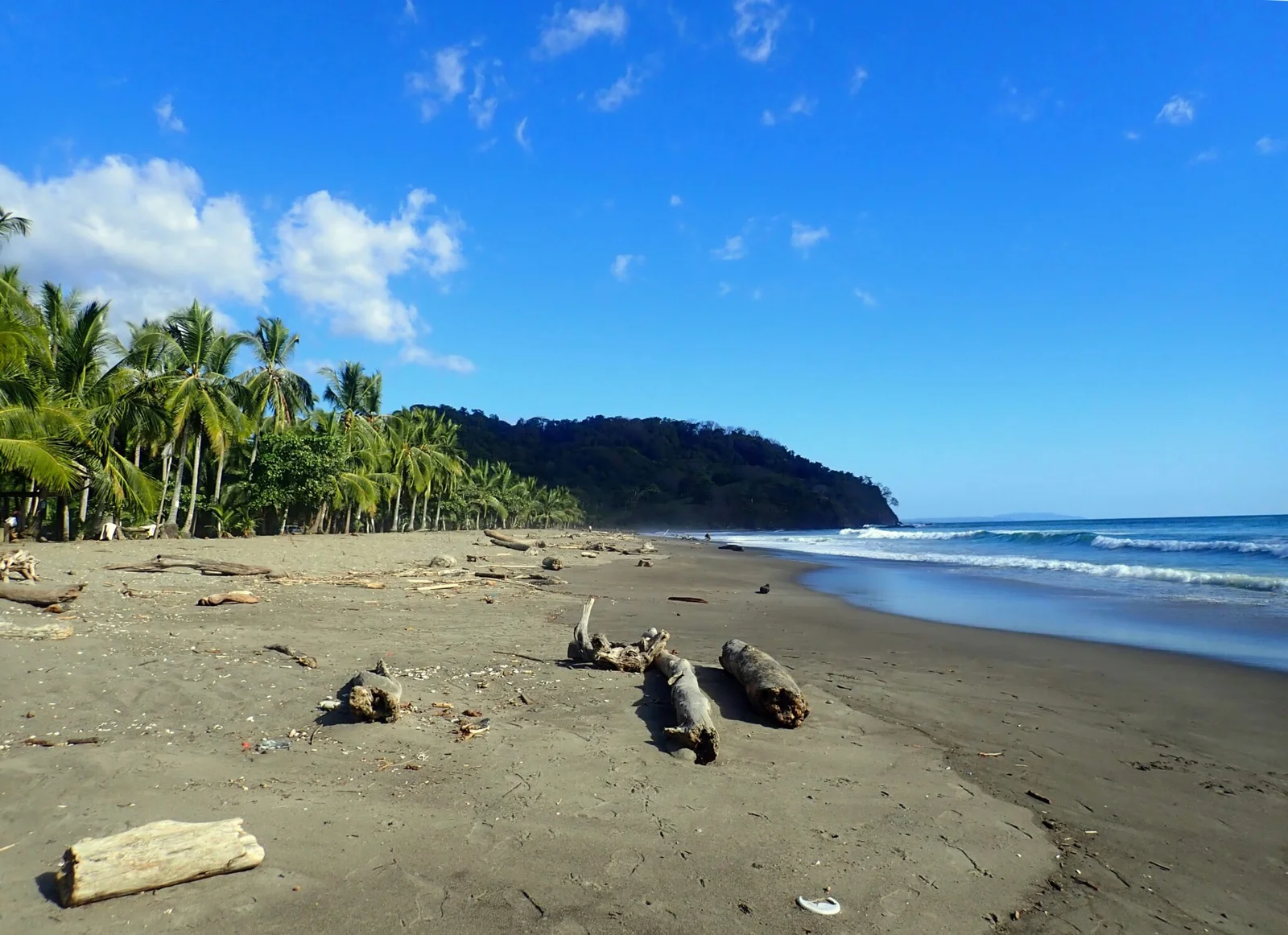
January in Costa Rica is the dry season at its most reliable. The Pacific coast is sunny, the trails are dry, and the yoga and surf communities of the Nicoya Peninsula are running their most complete programmes of the year. The post-holiday rush of December has thinned and the spring break crowds of March have not yet arrived. A yoga retreat in Costa Rica in January catches the country at its most accessible and its most itself.


January is one of the two or three best months for a yoga retreat in Costa Rica. The dry season that began in November is fully established on the Pacific coast — the mornings clear, the afternoon wind providing cooling without rain, and the retreat infrastructure at full capacity. The wildlife is active: the scarlet macaws returning to the coastal nesting trees, the olive ridley sea turtles still present at the nesting beaches from the November-January season, and the humpback whales arriving in the Pacific from their southern hemisphere breeding grounds.
Browse our full yoga retreats in Costa Rica guide for the complete picture of what the country offers year-round. For the global context of January retreat travel, our yoga retreats in January guide covers every destination worth considering this month.

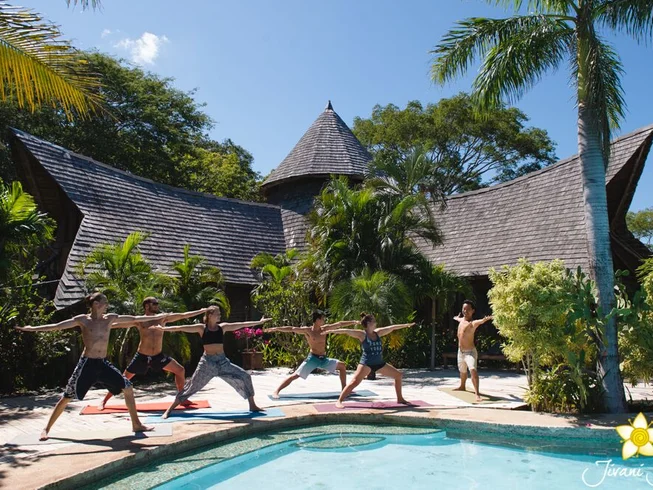
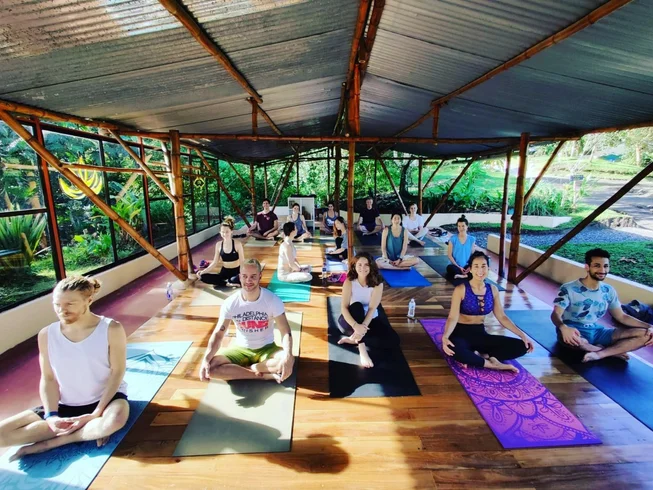
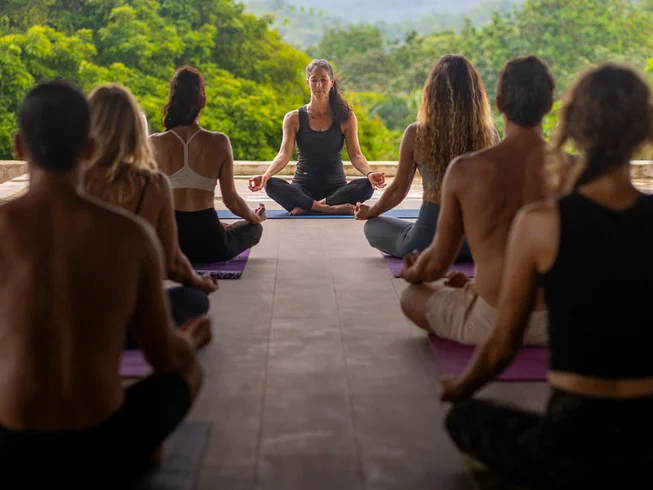
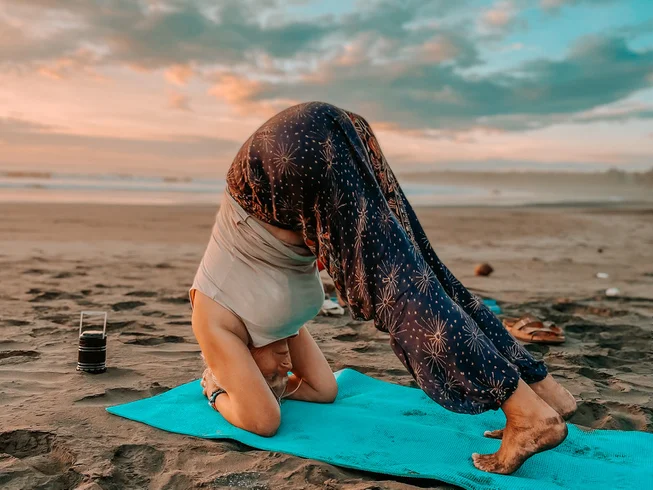
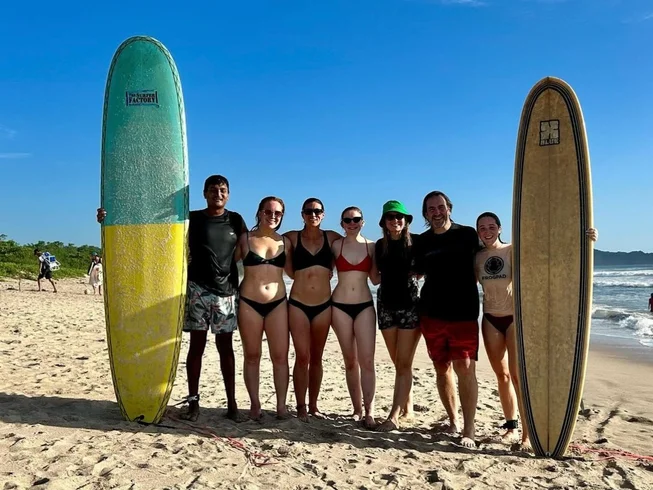
Nosara — the community on the Nicoya Peninsula that has been the most established yoga destination in Central America since the Nosara Yoga Institute began teacher training here in 1994 — is in January at its dry season peak. The Playa Guiones beach break is producing the consistent swells that make Nosara specifically good for intermediate surf, and the retreat centres that combine morning yoga with afternoon surf are in January running their fullest programmes of the year.
The specific quality of Nosara in January is the concentration of serious teachers and practitioners who base themselves here through the dry season. The yoga community that has accumulated in the beachside streets above Playa Guiones — the studios, the raw food cafés, the healing centres — is in January at its most internationally varied and its most locally rooted simultaneously. The Bodhi Tree Yoga Resort and the smaller independent studios of the Nosara community are in January running the full range of styles and formats that the teacher concentration produces: Ashtanga, Yin, restorative, meditation, and the teacher training programmes that the dry season specifically supports.
The wildlife around Nosara in January is at its most visible. The scarlet macaw pairs that nest in the almond trees above Playa Guiones are in January territorial and conspicuous — the red, yellow, and blue of their plumage unmistakable from the yoga shala terrace. The howler monkeys in the trees behind the beach are at their dawn chorus volume. And the Ostional Wildlife Refuge 8 kilometres north of Nosara — one of the most important olive ridley sea turtle nesting beaches in the world — is in January still active with the January nesting cycle.
Santa Teresa on the southern tip of the Nicoya Peninsula is in January at the peak of its dry season character — the beach break at the base of the main street producing the consistent left-hand waves that the international surf community comes specifically for, the jungle behind the beach at its dry season green, and the yoga and wellness community that has accumulated in the parallel streets between the beach and the jungle at its January concentration.
Santa Teresa in January has a different energy from Nosara — more international, more surf-culture focused, and with the specific quality of a destination that has been building its retreat infrastructure for a shorter time and more rapidly. The retreat centres and yoga shalas of the stretch between the El Carmen crossroads and Playa Hermosa to the south are in January running their peak-season programmes: the early morning beach yoga, the surf instruction, and the evening community dinners that the tight geography of the town produces organically.
The Cabo Blanco Absolute Nature Reserve at the southern tip of the Nicoya — the oldest protected area in Costa Rica, established in 1963 — is in January accessible by the road from Santa Teresa, and the hiking trails through the dry tropical forest produce the wildlife encounters (the white-faced capuchin monkeys, the coatis, and the frigatebirds above the cape) that the protected status preserves. The day excursion from Santa Teresa to Cabo Blanco and back, with a morning yoga session before departure and an afternoon swim at the beach below the reserve, is the January Santa Teresa retreat day at its most complete.
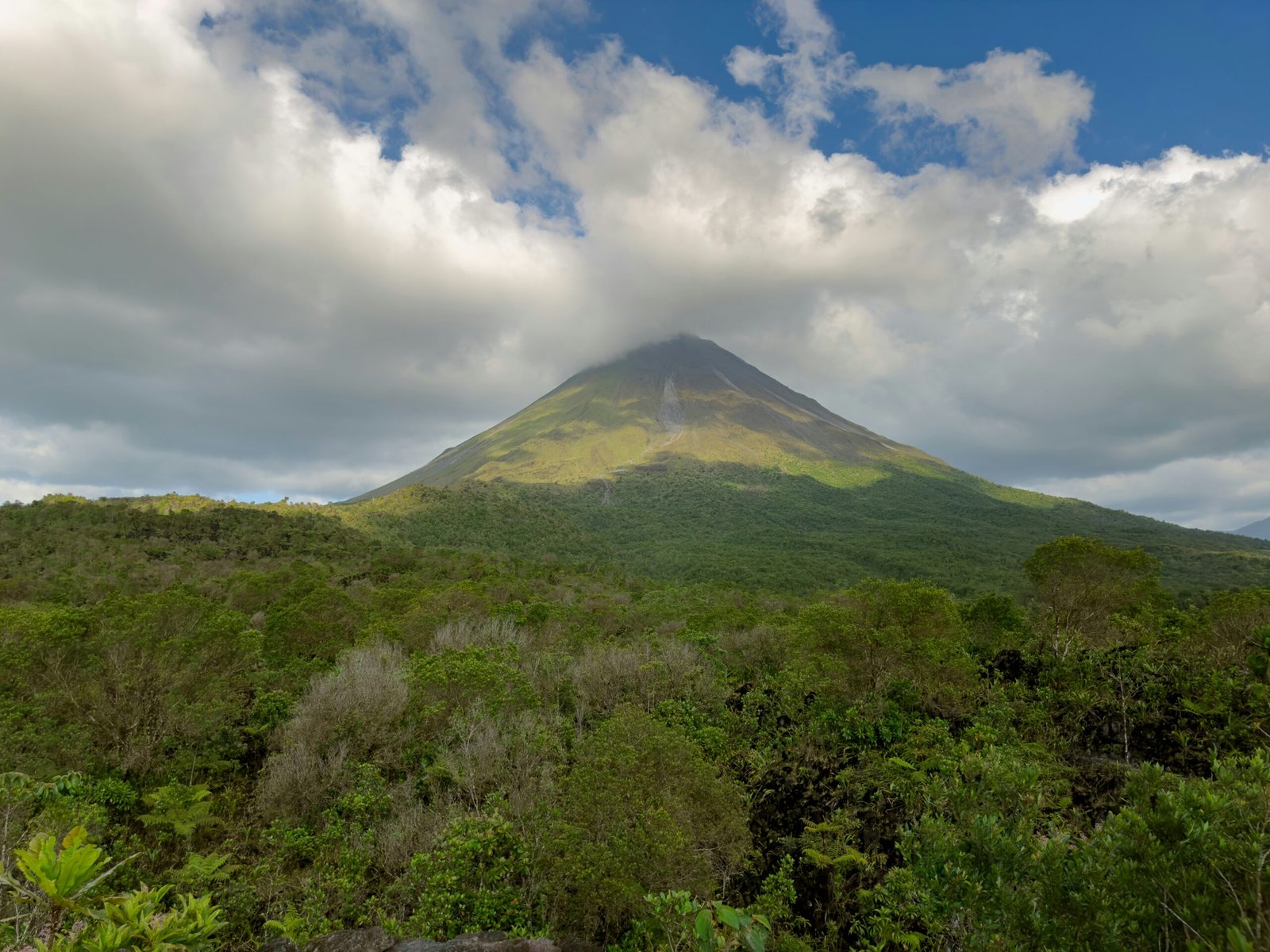
Arenal — the active volcano in the northern lowlands, surrounded by the Arenal Volcano National Park and the Lake Arenal reservoir — is operational year-round and in January at a specific advantage: the dry season on the Pacific coast brings drier conditions to the Arenal area than the wet season produces, and the volcano views from the park trails are most likely in January when the cloud cover that shrouds the cone through the rainy season is less persistent.
The hot springs of the Arenal area — the geothermal waters heated by the volcanic activity below, accessible at the commercial hot spring complexes (Tabacón, Baldi) and at the free natural pools in the Rio Cholín downstream from the volcanic flanks — are in January available at the combination of the warm water and the cool dry season air that produces the most comfortable thermal experience of the year. The La Fortuna waterfall — the 70-metre cascade accessible by a steep trail from the La Fortuna town — is in January at a lower flow than the wet season but more accessible, the trail less muddy and the pool at the base swimmable without the current that the rainy season produces.
The Caribbean coast of Costa Rica follows a completely different weather pattern from the Pacific — and January is one of its drier months. Puerto Viejo de Talamanca — the Afro-Caribbean coastal town near the Panama border, with the Cahuita National Park coral reef and the Gandoca-Manzanillo Wildlife Refuge mangroves — is in January in one of its better windows. The Salsa Brava reef break off Puerto Viejo — the most powerful reef break in Costa Rica — is in January producing the swells that the Caribbean trade winds generate.
The Caribbean retreat scene is smaller and more locally rooted than the Nicoya Peninsula infrastructure — fewer international yoga centres, more integration with the Afro-Caribbean and indigenous Bribri cultural context that makes the eastern side of the country specifically different from the Pacific. A retreat that uses Puerto Viejo as its base incorporates the coral reef snorkelling of Cahuita, the Bribri indigenous community tours in the Talamanca mountains, and the specifically Caribbean food culture of the coast as its cultural programme.
The Fiestas de Palmares — the annual fair in the Palmares canton of Alajuela province, held for two weeks in January — is the largest outdoor festival in Central America, attended by more than a million people over its two-week run. The festival combines the traditional Costa Rican fair culture (the topes horse parades, the bull running in the local tradition, the carnival rides) with the music and food culture that the January timing makes the most accessible event of the Costa Rican year. For retreat guests based in the Central Valley, the Palmares fair is a specifically January Costa Rican cultural experience that no other month replicates.
January marks the peak of several Costa Rican wildlife cycles simultaneously. The olive ridley sea turtle nesting at Ostional is in its January cycle — the mass arrivals (arribadas) possible at any full or new moon. The scarlet macaw breeding season makes the birds territorial and conspicuous at the coastal nesting sites. The humpback whale southbound migration (the northern hemisphere humpbacks moving south) is active along the Pacific coast in January. And the resplendent quetzal breeding season in the cloud forest of the Chirripó and Los Quetzales national parks begins in January, the males displaying their spectacular tail feathers at the fruiting wild avocado trees.
Gallo pinto — the Costa Rican national breakfast dish of rice and black beans cooked together with Salsa Lizano (the ubiquitous Costa Rican condiment, a mild Worcestershire-like sauce that is the essential flavour of the dish), served with eggs, natilla (the Costa Rican sour cream), and maduros (the fried sweet plantain) — is the January retreat breakfast in its most specific form at the local sodas and the retreat kitchens that source regionally. The gallo pinto made from the previous day’s rice and beans, fried together in the morning with the Salsa Lizano and the onion and sweet pepper (the combination Ticos call sofrito), is the most specifically Costa Rican food experience available in any month.
The Costa Rican ceviche — different from the Peruvian and Mexican versions in its use of the limón mandarina (the Costa Rican lime, smaller and more aromatic than the Persian lime), the cilantro, and the Salsa Lizano that appears in many Tico preparations — is at the beach sodas of the Nicoya Peninsula in January at its freshest: the tilapia or the corvina from the Pacific coast fishing boats, the lime juice from the Costa Rican grove, and the cilantro from the coastal garden. At the La Palapa-style beach restaurants of Nosara and Santa Teresa in January, the ceviche is the midday meal that the dry season sun and the post-surf appetite specifically require.
The January tropical fruit of Costa Rica — the cas (the Costa Rican guava, distinctly sour and used for the ubiquitous agua de cas), the maracuyá (passion fruit), and the pipa (the young green coconut drunk with a straw directly from the shell) — are at the roadside vendors and the market stalls in January at the dry season availability. The pipa fría — the cold young coconut from the roadside stand, the vendor opening it with a single machete blow and inserting a straw — is the most specifically Costa Rican January refreshment, available at every rural crossroads and beach access road.
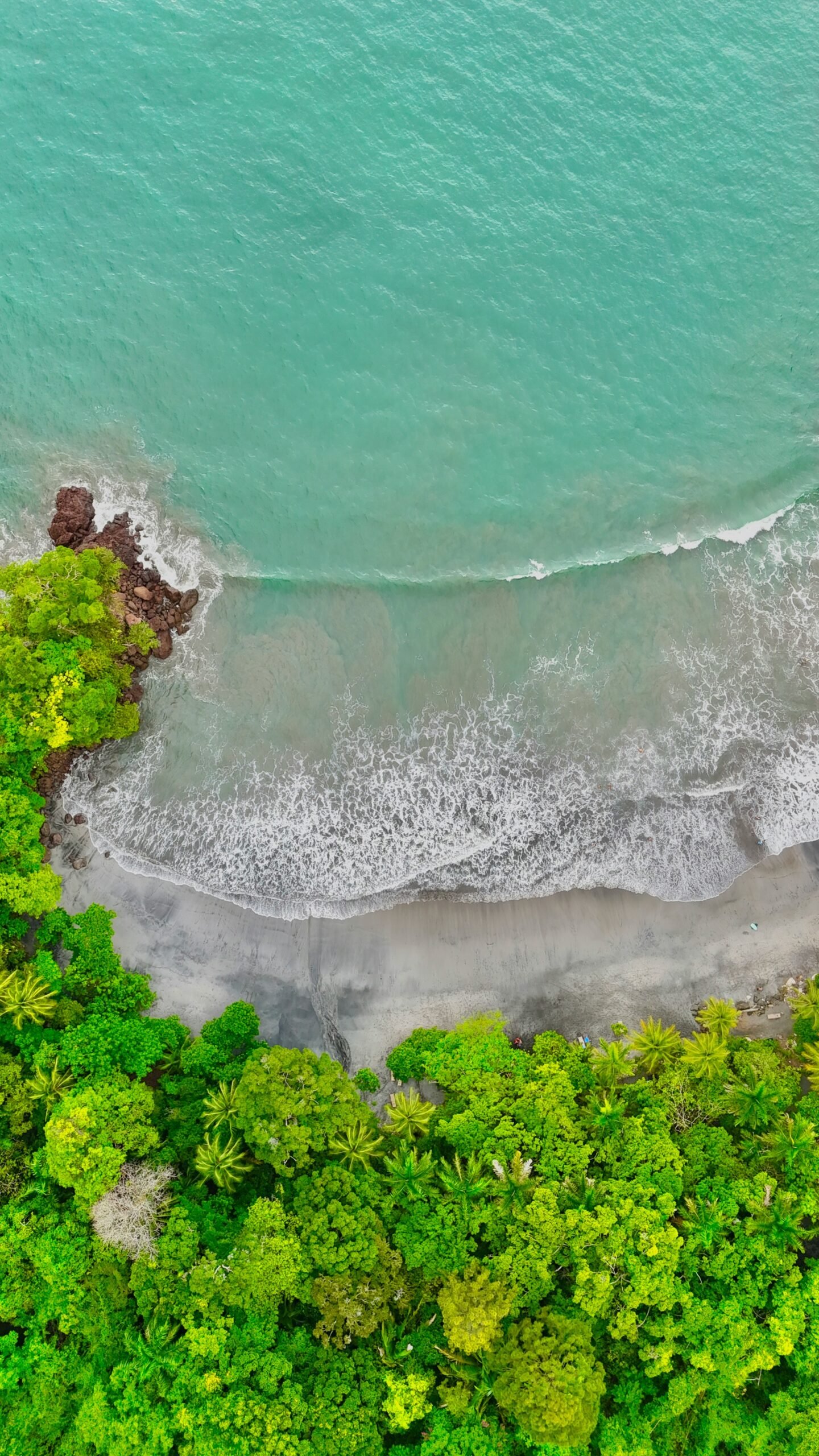
The surf instruction at Playa Guiones, Nosara — the most consistently recommended intermediate surf beach in Costa Rica — is in January at its most organised and most accessible. The dry season swell pattern produces the consistent beach break that Nosara is known for, and the surf schools that operate from the beach access points are running their full January programmes: the beginner lessons in the white water, the intermediate coaching in the line-up, and the advanced sessions for those who have been surfing long enough to work on technique rather than survival.
The olive ridley turtle nesting at Playa Ostional — 8 kilometres north of Nosara — is in January in its monthly cycle. The mass arrivals (arribadas) at Ostional are the largest in Costa Rica, with tens of thousands of turtles arriving on a single night to nest. The guided tours from the Ostional village cooperative — the local community that manages the reserve and benefits from the responsible tourism — operate in the evenings and nights of the nesting cycle. January is within the nesting season window (October through March for the Pacific olive ridley) and the January nesting is among the more active of the season.
The resplendent quetzal in the Los Quetzales National Park — the cloud forest park in the Cerros de la Muerte mountain range between San José and San Isidro — is in January beginning its breeding season, the male quetzals displaying their extraordinary metre-long tail feathers at the wild avocado trees that the species depends on. The early morning guided walk from the El Bosque del Quetzal lodge or the park ranger station, arriving before 6am at the fruiting avocado trees, produces the quetzal sightings that the retreat calendar rarely acknowledges as a yoga destination activity. The drive from Nosara to Los Quetzales is four hours — requiring a specific excursion day rather than a half-day from the beach base.
Your email address will not be published. Required fields are marked *