Santa Teresa: New Year Retreat Community
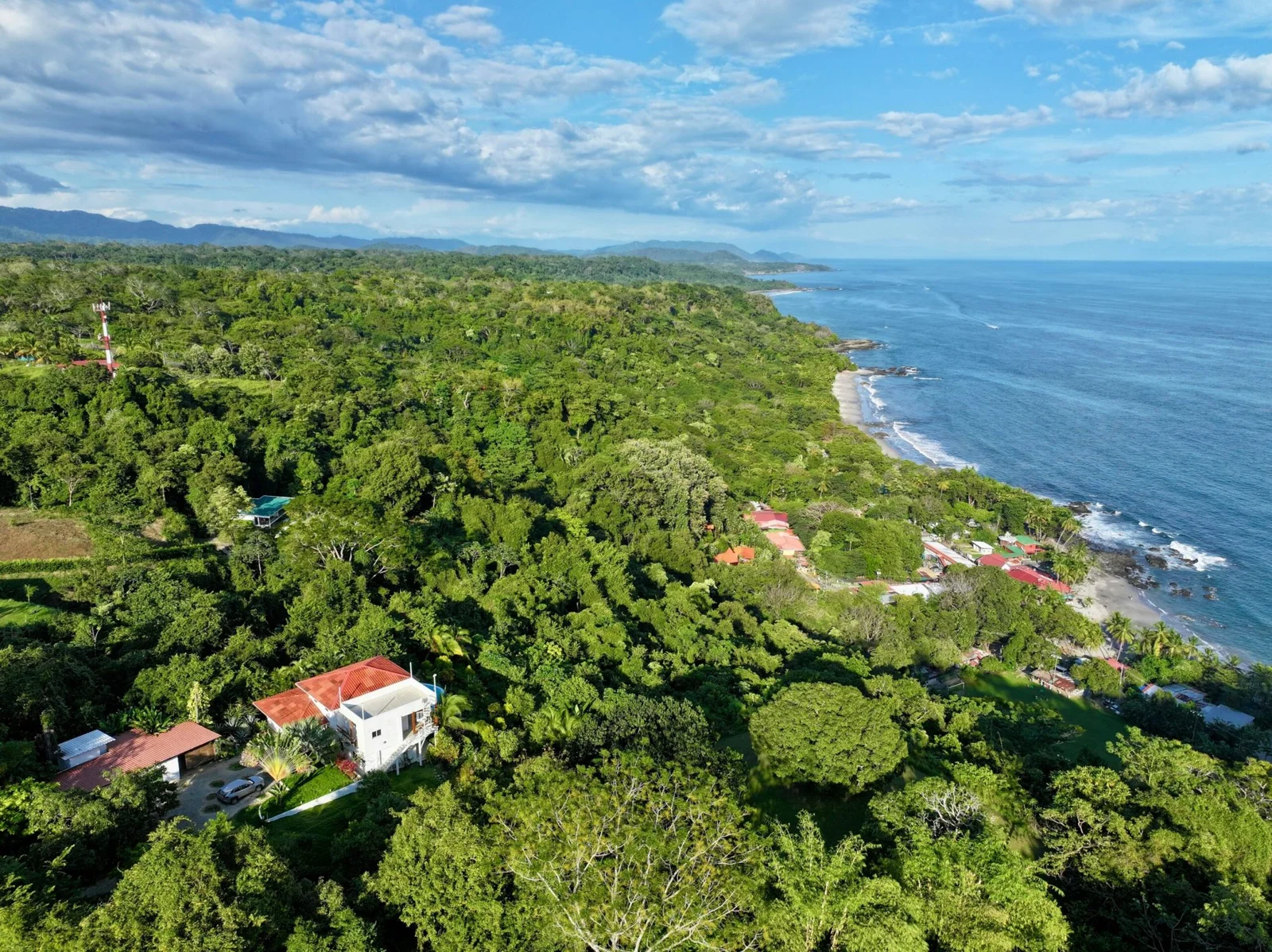
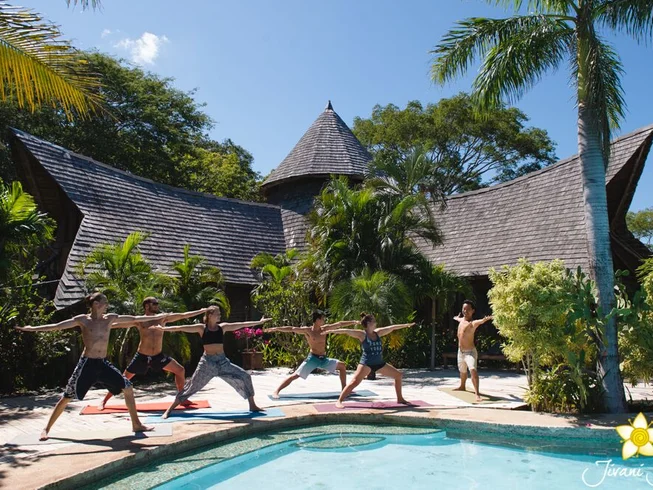
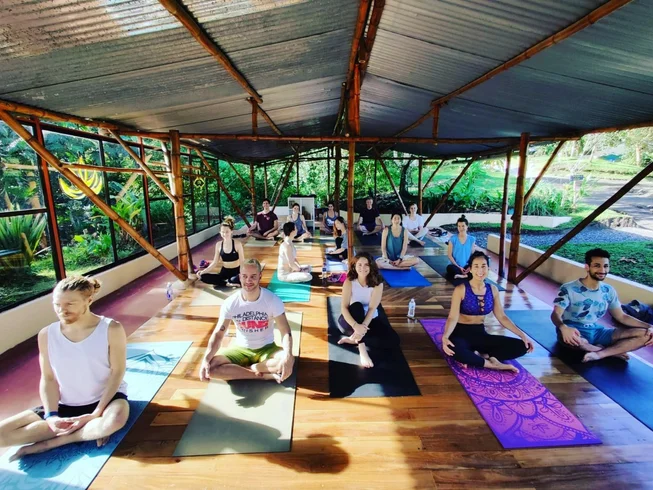
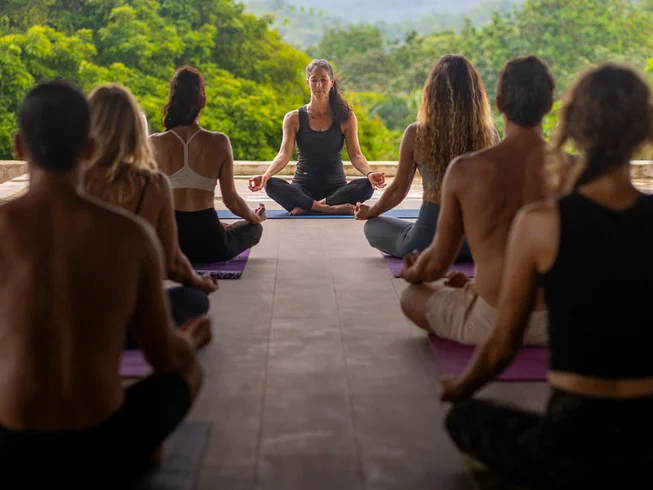
Santa Teresa in the last week of December is the most internationally concentrated yoga and wellness community in Central America — the practitioners who specifically chose Costa Rica for the year’s turning arriving alongside the long-term dry season teachers, the surf community returning for the northwest swell, and the retreat centres running their most ambitious end-of-year programmes. The winter solstice practice on December 21st, the year-end reflection retreats, and the New Year sunrise meditation on January 1st draw the international community to the southern Nicoya specifically.
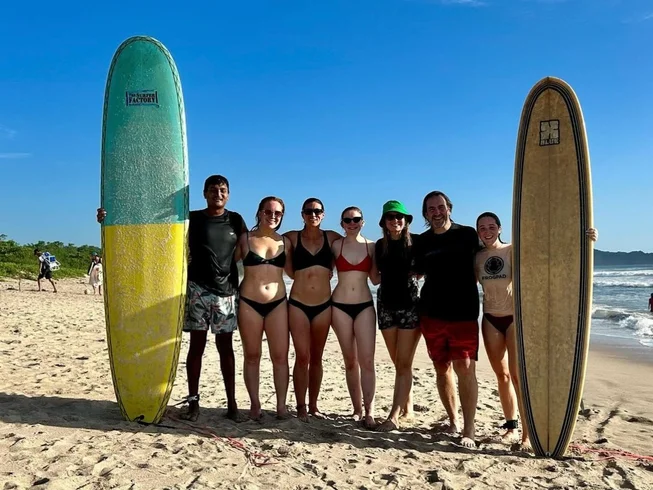
The December surf at Santa Teresa on the northwest swell — the dry season Pacific wind pattern generating the waves that arrive at the exposed northern Nicoya breaks from November through April — is the complement to the July-October south swell season, producing a different wave character: typically smaller and cleaner than the south swell giants, but more consistent and more accessible for the intermediate level surfer. The December Santa Teresa morning — the northwest swell producing the early morning surf, the air at 26-28°C, and the yoga session on the beachside shala terrace as the sun rises — is the December Nicoya day in its most complete form.
Nosara: Teacher Community and Year-End
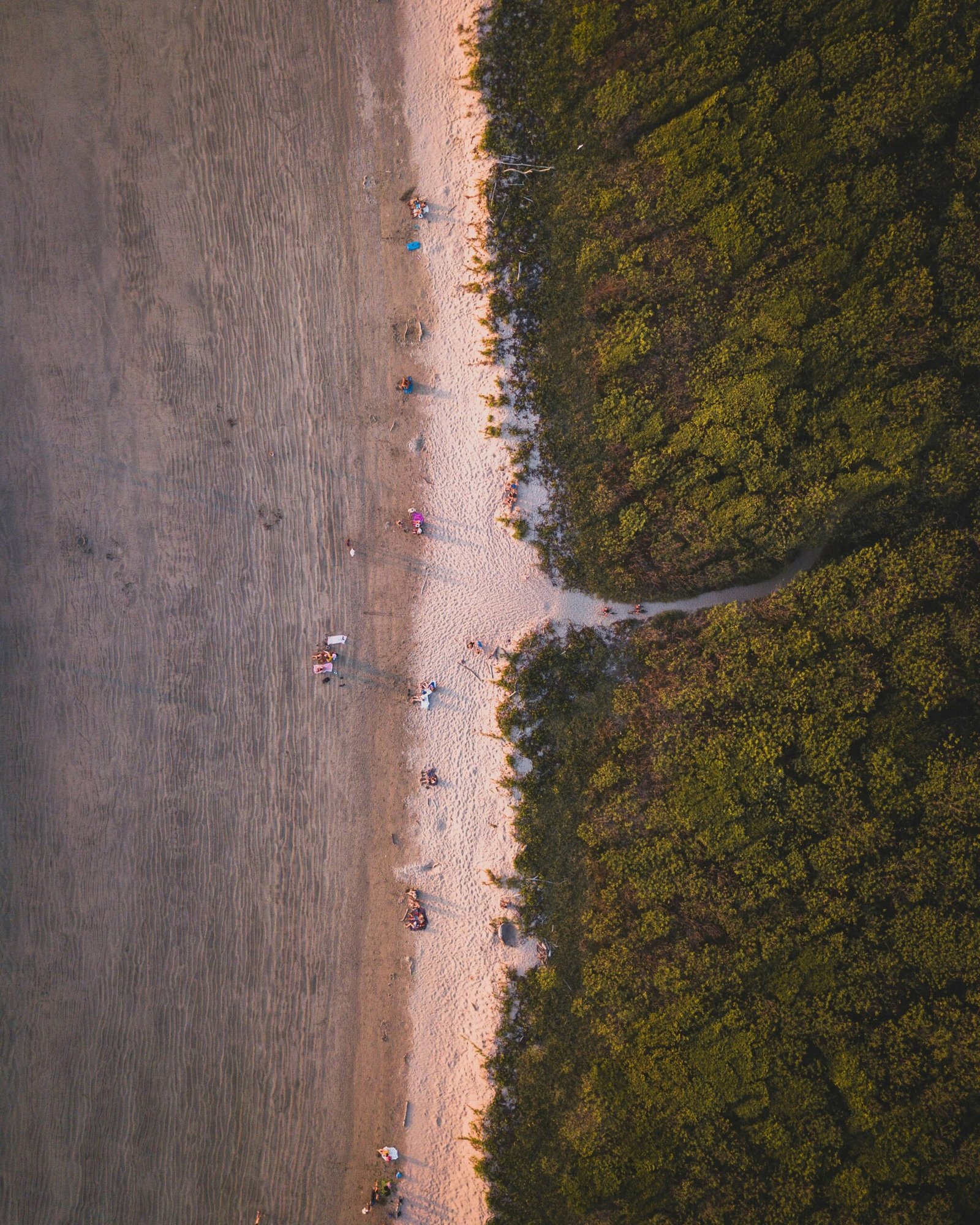
Nosara in December has the Nosara Yoga Institute and the surrounding teacher community at the opening of their most active dry season — the December arrival of the international community that Nosara’s reputation as the yoga capital of Central America attracts. The December morning at Playa Guiones — the scarlet macaws calling from the nesting trees above the beach, the surf at its northwest swell consistency, and the yoga community assembled for the early session on the sand — is the December Nosara moment that the retreat calendar is built around.
The Ostional Wildlife Refuge in December has the olive ridley turtle nesting in its December cycle — the monthly mass arrivals continuing through the dry season months and into January. The December visit to Ostional, with the dry season conditions making the access road reliable and the early morning trip from the Nosara retreat base a standard morning activity, is the December turtle encounter in its most accessible dry season form.
Arenal: Christmas and Dry Season
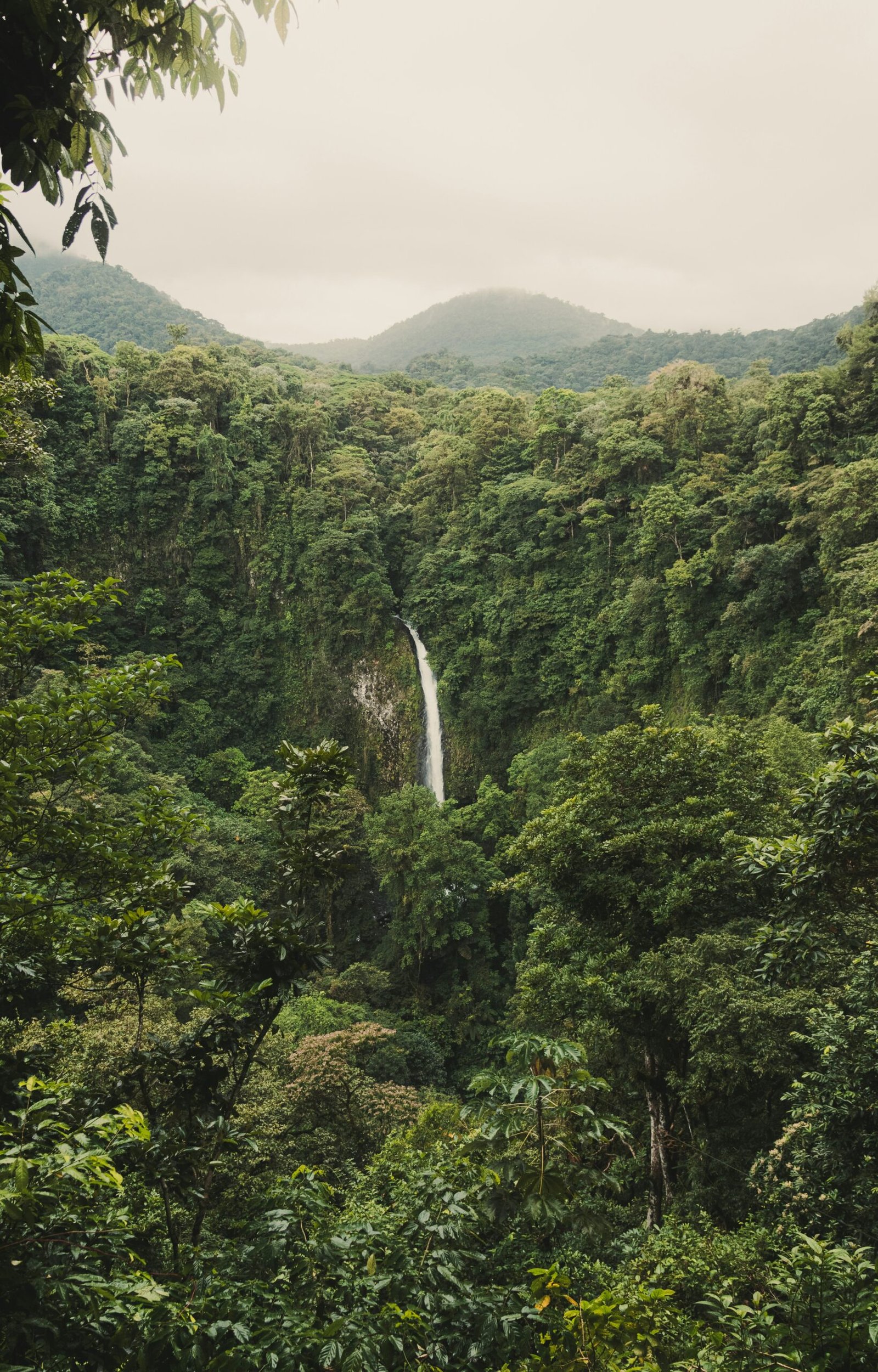
Arenal in December is at the beginning of its dry season — the rains having stopped by mid-November, the trails dry and accessible, and the volcano visible on the clearest December mornings above the lake. The La Fortuna Christmas — the small town at the base of the Arenal volcano with its central church illuminated with Christmas lights and the specific Central American Christmas culture of the highland communities — is in December at its most festive: the posadas in the neighbourhood streets, the tamales prepared for Christmas Eve, and the New Year celebrations at the central plaza producing the most specifically Costa Rican highland December experience.
The hot springs around Arenal in December have the cool dry season evening air making the thermal experience most rewarding — the air temperature at 18-20°C in the December evenings and the hot spring water at 38-42°C producing the contrast that the wet season’s warmer evenings reduce.
Drake Bay: Humpback and Wilderness
Drake Bay on the Osa Peninsula in December is at the beginning of the northern humpback whale season — the whales arriving from the North Pacific and establishing the December presence that will peak in January and February. The December whale watching from Drake Bay has the season-opening quality: the first encounters of the new cycle, the boats at manageable group sizes before the peak-season capacity, and the whale behaviour at its December character — the first arrivals establishing their territories in the Costa Rican Pacific.
The Corcovado National Park in December is at full dry season operation — the trails dry, the river crossings at their lowest, and the park running its most complete programme of guided expeditions. The December Corcovado expedition from Drake Bay is the most accessible of the annual cycle: the La Leona coastal trail without the mud that the wet season produces, the Sirena ranger station full programme available, and the wildlife at the dry season water-hole concentration that makes the tapir, peccary, and anteater encounters most probable.