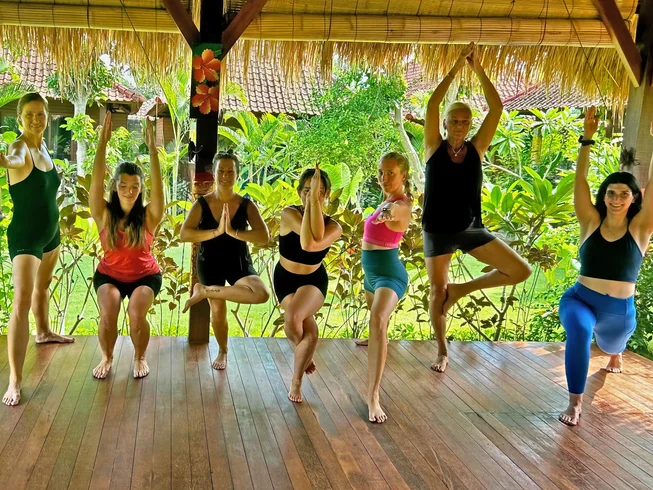
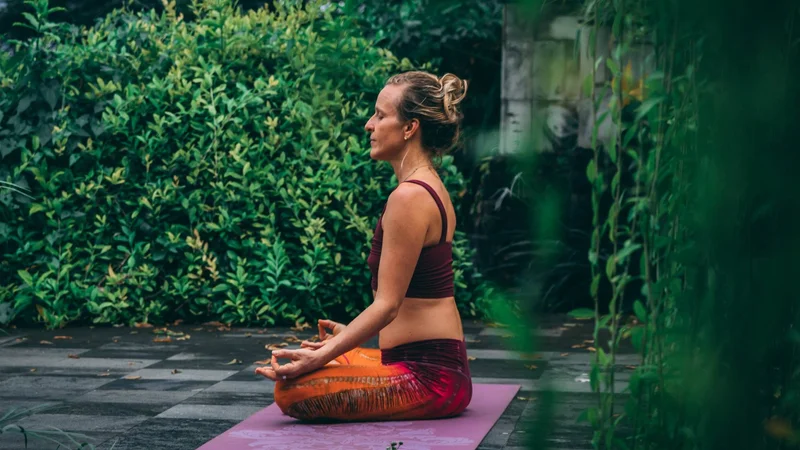
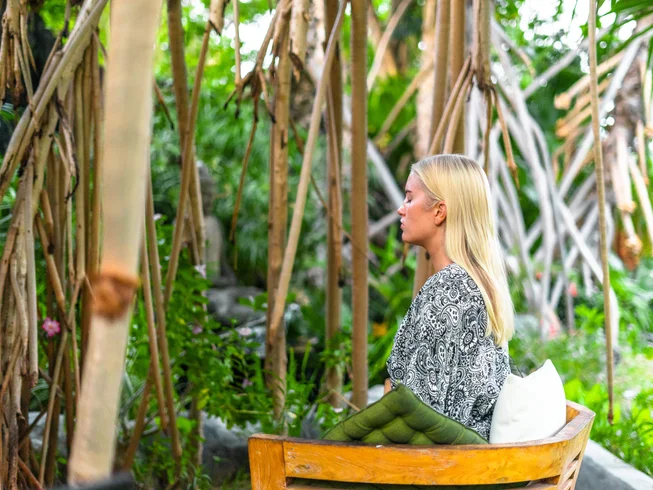
Bali is a year-round yoga retreat destination, but each season creates a different experience: dry-season months bring bright mornings, outdoor practice, and beach energy, while the wetter months feel greener, quieter, and more introspective. What makes the island stand out is the way yoga, ceremony, landscape, and daily life all flow together, whether you are drawn to Ubud’s spiritual atmosphere, Canggu’s ocean rhythm, Uluwatu’s cliffside calm, or the deep quiet of East Bali.
Planning your yoga and wellness retreat in Bali for 2026 begins with understanding the island’s natural rhythm. Bali isn’t just one destination — it’s a living cycle of light, rain, renewal, and celebration. Each season brings its own energy: summer’s golden certainty, spring’s rebirth, fall’s quiet reflection, and winter’s meditative calm.
Whether you seek guaranteed sunshine, cultural immersion, or peaceful solitude, there’s no wrong time to practice here — only a question of what kind of experience you want to have.
This guide helps you navigate Bali’s seasons, weather patterns, and local festivities, so you can choose the perfect time for your journey.
Ubud: Heart of Spirit
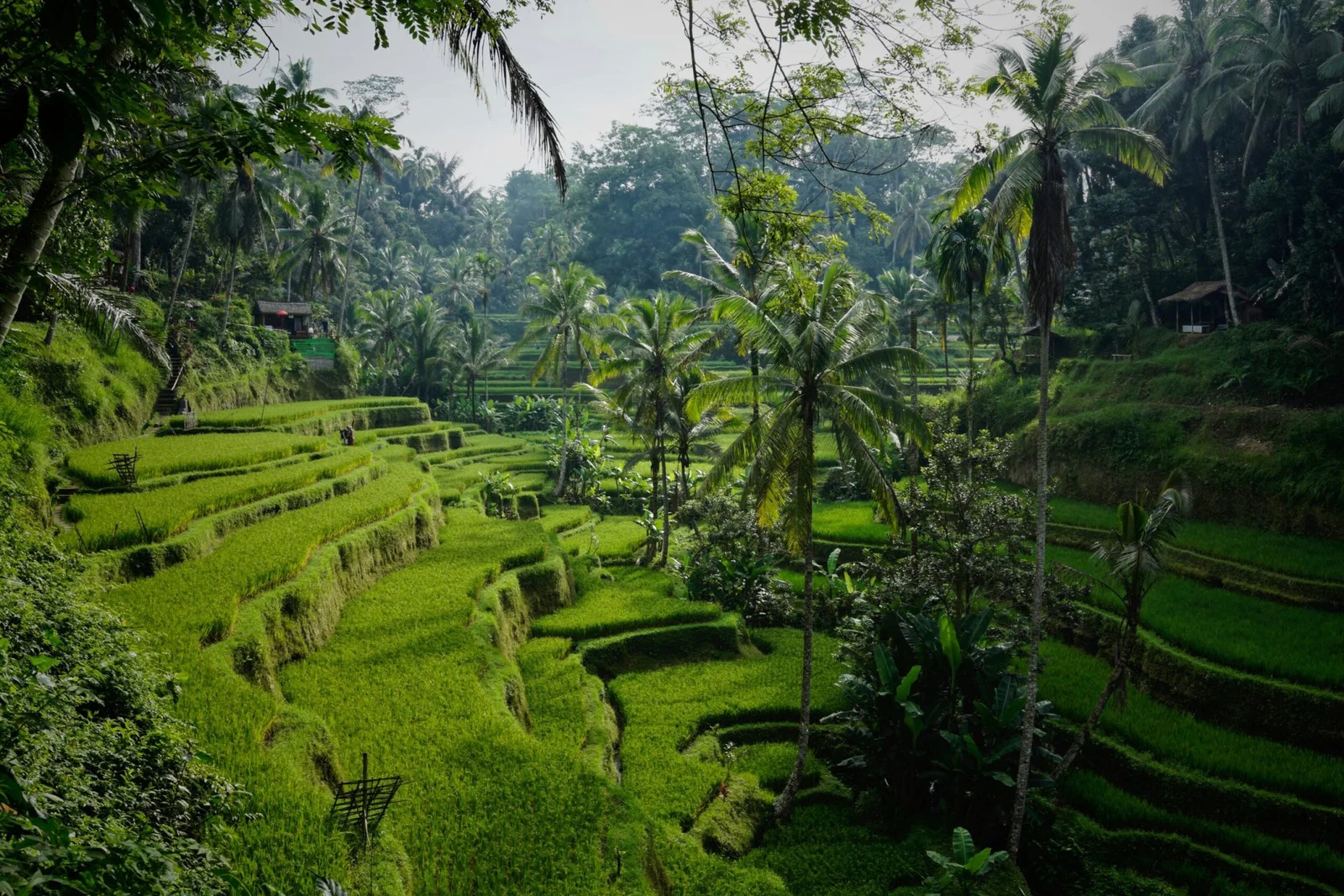
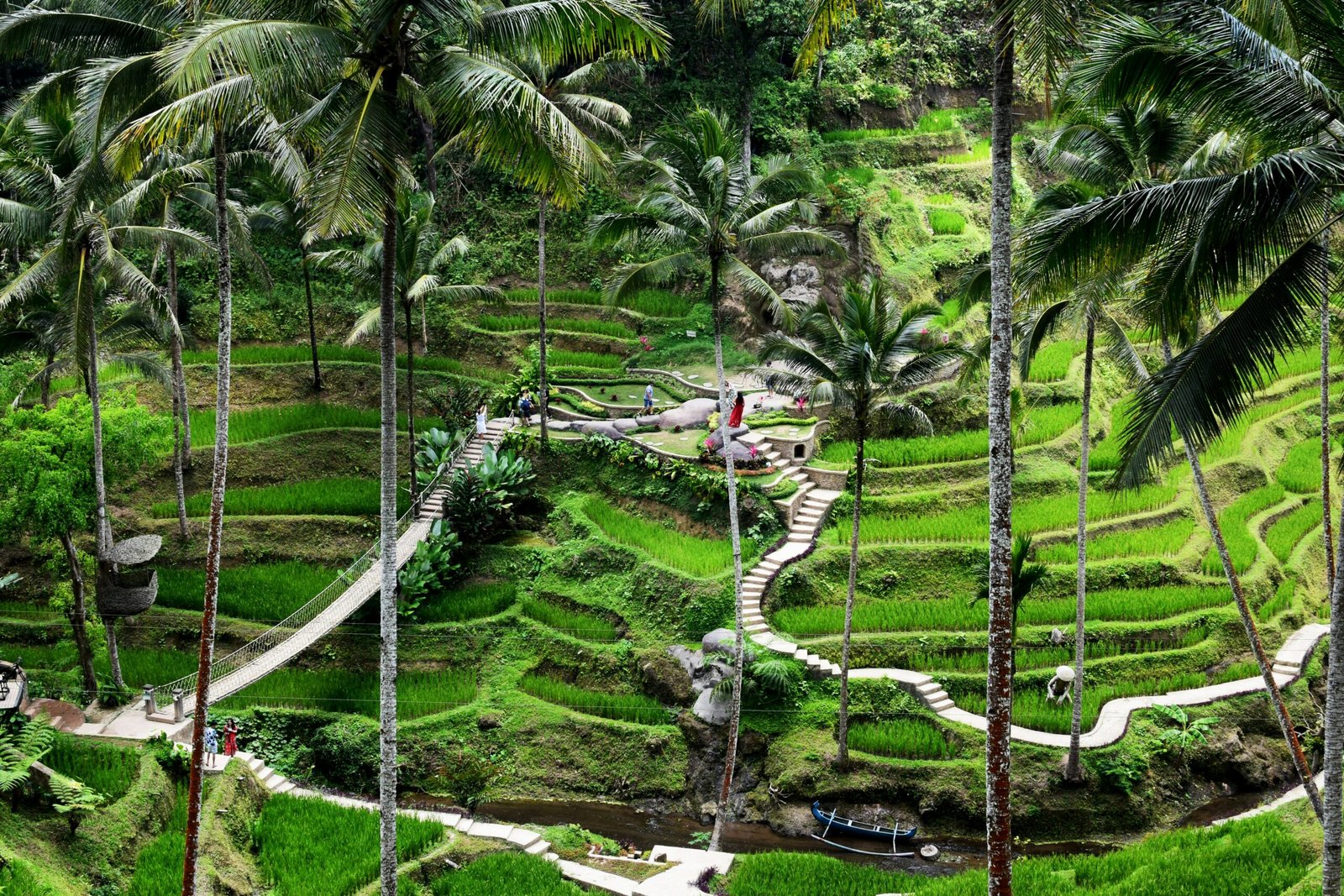
Best year-round. Surrounded by rice terraces and temples, Ubud stays lush in all seasons. Yoga studios, cafés, and spas remain open even in heavy rain, making it perfect for introspection and healing work.
Canggu: Ocean Energy
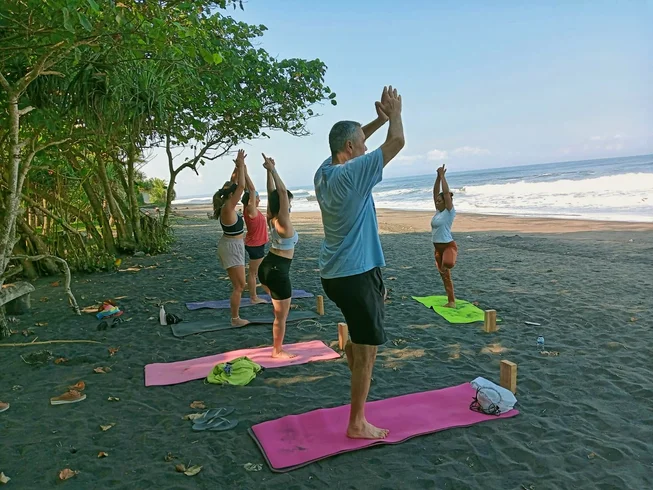
Best May–October. Dry months bring steady surf, golden sunsets, and a vibrant community of yogis, surfers, and digital creatives. The wet season adds slower charm — cozy cafés and meditative afternoons.
Uluwatu: Cliffside Serenity
Best April–November. Dramatic ocean views, cool breezes, and elegant cliff-top retreats make it ideal for meditation, luxury wellness, and couples’ escapes.
East Bali (Sidemen, Amed, Candidasa)
Best March–June or September–November. Slightly drier microclimate, traditional village life, and deep peace. Excellent for detox retreats, slow travel, and quiet renewal.
– Nyepi (Balinese New Year): Expected in March 2026. A full day of silence — airports close, lights dim, and the island turns inward. A profound experience if you’re on retreat.
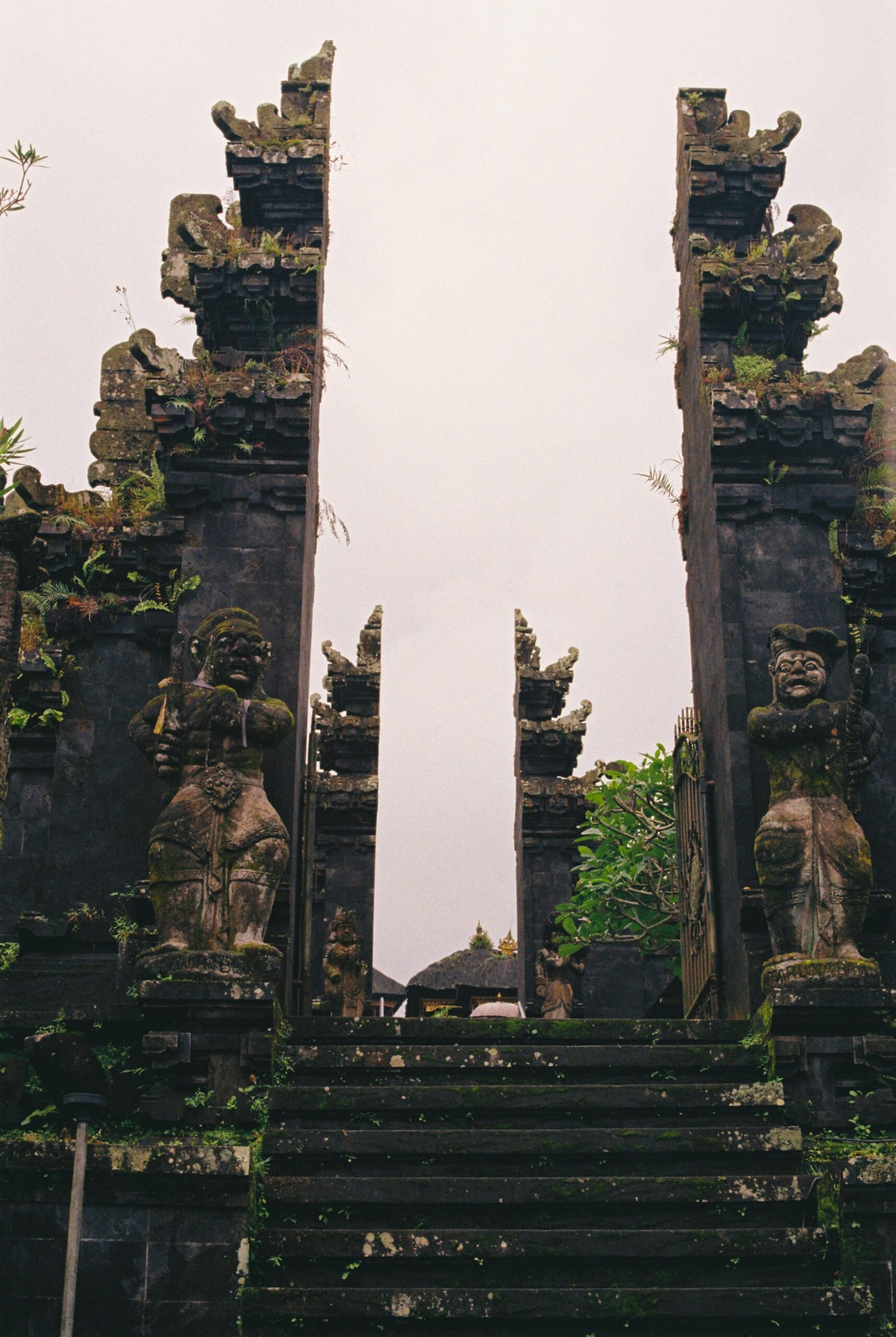
– Galungan & Kuningan: Twice yearly, often in July/August and February/March. Temples come alive with offerings, prayers, and colorful decorations.
– Chinese New Year: Late January or early February — brief tourist surge, cultural festivities.
– Christmas & New Year: December brings celebrations, candlelit dinners, and meditative gatherings to close the year.
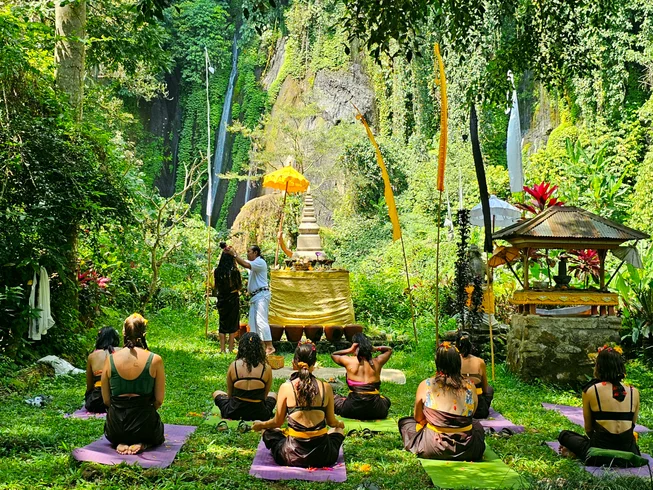
Each season holds its own rhythm of ceremony, from daily canang sari offerings to grand temple festivals that invite reflection on gratitude and balance.
Peak Season (June – August)
– Book: 4–6 months in advance
– Expect: full occupancy and higher pricing
– Worth it for: flawless weather, international atmosphere, and social energy
Shoulder Season (April–May, September–October)
– Book: 6–10 weeks ahead
– Expect: wide choice, balanced pricing
– Ideal for: flexibility, calm, and value
Wet Season (November – February)
– Book: 3–6 weeks ahead (except late December)
– Expect: discounts up to 50% off peak
– Perfect for: introspection, long stays, and authentic connection with locals
1. Why choose Bali for a yoga retreat?
2. What is the best time to go on a yoga retreat in Bali?
3. Which part of Bali is best for a yoga retreat?
4. Is Bali good for both active and restorative retreats?
5. When should I book a Bali retreat?
6. What makes Bali different from other retreat destinations?
Your email address will not be published. Required fields are marked *