

Packing for a yoga retreat is straightforward once you separate what you actually need from what you might reflexively throw in a bag. Portugal’s climate and retreat format call for less than most people initially pack — the days are warm, the dress code is casual, and most venues provide yoga mats, towels, and the kind of amenities you’d otherwise carry.
This list is organised by category, with seasonal notes throughout, since what you need for a week in the Algarve in October differs meaningfully from a week in Gerês in March. Confirm any specifics with your retreat host before travelling — many venues have particular notes on what they provide and what they request you bring.


Most retreat weeks involve two yoga sessions per day. You need enough clothing to get through the programme without daily laundry, but not so much that you’re managing a large bag. For a 5–7 day retreat, this works for most people:
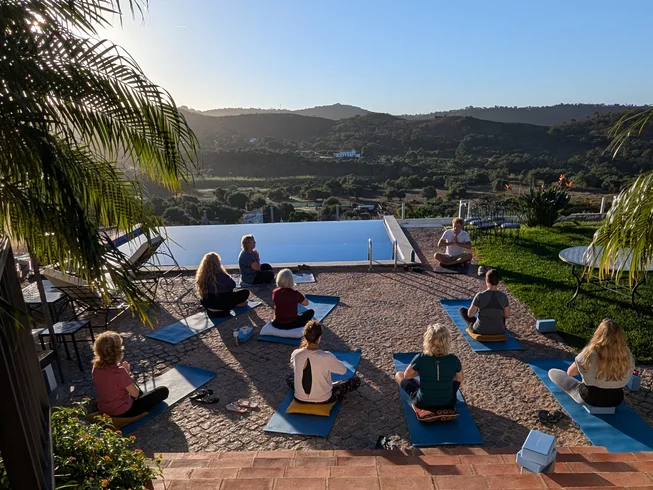
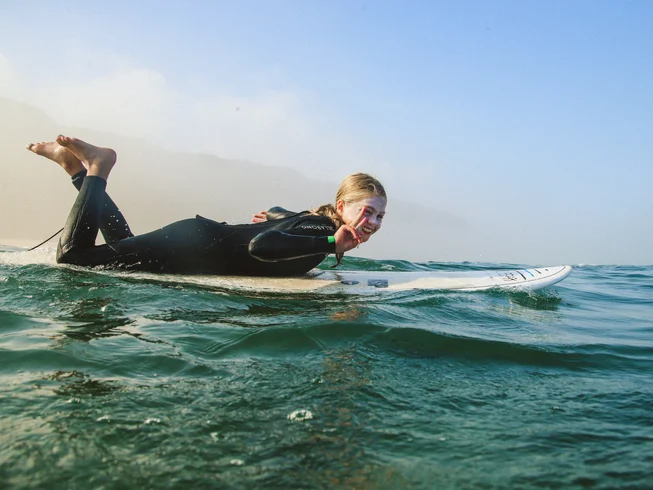
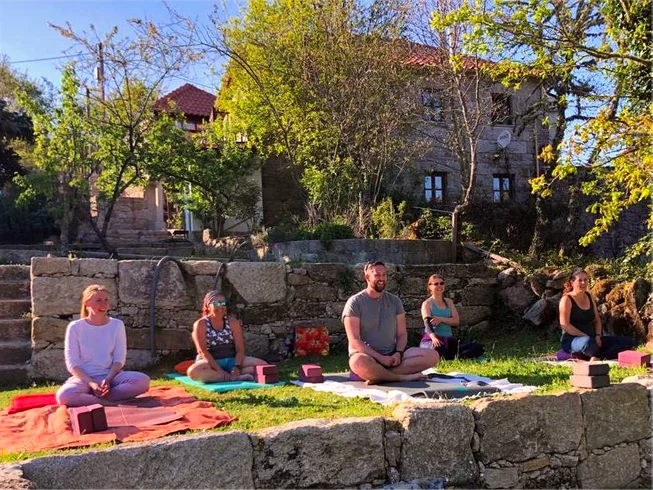
Outside of practice, retreat life is casual and unhurried. You don’t need much, but getting the layers right matters more than quantity.
Regardless of season: sandals or slip-ons for easy on-off, sunglasses, and a reusable tote for market visits or day trips.
Mindful Comfort & Personal Touches
It’s often the smallest things that make a retreat feel deeply personal.
A favourite pen, a scent that reminds you of home, or the herbal tea you drink every night before bed.
Bring a few of these:
– Journal or notebook — for thoughts, dreams, or the day’s reflections
– Pen that feels good in your hand
– A small book that calms or inspires you (poetry, philosophy, or even nothing at all)
– Earplugs and eye mask if you share a room
– A refillable bottle (Portugal’s tap water is safe to drink)
– Reusable tote for the market or excursions
You don’t need much — only what helps you slow down and stay comfortable in stillness.
Portugal’s pharmacies are well-stocked — you can find most basics if you forget something. Pack light and, where possible, go for solid or refillable formats: many eco-focused retreat venues specifically ask guests to avoid single-use plastic packaging.


Many retreats in Portugal actively encourage reducing phone use — some build digital detox periods into the schedule. Whether or not yours does, a few practical notes:
As useful as a packing list is, a not-packing list is equally practical. Things that reliably take up space without earning it on a yoga retreat:
Rule of thumb: If you’re unsure whether to pack something, leave it. Portugal has pharmacies, supermarkets, and shops. The things most people forget — sunscreen, a plug adapter, a journal — are available on arrival. The things worth bringing are the ones that make the experience personal, not the ones that cover every contingency.
Before you close the bag: confirm with your retreat what they provide — mat, props, towels, toiletries — and remove the duplicates from your list. Most people overpack for retreats and underpack for the free time. One extra book and an afternoon without obligations are worth more than a fully stocked toiletry bag.
Browse Om Away’s curated yoga retreats in Portugal — and once you’ve booked, most hosts are happy to send a specific packing list for their venue and programme.
1. Do I need to bring my own yoga mat to a retreat in Portugal? Usually not — most retreats provide mats as standard. It’s worth confirming with your specific venue. If you prefer your own mat for hygiene or familiarity, a travel mat (1.5–2mm, foldable) adds minimal bulk. A microfibre mat towel is a more practical compromise if you’re trying to pack light.
2. What should I wear to yoga sessions at a retreat in Portugal? Standard yoga practice wear — leggings or shorts, a fitted or semi-fitted top. Avoid very loose fabric that moves during inversions. For early morning sessions, add a light long-sleeve layer; studios and outdoor spaces can be cool before the day warms up, particularly in spring and autumn.
3. How should I pack differently for different seasons? Spring and autumn both require a reliable mid-layer — evenings cool quickly even when days are warm. Summer on the coast is mild enough at night that a light cardigan covers most situations, but sun protection becomes the priority. Winter retreats in the south need a proper jacket for mornings and evenings, plus a thermal base layer for very early practice. For a full breakdown of what each season offers, see our best time to visit Portugal for a yoga retreat guide.
4. Are there toiletries I should bring or avoid? Many eco-focused venues in Portugal ask guests to use natural, biodegradable products. Reef-safe sunscreen, solid shampoo bars, and biodegradable soap are worth packing regardless. Avoid aerosols where possible. Portugal’s tap water is safe to drink throughout the country, so bring a reusable bottle and use it.
5. What documents and practical items should I bring? Passport, travel insurance details, printed retreat confirmation and directions (mobile signal can be poor at rural venues on arrival), a Type F plug adapter, and a small amount of cash for local markets and small purchases. Most retreats are cashless for the programme itself.
6. How do I manage screen time and tech during a retreat? Most retreat participants find reducing screen time easier than expected. A practical setup: phone on airplane mode used as a camera and offline music player, an analogue watch to avoid checking it for the time, and offline playlists or meditation tracks downloaded before you leave. Print any important confirmations and directions — don’t rely on mobile data on arrival at remote venues.
Your email address will not be published. Required fields are marked *