
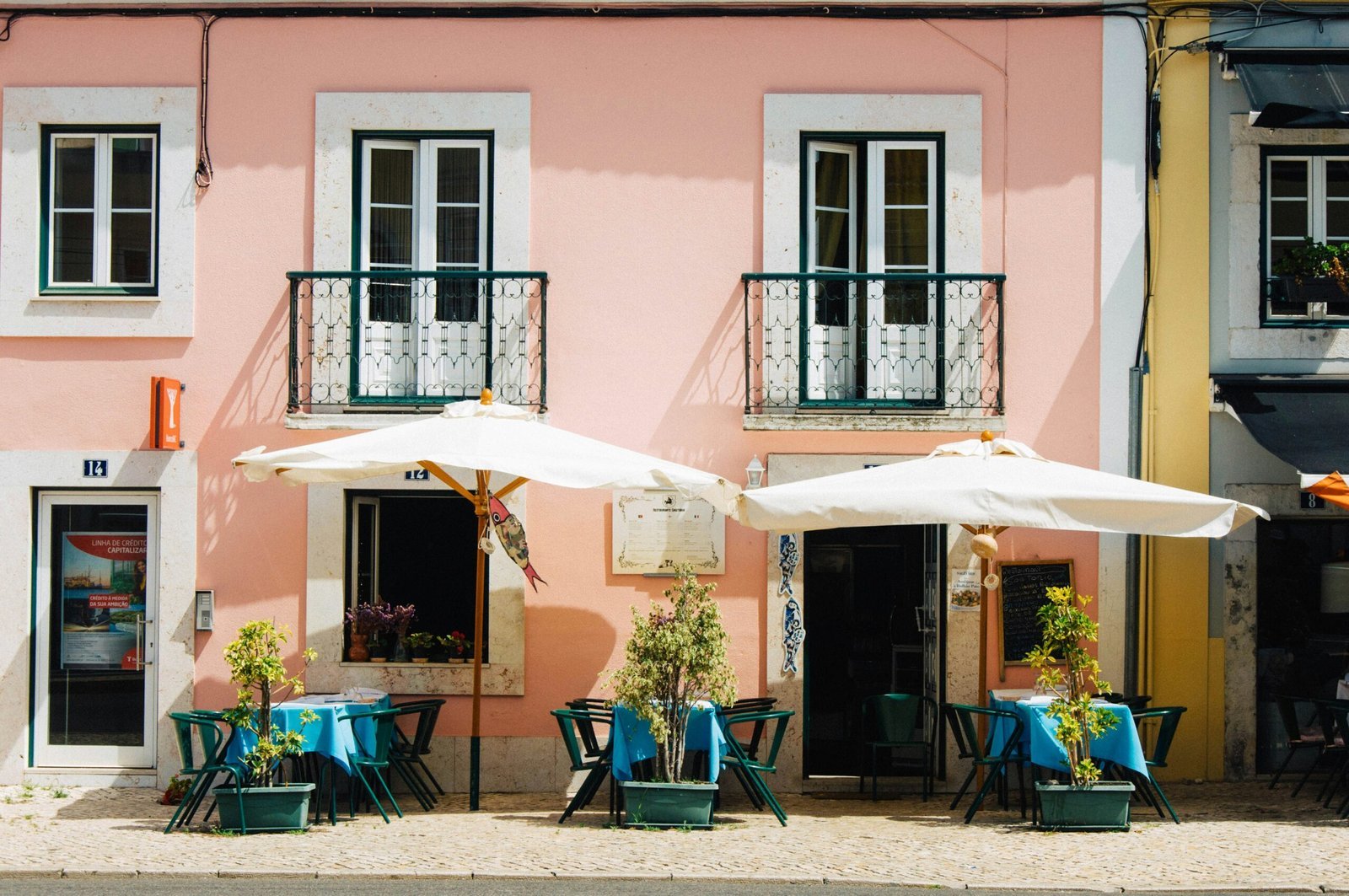
Portugal is one of the few European countries where yoga retreat travel is genuinely viable in every month of the year. The climate is mild enough in winter, warm enough in spring and autumn for outdoor practice, and the retreat infrastructure doesn’t shut down in the off-season the way it does in some Mediterranean destinations.
That said, the right time to go depends on what you’re looking for — and the experience of a retreat in July is quite different from one in February or October. Here’s a practical breakdown by season.


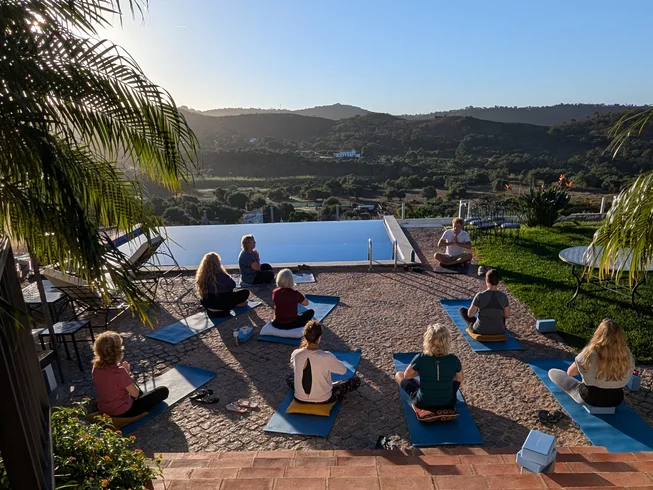
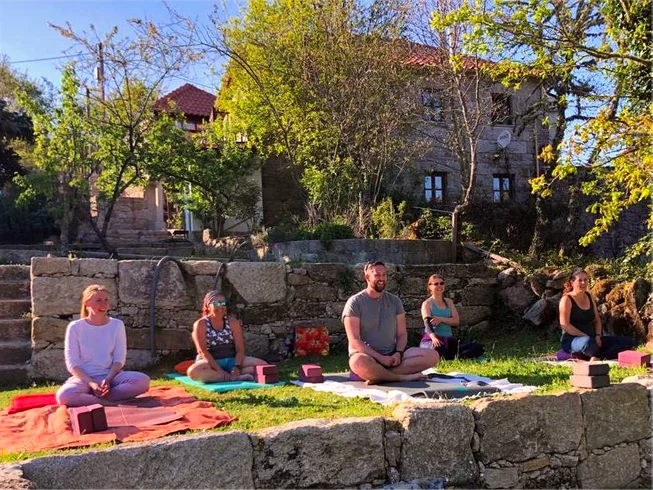
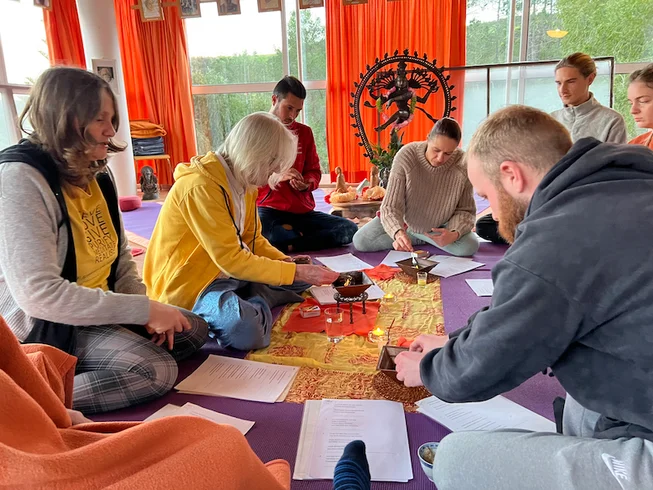
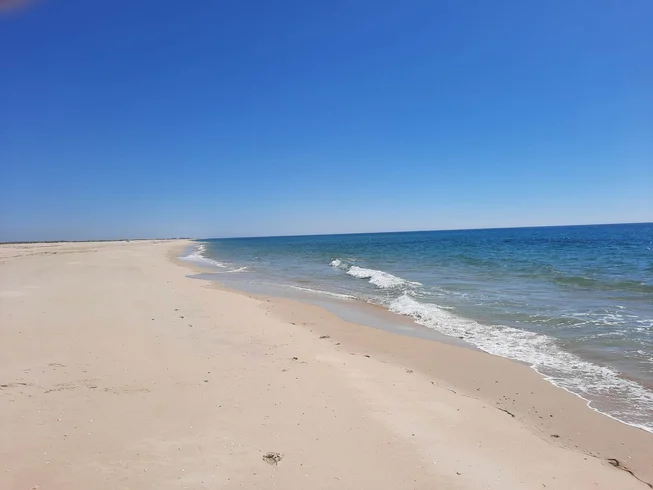
Spring is the season most experienced retreat travellers tend to recommend, and for straightforward reasons. Temperatures across the Algarve and Alentejo sit between 18–24°C, the landscape is green from winter rain, wildflowers are still out in April, and tourist numbers haven’t yet picked up in a meaningful way.
Outdoor morning practice is comfortable from March onwards. Sea temperatures are still cool for swimming (around 16–17°C) but perfectly manageable for a post-practice dip. Retreat availability is good, prices are mid-range, and the overall atmosphere — in the venues and in the country — is unhurried.
Spring works well for: yoga and meditation, nature retreats, detox programmes, and first-time retreat travel. It’s the easiest season to get right.
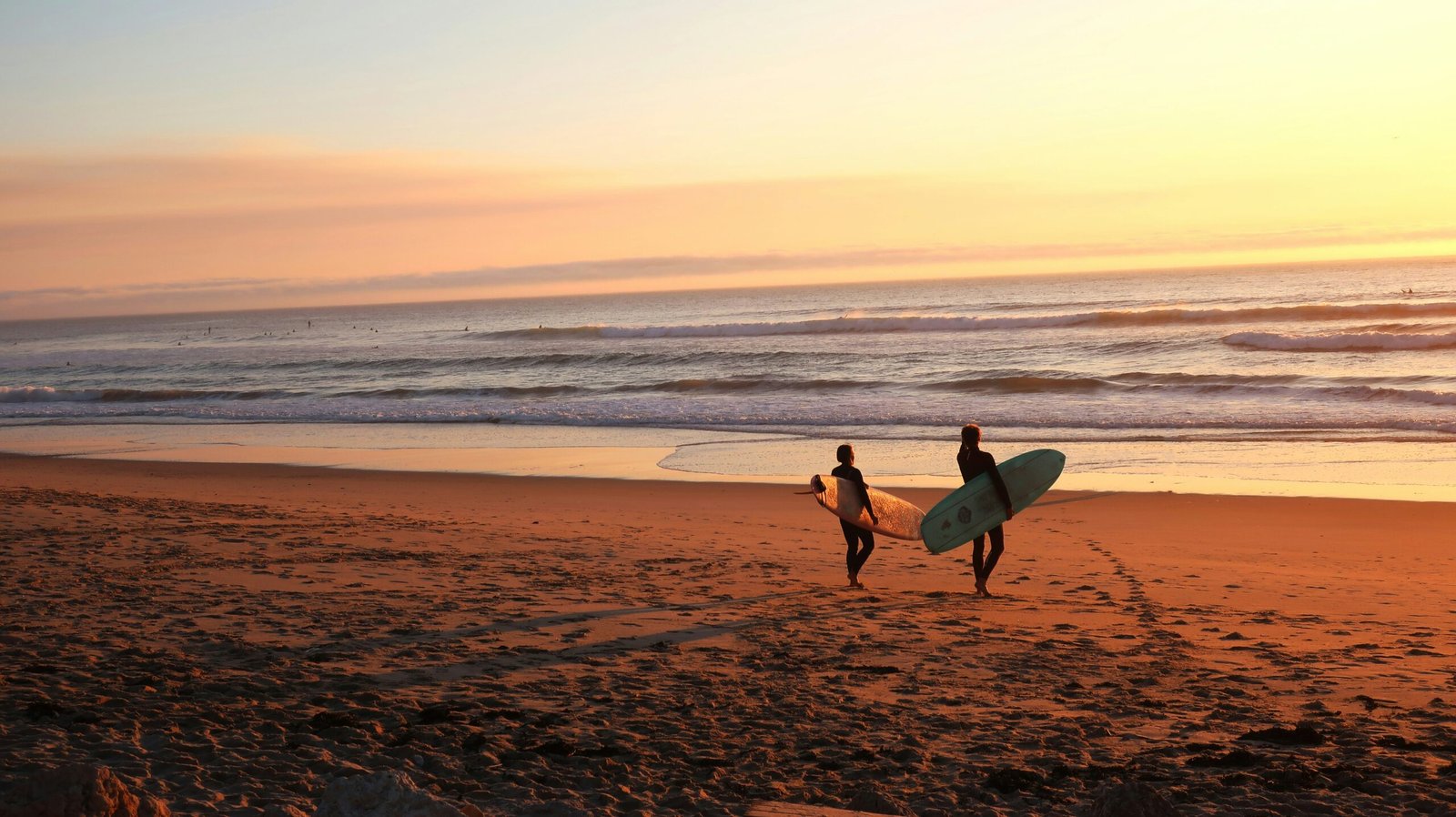
While cities and resorts can get crowded, yoga retreats by the ocean balance movement and meditation with the rhythm of the waves.
Summer in Portugal means reliable heat, long evenings, and a coastline that justifies the reputation. July and August temperatures in the Algarve and Lisbon coast regularly reach 30–35°C by midday — which changes how retreat schedules are built. The best summer programmes shift practice to early morning and late evening, leaving the heat of the day for rest, sea, or shade.
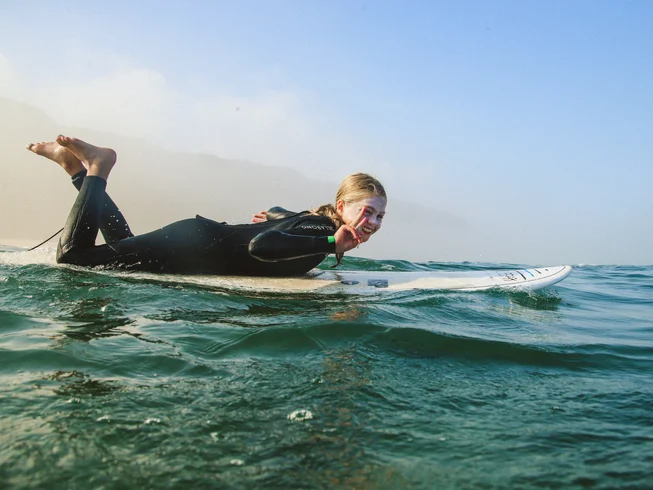
Surf and yoga retreats around Ericeira, Peniche, and Aljezur are at their most popular in summer, and for good reason — the surf is consistent, the days are long, and the ocean keeps temperatures bearable on the coast. This is the strongest season for that format specifically.
The trade-offs are real: coastal towns get crowded, retreat venues are fully booked by April, and prices are at their highest. Inland retreats in the Alentejo or northern Douro Valley are better insulated from the crowds, though temperatures there can be even higher in July and August.
Summer works well for: surf and yoga, active programmes, ocean-focused retreats, and people with school-holiday constraints who don’t have flexibility on timing.
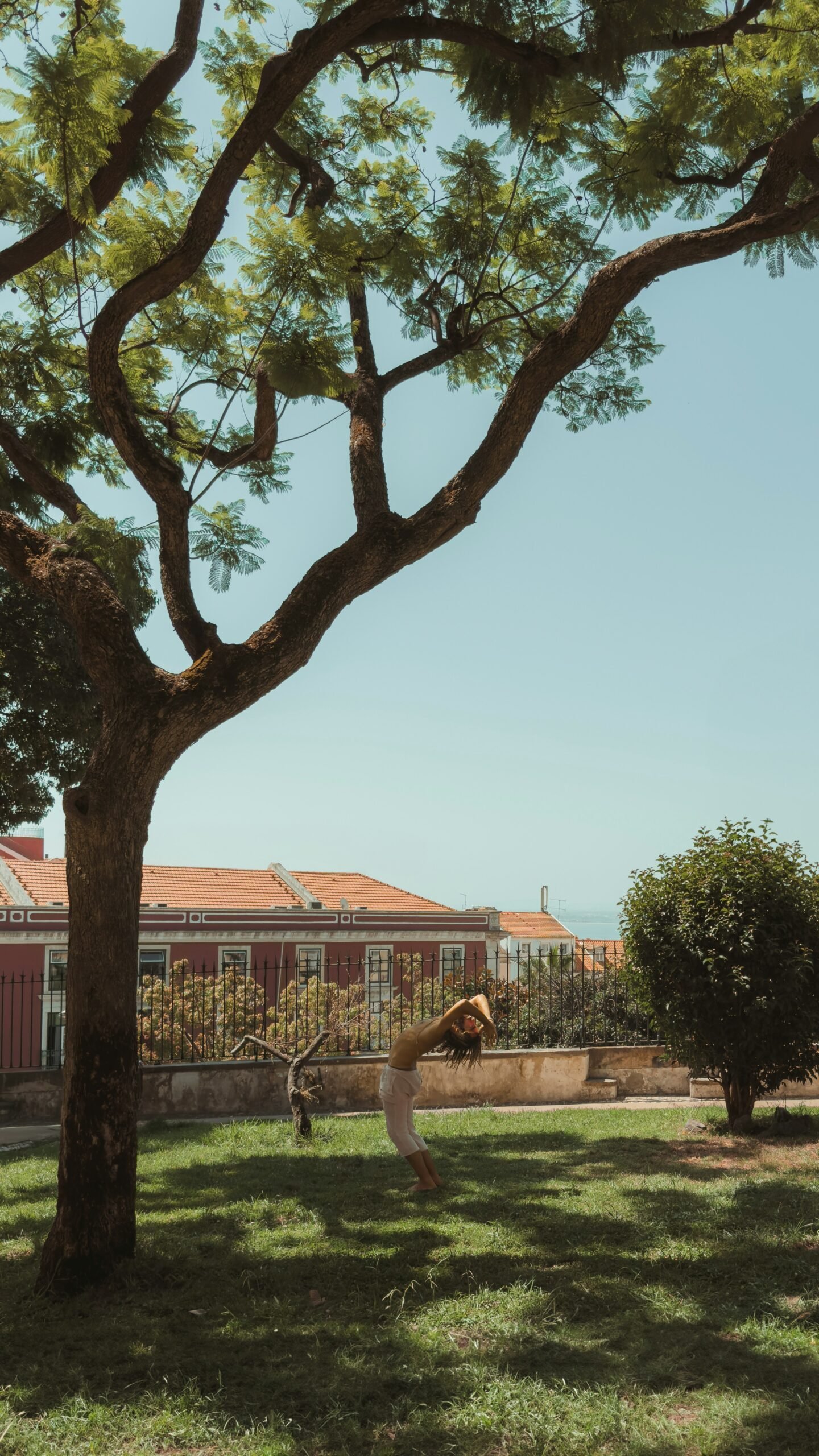

September and October are, by most measures, the best months for a yoga retreat in Portugal. The sea is at its warmest — typically 21–23°C along the southern coast. Our yoga retreats in Portugal in September and October guides cover what each month specifically offers. Crowds have thinned considerably since August, prices drop noticeably, and the light takes on the golden quality that makes the Portuguese countryside particularly beautiful in autumn.
The retreat scene remains fully active through October, and many programmes specifically schedule their longer or more intensive offerings for this period. The combination of warm days, cool evenings, and reduced noise makes it easier to settle into a retreat rhythm than in peak summer.
November is more variable — rain increases, particularly in the north — but the Algarve and Alentejo remain largely dry and pleasant. It’s worth checking historical weather for the specific region before booking.
Autumn works well for: all retreat formats, but particularly detox, longer programmes, and anything that benefits from quiet and warmth without summer heat or crowds.
Winter in Portugal is consistently underestimated. The Algarve sees average daily highs of 16–18°C in January, with regular sunshine and almost no rain compared to northern Europe. The country empties of tourists almost entirely, prices fall across accommodation and retreat programmes, and the atmosphere in retreat venues becomes noticeably more intimate — groups are smaller, teachers have more time for individual attention, and the general pace slows.
Outdoor morning practice is realistic through the winter in the south, though you’ll want layers in the early morning. Evening sessions move indoors or benefit from a fire in the reception room. The sea is too cold for most people to swim in (around 15–16°C), but that removes an element of distraction that summer retreats sometimes carry.
This is the most suitable season for restorative yoga, meditation, breathwork, silent retreats, and digital detox programmes — formats where the point is inward-facing rather than active. People who want quiet, personal attention, and the lowest prices will find winter the most efficient time to go.
Winter works well for: restorative and meditation retreats, digital detox, silent programmes, solo travellers seeking small groups, and anyone with flexible timing and a preference for calm over activity.
What you bring depends more on the season than the destination. A few practical notes:
If you have flexibility on timing, aim for September or October for the best combination of warm weather, sea temperature, quiet, and price. If you’re tied to school holidays, summer on the coast works well — book early. If budget and small groups are the priority, January and February in the Algarve will surprise you.
Browse Om Away’s curated yoga retreats in Portugal, all reviewed for quality of teaching and programme structure.
Your email address will not be published. Required fields are marked *