There’s a particular kind of exhaustion that doesn’t show up on a blood test.
It’s the fatigue of being permanently available — always responsive, always optimising, always half-distracted by the next notification. You’re functioning fine on paper. But somewhere along the way, you stopped feeling like yourself.
This is the defining condition of high-performing modern life. And it’s exactly why stillness — real, deliberate, unapologetic stillness — has become the most coveted luxury of our time.
Slow living isn’t about doing less for the sake of it. It’s not a productivity hack, a weekend detox, or a romanticised version of doing nothing.
It’s a conscious decision to stop letting speed dictate the terms of your life.
The slow living movement emerged in the 1980s as a direct response to the cult of busyness — first in food (the Slow Food movement in Italy), then spreading into travel, work, and everyday life. At its core, it asks a simple but radical question: what if how you do things matters more than how many things you do?
For burnt-out professionals, this isn’t philosophy. It’s survival.
The case for stillness isn’t just intuitive — it’s physiological.
Chronic stress keeps the body locked in a low-grade fight-or-flight state, flooding the system with cortisol. Over time, elevated cortisol suppresses immune function, disrupts sleep architecture, impairs memory consolidation, and increases the risk of cardiovascular disease. You feel it as brain fog, irritability, poor sleep, and a creeping sense that nothing is quite enjoyable anymore.
When you genuinely slow down — not just take a lazy Sunday, but shift your nervous system out of survival mode — the body begins to repair. Cortisol drops. The parasympathetic nervous system (your rest-and-digest mode) reactivates. Sleep deepens. Digestion improves. Cognitive clarity returns.
Research from the American Psychological Association consistently links nature exposure and reduced pace of life with measurable drops in anxiety and improved executive function. One study found that just three days in a natural environment significantly restored attention capacity in people with high mental fatigue.
Three days. That’s not a long time. But it has to be the right three days.
Willpower alone rarely works. You can commit to slowing down at home — until the laptop opens, the emails arrive, and the old patterns reassert themselves. Your environment is full of cues that keep you in work mode.
This is why location matters so much. A genuinely different environment — especially one without the visual and auditory noise of city life — helps the nervous system shift more quickly than any mindfulness app.
This isn’t just anecdotal. Environmental psychology research shows that natural settings, reduced sensory stimulation, and the removal of performance pressure create conditions where psychological restoration happens faster and more completely.
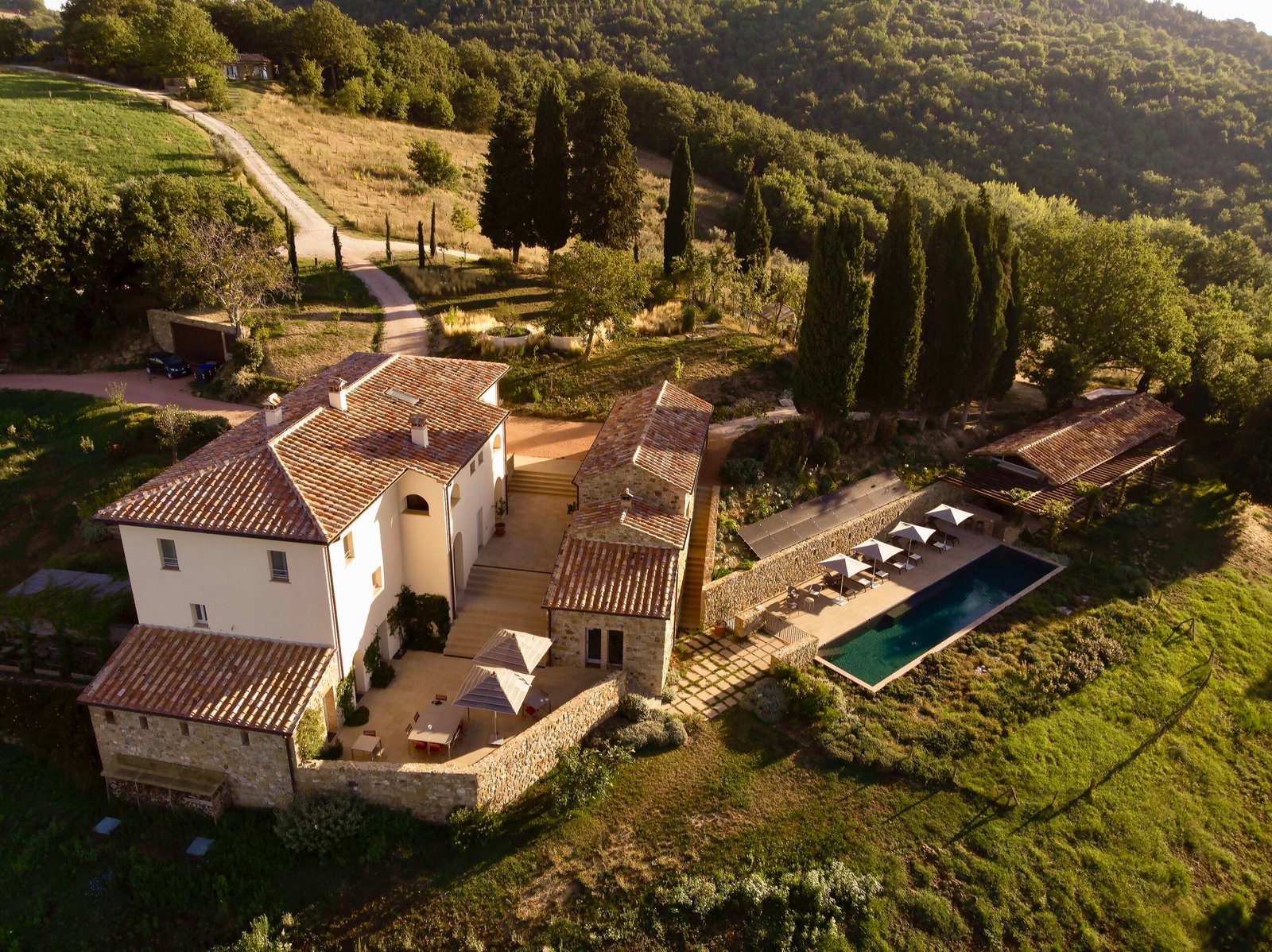
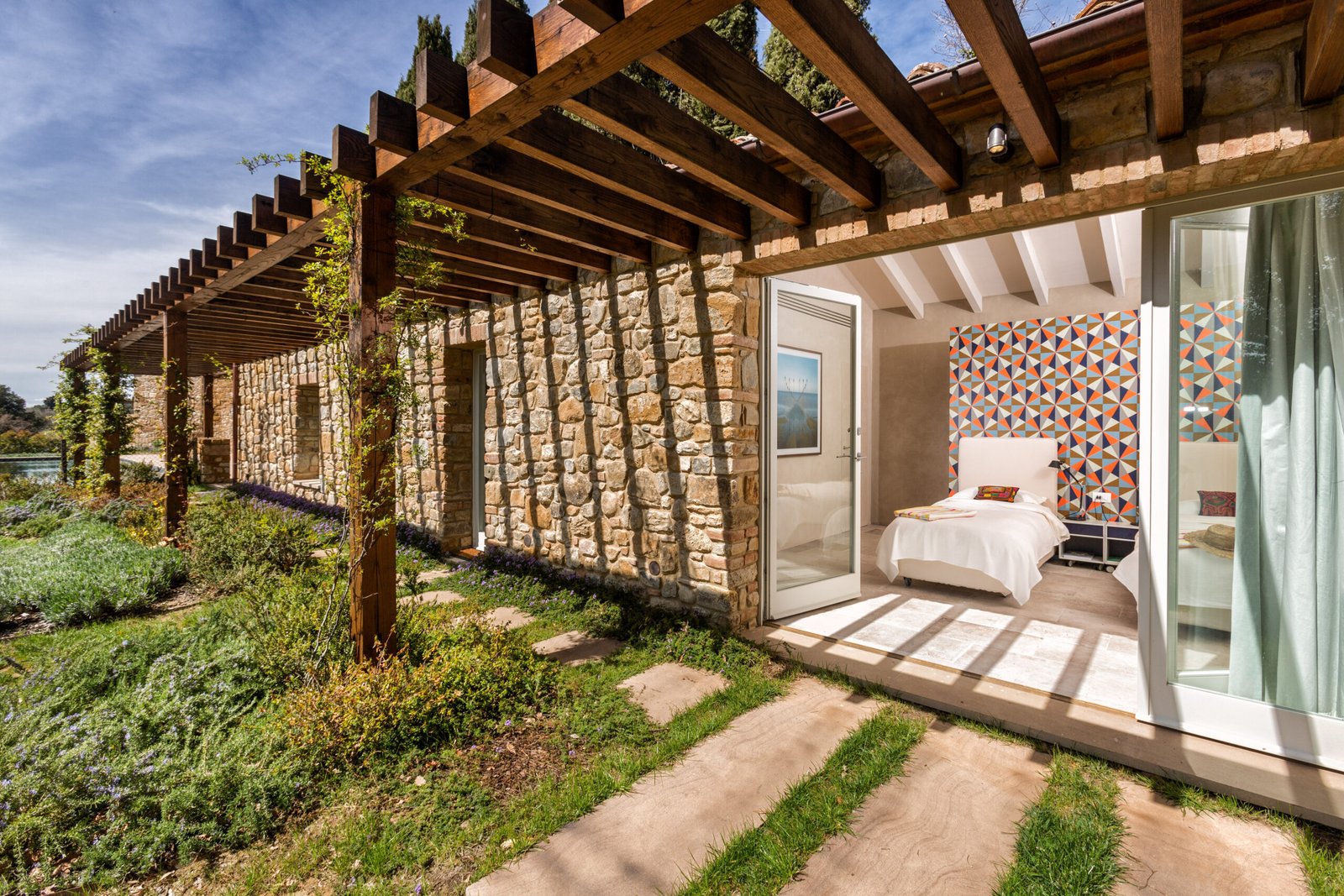
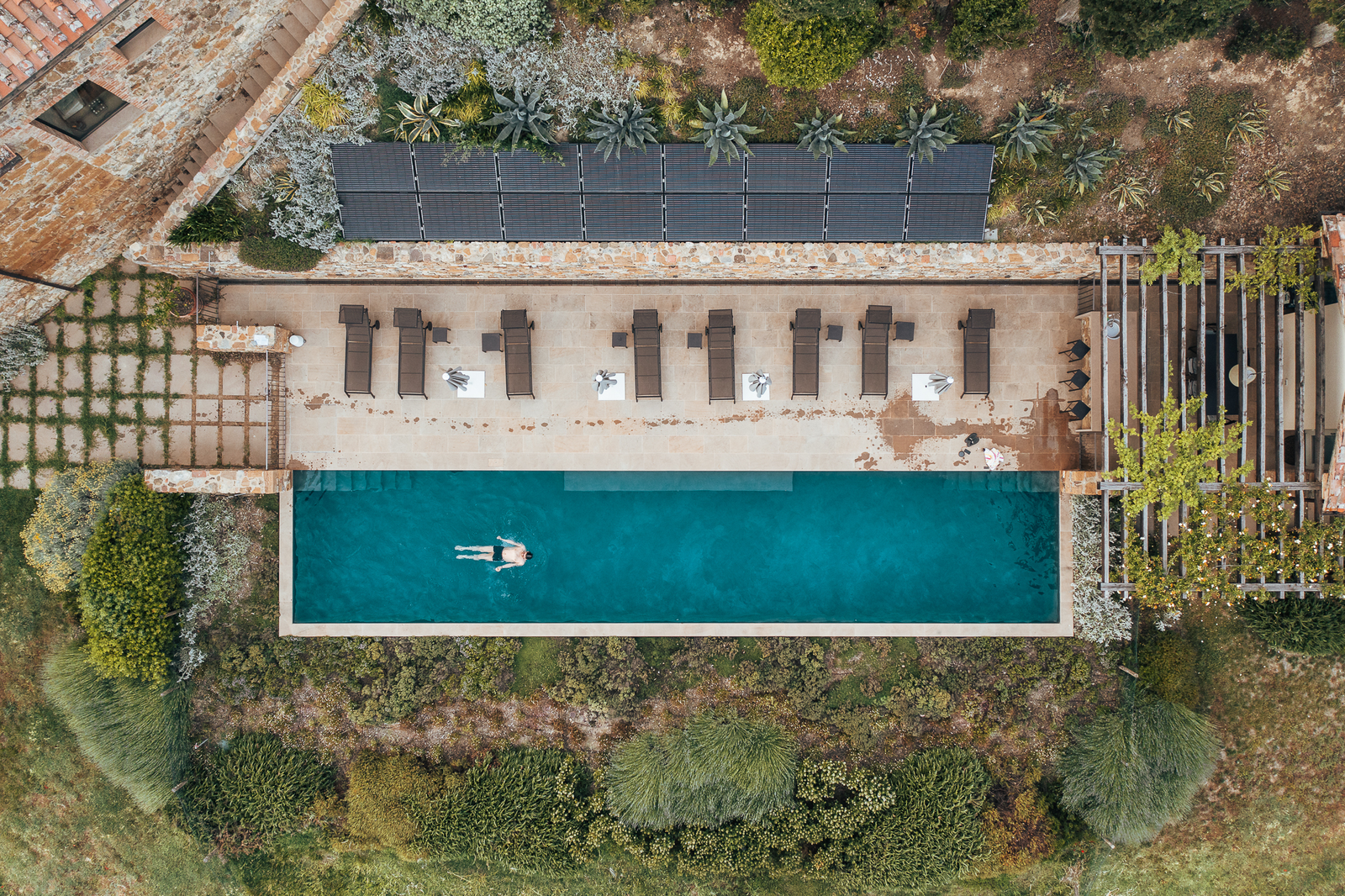
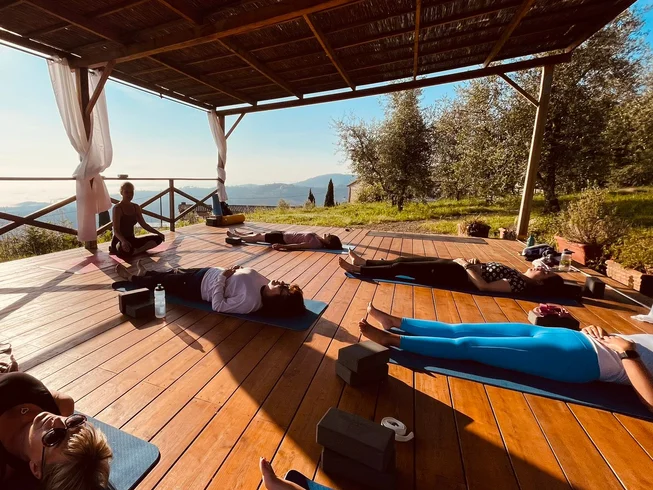
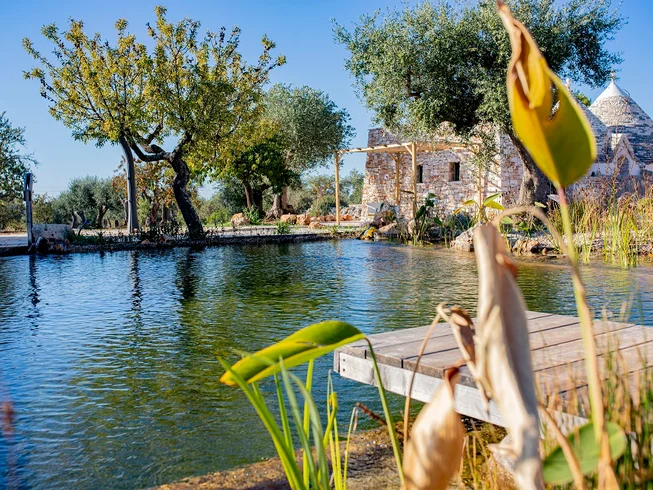
The hills of Tuscany. A quiet bay in Portugal. Olive groves at dusk. These aren’t just pretty backdrops — they’re physiologically different inputs for an overstimulated brain.
Most people expect rest. What they don’t expect is what comes with it.
Clarity. When the noise subsides, you start hearing yourself again — your actual priorities, not the ones your calendar imposed.
Creativity. The brain’s default mode network — the part responsible for insight, imagination, and self-reflection — is suppressed under chronic stress. Stillness reactivates it. Many people report their best ideas arriving on retreat, not in the office.
Presence. Not the concept of it, but the actual felt experience of being somewhere fully, without the urge to document or optimise it.
Perspective. Distance from your normal life makes it easier to see which parts of it are working and which parts you’ve simply been too busy to question.
These aren’t soft benefits. For professionals who rely on strategic thinking, creative problem-solving, and sustained decision-making, they’re directly relevant to performance — just arrived at by going in the opposite direction.
You don’t need to book a flight to begin. Slow living can be practised in increments:
Start with one unscheduled hour per week. No agenda, no productivity. Walk, sit, observe. Resist filling it.
Eat one meal a day without a screen. The quality of your attention at a meal is a good proxy for the quality of your attention everywhere.
Build a morning that belongs to you. Even 20 minutes before the demands begin — without your phone — changes the baseline of your whole day.
Spend time in nature deliberately. Not as exercise, not as a commute. Just being in it.
These practices work. But there’s a ceiling to what you can access within your existing environment and routine. At some point, the environment itself needs to change.
A retreat isn’t an indulgence. It’s an intervention — a structured break from the conditions that are burning you out, designed to give your system the depth of rest it can’t access piecemeal.
The best retreats for burnt-out professionals combine:
Om Away curates exactly this kind of experience — boutique yoga retreats or wellness retreats in Tuscany, Portugal, Greece, and beyond, designed for people who need more than a holiday. Not more stimulation. More space.
Your email address will not be published. Required fields are marked *