

There’s a reason a walk in the woods feels different from a walk on a treadmill, even if the physical exertion is identical. The difference isn’t imaginary, and it isn’t just aesthetic. Nature produces measurable changes in the nervous system, the brain, and the body’s stress response — changes that an indoor environment, however comfortable, simply doesn’t replicate.


Nature therapy, also called ecotherapy or green therapy, is a broad field that uses structured time in natural environments as a tool for psychological and physiological restoration. It draws on a growing body of research demonstrating that contact with natural settings, trees, water, open landscape, soil, produces effects on the nervous system that differ meaningfully from those of built environments.
The term covers a wide range of practices: forest bathing, horticultural therapy, wilderness therapy, animal-assisted therapy, and simple guided time outdoors. What they share is the use of nature not as a backdrop for another activity, but as the therapeutic agent itself.
This is distinct from exercise in nature, though the two overlap. You don’t have to walk fast or cover distance for nature therapy to work. In many of the most significant studies, participants were simply sitting or standing quietly among trees.

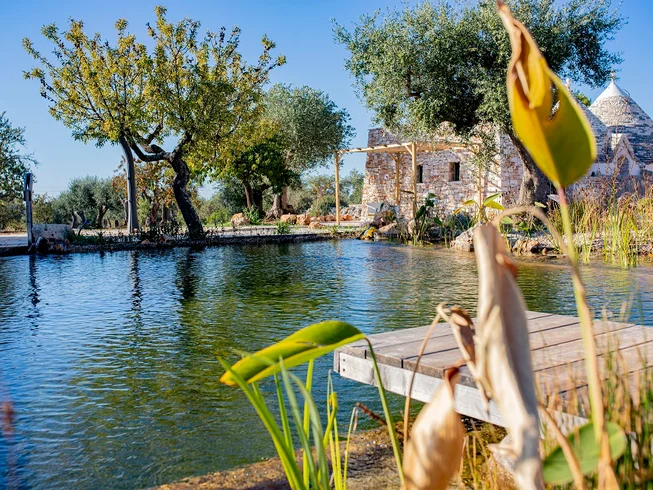
The scientific case for nature therapy has developed rapidly over the last two decades, and it’s more robust than most people realise.
The most studied practice is shinrin-yoku, or forest bathing, developed in Japan in the 1980s as a public health initiative. Research led by immunologist Qing Li at Nippon Medical School has shown that two hours of forest bathing produces significant increases in natural killer cell activity, a measure of immune function, that persist for up to 30 days after a single visit. The mechanism involves phytoncides, volatile organic compounds released by trees, particularly conifers, that the human immune system responds to directly.
Studies measuring cortisol, blood pressure, heart rate, and heart rate variability consistently find that time in natural environments produces more significant reductions in stress markers than equivalent time in urban settings, even when the urban setting is quiet and pleasant. A landmark study from Stanford found that a 90-minute walk in a natural setting reduced activity in the subgenual prefrontal cortex, a brain region associated with rumination, in ways that a 90-minute urban walk did not.
Research from the University of Michigan found that as little as 20 minutes spent in contact with nature, defined as a place that makes you feel you’ve interacted with the natural world, was sufficient to significantly lower cortisol levels. This was regardless of whether participants walked, sat, or engaged in any particular activity.
There’s also consistent evidence linking access to green space with lower rates of depression, anxiety, and attention disorders. A large-scale study published in PNAS found that people who grew up with less green space in their surroundings had significantly higher rates of mental health conditions in adulthood, independent of other socioeconomic factors.
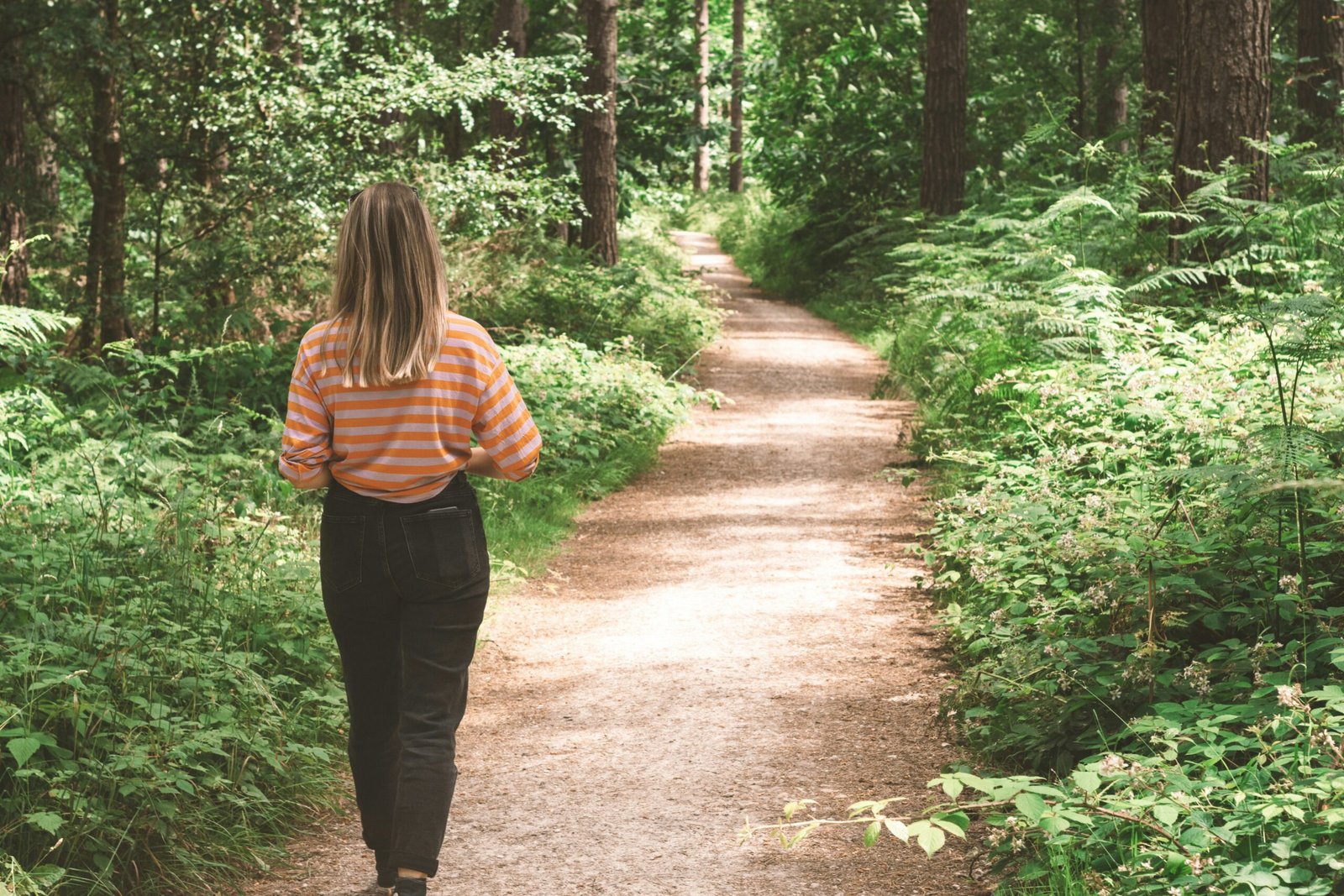
Nature doesn’t just make us feel better — it literally rewires our physiology for wellbeing.
Portugal’s Alentejo and Greece’s Peloponnese are two of the most nature-immersive retreat environments in Europe. Our yoga retreats in the Alentejo and eco yoga retreats in Greece are built specifically around the landscape rather than using it as backdrop.
The physiological effects of natural environments operate through several distinct pathways.
Attention Restoration Theory, developed by Rachel and Stephen Kaplan at the University of Michigan, proposes that natural environments restore directed attention capacity by engaging what they call “soft fascination” — effortless, involuntary attention that doesn’t deplete the cognitive resources that focused, deliberate attention does. A forest, a coastline, a garden, holds the attention gently, without demanding anything from it. This allows the directed attention system to recover.
Stress Recovery Theory, developed by Roger Ulrich, focuses on the autonomic nervous system. Natural environments trigger a shift from sympathetic to parasympathetic dominance — the same shift that breathwork, meditation, and somatic movement aim to produce. The difference is that nature does it passively, without requiring any technique or effort from the person experiencing it.
There’s also a sensory dimension. The visual complexity of natural environments, fractal patterns that appear in trees, coastlines, and clouds, has been shown to reduce physiological stress markers. These patterns appear to be processed more efficiently by the human visual system than the geometric regularity of built environments, producing measurable reductions in skin conductance and cortisol.
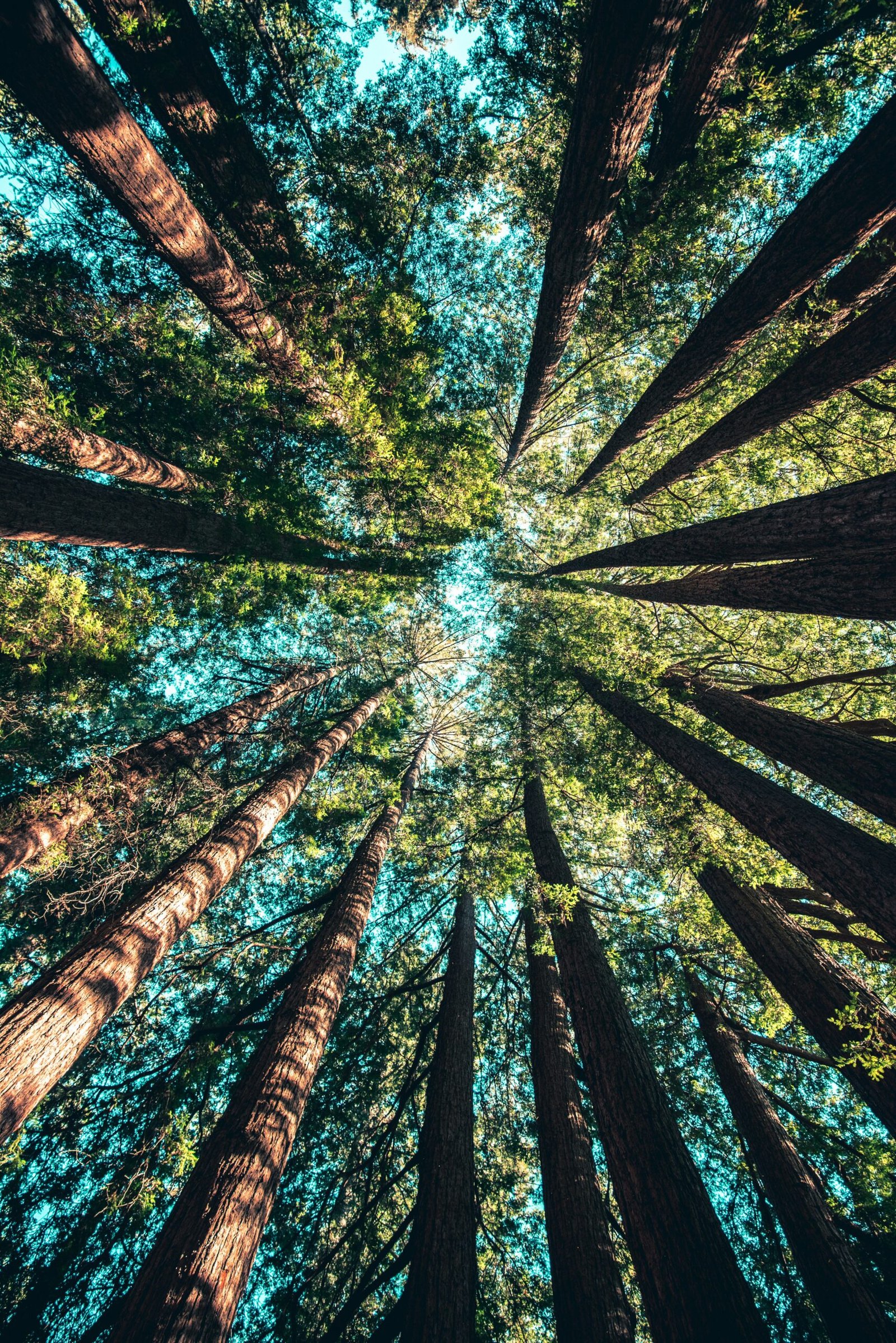
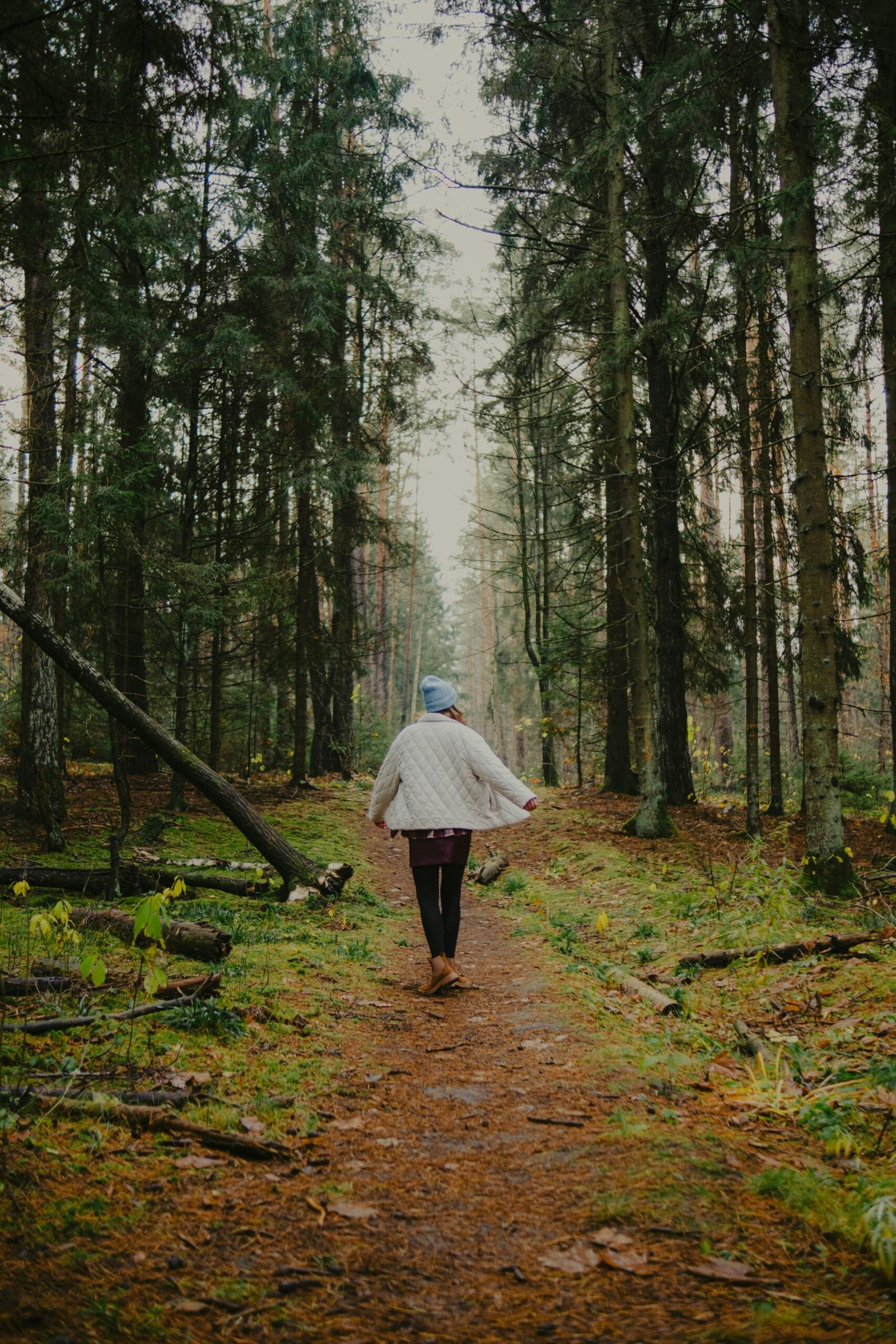
Shinrin-yoku is worth discussing specifically because it’s the most studied form of nature therapy and the most accessible. It requires no equipment, no training, and no particular fitness level. The practice is simply this: moving slowly and attentively through a forested environment, engaging all the senses, without a destination or a pace to maintain.
The key distinction from hiking or trail running is intention. Forest bathing is not about covering ground. It’s about being in the forest, noticing what the senses are receiving, and allowing the environment to do what it does physiologically without trying to direct or accelerate the process.
Research by Qing Li and others consistently finds benefits across a wide range of health markers: lower cortisol, lower blood pressure, increased parasympathetic activity, improved mood, improved NK cell activity, and reduced markers of inflammation. These effects appear across different populations, different forest types, and different durations, though longer exposure produces stronger effects.
For most people, sustained time in wild or forested nature isn’t a daily option. But the research suggests that smaller, more frequent contact with natural elements produces genuine benefit, even if the effects are less pronounced than immersive experiences.
Morning light exposure within the first hour of waking regulates cortisol rhythm and circadian timing in ways that matter for sleep, mood, and metabolic function. This doesn’t require countryside: ten minutes outside without sunglasses is enough to make a difference.
Plants in living and working spaces have been shown to reduce psychological stress and improve air quality, though the air quality effects are modest in typical indoor spaces. The psychological effect appears more significant.
Eating whole, minimally processed foods maintains a sensory connection to the natural world that ultra-processed food severs entirely. There’s growing evidence that the diversity of the gut microbiome, which is directly affected by dietary diversity, influences mood, stress resilience, and cognitive function through the gut-brain axis.
Barefoot contact with soil and grass, what researchers call grounding or earthing, has been studied for its effects on inflammatory markers and sleep quality, with some promising findings, though the evidence base is less developed than for other nature interventions.
The difference between incorporating nature into a busy daily life and actually immersing yourself in it for several days is not merely quantitative. It’s qualitative.
When you remove the ordinary pressures of work, urban noise, and digital connectivity and place yourself in a genuinely natural environment for multiple days, the nervous system undergoes a shift that incremental daily contact simply doesn’t produce. The body needs sustained exposure to fully downregulate, and that takes time that most daily routines don’t allow.
Research on restorative environments consistently finds that the benefits of nature exposure accumulate non-linearly: the shift between day one and day three of nature immersion is greater than the sum of three separate one-hour nature exposures. The depth of the effect depends on the depth of the context change.
This is part of why the best retreats are located in places chosen as much for their natural environment as for their facilities. The hills of Tuscany, the Atlantic coastline of Portugal, the islands of Greece — these aren’t just pleasant settings. They’re physiologically different inputs for a nervous system that has been running on urban stimulation.
Your email address will not be published. Required fields are marked *