
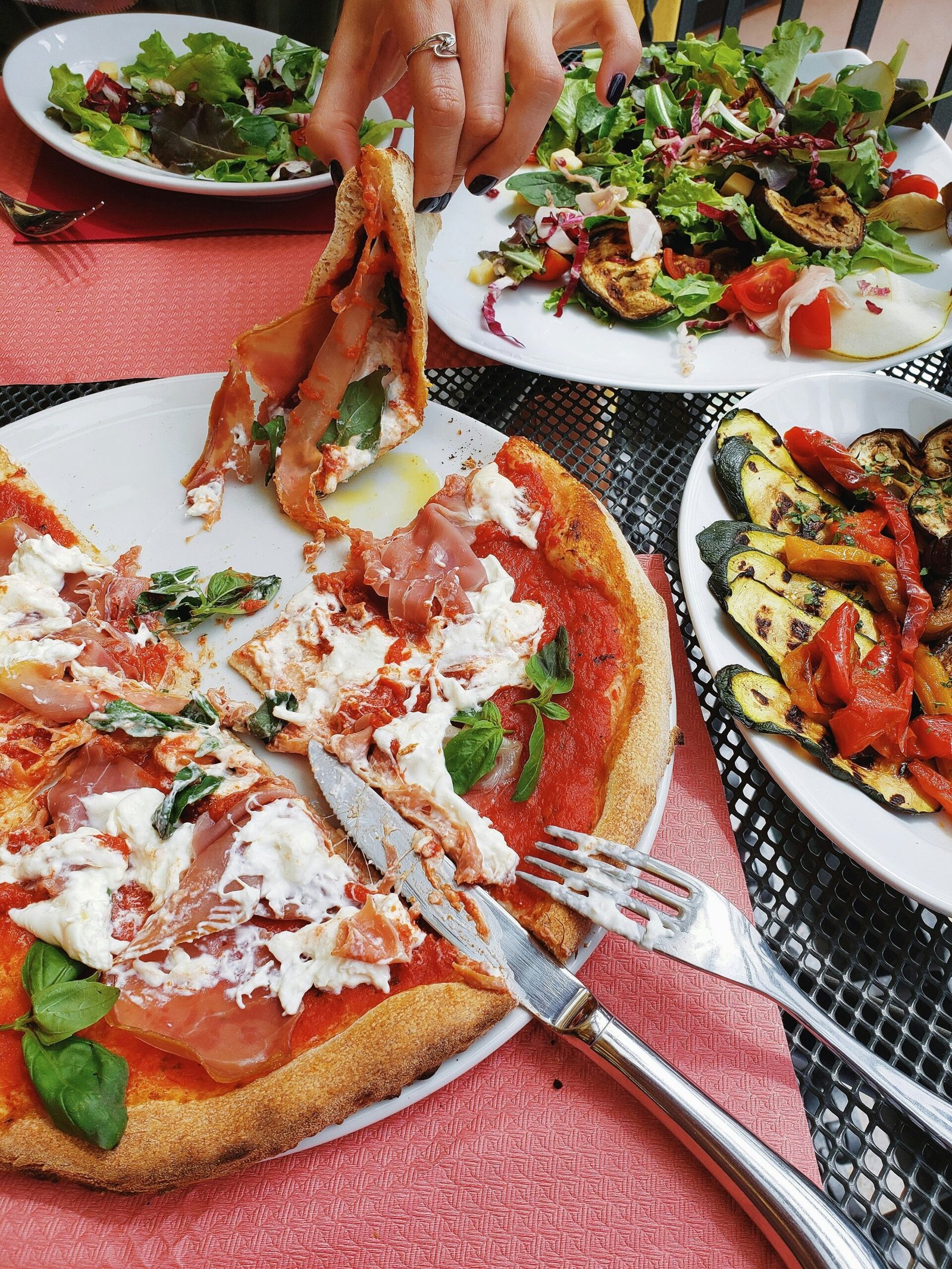
he Mediterranean diet has been studied more extensively than almost any other eating pattern in the world, and the findings are consistent enough that they’ve become difficult to ignore. But most of what gets written about it focuses on nutrients and biomarkers. What tends to get left out is the part that may matter just as much: how food is eaten, with whom, and at what pace.


The Mediterranean diet isn’t a fixed prescription. It’s a broad pattern of eating shared, with regional variations, across the countries bordering the Mediterranean Sea — Italy, Greece, Spain, Morocco, Turkey, Lebanon, and others.
The common thread is an emphasis on plant foods: vegetables, legumes, whole grains, nuts, and fruit. Olive oil is the primary fat. Fish and seafood appear regularly. Dairy, eggs, and poultry in moderate amounts. Red meat rarely. Wine, where culturally present, in moderation with meals.
What’s notable about this pattern is not just what it includes but what it largely excludes: ultra-processed foods, refined sugars, seed oils, and the kind of industrial food production that dominates much of the Western diet. The Mediterranean diet is, at its core, a whole-food diet built around ingredients that have been part of human eating for thousands of years.




The evidence base for the Mediterranean diet is substantial. The PREDIMED study, one of the largest nutritional trials ever conducted, followed over 7,000 people at high cardiovascular risk and found that those assigned to a Mediterranean diet supplemented with olive oil or nuts had a significantly lower rate of major cardiovascular events than those on a low-fat control diet. The results were strong enough that the trial was stopped early on ethical grounds — withholding the intervention from the control group was considered unjustifiable.
Beyond cardiovascular health, consistent associations have been found between Mediterranean eating patterns and reduced risk of type 2 diabetes, certain cancers, neurodegenerative disease, and all-cause mortality. A 2021 meta-analysis covering over 12 million participants found that higher adherence to the Mediterranean diet was associated with a 23% lower risk of cardiovascular disease, 20% lower risk of cancer, and 20% lower overall mortality.
The mechanisms proposed include reduced systemic inflammation, improved lipid profiles, better blood sugar regulation, and a more diverse gut microbiome, driven largely by the high fibre content and polyphenol density of the diet. Olive oil’s oleocanthal, for instance, has anti-inflammatory properties structurally similar to ibuprofen, without the side effects.
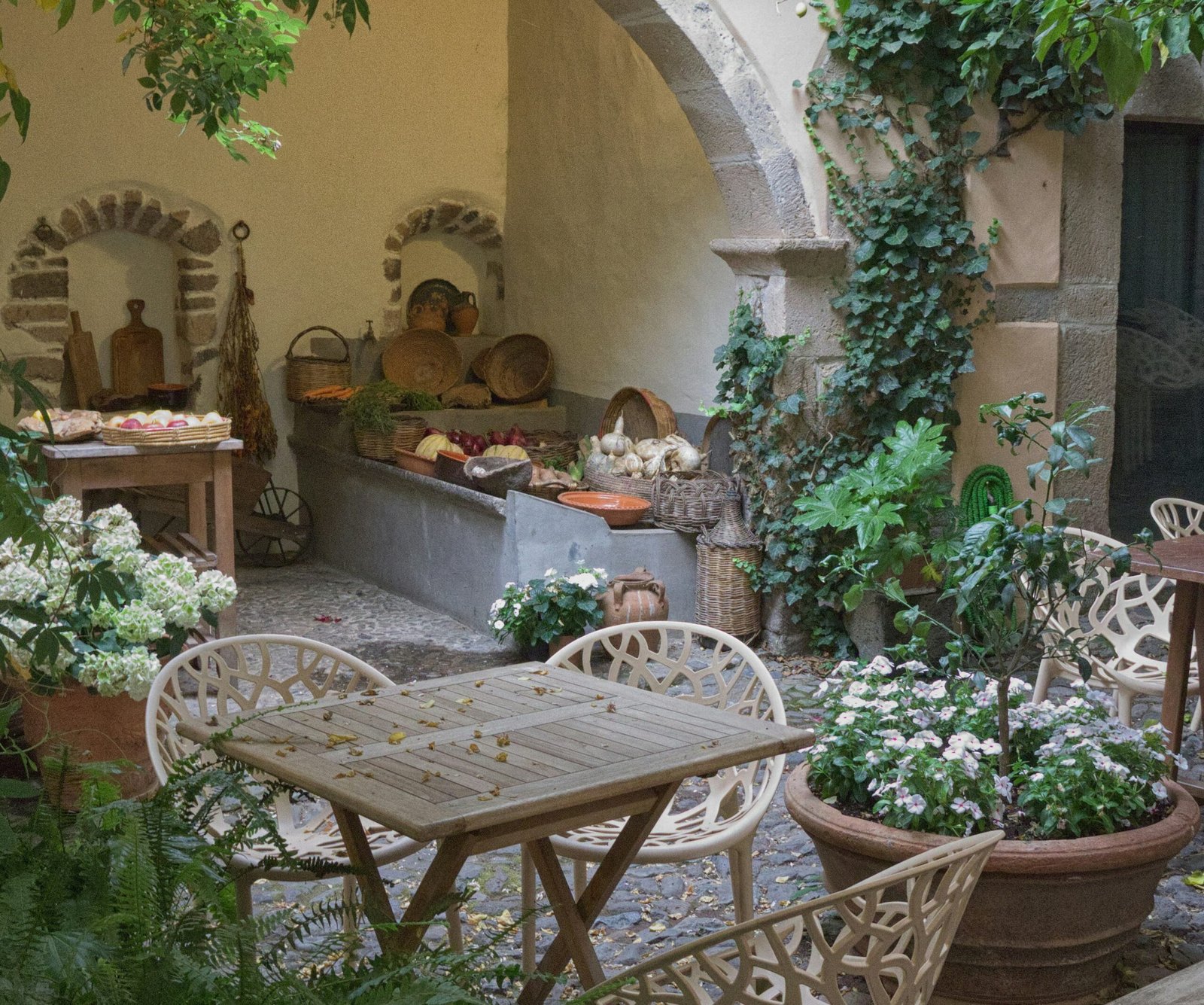
Slowness has physiological effects: it improves digestion, balances hormones, and supports the microbiome.
But beyond biology, slow eating teaches presence. You notice flavor, texture, the warmth of company. Food becomes an experience, not a task.
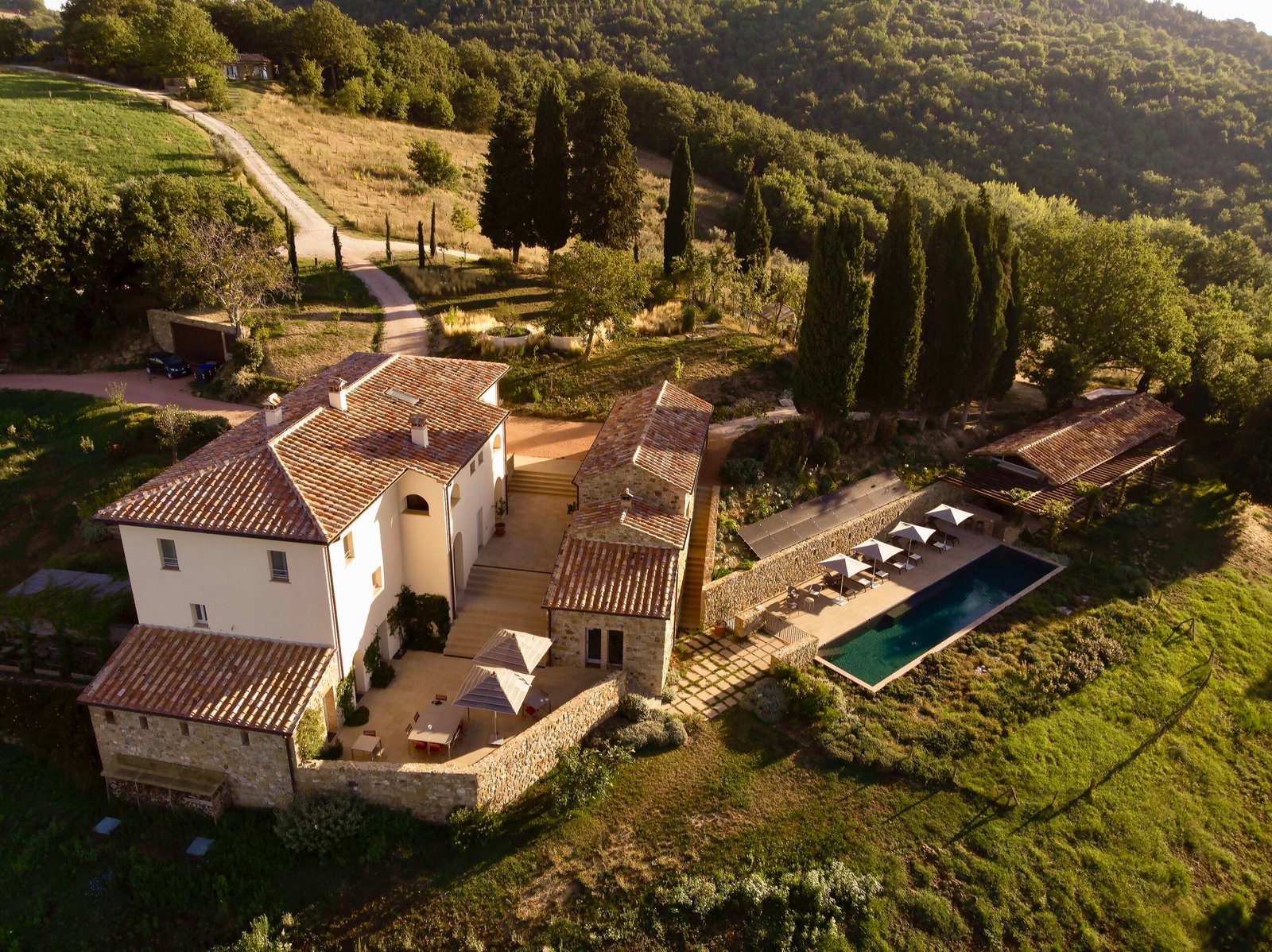
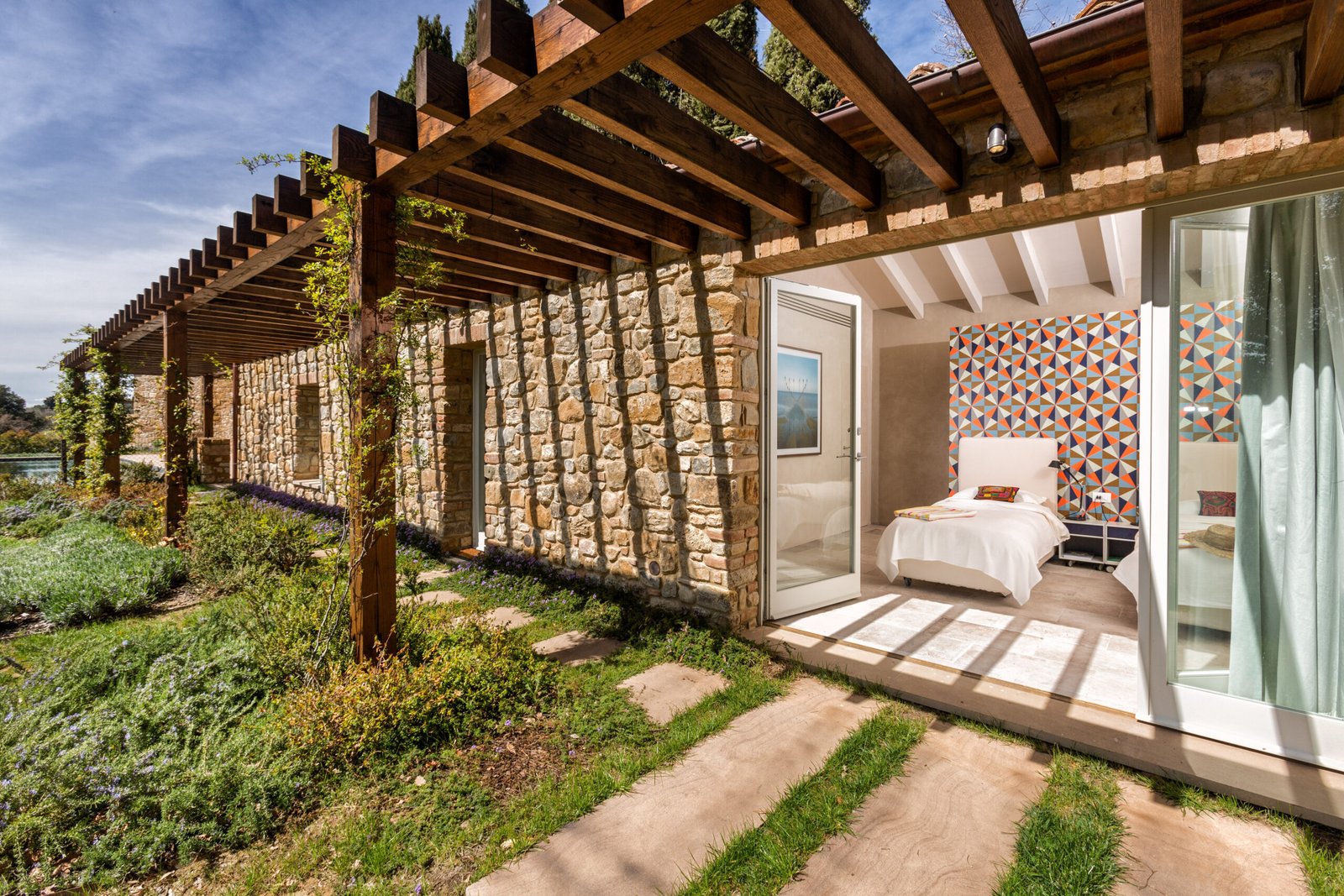
Experiencing the Mediterranean diet at source — in the retreat kitchens of Greece, Portugal, or Italy — is the most direct way to understand what the research is describing. Our yoga and food retreats in Greece and wellness retreats in Italy both treat food as a core element of the programme rather than a logistical necessity.
Extra virgin olive oil is the dietary cornerstone and the ingredient most consistently associated with the diet’s health effects. Rich in oleic acid and polyphenols, it reduces LDL oxidation, lowers blood pressure, and has been shown to cross the blood-brain barrier, where it may play a protective role against cognitive decline.
Legumes, including chickpeas, lentils, white beans, and fava beans, provide a combination of protein, fibre, and resistant starch that sustains energy, feeds beneficial gut bacteria, and stabilises blood sugar in ways that most protein sources don’t.
Oily fish, particularly sardines, anchovies, mackerel, and wild salmon, deliver omega-3 fatty acids that reduce triglycerides, lower inflammatory markers, and support brain function and mood.
Seasonal vegetables and herbs do most of the work invisibly. The extraordinary polyphenol content of a plate of grilled aubergine with fresh herbs, dressed with good olive oil, doesn’t announce itself. It just accumulates over years into a body that tends to function better and age more slowly.
Whole grains, particularly in their less processed forms, provide the fibre that feeds the gut microbiome, which is increasingly understood as central to immune function, mood regulation, and metabolic health.
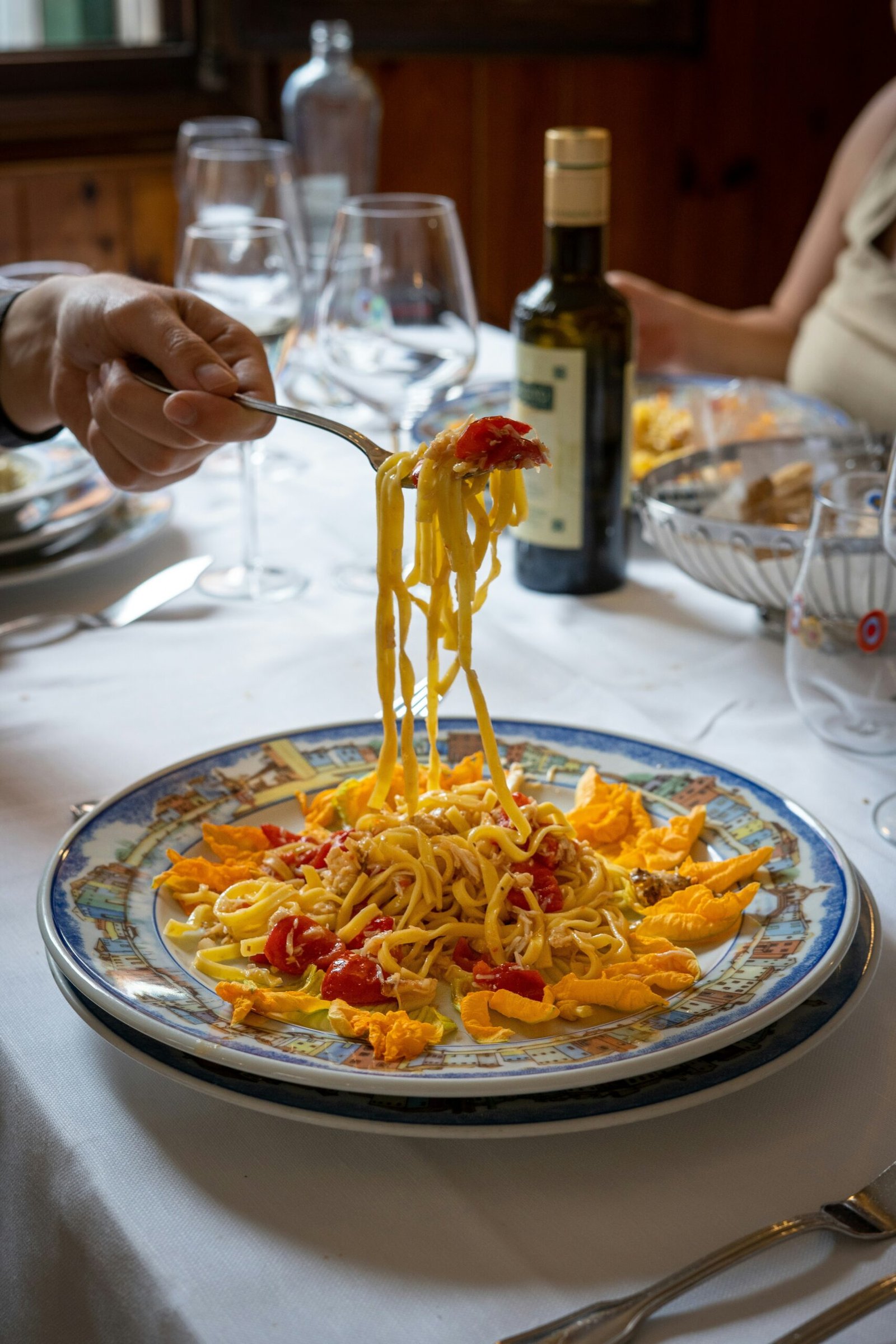

The strongest evidence for the Mediterranean diet comes from populations where it isn’t a diet people choose. It’s simply how they eat, embedded in culture, social life, and daily rhythm.
In Sardinia, one of the world’s Blue Zones where people consistently live past 100, food isn’t consumed in isolation. Meals are communal and unhurried. The pace of eating is slow enough for the body to register satiety. The social dimension of the meal is inseparable from the food itself, and that dimension has its own health effects: reduced cortisol, lower blood pressure, stronger immune function, all associated with positive social connection.
Research on the social determinants of health consistently finds that loneliness and social isolation carry health risks comparable to smoking 15 cigarettes a day. The Mediterranean meal, eaten together around a table with time and conversation, addresses this directly.
There’s also the matter of pace. Eating slowly gives the digestive system time to work properly: signals of satiety have time to register before overconsumption occurs, stomach acid has time to activate, and the parasympathetic nervous system, required for proper digestion, stays engaged rather than being crowded out by the stress of eating too fast.
None of this fits neatly into a clinical trial. But dismissing it because it’s hard to measure would be a mistake.
The Mediterranean diet doesn’t require a trip to a specialist grocer or a complete rethink of how you cook. The shifts that make the most difference are often structural rather than ingredient-specific.
Cook with olive oil instead of other fats. Not occasionally as a dressing, but as your primary cooking medium. A good extra virgin olive oil, used liberally, is one of the highest-leverage changes you can make.
Eat legumes several times a week. Chickpeas, lentils, white beans — they’re cheap, filling, and among the most nutrient-dense foods available. A simple dish of white beans cooked slowly with garlic, sage, and olive oil is as Mediterranean as it gets, and takes twenty minutes.
Build meals around vegetables, not around protein. The protein is there, in the legumes, fish, eggs, cheese. But the plate should be mostly plants, dressed well and eaten with attention.
Eat with other people when you can, and without screens when you do. The social and attentional dimensions of the meal aren’t incidental. They’re part of why the Mediterranean way of eating works.
There’s a meaningful difference between eating Mediterranean food at home, even well, and eating it in the places where it grew. In Tuscany, Puglia, or the Greek islands, the ingredients are different in ways that aren’t easily replicated. A tomato grown in volcanic Sicilian soil and eaten the same day it was picked is a genuinely different experience from a supermarket tomato. A fish grilled twenty minutes from where it was caught is another food entirely.
This isn’t nostalgia. It’s the difference between understanding something intellectually and experiencing it sensorially, in the environment that produced it. Several Om Away retreats are built around exactly this: slow travel through places where food, landscape, and culture remain coherent, with the time to actually taste where you are.
Your email address will not be published. Required fields are marked *