
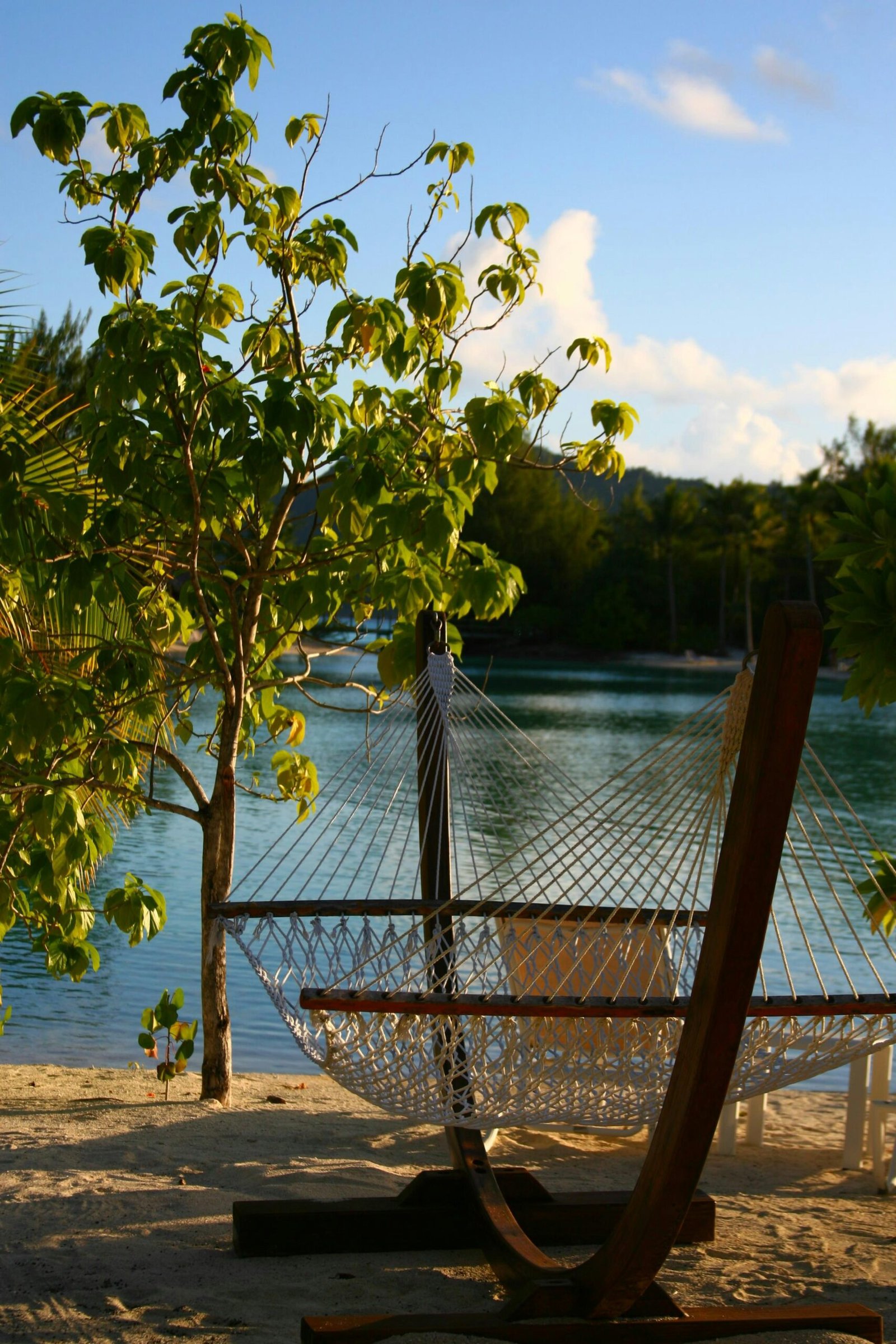
July is the month that requires a destination decision before you book. The cities are hot, the coastal resorts are at maximum capacity, and the wrong retreat in July is a week of heat management rather than wellness.
The right one — at altitude, on an Atlantic coast, or in a destination that the general summer logic has not yet reached — delivers the warmest sea of the year and a wellness programme that uses the season rather than fighting it.


July is the hay harvest month in South Tyrol — the alpine meadow herbs collected at their peak aromatic concentration, dried in the valley barns, and stored for use in the hay bath treatments that run through the autumn and winter. A wellness retreat in July can incorporate the harvest itself as a morning activity: working alongside the farming families on the meadow slopes, understanding which species are being collected and why, and connecting the spa treatment to the agricultural cycle that makes it possible. It is the kind of experience that only July provides.
For the broader Italian July picture, our wellness retreats in Italy in July covers Sardinia, the Aeolian Islands, and the Sicilian interior alongside the Dolomites. Browse the full wellness retreat collection for every destination.
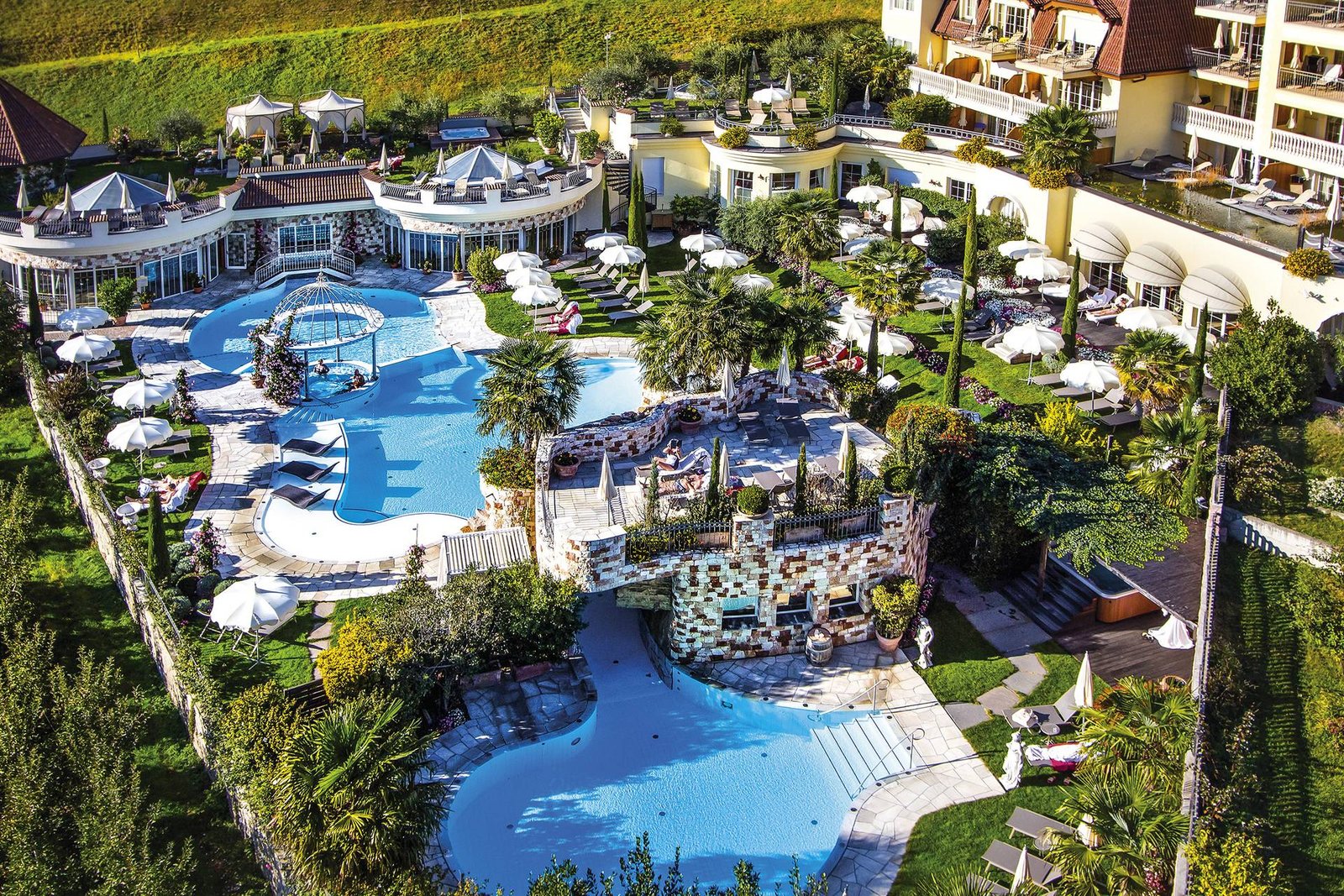
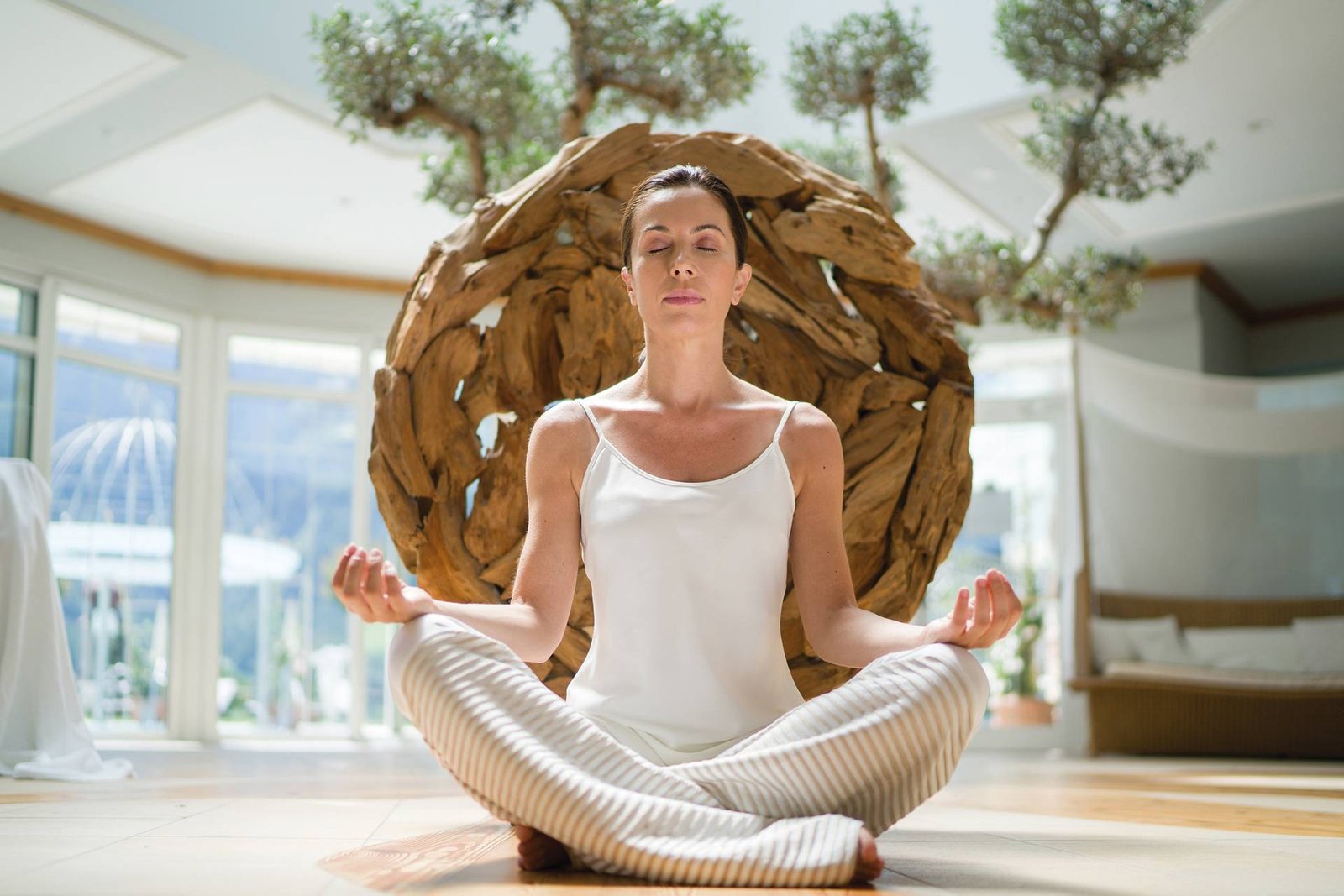
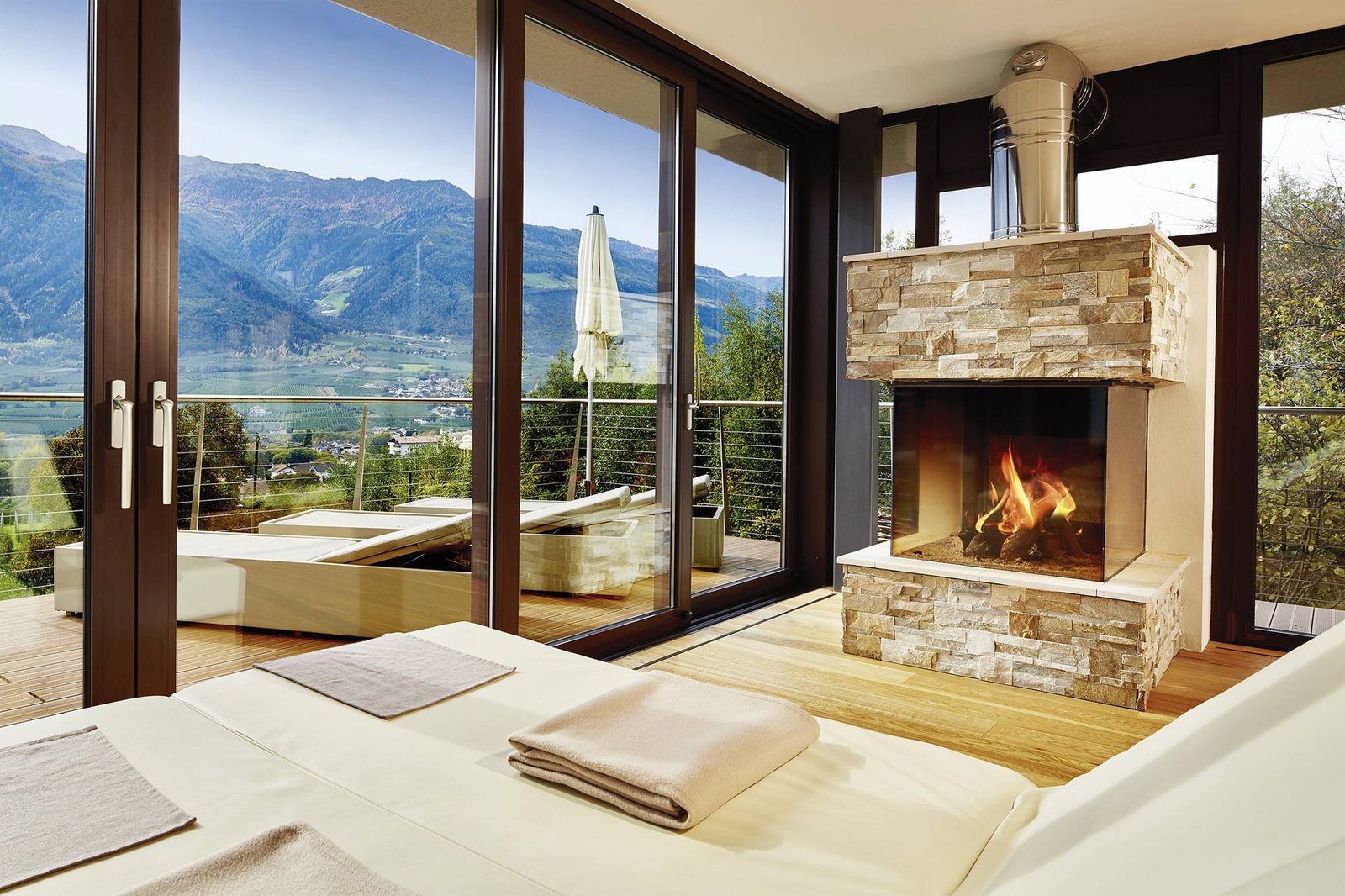
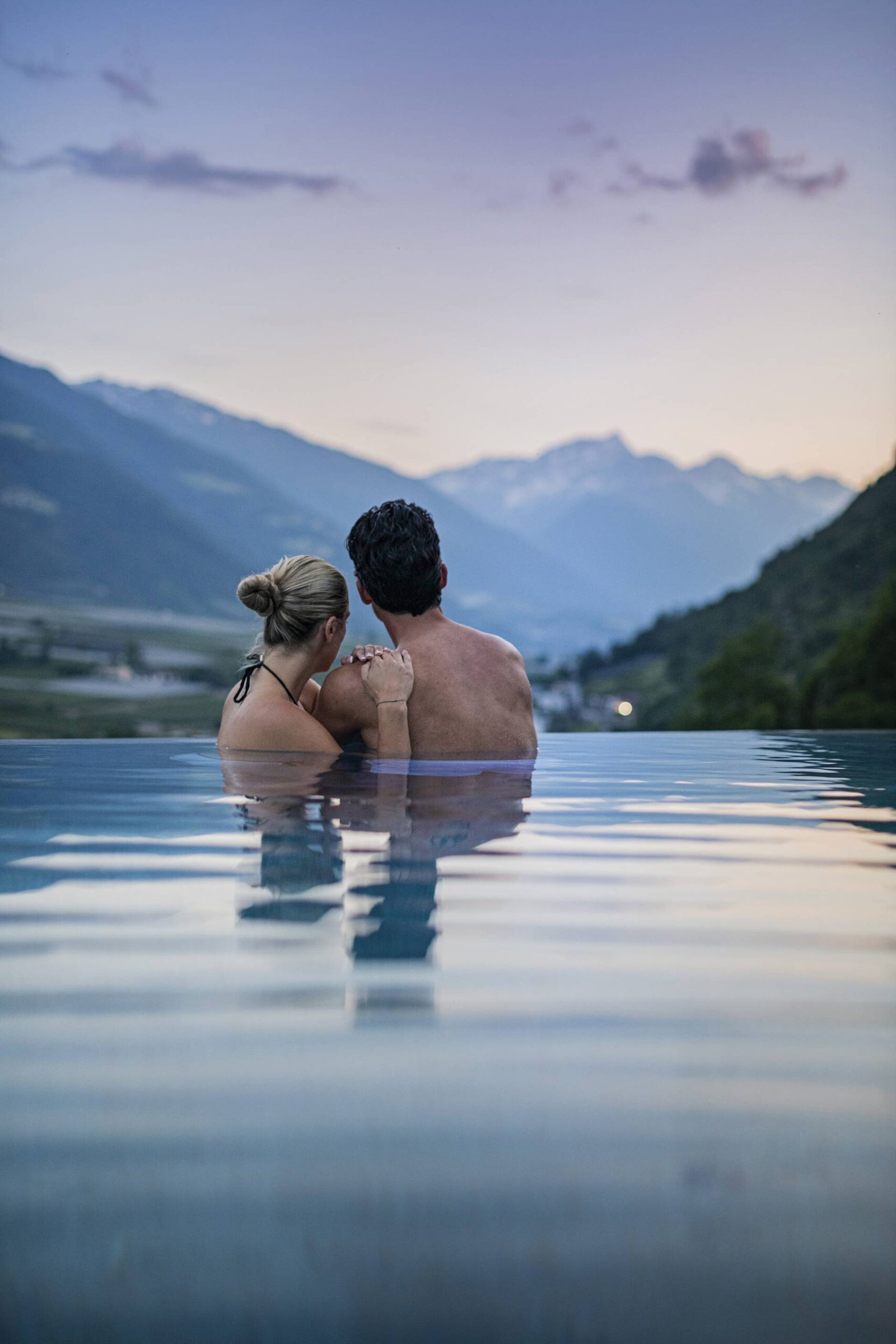
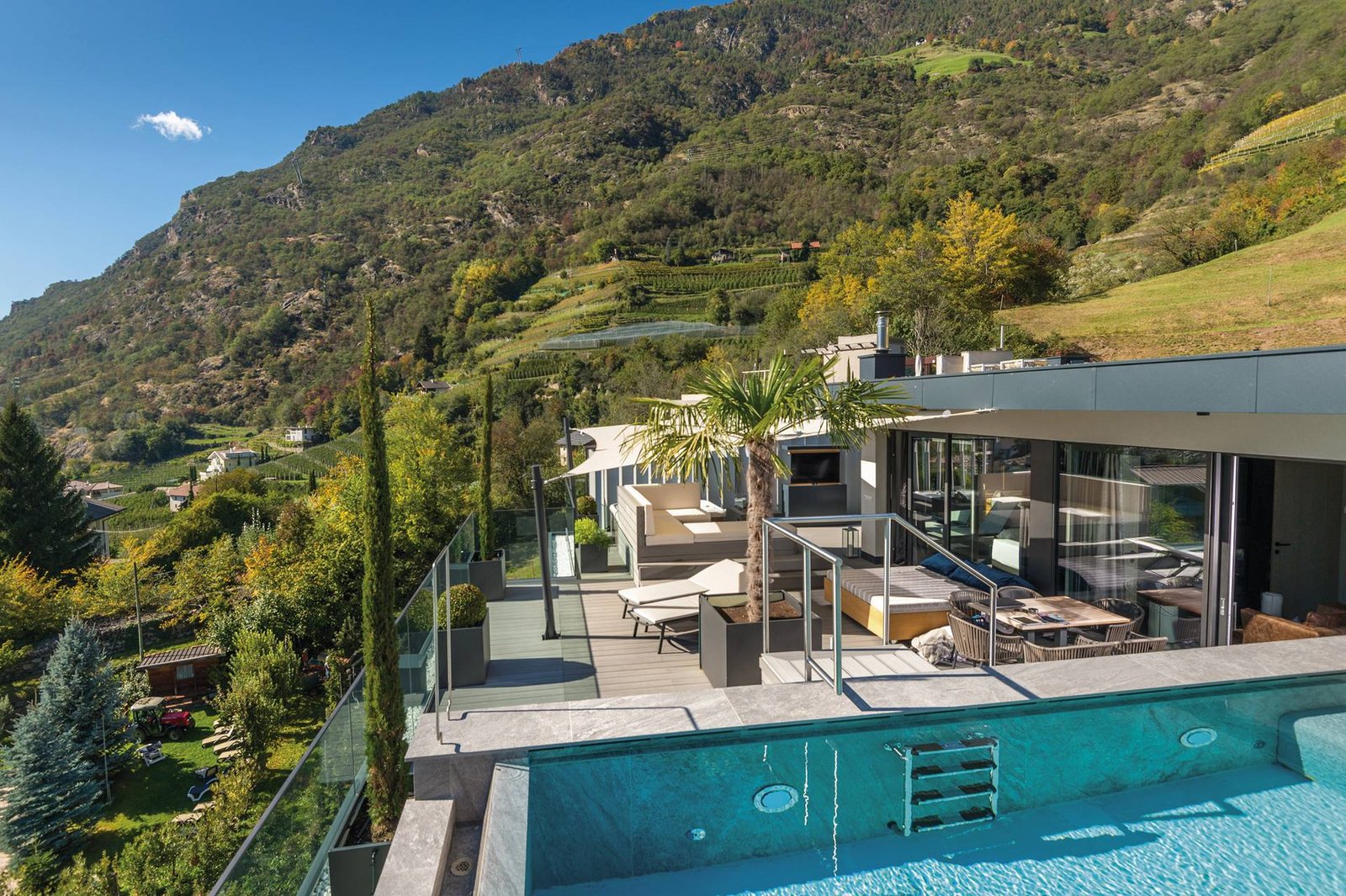
July in the Dolomites means valley temperatures of 22-26°C and high trail temperatures of 14-18°C — cool enough for outdoor practice at any hour without heat management, warm enough for the outdoor thermal pools to feel like a reward rather than a default. The alpine wellness programme in July is at its most physically complete: the high trails fully open, the via ferrata routes accessible, the guided hikes to the Tre Cime di Lavaredo and the Seceda ridge at their best conditions.
The hay harvest runs through July and into August, and the wellness properties that have relationships with the local farming families can arrange harvest morning participation — a half-day on the meadow slopes collecting the arnica, gentian, and alpine thyme that the hay bath programme uses. Understanding that the treatment you receive in December uses plants collected from this meadow in July is the kind of seasonal continuity that distinguishes a genuine wellness tradition from a spa menu.
The Aufguss sauna ceremony in July uses the fresh herbs from the current harvest — bundles of freshly cut alpine thyme tied and used to generate steam before being dried for the winter supply. The freshly cut herb infusion produces a scent intensity that the dried version approximates but does not replicate. Book the July Aufguss sessions specifically for this: the live herb ceremony is available only in the harvest months. Our wellness retreats in the Dolomites guide covers the full range of properties and programmes.
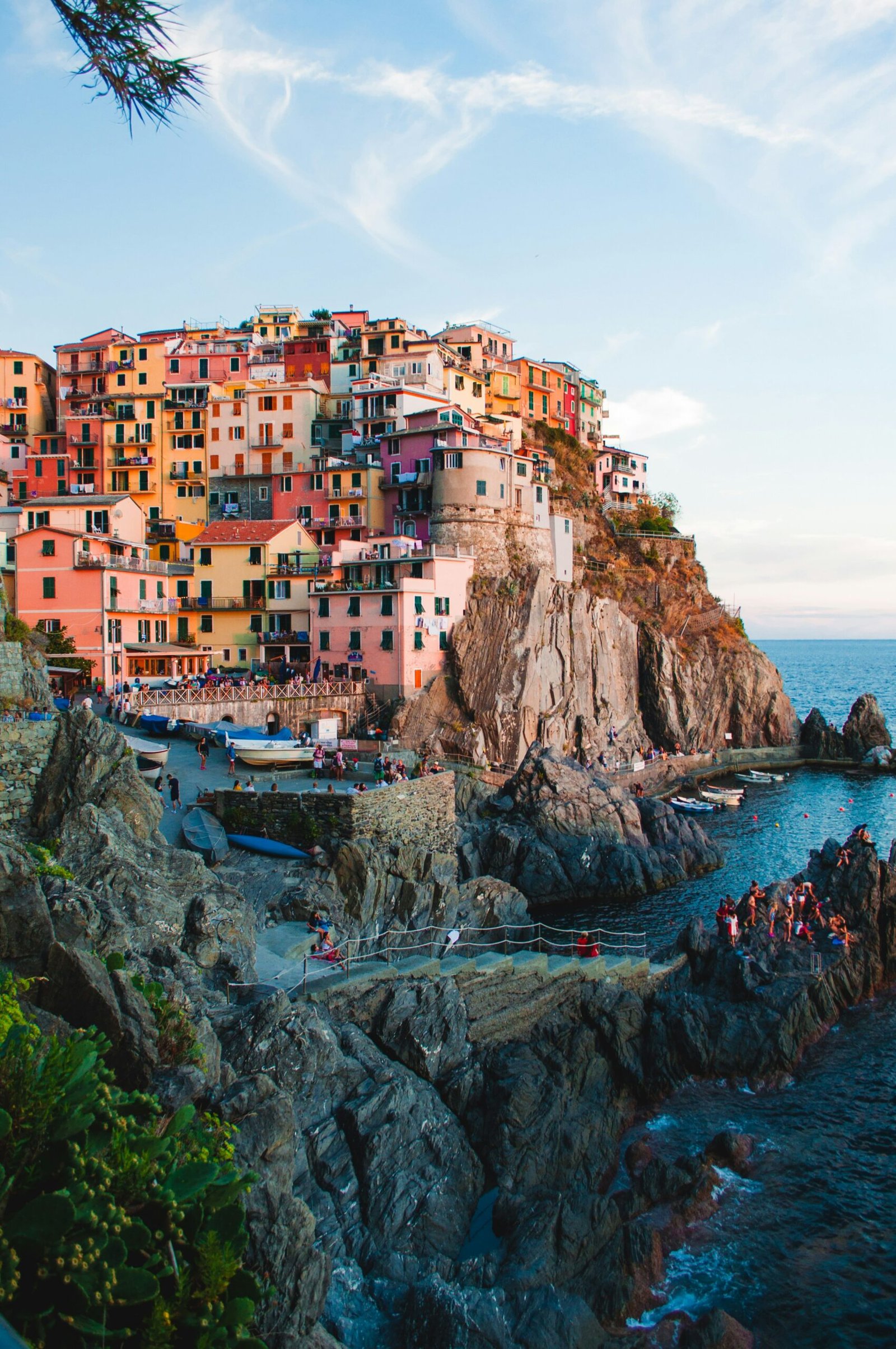
Sardinia in July manages the summer demand better than any other Italian island. At 24,090 km², the island is large enough that the beach resort density of the Costa Smeralda does not overwhelm the interior — the Barbagia plateau, the Supramonte massif, and the cork oak forests of the Gallura remain essentially undisturbed by the coastal July tourism.
The Barbagia in July is at its most specific: the Cortes Apertas festival, in which Barbagia villages open their traditional crafts, food, and culture to visitors on rotating summer weekends, runs through July and August. The agriturismo culture of the sheep farms in the mountain interior is in full operation — the pecorino sardo being aged in the village cellars, the myrtle liqueur produced from the hillside myrtle in its July flowering form.
The Sardinian wellness tradition in July draws on the island’s specific natural resources: the volcanic mud of the geothermal areas near Fordongianus (42°C thermal waters flowing into the Tirso river, used since the Roman period), the thalassotherapy centres of the Alghero coast using the July seawater at 24-25°C, and the botanical pharmacopoeia of the Sardinian interior — the helichrysum, the cistus, and the mastic that grow on the island’s garrigue and that the island’s traditional medicine has always used for their anti-inflammatory and skin-healing properties.
Morocco in July presents a clear choice: Marrakech at 38°C or Essaouira at 22-24°C. The alizé trade winds keep the Atlantic coast at a temperature that makes outdoor morning practice viable at any hour. For July wellness travel in Morocco, the Atlantic coast is the only rational answer.
Essaouira in July has the alizé at its seasonal maximum — consistent, cooling, and producing the kite and windsurf conditions that make the beach south of the medina one of the premier wind sports locations on the Atlantic. For retreat guests combining morning wellness practice with afternoon time on the water, July Essaouira is the most complete version of this format available anywhere in Morocco.
The medina in July operates for the Moroccan families from Casablanca and Rabat who rent the riads for summer, giving the city a specifically local character. The Gnawa musicians in the squares are playing for an audience that includes people who grew up hearing this music. The hammam circuit in July — the kessa exfoliation and the argan oil massage — is more immediately rewarding after a day of Atlantic wind and surf exposure. The salt and sun of the July Atlantic day produce a specific skin condition that the traditional hammam addresses with unusual directness.
July on the Pacific coast of Costa Rica is the rainy season — and the retreat centres have learned to use it rather than apologise for it. The rain pattern is consistent: clear mornings, afternoon showers arriving around 2pm, clear evenings. Morning practice, beach time, and outdoor activities are fully available.
The Nicoya Peninsula in July — Santa Teresa, Nosara, Montezuma — is at 30-40% below the January dry season prices, with the teachers who live here year-round present in a way that the high season visiting instructor rotation sometimes obscures. The Ostional Wildlife Refuge near Nosara has its July olive ridley sea turtle nesting arrivals (arribadas) — mass nesting events that make this beach one of the most important sea turtle nesting sites on earth. Being present for an arribada requires being in the right place in the right month.
The jungle in July is at its most alive from the rains: the Montezuma waterfalls at full volume, the howler monkeys and scarlet macaws at their most active, and the bioluminescent plankton in the breaking waves at night creating a visual phenomenon that the dry season cannot replicate.
The Scandinavian summer wellness tradition is the mirror image of its winter equivalent. July offers 22 hours of daylight, forest bathing in full leaf, and the outdoor sauna culture at its most accessible. The Swedish archipelago, the Norwegian fjord coastline, and the Finnish lake districts all offer in July a specifically Nordic version of outdoor wellness that has no equivalent elsewhere.
The Swedish outdoor sauna tradition in July operates from the summer cottage (stuga): the wood-fired sauna heated in the afternoon, the swim in the lake at 18-20°C between rounds, and the evening meal on the lakeside terrace as the sun remains above the horizon at 10pm. Retreat centres in the Dalarna and Värmland lake districts offer this format in a structured wellness context accessible to visitors without a Swedish family’s cottage network.
Forest bathing in the Swedish and Norwegian forests in July has specifically good conditions: the birch and pine forests in full leaf, the phytoncide concentration at its summer peak, and the forest floor in July covered in bilberries (blåbär) — the anthocyanin content of wild Nordic bilberries is significantly higher than that of cultivated blueberries, making the July forest floor one of the most antioxidant-dense food environments available.
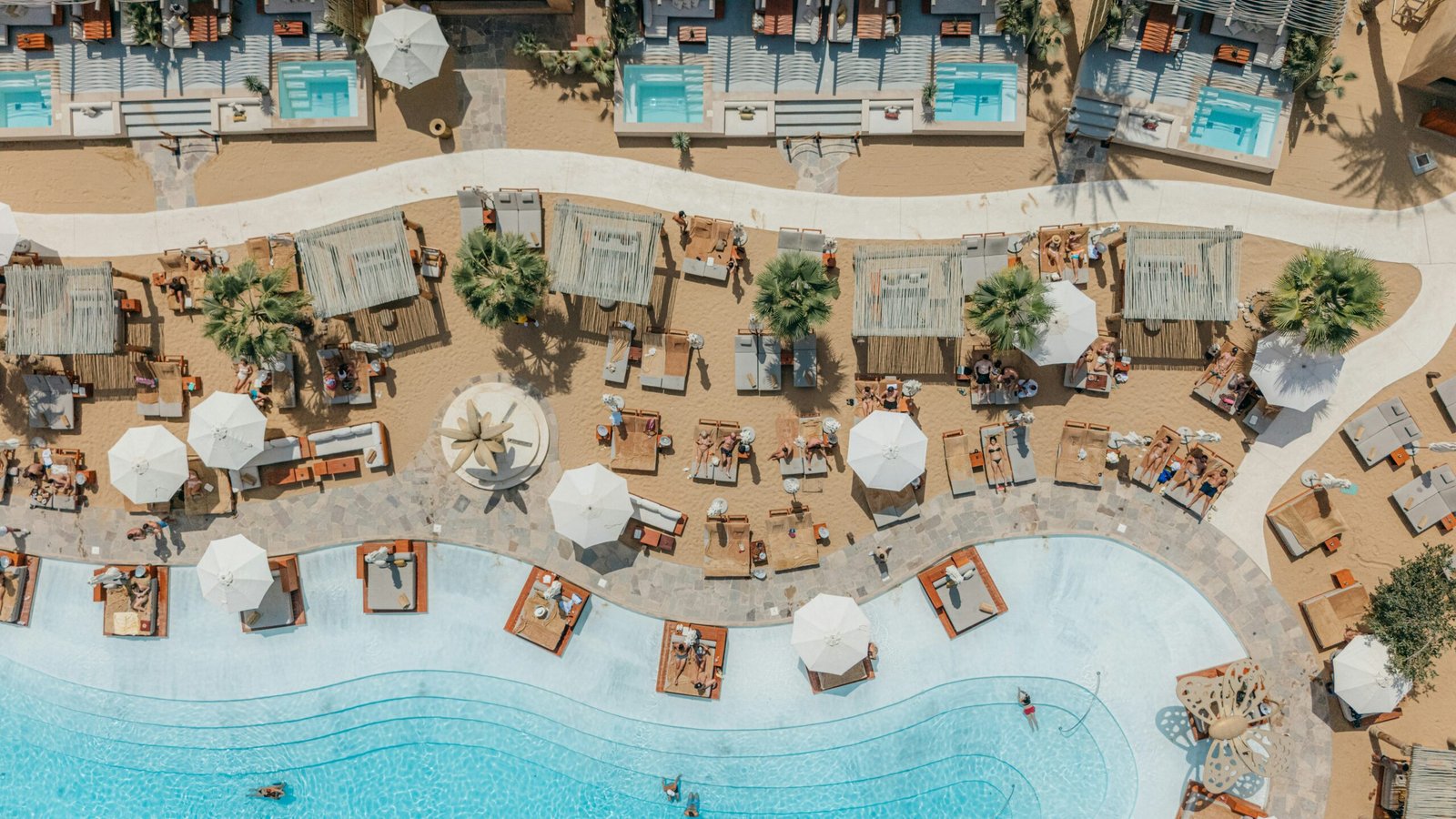
July is the month when wellness programme scheduling matters most. The difference between a well-designed July retreat and a poorly designed one is almost entirely timing. The body in July is managing a significant thermoregulatory load — maintaining core temperature at 37°C when ambient temperature is at 30°C requires ongoing metabolic work that reduces the energy available for other activities. Research on heat stress and cognitive performance has documented the measurable reduction in concentration, reaction time, and decision-making capacity at ambient temperatures above 28°C.
The optimal July wellness day: outdoor movement or hiking before 9am, breakfast and lighter indoor activity until noon, rest and passive treatments (massage, thermal circuit, Yoga Nidra) during the noon-5pm heat peak, outdoor yoga or walking from 5:30pm as the temperature drops. The retreat that structures its programme around this rhythm is not accommodating the heat — it is using it, in the same way that the South Tyrolean hay harvest uses the July sun to dry the herbs at the moment of their maximum aromatic concentration.
The cold treatment protocols that in January produced dramatic contrast now produce in July a different but equally useful physiological response. The cold plunge after the sauna in July is at 10-14°C — specifically useful in a context where the ambient heat has already elevated core temperature and heart rate. Research on cold water immersion post-exercise has documented the anti-inflammatory and muscle recovery effects of cold immersion in warm conditions — effects particularly relevant in July when the body’s inflammatory load from heat stress, physical activity, and UV exposure is at its seasonal maximum.
The cold shower as a daily practice — specifically 30-60 seconds of cold at the end of a warm shower — has accumulated research documenting its autonomic nervous system effects: reduced cortisol, increased noradrenaline, and a specific alertness state without the stimulant mechanism of caffeine. In July, this practice is more accessible than in January — the ambient warmth means the cold shower is a relief rather than an ordeal.
July eating is the Mediterranean summer table at its most specific. Cooling foods are the priority: the watermelon, cucumber, mint, fennel, and fresh coriander that Mediterranean summer produces in abundance are cooling through specific mechanisms — the high water content of watermelon and cucumber supports hydration directly; the rosmarinic acid in mint has documented anti-inflammatory properties; the anethole in fennel has mild antispasmodic effects on the digestive system that the July heat sensitises.
Fresh tomatoes in July — specifically the sun-ripened varieties grown in volcanic or mineral-rich soils (the Pachino tomatoes of southeastern Sicily, the San Marzano of the Vesuvius slopes) — have a lycopene concentration that greenhouse tomatoes cannot approach. Lycopene has documented photoprotective properties — specifically relevant in July when UV exposure is at its annual maximum.
Chilled soups — the gazpacho of Andalusia, the tarator of Bulgaria and the Levant (yogurt, cucumber, dill, and walnut), the tzatziki of Greece used as a cold starter — are the July wellness kitchen at its most intelligent: high in water content, rich in cooling herbs and vegetables, requiring minimal cooking that would add heat to a kitchen already managing the July temperature.
Your email address will not be published. Required fields are marked *