
August is the month that requires the most deliberate destination choice of the year. The popular coastal resorts are at maximum capacity and maximum price. But the warmest sea of the year is a genuine asset in the right location, and the destinations that know what August is — the south Cretan coast, the Sardinian interior, the Dolomites above the heat, Costa Rica between the rains — deliver wellness weeks that the shoulder seasons cannot replicate.


August in the Dolomites is full summer alpine wellness — the hay harvest continuing into the month, the high trails at their most accessible, and the valley temperatures of 22-26°C producing the most comfortable outdoor practice conditions in Italy. The thermal and spa programme runs alongside the outdoor activities, and the fresh herb Aufguss — the live alpine thyme and arnica ceremony available only during the harvest months — is still running through August.
For the broader Italian August picture, our wellness retreats in Italy in August covers Sardinia, Puglia, Basilicata, and the Aeolian Islands alongside the Dolomites. Browse the full wellness retreat collection for every destination.
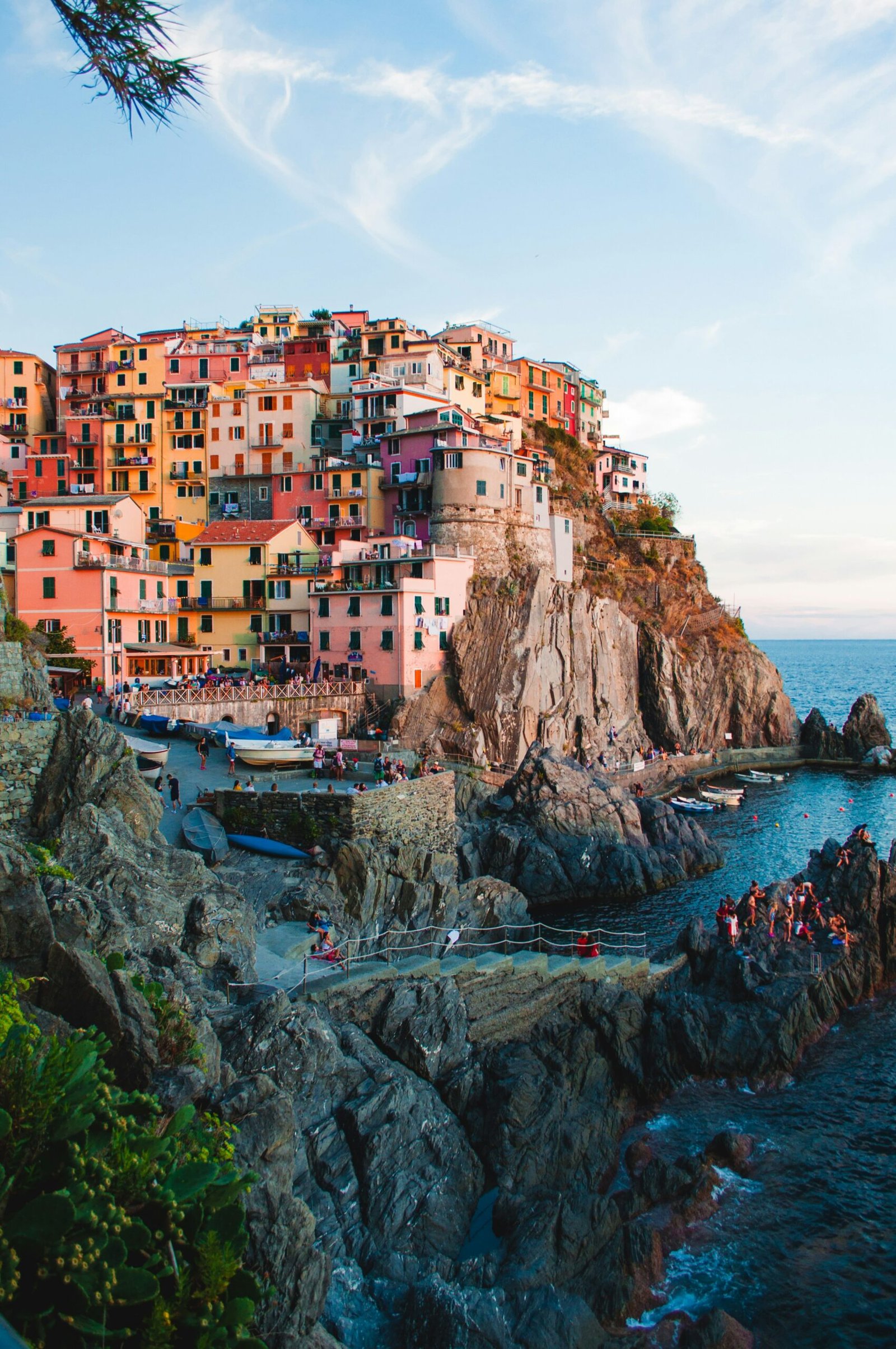
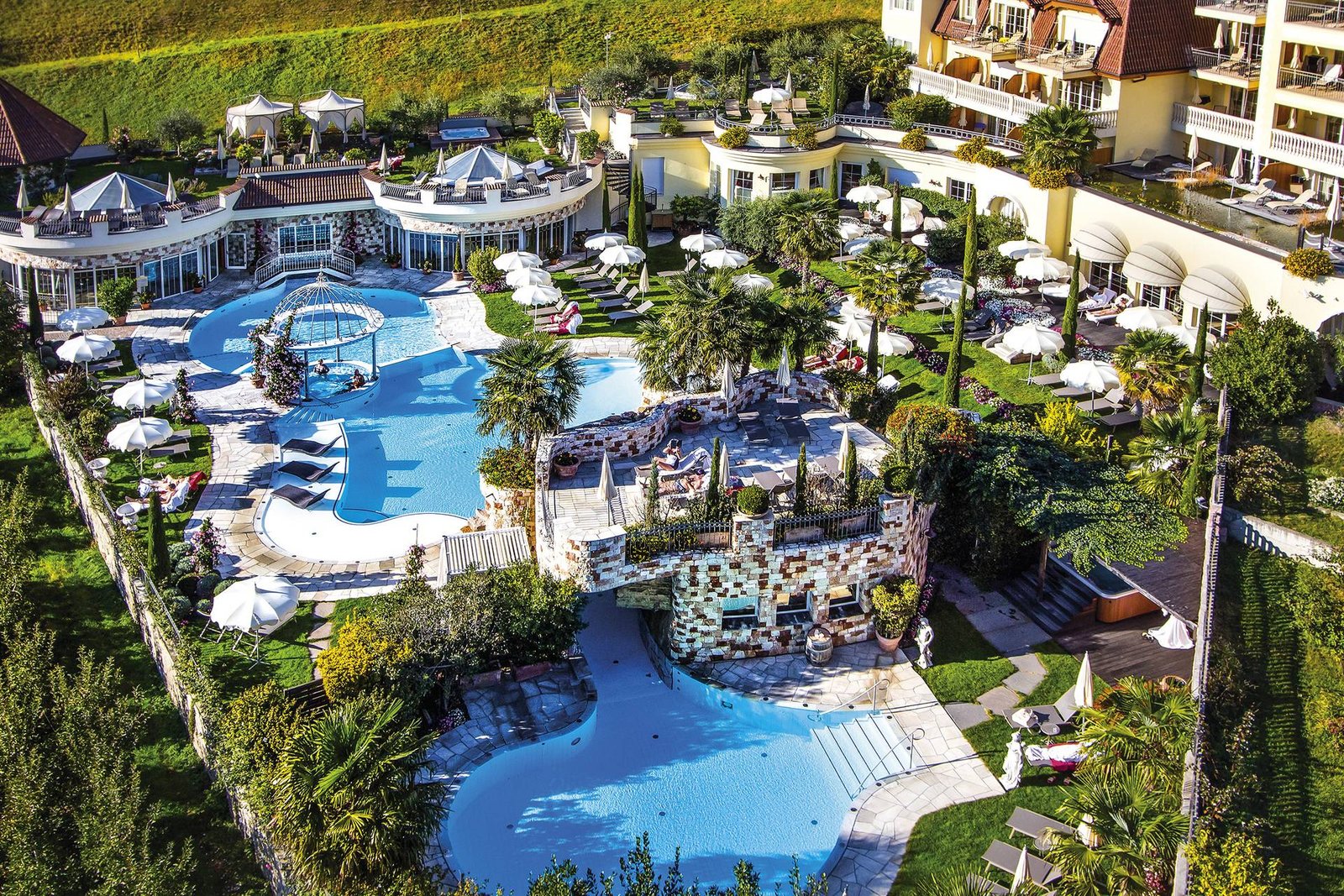

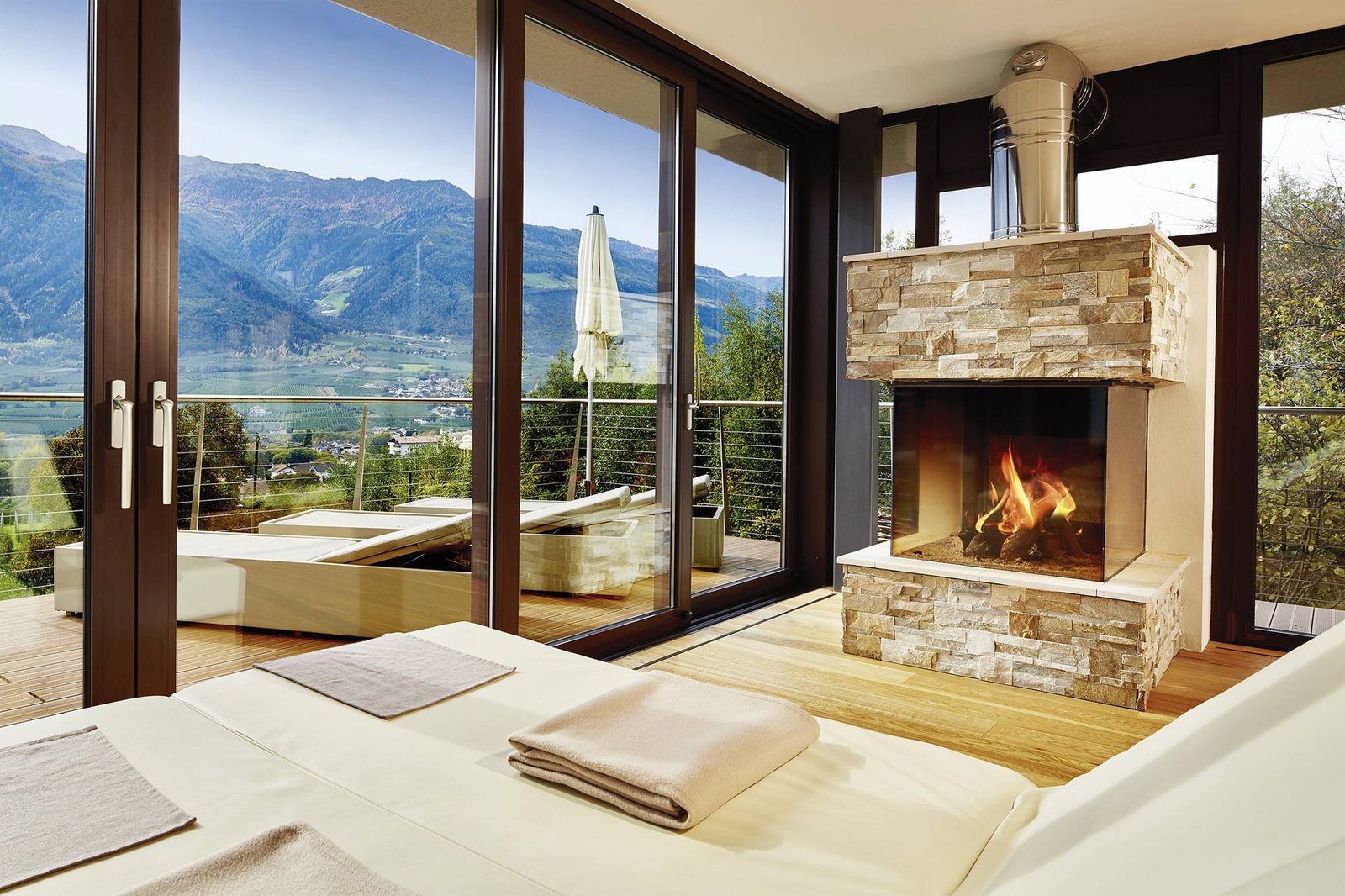
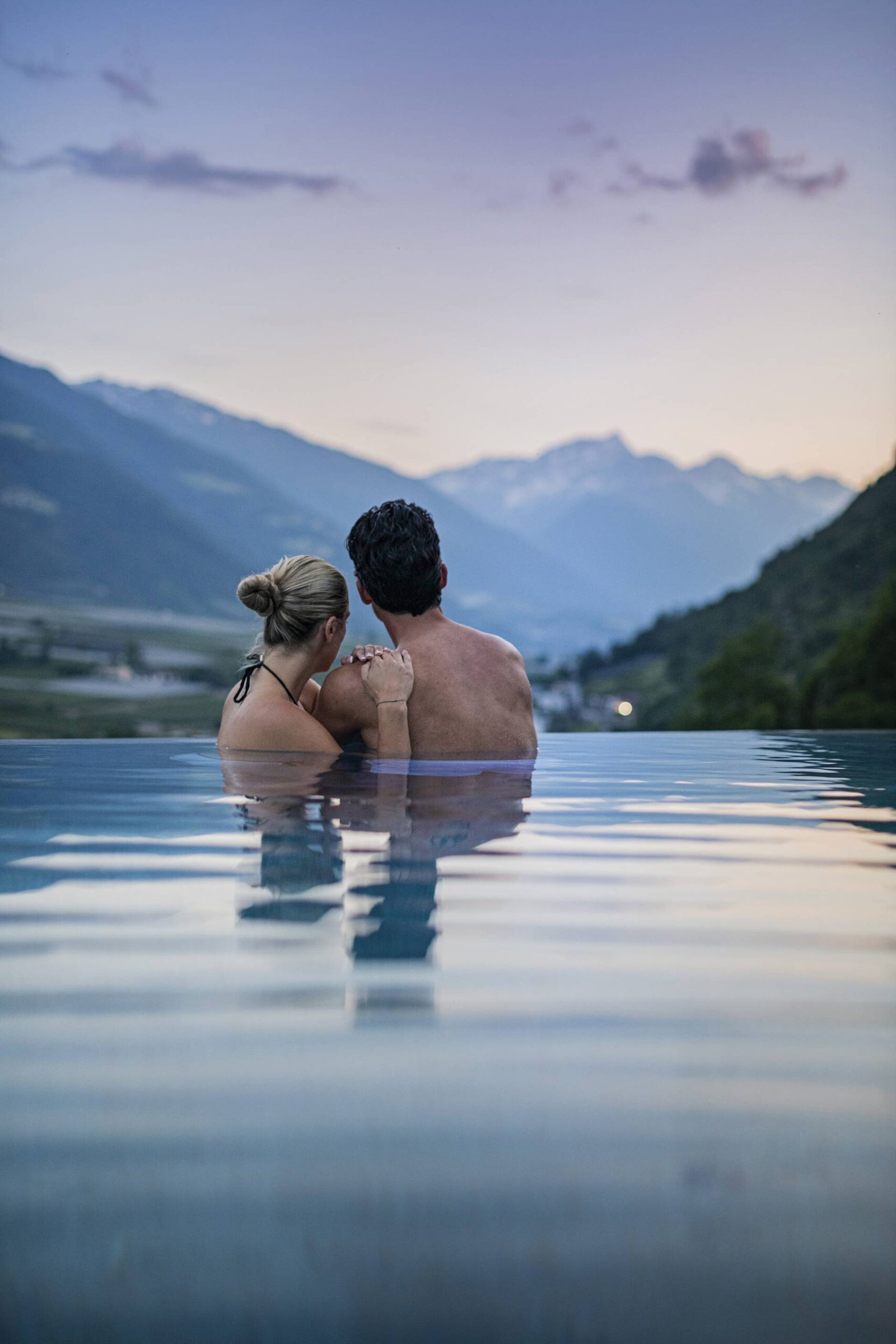
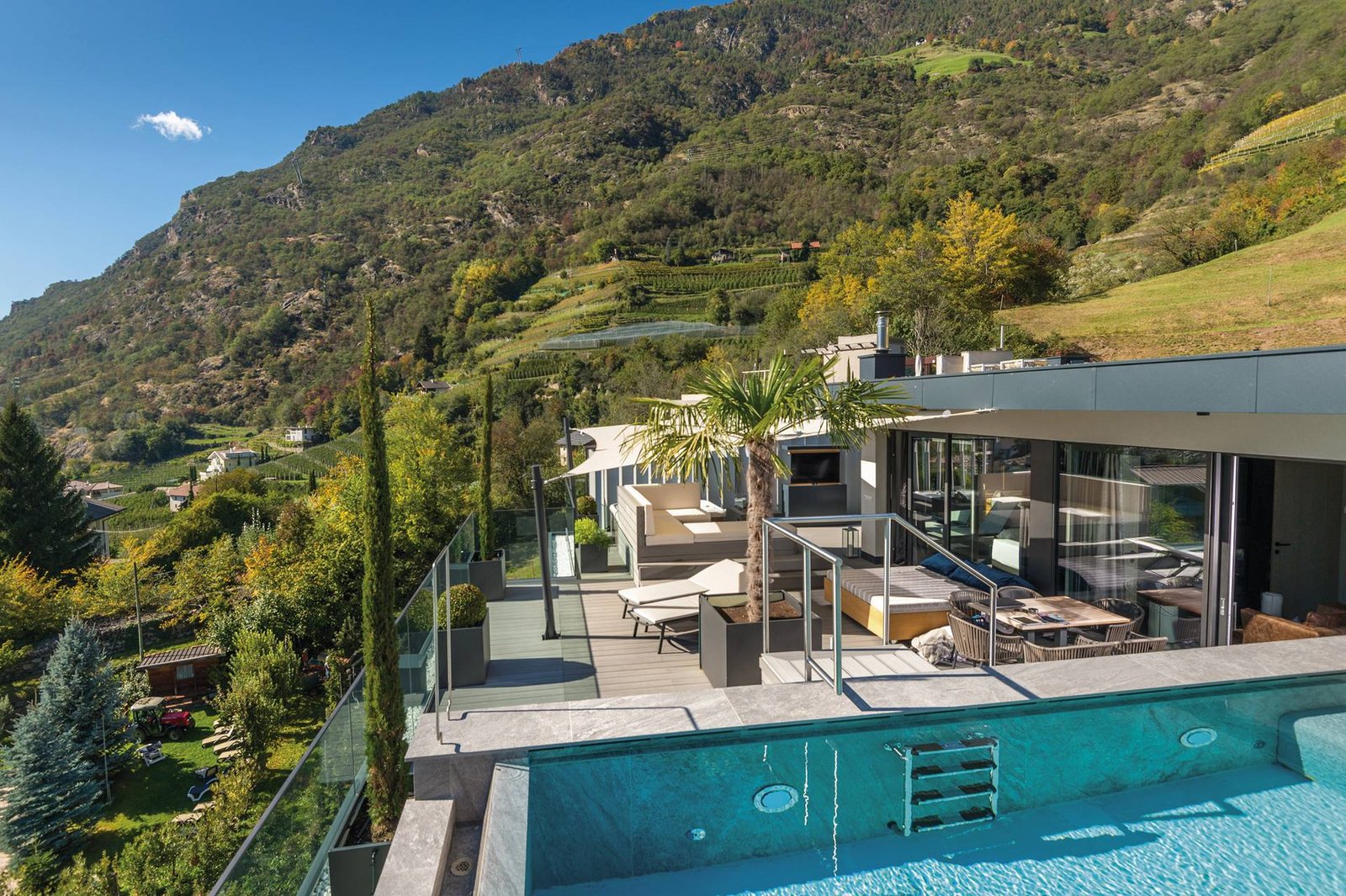
August in the Dolomites is the alpine outdoor programme at its peak — the high trails fully accessible, the mountain refuges open for lunch at 2,000 metres, and the via ferrata routes on the dolomite towers at their best conditions. The valley temperatures of 22-26°C mean that outdoor morning practice, afternoon hiking, and evening spa circuit are all viable without heat management — a combination that the Italian coast in August structurally cannot offer.
The hay harvest continues into August, and the fresh herb Aufguss ceremony remains available at the properties still in the harvest cycle. The outdoor thermal pools in August are surrounded by the full green of the alpine summer, the wildflower meadows at their late-season colour before the September transition begins. Our wellness retreats in the Dolomites guide covers the full range of properties and programmes for the summer season.
Sardinia absorbs August better than any other Italian island. The Barbagia interior — the mountain plateau at 600-900 metres altitude, 8-10°C cooler than the coast — is in August doing what it does regardless of the tourist season on the beaches below: the sheep farms operational, the Cortes Apertas village festivals rotating through the Barbagia communities, and the agriturismo culture at its summer full operation.
The western Sardinian coast — the area around Bosa and the Sinis peninsula — is in August less visited than the Costa Smeralda and the Villasimius coast, with the Gulf of Oristano producing the flatwater kitesurf conditions that the summer trade winds make specifically good. The Fordongianus thermal waters (42°C from the Tirso river, Roman period origin) are in August accessible without the year-round visitor concentration that the more famous thermal destinations attract.
Crete’s south coast in August is accessible only by ferry or on foot — and that inaccessibility is the point. The villages of Loutro, Agia Roumeli, and Hora Sfakion on the Libyan Sea have no road connection to the rest of the island, capping visitor numbers at a human scale that the north coast cannot maintain. The Libyan Sea here runs at 26-27°C in August — the warmest accessible water in Greece — and faces south toward North Africa, keeping temperatures 2-3°C above the Aegean.
The minor Cycladic islands — Folegandros (population 650, no direct flight), Sifnos (known for the most sophisticated food culture in the small Cyclades), and Sikinos — have in August the specific quality of places where the natural cap on visitor numbers has been set by the ferry timetable rather than by policy. The retreat centres that operate on these islands in August are doing so because the islands are genuinely good in August — not as a fallback from the more famous options.
August on the Pacific coast of Costa Rica follows the same pattern as July: clear mornings, afternoon showers, clear evenings. The 30-40% price reduction relative to January remains in effect. The olive ridley sea turtle nesting at Playa Ostional continues through August — the mass arrivals (arribadas) occurring on predictable lunar cycles that the Nosara retreat centres track and can orient their week around.
The Atlantic coast of Costa Rica — Puerto Viejo, Cahuita, Tortuguero — is in its dry season in August, the mirror image of the Pacific. The Caribbean character of the eastern coast (the calypso and reggae culture, the pinto gallo and ceviche of the Limon province, the coral reef of Cahuita National Park) is completely different from the Pacific surf-and-yoga circuit, and the August dry conditions make it the eastern coast’s best window.
Obon — the August Buddhist festival in which the spirits of ancestors are welcomed back — transforms Japan in mid-August: the bon odori dances in the temple precincts, the lantern floating on rivers and lakes, and the specific quality of a country pausing collectively for a week of cultural observance. For wellness retreat guests in Japan in August, Obon provides a cultural dimension that no other month offers.
The Japanese mountain resorts — Karuizawa in Nagano, Nasu in Tochigi, Nikko — are in August at their summer best: temperatures of 20-24°C while Tokyo bakes at 35°C, the mountain forests in full leaf, and the onsen culture available in the cool mountain air. The combination of the mountain temperature differential, the forest environment, and the onsen produces a specifically August Japanese wellness experience that the coastal destinations cannot replicate.
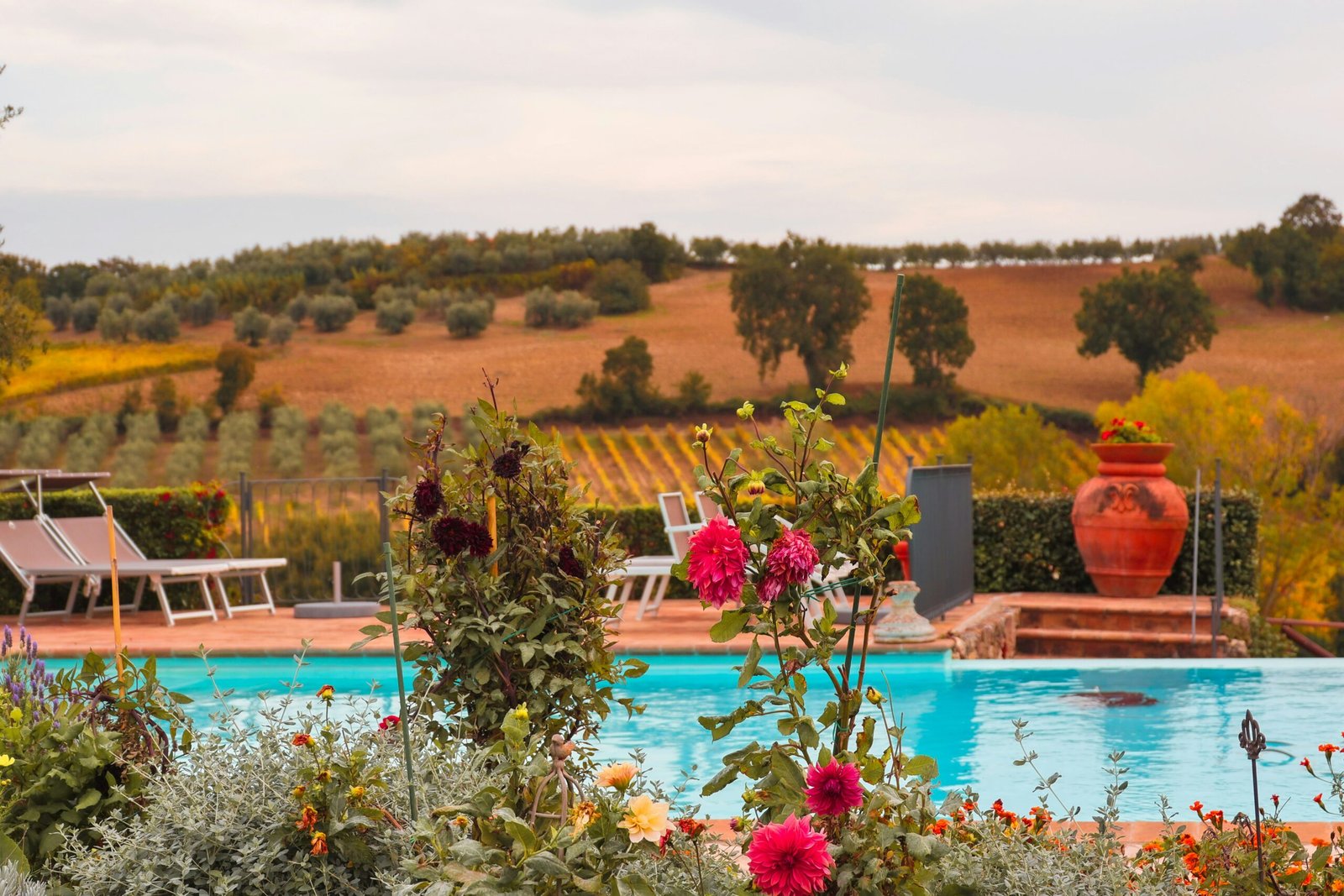
August is the month when the body’s accumulated summer load is at its maximum. The liver has been processing higher UV-related oxidative stress since June. The inflammatory markers associated with sustained heat exposure have been building since July. The sleep quality, affected by the heat and the long daylight, is at its seasonal low.
The wellness retreat in August that addresses this specifically — rather than simply continuing the summer programme — produces results that feel disproportionately good. Research on heat stress and systemic inflammation has documented the pro-inflammatory cytokine response to sustained heat exposure that accumulates across the summer. The specific dietary interventions — cooling foods, anti-inflammatory compounds, adequate hydration — that address this accumulated load are the August wellness kitchen’s primary focus.
Magnesium depletion through summer sweat is a specific August concern. The mineral is involved in over 300 enzymatic reactions and is depleted by both heat-induced sweating and the stress response. Research on magnesium deficiency and inflammatory markers has documented the relationship between low magnesium status and elevated CRP — the primary marker of systemic inflammation. The therapeutic seawater immersion of the August thalassotherapy programme, the magnesium-rich dark leafy greens of the August wellness kitchen, and the transdermal magnesium of the spa treatments all address the same August-specific nutritional gap.
August 15th — Ferragosto in Italy, the Dormition of the Virgin in the Orthodox calendar, and the collective European summer holiday peak — is the most useful mirror the wellness retreat tradition has. The entire cultural apparatus of August is oriented toward maximising holiday experience: the bucket lists, the beach capacity, the attempt to compress everything the summer promises into the weeks before September arrives.
The wellness retreat in August is a deliberate refusal of this logic — not ascetic, not joyless, but genuinely oriented toward what the body and mind actually need rather than what the summer holiday marketing suggests they should want. Rest during the hottest hours. Simple food that supports recovery rather than performing abundance. Sleep that is protected even when the light and the social energy both argue against it. These are not restrictions but intelligent responses to the season’s actual demands, and August is the month when the contrast between the retreat’s approach and the holiday industry’s approach is most stark and most instructive.
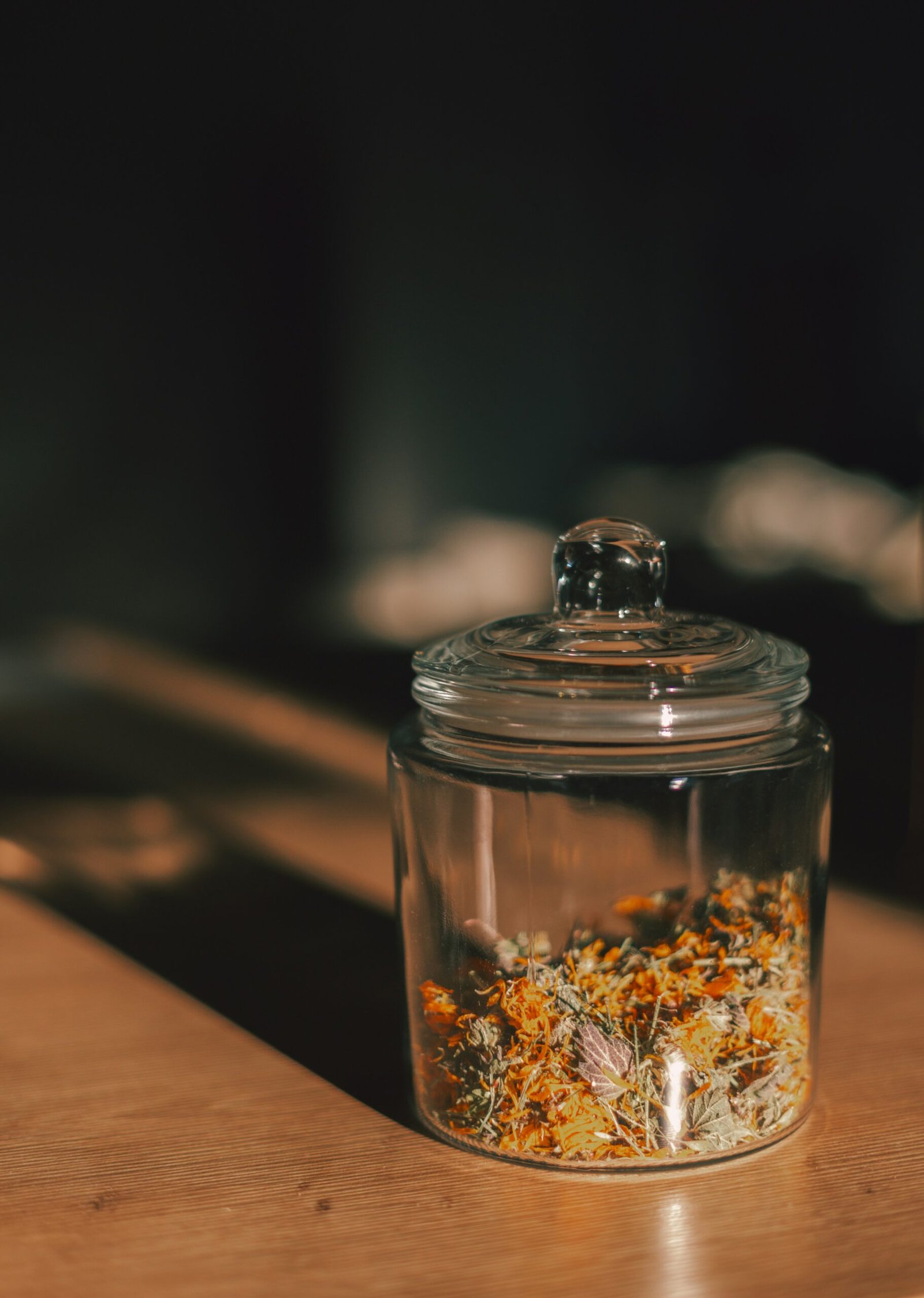

August eating is the summer table at its ripest — and the distinction between nourishing summer food and depleting summer excess is at its most consequential. The seasonal produce is extraordinary: figs at their August peak, watermelon at maximum sweetness, the late-season tomatoes with their deepest lycopene concentration, the first aubergines of the southern Italian and Greek harvest.
Cooling and hydrating foods remain the priority throughout August. The cucumber, mint, fennel, and coconut water that July required are equally necessary in August, with the addition of the fig — whose specific combination of fibre, potassium, and natural sugars provides the electrolyte replenishment that August sweating depletes. Research on the nutritional properties of figs has documented the antioxidant activity of the polyphenols specific to the fresh fig — compounds that are most concentrated in the August fruit at its peak ripeness.
The Mediterranean diet in its August form — the gazpacho, the cold-dressed salads, the grilled fish with lemon and olive oil — is precisely what the season requires. Not because of tradition but because of phytochemistry: the lycopene in the ripe tomato, the oleocanthal in the olive oil, the omega-3 in the fresh sardine all address aspects of the summer inflammatory load that the August body has accumulated.
Your email address will not be published. Required fields are marked *
Lorem ipsum dolor sit amet, consectetur adipiscing elit. Ut elit tellus, luctus nec ullamcorper mattis, pulvinar dapibus leo.