





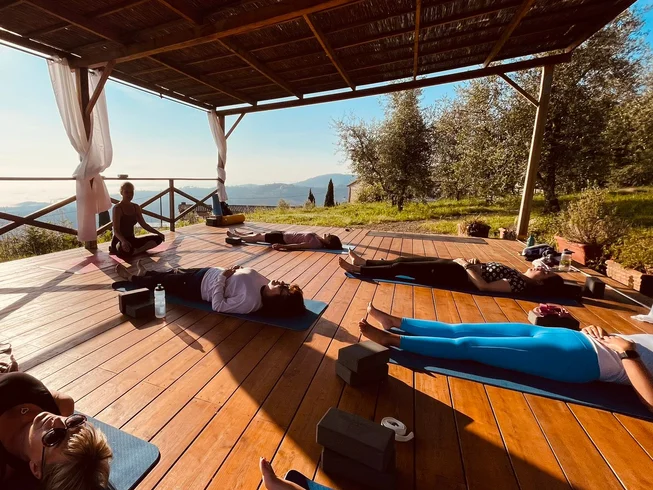

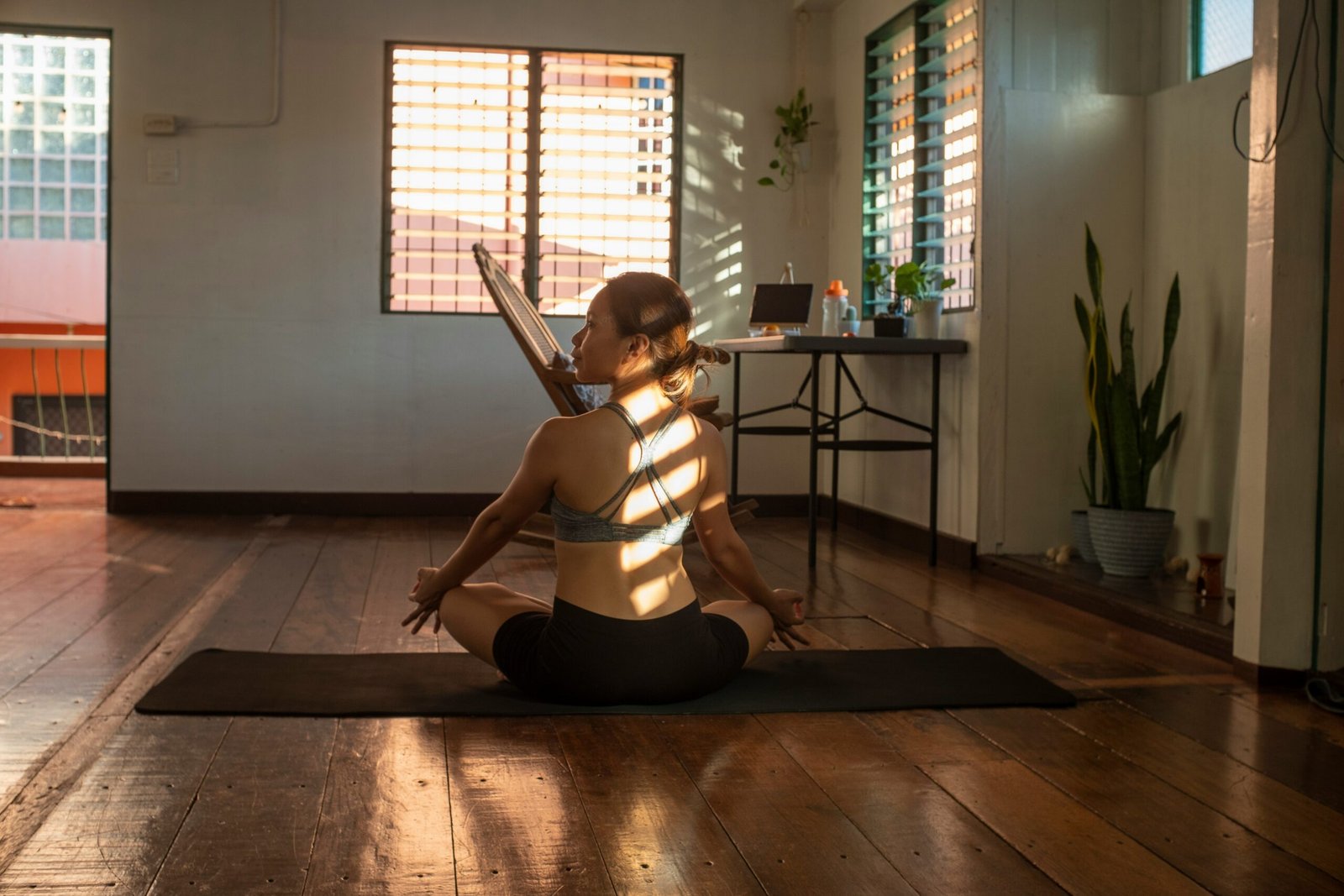
People who have attended retreats often describe a specific experience in the days after returning home: a flatness, a mild disorientation, sometimes a low-grade sadness that arrives two or three days after re-entry. Teachers and facilitators sometimes call this the “post-retreat drop,” and it’s worth understanding rather than fighting.
What’s happening is partly neurological. The retreat has shifted the nervous system toward parasympathetic dominance — the rest and restoration mode. Re-entering an environment full of demands, noise, and social complexity re-activates the sympathetic system. The contrast between the two states is what feels like loss.
It’s also partly psychological. The clarity that comes with genuine stillness and reduced stimulation allows people to see their lives more accurately — which can include things they’d rather not see. The busyness of ordinary life provides cover that a retreat strips away. Coming back to the busyness after having seen beneath it can feel like a regression.
The useful perspective is that the drop is a sign the retreat worked, not a sign it didn’t. The nervous system had genuinely shifted. The task now is not to recover the exact feeling of the retreat, but to create conditions that allow some version of it to persist.