
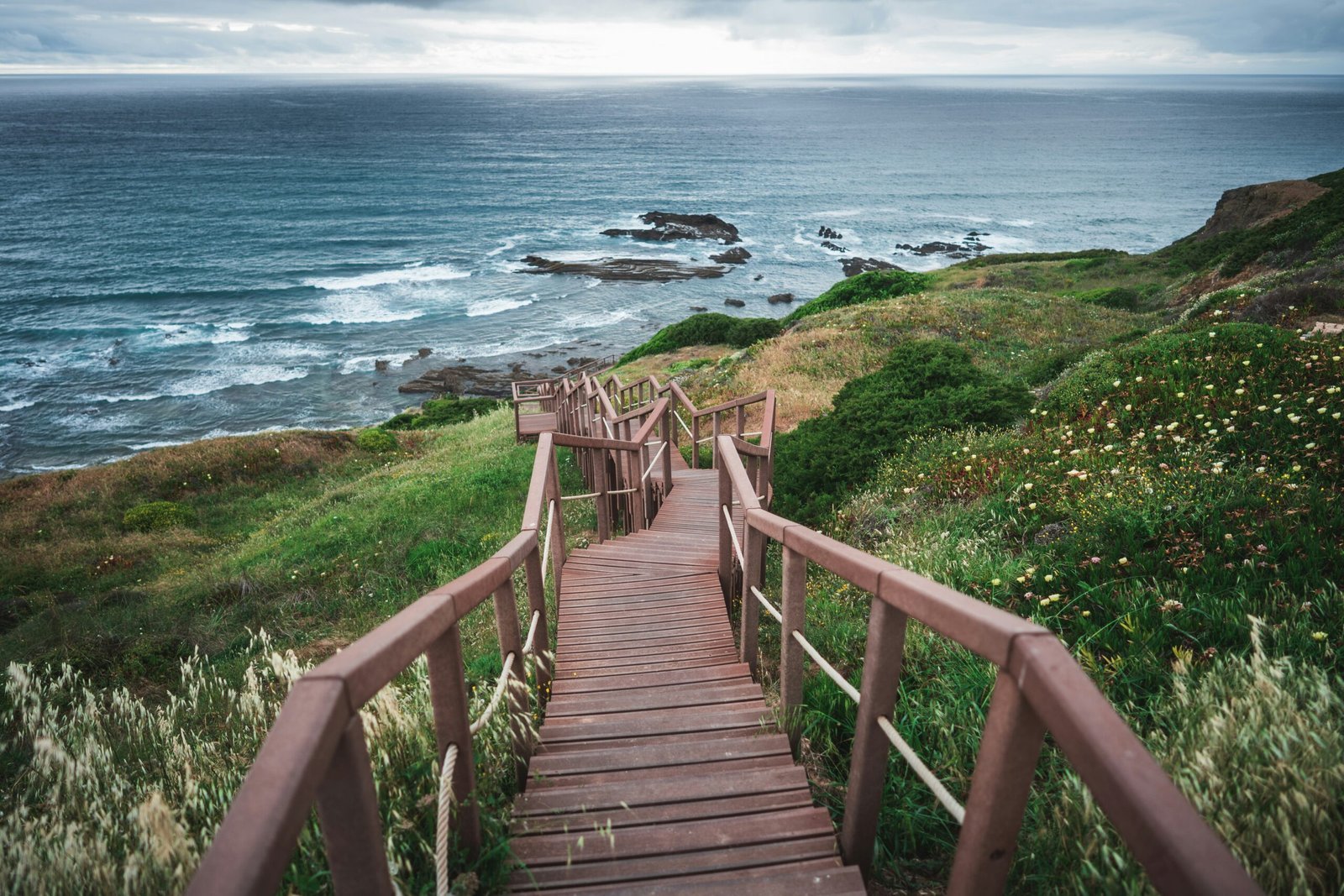
Eco yoga retreats in Portugal have grown from a niche offering into a well-established part of the country’s retreat scene. The combination of Portugal’s natural landscapes — protected coastline, cork and pine forests, river valleys, and national parks — with a genuine tradition of small-scale farming and low-impact living makes it a natural fit for retreats that take sustainability seriously.
But “eco” is a word that gets applied loosely. This article covers what it actually means in the context of a yoga retreat, which regions of Portugal host the strongest examples, and what to look for — and ask — before you book.


The term gets used across a wide spectrum. At the minimal end, it means a vegetarian menu and some recycling bins. At the serious end, it means solar or wind energy, greywater systems, food grown on-site or sourced within a tight local radius, natural building materials, and a deliberate cap on group size to limit both environmental load and the quality of the experience.
The difference matters — not primarily for ethical reasons, though those are real, but because retreats that have genuinely built their infrastructure around low-impact living tend to feel different from the inside. There’s less noise, less waste, less of the background hum of a consumption-driven operation. That quieter environment is part of what makes them effective for practice.
Specific things worth looking for when evaluating a retreat’s sustainability claims:
A retreat that can answer specific questions about any of these has thought seriously about it. One that responds with vague language about nature and intention probably hasn’t.
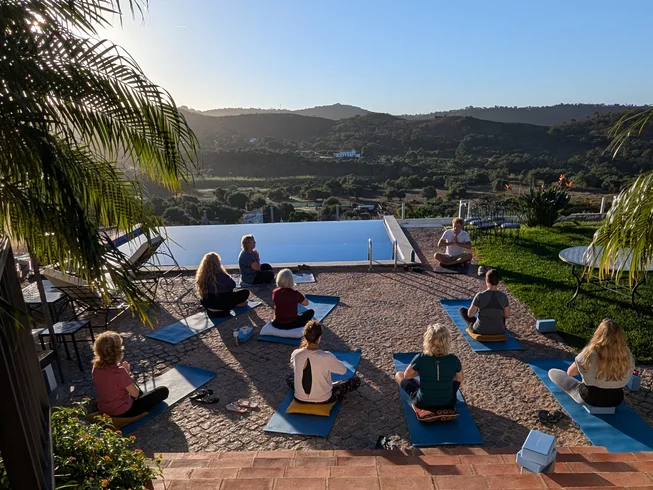
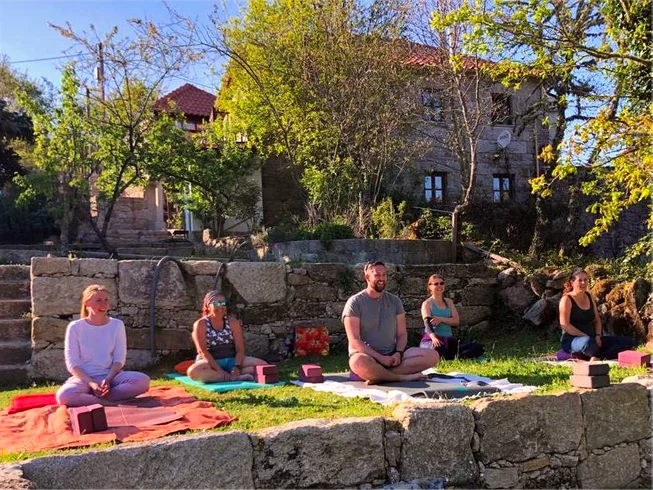
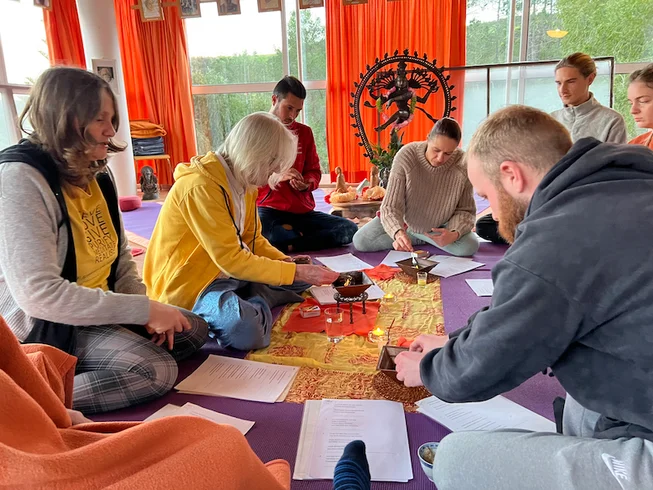
The most consistently strong region for eco retreats. The landscape — rolling plains, cork oak forests, wheat fields, vineyards — is both visually distinct and genuinely quiet. Alentejo has a long tradition of small-scale agriculture, which means local food supply chains are real rather than invented. Retreat venues here tend to be converted farmhouses (herdades) or purpose-built low-impact properties. The pace is slow by design, not marketing. See our Alentejo yoga retreats guide for what this region offers.
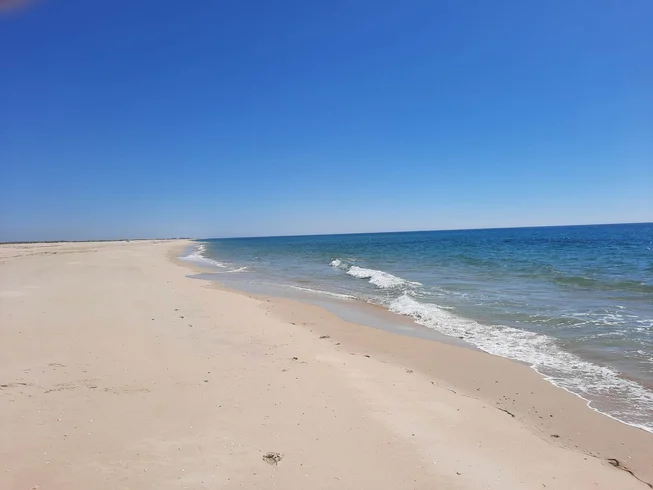
The popular resort areas of the central Algarve are not eco retreat territory. But the western Algarve — around Aljezur, Odeceixe, and the Costa Vicentina — sits within the Southwest Alentejo and Vicentine Coast Natural Park, one of Europe’s largest protected coastal areas. Retreats operating here are subject to planning constraints that function as a natural filter: only small, low-impact venues can operate. Some combine yoga with ocean conservation or coastal ecology projects. The cliffs, Atlantic exposure, and protected status give this stretch of coastline a character quite different from the tourist Algarve.
Portugal’s only national park, in the far northwest. Dense forest, waterfalls, granite peaks, and almost no development. Retreats based here work with the landscape rather than despite it — daily hikes, outdoor practice, and a real sense of wilderness. Cooler and wetter than the south, which suits people who find Mediterranean warmth overstimulating. The nature-immersion element is hard to replicate elsewhere in Portugal.
Terraced vineyards along the river, historic quintas, and a tradition of agricultural land management that sits naturally alongside sustainability-focused retreat formats. Less wilderness than Gerês, more cultivated landscape — good for retreats that combine yoga with wine, walking, and the unhurried rhythm of a working estate. Particularly strong in autumn.

The practical daily rhythm of an eco yoga retreat in Portugal typically looks like this: an early morning practice — often outdoors on a wooden deck, in a converted barn, or in an open-sided studio — before breakfast. Food is almost always communal, usually organic and seasonal, and frequently involves produce from the property itself or from a local farm within a short distance.
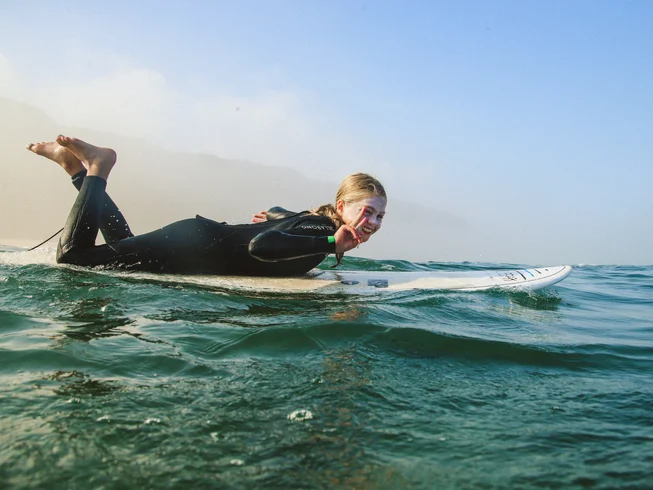
The middle of the day is usually unstructured. Walking, reading, resting, swimming in a natural pool or the sea. An afternoon session — yin yoga, meditation, or a workshop — before a shared evening meal. The absence of scheduled entertainment or distractions is deliberate and is one of the most effective features of this format.
What people consistently report after eco retreats is a recalibration of pace and sensory baseline. Sleeping earlier because it gets dark. Noticing food more because it tastes of something. Finding silence less awkward because there’s nothing competing with it. These aren’t poetic descriptions — they’re the practical outcomes of spending a week in an environment that isn’t optimised for consumption.
That recalibration tends to be durable in a way that retreat experiences in busier, more stimulating environments aren’t. The nervous system has had a genuine reference point for quiet, and it tends to remember.
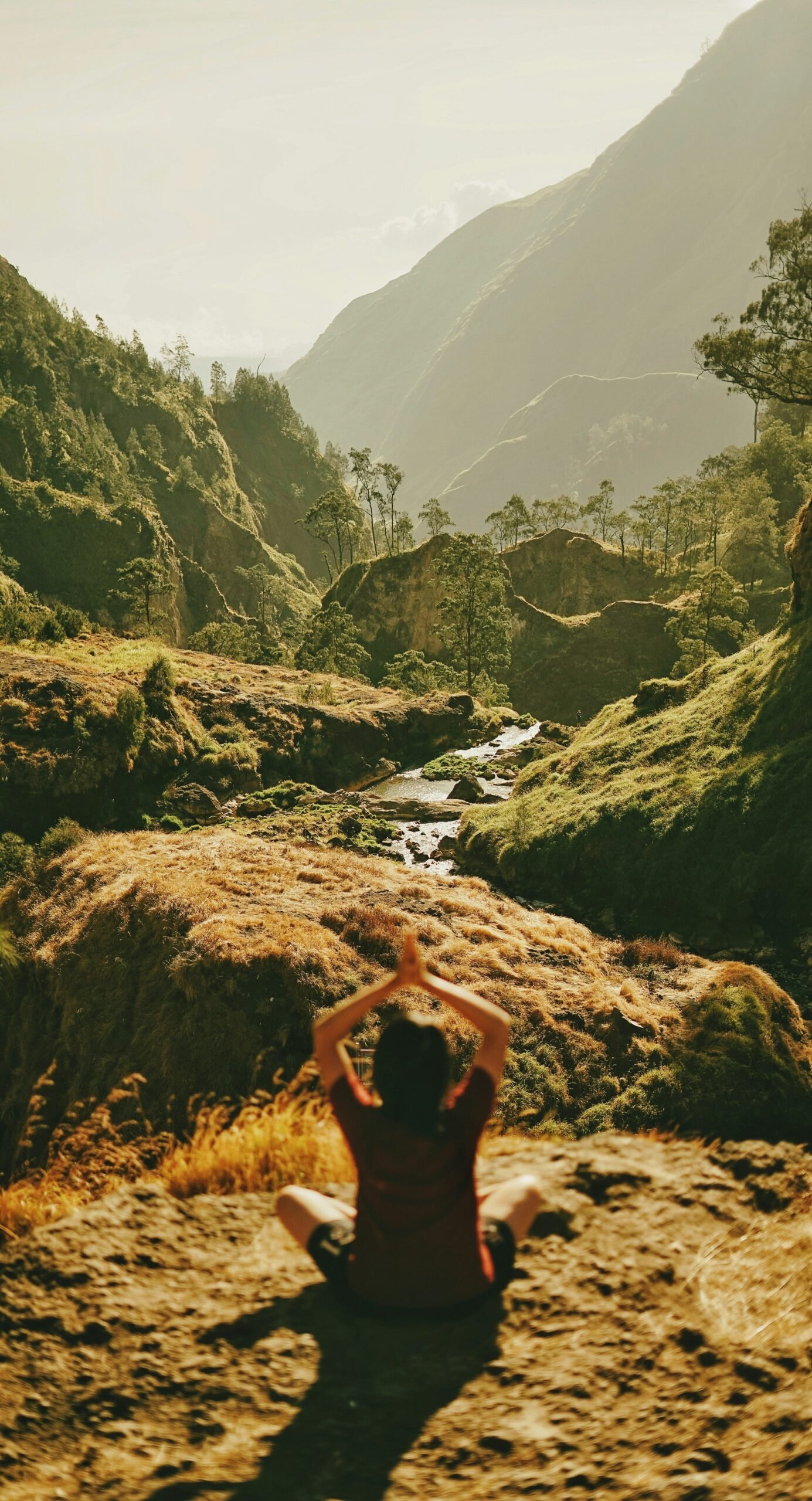
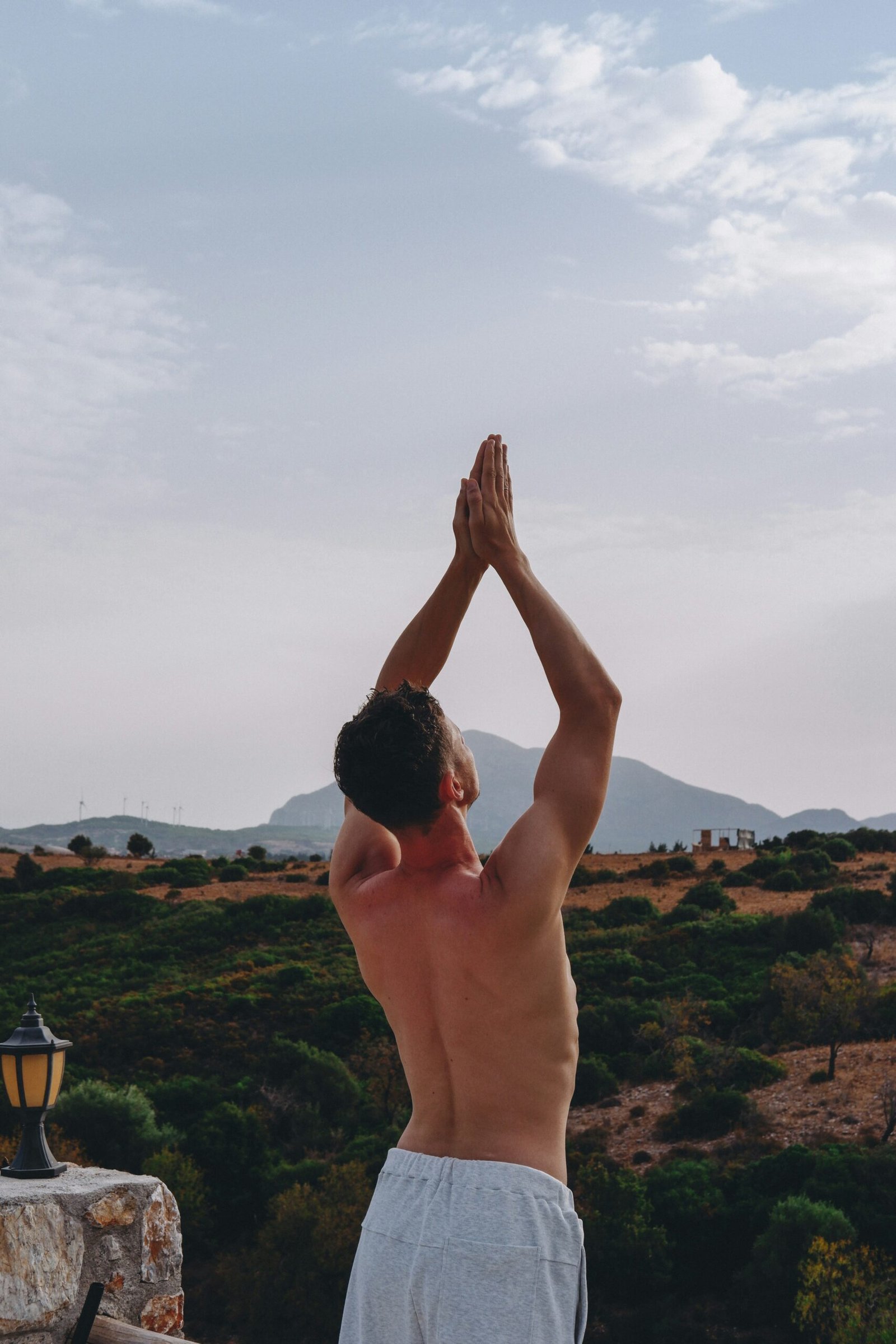
Proximity to a protected natural area is a reasonable proxy for genuine low-impact operation — planning constraints limit what can be built. The Costa Vicentina, Peneda-Gerês, and parts of the Alentejo are good starting points. Retreats operating within or adjacent to national parks and nature reserves tend to take their environmental commitments seriously because they have to.
A genuinely eco-focused retreat will describe its food supply chain specifically — not just “organic” or “plant-based” but where the produce comes from. On-site garden, named local farm, or a specific weekly market. The vaguer the description, the less thought has gone into it.
These are the least glamorous questions but the most revealing. “Do you use solar power?” and “How do you manage water in summer?” will tell you more about the operation’s actual sustainability than any marketing language. Genuine eco venues are usually happy to answer these questions in detail.
Eco retreats with more than 20 participants are pushing the limits of what “low impact” realistically means. The best programmes in Portugal run with 8–14 guests. This also directly improves the quality of the practice experience — smaller groups mean more individual attention and a quieter overall atmosphere.
Spring and autumn work best for outdoor practice and nature walks. Summer is viable but early morning sessions are essential before heat builds. Winter suits more inward-facing formats — restorative yoga, meditation, journalling — and tends to attract the smallest, quietest groups of the year.
Portugal’s eco retreat scene works because the country’s existing character supports it. The food culture is genuinely local and seasonal. The landscape is varied enough to offer real nature immersion across multiple regions. The retreat infrastructure is mature enough that you can find well-run, seriously eco-committed programmes without extensive research. And the cost, relative to equivalent operations in France or Scandinavia, remains reasonable.
Browse Om Away’s curated yoga retreats in Portugal — including nature-based and eco-focused programmes across the Alentejo, Algarve, and northern regions.
Your email address will not be published. Required fields are marked *