Before mindfulness became an industry, our grandmothers were already practicing it — kneading bread in silence, chopping vegetables slowly, stirring a sauce without looking at their phones. Cooking was never just about feeding the body. It was one of the oldest forms of presence we had. Somewhere along the way, we lost that.
Mindful cooking isn’t a technique or a lifestyle trend. It’s simply the practice of being fully present while you prepare food — noticing what you’re doing, what you’re touching, what you’re smelling, rather than rushing through the task to get to the result.
It draws on the same principles as mindfulness meditation: non-judgmental attention to the present moment, awareness of sensation, and a deliberate slowing of pace. The difference is that you don’t need a cushion or a quiet room. You need a kitchen and the willingness to actually be in it.
For people whose minds are rarely still — whose days move from screen to meeting to commute and back — cooking offers something rare: a task that demands physical presence and rewards sensory attention. You can’t chop an onion while mentally writing an email. The knife requires you to show up.
There’s solid physiological reasoning behind why cooking feels calming when done slowly and intentionally.
Repetitive, rhythmic manual tasks — chopping, kneading, stirring — activate the parasympathetic nervous system, the branch responsible for rest, digestion, and recovery. This is the same system that meditation, breathwork, and slow movement target. The body doesn’t particularly care whether you’re on a yoga mat or standing at a kitchen counter; what it responds to is the rhythm and the absence of urgency.
Research published in the Journal of Positive Psychology found that people who engaged in small, everyday creative activities — cooking included — reported higher levels of positive affect and a greater sense of flourishing the following day. Cooking, in other words, isn’t just a stress relief mechanism. It’s a mood-building one.
There’s also the question of control. In a world where most stressors feel large and abstract — workload, relationships, the news — cooking gives you a concrete, finite task with a clear beginning, middle, and end. You start with ingredients. You finish with a meal. That closure is genuinely restorative for an overstimulated brain.
The more you notice, the more your nervous system shifts into a state of calm.
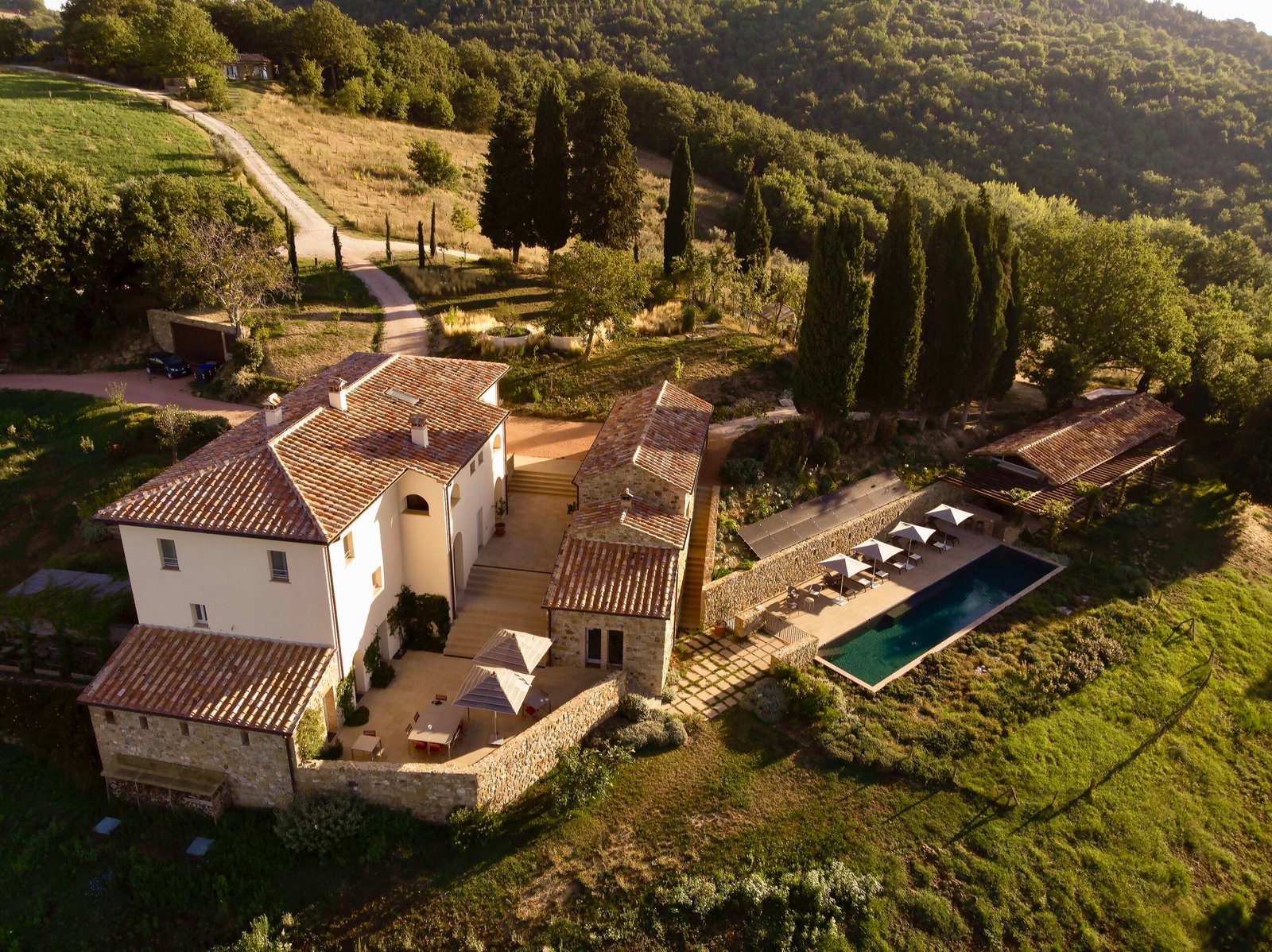
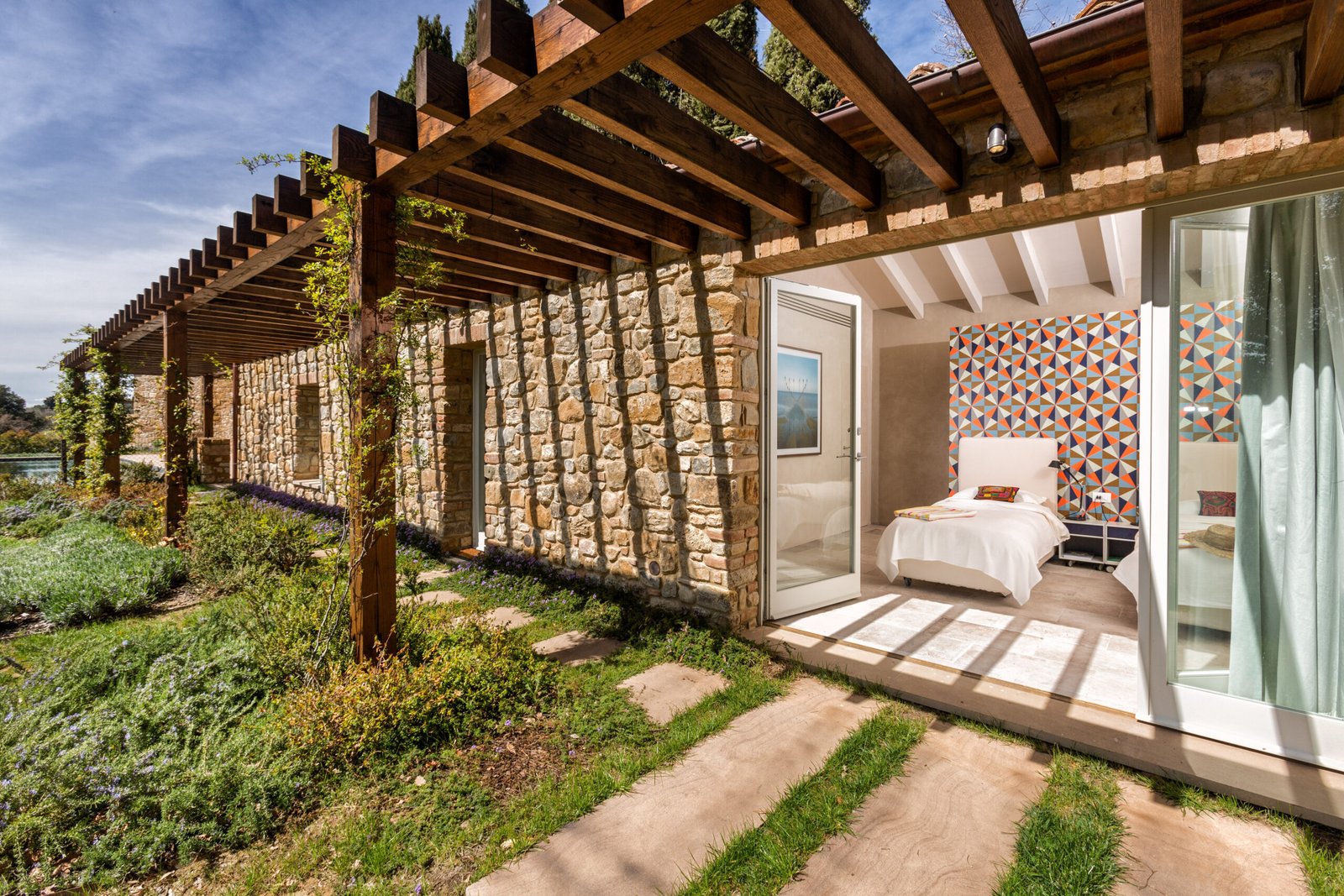
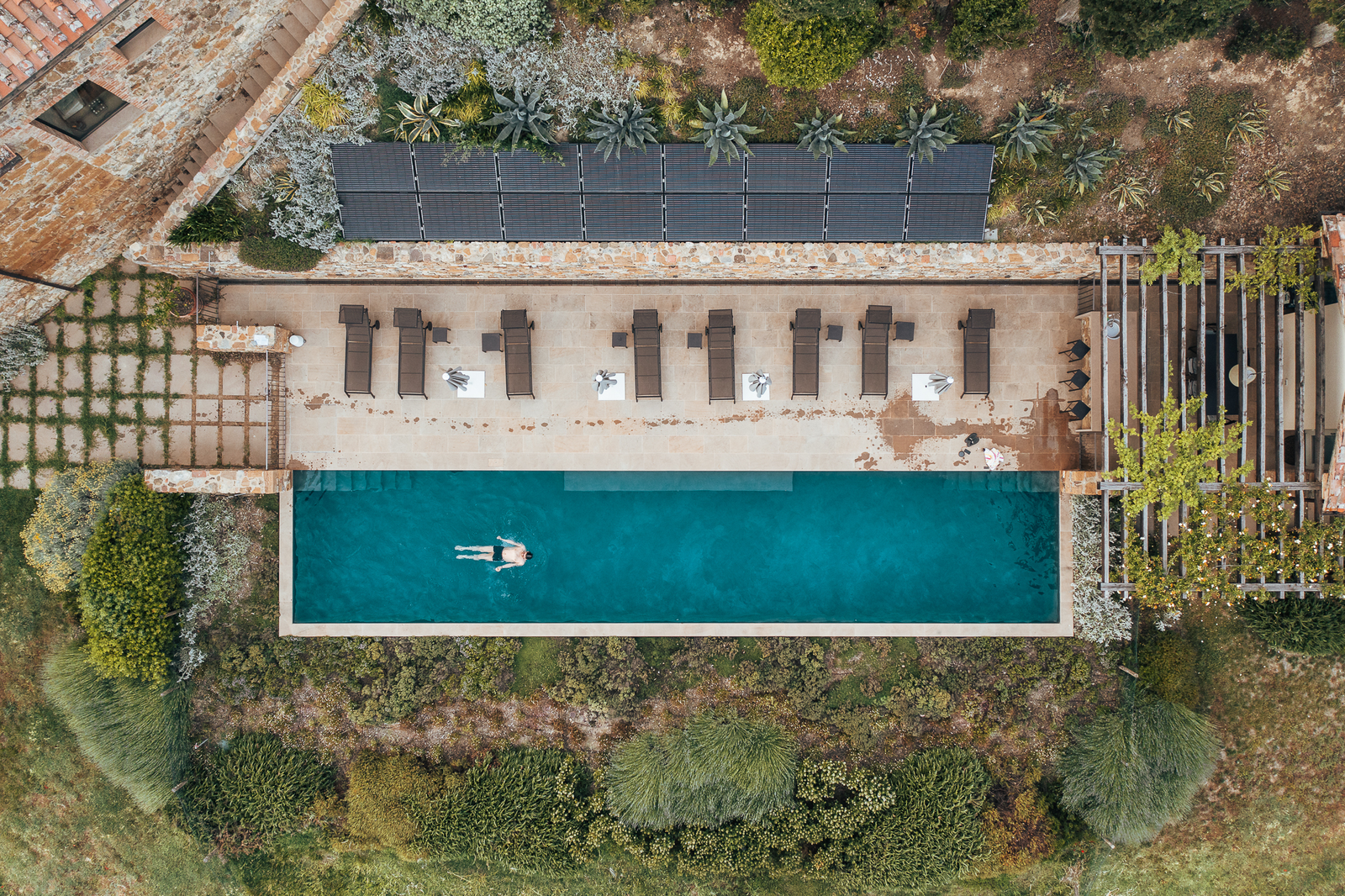
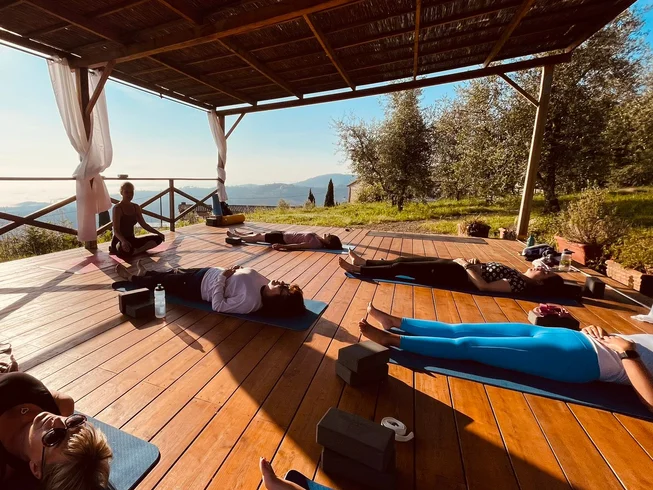
If you want to experience this kind of food-centred practice in a structured setting, our yoga and food retreats in Greece and wellness retreats in Italy combine cooking workshops with daily practice.
You don’t need to overhaul your kitchen routine. Small shifts in attention make the difference.
Start by removing the distractions. No podcast, no TV in the background, no phone on the counter. This feels uncomfortable at first — silence often does, for people who aren’t used to it. Stay with it. What fills the space is exactly what you’re looking for: the sound of oil heating, the smell of garlic hitting the pan, the weight of a knife in your hand.
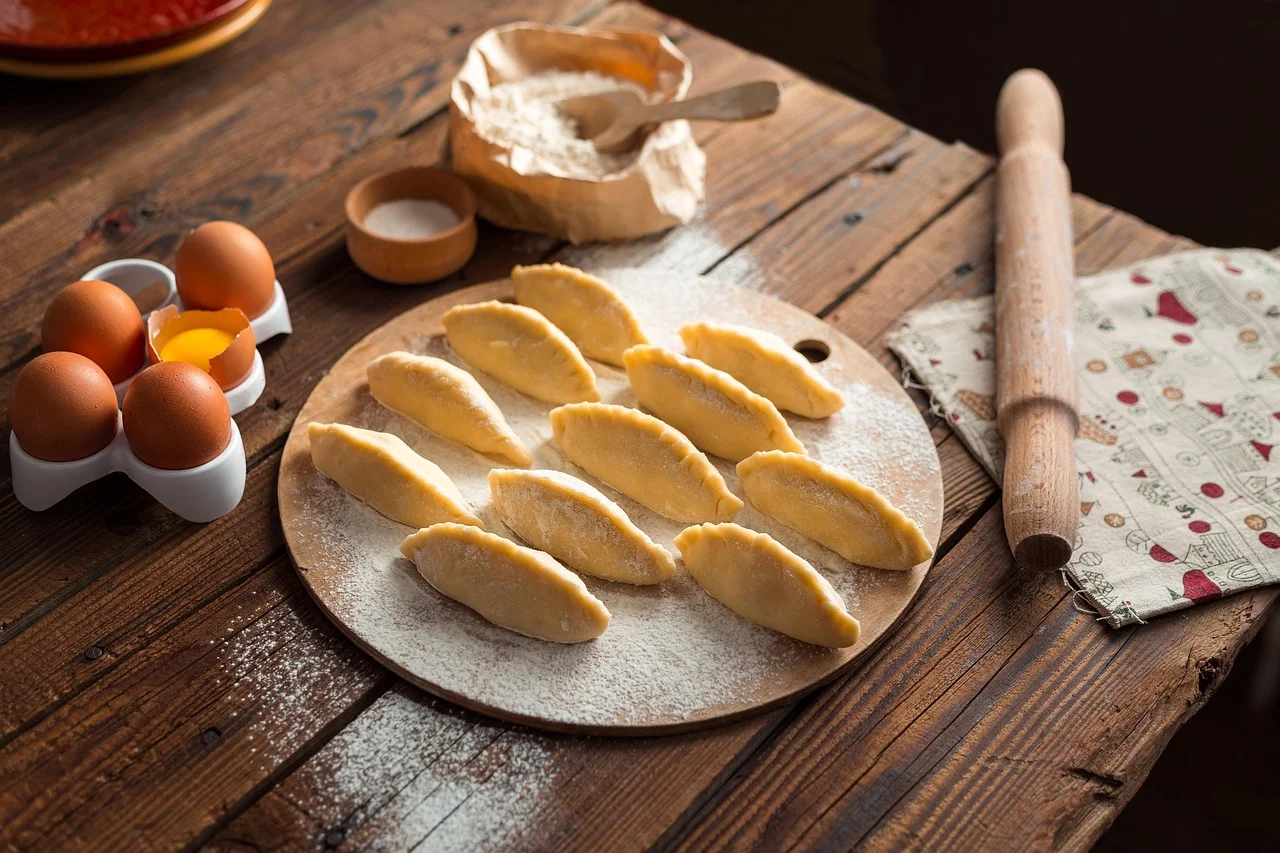
Slow your movements deliberately. Chopping doesn’t need to be efficient. Let it be rhythmic. Notice the resistance of a carrot, the way a tomato gives under the blade. These aren’t obstacles to the meal — they are the meal, in the making.
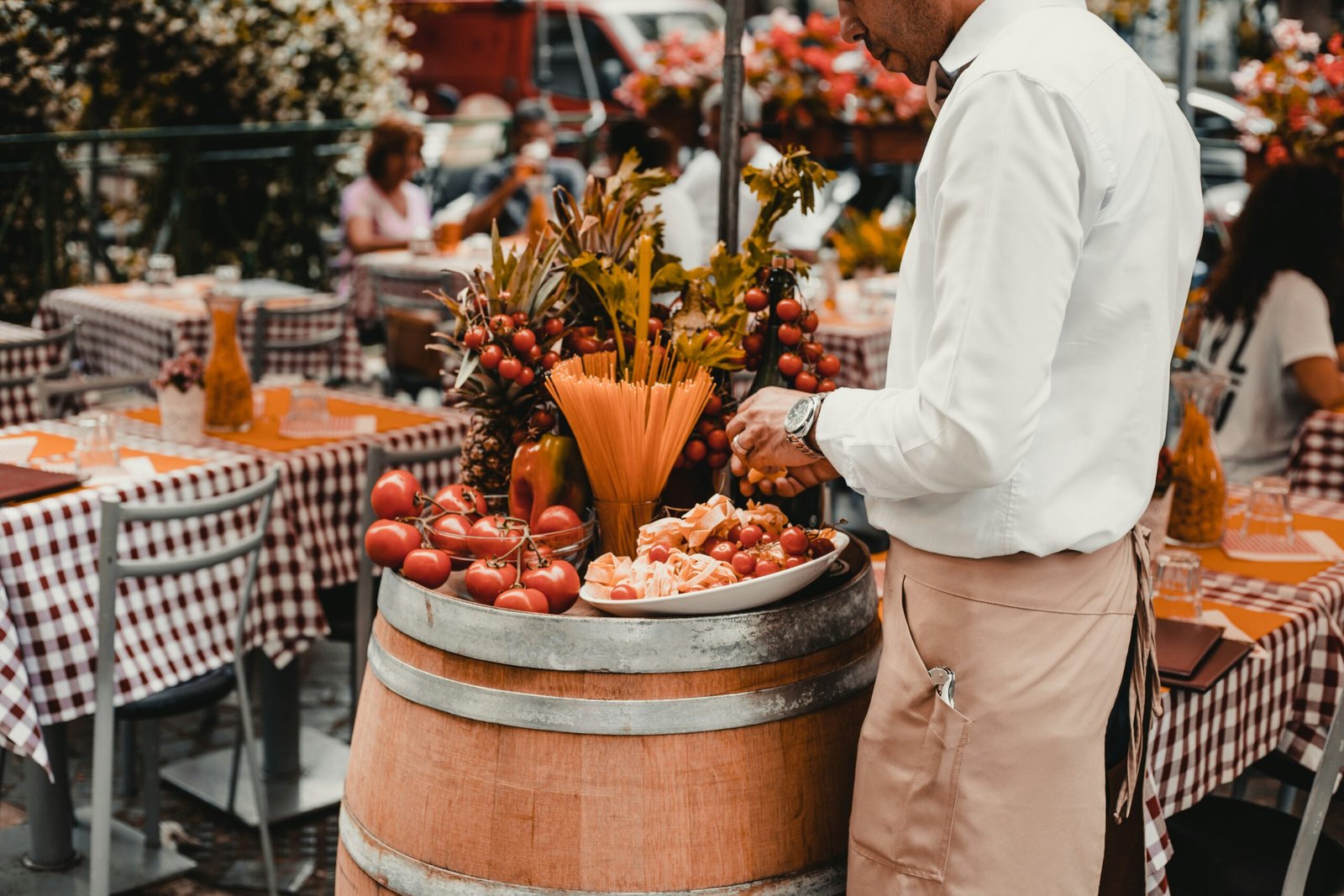
Engage all five senses as you cook. What does the dough feel like under your palms? What does the change in smell tell you about when the onions are ready? Cooking is one of the few activities that naturally involves every sense simultaneously — most of us just aren’t paying attention.
Finally, resist the urge to multitask. Cooking one thing at a time, when possible, deepens the experience considerably. A simple pasta made with full attention will nourish you more than a complex meal assembled on autopilot.
It’s not a coincidence that the cultures most associated with longevity and wellbeing — Italian, Japanese, Mediterranean in general — are also cultures where food preparation is treated as something worthy of time and attention.
In Italy, the Sunday lunch isn’t just about eating. It’s a ritual that structures the week, anchors family relationships, and creates a guaranteed pause from the pace of everything else. The Slow Food movement, founded in Italy in 1989, was a direct political response to the encroachment of fast food culture — a declaration that how food is grown, prepared, and eaten matters as much as what it is.
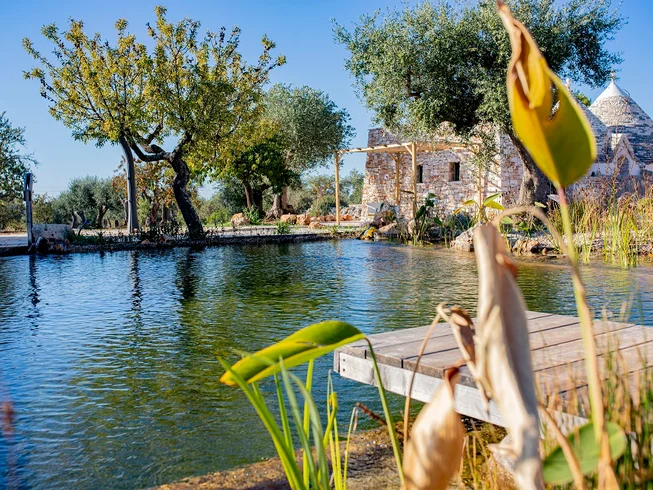
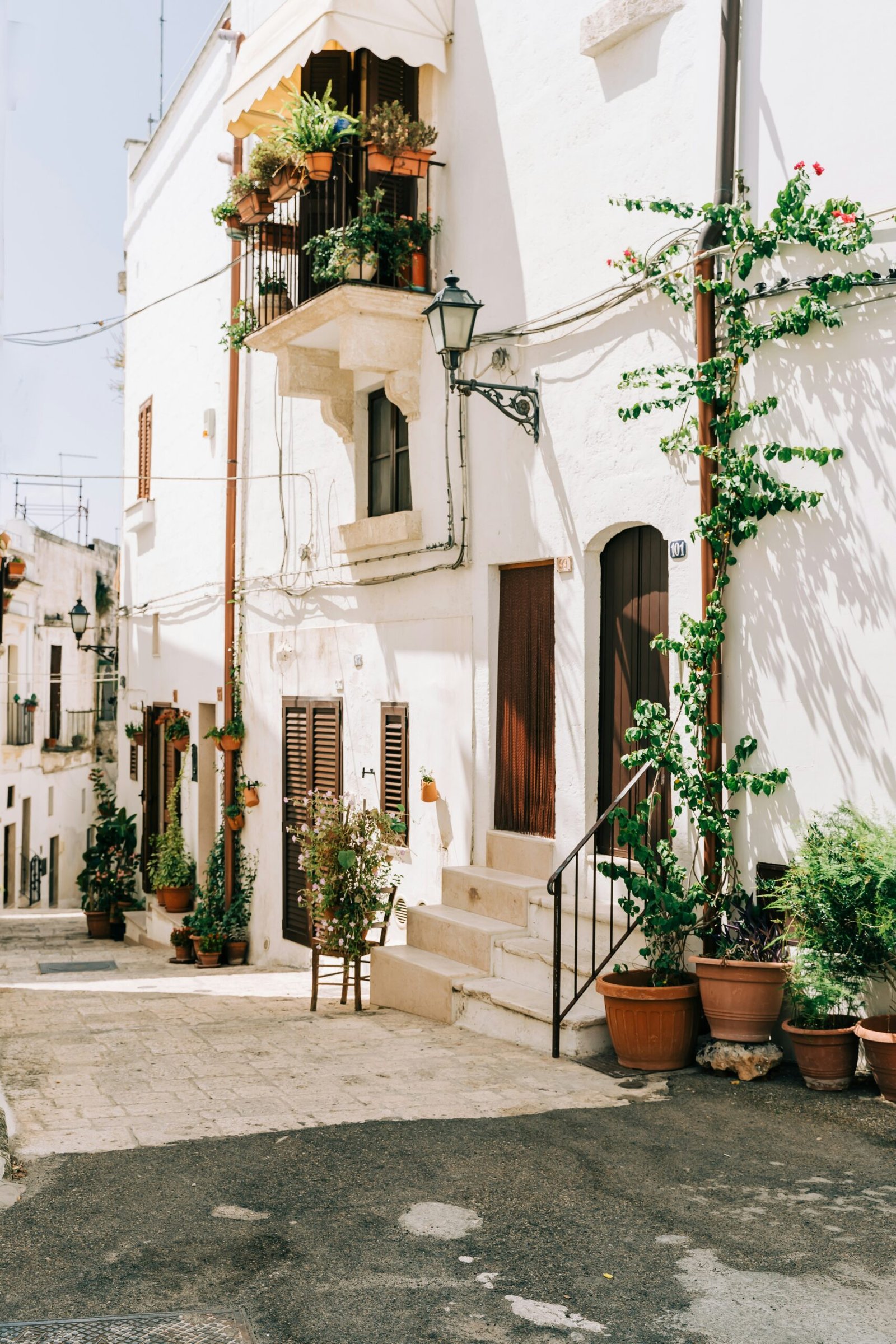
This philosophy is lived most viscerally in places like Tuscany and Puglia, where the relationship between land, ingredient, and table is still intact. Cooking from a market in Florence or a garden in the Salento isn’t just pleasant — it’s a completely different cognitive and sensory experience from supermarket convenience.
The ingredient has a story. The preparation has a pace. The meal has weight.
Your email address will not be published. Required fields are marked *