march is the best time for a yoga retreat in spain

Best Time to Visit Spain for a Yoga Retreat — Season by Season

Spain is unusual among European retreat destinations in that it genuinely works in every month of the year — the question is where to go and what format to choose, not whether it’s viable. The Canary Islands maintain spring-like temperatures through January; the northern Atlantic coast is at its best in autumn when the rest of Spain is still recovering from summer heat; Andalusia and the Balearics suit the widest range of seasons.

This guide breaks down what each season offers, which regions work best when, and what the practical differences — availability, pricing, crowds, outdoor conditions — actually mean for a retreat week.

AUTHOR

Om Away

DATE PUBLISHED

January 16, 2026

CATEGORY

Share This Article

Best Time to Visit Spain for a Yoga Retreat

Timing changes everything.
The same mountain trail feels alive and fragrant in May, still and introspective in November. Spain is one of those rare places where yoga and the rhythm of the seasons naturally align — a country whose light and geography shift enough to transform the practice itself.

Choosing the best time for a yoga retreat in Spain isn’t only about weather; it’s about energy. Spring invites renewal, summer expands your senses, autumn slows the pace, and winter draws you inward. Every season carries a different lesson — the kind you can only absorb through presence.
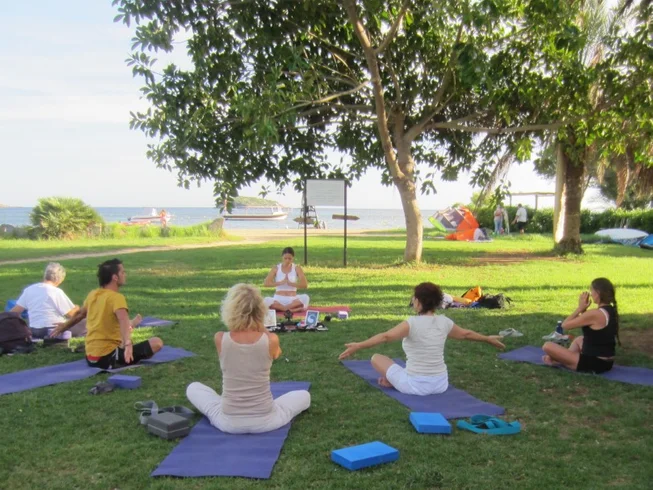
8 Day Private Individual Yoga Holiday in Ibiza, Spain

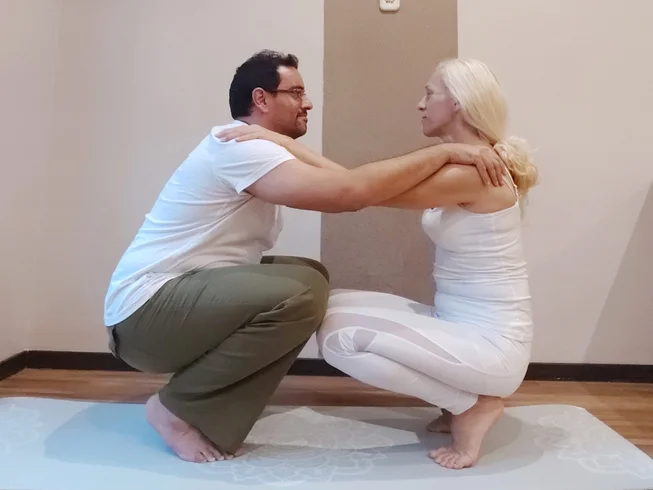
5 Day Private Reconnect Couples Retreat in Benalmádena, Province of Málaga, Spain

8 Day Yoga and Hiking in the Heart of Tramuntana, Spain

6 Day Mediterranean Beach Yoga Holiday in Valencia, Spain

4 Day Chakra Bliss Yoga Retreat with Hike to Waterfalls and Good Food near Barcelona, Spain

mindfulness nature

Vegan Yoga retreat, Alicante, Spain

Spring (March–May): the most consistently good window

What spring offers

Spring is the season most experienced retreat travellers recommend for Spain, and for consistent reasons. Temperatures across most of the country sit between 18 and 24°C — warm enough for outdoor morning practice without the midday heat that forces sessions indoors in summer. The landscape is at its most varied and green, particularly in Andalusia where almond and orange blossom give way to wildflowers through April and May. Crowds are well below summer levels, prices are mid-range, and retreat availability is good with reasonable advance notice.

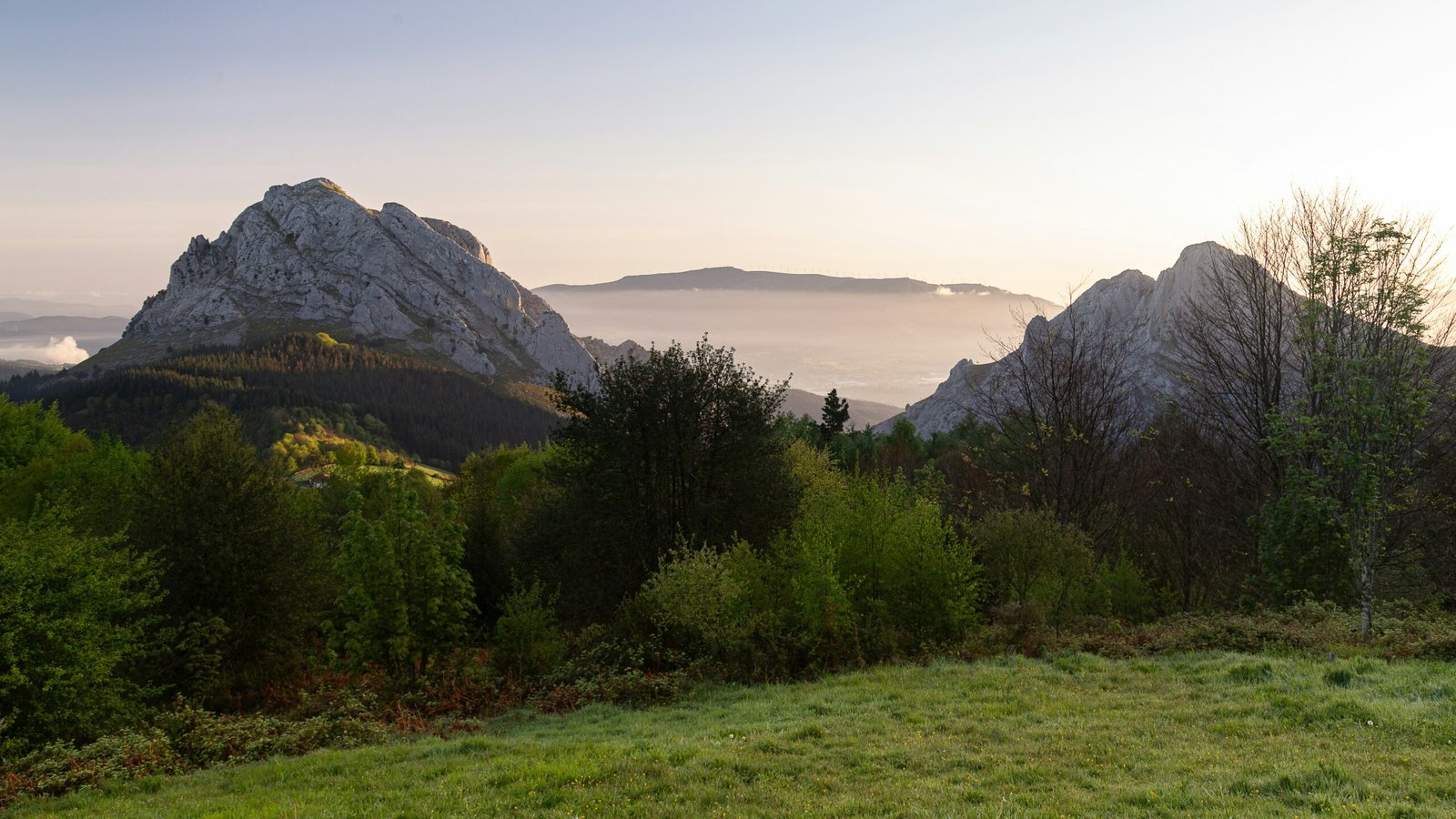
The Balearic Islands (Mallorca, Ibiza) are particularly strong in spring — the natural parks are green, the sea is swimmable from late May, and the infrastructure is active without being overcrowded. Andalusia’s Alpujarras are exceptional in April with wildflowers covering the mountain slopes. Catalonia and the Costa Brava suit longer hiking-and-yoga programmes in May before summer tourism arrives.

One caveat: Semana Santa (Easter week) compresses travel and accommodation across Spain significantly. If your dates overlap, book further ahead than usual or choose a retreat venue away from tourist towns.
 

Best regions in spring

Andalusia (Alpujarras, Tarifa), Mallorca, Ibiza, Costa Brava, Sierra de Guadarrama
 

Best formats in spring

Most formats work — hiking-and-yoga, detox, surf-and-yoga, coastal wellness. The most versatile season.

Summer (June–August): coastal and elevated venues only

What summer offers

Summer in Spain is hot — genuinely, seriously hot in inland areas. Madrid, Seville, and central Spain regularly reach 38–42°C in July and August. Outdoor yoga practice at midday is not viable at lower altitudes, and retreat schedules in summer shift accordingly: sessions at 7am and again after 7pm, with a long midday pause that follows the local rhythm.

Where summer genuinely works: the coast and islands, where sea breezes keep temperatures manageable (28–32°C rather than 40°C); the northern Atlantic coast (Cantabria, Asturias, Basque Country), where Atlantic influence keeps temperatures in the low-to-mid 20s even in August; and elevated locations like the Sierra de Guadarrama or the Alpujarras above 1,000 metres, where it’s consistently 5–10°C cooler than the surrounding plains.

The trade-off is availability and price. Summer is the most expensive and most competitive season for retreat bookings in Spain. Popular venues fill by March or April. If summer is your only option, book early and confirm the venue’s summer schedule specifically — a retreat that runs beautifully in October may have a significantly compressed programme in August.


Best regions in summer

Northern Atlantic coast, Ibiza north, Mallorca Tramuntana, Tarifa, Canary Islands, elevated inland venues
 

Best formats in summer

Surf-and-yoga, coastal wellness, active formats. Not suited to intensive daily practice in heat without altitude or coastal positioning.
Ask any retreat venue you’re considering in summer: what does your daily schedule look like in July/August? The answer reveals whether they’ve thought seriously about the heat or are running the same programme regardless of season.

Autumn (September–November): the underrated sweet spot

What autumn offers

September and October are, by most measures, the best months for a yoga retreat in Spain. The summer heat has passed, prices drop noticeably from August levels, crowds thin significantly, and the quality of light — warm and golden rather than blazing — changes the character of the landscape and the outdoor practice within it.

Sea temperatures along the Mediterranean and Atlantic coasts peak in September (22–25°C) and remain swimmable into October in most areas. The Balearics and Canaries retain summer warmth without summer congestion. Inland Andalusia — the Alpujarras, the Serranía de Ronda — takes on a golden quality in October that’s genuinely exceptional for outdoor practice. The northern Atlantic coast begins to see stronger swells from October, which suits surf-and-yoga programmes and intermediate surfers specifically.

November is more variable. The south and islands remain mild and largely dry. The north gets wetter and the mountains cool considerably. But for the right format — restorative, meditation-focused, or contemplative — November in southern Spain has a particular quality of quiet that’s harder to find in the more visited seasons.
 

Best regions in autumn

All regions work — Andalusia and Balearics are exceptional; northern coast excellent for surf from October
 

Best formats in autumn

All formats, but particularly detox, longer immersions, and surf-and-yoga. The most programme-rich season.
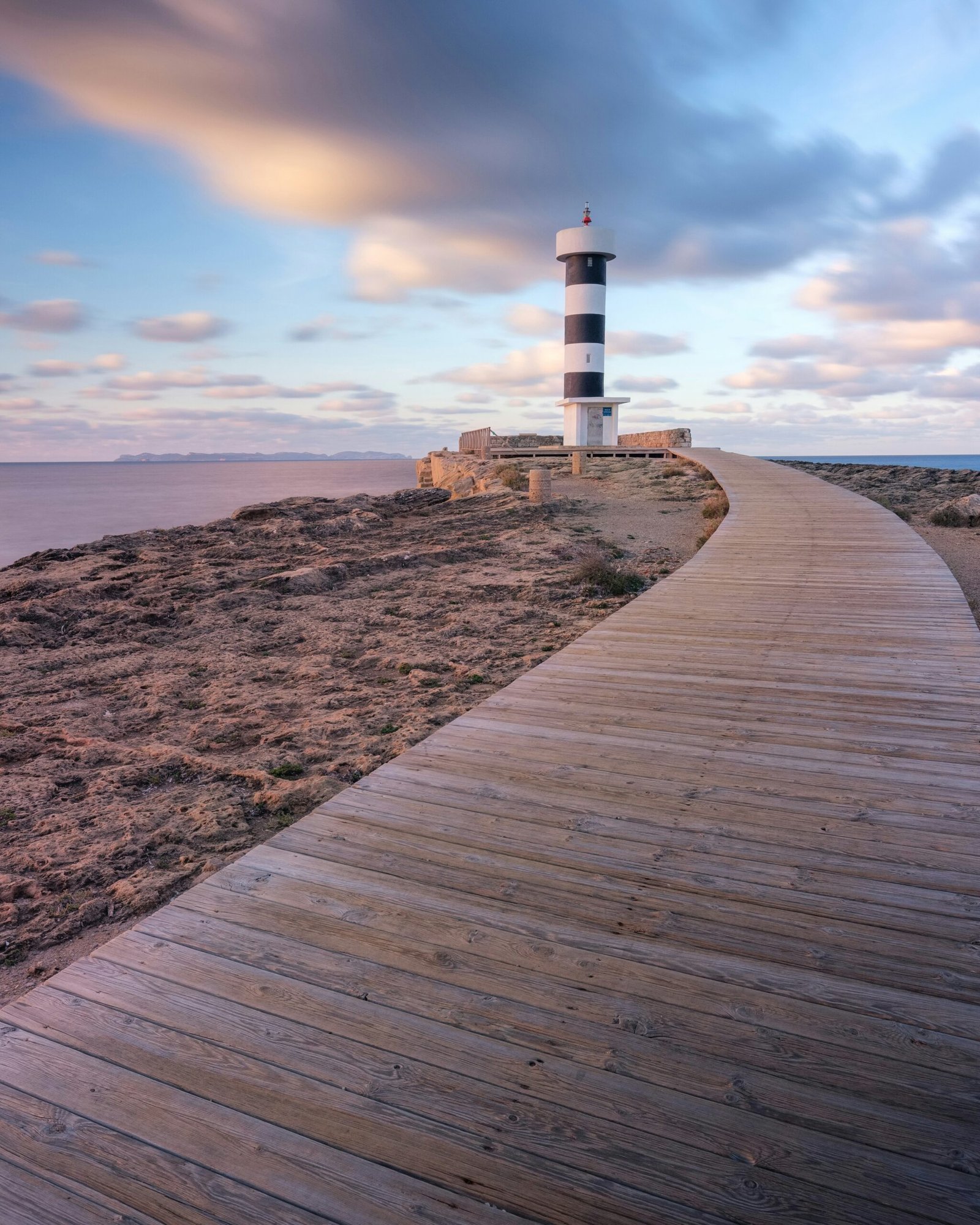
spain coastline at sunrise with calm sea and soft morning light
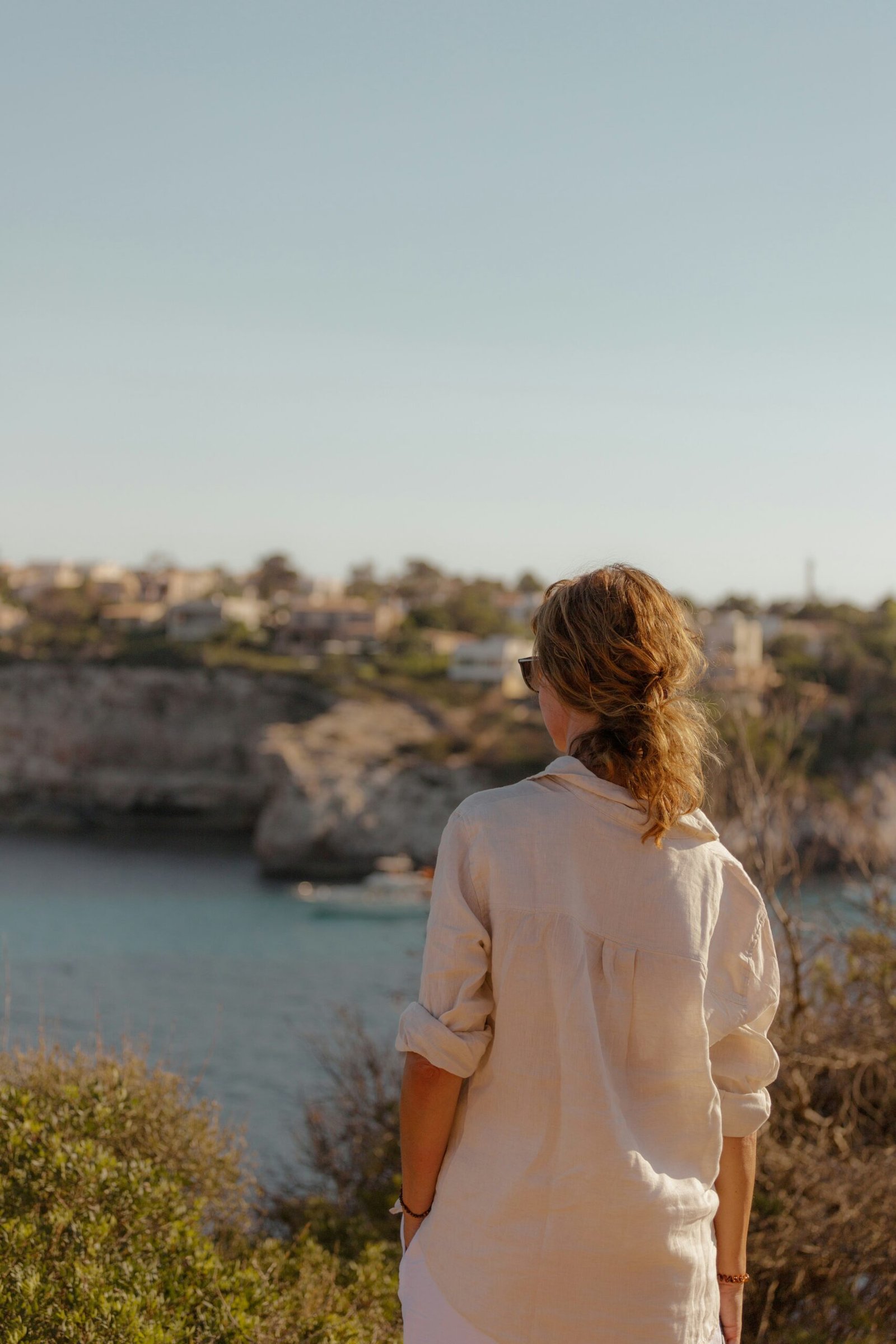
person practicing yoga at sunrise in mallorca spain

Winter (December–February): south and islands only

What winter offers

Winter in Spain divides sharply by geography. The north — including Madrid, Barcelona, Galicia, and the Pyrenean regions — is cold, wet, and not well-suited to retreat travel unless you specifically want a mountain winter format. The south and the islands are a different story.

The Canary Islands in January average 20–22°C with consistent sunshine and year-round Atlantic swells. They’re the most reliable winter retreat destination in Spain and, for northern Europeans escaping cold and grey, arguably the most straightforward wellness decision available. Fuerteventura, Lanzarote, and Gran Canaria all have established retreat infrastructures that run full winter programmes.

On mainland Spain, Málaga, the Algarve side of Andalusia, and the western Alpujarras stay mild in winter — average highs of 15–18°C, regular sunshine, and significantly reduced tourist pressure. Granada in January has snow on the Sierra Nevada visible from warm city streets; the Alpujarras villages above the city are cold at altitude but stunning with snow. Seville and Cádiz province are the mildest mainland options, with winters that feel closer to a northern European spring.

Winter retreat groups are small — typically the smallest of the year — prices are lowest, and the atmosphere is the most intimate. Teacher trainings and longer immersive formats dominate the winter calendar at many established venues precisely because the quieter season suits that depth of commitment.

Best regions in winter

Canary Islands (best overall), Málaga coast, Cádiz province, western Alpujarras — avoid the north and interior
 

Best formats in winter

Restorative, meditation, teacher trainings, digital detox, and longer immersive programmes. Smallest groups, lowest prices.

Quick reference: region by season

  • Andalusia — spring and autumn best; summer viable in the mountains and on the western coast; winter mild in the south
  • Balearic Islands (Mallorca, Ibiza) — spring and autumn ideal; summer busy and expensive; winter quiet with a small retreat scene active
  • Canary Islands — year-round, strongest in winter when mainland Spain is cold
  • Northern Atlantic coast — summer is the warmest and most accessible; autumn for surf; spring for hiking-and-yoga; winter for committed surfers and restorative formats
  • Madrid hinterland (Guadarrama, Gredos) — spring and autumn best for hiking-and-yoga; summer viable at altitude; winter suits restorative and snow-based formats
  • Catalonia and Costa Brava — spring and early summer before peak tourist season; autumn for hiking and cultural depth

Practical notes before booking

  • Booking lead time: summer (June–August) requires 3–4 months advance booking for popular venues. Spring and autumn, 6–8 weeks is usually sufficient. Winter has the most availability at short notice.
  • Price variation: low season (November–March, excluding Canaries in high demand) brings 20–30% lower prices at most venues. Shoulder season (April–June, September–October) offers the best value-to-experience ratio.
  • Airports: Madrid (MAD) and Barcelona (BCN) connect to all domestic regions. Málaga (AGP) for Andalusia; Palma (PMI) for Mallorca; Ibiza (IBZ); Las Palmas (LPA) or Fuerteventura (FUE) for the Canaries. All have year-round international connections, with seasonal routes expanding significantly from April.
  • Semana Santa: Easter week causes significant travel compression nationwide. Avoid it unless your retreat venue is remote and self-contained.


If you have flexibility, aim for September or October. You get the warmth of summer without the crowds or the price, sea temperatures that are still good for swimming, and the widest range of retreat formats running at full capacity. Spring (April–May) is the best alternative. If you’re tied to school holidays, summer works on the coast and at altitude — book early. For winter, the Canary Islands are the clearest choice.

Browse Om Away’s curated yoga retreats in Spain — filtered by region, duration, and format across all seasons.

FAQs: Best Time to Visit Spain for a Yoga Retreat

1. What is the best time to visit Spain for a yoga retreat?
September and October offer the best overall conditions — post-summer quiet, warm sea temperatures, lower prices than peak season, and the widest range of active retreat programmes. Spring (April–May) is the best alternative for similar reasons. Both seasons avoid the heat and crowds of summer while retaining good weather across most regions.
2. Is spring or autumn better for a yoga retreat in Spain?
Both are strong, and the choice often comes down to personal preference and format. Spring is better for hiking-and-yoga, detox, and renewal-focused programmes — the landscape is at its most varied and green. Autumn is slightly better for coastal retreats (warmer sea), surf-and-yoga (stronger swells from October), and longer immersive programmes. Prices and crowds are similar in both seasons.
3. Are summer yoga retreats in Spain worth it?
Yes, with caveats. Summer works well on the coast, in the northern Atlantic region (cooler climate), at altitude in the mountains, and in the Canary Islands. It does not work well for outdoor intensive practice in inland lowland Spain, where temperatures regularly exceed 38°C. Check the venue’s summer schedule specifically — the best programmes adjust their timetable to the heat; the less careful ones don’t.
4. Where should I go in Spain for a winter yoga retreat?
The Canary Islands are the strongest winter option — year-round warmth around 20°C, consistent sun, and well-established retreat programmes that run specifically through winter. On mainland Spain, the Málaga coast, Cádiz province, and western Andalusia stay mild (15–18°C). Avoid the north and interior in winter unless the retreat is specifically designed for cold-weather formats.
5. How far in advance should I book a yoga retreat in Spain?
For summer (June–August), book 3–4 months ahead — popular venues fill quickly. For spring and autumn, 6–8 weeks is typically sufficient, though earlier is always safer for specific venues or formats. Winter has the most availability and can usually accommodate shorter lead times. The Canary Islands are an exception: winter demand is high from northern Europeans, so book further ahead for January–February.
6. Which regions in Spain are best for yoga retreats?
Andalusia is the most versatile — it works across most seasons and offers the widest range of formats and settings (mountains, coast, countryside). The Balearics (Mallorca, Ibiza) are strongest in spring and autumn. The Canary Islands are the best year-round and winter option. The northern Atlantic coast is best for surf-and-yoga from autumn through spring. The Madrid hinterland works year-round for short escapes and hiking-and-yoga combinations.

Share Your Thoughts

Your email address will not be published. Required fields are marked *

Leave a Reply

Your email address will not be published. Required fields are marked *