

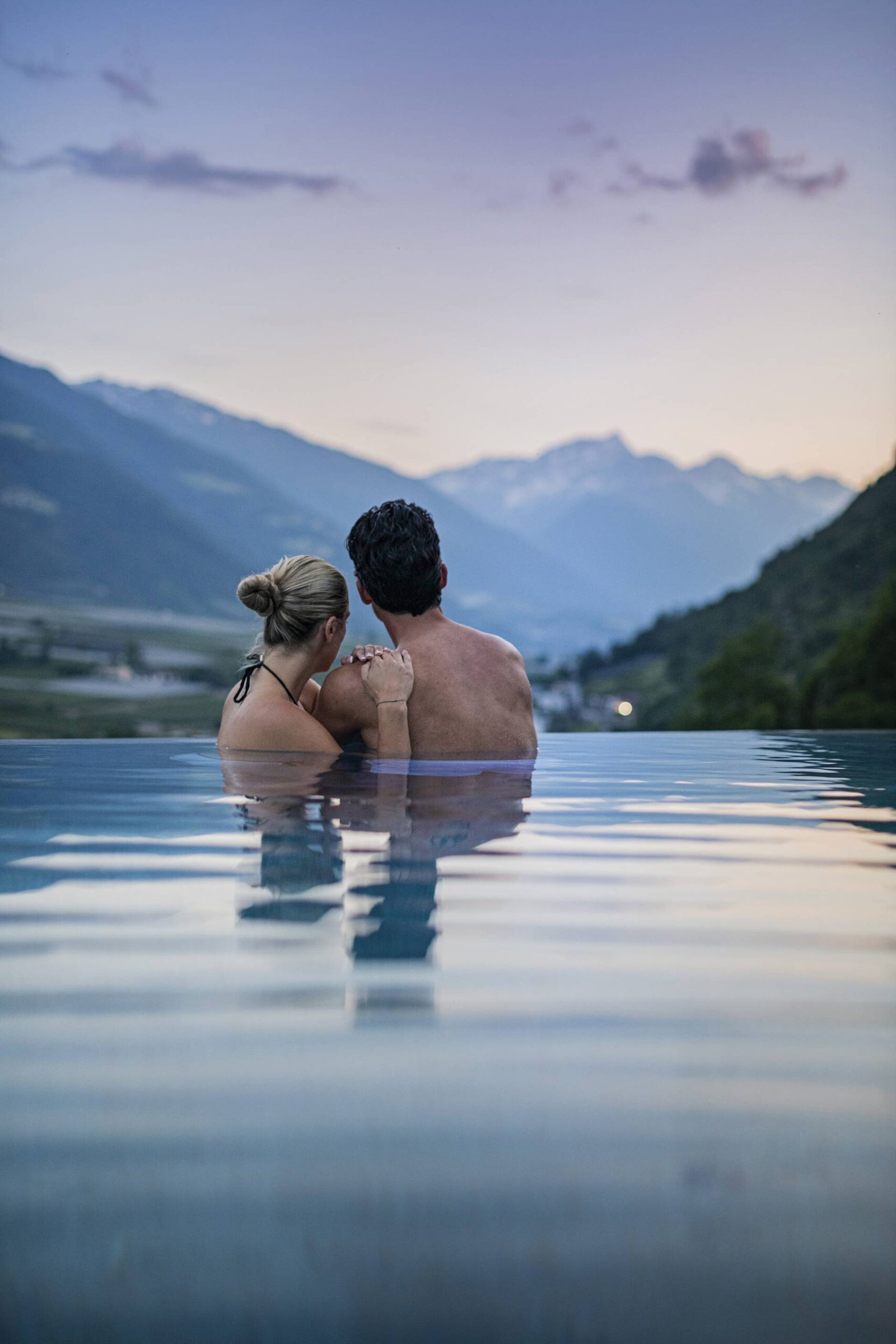
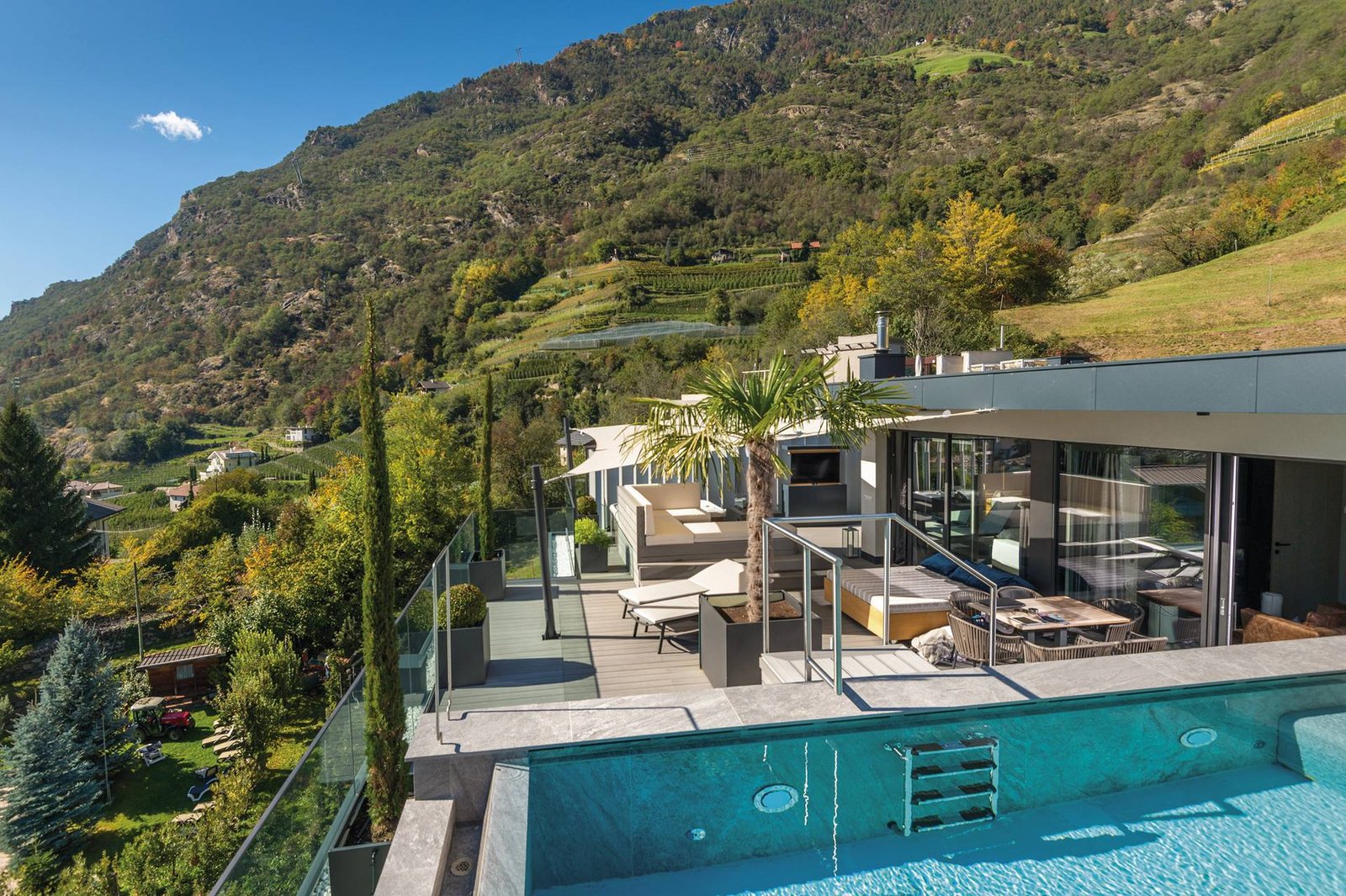
The Dolomites: Still the Best Answer
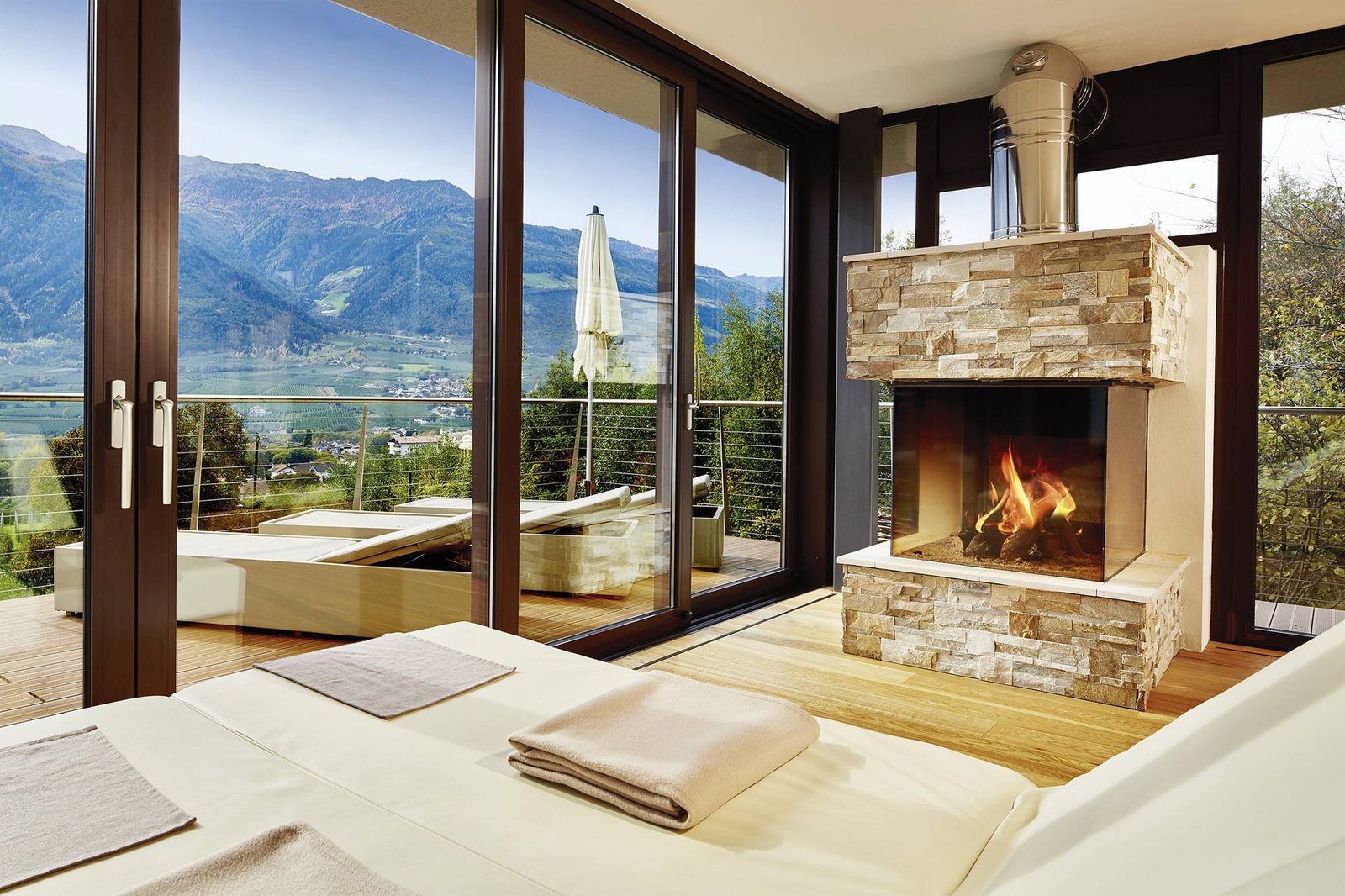
The Dolomites in August are what July was, extended and at full capacity. The wildflower meadows are beginning to dry in the August heat, the hay has been harvested, and the alpine landscape is in its late summer golden form — not the intense green of June but the more saturated, more complex palette of a mountain landscape at its seasonal peak. Temperatures of 20-24°C in the valleys, 14-18°C on the high trails, and the full range of alpine wellness activities available.
August in the Dolomites has one advantage over July: the Ferragosto holiday on August 15th brings the Italian domestic tourist wave that makes the coastal resorts impossible, but the Dolomites absorb it differently — the towns of Ortisei, Corvara, and Cortina d’Ampezzo are animated rather than overwhelmed, and the mountain trails above the villages are large enough that the August hiking traffic distributes without compression.
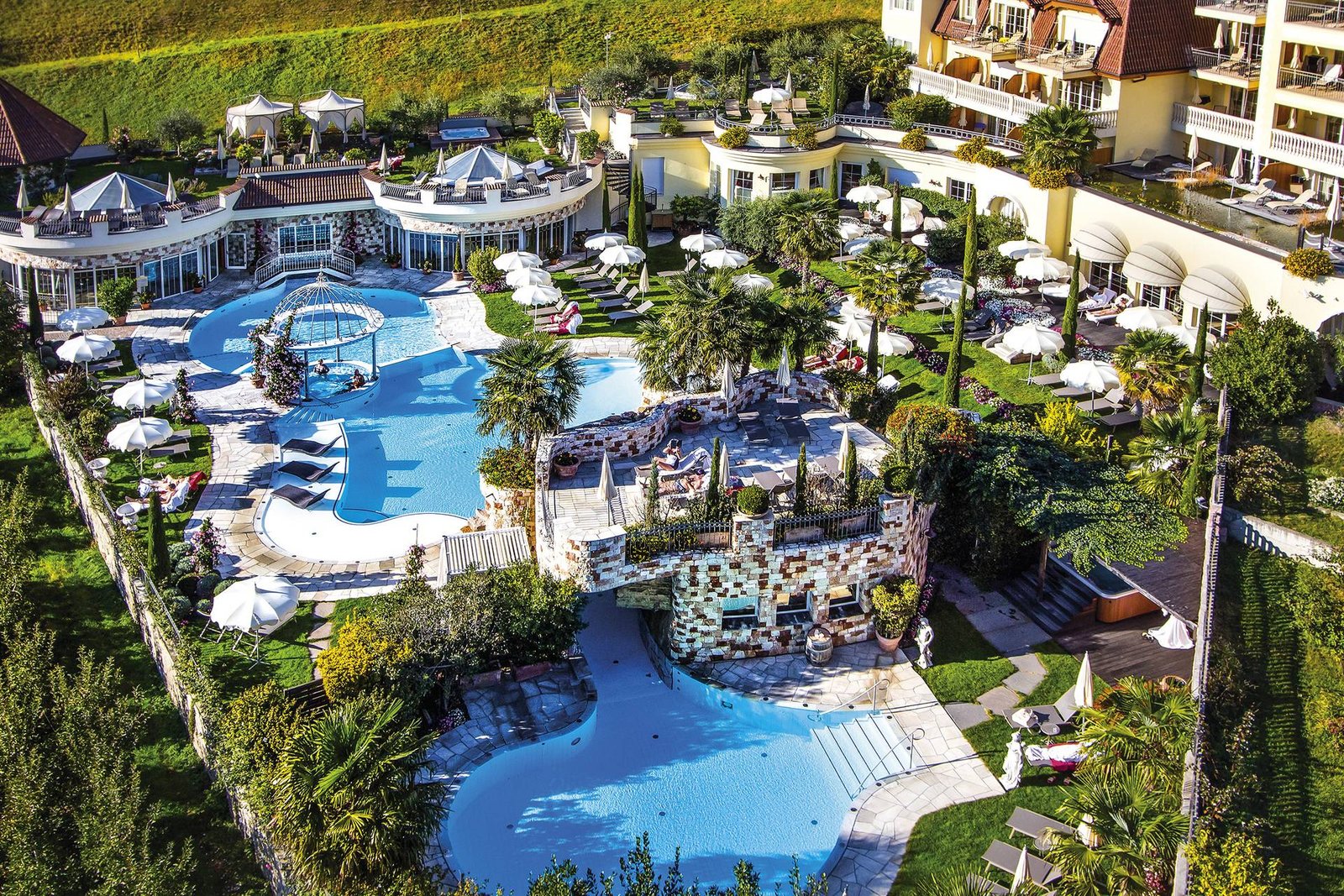
The South Tyrol spa facilities in August are at maximum capacity and require advance booking for the most sought-after treatments — the hay bath specifically, the outdoor thermal pools at peak demand. Book treatments at the same time as the retreat to avoid disappointment. The wellness centres that are least crowded in August are the smaller, more remote ones: the properties in the Val Badia and the Val di Funes rather than the main resort towns.
Basilicata: Matera and the Sassi
Matera in August is one of those specifically Italian destinations that rewards the decision to go somewhere that the mainstream August logic ignores. The UNESCO World Heritage city of cave dwellings — the Sassi, inhabited since the Palaeolithic and continuously lived in until the forced evacuation of 1952 — is in August accessible without the spring and autumn cultural tourism that the city’s 2019 European Capital of Culture designation attracted. Temperatures of 28-32°C in the day, 18-22°C at night, and the specific quality of a city carved into the ravine of the Gravina river that produces natural ventilation and a temperature inside the cave hotels that is 6-8°C cooler than the street.
Wellness retreats in the Sassi use the cave hotel format deliberately: the natural stone walls at constant temperature, the silence of the rock, and the quality of darkness that the cave sleeping quarters produce are themselves wellness interventions — the sleep quality in a cave hotel in Matera in August, in 18°C cool darkness while the city above is at 30°C, is specifically unlike anything the coastal resort or the standard hotel room produces.
The Lucanian Dolomites (Dolomiti Lucane) — the extraordinary rock formations around Castelmezzano and Pietrapertosa, two villages perched on vertical spires of rock in the Basilicata interior — are 60 kilometres from Matera and produce the most visually dramatic mountain landscape in southern Italy. The via ferrata between the two villages (the Volo dell’Angelo zipline between them is one of the longest in Europe) and the hiking trails through the rock towers are in August at their dry summer best.
Sardinia: The Island That Absorbs August
Sardinia in August is the Italian island that manages the August demand better than any other. The island is large enough (24,090 km²) that the beach resort density of the Costa Smeralda and the Villasimius coast does not overwhelm the interior — the Barbagia, the Supramonte, and the agricultural plateau of the Campidano remain essentially undisturbed by the coastal August tourism.
The Barbagia in August has the specific character of the most traditional interior of Sardinia: the annual festivals of the individual villages (the Cortes Apertas — open courtyards — where each village opens its traditional crafts, food, and culture to visitors in rotation through August and September), the agriturismo culture of the sheep farms in full summer operation, and the walking trails through the cork oak forests at 600-800 metres altitude where the temperature is 8-10°C cooler than the coast below.
The sea on the less-visited Sardinian coasts — the western coast around Bosa and the Sinis peninsula, the southern coast between Villasimius and Capo Carbonara — is at 26-27°C in August and accessible at beaches that the August crowds have not fully discovered. The flamingos of the Cagliari salt pans, still present in August, and the dolphin-watching in the waters off the Sinis peninsula (the Bottlenose dolphin population of the Oristano coast is one of the most stable in the Mediterranean) add a specifically naturalistic dimension to the August Sardinia wellness week.
The Aeolian Islands: Stromboli at Night
The Aeolian Islands in August are busy — Lipari and Panarea specifically have the international summer crowd that the ferry connections from Naples and Messina bring in volume. But Stromboli and Alicudi and Filicudi have the natural cap on visitors that their remoteness and the absence of beaches provides. Stromboli in August, with the volcano producing its nightly eruptions visible from the sea and from the terraces of the village at the base, is the wellness destination that offers something no spa or retreat centre anywhere in Italy can: the specific experience of proximity to an active geological force that has been producing the same display without interruption for two thousand years.
Wellness retreats on the smaller Aeolian islands in August are rare and specifically rewarding — the operators who run them are doing so because the islands are genuinely extraordinary, not because the infrastructure is easy. The absence of cars, the dependency on the sea ferry, and the physical scale of the islands (Alicudi has 100 residents and no paved roads) are not inconveniences to be managed but the specific character of the retreat environment.