Nuwara Eliya: Tea Capital of Sri Lanka
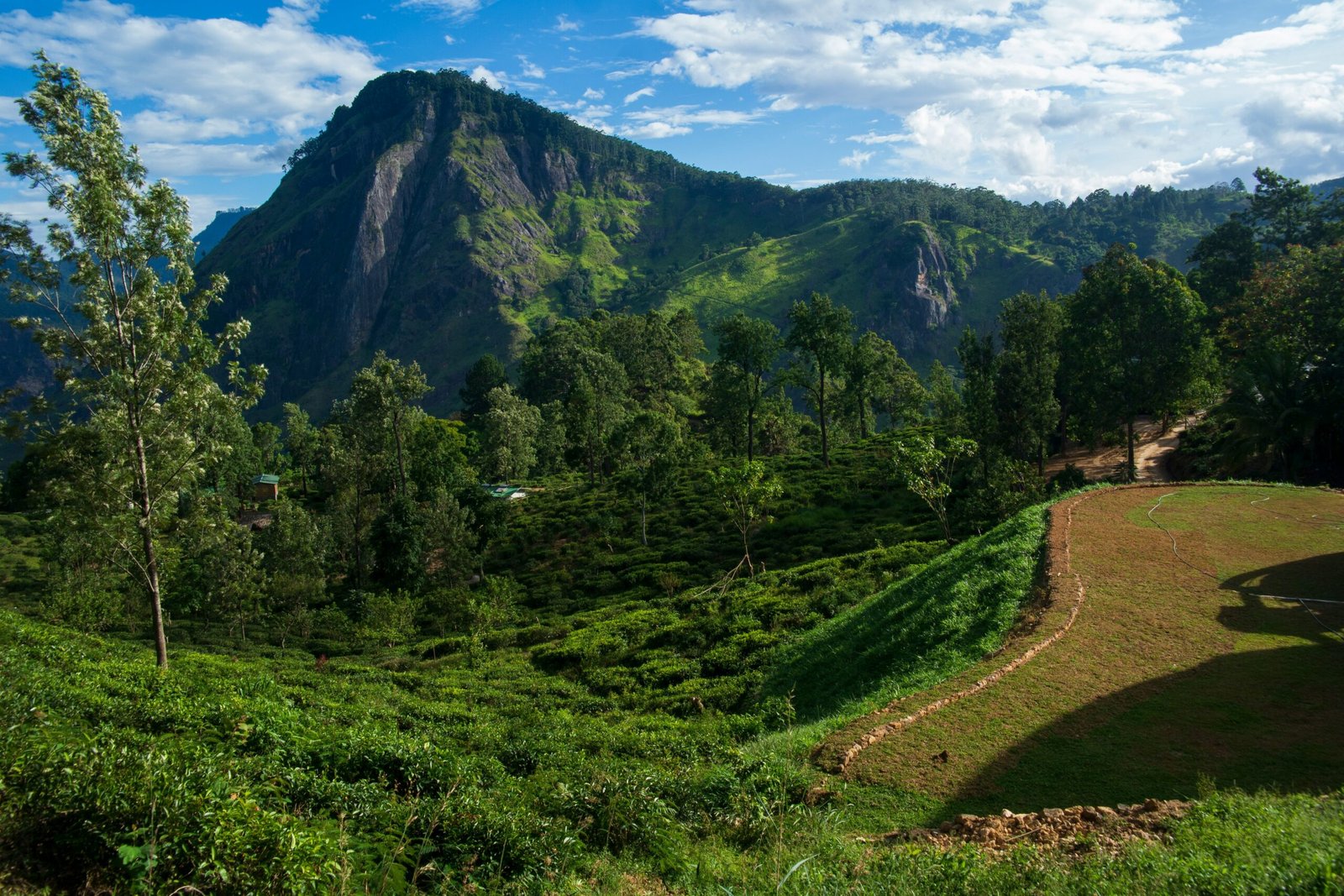
Nuwara Eliya — the highland city at 1,868 metres in the Central Province, the highest town in Sri Lanka and the centre of the Ceylon tea industry — is in February at its most specifically cool and most characteristically highland: temperatures at 14-22°C, the air at the altitude freshness that the coastal lowlands never produce, and the tea estates of the Pedro, Mackwoods, and Bluefield gardens surrounding the colonial hill station architecture that the British planters built in the 19th century with the specific intention of replicating an English country town in the tropics.
The tea factory visits in February — the Pedro Estate factory above the town (the most accessible of the working Ceylon tea factories, with the guided tour through the withering, rolling, oxidation, and firing stages) — are in February at the pre-first-flush stage: the tea plants pruned after the January harvest and the February growth producing the first new season shoots. The Gregory Lake at the centre of Nuwara Eliya, the colonial-era racecourse above the lake, and the Victoria Park botanical garden at the town centre are in February at the cool highland February that the domestic Sri Lankan holiday market specifically comes for.
Unawatuna: Reef Diving and Bay Culture
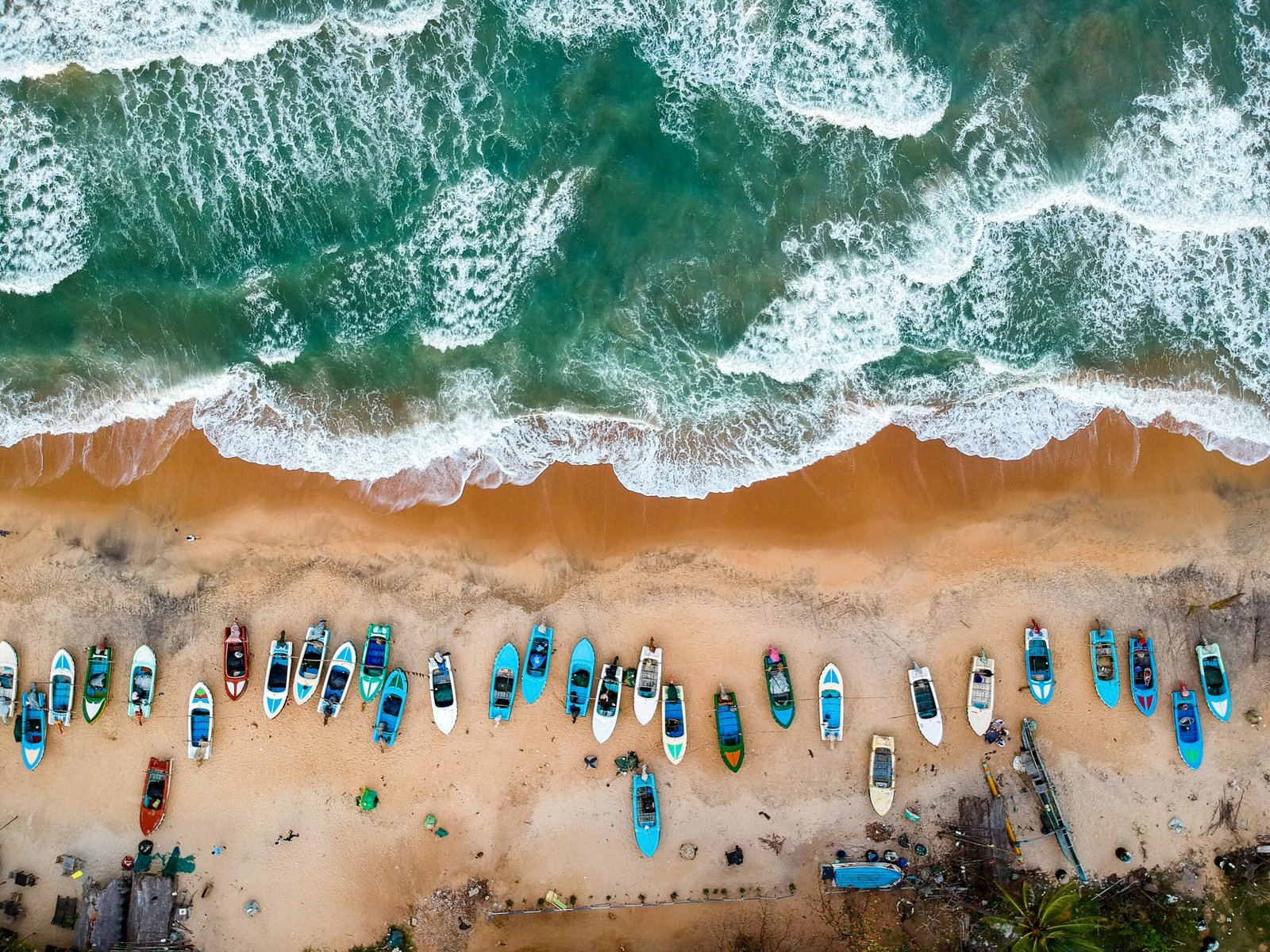
Unawatuna — the horseshoe bay east of Galle, with the most sheltered swimming beach on the southern coast and the coral reef accessible by snorkelling from the beach — is in February at the dry season Indian Ocean clarity that makes the reef most vivid. The Unawatuna reef — visible from the surface in the shallow water of the bay — is in February at the maximum clarity of the year: the visibility 15-20 metres on good days, the parrotfish, grouper, and sea turtles that feed on the reef most accessible to the snorkeller without a boat.
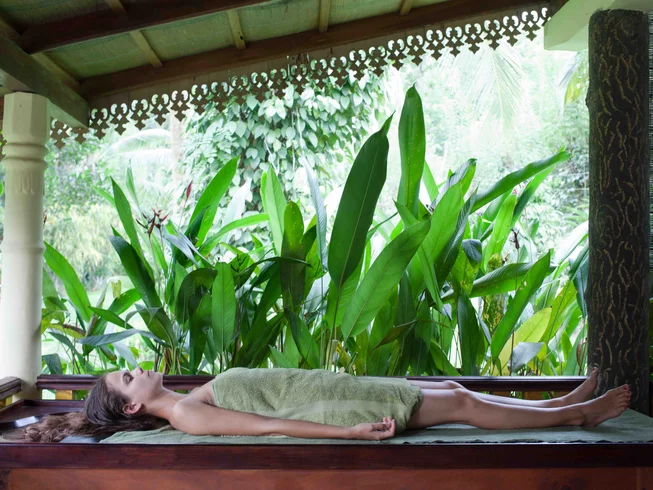
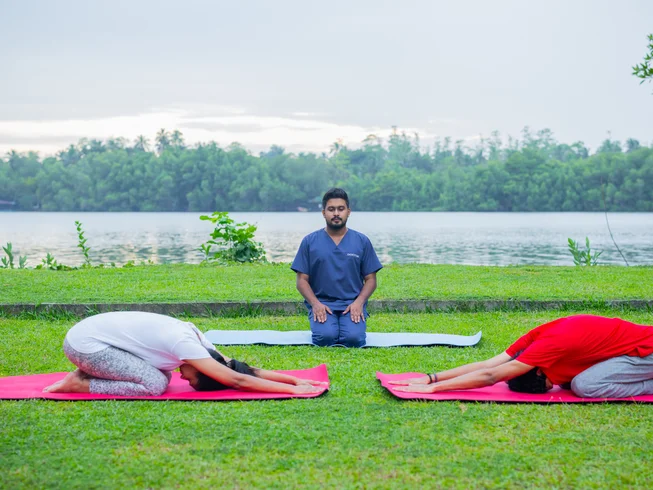
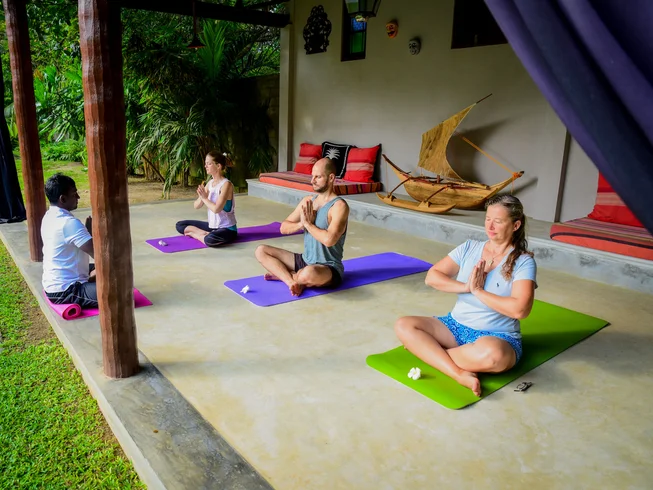
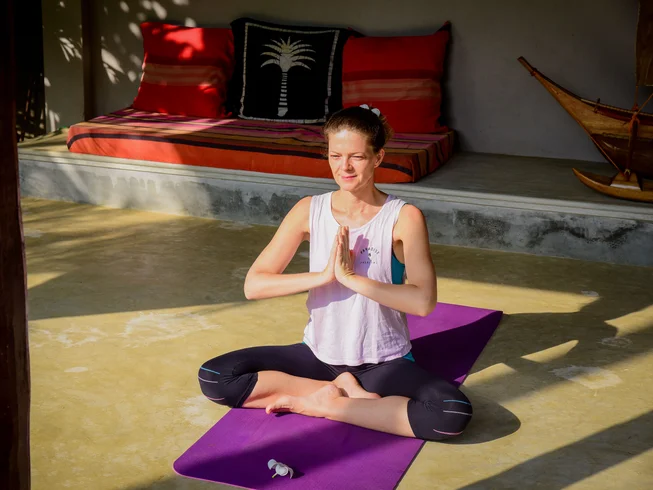
The yoga retreat culture of Unawatuna is smaller than Galle but more specifically beach-centred — the retreat centres in the lanes above the bay using the beach access as the morning programme complement to the shala practice. The February Unawatuna retreat has the specific quality of the peak season bay at its most used and most accessible.
Yala National Park: Leopard Safari
Yala National Park — the most visited national park in Sri Lanka, in the southeastern dry zone, with the highest leopard density of any protected area in the world (approximately one leopard per square kilometre in the Block 1 area) — is in February at the dry season concentration that makes the wildlife viewing most reliable. The Yala leopard in February is at the most visible of the year — the dried-up water holes concentrating the animals at the remaining water sources and the leafless dry zone forest reducing the cover.
The park in February also has the elephant herds at the seasonally reliable water points, the sloth bear at the berry-producing trees, and the mugger crocodile at the park’s coastal lagoons. The Yala safari jeep in February at the 5:30am entry — the dawn drive through the Block 1 habitat, the guides’ radio network coordinating leopard sightings across the patrol area — is the most practically accessible of the Sri Lankan wildlife experiences from a southern coast retreat base (Yala is 3 hours east of Mirissa).
Kandy: Temple of the Tooth and Highland Culture
Kandy — the last royal capital of Sri Lanka, at 465 metres in the central highlands, with the Temple of the Sacred Tooth Relic (the most sacred Buddhist site in Sri Lanka, housing the relic believed to be the Buddha’s tooth) and the Kandy Lake at the city centre — is in February at the dry season that makes the highland city most accessible. The Dalada Maligawa (Temple of the Tooth) in February has the daily puja ceremonies (Thevava) at 5:30am, 9:30am, and 6:30pm when the inner sanctum is opened and the drumming and incense fill the temple complex — the most directly accessible Buddhist ceremonial experience in Sri Lanka.
The Kandy market in February — the fruit and vegetable market in the old bus stand area, with the highland produce (the passion fruit, avocado, and leeks of the Kandy highlands) alongside the lowland tropical fruits arriving from the coast — is the most varied of any Sri Lankan market at any time of year.