
November in India is the festival of light and the camel fair — Diwali transforming every Indian city with diyas and fireworks, and the Pushkar Camel Fair producing the most visually extraordinary of the Rajasthan desert events.
The peak retreat season is returning: the temperatures ideal across the country, the retreat infrastructure at full capacity, and the cultural calendar producing the most concentrated festival energy of the year. A yoga retreat in India in November is the country at its most festive and its most comfortable simultaneously.


November is the month the Indian retreat calendar returns to its peak season energy. The southwest monsoon has fully withdrawn, the temperatures are comfortable from the Himalayan foothills to the Kerala coast, and the cultural calendar — with Diwali, the Pushkar Camel Fair, and the approach of the December-January retreat peak — produces the most culturally dense of the post-monsoon months. The retreat that arrives in November catches the country at the transition point between the contemplative monsoon season and the social peak season that December and January will bring to full expression.
Browse our full yoga retreats in India guide for the complete picture of what the country offers year-round. For the global context of November retreat travel, our yoga retreats in November guide covers every destination worth considering this month.
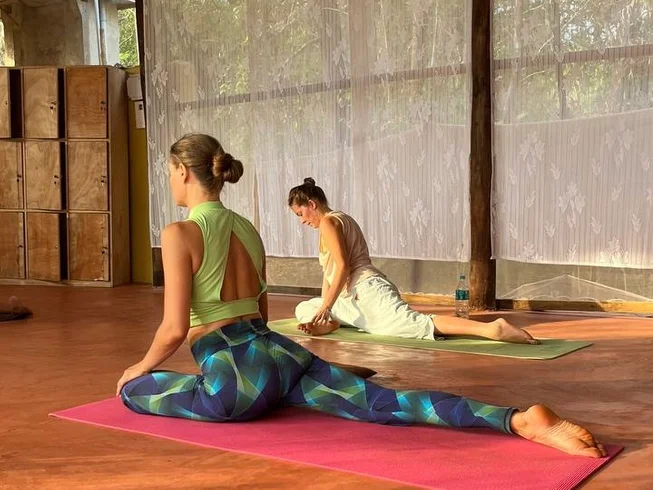
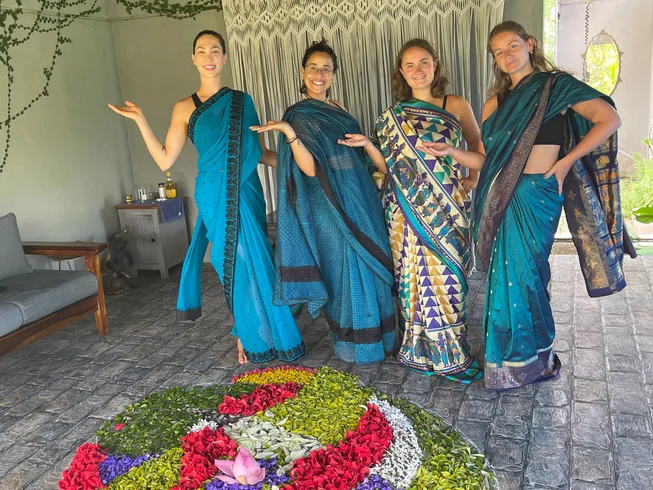
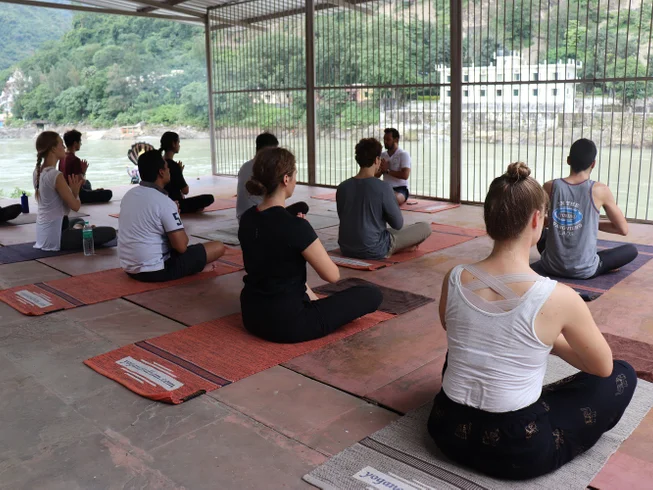
Rajasthan in November is at the specific combination that makes it the most compelling retreat destination of the month: the temperatures at 22-28°C in the day and cool evenings, the post-monsoon green still visible in the Aravalli hills, and the Pushkar Camel Fair in the last days of October or first days of November transforming the sacred lake town into the most visually extraordinary event in the Indian desert calendar.
The Pushkar Camel Fair (Kartik Mela) — held on the full moon of the Kartik month, typically late October or early November — brings 200,000 camels, horses, and cattle to the desert plain outside Pushkar for the largest camel trading fair in Asia. The fair has evolved from a purely agricultural trading event to include the folk music performances, the camel and horse races, the turban-tying competition, and the international tourist market, but the trading dimension remains the economic foundation — the camel herders of Rajasthan and the Sindh trading families conducting the commercial activity that the fair has always been.
The Pushkar lake on the Kartik Purnima full moon — the most sacred of the Pushkar ghats on the festival evening, with the diyas floating on the lake surface and the pilgrimage community assembled for the sacred bath — is the most specifically devotional of the Pushkar calendar events. The fair, the trading, and the lake ceremony occurring simultaneously in the same desert town is the most uniquely concentrated of any Indian November experience.
Goa in November is at the peak season returning to full operation — the beach shacks established, the international retreat community assembled, and the Christmas and New Year retreat programmes beginning their November early-booking window. The temperatures at 26-30°C, the Arabian Sea calm and clear, and the retreat infrastructure running at the full capacity that the season produces.
The November Goa has a specific quality that both January and December lack — it is the beginning of the season’s energy rather than its established peak. The teachers are present and enthusiastic, the retreat centres are at their most attentive, and the social community is assembling rather than consolidated. The November Goa retreat is the season’s most specifically fresh version.
Kerala in November is fully out of the monsoon — the northeast monsoon that affects the eastern coast of India (October-December) brings some rain to the Tamil Nadu coast and the northern Kerala areas, but the central and southern Kerala coast is in November in its dry season. Kovalam, Varkala, and the Alleppey backwaters are in November at the post-monsoon dry season opening: the sea calm, the Ayurveda centres running their November season, and the prices below the December-January peak.
The Kerala backwater houseboat in November — the post-monsoon canal system with the rice paddy at the November harvest stage in the Kuttanad polders, the Onam decorations still visible in the November village temples — is the most specifically abundant of the backwater agricultural landscapes, the harvest season producing the most active of the canalside community activity visible from the boat.
Varanasi in November is building toward the Dev Deepawali (the festival of lights of the gods) on the Kartik Purnima full moon — the most spectacular of the Varanasi annual events, when the ghats are illuminated with one million diyas (clay lamps) on the November full moon. The Dev Deepawali in Varanasi, with every step of every ghat from Assi Ghat to Raj Ghat lined with the burning diyas, the priests performing the ghat aarti simultaneously, and the illuminated ghats reflected in the Ganges — is specifically more extraordinary than the Diwali that preceded it by two weeks and is the November Varanasi event that the retreat calendar most directly rewards.
Diwali — the festival of lights, the most universally observed of all Hindu festivals — falls on the new moon of the Kartik month, typically in October or November. The five-day festival includes Dhanteras (the day of the goddess Lakshmi and the purchase of gold and silverware), Choti Diwali (the eve of the main festival), Diwali itself (the main night of the lamps and the fireworks), Govardhan Puja, and Bhai Dooj (the brother-sister bond, similar to Raksha Bandhan). The Diwali night — every household, every shopfront, and every public space illuminated with the diyas, the fairy lights, and the fireworks simultaneously — is the most universally extraordinary of the Indian nocturnal experiences.
The Jaipur Diwali — the Pink City illuminated with the diyas on every haveli facade and every bazaar gateway — is the most specifically architectural version of the festival. The Varanasi Diwali and the approaching Dev Deepawali produce the most specifically devotional. The Mumbai Diwali produces the most urban and the most explosive simultaneously.
See above — the most visually extraordinary of the Indian November events.
Dev Deepawali — fifteen days after Diwali, on the full moon of Kartik — is the night of the gods’ Diwali, when the deities are said to descend to the Ganges to bathe. The Varanasi ghats illuminated with one million clay lamps, the priests at every ghat performing the aarti simultaneously, and the boats on the Ganges carrying the floating lamp offerings produce the most concentrated single visual experience available in India at any time of year.
The Diwali mithai (sweet) box — the most important of the Indian festival food exchanges, presented by families and businesses to each other in the week before Diwali — is in November at its most elaborate production at the Indian sweet shops. The kaju katli (the cashew fudge diamond, the most universally gifted of the Diwali sweets), the besan laddoo (the gram flour sweet with the cardamom and ghee), the gulab jamun (the deep-fried milk solid ball in sugar syrup), and the soan papdi (the flaky, thread-like sweet specific to the Diwali gift season) are all in November at their peak production.
The halwai (the traditional Indian sweet maker) at the Varanasi lanes and the Jaipur old city bazaars in November is producing the most elaborate of the season’s sweets — the November Varanasi thandai (the cold spiced milk drink associated with the Shiva tradition) at its winter-warming version (without the bhang, available at the season’s legitimate establishments) is the most specifically Varanasi of the November drinks.
The winter dal in Rajasthan — the gahat ki daal (horse gram daal, the most specifically warming of the north Indian winter legumes, prescribed in the Ayurvedic winter food tradition for its heat-generating properties) and the moth ki daal (the moth bean preparation of the desert kitchen, the most drought-resistant legume in the Thar Desert tradition) — is in November at the post-harvest season availability. The dal-baati at a Pushkar desert camp in November, with the baati baked in the sand oven and the daal prepared from the local winter harvest, is the most specifically Rajasthani of the November food experiences.
Bebinca — the Goan layered pudding of the Portuguese-Indian kitchen, made from coconut milk, egg yolk, ghee, and sugar in up to 16 alternating caramelised layers, each layer baked before the next is added — is in November at the Goa season-opening production: the Goan bakeries that closed or reduced their festive menu through the monsoon returning to the full bebinca production for the Christmas season preparation. The November bebinca at the Old Goa and Panjim Portuguese-heritage bakeries, warm from the slow oven and served with the vanilla ice cream, is the most specifically Goan of the November dessert experiences.
The Dev Deepawali boat on the Ganges — hiring the private rowing boat for the evening of the Kartik Purnima full moon, the boatman rowing slowly from Assi Ghat northward past all the illuminated steps while the priests perform the aarti on every ghat simultaneously — is the most specifically extraordinary of any India November activity and one of the most extraordinary of any India activity at any time of year. The boat on the Ganges during Dev Deepawali is not the tourist boat experience — it is the most directly devotional encounter with the Varanasi tradition, and the retreat that incorporates it as the cultural evening of the retreat week is using November in Varanasi correctly.
The Pushkar Camel Fair dawn horse trade — arriving at the trading ground before 6am when the horse and camel traders are conducting the morning transactions before the fair tourist traffic arrives — is the November Pushkar experience most directly connected to the living tradition rather than the tourist representation. The Marwari horse (the breed specific to the Rajasthan desert, with the inward-turning ear tips that identify it) at the dawn trading, with the veterinary assessments and the price negotiations conducted in Marwari and Sindhi, is the most directly agricultural and most culturally specific of the fair’s activities.
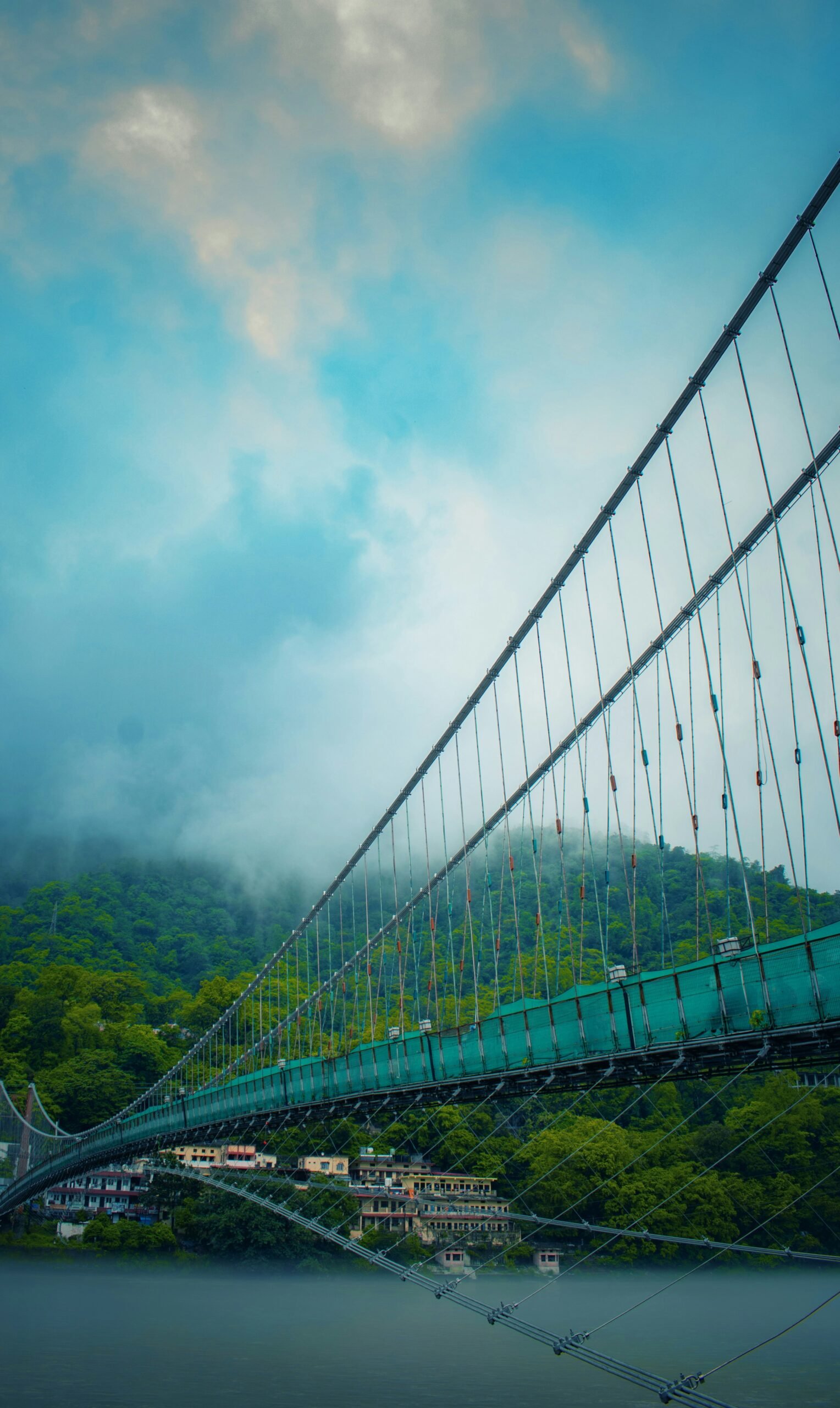
The Rishikesh pre-season November practice — arriving at the ashrams and the yoga schools in the first week of the new season opening (many Rishikesh yoga schools reopen their intensive courses in October-November after the monsoon pause) at the lowest capacity of the upcoming season — is the most practically productive of the annual Rishikesh retreat windows for those who want the ashram programme at its most teacher-attentive. The November Rishikesh has the post-monsoon clarity of the Himalayan views, the Ganges at the receding-flood blue-green, and the ashram community in its first full autumn rhythm.
Rajasthan (Jaipur, Jodhpur, Pushkar) is at 20-28°C in the day with cool evenings of 10-14°C. The desert landscape at its post-monsoon green (minimal but visible). The most comfortable Rajasthan month.
Goa is at 25-30°C — the dry season returning, the Arabian Sea calm. The first international retreat visitors of the new season arriving.
Kerala (Kovalam, Varkala, Alleppey) is at 26-32°C — the dry season established. The northeast monsoon may bring some rain to northern Kerala but the south coast is dry.
Varanasi and the Gangetic plain are at 15-25°C — cool mornings, warm afternoons, and the Diwali-Dev Deepawali festive energy in the city.
Rishikesh is at 12-22°C — the Himalayan winter beginning. A warm layer needed for the dawn aarti and the evening practice.
Your email address will not be published. Required fields are marked *