

December in India is peak season at its most internationally animated — the Christmas and New Year retreat community arriving in Goa, Rishikesh, and Kerala, the retreat programmes at their most ambitious year-end formats, and the cultural calendar producing the most festive of the winter celebrations. The temperatures across the country are at their most comfortable.
The Himalayan views are at their winter clarity. And the Indian cultural calendar — from the Hornbill Festival in Nagaland to the Sunburn Festival in Goa — produces the most internationally oriented of the December Indian events.


December is the month the Indian retreat market is at its most globally connected — the international community arriving from Europe, North America, and Australia for the year-end retreat, the Indian domestic tourist market in full festive operation, and the cultural calendar producing the Sunburn Festival, the Hornbill Festival, and the Christmas and New Year retreat programmes that the Goa community has built its December identity around. The prices are at their annual peak alongside January. The retreat centres require advance booking. And the country is at its most climatically perfect.
Browse our full yoga retreats in India guide for the complete picture of what the country offers year-round. For the global context of December retreat travel, our yoga retreats in December guide covers every destination worth considering this month.
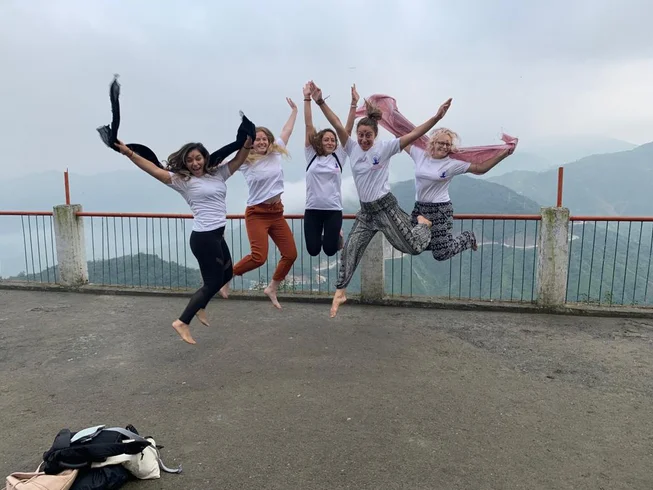
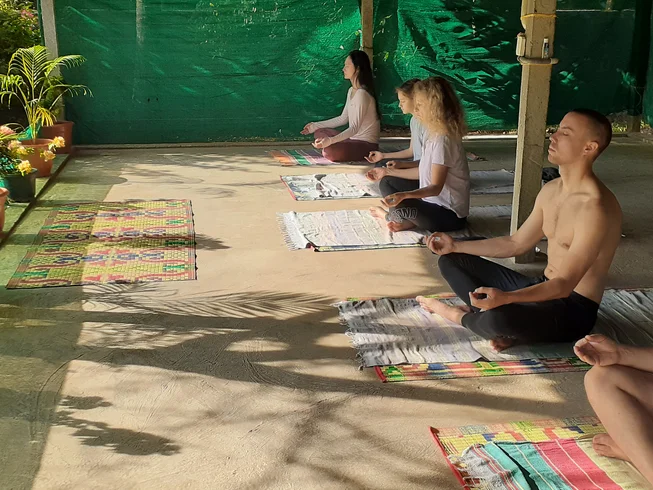
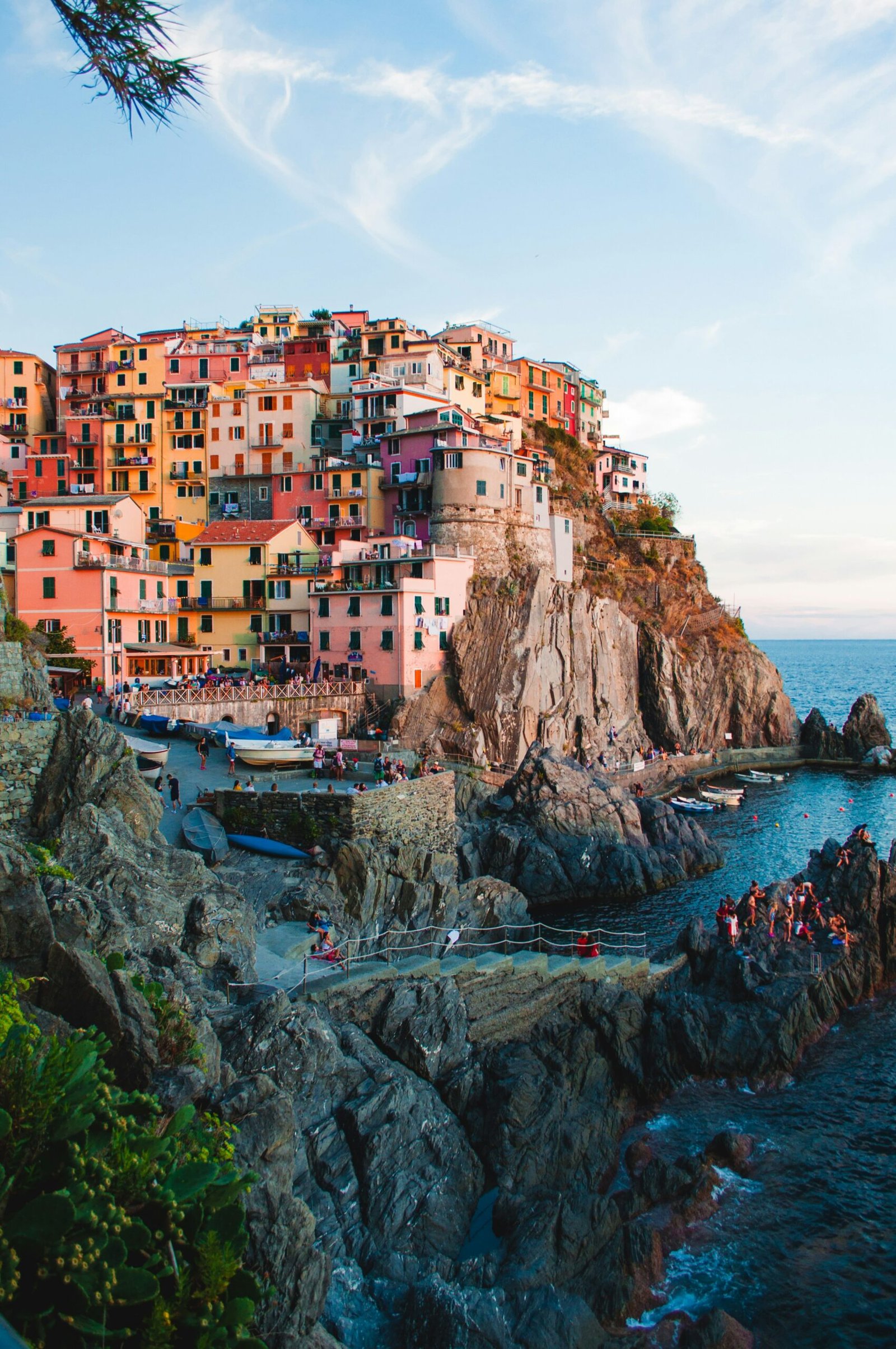

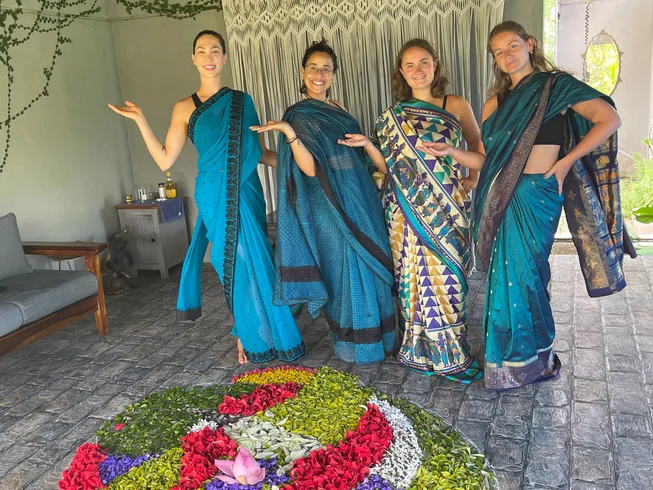
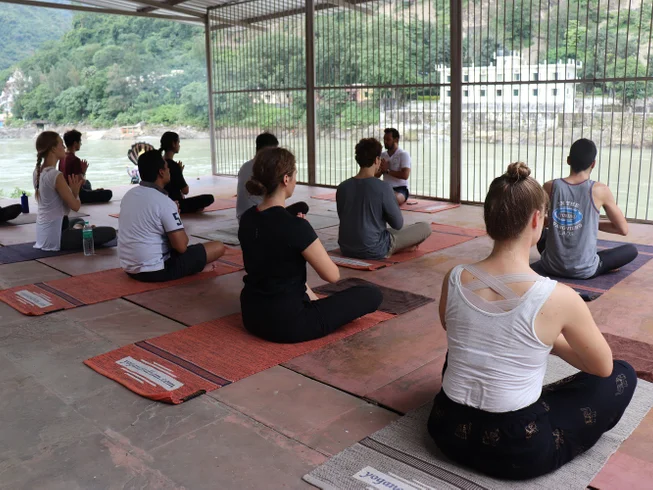
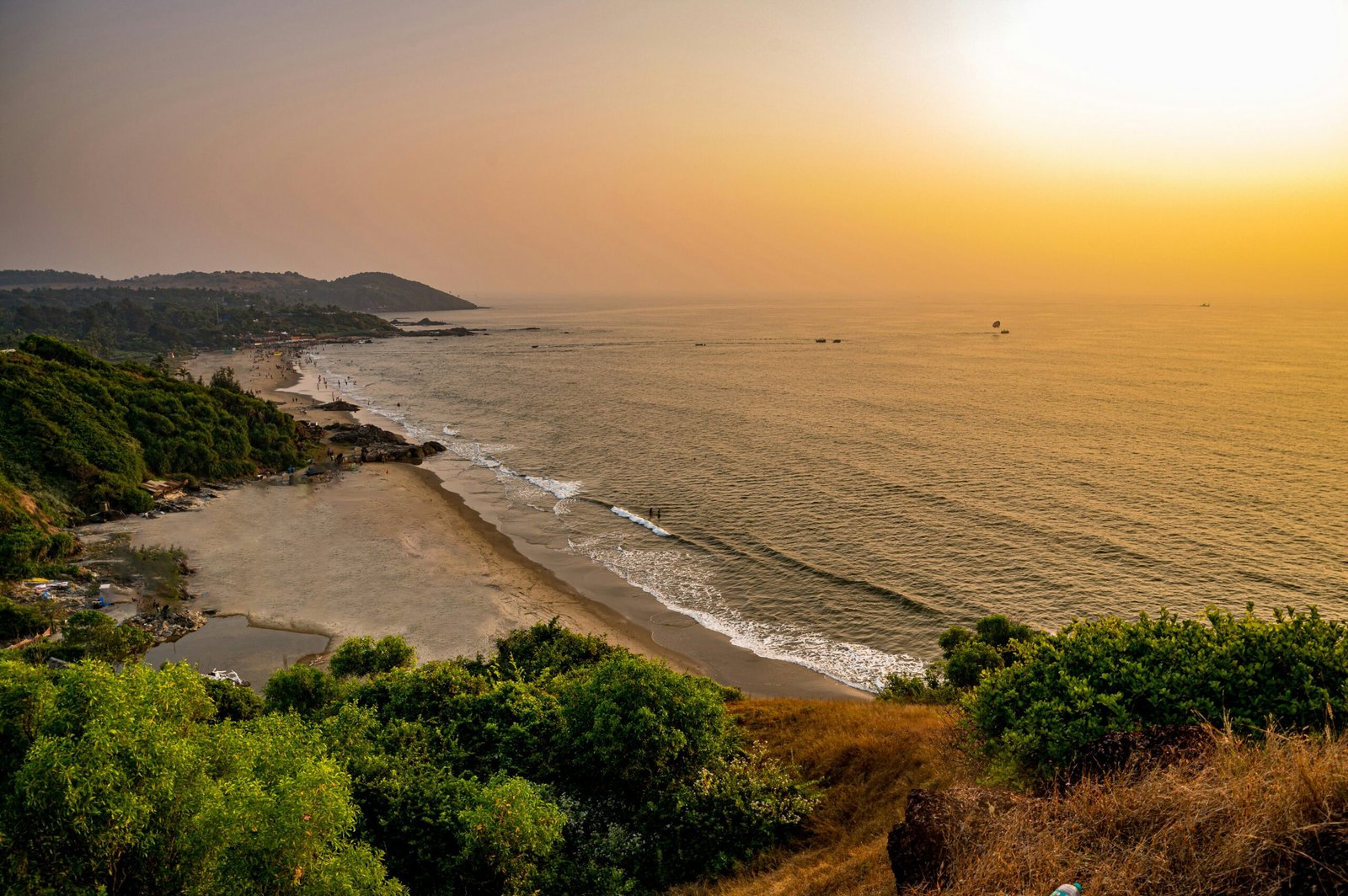
Goa in the last two weeks of December is the most internationally concentrated yoga and wellness community in India — the practitioners who chose India for the year’s turning arriving in Arambol, Mandrem, Assagao, and the north Goa retreat community simultaneously. The winter solstice practice on December 21st, the year-end reflection retreats, and the New Year sunrise meditation on January 1st are the December Goa retreat calendar anchors.
The Goa Christmas has the most visible of the Indian Christmas celebrations — the Portuguese-colonial Catholic culture of Goa produces the most specifically European-inflected Christmas in the subcontinent. The Old Goa churches — the Basilica of Bom Jesus (the most important Catholic church in Asia, with the relics of St. Francis Xavier) and the Sé Cathedral (the largest church in Asia) — are in December at the most attended of their year, the midnight Mass and the Christmas Day services producing the only specifically Christian context that the Goa retreat community encounters in a predominantly Hindu country.
The Sunburn Festival — the most prominent electronic music festival in Asia, held in Goa in late November or early December — draws the international dance music community to the Goa coast and transforms the north Goa landscape temporarily into the most internationally connected music event in India. For retreat guests who want the festive Goa dimension rather than the pure retreat, the Sunburn-adjacent December Goa has the most animated social context of the annual cycle.
Rishikesh in December is in its deepest winter — the temperatures at 6-18°C, the Ganges at the winter low and the clearest blue-green of the year, and the Himalayan peaks above the Garhwal foothills at their most dramatically snow-covered. The ashram programmes in December are at the most intensive of the year — the winter retreat formats designed for the serious practitioner who came specifically for the 28-day teacher training or the 14-day intensive Ashtanga programme that the December retreat calendar provides.
The December Rishikesh dawn — the pre-dawn practice in the ashram shala at 5am, the Ganga aarti at Triveni Ghat at 5:30am in the cold Himalayan air, and the morning Ashtanga practice as the winter sun rises over the Rajaji National Park across the river — is the most specifically committed of the Indian retreat formats and the one that the summer month conditions cannot produce. The cold is part of the practice in Rishikesh December — the Pranayama in the cold air, the body warming through the practice, and the awareness of the Himalayan winter that the unheated shala makes constantly present.
Nagaland — the northeastern Indian state bordering Myanmar, with the most culturally diverse of the Indian hill tribe traditions — has the Hornbill Festival in the first week of December at the Kisama Heritage Village near Kohima. The festival showcases the traditions of the 16 major Naga tribes simultaneously: the warrior dances, the folk songs, the traditional food markets, and the morungs (traditional tribal men’s houses) reconstructed for the festival ground. The Hornbill Festival is the most concentrated presentation of the northeast Indian tribal culture available in any single event and the one that requires the flight to Dimapur and the road to Kohima — but produces the most specifically extraordinary cultural encounter available in India in December.
The Naga food culture at the Hornbill Festival — the smoked pork, the fermented bamboo shoot, the axone (fermented soybean paste, the most distinctive flavour of the Naga kitchen), and the ghost chilli (Bhut Jolokia, one of the hottest chillies in the world, indigenous to the northeast India-Assam-Bangladesh corridor) — is the most dramatically different from the mainstream Indian kitchen of any regional food culture in the subcontinent.
Puducherry (Pondicherry) — the former French colonial enclave on the Tamil Nadu coast, with the French Quarter (the White Town with its colonial-era stucco buildings and the bougainvillea-covered lanes) and the Sri Aurobindo Ashram — is in December at the dry northeast monsoon transition that makes the Tamil Nadu coast its most accessible. The Rue Labourdonnais and the Rue Dumas of the French Quarter in December morning — the yellow and white colonial facades, the Tamil-French bilingual street signs, and the morning coffee at the French-Indian patisseries — is the most specifically colonial-Indian of any December urban retreat context.
The Sri Aurobindo Ashram in Puducherry — the mother institution of the Auroville community, where Sri Aurobindo and The Mother both lived and worked — is in December running its regular programme of the samadhi visits, the ashram library, and the meditation hall. The December visit to the Sri Aurobindo Ashram and the Auroville Matrimandir on the same day is the most concentrated single encounter with the most internationally influential of the Indian 20th-century spiritual teachers available anywhere.
The Hornbill Festival — described above — is December 1-10 at Kisama Heritage Village. The festival is the most concentrated presentation of the Naga tribal culture and one of the most visually specific of all Indian festivals for its combination of the warrior tradition and the community celebration.
The Indian Christmas varies dramatically by region — the Goa Catholic community’s Christmas is the most visibly European, the Shillong (the Christian-majority capital of Meghalaya) Christmas is the most specifically Northeast Indian, and the Kerala Syrian Christian community’s Christmas is the most ancient (the St. Thomas Christians of Kerala trace their tradition to the Apostle Thomas, believed to have arrived in Kerala in 52 CE). The retreat guest in Goa, Shillong, or the Kerala Jacobite Christian heartland around Kottayam on December 25th is engaging with three entirely different expressions of the same tradition.
December 31st in India produces the most elaborate event calendar of the year at the major resort destinations. Goa has the beach countdown at the major north Goa beaches. Mumbai has the Gateway of India midnight crowd. Rishikesh has the ashram midnight meditation. The retreat that programmes the year-end moment deliberately — the intention-setting, the shared practice, and the January 1st dawn — is using December in India at its most specifically transformative.
Sorpotel — the Goan Catholic dish of pork liver, kidney, and meat cooked in the wine and vinegar of the Portuguese-Indian tradition, slow-cooked for 2-3 days with the Goan spice masala — is the most specifically Goan Catholic of the Christmas dishes and one of the most complex preparations in the Indian regional kitchen. The December Goa Catholic households prepare the sorpotel from December 22nd onward, and the traditional restaurants in Old Goa and Panjim serve it through the Christmas week.
Neureos (the Goan sweet half-moon pastry stuffed with the coconut-sugar-sesame filling and fried until golden) are the most specifically Christmas of the Goan sweets — made by the Goan Catholic households in the weeks before Christmas and shared as the Goan equivalent of the European Christmas cookie exchange.
The Naga kitchen at the Hornbill Festival — the pork smoked over bamboo, the axone (fermented soybean, the most pungently flavoured of the northeast Indian fermented products), and the Bhut Jolokia chilli in the traditional preparation — is the most dramatically flavoured of any Indian December food experience. The Bamboo steamed rice wrapped in bamboo shoot leaves, cooked over the open fire at the Kisama Heritage Village food stalls, is the most specifically Naga of the Hornbill food experiences and the one that the street food circuit of the larger cities never replicates.
The Uttarakhand December sweets — the singori (see September guide), the bal mithai (the Kumaoni chocolate-like milk fudge rolled in white sugar balls, the most famous of the Almora and Nainital sweet shops), and the Gahat ki daal (horse gram daal) soups of the Garhwal winter kitchen — are in December at the most accessible of the year at the Rishikesh market stalls. The bal mithai at the Almora sweet shop or the Rishikesh market in December morning is the most specifically Kumaoni of the retreat breakfast additions.

The midnight Mass at the Basilica of Bom Jesus in Old Goa — the most important Catholic church in Asia, housing the relics of St. Francis Xavier — is on December 24th the most specifically Goa Catholic of any annual event: the church overflowing with the Goan community and the international visitors, the Portuguese-colonial architecture illuminated in the December night, and the mass conducted in Konkani and English with the Goan choir. The Basilica on Christmas Eve is the most dramatic of the Goa December cultural evenings.
Kanyakumari — the southernmost tip of the Indian subcontinent, where the Arabian Sea, the Bay of Bengal, and the Indian Ocean meet — is in December at the specific astronomical moment that the December solstice produces: the sunrise and the sunset visible from the same point on the shortest day of the year, the sun rising from the Bay of Bengal and setting into the Arabian Sea visible simultaneously on the solstice horizon. The December 21st sunrise at Kanyakumari — the tip of India where the three seas meet — is the most specifically geographically and astronomically extraordinary of any Indian December sunrise experience.
The Rishikesh December intensive — the 28-day teacher training or the 14-day deepening retreat at the major ashram-affiliated schools (the Yoga Alliance certified programmes at the Parmarth Niketan, the Rishikesh Yoga Peeth, or the Arhanta Yoga Ashram) — is the most seriously committed of the Indian December retreat formats. The December cohort at Rishikesh intensive programmes has the combination of the Himalayan winter conditions (the cold that the practice requires you to generate heat within), the Ganges at its winter clarity, and the pre-Christmas community energy that the July programmes lack.
Goa is at 24-30°C — the dry season at its December best, the Arabian Sea at 27-28°C. The Christmas-New Year week brings the highest tourist density of the year.
Rishikesh is at 6-18°C — the Himalayan winter at full depth. A proper down jacket and warm layers are essential for the dawn aarti and the outdoor activities. The Ganges at its winter clarity and lowest volume.
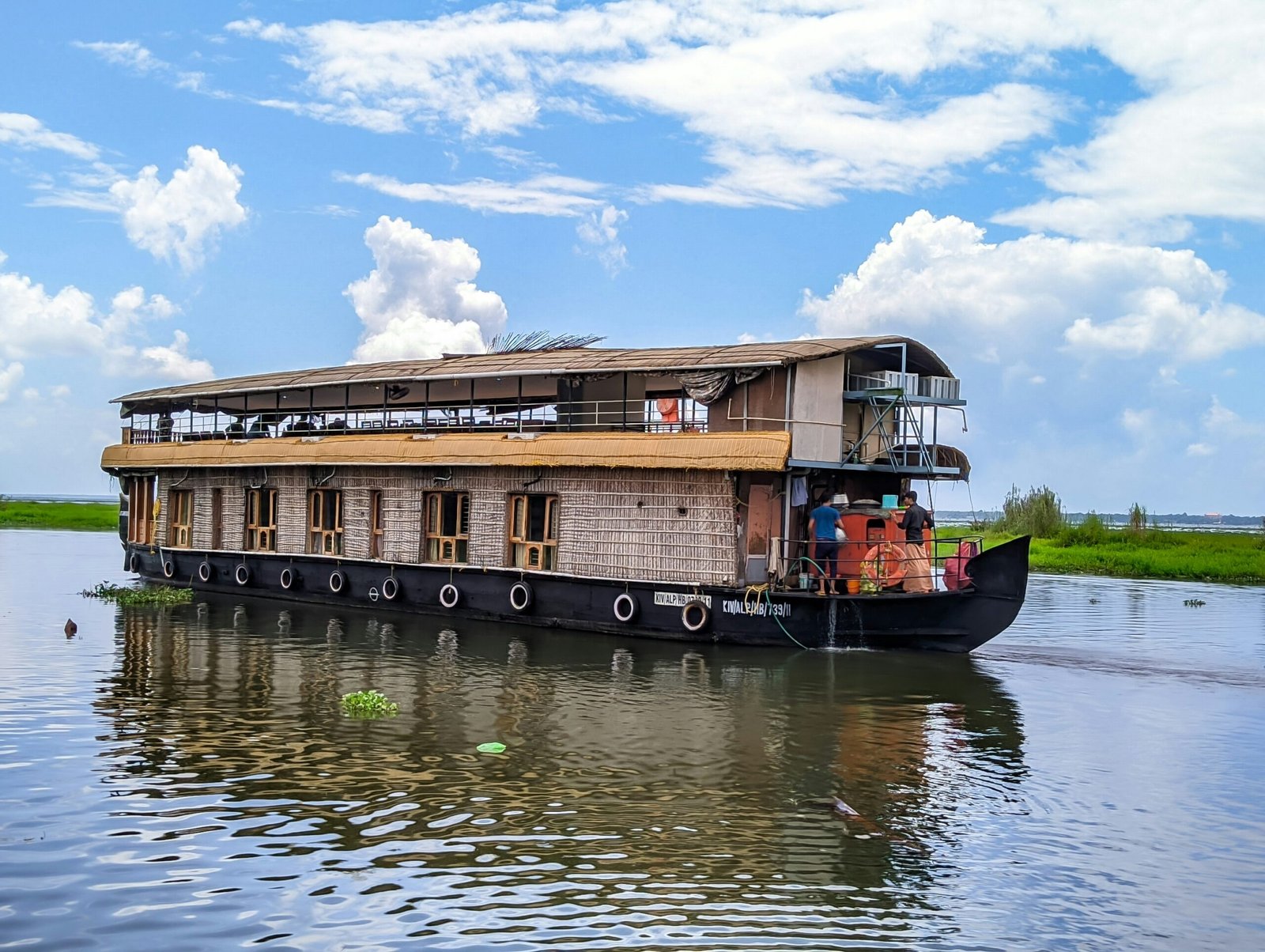
Kerala (Kovalam, Varkala, Alleppey) is at 25-30°C — the dry season fully established. The northeast monsoon may bring some rain to the northern Kerala coast but the south is dry and warm.
Nagaland (Kohima, Kisama) is at 8-20°C — cool highland December, warm days and cold nights during the Hornbill Festival. A warm layer needed for the evening events.
Tamil Nadu and Puducherry are at 22-28°C — the northeast monsoon season ending, the coast becoming increasingly dry and warm through December.
Your email address will not be published. Required fields are marked *