
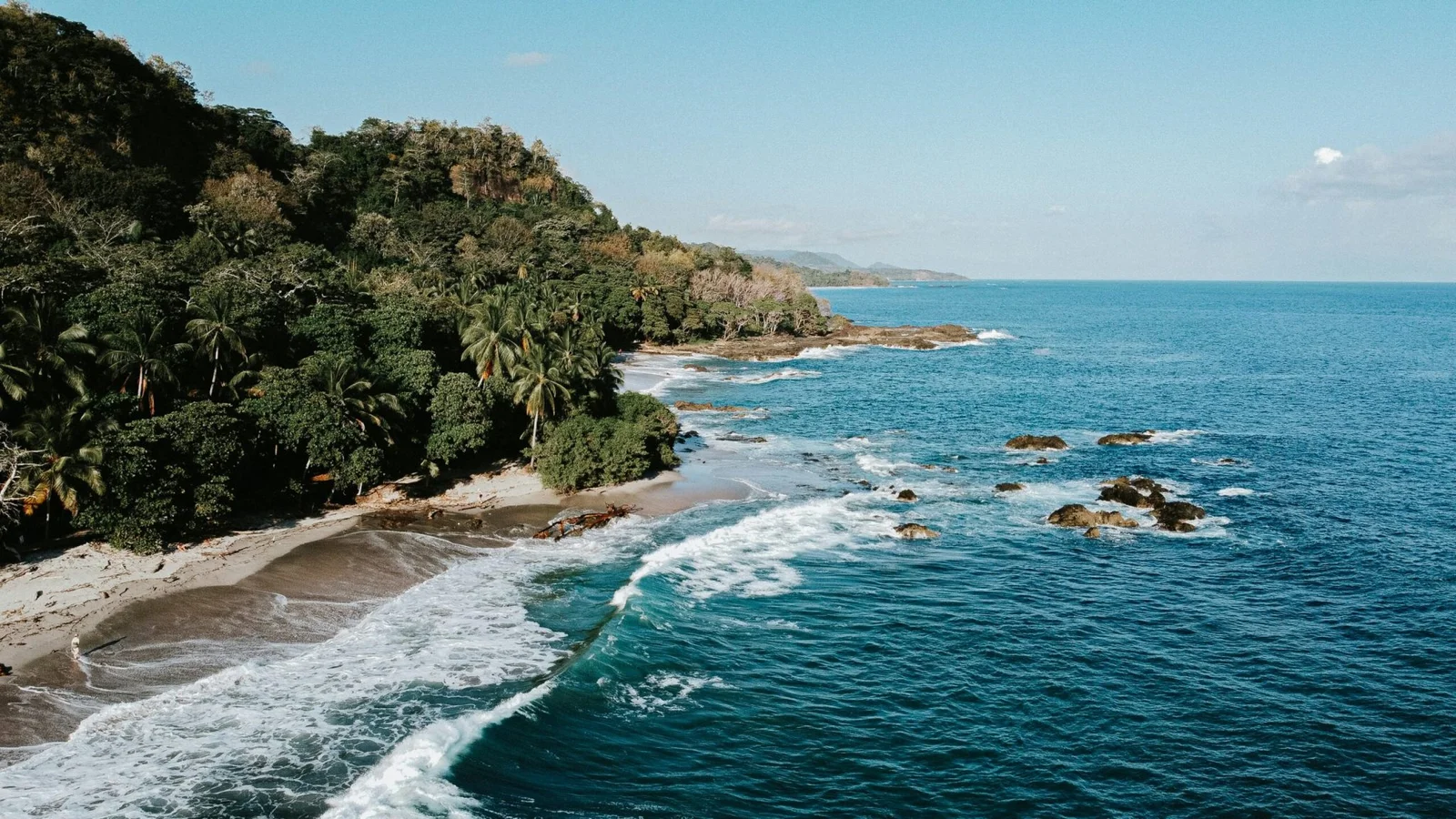
November in Costa Rica is the dry season returning to the Pacific coast — the rains stopping almost overnight in the first weeks of the month, the trails drying, and the retreat infrastructure transitioning from green season mode to peak season preparation. The leatherback sea turtle season opens at Las Baulas on the northern Nicoya. The humpback whales from the northern hemisphere are arriving in the Pacific. And the prices are in the transitional window between the green season low and the December peak. A yoga retreat in Costa Rica in November catches the country at the most specific transitional moment of the year.


November is the month the Pacific coast remembers what it is. The afternoon rains that have structured the retreat schedule since May stop — progressively in the first two weeks, decisively by mid-month. The trails dry. The outdoor programme returns to full operation. The wildlife calendar opens the leatherback turtle season and welcomes the first northern humpback whales of the new season. And the prices, still at their pre-peak transitional level, are the last affordable window before December and January bring the full peak season rates.
Browse our full yoga retreats in Costa Rica guide for the complete picture of what the country offers year-round. For the global context of November retreat travel, our yoga retreats in November guide covers every destination worth considering this month.


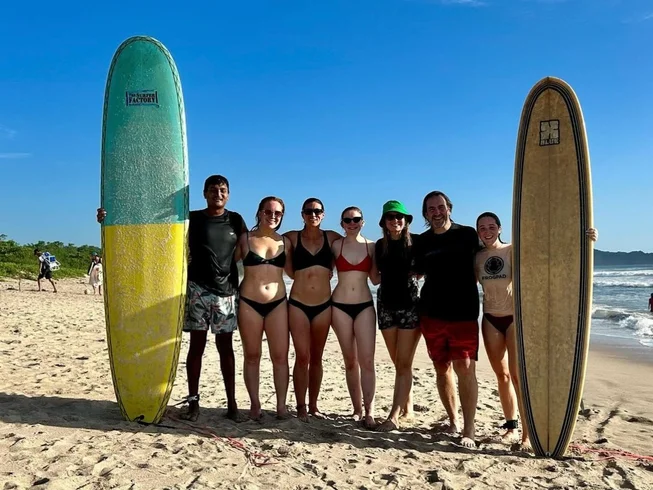
Las Baulas National Park on the northern Nicoya coast near Tamarindo is in November receiving the first leatherback sea turtles of the new season — the world’s largest sea turtle beginning its October-March nesting cycle at Playa Grande, one of the most important leatherback nesting beaches in the Pacific. The leatherback in November is the first-of-season arrival: the females that have been feeding in the North Pacific arriving at the beach where they were born, the nesting season opening with the first eggs of the cycle.
The guided night tours at Las Baulas in November have the same extraordinary quality as in February — the leatherback’s size (up to 700 kilograms), the nesting process (2-3 hours from emergence from the surf to return), and the critical conservation context (the Pacific leatherback population has declined by 97% since the 1980s) make the encounter specifically important. November has smaller groups than the January-February peak, and the first-of-season energy of the conservation team and the turtle guides produces an encounter quality that the mid-season routine cannot replicate.
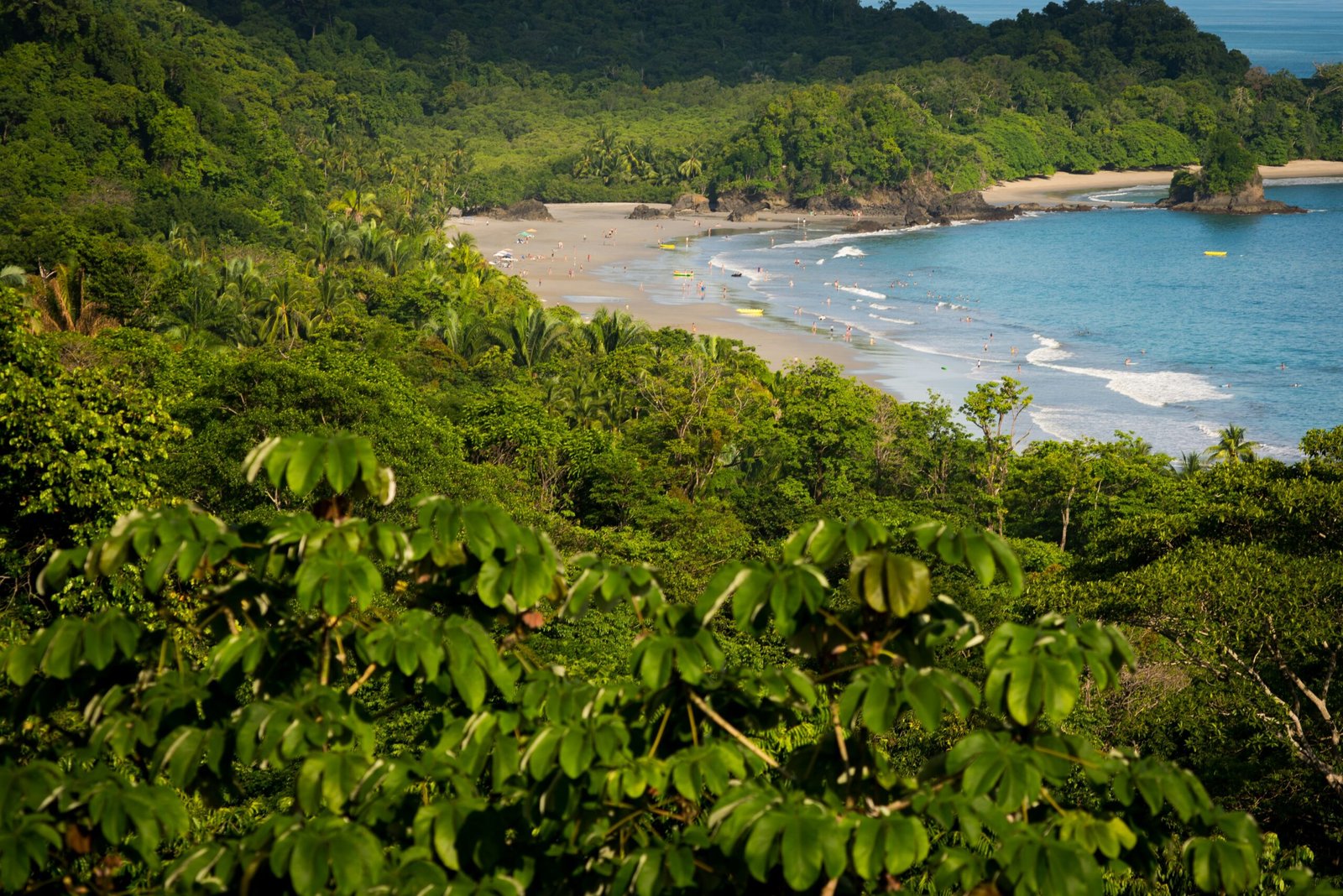
The Nicoya Peninsula in November is transitioning from the wet season to the dry — the mornings clear first, the afternoons following by mid-month. The November surf at Nosara, Santa Teresa, and Tamarindo is in the northwest swell transition — the south swell that produced the summer’s powerful waves giving way to the north-northwest swell that the dry season’s trade winds generate. The surf conditions in November are the most varied of the year: some south swell still present, the northwest swell building, and the occasional mixed conditions producing the most technically interesting surfing of the annual cycle.
The retreat centres of the Nicoya are in November in their transition staffing and programming — the long-term teachers who stayed through the wet season present alongside the first dry season arrivals, producing the most varied community of the annual cycle. The prices in November are still 15-25% below the January peak — the transitional window that closes as December brings the full peak season rates.
The Osa Peninsula and the Marino Ballena National Park at Uvita are in November receiving the first northern hemisphere humpback whales of the new season — the population that breeds in the Costa Rican Pacific from December through April arriving in advance of the main seasonal concentration. The November sightings are the first encounters of the season: fewer whales than January, but the specific quality of first-of-season encounters that the January peak cannot replicate.
The Corcovado National Park in November is at the beginning of its early dry season — the trails beginning to dry, the river crossings at their lowest levels since April, and the wildlife in the post-wet-season activity that the reduced water sources begin to produce. The La Leona coastal trail from Carate to the Sirena ranger station (16 kilometres along the Pacific coast through the primary rainforest, with the beach sections at the river mouths requiring timing with the tides) is in November returning to its dry-season accessibility after the August-October wet season trail conditions.
Arenal in November is at the transition between the wet season and the early dry season — the rains reducing, the trails improving, and the volcano views beginning to appear more consistently as the cloud cover that the wet season produces begins to thin. The Arenal Volcano National Park trails are in November at their best late-wet-season condition: the forest at its most vivid green before the dry season reduces the rainfall, the streams still running at good volume, and the volcano visible on the clearest mornings.
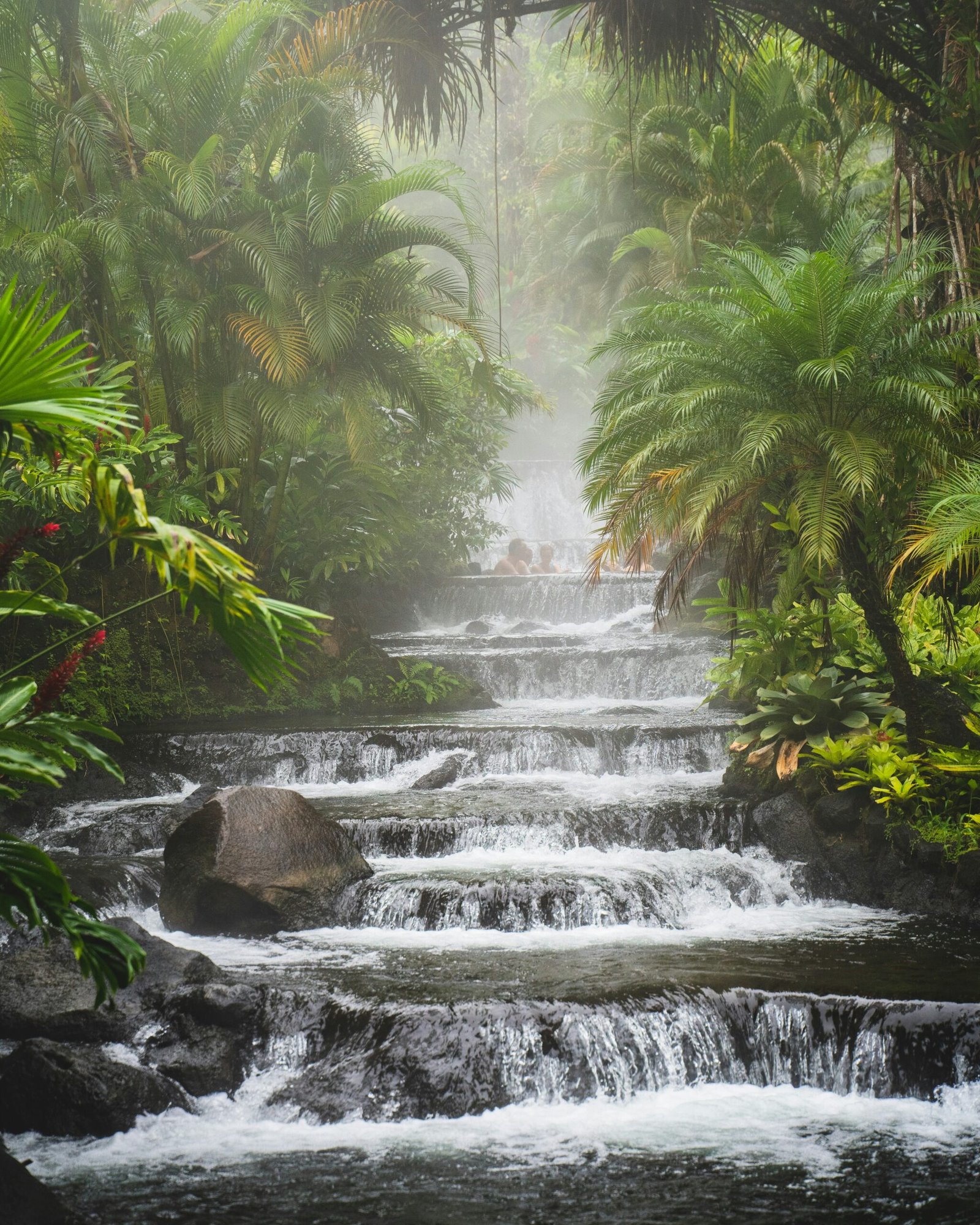
The November hot springs at Arenal have the specific quality of the transitional season — the evening temperatures cooling from the wet season to the early dry season, the hot spring soak in the cooling November evening producing the most comfortable thermal experience of the post-summer months. The Tabacón Hot Springs, with the cascading hot water through the jungle garden adjacent to the volcano, are in November at their most specific: the air temperature dropping to 20-22°C in the evening, the hot spring water at 38-42°C, and the volcano occasionally visible above the steam of the pools.
The first leatherback arrivals at Playa Grande in November are tracked in real time by the Las Baulas research station — the first nesting female of the season receiving the satellite tag update that confirms her return from the North Pacific feeding grounds. For retreat guests who want the leatherback encounter at its first-of-season intensity, November is the opening window. Check the Las Baulas park station for current season arrival news before booking the tour.
The preparations for the Fiesta de la Yeguita — the December 8th celebration at Nicoya town, the oldest religious festival in Costa Rica, in which a small ceramic horse statue is ceremonially walked through the streets in honour of the Immaculate Conception — are visible in the Nicoya Peninsula communities from mid-November. The fiesta is specifically December 8th, but the November preparations in the community sodas, churches, and market stalls produce the pre-fiesta energy that the retreat guest based in the northern Nicoya can observe.
The November Pacific coast market is transitioning back to the dry season produce calendar — the wet season squash and root vegetables giving way to the first dry season citrus, the naranjilla (the small orange-green fruit with its specific sour-sweet flavour used in the refresco de naranjilla that the dry season heat makes most appealing), and the guayaba (guava) at the early November harvest from the dry season lowland farms. The dry season market in November has the first of the year’s produce arrivals that the May-October wet season produces in its own forms — the transition visible at the market stalls as the green season abundance gives way to the dry season’s different seasonal supply.
The tamal navideño (the Christmas tamale, the most elaborate of the Costa Rican tamale formats — the masa filled with pork, rice, and vegetables, wrapped in banana leaf, and steamed in the large clay pots that the traditional preparation requires) begins appearing at the bakeries and the market stalls in late November as the first of the Christmas season preparations. The tamalada (the community tamale-making session) that Costa Rican families organise in November and December is the most specifically Costa Rican domestic food tradition of the year.
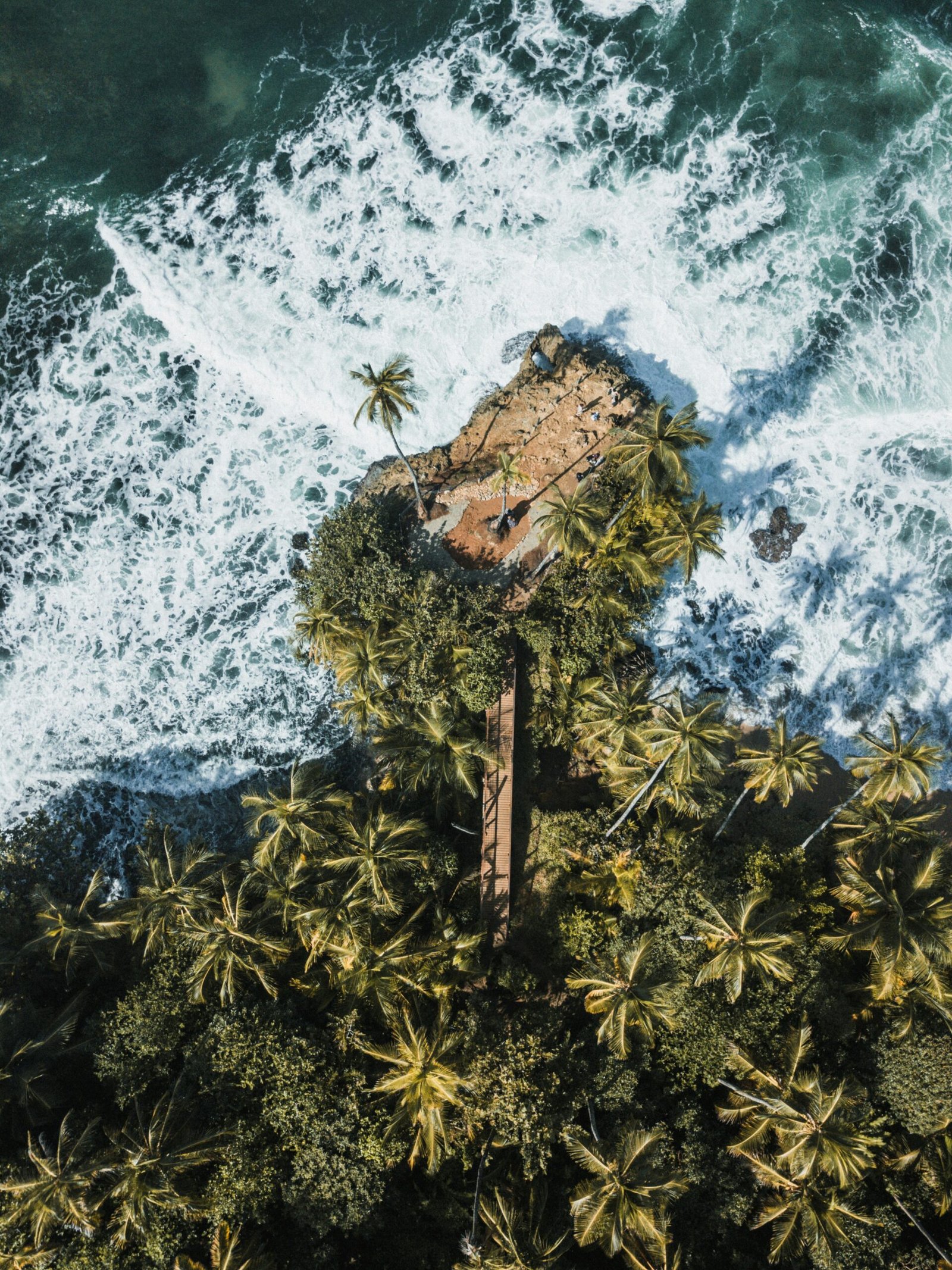
The Las Baulas leatherback night tour in November — see January and February guides for full description. November has the first-of-season encounters, the smallest tour groups of the cycle, and the specific quality of the conservation team at the beginning of a new season. The combination of the smaller group, the first-of-season energy, and the pre-peak prices makes the November tour specifically rewarding compared to the February peak-season version.
The La Leona trail from Carate to Sirena in Corcovado — the 16-kilometre coastal hike along the Pacific rainforest edge — is in November returning to its dry-season accessibility. The trail passes through primary rainforest and along the coast, the river crossings that the wet season made uncertain now at their November lower levels, and the wildlife (the scarlet macaws at the coastal nesting trees, the tapir tracks on the beach sections, the dolphins offshore) at the early dry season activity level. The one-way trail requires the prior booking of the Sirena ranger station overnight and the return boat from Drake Bay.
The first northern humpback whale sightings of the new season at Marino Ballena in November — the advance individuals of the population that will peak in January and February arriving before the main seasonal concentration — are the November Osa Peninsula wildlife activity. The Drake Bay and Uvita whale watching operators track the first arrivals and adjust their tour departures accordingly. The November encounter has the intimacy of the season’s opening: smaller groups, less regulated encounters, and the specific quality of a whale-watching season beginning.
Your email address will not be published. Required fields are marked *